AC Run Capacitor: The Unsung Hero of Your Cooling System
2025.01.29
In the sweltering heat, a functioning air conditioner is more than a luxury; it's a necessity. The unsung hero behind your cool comfort is often the run capacitor, a vital component in the electrical circuit of your AC unit. Much like a starter in a car, it ensures the motor runs smoothly and efficiently by delivering the required electrical push. This article delves into the intricate world of run capacitors, offering clarity on their function, troubleshooting, and replacement, keeping your AC humming all summer long with run capacitor ac knowledge.
What is an AC Run Capacitor?
AC Run Capacitor
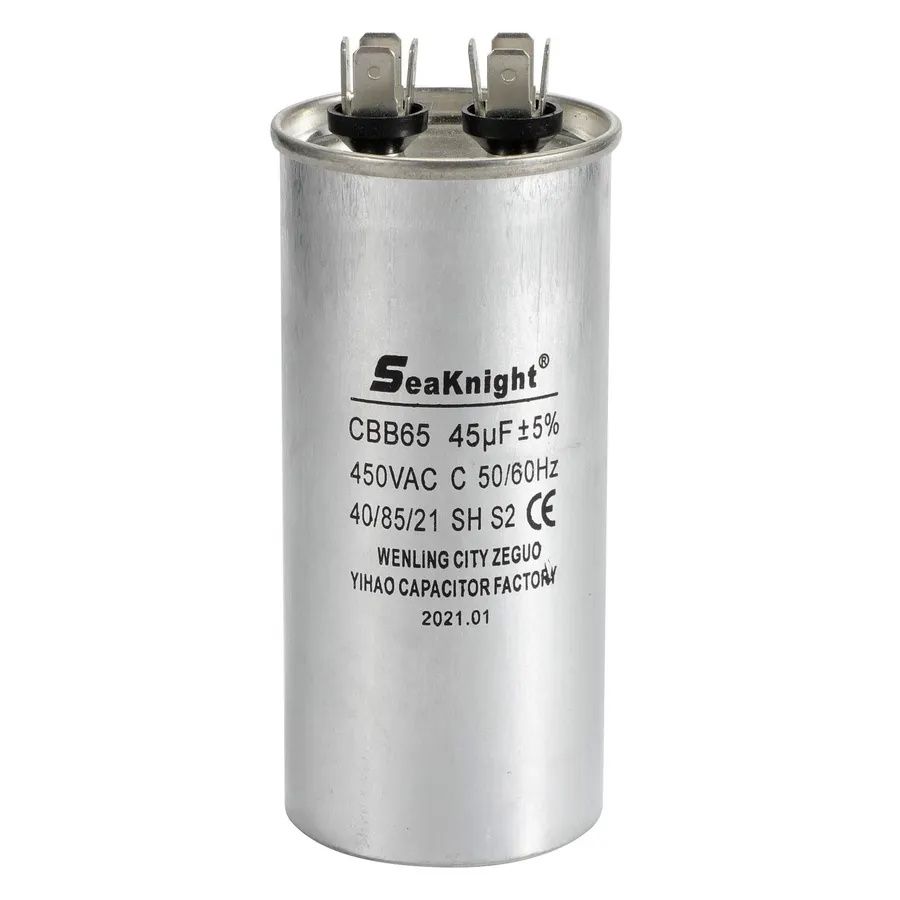
An AC run capacitor is a crucial electrical component within an air conditioning system, designed to provide a continuous electrical boost to the AC motor while it's operating. This constant energy support is vital for maintaining efficient and consistent motor function, unlike the start capacitor, which only offers a brief surge of power for initial startup.
The Crucial Role of the Run Capacitor in AC Operation
AC Motor and Capacitor
The AC run capacitor is instrumental in ensuring the smooth and efficient operation of your air conditioning system. It achieves this by creating a phase shift in the electrical current supplied to the motor, which is fundamental for consistent motor function, ensuring both the fan and compressor operate effectively and preventing motor overheating.
This phase shift is a critical aspect of AC motor operation. AC motors require a rotating magnetic field to induce movement. The run capacitor aids in this process by altering the phase of the current, which in turn generates the necessary rotating magnetic field to drive the motor. This constant, controlled electrical input ensures the motor runs at its intended speed and doesn't experience erratic or inefficient operation.
Without a properly functioning run capacitor, the AC motor will struggle to start or operate efficiently. The consequences may range from increased energy consumption due to inefficient motor function to complete system failure due to motor overheating. Consequently, a functional run capacitor is not just a component of the AC; it is a key element in maintaining energy efficiency and system longevity.
Start Capacitor vs. Run Capacitor
Start and Run Capacitors
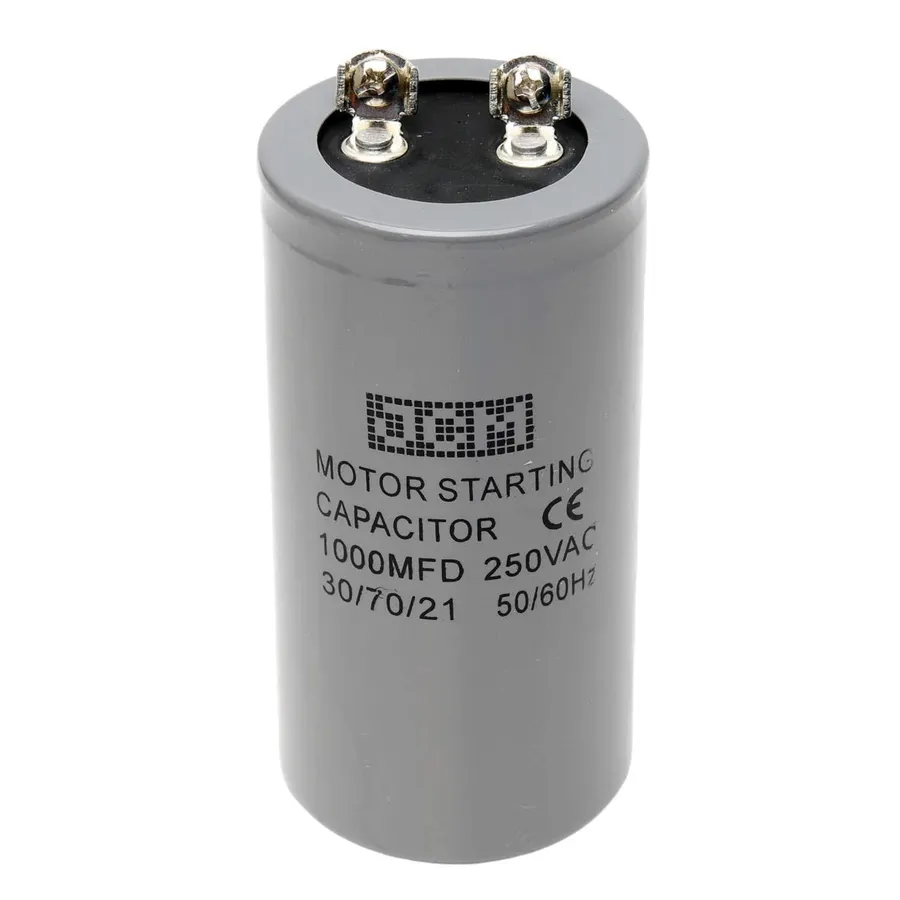
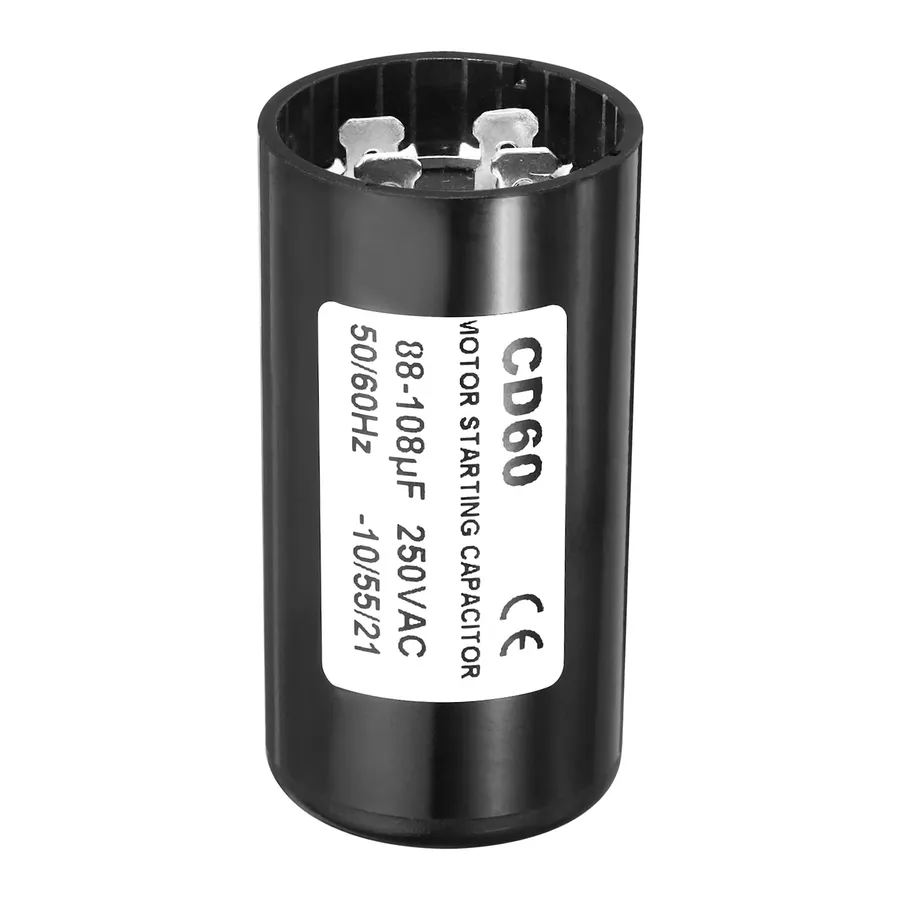
While both start and run capacitors are vital components in an AC system, they serve distinct purposes and operate differently. The start capacitor provides a high-power, short-duration boost to initiate motor rotation, while the run capacitor provides continuous electrical support during the motor's operation, optimizing its efficiency and performance.
Feature
Start Capacitor
Run Capacitor
Purpose
Provides a high-power jolt for initial motor startup
Provides continuous electrical support for consistent motor operation
Operational Duration
Engaged only during startup, then disengaged
Continuously engaged while the motor is running
Electrical Support
High burst of energy to overcome inertia and start the motor.
Maintains phase shift, ensuring efficient and consistent motor operation.
Physical Size and Construction
Often larger and designed for high current, short duration.
Generally smaller and designed for continuous operation.
Failure impact
Motor won't start
Reduced motor efficiency, overheating, or complete failure of operation
Signs of a Failing AC Run Capacitor
Damaged Run Capacitor
A failing AC run capacitor can manifest in several noticeable ways, impacting the performance and reliability of your air conditioning system. Early detection of these symptoms can prevent further damage and ensure timely replacement.
AC Unit Fails to Start One of the primary indicators of a failing run capacitor is the AC unit's inability to start. This occurs because the motor doesn't receive the necessary continuous power boost to initiate the cooling cycle.
Premature Shut-Offs If the AC unit starts but then cuts off unexpectedly after a short period, this can indicate an issue with the run capacitor. It might be failing to sustain the motor's operation.
Increased Operational Noise A failing run capacitor can lead to increased operational noise in the AC unit. This often includes a louder than normal hum, which is a sign of an underperforming motor struggling to function correctly without the adequate capacitor support.
Humming Sound A distinct humming sound originating from the AC unit, especially when it attempts to start, suggests that the motor is not receiving sufficient current to run properly. It may be related to a weak or failing capacitor.
Motor Overheating An AC motor that overheats is another potential sign of a problematic run capacitor. When the capacitor can't efficiently support the motor, it causes the motor to work harder than necessary, leading to excess heat and possible damage.
Physically Bulging Capacitor A visual check of the capacitor itself can be revealing; if it appears physically bulging, this is a clear indication of internal component failure and the need for immediate replacement. A bulging capacitor indicates that the capacitor's dielectric has broken down and gas is being produced internally, putting stress on the casing of the capacitor.
How to Test an AC Run Capacitor
Testing an AC run capacitor requires a multimeter and a systematic approach to ensure accuracy and safety. The primary goal of this test is to determine if the capacitor's capacitance value is within its specified tolerance. A deviation from this value indicates degradation or failure. Prioritize safety by discharging the capacitor before testing. Failure to do so can result in a potentially dangerous electrical shock.
Safety First: Disconnect Power Before commencing any testing, ensure that the power to the AC unit is completely turned off at the breaker box or main power source. This is a critical step to prevent electrical shock.
Discharge the Capacitor Use a screwdriver with an insulated handle to short across the capacitor terminals. This will discharge any remaining electrical charge stored in the capacitor. Failure to discharge may result in an electric shock or damage your multimeter.
Prepare the Multimeter Set the multimeter to measure capacitance (usually indicated by 'uF' or 'nF'). Select the appropriate range if your multimeter is not auto-ranging. Ensure the meter leads are connected to the correct terminals.
Connect the Multimeter Carefully connect the multimeter leads to the terminals of the run capacitor, taking note of the polarity if required. Most run capacitors are non-polarized, but confirming this is essential for accurate measurement.
Take the Reading Observe the multimeter reading and compare it to the rated capacitance value printed on the capacitor's label. Typically a deviation of +/-5% to 10% is within tolerance; a significantly lower reading indicates a capacitor failure and requires replacement.
Interpret the Results If the measured capacitance is significantly lower (more than 10% below the rated value), the capacitor needs replacing. Also, note any physical signs of damage, such as bulging or leaking, which is another indicator of capacitor failure and requires immediate replacement.
Replacing an AC Run Capacitor: A Step-by-Step Guide
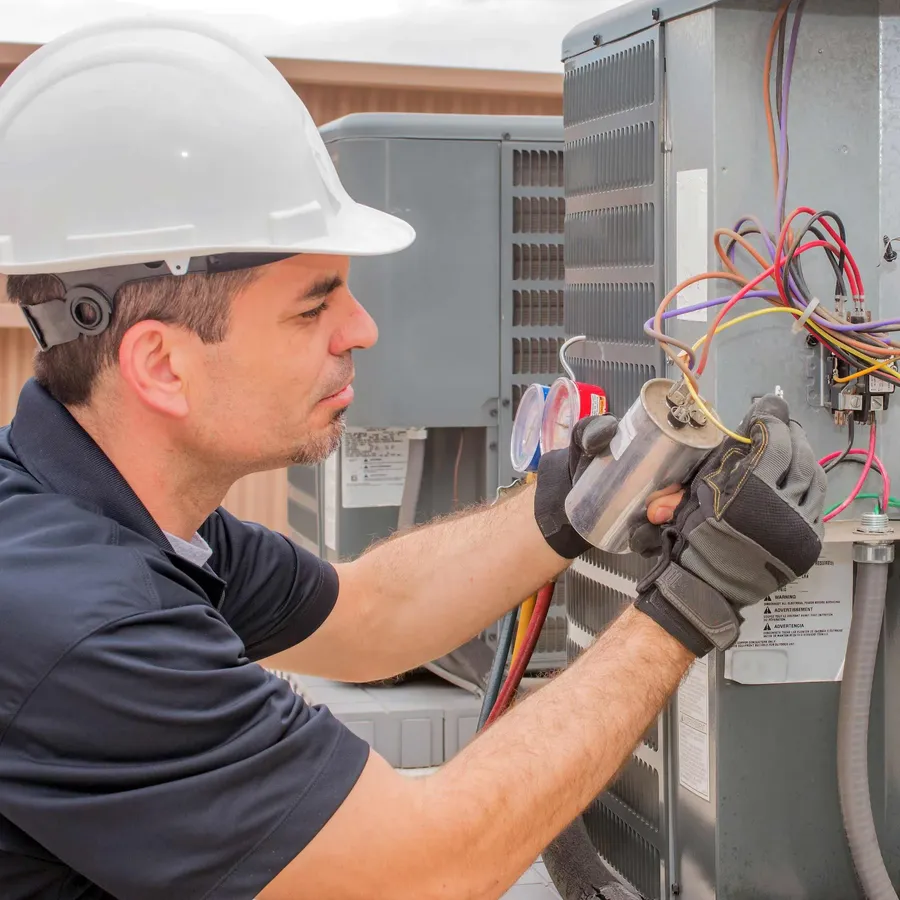
Replacing Capacitor
Replacing an AC run capacitor, while a task that can be accomplished by a knowledgeable DIYer, requires careful attention to safety and detail. The process involves several critical steps, all of which must be followed precisely to ensure proper functionality and safety of the AC unit. Prioritizing safety, proper component selection, and careful execution are key to a successful replacement of your run capacitor ac.
Safety First: Disconnect Power The very first step is to completely disconnect the power supply to your AC unit at the circuit breaker. This is crucial to prevent electrical shock and serious injury. Confirm power is off by testing with a non-contact voltage tester.
Locate the Run Capacitor The run capacitor is typically found within the AC unit's control panel. It is often a cylindrical component, usually gray or black in color. Take note of the position and mounting method of the capacitor.
Document the Wiring Before removing any wires, carefully document the existing wiring configuration. Take clear photographs and/or draw a diagram of how the wires are connected to the capacitor terminals. This is vital to ensure that the new capacitor is wired correctly.
Discharge the Capacitor Even with the power off, a capacitor can store a dangerous electrical charge. Use a tool like an insulated screwdriver to carefully short the terminals of the capacitor and discharge any remaining electricity. This step is very important for your safety.
Remove the Old Capacitor Once discharged and documented, carefully disconnect the wires from the capacitor terminals. Then remove the old run capacitor from its mount. Some capacitors are held in place by a clamp or bracket.
Install the New Capacitor Place the new, correctly rated capacitor in the same location. Ensure it is securely mounted. Connect the wires to the new capacitor terminals, strictly adhering to the wiring configuration you previously documented. Double-check all connections.
Reassemble and Restore Power Carefully reassemble the control panel of the AC unit and restore the power at the circuit breaker. Check the operation of the AC unit. If it starts correctly, you have successfully replaced your run capacitor ac.
Choosing the Right Replacement Run Capacitor
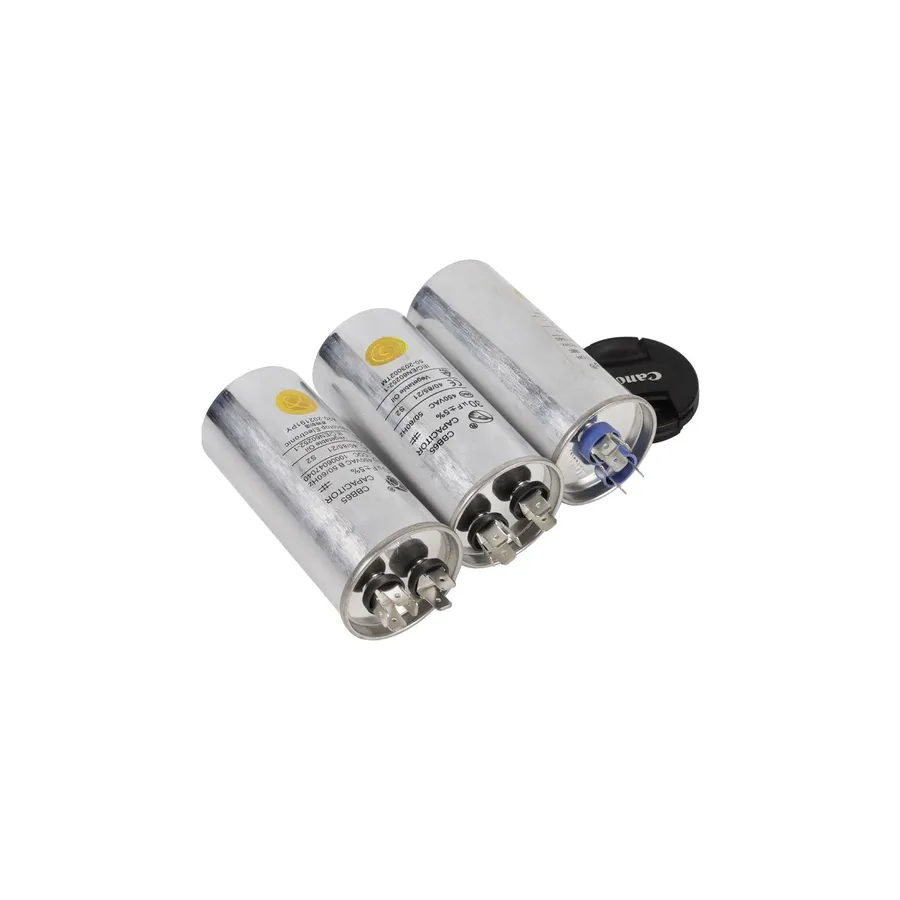
Capacitor Variety
Selecting the correct replacement AC run capacitor is crucial for ensuring your air conditioning system operates efficiently and reliably. A mismatch in specifications can lead to reduced performance, premature failure, or even damage to the AC unit.
Here are the key parameters to consider when selecting a replacement run capacitor:
Microfarad (MFD) Rating The MFD rating indicates the capacitance of the capacitor, measured in microfarads. It's imperative to match the original capacitor's MFD rating exactly. Deviating from this specification can cause issues with the motor's performance.
Voltage Rating The voltage rating specifies the maximum voltage the capacitor can handle. The replacement capacitor's voltage rating should be equal to or greater than the original. Using a capacitor with a lower voltage rating can result in premature failure or even hazardous situations.
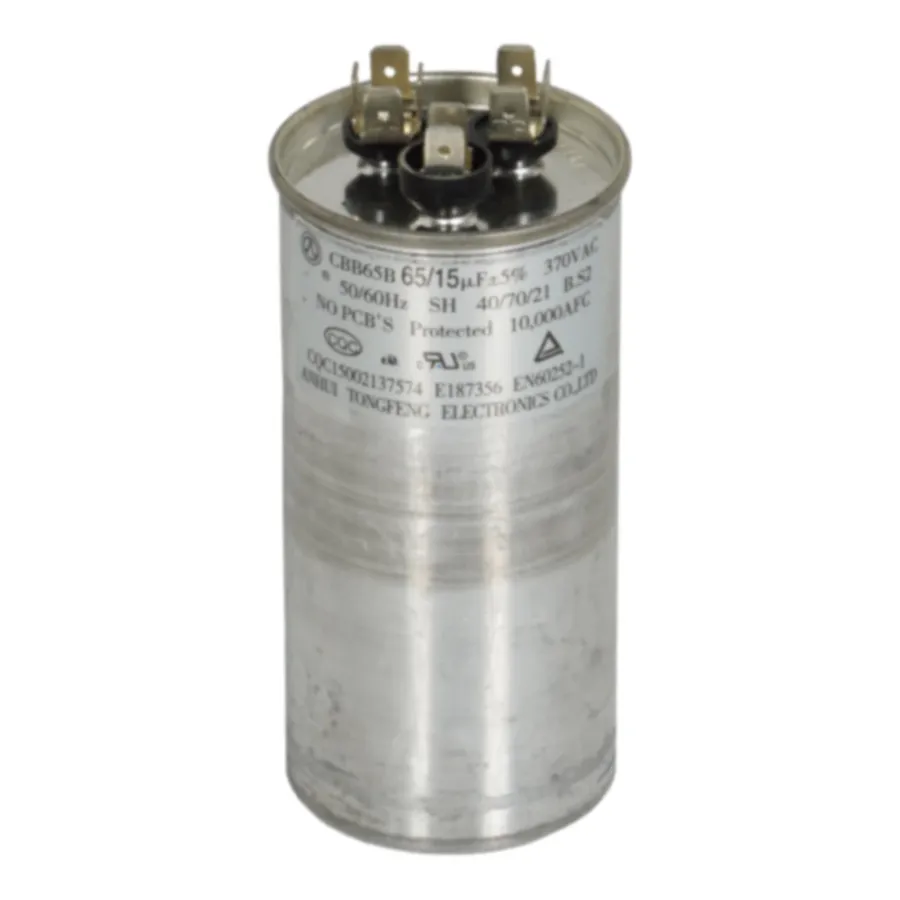
Type of Capacitor Single vs. dual capacitors: Single capacitors power one motor, while dual capacitors power two. Always replace a dual capacitor with another dual capacitor of the correct MFD ratings for each of its terminals (typically compressor and fan motor). A single run capacitor is used when only one motor (e.g. a fan motor) requires a run capacitor.
Physical Size The physical dimensions of the capacitor need to be considered. Ensure the replacement can physically fit within the AC unit's designated space.
Terminal Type Ensure the terminals (e.g., spade, screw, or wire leads) are compatible with the existing wiring. A mismatch can make installation problematic, or can lead to incorrect connections.
Parameter
Description
Importance
Microfarad (MFD)
Capacitance of the capacitor, measured in microfarads.
Must match the original capacitor.
Voltage Rating
Maximum voltage the capacitor can safely handle.
Replacement must meet or exceed the original rating.
Type
Single or dual capacitor.
Must match original capacitor type.
Physical Size
Dimensions of the capacitor.
Must physically fit in the designated space
Terminal Type
Spade, screw or wire leads.
Must match original capacitor's terminals.
Using the correct replacement run capacitor is critical to the AC unit's performance, energy efficiency, and lifespan. Always double-check the specifications of the new capacitor against the old one before installation. It is important to use the correctly rated run capacitor to ensure system reliability and prevent future issues.
Frequently Asked Questions About AC Run Capacitors
This section addresses common questions regarding AC run capacitors, providing clarity on their function, failure symptoms, costs, and how they differ from start capacitors. Understanding these aspects is crucial for maintaining your AC system's efficiency and longevity.
What is the primary function of an AC run capacitor? An AC run capacitor provides a continuous electrical boost to the AC motor, ensuring smooth and efficient operation. It facilitates a phase shift in the electrical current, which allows the motor to run consistently without overheating. Unlike a start capacitor, which is only used during startup, the run capacitor remains active whenever the AC unit is running.
What are the typical signs of a failing AC run capacitor? Common symptoms include the AC unit not starting, cutting off prematurely, emitting increased or unusual operational noises (such as humming), and motor overheating. A physically bulging capacitor is a clear indicator of failure. Reduced performance and inability to maintain the desired temperature are also signs.
What is the average cost of replacing an AC run capacitor? The cost of replacing an AC run capacitor can vary depending on the capacitor's specifications (like microfarad and voltage ratings), the brand, and whether you're doing it yourself or hiring a professional. DIY replacement costs will mainly cover the part, while professional replacement will include labor. Expect to pay more for dual capacitors, which support two motors.
How can I distinguish between a bad start capacitor and a bad run capacitor? While both capacitors are essential for AC motor function, their roles and failure symptoms differ. Start capacitors provide a high-power jolt for initial startup and then disengage; a failed start capacitor typically prevents the AC unit from starting at all. Run capacitors continuously support motor operation; if they fail, symptoms like motor humming, cutting off early, and overheating will be evident. Furthermore, start capacitors are usually only connected to the circuit momentarily, and run capacitors are always connected while the motor is operating.
How does the AC run capacitor interact with the motor? The run capacitor creates a phase shift in the electrical current supplied to the motor, which is essential to start and keep the motor rotating efficiently. It ensures the motor gets the right power for the fan and compressor, preventing strain and overheating during continuous operation. If a run capacitor fails, the motor will not start, will run inefficiently, or will overheat, which can damage the AC unit.
Is it safe to operate an AC with a failing run capacitor? Operating an AC with a failing run capacitor is not advisable. The motor could overheat or sustain damage as the capacitor attempts to function outside of design parameters. Continuing to operate the unit can lead to more costly repairs or the need for premature replacement of motor components and other internal parts. Additionally, a faulty capacitor can present a safety hazard. Therefore, it is recommended that a malfunctioning capacitor be replaced immediately to avoid further damage.
DIY vs. Professional AC Run Capacitor Replacement
Deciding between replacing an AC run capacitor yourself or hiring a professional depends heavily on your comfort level with electrical work, and ensuring personal safety is paramount. While DIY methods can save on labor costs, they also carry significant risks if not handled correctly. Understanding the trade-offs is crucial to making an informed decision that prioritizes both safety and cost-effectiveness.
Factor
DIY Replacement
Professional Replacement
Cost
Lower (parts only)
Higher (parts + labor)
Safety
Higher risk of electrical shock or improper installation if not done correctly
Lower risk due to expertise and adherence to safety protocols
Time
Potentially faster if you have experience; may take longer if new to the task
Usually scheduled appointment and faster as technicians are efficient
Skill Level
Requires electrical knowledge and familiarity with AC systems
Does not require specific user skill or knowledge of AC systems
Warranty
No warranty on labor, only parts
Warranty on both parts and labor
Potential Issues
Risk of improper installation, damage to the AC unit, or injury
Reduced risk of errors due to expertise and experience
When to Consider DIY If you have prior experience with electrical work, are comfortable using multimeters and other tools, and are confident in your ability to follow safety procedures, a DIY replacement may be feasible. Additionally, ensure you possess the correct replacement capacitor and are able to access your unit safely.
When to Hire a Professional If you are not experienced with electrical work, feel uncomfortable working with high voltages, or lack the necessary tools or knowledge, it's best to hire a licensed HVAC technician. This is also advisable if the AC unit is under warranty, as improper DIY work could void the warranty, and especially if the existing unit is in a hard-to-reach or dangerous location.
The AC run capacitor, though small, is vital for the efficient and reliable operation of your air conditioning system. Understanding its role, identifying failure symptoms, and knowing when to replace it can save you money and keep you comfortable. Remember, when dealing with electrical components like a run capacitor ac, safety is paramount; if unsure, it's best to consult a professional. By proactively addressing issues with your run capacitor ac, you ensure your air conditioning runs effectively and extends the lifespan of your cooling system.