Agricultural Data Acquisition Station PCB Solution
2025.09.28
In the realm of modern agriculture, the ability to gather precise, real-time data is no longer a luxury, but a necessity. From monitoring soil conditions to tracking weather patterns, data acquisition stations are becoming indispensable tools for farmers seeking to optimize yields and minimize waste. At the heart of these stations lies the Printed Circuit Board (PCB), the unsung hero that enables the seamless collection, processing, and transmission of critical environmental information. Zero One Solution Limited is proud to offer specialized PCB solutions tailored for agricultural data acquisition stations. Our expertise in rapid prototyping and comprehensive PCB services empowers agricultural innovators to develop cutting-edge monitoring systems, accelerating the evolution of precision agriculture and sustainable farming practices. Are you ready to revolutionize your approach to farming with advanced data-driven solutions? This article delves into the crucial role of PCBs in agricultural data acquisition, highlighting the design considerations, manufacturing processes, and benefits of partnering with Zero One Solution Limited for your PCB needs.
The Crucial Role of Data Acquisition in Modern Agriculture
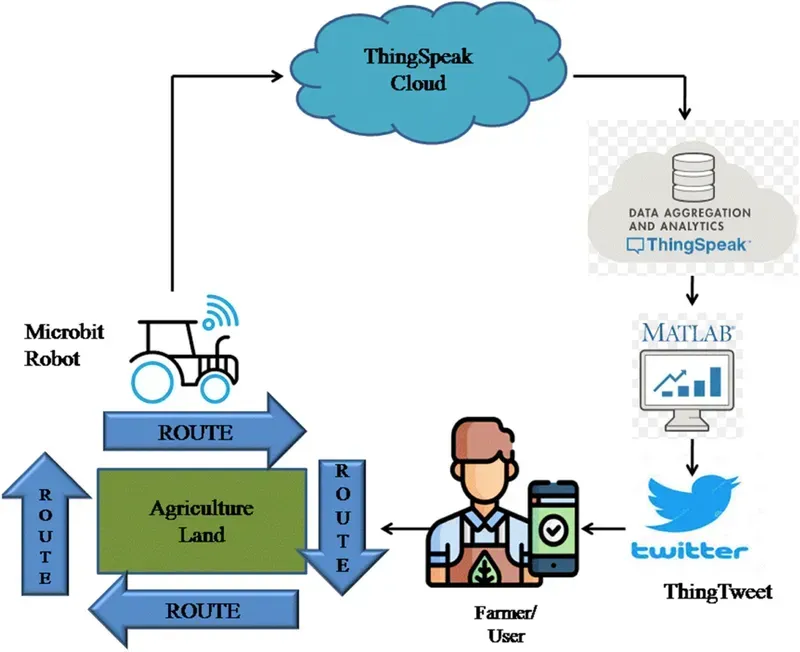
Data acquisition (DAQ) systems are fundamental to the transformation of modern agriculture, transitioning traditional farming into an era of precision agriculture. These systems serve as the eyes and ears of the farm, continuously collecting critical environmental and plant-specific data. By providing real-time insights, DAQ solutions empower farmers to make informed, data-driven decisions that enhance efficiency, optimize resource utilization, and significantly boost crop yields and livestock health. This technological shift is pivotal for sustainable and profitable agricultural operations globally, driving advancements that address food security and environmental challenges.
Optimizing Resource Management DAQ systems enable precise monitoring of soil moisture, nutrient levels, and localized weather patterns. This data allows for optimized irrigation scheduling, targeted fertilizer application, and efficient pest management, significantly reducing water consumption, chemical use, and operational costs. For instance, studies show that precision irrigation can save up to 30% of water while maintaining or increasing yields.
Enhancing Yield Optimization By continuously monitoring plant health, growth stages, and environmental stressors, DAQ systems provide actionable insights for timely interventions. This leads to healthier crops, reduced disease incidence, and ultimately, higher quality and quantity of produce. Advanced analytics applied to collected data can predict optimal harvest times, further maximizing yield potential.
Mitigating Environmental Risks Real-time data on temperature, humidity, and wind speed helps farmers anticipate and respond to adverse weather conditions, protecting crops and livestock. Early detection of environmental anomalies through DAQ can prevent significant losses from frost, heat stress, or excessive rainfall, ensuring operational resilience.
Facilitating Precision Livestock Management Beyond crops, DAQ systems monitor animal health, feeding patterns, and environmental conditions within barns. This data supports optimized feeding strategies, early detection of illness, and improved welfare, leading to healthier livestock, increased productivity, and reduced veterinary costs.
Key Components of an Agricultural Data Acquisition Station
Agricultural Data Acquisition Station Components
A robust agricultural data acquisition station is the backbone of modern smart farming, meticulously collecting crucial environmental and crop data to inform precise decision-making. At its core, the station's efficiency and reliability hinge on a synergistic interplay of specialized components, with the central Printed Circuit Board (PCB) serving as the integrative hub that orchestrates all functions. Understanding these key components is vital for designing a system that ensures optimal performance and longevity in challenging agricultural environments.
Sensors These are the "eyes and ears" of the station, collecting diverse data points such as soil moisture, temperature, humidity, pH levels, light intensity, and nutrient concentrations. The selection of sensors is critical, requiring robust, accurate, and low-power options capable of withstanding outdoor conditions. Integration onto the PCB demands careful consideration of analog-to-digital conversion and signal conditioning circuits to ensure data fidelity. For instance, a typical soil moisture sensor might provide an analog output that needs precise amplification and digitization before being processed by the microcontroller on the PCB, highlighting the PCB's role in signal integrity. According to a 2023 report by MarketsandMarkets, the agricultural sensor market is projected to reach USD 3.6 billion by 2028, underscoring their growing importance and variety in modern farming systems and the need for adaptable PCB designs.
Data Loggers/Microcontrollers The data logger, often a sophisticated microcontroller unit (MCU) integrated into the central PCB, acts as the brain of the station. It receives data from sensors, processes it, stores it temporarily, and manages the communication with external networks. Key features include sufficient memory, low power consumption, and robust processing capabilities to handle multiple sensor inputs and communication protocols. For example, a low-power ARM Cortex-M series microcontroller is often chosen for its efficiency in battery-powered applications, crucial for remote agricultural deployments. This central processing unit on the PCB manages data timestamping, calibration, and aggregation, converting raw sensor readings into actionable insights before transmission.
Component Category
Function
PCB Integration Challenge
Example Technology
Communication Modules
Enabling wireless data transmission to cloud platforms or central servers.
Managing antenna impedance, power consumption for RF circuits, and diverse protocol support.
LoRaWAN, NB-IoT, 4G/5G, Wi-Fi, Bluetooth Low Energy (BLE)
Power Supply Units
Providing stable and efficient power to all components, often from renewable sources.
Designing efficient DC-DC converters, battery management systems, and solar charge controllers with minimal heat dissipation.
Solar panels with MPPT chargers, rechargeable lithium-ion batteries, supercapacitors
Central PCB
Integrating and interconnecting all components; processing and orchestrating data flow.
Ensuring signal integrity, electromagnetic compatibility (EMC), thermal management, and robust environmental protection (conformal coating).
Multi-layer FR-4, Aluminum core PCBs for thermal dissipation
PCB Design Considerations for Agricultural Applications
Agricultural PCB Environmental Protection
Designing Printed Circuit Boards (PCBs) for agricultural data acquisition stations demands a specialized approach, prioritizing resilience and reliability to withstand the inherently harsh farming environment. Unlike typical industrial or consumer electronics, agricultural PCBs face extreme temperatures, humidity, dust, and potential chemical exposure, necessitating robust engineering from material selection to circuit layout. Zero One Solution Limited leverages its extensive experience to address these unique challenges, ensuring optimal performance and longevity for critical agricultural monitoring equipment. Our design philosophy centers on creating PCBs that are not just functional but are also impervious to environmental stressors, providing a stable foundation for precise data collection.
Environmental Protection Agricultural PCBs must endure severe environmental conditions. This involves selecting substrates with low moisture absorption (e.g., specific FR-4 variants or specialized laminates), applying conformal coatings to protect against humidity, dust, and corrosive agents, and designing enclosures that meet high IP ratings (e.g., IP67 for dust and water resistance). Thermal management is also crucial, requiring designs that dissipate heat effectively in fluctuating ambient temperatures, potentially utilizing heat sinks or wider traces for improved thermal conductivity. Our designs often incorporate specific material sets that offer superior resistance to UV radiation and common agricultural chemicals, ensuring the integrity of the board over extended periods in the field.
Power Management Efficiency Remote agricultural stations often rely on limited power sources like solar panels and batteries, making efficient power management paramount. PCB designs must incorporate low-power components, efficient DC-DC converters, and intelligent power switching circuits to minimize consumption. Techniques such as power gating, sleep modes for microcontrollers, and optimized sensor sampling rates are critical. We also consider the integration of energy harvesting modules directly onto the PCB to maximize operational uptime without frequent battery replacements, a key factor for sustainability and reduced maintenance in vast agricultural areas. This meticulous approach ensures that the station can operate autonomously for extended durations, even in periods of low sunlight or limited access.
Design Consideration
Impact on Agricultural PCBs
Zero One Solution Approach
Signal Integrity
Crucial for accurate sensor data transmission over potentially long traces and in noisy environments.
Employing differential signaling, impedance matching, and robust grounding techniques to minimize noise and ensure data fidelity. Careful trace routing to avoid interference sources (e.g., power lines).
Component Selection
Need for industrial-grade components resistant to temperature extremes, vibration, and moisture.
Utilizing automotive-grade or extended-temperature range components from reputable manufacturers. Prioritizing components with low power consumption and high reliability for harsh outdoor use, including durable connectors and passive components resistant to environmental degradation.
What are the primary environmental challenges for agricultural PCBs? The primary environmental challenges include extreme temperature fluctuations, high humidity, dust and particulate matter, corrosive agricultural chemicals, and potential mechanical stress from vibrations or impacts. These conditions necessitate robust material selection and protective measures to ensure long-term reliability and performance of the PCB.
Zero One Solution's PCB Design and Manufacturing Expertise for Agricultural Data Acquisition Stations
PCB Design Manufacturing
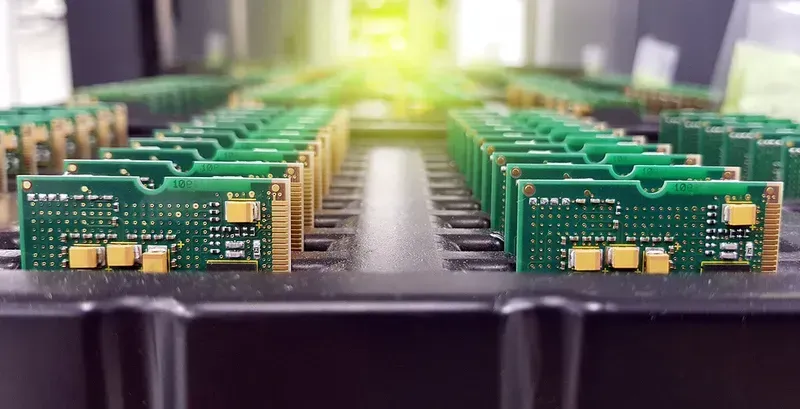
Zero One Solution Limited stands at the forefront of providing bespoke PCB solutions specifically engineered for the rigorous demands of agricultural data acquisition stations. Our deep-rooted expertise, honed over years in the industry, enables us to deliver high-reliability, rapid-prototype, and production-ready PCBs that empower smart farming initiatives globally. We understand that agricultural environments present unique challenges, from extreme temperatures and humidity to corrosive elements, necessitating a robust and meticulously designed PCB foundation.
Rapid Prototyping for Accelerated Agricultural Innovation Our core strength lies in rapid-response R&D prototype manufacturing. This capability is crucial for agricultural technology developers who need to quickly test and iterate their sensor designs and data acquisition systems. We significantly reduce lead times, allowing clients to accelerate product development cycles and gain a critical competitive edge in the fast-evolving AgTech market. From initial concept to functional prototype, our streamlined processes ensure efficiency without compromising precision.
Service Aspect
Zero One Solution's Advantage
Benefit for Agricultural PCB Clients
PCB Design
Expertise in high-reliability, low-power, and robust designs for harsh environments.
Ensures long-term operational stability and data integrity in diverse agricultural settings, minimizing field failures and maintenance costs.
Comprehensive Manufacturing and Assembly Services Beyond design, Zero One Solution offers a full spectrum of manufacturing and assembly services. We utilize advanced fabrication techniques and adhere to stringent quality control, ensuring every PCB meets the highest performance standards. Our assembly lines are equipped for both small-batch prototyping and large-scale production, providing scalability to match your project's evolving needs. This comprehensive approach simplifies your supply chain and guarantees consistency from design to final product.
Service Aspect
Zero One Solution's Advantage
Benefit for Agricultural PCB Clients
Material Selection
Access to a wide range of specialized materials (e.g., high-Tg laminates, moisture-resistant coatings).
PCBs can withstand extreme agricultural conditions, enhancing durability and extending product lifespan.
Commitment to Quality and Certifications Quality is paramount in all our operations. Zero One Solution is committed to delivering products that comply with global industry standards. Our manufacturing processes are guided by rigorous quality management systems, ensuring traceability and reliability. We hold relevant certifications that attest to our adherence to international quality and environmental standards, providing our agricultural clients with confidence in the performance and sustainability of their PCB solutions.
Wireless Communication Technologies for Data Transmission
Wireless Communication Module PCB
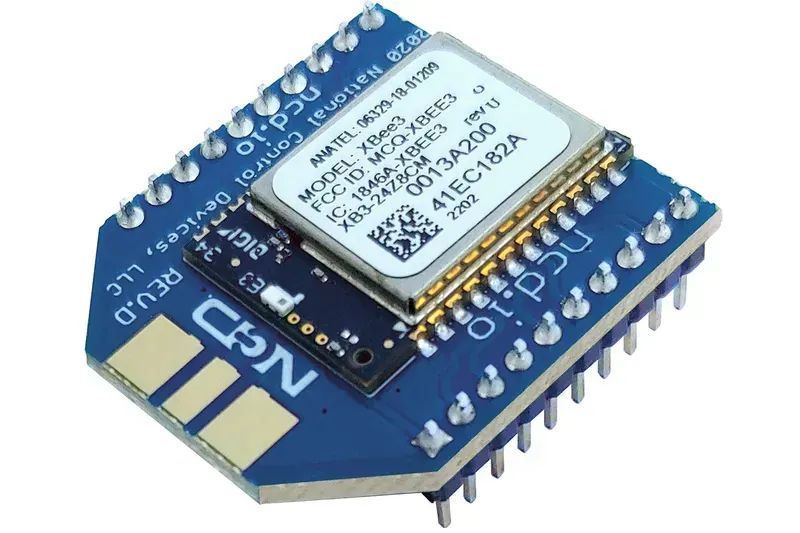
Efficient data transmission is the backbone of any agricultural data acquisition station, enabling real-time insights and informed decision-making. The Printed Circuit Board (PCB) serves as the critical enabler, integrating various wireless communication modules that allow data to be reliably sent from remote agricultural fields to central servers or cloud platforms. Selecting the appropriate wireless technology is paramount, balancing factors such as range, power consumption, data rate, and cost to optimize the performance and longevity of the agricultural monitoring system.
Technology
Key Characteristics
Typical Applications in Agriculture
PCB Integration Considerations
LoRaWAN (Long Range Wide Area Network)
Low power, long range (up to 15 km), low data rate, operates in ISM bands.
Soil moisture monitoring, livestock tracking, environmental sensing over large areas.
Requires dedicated LoRa module integration, robust antenna design for optimal range, careful power management for battery longevity.
NB-IoT (Narrowband-IoT)
Low power, good penetration, operates on cellular networks, moderate data rate.
Asset tracking, irrigation control, remote sensor data collection in areas with cellular coverage.
Integrated cellular module, SIM card slot, power efficiency for continuous operation, antenna placement for signal strength.
WiFi (IEEE 802.11)
High data rate, short range (up to 100m), higher power consumption, requires local network infrastructure.
Greenhouse automation, localized sensor networks, data offloading from gateways in close proximity to infrastructure.
Integrated WiFi module, careful layout for RF performance, adequate power supply for higher consumption.
Cellular (2G/3G/4G/5G)
High data rate, wide coverage (cellular network dependent), higher power consumption.
Real-time video surveillance, high-volume sensor data transmission, critical alerts.
Complex module integration, robust power management, heat dissipation, secure data handling, regional frequency band compliance.
Power Management Strategies for Remote Agricultural Monitoring
Solar Powered Agricultural Monitoring
Effective power management is paramount for the continuous operation of remote agricultural data acquisition stations, which often operate in isolated areas without stable grid access. The strategic implementation of power source options and low-power design principles is crucial to ensure long-term, reliable data collection, directly impacting the station's efficiency and the quality of agricultural insights. This section delves into the various power strategies, including renewable energy integration and advanced power optimization techniques, vital for sustainable monitoring in diverse agricultural environments.
What are the primary power source options for agricultural data acquisition stations? The primary power source options include solar power, rechargeable batteries, and wired connections. Solar power, often combined with battery storage, is ideal for remote locations, offering sustainability and independence from the grid. Rechargeable batteries (e.g., Li-ion, LiFePO4) provide backup or standalone power for shorter durations or when solar charging is intermittent. Wired connections are suitable for stations within reach of the main power grid, offering consistent and reliable energy.
How does low-power design contribute to the longevity of remote monitoring devices? Low-power design is fundamental to maximizing the operational lifespan of remote agricultural monitoring devices, especially those reliant on limited power sources like batteries or small solar panels. This involves selecting components with minimal power consumption, implementing efficient power modes (e.g., sleep modes, deep sleep), optimizing communication protocols to reduce transmission time and power, and employing intelligent sensor sampling rates. By minimizing energy drain, the device can operate for extended periods without requiring frequent battery replacement or significant solar panel arrays, thereby reducing maintenance costs and ensuring continuous data flow.
Specific microclimates or machinery-integrated sensors
Efficient Voltage Regulation
Stable power delivery, reduced power loss
All data acquisition stations
Optimized Communication Protocols
Minimizes power consumption during data transmission
LoRaWAN, NB-IoT based systems
Deep Sleep & Wake-up Mechanisms
Significantly reduces idle power consumption
Battery-powered intermittent monitoring
Case Studies: Successful Agricultural Data Acquisition Projects
Improved Crop Yields
Real-world applications of robust PCB solutions are crucial for demonstrating tangible improvements in agricultural productivity and resource management. At Zero One Solution Limited, our advanced PCB design and manufacturing capabilities have empowered numerous agricultural enterprises to achieve unprecedented efficiency and yield optimization through precise data acquisition. These case studies highlight the direct impact of our tailored solutions in addressing the unique challenges of modern farming.
Optimizing Irrigation with Precision Soil Moisture Monitoring A large-scale vineyard in California partnered with Zero One Solution to develop a custom PCB for their soil moisture data acquisition stations. Our solution integrated high-precision capacitance sensors and a low-power LoRaWAN module, enabling real-time, granular data transmission across vast, undulating terrain. This allowed the vineyard to implement dynamic irrigation schedules, reducing water consumption by an estimated 25% while increasing grape yield quality by 10% due to optimized water delivery at critical growth stages. The ruggedized PCB, designed for extreme temperature fluctuations and humidity, ensured continuous operation with minimal maintenance, even in challenging environmental conditions.
Enhancing Crop Health Through Environmental Condition Monitoring For an organic vegetable farm in the Pacific Northwest, Zero One Solution engineered a sophisticated PCB for their microclimate monitoring stations. This PCB supported multiple sensors—temperature, humidity, light intensity, and CO2 levels—and featured a robust, weather-resistant design. By leveraging our rapid prototyping service, the farm quickly deployed a network of these stations. The real-time data allowed them to proactively identify conditions favorable for disease outbreak or pest infestation, leading to a 15% reduction in crop loss and a significant decrease in fungicide use. The integrated power management circuit, designed for solar harvesting, provided reliable, year-round operation.
Improving Livestock Management with Remote Biometric Monitoring A dairy farm sought to enhance animal welfare and productivity by continuously monitoring the health parameters of their herd. Zero One Solution developed a miniature, low-power PCB for wearable biometric sensors. This PCB was designed for high-density component placement and extreme durability, capable of withstanding constant exposure to moisture and physical stress. The integrated Bluetooth Low Energy (BLE) module facilitated short-range data collection, which was then aggregated and transmitted via a central gateway. The solution enabled early detection of health anomalies, reducing veterinary costs by 20% and improving milk production by 5% through prompt intervention and optimized feeding strategies.
Future Trends in Agricultural Data Acquisition Technology
The evolution of agricultural data acquisition is accelerating, driven by advancements in sensor technology, artificial intelligence, and edge computing. These emerging trends are poised to transform traditional farming into highly optimized, data-driven operations, where PCBs play a foundational role in enabling sophisticated data processing and connectivity at the source. Future agricultural data acquisition stations will be smarter, more efficient, and integrate seamlessly with broader agricultural ecosystems.
How will AI and Machine Learning impact agricultural data acquisition? AI and machine learning will move beyond simple data collection to predictive analytics and prescriptive actions. For example, AI algorithms running on edge devices (enabled by advanced PCBs) can analyze real-time sensor data on soil moisture, nutrient levels, and crop health to predict disease outbreaks or optimal irrigation schedules with unprecedented accuracy. This enables proactive decision-making, minimizing waste and maximizing yield, rather than reactive responses based on historical data patterns. PCBs will integrate specialized AI accelerators to facilitate on-device processing, reducing latency and data transmission overheads.
Edge computing is a pivotal trend for agricultural data acquisition, enabling real-time processing and analysis closer to the data source. This significantly reduces latency, conserves bandwidth, and enhances data security. For agricultural PCBs, this means incorporating more powerful microcontrollers and processors capable of handling complex computations, often with integrated memory and dedicated hardware accelerators for AI and machine learning tasks. This shift allows for immediate insights and automated decision-making directly at the farm, such as adjusting irrigation based on real-time soil conditions without sending data to a remote cloud server. This distributed intelligence enhances the robustness and responsiveness of agricultural monitoring systems.
Trend
Impact on Agricultural Data Acquisition
PCB Implications
AI-Powered Analytics
Predictive modeling for crop health, yield optimization, resource management.
Integration of AI accelerators, powerful embedded processors, higher memory capacity on PCBs to support on-device machine learning inference.
What role do advanced sensor technologies play in future agricultural data acquisition? Next-generation sensors are becoming more precise, miniature, and capable of detecting a broader range of environmental and biological parameters. This includes hyperspectral imaging for early disease detection, nanotechnology-based sensors for real-time nutrient analysis, and bio-sensors for pathogen identification. These sensors provide a richer, more nuanced dataset, enabling hyper-localized and precise agricultural interventions. PCBs must be designed to accommodate these diverse sensor interfaces, ensuring high signal integrity, low noise, and flexible connectivity options for various analog and digital outputs. Miniaturization and robust packaging are also critical to withstand harsh agricultural environments, leveraging advanced materials and fabrication techniques.
Trend
Impact on Agricultural Data Acquisition
PCB Implications
Edge Computing
Real-time data processing, reduced latency, enhanced security, local decision-making.
Robust power management for continuous operation, integration of higher-performance MCUs/MPUs, optimized thermal management, secure element integration for data privacy.
How will the "Internet of Things" (IoT) evolve in agricultural settings? The agricultural IoT will transition from isolated data acquisition stations to interconnected networks of smart devices, creating a truly digital farm. This means seamless communication between sensors, drones, autonomous machinery, and central management systems. Future agricultural PCBs will be crucial for enabling this pervasive connectivity, supporting a multitude of wireless protocols (e.g., 5G, LoRaWAN, Thread), and facilitating interoperability between different farm technologies. This interconnectedness allows for holistic insights and automated workflows, leading to unprecedented levels of efficiency and sustainability in farming operations.
Trend
Impact on Agricultural Data Acquisition
PCB Implications
Advanced Sensor Technologies
More precise, diverse, and miniature sensing capabilities (hyperspectral, nano-sensors, bio-sensors).
High-density interconnects, specialized analog front-ends, advanced material selection for environmental resilience, flexible and rigid-flex PCB designs for complex sensor integration.
What challenges and opportunities do these trends present for PCB manufacturers like Zero One Solution? These trends present significant opportunities for innovation in PCB design and manufacturing. Challenges include the need for increased complexity and density, robust environmental protection for outdoor deployment, efficient power management for battery-operated devices, and the integration of diverse components (sensors, processors, communication modules). Opportunities lie in developing specialized, high-performance PCBs that can withstand harsh agricultural conditions while enabling advanced functionalities like AI at the edge and seamless IoT connectivity. Zero One Solution, with its rapid prototyping capabilities and expertise in complex board designs, is uniquely positioned to meet these evolving demands by providing tailored, reliable, and cutting-edge PCB solutions.
Why Choose Zero One Solution Limited for Your Agricultural PCB Needs?
For agricultural enterprises seeking to harness the power of data-driven insights, selecting a reliable and capable PCB solution provider is paramount. Zero One Solution Limited stands as a beacon of excellence in this specialized field, offering unparalleled expertise and a proven track record in delivering robust, high-performance Printed Circuit Board (PCB) solutions specifically tailored for the demanding environment of agricultural data acquisition stations. Our commitment to innovation, rapid prototyping, and comprehensive service ensures your agricultural technology projects flourish from concept to deployment.
Unrivaled Expertise in Agricultural PCB Solutions With a decade of experience and a team of veteran engineers, Zero One Solution Limited possesses deep domain knowledge in designing and manufacturing PCBs that withstand the unique challenges of agricultural settings, including extreme temperatures, humidity, dust, and vibrations. Our understanding of sensor integration, power management, and wireless communication protocols specific to farming applications positions us as a leader in this niche.
Accelerated Product Development Through Rapid Prototyping Time-to-market is critical in the fast-evolving agritech landscape. Our core strength lies in rapid-response R&D prototype manufacturing, enabling you to swiftly test, iterate, and refine your agricultural data acquisition station designs. This agile approach significantly reduces development cycles and empowers you to bring innovative solutions to market faster than competitors, gaining a crucial competitive edge.
Comprehensive One-Stop PCBA Services Zero One Solution Limited offers a seamless, end-to-end service from initial PCB design and layout to manufacturing and final assembly. This integrated approach simplifies your supply chain, reduces coordination overheads, and ensures consistent quality control across all stages of production. Our global supply chain network, supported by our strategic locations in Shenzhen and Dubai, guarantees access to the best resources and materials.
Commitment to Quality and Reliability in Harsh Environments The reliability of agricultural data acquisition stations directly impacts operational efficiency and decision-making. We adhere to stringent quality control standards and utilize advanced manufacturing processes to produce durable, high-reliability PCBs capable of enduring harsh outdoor conditions. Our focus on robust component selection and meticulous testing ensures your systems operate flawlessly, minimizing downtime and maximizing data integrity.
In conclusion, the PCB is the foundation upon which effective agricultural data acquisition stations are built. Its design, manufacturing, and assembly are critical to the accuracy, reliability, and longevity of the data collected. Zero One Solution Limited is committed to providing innovative and high-quality PCB solutions that empower agricultural professionals to make informed decisions, optimize their operations, and contribute to a more sustainable future. Partner with us to transform your data acquisition concepts into reality and lead the way in precision agriculture. Contact Zero One Solution Limited today to discuss your project and discover how our expertise can help you achieve your goals.