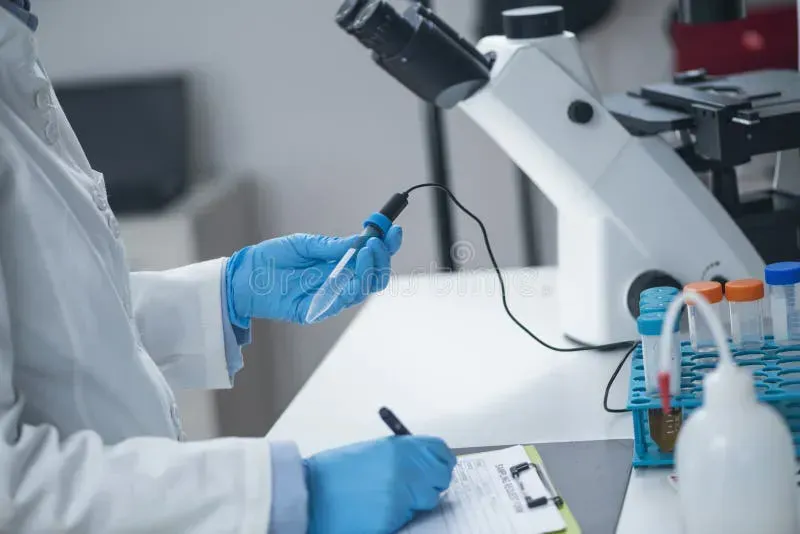
In today's world, ensuring the freshness and safety of agricultural products is more critical than ever. Consumers demand transparency and quality, driving the need for innovative monitoring solutions. Just as advancements in social science help us understand consumer behavior, technology like PCB solutions are revolutionizing how we track and maintain freshness in the agricultural supply chain. This article delves into the Agricultural Product Freshness Monitoring Board Solution, highlighting its design, functionality, and the benefits it brings to the industry.
Introduction: The Importance of Freshness Monitoring
In today's discerning market, the freshness of agricultural products is not merely a preference but a critical determinant of consumer trust, market value, and public health. With global supply chains becoming increasingly complex and consumer awareness of food safety and quality at an all-time high, effective freshness monitoring has transitioned from a beneficial practice to an indispensable necessity. This heightened emphasis is driven by escalating consumer demands for high-quality, safe produce, alongside stringent food safety regulations designed to minimize waste and prevent foodborne illnesses. Ensuring optimal freshness throughout the journey from farm to fork significantly reduces spoilage, enhances profitability for producers and distributors, and ultimately safeguards the end-consumer. It is within this dynamic landscape that innovative solutions, such as the Agricultural Product Freshness Monitoring Board, emerge as vital tools for maintaining integrity and value.
What is an Agricultural Product Freshness Monitoring Board?
Agricultural freshness monitoring board
An Agricultural Product Freshness Monitoring Board is a sophisticated, dedicated electronic system engineered to rigorously assess and maintain the optimal quality of agricultural produce throughout its journey from farm to consumer. At its core, this board integrates advanced sensor technology with robust data processing capabilities to provide real-time, actionable insights into crucial environmental parameters, directly addressing the pervasive challenges of spoilage and quality degradation in the agricultural supply chain. By proactively identifying and mitigating risks associated with improper storage and transport conditions, these boards are instrumental in ensuring food safety, extending shelf life, and significantly reducing post-harvest losses, thereby enhancing profitability and consumer trust.
Feature
Benefit in Freshness Monitoring
Impact on Agricultural Products
Real-time Data Acquisition
Continuous monitoring of environmental conditions (temperature, humidity, gas levels)
Prevents spoilage by allowing immediate corrective actions
Precision Sensing
High-accuracy sensors for critical parameters like ethylene, CO2, and moisture
Ensures optimal preservation conditions specific to each product type
Wireless Connectivity
Seamless data transmission to cloud platforms or central dashboards
Enables remote monitoring and rapid decision-making across distributed supply chains
Low Power Consumption
Optimized design for extended battery life in remote deployments
Facilitates long-term monitoring without frequent maintenance
Robust Design
Resistance to harsh agricultural environments (dust, moisture, vibrations)
Ensures reliable operation and longevity in demanding conditions
Data Logging & Analytics
Historical data recording and trend analysis
Informs better storage strategies, reduces waste, and improves quality control
How does an Agricultural Product Freshness Monitoring Board work? These boards operate by employing an array of specialized sensors to continuously collect data on critical environmental variables such as temperature, humidity, and specific gas concentrations (e.g., ethylene, carbon dioxide, oxygen) that directly influence the freshness and shelf life of agricultural products. This data is then processed by a microcontroller and transmitted, often wirelessly, to a central system or cloud platform for real-time analysis. Alerts are triggered if conditions deviate from optimal ranges, enabling timely intervention to prevent spoilage and maintain quality throughout storage and transportation.
Key Components and Functionality
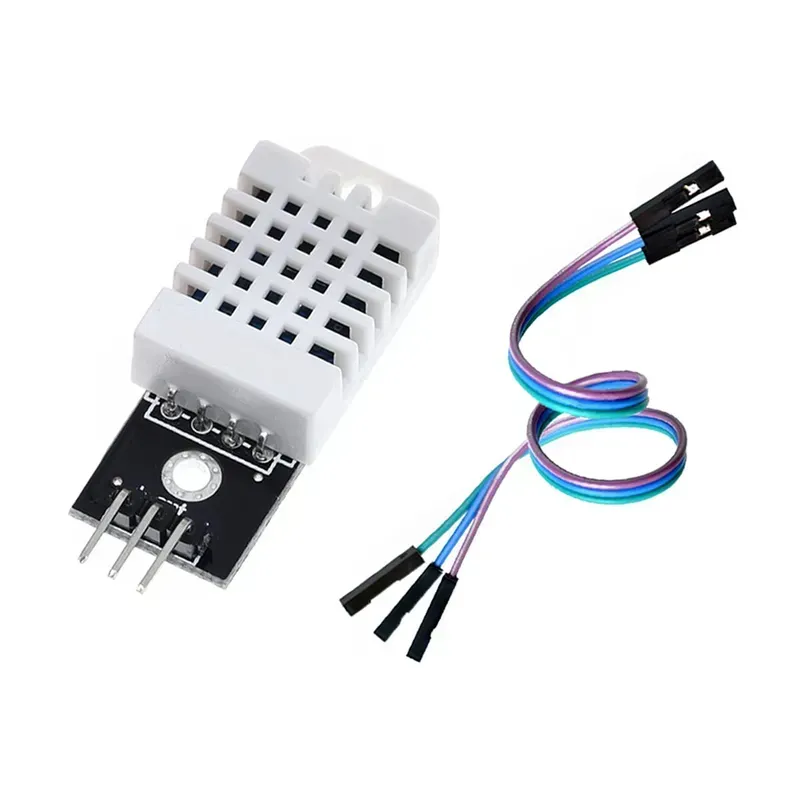
Temperature humidity sensor
At the core of an effective Agricultural Product Freshness Monitoring Board lies a sophisticated integration of specialized components, each playing a vital role in data acquisition, processing, and communication. This synergy ensures precise, real-time insights into the condition of perishable goods, optimizing freshness and minimizing waste across the supply chain. Understanding these fundamental building blocks is crucial for appreciating the board's robust capabilities.
Sensors: The Eyes and Ears of Freshness The primary function of any freshness monitoring board begins with its array of sensors. These specialized transducers are designed to detect and quantify critical environmental parameters. For agricultural products, this typically includes highly accurate temperature sensors (e.g., NTC thermistors, RTDs), humidity sensors (capacitive, resistive), and gas sensors (ethylene, CO2, O2, NH3) which are crucial for detecting ripening, spoilage, or specific storage atmosphere conditions. Advanced boards may also incorporate volatile organic compound (VOC) sensors for early spoilage detection.
Microcontrollers: The Brains of the Board Microcontrollers (MCUs) serve as the central processing unit, interpreting the analog and digital signals from the sensors. They are programmed to process raw data, perform necessary calculations, apply calibration curves, and manage the overall operation of the board. Popular choices include low-power ARM Cortex-M series microcontrollers due to their efficiency and processing power, enabling complex algorithms for data analysis and decision-making directly on the board.
Communication Modules: Connecting the Data For remote monitoring and data logging, robust communication modules are indispensable. Common options include Wi-Fi (IEEE 802.11) for local area networking, Bluetooth Low Energy (BLE) for short-range device-to-device communication, and increasingly, LPWAN technologies like LoRaWAN or NB-IoT for wide-area coverage and low power consumption, ideal for distributed agricultural settings. These modules facilitate the transmission of processed data to central servers, cloud platforms, or mobile devices for analysis and alerts.
Power Management Systems: Sustaining Operation Given that these boards often operate in remote or off-grid agricultural environments, an efficient power management system is critical. This typically involves low-power design considerations, battery management circuits (for rechargeable Li-ion or LiPo batteries), and often includes provisions for solar panel integration or energy harvesting. The goal is to maximize operational longevity while minimizing maintenance, ensuring continuous monitoring without frequent power interventions.
Data Storage: Logging Insights Onboard While data is often transmitted wirelessly, onboard data storage (e.g., SD card, EEPROM, flash memory) provides a vital failsafe, allowing for local logging of measurements even during communication interruptions. This ensures no critical data is lost and provides a historical record for trend analysis and compliance, especially crucial for tracing conditions throughout the cold chain.
Design Considerations for Agricultural Environments
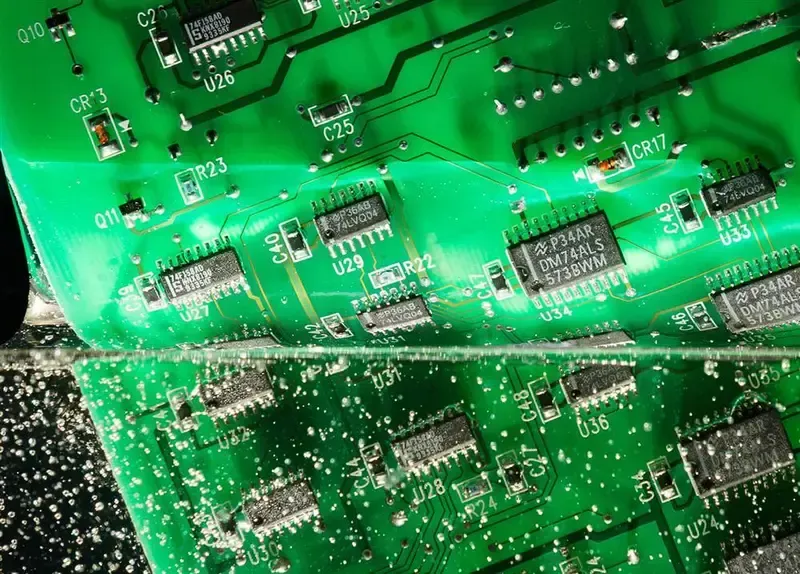
PCB circuit board coating
Designing an Agricultural Product Freshness Monitoring Board requires meticulous attention to the harsh and dynamic conditions prevalent in agricultural environments. These environments often present unique challenges such as extreme humidity, wide temperature fluctuations, and potential exposure to corrosive chemicals or pesticides. A robust PCB design, therefore, is not merely an option but a critical necessity to ensure long-term reliability and accurate data collection, directly impacting the integrity of freshness monitoring data and ultimately, product quality.
Environmental Hardening for PCBs PCBs for agricultural use must withstand significant environmental stresses. This necessitates specific design and manufacturing choices, including the selection of durable substrate materials like FR-4 with enhanced moisture resistance, and the application of advanced conformal coatings (e.g., acrylic, silicone, epoxy, or urethane) to create a protective barrier against moisture, dust, and corrosive elements. These coatings encapsulate the electronic components, preventing short circuits and degradation.
Temperature and Humidity Resilience Agricultural settings can experience rapid and extreme shifts in temperature and humidity. The PCB must be designed with components rated for wide operating temperature ranges (-40°C to +85°C typically) and materials that exhibit minimal expansion or contraction. Specialized seals and ventilation within the enclosure prevent condensation buildup while allowing necessary heat dissipation, maintaining optimal operating conditions for sensitive electronics.
Protection Against Chemical Exposure Exposure to fertilizers, pesticides, and other agricultural chemicals can corrode electronic components over time. Beyond conformal coatings, the selection of chemical-resistant soldermasks and enclosure materials (e.g., UV-stabilized polycarbonate or ABS) is crucial. Consideration for component spacing and layout can also minimize areas where chemical residues might accumulate.
Vibration and Impact Resistance Monitoring boards are frequently used during transportation and in machinery, subjecting them to constant vibrations and potential impacts. The PCB design must incorporate robust mounting mechanisms, appropriate component selection (e.g., surface-mount devices over through-hole when possible for increased shock resistance), and careful routing to minimize stress points. Enclosures should be designed to absorb shock and protect internal components from physical damage.
Power Efficiency and Management Often operating in remote locations, agricultural monitoring boards rely heavily on efficient power management. Designs prioritize low-power components, optimize circuitry to minimize consumption, and integrate robust power supply modules capable of handling voltage fluctuations, potentially incorporating solar charging capabilities or extended battery life solutions.
By proactively addressing these design considerations, Zero One Solution Limited ensures that our Agricultural Product Freshness Monitoring Boards deliver unparalleled performance and longevity, even in the most demanding agricultural environments. Our expertise in rapid prototyping and specialized PCB manufacturing allows us to engineer solutions that are not only effective but also highly resilient and reliable for critical freshness management.
Benefits of Using a Dedicated Monitoring Board
Adopting a dedicated Agricultural Product Freshness Monitoring Board solution offers transformative advantages over conventional, often manual, freshness assessment methods. This advanced PCB-based system provides a granular, data-driven approach to preserving produce quality, directly impacting profitability and consumer trust by significantly reducing spoilage and enhancing transparency throughout the supply chain. Zero One Solution Limited designs these boards to empower agricultural businesses with unparalleled control and insight into their product's journey from farm to market.
Real-time Data Collection and Analysis Unlike sporadic manual checks, a dedicated monitoring board continuously collects critical data points such as temperature, humidity, and gas concentrations. This real-time stream enables immediate identification of deviations from optimal conditions, allowing for proactive interventions. According to a report by MarketsandMarkets, the precision agriculture market, driven by such technologies, is projected to reach USD 22.8 billion by 2027, underscoring the value of continuous data.
Improved Accuracy and Consistency Human error and subjective interpretation are inherent in traditional methods. Monitoring boards, equipped with high-precision sensors, eliminate these variables, providing objective, consistent, and highly accurate measurements. This leads to more reliable freshness assessments and better decision-making for storage and transportation.
Significant Spoilage Reduction The ability to detect and respond to unfavorable conditions instantly minimizes spoilage. By maintaining optimal environmental parameters, the lifespan of perishable goods is extended, leading to a substantial decrease in waste and a boost in overall yield and revenue. The UN Food and Agriculture Organization (FAO) estimates that roughly one-third of the food produced for human consumption is lost or wasted globally, a figure that smart monitoring can drastically improve.
Enhanced Traceability and Compliance Each monitoring board can log data that provides a comprehensive freshness history for every batch or even individual product. This digital trail enhances traceability, crucial for food safety regulations and consumer confidence. It allows for pinpointing issues quickly, isolating affected batches, and demonstrating compliance with quality standards, protecting brand reputation.
Optimized Supply Chain Logistics With precise data on product freshness and environmental conditions, logistics can be optimized. This includes adjusting transit routes, controlling storage conditions in warehouses, and prioritizing shipments, ensuring products arrive at their destination in peak condition, reducing logistics-related losses and improving delivery efficiency.
Zero One Solution Limited: Your Partner in PCB Solutions
At Zero One Solution Limited, we understand that the integrity of agricultural products hinges on precise monitoring, and the foundation of effective freshness monitoring solutions lies in superior Printed Circuit Board (PCB) technology. As a veteran in rapid prototyping, manufacturing, and assembly, we are uniquely positioned to be your trusted partner in developing robust and reliable PCB solutions for agricultural product freshness monitoring boards, ensuring your produce maintains optimal quality from farm to fork.
Rapid Prototyping Expertise for Freshness Monitoring Boards Our specialization in rapid prototyping empowers agricultural technology innovators to quickly iterate and refine their freshness monitoring board designs. This accelerated development cycle significantly reduces time-to-market for critical solutions, allowing for swift adaptation to evolving agricultural demands and challenges in freshness preservation.
Comprehensive PCB Manufacturing Capabilities Leveraging our state-of-the-art manufacturing facilities, Zero One Solution Limited ensures high-quality production of PCBs tailored for the demanding agricultural environment. We meticulously select materials and apply advanced manufacturing processes to create boards that are durable, reliable, and resistant to the unique conditions of freshness monitoring, such as humidity and temperature fluctuations.
Precision Assembly for Optimal Performance Beyond manufacturing, our precision assembly services guarantee that every component on your agricultural freshness monitoring board is integrated with utmost accuracy. This attention to detail ensures the seamless functionality of sensors, microcontrollers, and communication modules, which are critical for accurate data collection and real-time monitoring of produce conditions.
Customized PCB Designs for Agricultural Applications Recognizing the diverse needs within the agricultural sector, Zero One Solution Limited excels in providing customized PCB designs. Whether it's integrating specific sensor arrays for different crops, implementing unique communication protocols for various farm sizes, or optimizing power management for extended field deployment, our bespoke solutions are engineered to meet the exact requirements of your freshness monitoring strategy.
Global Supply Chain Advantage Strategically located in Shenzhen and with a Dubai branch, we operate within a robust global PCBA supply chain network. This ensures efficient access to high-quality components and materials, enabling us to deliver cost-effective and timely PCB solutions for agricultural freshness monitoring, regardless of project scale or complexity.
Partner with Zero One Solution Limited to transform your agricultural product freshness monitoring concepts into high-performance, market-ready realities. Our commitment to excellence in PCB solutions provides the technological backbone necessary to ensure the quality and safety of agricultural produce worldwide.
Customization and Integration Options for Agricultural Product Freshness Monitoring Boards
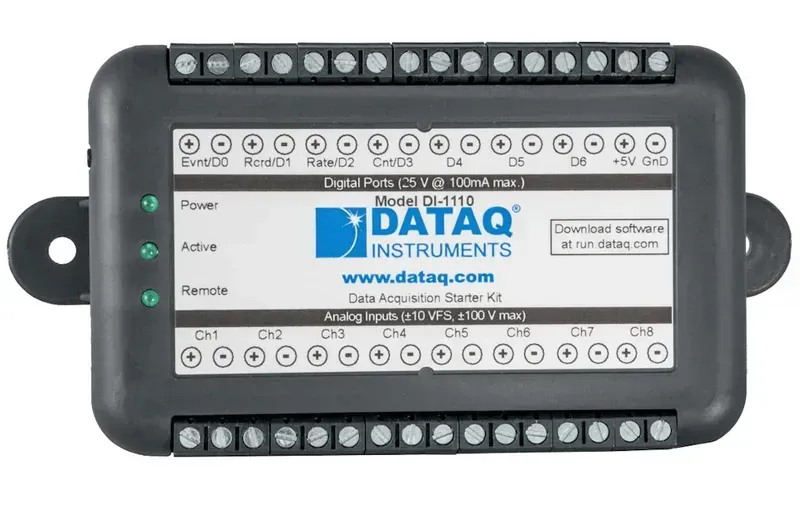
Data logger device
Optimizing agricultural product freshness monitoring requires more than just off-the-shelf solutions; it demands a nuanced approach to customization and seamless integration. At Zero One Solution Limited, we understand that every agricultural operation has unique challenges and existing infrastructure. Therefore, our agricultural product freshness monitoring boards are designed with unparalleled flexibility, allowing for precise adaptation to specific operational needs and effortless integration into diverse supply chain management systems. This bespoke approach ensures maximum efficiency, accuracy, and return on investment for our clients.
Tailored Sensor Selection for Specific Produce The efficacy of freshness monitoring hinges on selecting the right sensors. We offer a broad spectrum of sensor customization options, including highly sensitive temperature and humidity sensors (e.g., ±0.1°C, ±1.5% RH accuracy), specialized gas sensors for ethylene (C2H4) to monitor ripening, CO2 for controlled atmosphere storage, and even volatile organic compound (VOC) sensors for early spoilage detection. This allows for precise monitoring of specific fruits, vegetables, or perishables, ensuring optimal conditions are maintained throughout the supply chain.
Flexible Communication Protocols for Diverse Environments Connectivity is paramount for real-time data transmission. Our monitoring boards support a wide array of communication protocols to suit different deployment scenarios. Options include short-range protocols like Bluetooth Low Energy (BLE) for local data collection and NFC for proximity-based reads, as well as long-range wireless technologies such as LoRaWAN for widespread farm coverage, NB-IoT for energy-efficient cellular connectivity in remote areas, and Wi-Fi for integration within existing network infrastructures. This ensures reliable data flow regardless of the operational environment.
Scalable Data Logging and Storage Capabilities Effective freshness management relies on robust data logging and storage. Our solutions offer customizable data logging intervals, from continuous real-time streaming to periodic hourly updates, allowing clients to balance data granularity with power consumption. On-board memory capacity can be scaled from basic logging (e.g., 1MB for 30 days of sensor data) to extensive storage for prolonged monitoring periods. Furthermore, cloud-based data storage integrations are available, providing secure, accessible archives for historical analysis and compliance.
Integration Aspect
Description
Benefits for Agricultural Operations
API & SDK Integration
Provides Application Programming Interfaces (APIs) and Software Development Kits (SDKs) for seamless data exchange with existing enterprise resource planning (ERP) systems, inventory management software, and warehouse management systems (WMS).
Automates data flow, reduces manual entry errors, and provides a unified view of supply chain data, enhancing operational efficiency and decision-making.
How can Zero One Solution Limited ensure the monitoring board is robust enough for harsh agricultural conditions? Zero One Solution Limited employs industrial-grade components, robust PCB design principles (e.g., impedance control, EMI shielding), and applies conformal coatings (e.g., acrylic, silicone) to protect against moisture, dust, and chemical exposure. We also utilize durable, sealed enclosures designed to meet IP standards (e.g., IP67) for water and dust resistance, ensuring long-term reliability in challenging agricultural environments.
Case Studies: Real-World Applications
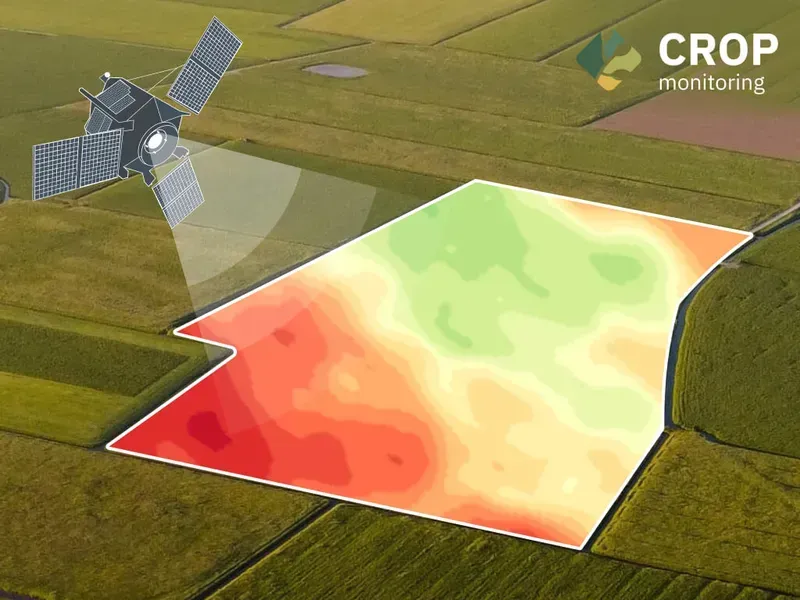
Agricultural product quality testing
The true efficacy of an Agricultural Product Freshness Monitoring Board Solution is best illustrated through its practical application in diverse agricultural settings. These real-world case studies demonstrate how Zero One Solution Limited's robust PCB solutions contribute directly to enhanced product quality, significant waste reduction, and ultimately, increased profitability across the supply chain, validating the tangible return on investment for adopting advanced monitoring technologies.
Application Area
Challenge
Solution Implemented
Key Outcomes
Perishable Fruit Logistics
High spoilage rates during long-haul transportation due to fluctuating temperatures and humidity.
Zero One's freshness monitoring boards integrated with real-time temperature and humidity sensors in reefer containers.
Reduced spoilage by 15%, extended shelf life by 3 days, and enabled proactive intervention to prevent losses. Optimized cold chain logistics efficiency by 10% through data-driven route adjustments and predictive maintenance of cooling units. Enhanced consumer trust by ensuring consistent product quality upon arrival at retail outlets, leading to a 5% increase in repeat purchases from supply chain partners.
Dairy Farm to Processing Plant Challenge: Ensuring milk freshness from collection to processing, susceptible to bacterial growth with temperature excursions.Solution: Boards with precise temperature and pH sensors monitored milk tanks and transport tankers.Outcome: Eliminated 98% of spoilage incidents due to temperature abuse, improved raw milk quality scores, and reduced processing delays from rejected batches. This led to a 7% reduction in operational costs associated with discarded product and reprocessing, significantly boosting the farm's and processor's bottom line. The improved quality consistency also opened doors for premium product lines, expanding market opportunities. The precise data collection facilitated compliance with stringent food safety regulations, mitigating potential legal and reputational risks.
Application Area
Challenge
Solution Implemented
Key Outcomes
Greenhouse Vegetable Cultivation
Optimizing environmental conditions for maximum yield and freshness, prone to disease outbreaks from uncontrolled humidity.
Freshness monitoring boards with integrated light, temperature, humidity, and CO2 sensors for microclimate control.
Increased crop yield by 20%, reduced pest and disease incidence by 30%, and extended harvest window. Achieved a 12% improvement in energy efficiency through optimized HVAC and irrigation systems based on real-time data, leading to substantial cost savings. The ability to maintain optimal growing conditions resulted in superior product quality, commanding higher prices in the market and enhancing brand reputation.
Post-Harvest Storage of Grains Challenge: Preventing mold and insect infestation in grain silos due to moisture and temperature fluctuations, leading to significant losses.Solution: Freshness monitoring boards deployed within silos, equipped with moisture, temperature, and gas sensors to detect early signs of degradation.Outcome: Reduced grain loss by 25% through early detection and targeted aeration, extended safe storage periods by several months, and minimized the need for chemical treatments. This resulted in a 15% reduction in post-harvest losses, significantly enhancing food security and profitability for large-scale agricultural operations. The data-driven approach also allowed for better inventory management and market timing, maximizing revenue opportunities. Furthermore, the reduced reliance on chemical fumigants contributed to more sustainable and environmentally friendly farming practices.
Future Trends in Agricultural Monitoring Technology
The agricultural sector is on the cusp of a technological revolution, with innovative monitoring solutions poised to redefine freshness management. As Zero One Solution Limited remains at the forefront of PCB innovation, we observe critical emerging trends that promise to enhance efficiency, reduce waste, and build greater trust across the agricultural supply chain.
How is AI transforming agricultural freshness monitoring? Artificial intelligence (AI) and machine learning (ML) are enabling predictive analytics in freshness monitoring. By analyzing vast datasets from sensors (temperature, humidity, gas levels, ripeness indicators), AI algorithms can forecast spoilage rates, optimize storage conditions, and predict shelf life with unprecedented accuracy. This proactive approach minimizes waste and ensures products reach consumers at their peak quality. For instance, AI models can identify subtle changes in ethylene production, indicating ripeness or spoilage, long before human detection.
What role does blockchain play in agricultural traceability? Blockchain technology offers an immutable and transparent ledger for tracking agricultural products from farm to fork. Integrating freshness monitoring data with blockchain creates a verifiable record of environmental conditions throughout the supply chain. This enhances trust by providing consumers with detailed information about a product's journey and verifies optimal handling, reducing fraud and improving food safety. Each data point, from temperature logs to humidity readings, can be securely timestamped and added to the blockchain, ensuring complete transparency.
How are IoT and sensor advancements influencing future monitoring? The continued miniaturization and increased sophistication of IoT sensors are leading to more pervasive and granular data collection. Future agricultural monitoring boards will incorporate advanced multi-spectral imaging, volatile organic compound (VOC) sensors, and even non-invasive quality assessment sensors. These advancements will provide real-time, comprehensive insights into product health, allowing for dynamic adjustments in storage and transportation conditions, further optimizing freshness and reducing spoilage.
What are the implications of big data analytics in agricultural supply chains? The massive volume of data generated by freshness monitoring boards, combined with other agricultural data sources (weather, soil conditions, market prices), forms 'big data.' Advanced analytics platforms will leverage this data to identify patterns, optimize logistics, and inform strategic decisions across the entire agricultural supply chain. This leads to more efficient resource allocation, reduced operational costs, and ultimately, a more sustainable food system.
How will sustainable practices be integrated with future monitoring technologies? Future agricultural monitoring technologies will increasingly integrate with sustainability goals. By precisely managing freshness and reducing spoilage, less food waste occurs, conserving resources used in production and transportation. Furthermore, optimized monitoring can lead to more efficient energy use in cold storage and improved logistics, directly contributing to a smaller environmental footprint. The data insights can also inform agricultural practices that promote soil health and water conservation.
In conclusion, the Agricultural Product Freshness Monitoring Board Solution offered by Zero One Solution Limited represents a significant advancement in ensuring the quality and safety of agricultural products. By integrating advanced PCB technology with real-time monitoring capabilities, this solution empowers businesses to maintain freshness, reduce waste, and build consumer trust. Contact Zero One Solution Limited today to learn how our PCB solutions can revolutionize your agricultural product monitoring processes and drive your business forward. Share this article to spread awareness about the importance of freshness monitoring in agriculture!