In today's world, airport security is paramount, and X-ray machines are a critical component of that security infrastructure. These machines rely on sophisticated Printed Circuit Boards (PCBs) to function accurately and reliably. But what makes a PCB solution ideal for such a demanding application? At Zero One Solution Limited, we specialize in providing robust and innovative PCB solutions for airport security X-ray machines, ensuring enhanced safety and operational efficiency. This article will delve into the critical aspects of these solutions, highlighting how our expertise and cutting-edge technology can benefit your security system development.
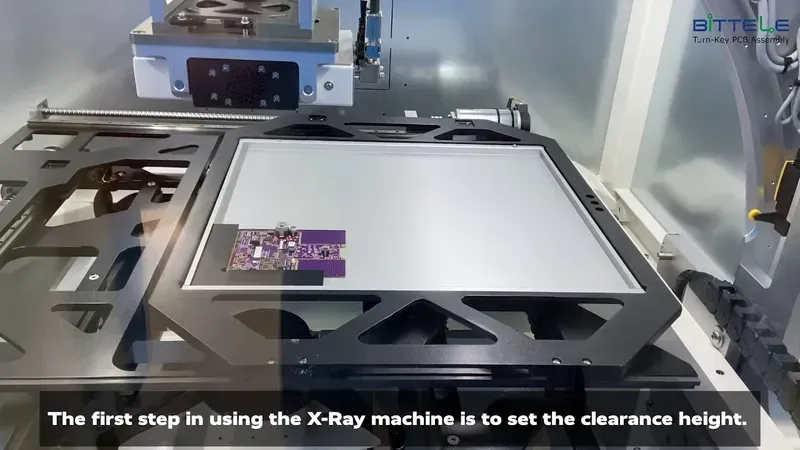
Printed Circuit Boards (PCBs) are the unseen backbone of modern airport security X-ray machines, serving as the central nervous system that orchestrates every critical function, from image acquisition and processing to system control and communication. Their integrity directly dictates the accuracy, reliability, and speed with which these vital security systems operate, making them indispensable for ensuring public safety and efficient passenger flow. A high-performance PCB solution is not merely a component; it is the foundation upon which effective threat detection is built, demanding unparalleled precision, robust design, and manufacturing excellence.
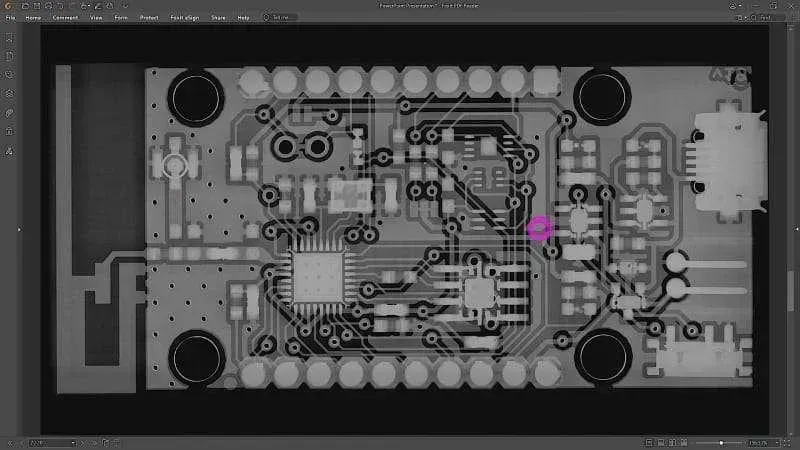
Designing Printed Circuit Boards (PCBs) for airport security X-ray machines demands a meticulous approach, as these critical components dictate the system's ability to accurately detect threats and operate reliably under continuous stress. The unique operating environment of X-ray machines, characterized by high voltages, sensitive signal processing, and heat generation, necessitates specialized design considerations to ensure optimal performance, longevity, and, most importantly, the unwavering safety and security of public spaces. Engineers must navigate complex trade-offs to achieve a robust design that balances electrical integrity with thermal efficiency and mechanical resilience.
| Design Consideration | Impact on X-ray Machine Performance | Zero One Solution Approach |
|---|---|---|
| Thermal Management | Prevents component overheating, extending lifespan and maintaining stable performance under continuous operation. | Utilizes advanced thermal simulation, employs thick copper layers, thermal vias, and heat sinks where necessary. Material selection with high Tg and low CTE for robust thermal cycling. |
| Radiation Hardening | Ensures continued functionality and data integrity in the presence of X-ray radiation. | Selects radiation-tolerant components and materials, implements shielding strategies, and designs layouts that minimize radiation-induced effects on sensitive circuitry. |
In essence, the design of PCBs for airport security X-ray machines is a multifaceted engineering challenge that demands expertise across electrical, thermal, and materials science disciplines. Zero One Solution Limited leverages its extensive experience and advanced capabilities to address these complexities, ensuring that our PCB solutions provide the robust, reliable, and high-performance foundation essential for cutting-edge security scanning technology.
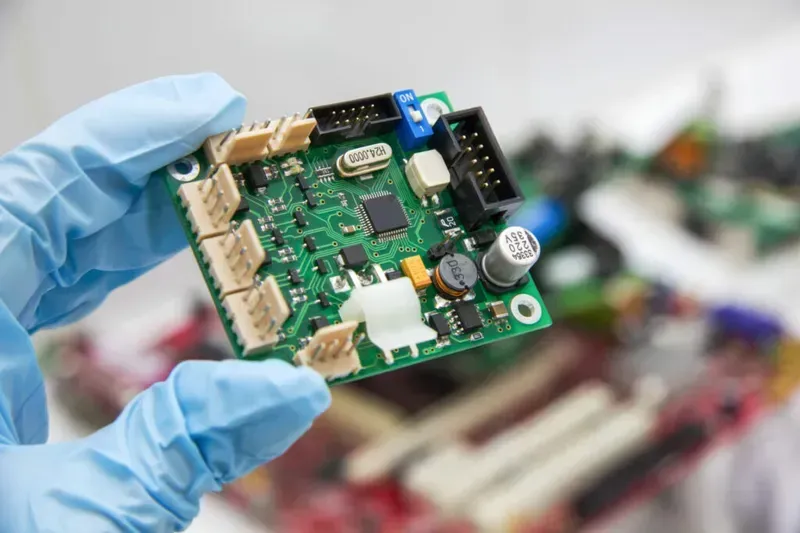
The operational integrity and extended lifespan of Airport Security X-ray Machine PCBs are fundamentally dictated by the judicious selection of materials. Given the high-frequency signals, high voltage requirements, and thermal stresses inherent in X-ray systems, the PCB substrate, copper foil, and solder mask materials must possess exceptional electrical, mechanical, and thermal properties to ensure unwavering performance and long-term reliability. Subpar material choices can lead to signal degradation, thermal runaway, and premature component failure, directly compromising the accuracy and safety critical to airport security. Therefore, a deep understanding of material characteristics, particularly dielectric constant, dissipation factor, thermal conductivity, and glass transition temperature (Tg), is paramount for optimal PCB design in this demanding application.
| Material Property | Importance for X-ray Machine PCBs | Typical Requirements |
|---|---|---|
| Dielectric Constant (Dk) | Impacts signal speed and impedance control for high-frequency data transmission. | Low and stable across frequency range |
| Dissipation Factor (Df) | Measures signal loss (attenuation); critical for high-speed signal integrity. | Low, especially at high frequencies |
| Thermal Conductivity | Facilitates heat dissipation from active components, preventing hotspots. | High, to manage thermal loads |
| Glass Transition Temperature (Tg) | Indicates temperature at which resin changes from rigid to rubbery; affects dimensional stability. | High, to withstand operational temperatures |
| Coefficient of Thermal Expansion (CTE) | Determines how much material expands with temperature, preventing stress on solder joints and vias. | Matched closely with copper |
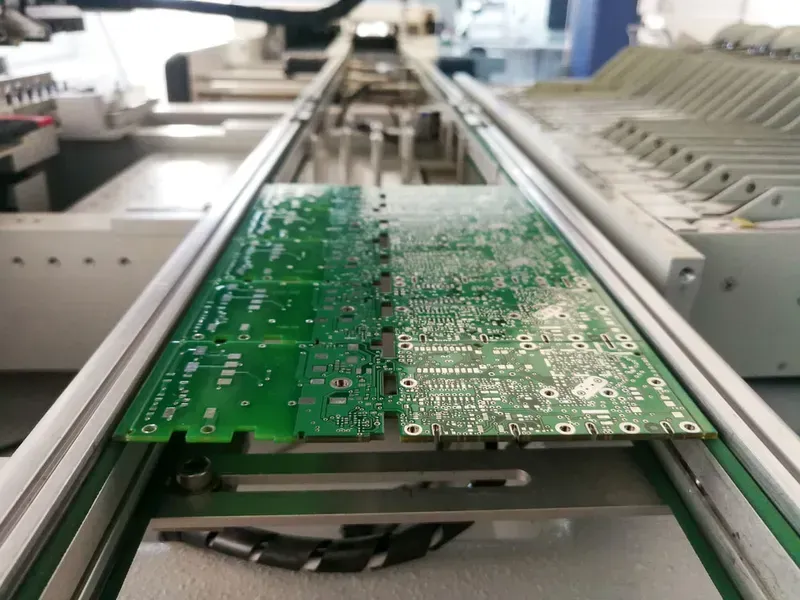
For airport security X-ray machine PCBs, manufacturing processes are paramount to achieving the unwavering reliability and precision demanded by such critical applications. At Zero One Solution Limited, our advanced manufacturing techniques go beyond standard practices, incorporating stringent quality control measures at every stage to deliver PCBs that form the bedrock of robust and accurate security systems. This commitment ensures that each PCB can withstand the rigorous operational environments, providing consistent performance and minimizing downtime.
| Process Stage | Key Techniques Employed | Quality Control Measures |
|---|---|---|
| Material Preparation | Precision cutting, surface treatment, lamination under controlled environments | Incoming material inspection, dimensional checks, cleanliness assessment |
| Imaging & Etching | High-resolution direct imaging, advanced etching chemistry control | Automated Optical Inspection (AOI), line width/spacing verification |
| Drilling & Plating | High-speed CNC drilling, advanced electroplating for uniform copper deposition | Hole registration checks, plating thickness measurement, cross-section analysis |
| Solder Mask & Surface Finish | Precision solder mask application, advanced surface finishes (ENIG, Immersion Tin) for optimal solderability | Color consistency, thickness measurement, adhesion tests |
| Assembly (PCBA) | Automated pick-and-place, reflow soldering with precise temperature profiles, selective soldering for sensitive components | Solder joint inspection (AOI/AXI), first article inspection, component polarity verification |
| Testing & Inspection | In-Circuit Test (ICT), Flying Probe Test, Functional Test (FCT), X-ray inspection, thermal cycling | Comprehensive test coverage, data logging, defect analysis |
Our manufacturing facilities leverage state-of-the-art equipment and employ highly skilled engineers and technicians, ensuring that every PCB meets the most exacting specifications. From precise material handling in cleanroom environments to automated optical inspection (AOI) and X-ray inspection for internal layers, we leave no stone unturned in guaranteeing defect-free production. Furthermore, our adherence to international standards such as IPC Class 2/3 for high-reliability electronics underscores our dedication to producing PCBs that consistently perform under pressure, a non-negotiable requirement for airport security infrastructure. This rigorous approach in manufacturing is what sets Zero One Solution Limited apart, delivering a foundational component critical to global security.
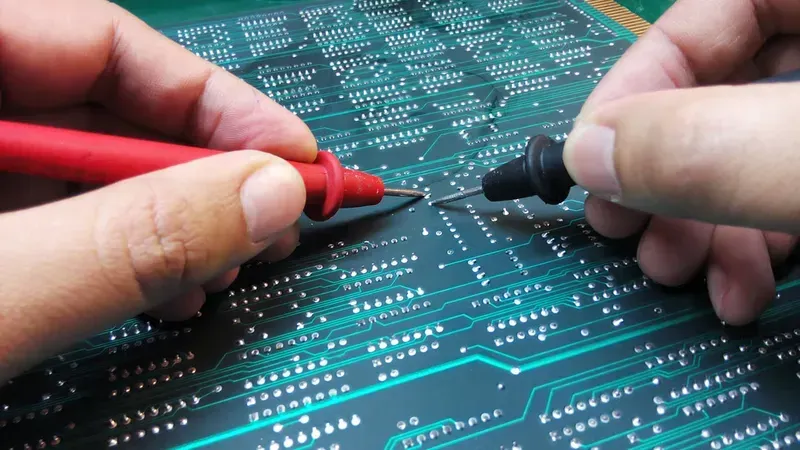
For airport security X-ray machine PCBs, unparalleled reliability and precision are not merely desired; they are absolutely mandatory. The integrity of these critical components directly correlates with the effectiveness of security screening, making rigorous testing and comprehensive quality assurance paramount. At Zero One Solution Limited, our commitment to meeting and exceeding stringent international security standards is embedded in every stage of our manufacturing process, ensuring that each PCB delivers flawless performance under the most demanding operational conditions.
| Testing Protocol | Description | Key Standards Addressed |
|---|---|---|
| Automated Optical Inspection (AOI) | High-speed, camera-based inspection to detect surface feature defects such as shorts, opens, and missing components after solder paste application and component placement. | IPC-A-610, ISO 9001 |
| In-Circuit Testing (ICT) | Utilizes a bed-of-nails fixture to apply test signals to individual components and nets, verifying electrical connectivity, component values, and identifying soldering defects. | IPC-9252, MIL-STD-2000A |
| Functional Testing (FCT) | Simulates the PCB's intended operational environment, verifying its complete functionality and performance as part of the X-ray machine's subsystem. | Customer-specific requirements, DO-160 (where applicable) |
| X-ray Inspection | Non-destructive testing to examine hidden solder joints (e.g., BGA, QFN) for voids, shorts, and proper alignment, critical for high-density assemblies. | IPC-7095 |
| Thermal Cycling & Burn-in | Subjects PCBs to extreme temperature variations and prolonged operation to identify latent defects and assess long-term reliability under stress. | JEDEC JESD22, IEC 60068 |
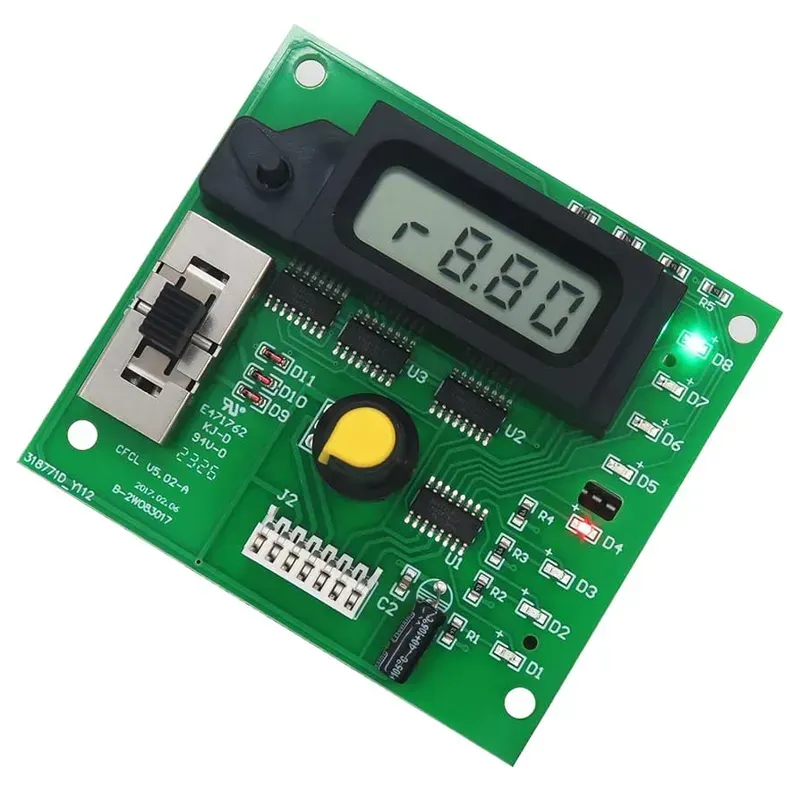
Zero One Solution Limited stands at the forefront of providing bespoke Printed Circuit Board (PCB) solutions for the demanding realm of airport security X-ray machines. Our deep understanding of the critical requirements for high-precision, ultra-reliable PCBs in this sector, combined with our rapid prototyping and advanced manufacturing capabilities, positions us as the preferred partner for leading security technology innovators. We don't just supply PCBs; we co-create robust, high-performance foundations that power the next generation of security screening, ensuring unparalleled accuracy and operational uptime.
Partnering with Zero One Solution Limited for your Airport Security X-ray Machine PCB needs translates into tangible benefits, significantly accelerating your product development lifecycle and enhancing the reliability of your security systems. Our deep expertise and integrated approach, from rapid prototyping to comprehensive manufacturing, ensure a seamless journey from concept to market-ready solution, providing a competitive edge in a demanding industry.
The evolution of Printed Circuit Board (PCB) technology is inextricably linked to the advancements in airport security X-ray machines. As the demand for enhanced threat detection, faster throughput, and reduced false alarms escalates, future trends in PCB design and manufacturing for these critical systems will focus on integrating artificial intelligence (AI), advanced imaging techniques, and highly specialized materials to process complex data at unprecedented speeds and resolutions.
Understanding the intricacies of Printed Circuit Boards (PCBs) within airport security X-ray machines is crucial for ensuring their optimal performance, reliability, and compliance with stringent safety regulations. This section addresses common inquiries, shedding light on the critical aspects of PCB design, manufacturing, and functionality specific to these high-stakes applications.
In conclusion, the PCB solution for airport security X-ray machines is critical for ensuring public safety and operational efficiency. Zero One Solution Limited offers comprehensive, high-reliability PCB solutions tailored to the unique demands of this industry. By focusing on advanced design, rigorous manufacturing processes, and stringent quality control, we empower our clients to develop cutting-edge security systems. Contact us today to discover how our expertise can enhance the performance and reliability of your airport security X-ray machines. Let us help you build a safer world.

