The rapid proliferation of Unmanned Aerial Systems (UAS), or drones, has introduced both unprecedented opportunities and significant security challenges. From unauthorized surveillance to potential disruptions in critical infrastructure, the need for robust anti-drone measures is more pressing than ever. At the heart of effective drone detection and mitigation systems lies advanced radar technology, and crucial to this technology are the high-performance Printed Circuit Boards (PCBs) that power them. As a veteran engineer from Zero One Solution Limited, I've witnessed firsthand the transformative impact of specialized PCB solutions. This article delves into how Zero One Solution Limited provides comprehensive Anti-Drone Radar PCB Solutions, enabling rapid innovation and superior performance in the escalating fight against unauthorized drone activity.
The Escalating Threat: Why Anti-Drone Radar is Critical
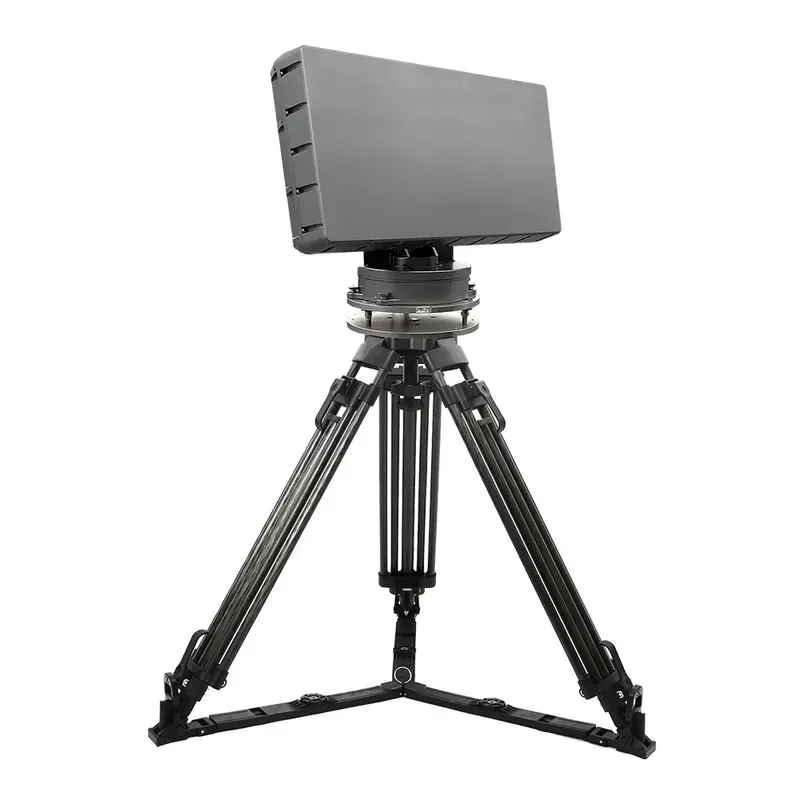
Anti-Drone Radar System
The proliferation of Unmanned Aerial Vehicles (UAVs), commonly known as drones, presents an increasingly complex and multifaceted threat across various sectors, necessitating the urgent development and deployment of robust anti-drone radar systems. From safeguarding critical infrastructure and national security to protecting civilian privacy and ensuring public safety at large events, the imperative for effective drone detection and neutralization has never been more pronounced. Traditional security measures often fall short against the agility, small radar cross-section, and diverse operational capabilities of modern drones, highlighting a critical need for advanced technological solutions. At the heart of these sophisticated countermeasures lies the Printed Circuit Board (PCB), where high-performance Anti-Drone Radar PCB Solutions are absolutely critical to achieving the precision, speed, and reliability required for effective threat mitigation.
National Security Drones pose significant risks to military installations, government facilities, and border security, capable of reconnaissance, espionage, and even payload delivery, demanding highly sensitive and accurate detection systems.
Critical Infrastructure Protection Power plants, airports, data centers, and other vital infrastructure are vulnerable to drone-based attacks or disruptions, underscoring the need for continuous, real-time monitoring and interdiction capabilities.
Public Safety and Privacy The unauthorized use of drones in public spaces, over private property, or near major events raises serious concerns about privacy violations, potential for harassment, and even terrorist acts, requiring a comprehensive defense strategy.
Threat Category
Examples of Drone Incidents
Limitations of Traditional Security
Espionage/Reconnaissance
Unauthorized surveillance of military bases; industrial espionage targeting R&D facilities.
Visual detection only effective at close range; conventional radar struggles with small signatures and low altitudes; human patrols are easily circumvented by aerial threats.
Understanding Anti-Drone Radar Technology
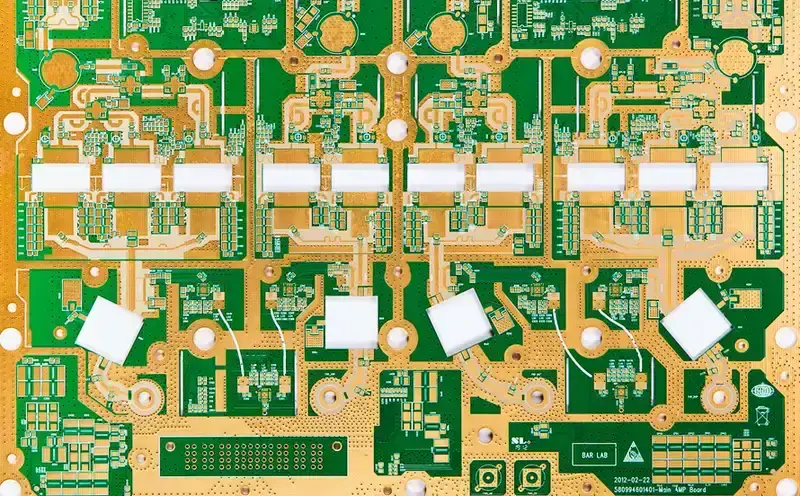
High-Frequency PCB for Radar
Anti-drone radar technology serves as the cornerstone of modern airspace security, employing sophisticated principles to detect, track, and classify unmanned aerial vehicles (UAVs). Unlike traditional surveillance methods, radar systems leverage electromagnetic waves to identify drones across various ranges and environmental conditions, providing critical real-time awareness for threat mitigation. The efficacy and precision of these systems are profoundly dependent on the underlying Printed Circuit Board (PCB) infrastructure, particularly in managing high-frequency signals, ensuring robust signal integrity, and efficient power handling. Advanced PCB design is not merely a component but an integral enabler, dictating the speed and accuracy required for effective drone countermeasures and highlighting the complexities inherent in developing high-frequency Anti-Drone Radar PCB solutions.
How do Anti-Drone Radar systems detect UAVs? Anti-drone radar systems detect UAVs by transmitting electromagnetic waves and analyzing the reflected signals (echoes). The changes in frequency, phase, and amplitude of these echoes provide information about the drone's presence, range, velocity, and even its size and shape. Different radar types, such as Pulse Radar, Continuous Wave (CW) Radar, and Frequency Modulated Continuous Wave (FMCW) Radar, employ distinct signal processing techniques to achieve this, each optimized for specific detection scenarios and environmental challenges, making precise Anti-Drone Radar PCB solutions critical for signal clarity.
What are the key types of radar used in anti-drone technology? Key radar types include Active Electronically Scanned Array (AESA) radar, which uses a multitude of small transmit/receive modules to steer beams electronically, offering rapid scanning and multi-target tracking. Doppler radar, on the other hand, excels at detecting moving targets by measuring the frequency shift of reflected signals. Each type demands specific PCB characteristics; AESA systems require PCBs capable of integrating complex RF front-ends with high channel counts, while Doppler systems emphasize low-noise signal processing for accurate velocity measurements, necessitating specialized Anti-Drone Radar PCB solutions.
Why are high-frequency capabilities crucial for Anti-Drone Radar PCBs? High-frequency capabilities are crucial because radar systems often operate in microwave and millimeter-wave frequency bands to achieve higher resolution, smaller antenna sizes, and better target discrimination, especially for small, fast-moving drones. PCBs for these applications must minimize signal loss, maintain precise impedance control, and prevent interference, which necessitates the use of specialized low-loss dielectric materials, advanced fabrication techniques, and meticulous design for optimal signal integrity in Anti-Drone Radar PCB solutions.
How does signal integrity impact Anti-Drone Radar performance? Signal integrity is paramount in anti-drone radar as it directly affects the clarity and accuracy of the radar's received signals. Poor signal integrity, caused by impedance mismatches, crosstalk, or noise, can lead to degraded signal-to-noise ratios, resulting in missed detections, false positives, or inaccurate tracking. Ensuring robust signal integrity on the PCB involves careful trace routing, proper grounding, power plane design, and component placement to preserve the fidelity of high-frequency signals, which is a core consideration in Anti-Drone Radar PCB solutions.
What specific PCB requirements are there for power handling in anti-drone radar systems? Power handling in anti-drone radar PCBs is critical due to the high-power RF amplification stages and complex digital processing units. PCBs must efficiently dissipate heat generated by these components to prevent performance degradation and ensure system longevity. This involves selecting appropriate copper weights, implementing effective thermal vias, and integrating heat sinks. Robust power delivery networks (PDNs) are also essential to provide stable and clean power to sensitive RF and digital circuits, ensuring reliable operation of Anti-Drone Radar PCB solutions under demanding conditions.
The Role of High-Performance PCBs in Anti-Drone Radar
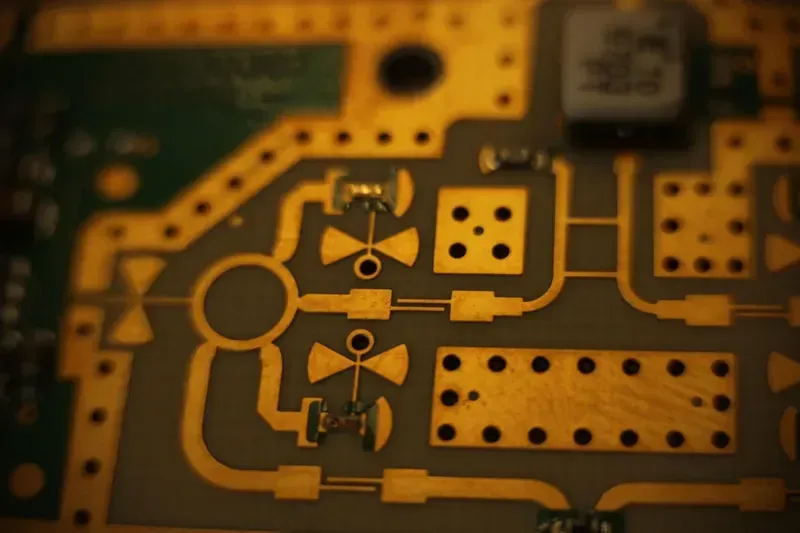
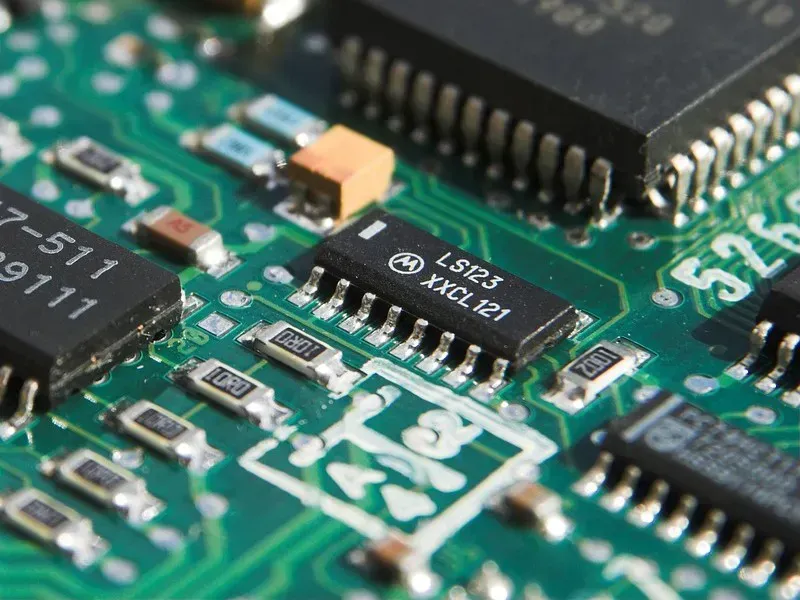
Radar PCB Close-Up
Anti-drone radar systems demand printed circuit boards (PCBs) that far exceed the capabilities of standard commercial-grade PCBs. The heart of any effective radar lies in its ability to process high-frequency signals with exceptional precision and speed, a requirement that places immense strain on the underlying PCB. Without specialized high-performance Anti-Drone Radar PCBs, these sophisticated systems would struggle with signal degradation, thermal issues, and environmental vulnerabilities, ultimately compromising their detection and tracking accuracy. Zero One Solution Limited designs and manufactures these critical components, ensuring the foundational integrity for superior anti-drone capabilities.
High-Frequency Signal Integrity Radar systems operate at microwave and millimeter-wave frequencies, requiring PCBs capable of maintaining signal integrity with minimal loss and distortion. This necessitates the use of specialized low-loss dielectric materials, precise impedance control, and advanced trace routing techniques to prevent signal attenuation and crosstalk. Standard PCBs often lack the material properties and manufacturing tolerances to handle these extreme frequencies effectively, leading to unreliable performance in critical anti-drone applications. Zero One Solution Limited employs cutting-edge materials like PTFE and ceramic-filled laminates to ensure optimal high-frequency transmission for Anti-Drone Radar PCBs, vital for accurate target acquisition and tracking.
Advanced Thermal Management High-frequency radar components generate significant heat, especially during continuous operation. Effective thermal management is paramount to prevent performance degradation and ensure the longevity of the system. High-performance Anti-Drone Radar PCBs integrate advanced thermal dissipation features, such as thick copper layers, thermal vias, and specialized substrates, to efficiently conduct heat away from critical components. This proactive thermal design is crucial for maintaining system stability and reliability, particularly in demanding operational environments where prolonged use is expected. Our designs prioritize robust thermal pathways to safeguard against heat-induced failures.
Feature
Standard PCB
High-Performance Anti-Drone Radar PCB
Material Type
FR-4 (Epoxy)
Low-Loss Laminates (e.g., PTFE, Ceramic-filled)
Frequency Handling
Up to ~3 GHz
Up to ~100 GHz and beyond
Signal Loss
Moderate to High
Extremely Low
Thermal Conductivity
Low
High, with integrated thermal management
Impedance Control
Basic
Precise, controlled to +/- 5% or less
Environmental Resilience
Limited
High (Vibration, Temperature, Moisture)
Furthermore, environmental resilience is a critical factor for Anti-Drone Radar PCBs. These systems are often deployed in harsh outdoor conditions, exposed to extreme temperatures, moisture, and vibrations. High-performance PCBs are fabricated using robust materials and manufacturing processes that ensure durability and consistent operation under such demanding circumstances. Zero One Solution Limited's expertise extends to selecting and processing materials that provide superior resistance to environmental stressors, guaranteeing the long-term reliability and performance of anti-drone radar systems in any operational theater.
Zero One Solution Limited's Expertise in Anti-Drone Radar PCB Solutions
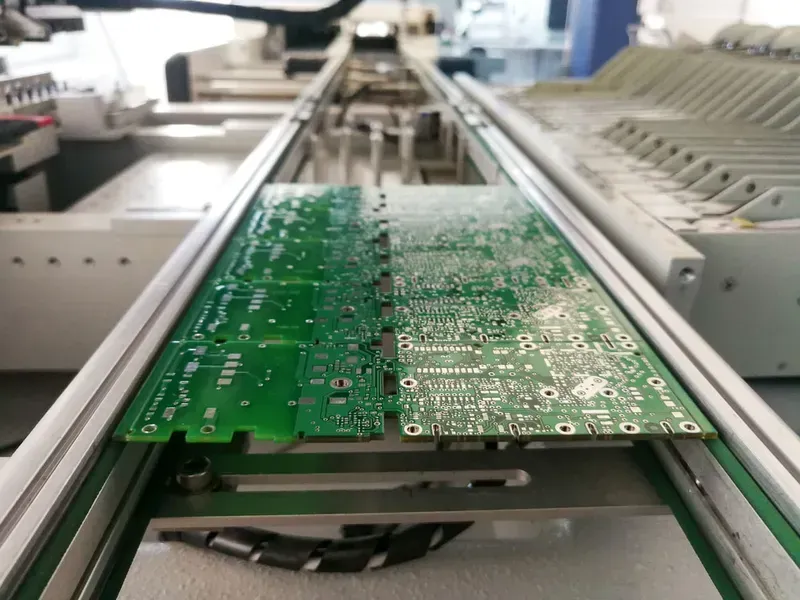
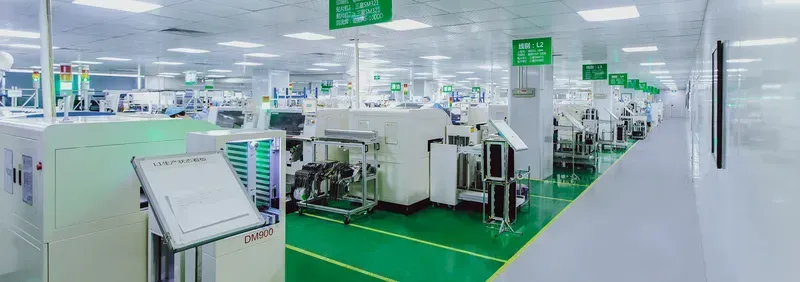
PCB Factory Production Line
Zero One Solution Limited stands as a vanguard in the specialized domain of Anti-Drone Radar PCB Solutions, offering unparalleled expertise honed over years of intricate engagements with high-frequency and high-speed PCB manufacturing. Our integrated approach, from initial concept to final assembly, is designed to empower innovators in the anti-drone sector, ensuring that their sophisticated radar systems are underpinned by the most robust, reliable, and performant printed circuit boards available. We address the critical demands of this cutting-edge technology, providing a comprehensive service that accelerates product development and ensures market readiness.
Rapid Prototyping Excellence Our rapid prototyping services are a cornerstone of our value proposition, enabling clients to quickly iterate and validate designs for Anti-Drone Radar PCBs. This agility significantly reduces development cycles and time-to-market, crucial for staying ahead in the rapidly evolving anti-drone landscape. We leverage advanced fabrication techniques to deliver high-fidelity prototypes that mirror final production quality.
Advanced Design Methodologies Zero One Solution Limited employs state-of-the-art design methodologies specifically tailored for the complexities of radar systems. This includes meticulous impedance control, optimized stack-up design for high-frequency signal integrity, and sophisticated thermal management strategies. Our engineers possess deep knowledge of RF and microwave design principles, ensuring that every Anti-Drone Radar PCB solution meets stringent performance criteria.
Capability
Description
Benefit for Anti-Drone Radar PCBs
High-Frequency Material Expertise
Access to a wide range of low-loss laminates (e.g., Rogers, Arlon) suitable for millimeter-wave frequencies.
Ensures minimal signal attenuation and superior performance in high-frequency radar applications, critical for drone detection ranges and accuracy.
Precision Manufacturing
Advanced manufacturing processes, including fine line etching and multi-layer lamination, with tolerances down to 3mil/3mil.
Guarantees exact component placement and precise impedance control, vital for maintaining signal integrity in sensitive radar circuits.
Why is Zero One Solution Limited a preferred partner for Anti-Drone Radar PCB Solutions? Zero One Solution Limited is preferred due to our comprehensive one-stop service model, encompassing design, manufacturing, and assembly. Our specialization in high-frequency, high-speed PCBs, coupled with rapid prototyping capabilities and stringent quality assurance, ensures that we deliver robust and performant solutions tailored to the unique demands of anti-drone radar systems. Our deep technical expertise and strategic global presence provide a seamless and efficient development cycle, from concept to production.
Key Design and Manufacturing Considerations for Anti-Drone Radar PCBs
Engineer Designing PCB
Designing and manufacturing Printed Circuit Boards (PCBs) for anti-drone radar systems presents a unique set of engineering challenges that demand meticulous attention to detail and specialized expertise. The performance and reliability of an anti-drone radar fundamentally depend on the underlying PCB, which must accurately process high-frequency signals, manage thermal loads, and maintain signal integrity in demanding operational environments. Understanding these critical considerations is paramount to developing effective Anti-Drone Radar PCB Solutions that can reliably detect and track threats.
Material Selection: The Foundation of Performance The choice of PCB material is critical for high-frequency radar applications. Low-loss laminates such as PTFE (Teflon), ceramic-filled hydrocarbons, or high-Tg (glass transition temperature) epoxies are essential to minimize signal attenuation at microwave and millimeter-wave frequencies. These materials offer superior dielectric properties, ensuring signal integrity and reducing power loss, which directly impacts the radar's detection range and accuracy. Zero One Solution Limited prioritizes materials with stable dielectric constants across varying temperatures and frequencies to ensure consistent radar performance in diverse conditions.
Stack-up Design and Impedance Control: Precision Engineering Proper stack-up design is vital for managing impedance and crosstalk in multi-layer radar PCBs. Carefully planned layer configurations, including ground planes and power planes, help achieve precise impedance matching for high-frequency transmission lines (e.g., 50-ohm or 75-ohm). Tight tolerance control during fabrication is necessary to maintain consistent impedance, which is crucial for preventing signal reflections and ensuring optimal power transfer within the radar system. Our engineers employ advanced simulation tools to optimize stack-up and ensure impedance targets are met with exceptional accuracy.
Thermal Management: Sustaining Peak Performance High-frequency radar operations generate significant heat, which can degrade component performance and reduce system lifespan. Effective thermal management strategies are indispensable. This includes incorporating thermal vias, copper pours, and heat sinks into the PCB design. For high-power amplifier sections, advanced cooling solutions or specialized substrate materials with high thermal conductivity may be required. Zero One Solution Limited integrates comprehensive thermal analysis into our design process, ensuring that Anti-Drone Radar PCBs can dissipate heat efficiently, maintaining stable operating temperatures and preventing thermal runaway.
EMI/EMC Considerations: Mitigating Interference Electromagnetic Interference (EMI) and Electromagnetic Compatibility (EMC) are critical concerns in radar systems due to the sensitive nature of their radio frequency (RF) components. Careful layout practices, such as proper grounding, shielding, component placement, and routing of sensitive traces, are essential to minimize electromagnetic emissions and ensure the system's immunity to external interference. Our design guidelines strictly adhere to industry standards for EMI/EMC, incorporating techniques like differential pair routing, guard banding, and selective plating to enhance signal integrity and minimize noise, ensuring the radar system operates flawlessly in electromagnetically challenging environments.
Our One-Stop Solution: From Concept to Production
PCB Assembly Workshop
Zero One Solution Limited streamlines the complex development cycle of Anti-Drone Radar PCB solutions through an unparalleled one-stop service, transforming initial concepts into robust, deployable products with remarkable speed and precision. This integrated approach eradicates the common pitfalls of fragmented supply chains, providing a cohesive path from meticulous design consultation to rapid prototyping, scalable volume production, and meticulous final assembly. Our holistic methodology significantly reduces time-to-market and optimizes cost-efficiency, ensuring that cutting-edge anti-drone technologies are not only conceived but also realized and deployed with maximum impact.
Initial PCB Design Consultation Our expert engineers engage early in your project, offering comprehensive consultation on Anti-Drone Radar PCB design, material selection, stack-up optimization, and signal integrity considerations. We leverage decades of experience to pre-emptively address challenges, ensuring designs are robust, manufacturable, and aligned with stringent performance requirements for high-frequency radar applications. This foundational step is critical for avoiding costly revisions down the line and accelerating your project timeline.
Rapid Prototype Manufacturing As specialists in rapid prototyping, we accelerate the validation phase for your Anti-Drone Radar PCB. Our advanced manufacturing facilities enable quick turnaround of highly complex, multi-layered boards with precise impedance control and thermal management, crucial for radar systems. This allows for iterative design improvements and performance verification in a fraction of the time typically required, giving you a significant competitive edge in a fast-evolving threat landscape.
Scalable Volume Production Beyond prototyping, Zero One Solution Limited possesses the capability for seamless transition to scalable volume production of Anti-Drone Radar PCBs. Our state-of-the-art automation and stringent quality control processes guarantee consistency, reliability, and cost-effectiveness across large batches, meeting the demands of even the most extensive deployments. We manage the entire production lifecycle, ensuring your supply chain remains robust and responsive.
Precision Assembly Services Completing our one-stop offering is our precision PCB assembly service. Equipped with advanced SMT and through-hole capabilities, we handle high-density component placement with exceptional accuracy, critical for sensitive radar electronics. Our assembly processes incorporate rigorous testing and inspection protocols, including AOI, X-ray, and functional testing, to ensure every Anti-Drone Radar PCB assembly performs flawlessly from the moment it leaves our facility, ready for immediate integration into your anti-drone systems.
In conclusion, the battle against unauthorized drones demands sophisticated and reliable technology, and high-performance PCBs are the bedrock of these critical systems. Zero One Solution Limited stands at the forefront of this technological frontier, offering unparalleled Anti-Drone Radar PCB Solutions. Our commitment to rapid prototyping, design expertise, and a one-stop manufacturing and assembly service ensures that our clients can bring advanced drone detection and mitigation systems to market with speed and confidence. We invite you to partner with Zero One Solution Limited to empower your anti-drone initiatives with the most advanced and reliable PCB technology. Contact us today to discuss your specific requirements and accelerate your next-generation anti-drone solution.