Blog

SMT Incoming Quality Control: The Key to Reliable Electronics Production

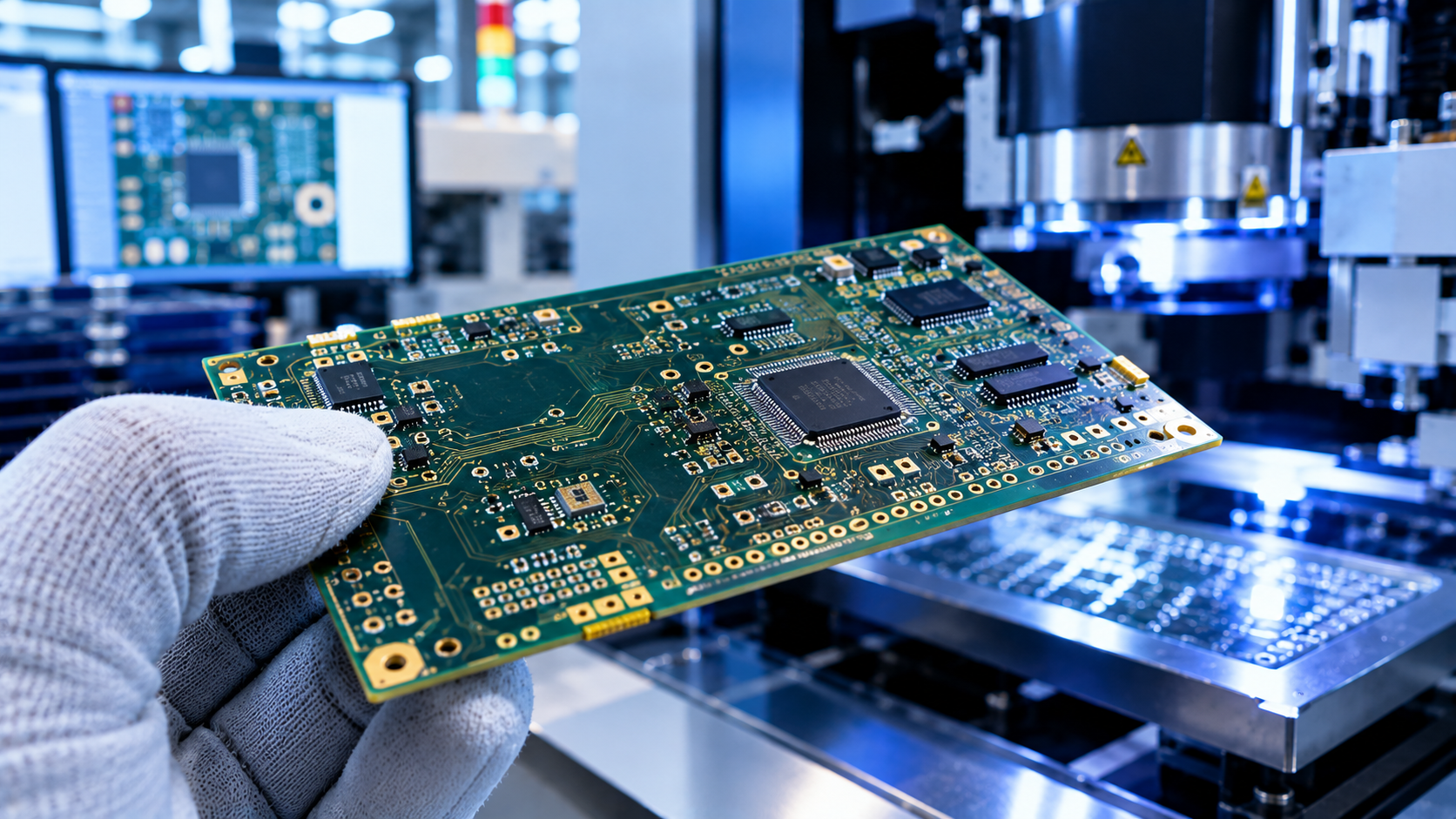
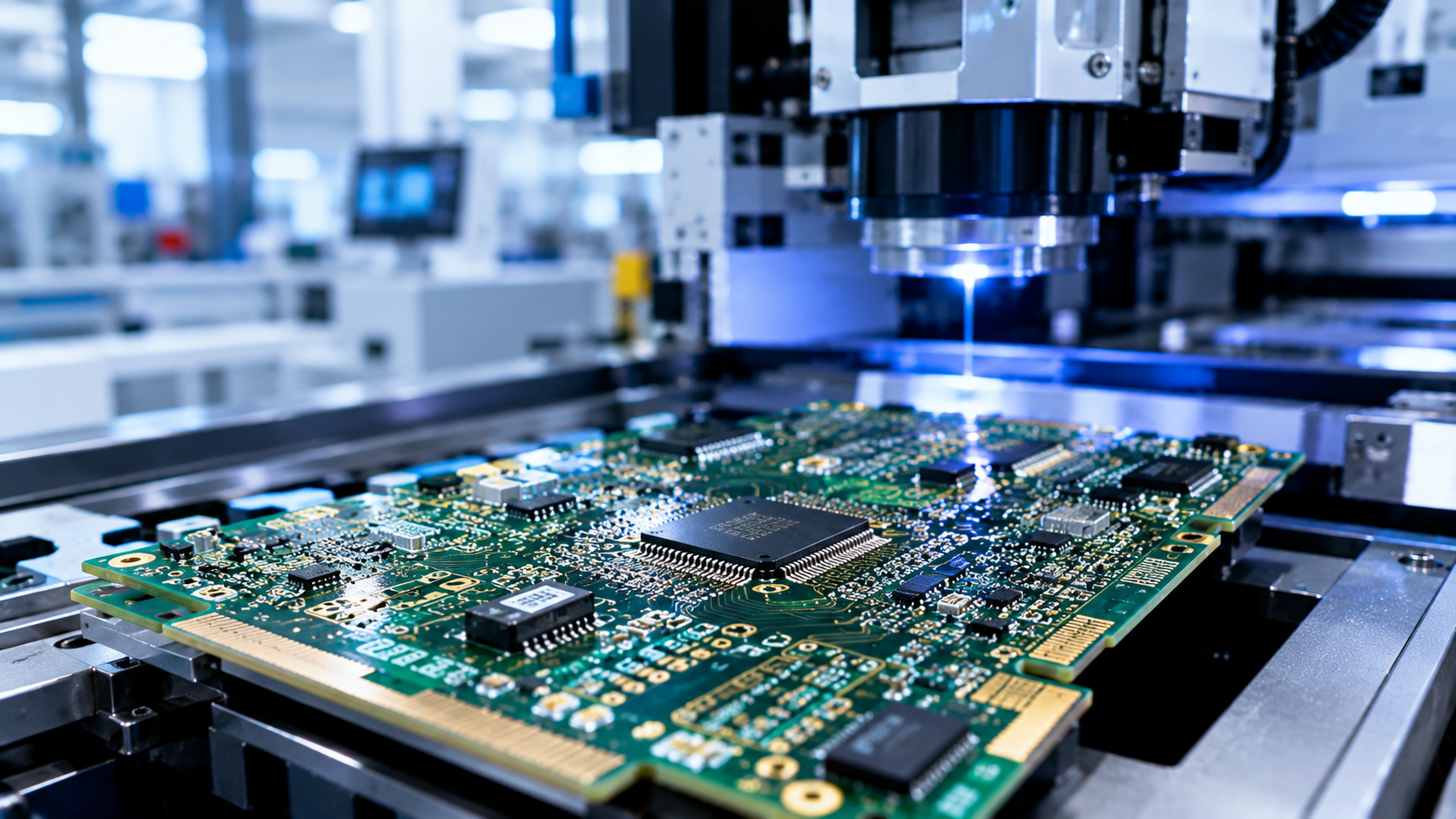
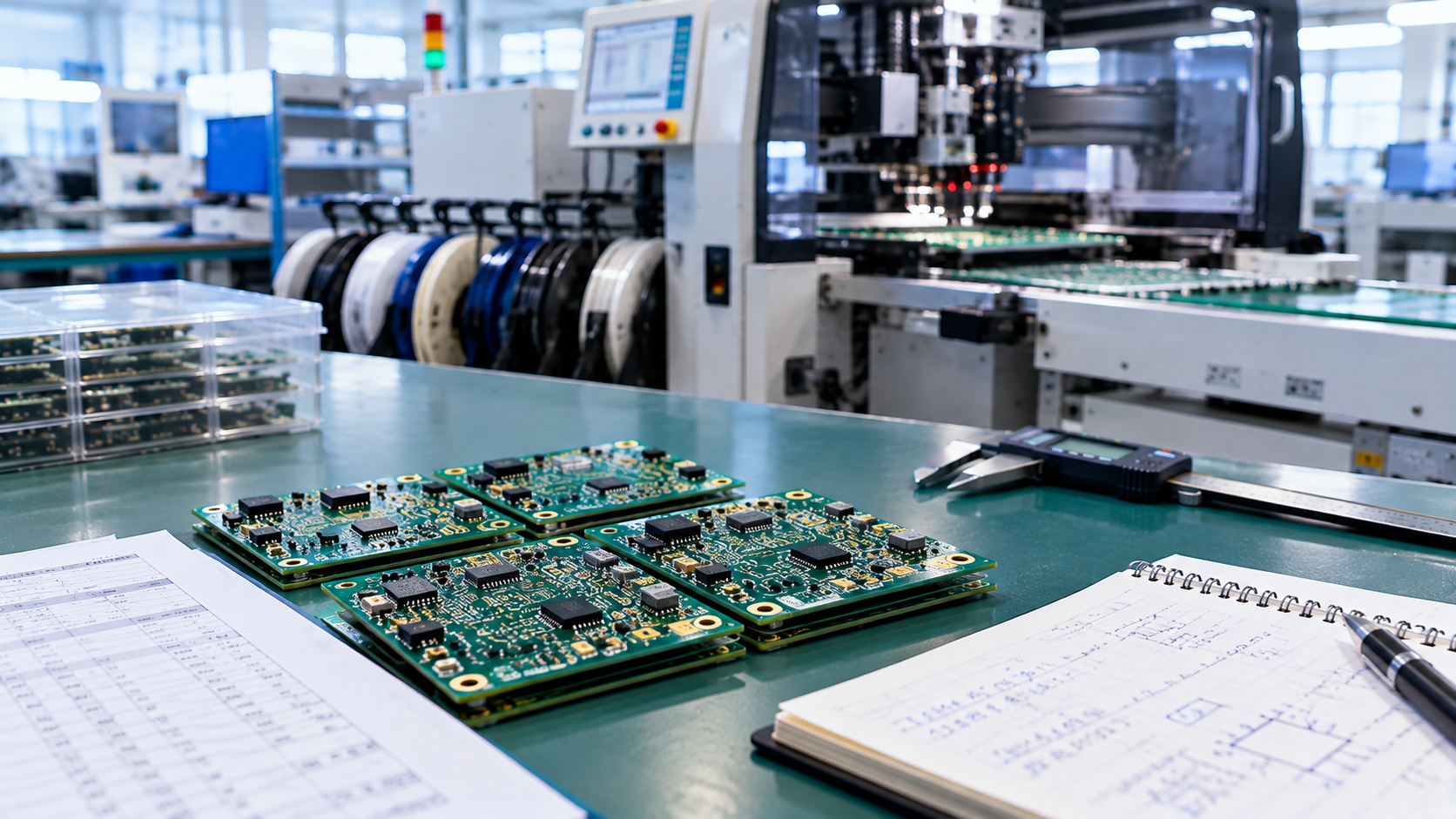
Incoming inspection is the first step in SMT assembly quality control and is critical to final product quality. Strict inspection of raw materials—components, PCBs, solder paste, and adhesives—prevents defective parts from entering the production line, avoiding rework, returns, and reputational damage.
2026.10.09

Common Power PCB Layout Mistakes and How to Avoid Them

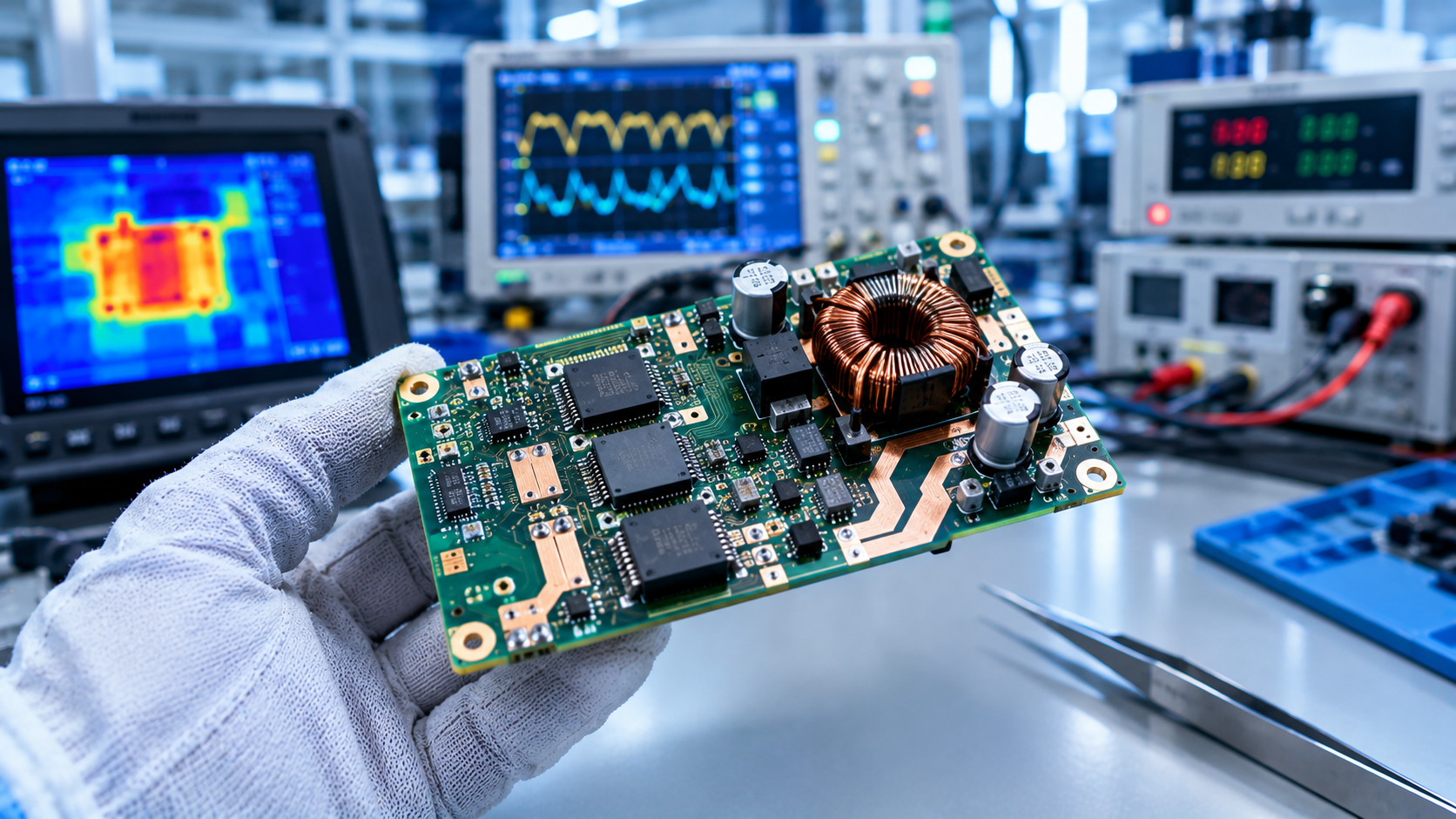
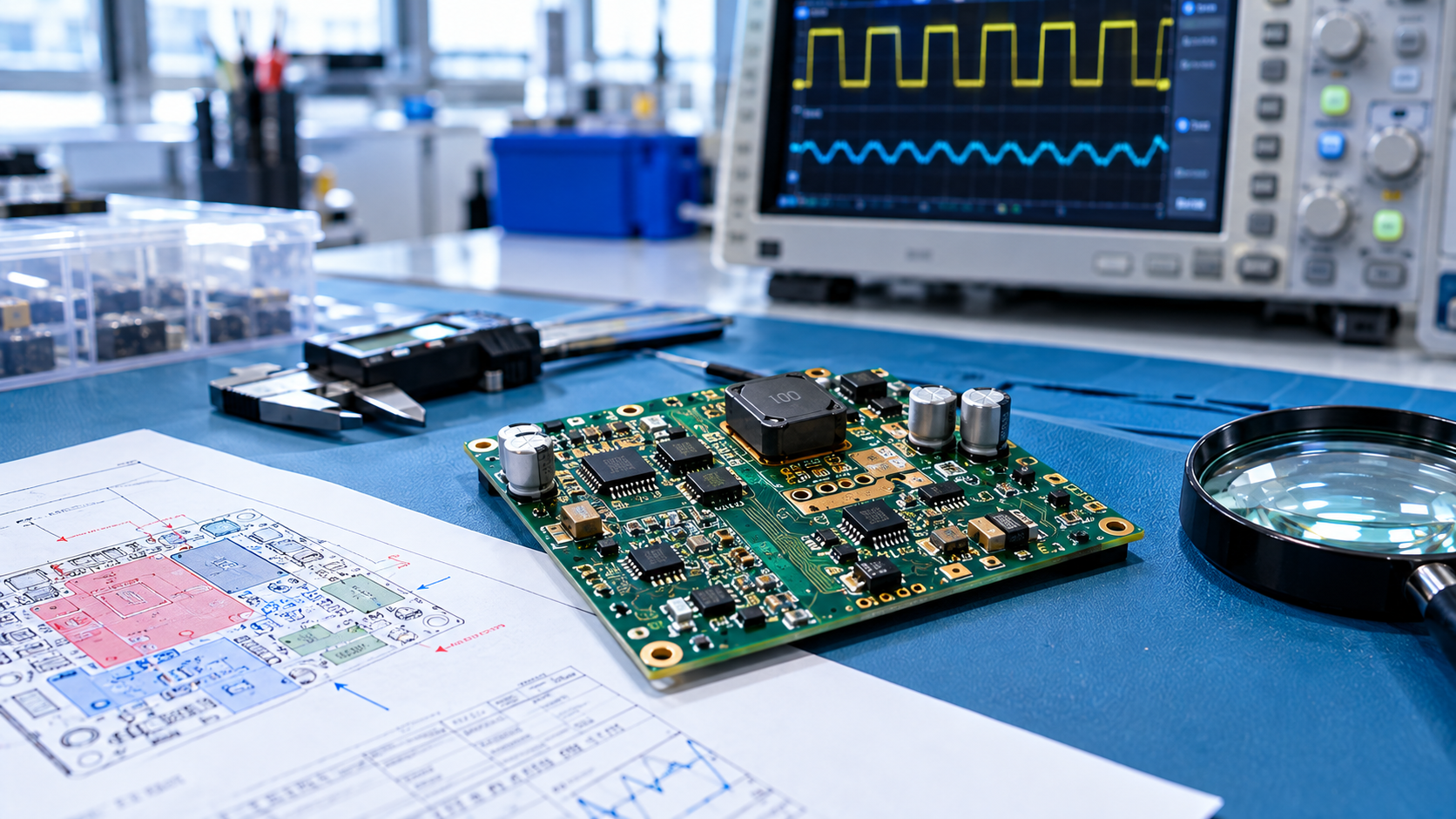
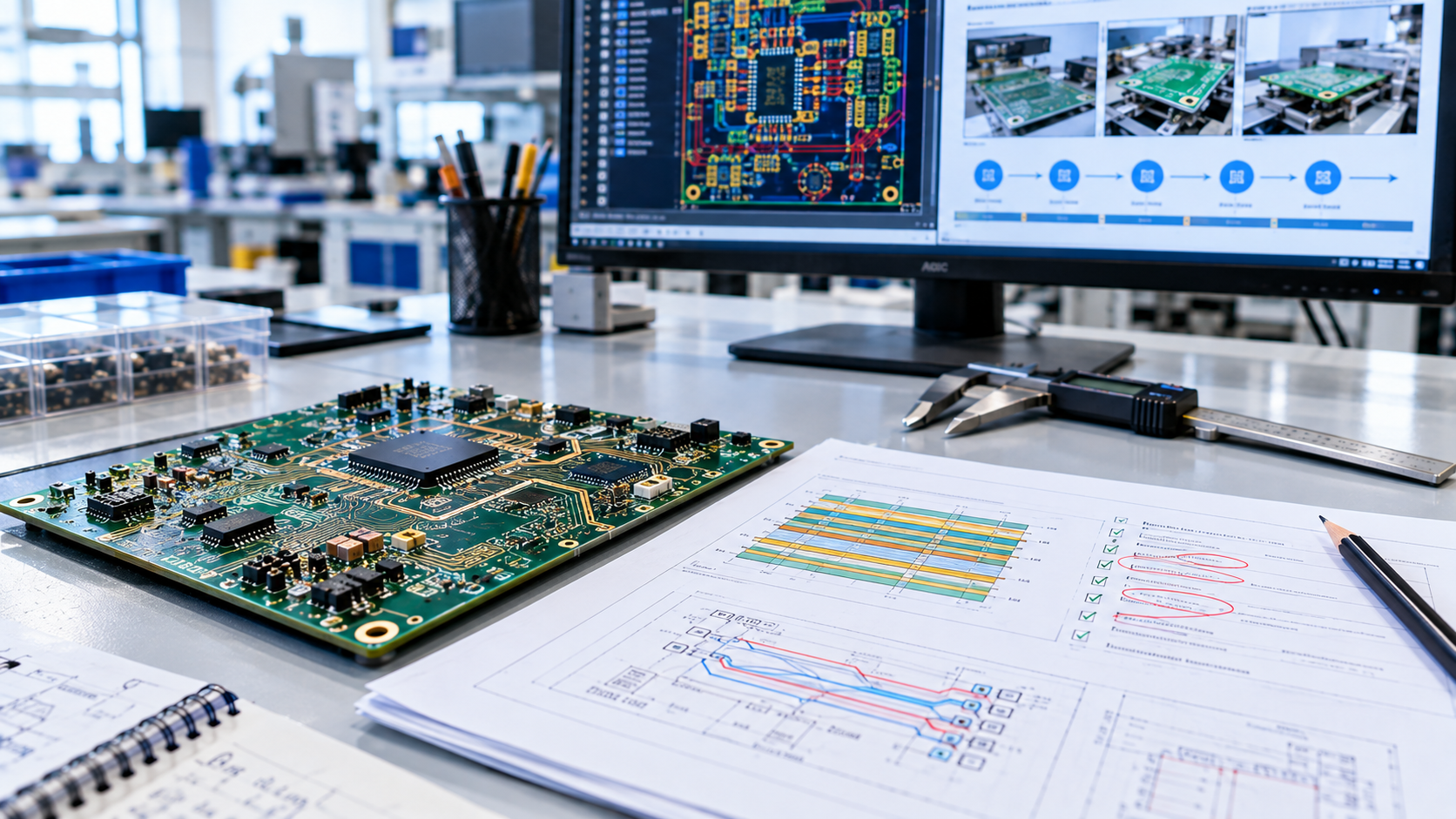
Power supply performance depends heavily on physical PCB layout. Poor layout can cause thermal issues, excessive ripple, EMI problems, and unstable grounding—even in a well-designed circuit. This article covers the most common power PCB layout mistakes in DC/DC and AC/DC designs, their root causes, and practical optimization techniques.
2026.10.09

PCB Via Design Rules: From Through-Holes to Microvias

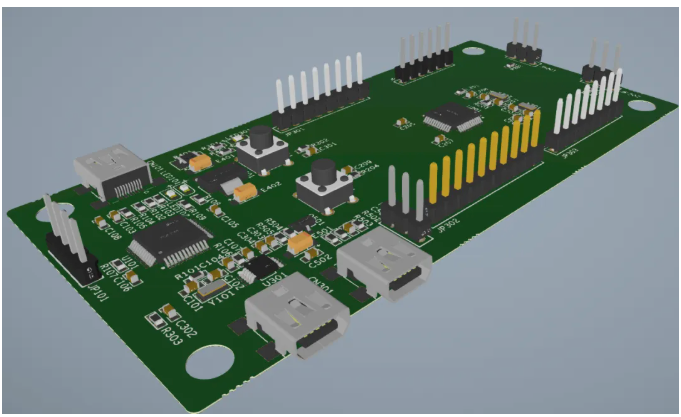
Vias are essential to PCB layout, connecting traces across layers and delivering power throughout the board. This article covers traditional through-hole vias, blind and buried vias, microvias, annular ring requirements, aspect ratios, and how to manage via rules effectively in modern PCB design.
2026.10.08

Will AI Replace PCB Engineers? What AI Really Means for Hardware Design

AI is starting to enter EDA tools and take on real PCB design tasks. This article explores what AI can and cannot replace, why engineering judgment still matters, and how the role of PCB engineers is being redefined.
2026.10.08

AI Servers & EVs: How PCB Supply Chains Are Changing in 2026

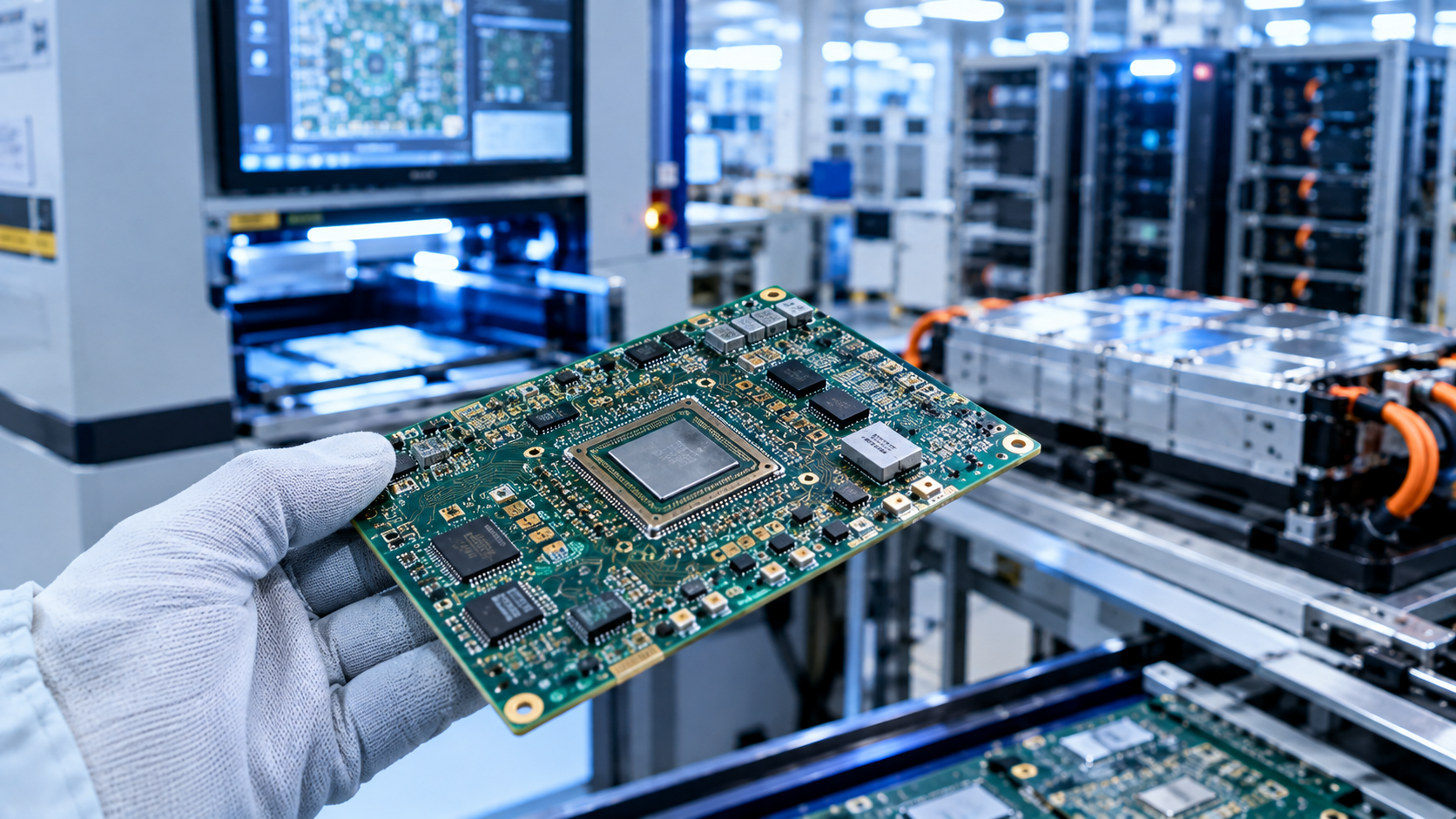
AI servers and electric vehicles are driving unprecedented demand for high-layer PCBs, HDI, heavy copper, and high-frequency materials. This article breaks down what’s changing in the PCB supply chain—capacity, materials, lead times, and cost—and what it means for hardware engineers and procurement teams.
2026.09.24

PCB Special Processes: The Hidden Skeleton Behind Modern Electronics

From signal transmission to high-density integration, PCB special processes are the core technologies supporting the modern electronics industry. This article covers impedance control, advanced stack-ups, HDI, heavy copper, ENEPIG, 3D-structured PCBs, and industry-specific process selection.

2026.09.23

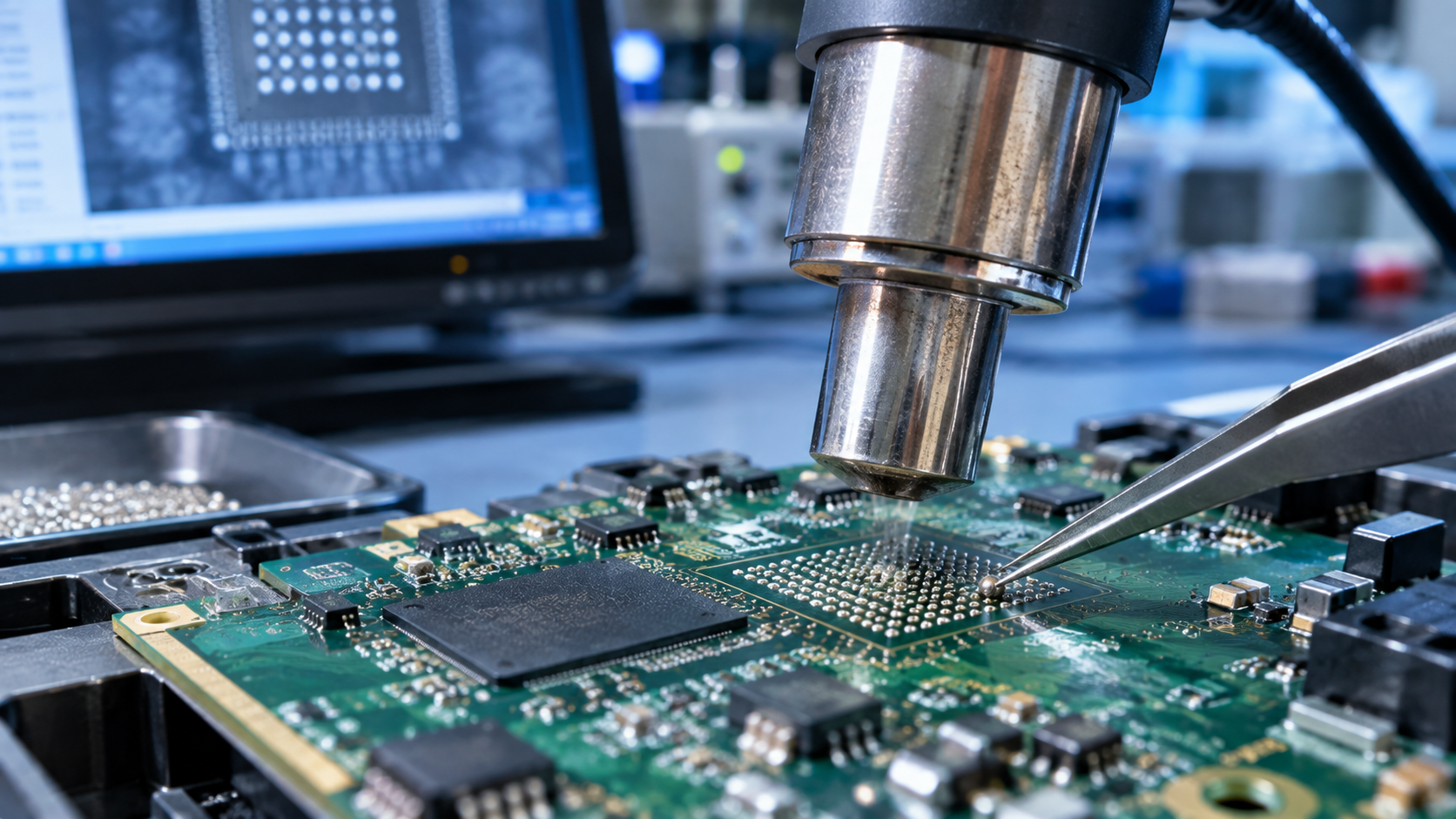
BGA Pad Lifting Failure: 6-Step Repair Guide & Dry Film Application

This article covers the causes of BGA pad lifting and solder bridging, a 6-step repair method, stencil design optimization, reflow profile adjustment, and dry film applications in rework.
2026.09.23

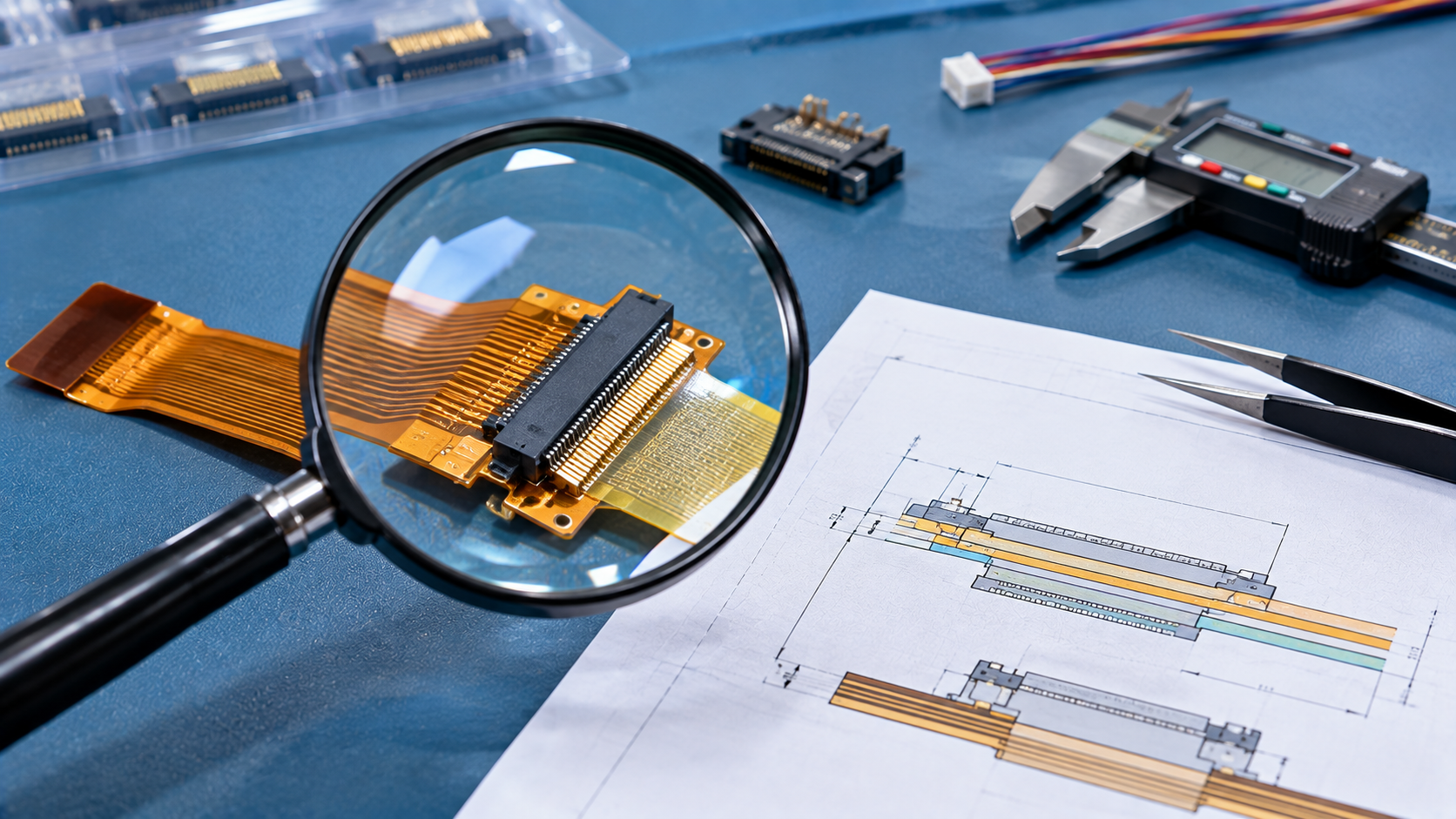
Flexible Circuit Termination Techniques – ZIF, Flying Leads & Crimp Connectors – AnyPCBA

A technical guide to flexible circuit termination techniques. Covers ZIF connectors, unsupported flying leads, crimp connectors, and stiffener design best practices for reliable FPC connections.
2026.09.22

Switching Power Supply & LDO PCB Design Guide – Layout, Grounding & Thermal Tips – AnyPCBA

A practical guide to switching power supply and LDO PCB design. Covers power loop layout, grounding strategy, SENSE/GATE routing, copper pour thermal relief, and thermal via design for reliable power modules.
2026.09.21

Why Small-Batch PCB Manufacturing Is Becoming a Strategic Asset – AnyPCBA

Small-batch PCB manufacturing is becoming a strategic asset in 2026. Learn why fast prototyping, supply chain resilience, and design-manufacturing collaboration are reshaping the electronics industry.
2026.09.21

The Second Skill for Hardware Engineers in 2026: Why Manufacturing Knowledge Matters – AnyPCBA

Manufacturing knowledge is becoming a core competency for hardware engineers in 2026. Learn why DFM, material properties, and supply chain awareness matter — and how to build these skills.
2026.09.20

Why HDI PCBs Fail in Real Applications – Beyond Microvia Cracking – AnyPCBA

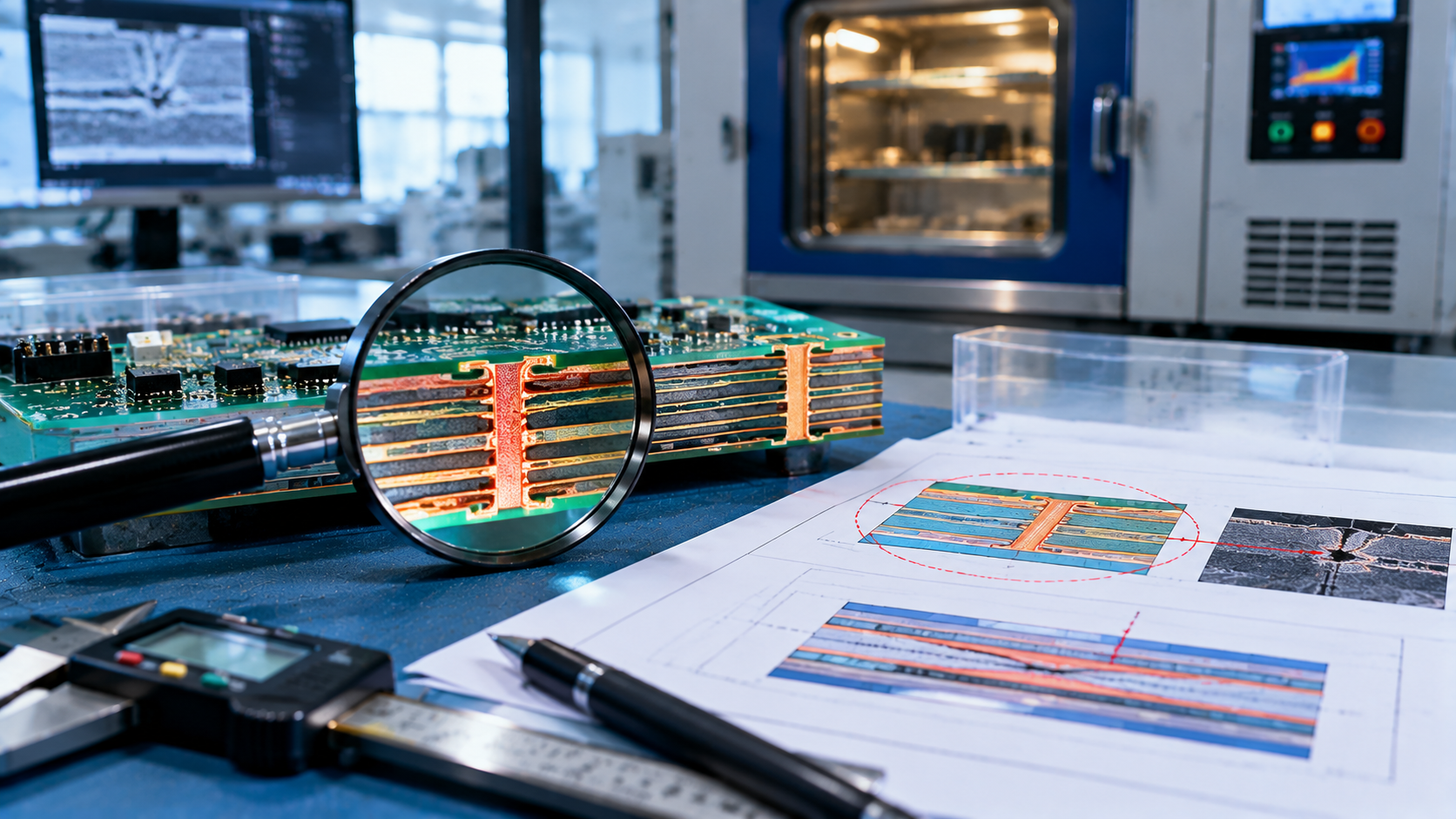
A technical guide to HDI PCB failure mechanisms beyond microvia cracking. Covers resin starvation, copper foil delamination, dielectric crush, CAF growth, and long-term reliability design strategies.
2026.09.20