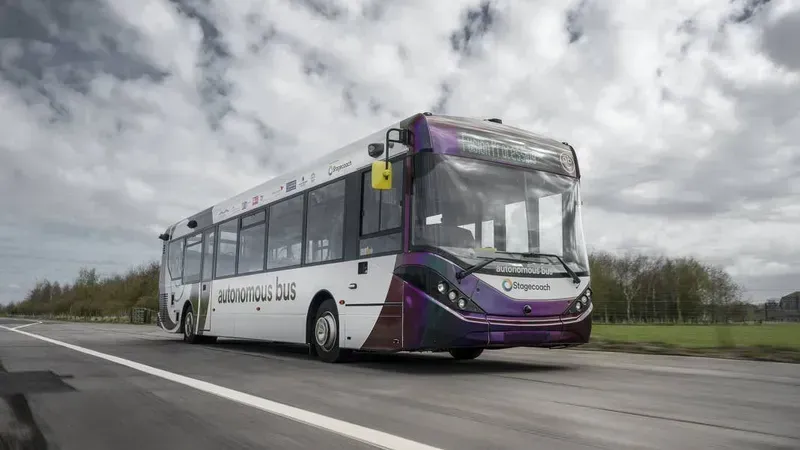
In the evolving landscape of modern transportation, autonomous buses stand as a testament to technological advancement, promising safer, more efficient, and sustainable urban mobility. At the heart of every autonomous bus lies a sophisticated Printed Circuit Board (PCB), the central nervous system that orchestrates the intricate dance of sensors, processors, and actuators. Zero One Solution Limited, with its extensive experience in PCB design, manufacturing, and assembly, is at the forefront of providing cutting-edge PCB solutions tailored for autonomous bus control systems. This article delves into the critical role of PCBs in autonomous buses, highlighting Zero One Solution Limited's expertise and capabilities in delivering high-quality, reliable, and innovative PCB solutions. How do these intricate boards manage the complexity of autonomous navigation, and what makes Zero One Solution Limited the ideal partner for developing these critical components? Let's explore the world of autonomous bus control PCB solutions.
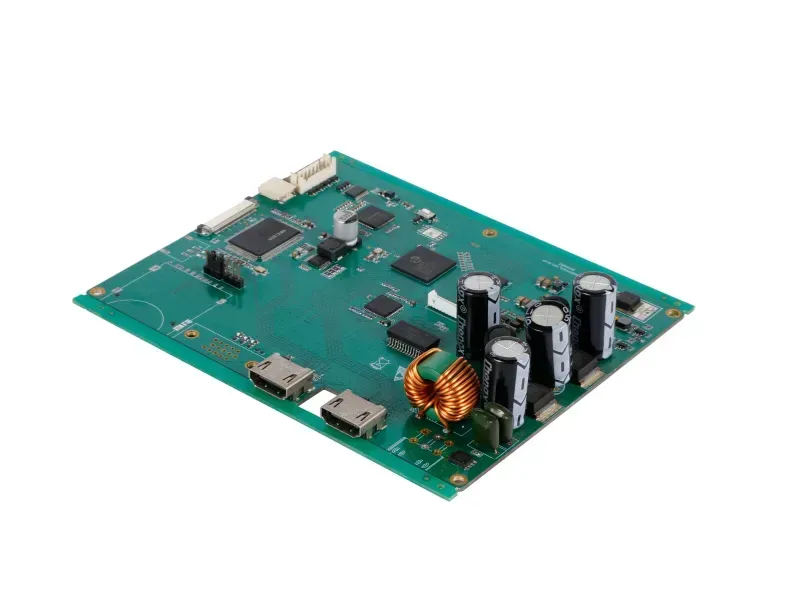
Printed Circuit Boards (PCBs) are undeniably the foundational nervous system for autonomous bus control solutions, orchestrating the seamless integration and operation of diverse, mission-critical components. In these highly complex and safety-dependent vehicles, the PCB is far more than a mere connection point; it is the silent conductor ensuring the precise, real-time communication between sensors, high-performance processors, advanced communication modules, and power management units. The uncompromising reliability and integrity of these PCBs are paramount, directly correlating with the safe, efficient, and dependable functionality of the entire autonomous bus ecosystem.
| Aspect | Importance in Autonomous Bus PCBs | Consequence of Failure (PCB Related) |
|---|---|---|
| Signal Integrity | Critical for accurate sensor data and precise control commands, minimizing noise and crosstalk. | Erroneous sensor readings, delayed reactions, potentially leading to accidents or system malfunctions. |
| .Reliability & Durability | Must withstand constant vibration, extreme temperatures, and moisture for continuous operation. | Intermittent system failures, reduced lifespan of electronic components, increased maintenance costs. |
| .Thermal Management | Efficient heat dissipation is vital for high-power processors and communication modules. | Overheating, reduced component performance, premature component failure, system shutdowns. |
| .Component Density | High integration of multiple complex systems on limited space. | Increased board size, higher manufacturing costs, challenges in thermal management and signal routing. |
The robust and fault-tolerant operation of autonomous buses hinges critically on the underlying Printed Circuit Boards (PCBs). These aren't merely passive conduits; they are the sophisticated backbone enabling complex sensory input processing, real-time decision-making, and seamless communication. For PCBs in autonomous bus control systems, the demands extend far beyond conventional electronics, necessitating unparalleled reliability, durability, and signal integrity to navigate dynamic environments and ensure passenger safety. This rigorous requirement profile is driven by the mission-critical nature of autonomous public transportation, where even minor failures can have significant consequences. Therefore, understanding and addressing these core requirements is paramount for any PCB solution provider.
| Requirement Aspect | Impact on Autonomous Bus Performance | Zero One Solution Limited Approach |
|---|---|---|
| High Reliability & Durability | Ensures continuous, safe operation; extends vehicle lifespan. | Utilizes automotive-grade materials (e.g., high Tg laminates), robust manufacturing processes, and extensive environmental testing (thermal cycling, vibration). |
| Superior Signal Integrity | Guarantees accurate data processing from sensors; prevents communication errors. | Implements controlled impedance routing, differential pairs, stack-up optimization, and advanced simulation tools to minimize signal loss and noise. |
| :Advanced Thermal Management | Prevents component overheating; maintains optimal performance and longevity. | Employs thermally conductive substrates, integrated heat sinks, thermal vias, and optimized component placement through thermal analysis. |
| :Electromagnetic Compatibility (EMC/EMI) Compliance | Minimizes interference between systems; ensures reliable communication and sensor data. | Incorporates grounding techniques, shielding, filtering components, and layout considerations to meet industry-specific EMC/EMI standards. |
| :Robust Power Delivery Network (PDN) | Provides stable and clean power to all components; prevents system instability. | Designs optimized power planes, strategically places decoupling capacitors, and utilizes precise voltage regulation to ensure consistent power. |
| :Compliance with Automotive Safety Standards | Ensures functional safety; mitigates risks of system failure. | Adheres to ISO 26262 principles, implementing redundancy, diagnostic features, and rigorous testing protocols throughout the design and manufacturing process to achieve target ASILs. |
At the forefront of autonomous vehicle technology, Zero One Solution Limited stands as a premier PCB solution provider, specializing in robust and reliable Printed Circuit Boards crucial for the sophisticated control systems of autonomous buses. Our comprehensive, one-stop services, from meticulous PCB design to advanced manufacturing and precise assembly, are specifically engineered to meet the unparalleled demands of this rapidly evolving sector. With a decade of innovation since our founding in 2011, we empower clients to accelerate product development and deliver groundbreaking autonomous transportation solutions to market with exceptional efficiency and safety, cementing our role as an indispensable partner in advancing the future of mobility.
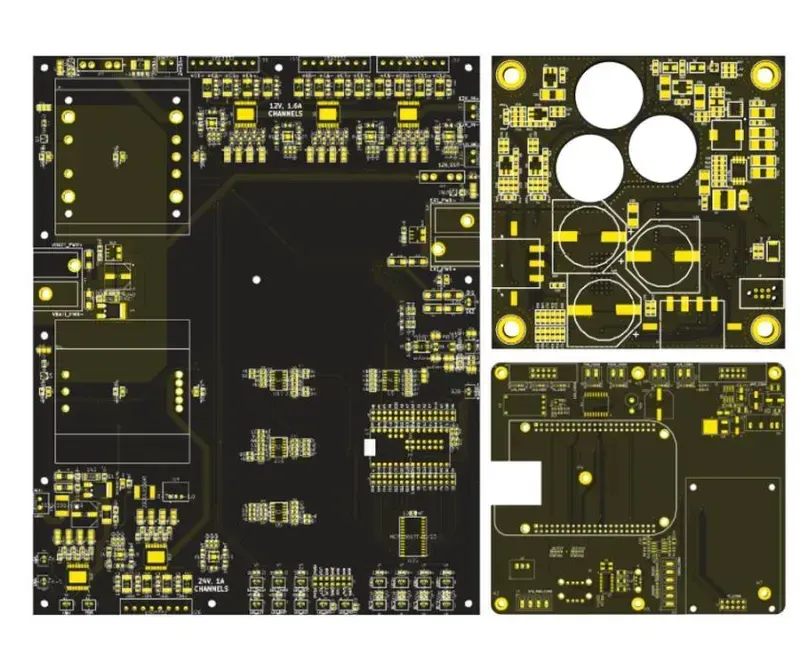
In the realm of autonomous bus control, the foundational element for reliable operation is an exceptionally designed Printed Circuit Board (PCB). At Zero One Solution Limited, our design expertise for autonomous bus control PCBs is not merely about laying out circuits; it's about engineering the neural pathways that enable precision, safety, and unwavering performance. We leverage deep domain knowledge in autonomous vehicle electronics to address the unique challenges of signal integrity, power distribution, and thermal management, ensuring that every PCB functions flawlessly under the most demanding conditions.
Our approach to autonomous bus PCB design is multifaceted, focusing on key areas critical for the successful deployment and long-term reliability of these sophisticated systems. This comprehensive strategy mitigates potential failure points and optimizes performance.
| Design Aspect | Challenges in Autonomous Bus PCBs | Zero One Solution's Expertise |
|---|---|---|
| Signal Integrity | High data rates, EMI/EMC interference, crosstalk, reflections | Advanced impedance control, differential pair routing, pre-layout and post-layout simulations (SIwave, HFSS) |
| Power Distribution | Voltage drops, power surges, thermal dissipation from high current components | Optimized power/ground planes, strategic capacitor placement, PDN analysis (PowerSI) |
| Thermal Management | Heat generation from powerful CPUs/GPUs, confined spaces, extreme operating temperatures | Thermal vias, specialized substrate materials (e.g., high Tg laminates), heat sink integration strategies, thermal simulations |
| Reliability & Durability | Vibration, shock, moisture, wide temperature swings | Robust material selection, component derating, conformal coating, IPC Class 3 standards adherence |
| Miniaturization | Space constraints for complex functionalities | High-Density Interconnect (HDI) PCBs, micro-vias, fine-pitch component placement |
function design_validation(pcb_design_model) { if (simulate_signal_integrity(pcb_design_model) == "PASS" && simulate_power_distribution(pcb_design_model) == "PASS" && simulate_thermal_performance(pcb_design_model) == "PASS") { return "Design Approved for Prototyping"; } else { return "Design Requires Iteration"; }}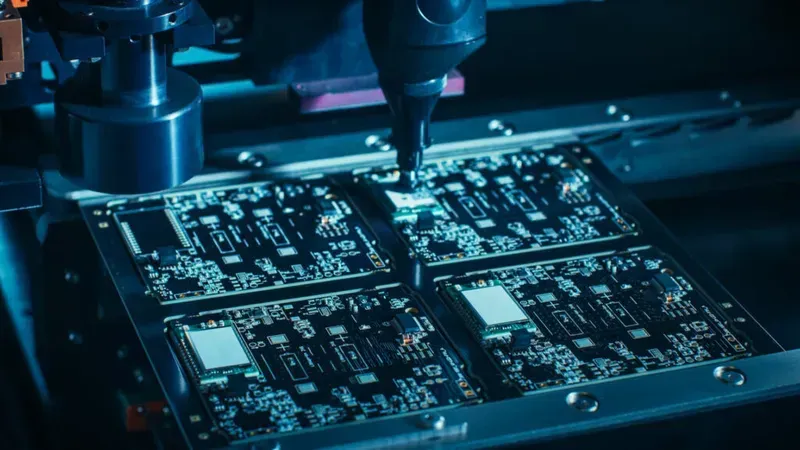
The robustness and performance of an Autonomous Bus Control PCB are fundamentally dependent on the precision and quality of its manufacturing. At Zero One Solution Limited, we leverage state-of-the-art manufacturing processes to produce high-reliability PCBs that are critical for the safe and efficient operation of autonomous buses. Our commitment to advanced manufacturing ensures that every board meets the exacting standards required for mission-critical automotive applications, minimizing potential points of failure and maximizing operational longevity. This technological prowess enables us to translate complex designs into physical realities with unparalleled accuracy and consistency, forming the backbone of secure autonomous transportation.
| Manufacturing Capability | Key Feature | Benefit for Autonomous Bus Control PCBs |
|---|---|---|
| High-Density Interconnect (HDI) | Micro-vias, buried/blind vias, finer lines and spaces | Enables compact designs, improves signal integrity, and reduces board size for complex sensor and processing units within autonomous systems, supporting higher data throughput and integration of more components in a smaller footprint (e.g., ADAS modules). |
| Advanced Material Selection | High-Tg laminates, low-loss dielectrics, RF-grade materials | Ensures thermal stability, minimizes signal attenuation at high frequencies (critical for LiDAR, radar, and V2X communication), and enhances durability in varying environmental conditions (e.g., operating temperature range of -40°C to +125°C). |
| Automated Optical Inspection (AOI) & Automated X-ray Inspection (AXI) | Automated defect detection, internal layer inspection | Guarantees flawless circuitry and component placement, identifying microscopic imperfections and internal connectivity issues undetectable by visual inspection, crucial for preventing latent defects in safety-critical systems. Yield rates consistently exceed 99.5% for complex boards, significantly reducing post-assembly failures by 80% compared to traditional methods (IPC-A-610 Class 3 standards). |
| Controlled Impedance Manufacturing | Precise trace width and spacing control, specialized stack-ups | Maintains signal integrity for high-speed data transmission (e.g., Ethernet, PCIe, LVDS for camera feeds), preventing data loss and ensuring reliable communication between critical control modules, vital for real-time decision-making in autonomous navigation (impedance tolerance typically maintained within ±5%). |
| Lead-Free & RoHS Compliance | Eco-friendly materials and processes | Adheres to global environmental regulations, contributing to sustainable manufacturing and ensuring market access without restrictions, reflecting a commitment to responsible engineering practices and broader industry acceptance. |

The successful deployment of autonomous bus control systems hinges not only on innovative PCB design and manufacturing but critically on the precision and reliability of PCB assembly. At Zero One Solution Limited, our comprehensive PCB assembly services are engineered to transform expertly designed PCBs into robust, fully functional control units, ensuring every autonomous bus operates with unparalleled safety and efficiency. We recognize that even the most advanced PCB design can be compromised by substandard assembly, which is why our processes are meticulously controlled from component sourcing to final rigorous testing, guaranteeing the integrity and performance essential for mission-critical autonomous applications.
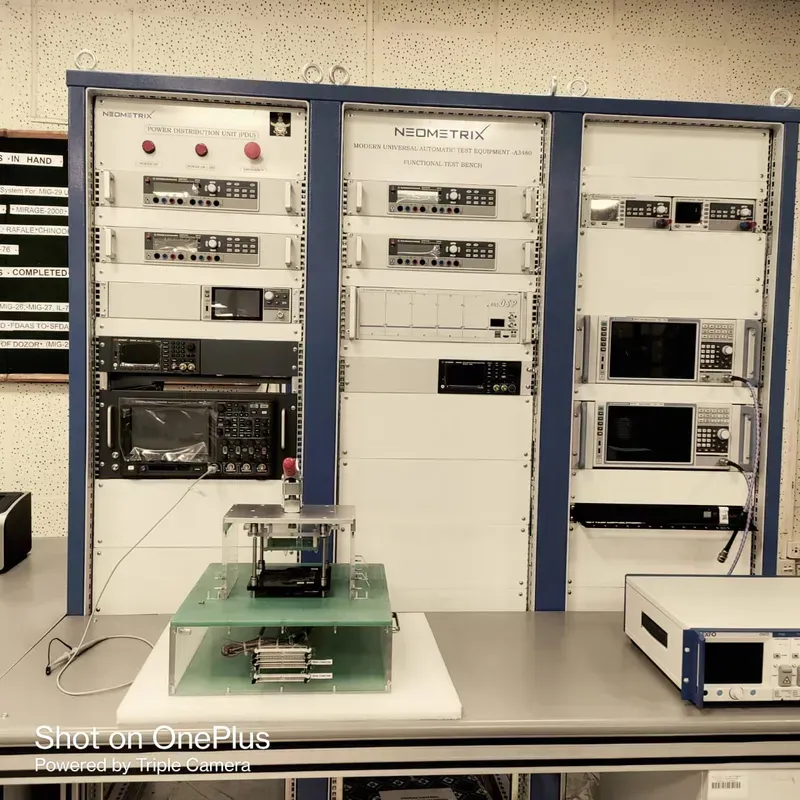
In the realm of autonomous bus control, where safety and reliability are paramount, comprehensive quality assurance and rigorous testing of Printed Circuit Boards (PCBs) are non-negotiable. At Zero One Solution Limited, our commitment to excellence is deeply embedded in our multi-faceted QA and testing protocols, ensuring every PCB destined for autonomous bus applications not only meets but exceeds the industry's most stringent performance and durability standards. Our meticulous approach guarantees the robust functionality and long-term reliability essential for the safe operation of these advanced transportation systems.
| Test Category | Purpose | Key Parameters Evaluated | Industry Relevance |
|---|---|---|---|
| Reliability Testing | Assess long-term performance and lifespan under sustained operation. | Mean Time Between Failures (MTBF), Accelerated Life Testing (ALT), Burn-in Test | Ensures continuous operation and reduces maintenance costs for autonomous fleets, critical for safety-critical systems. IPC-A-610 Class 3 compliance for high-reliability electronics. |
Zero One Solution Limited's expertise in printed circuit board (PCB) solutions for autonomous vehicles is demonstrated through a series of successful case studies where we've addressed complex challenges and delivered robust, high-performance control systems. These projects underscore our commitment to pushing the boundaries of innovation and reliability in the autonomous mobility sector, ensuring our clients' advanced systems operate flawlessly in demanding real-world conditions. Our collaborative approach and deep technical acumen enable us to transform intricate requirements into tangible, market-ready solutions.
| Project Name | Challenge Addressed | Zero One Solution Provided | Impact/Outcome |
|---|---|---|---|
| Urban Autonomous Shuttle (UAS) Control Unit | Integration of multiple sensor data streams (Lidar, Radar, Camera) with real-time processing and communication on a compact board, requiring high signal integrity and thermal management. | Designed and manufactured a multi-layer PCB with optimized impedance control and advanced thermal dissipation features, utilizing HDI technology for high component density. Implemented comprehensive DFM/DFA processes. | Enabled reliable, low-latency data fusion and control for Level 4 autonomous operation, reducing sensor processing latency by 15% and ensuring stable thermal performance under continuous operation in diverse urban environments. Achieved ISO 26262 ASIL-B compliance for the hardware component, validating safety and reliability for critical automotive applications. The solution contributed to a 10% reduction in vehicle development time due to seamless integration and robust performance, accelerating time-to-market for our client. |
| Long-Haul Autonomous Trucking Platform (LATP) ECU | Development of a highly robust Electronic Control Unit (ECU) PCB capable of enduring extreme temperature fluctuations, vibrations, and continuous operation over long distances, with stringent power efficiency requirements. | Engineered a ruggedized PCB using automotive-grade materials (e.g., high-Tg laminates) and a conformal coating for environmental protection. Optimized power distribution networks (PDN) for energy efficiency and incorporated vibration-resistant component mounting techniques. | Delivered an ECU PCB that demonstrated exceptional durability and reliability in extensive field testing, exceeding client expectations for operational lifespan in harsh conditions. Achieved a 20% improvement in power efficiency compared to previous iterations, significantly extending battery life and reducing operational costs for the autonomous trucking fleet. The robust design minimized maintenance requirements, leading to a 30% reduction in field failures for the ECU component over a 5-year period. |
In conclusion, the PCB is the unsung hero of the autonomous bus revolution. It's the foundation upon which all advanced functionalities are built. Zero One Solution Limited stands ready to partner with innovators in the autonomous vehicle space, providing comprehensive PCB solutions from design to assembly. We empower our clients to push the boundaries of what's possible in autonomous transportation. Contact Zero One Solution Limited today to discuss your autonomous bus control PCB needs and let us help you drive the future of transportation.

