Blog

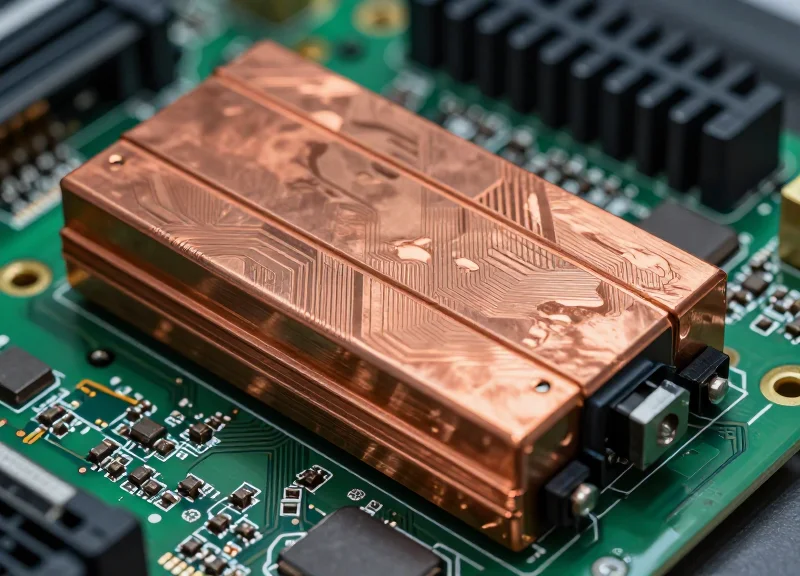
Mastering DFM Rules for Heavy Copper PCBs: A Technical Guide for High-Current Inverter Designs

Unlock the secrets to designing high-performance power inverters. This guide covers critical DFM strategies for heavy copper PCB fabrication, thermal management, and reliability in automotive-grade electronics.
2026.02.04

Maximizing ROI in EV Power Inverters Through Optimized Heavy Copper PCB Design and Manufacturing

Discover how transitioning to heavy copper PCB architectures reduces thermal overhead and field failures, driving significant lifecycle ROI for tier-one EV suppliers.
2026.02.03

Choosing the Right Heavy Copper PCB Manufacturer for High-Power Automotive Inverter System Reliability

Navigate the complex landscape of automotive electronics with this expert guide on selecting heavy copper PCB partners capable of meeting stringent thermal and safety standards.
2026.02.03

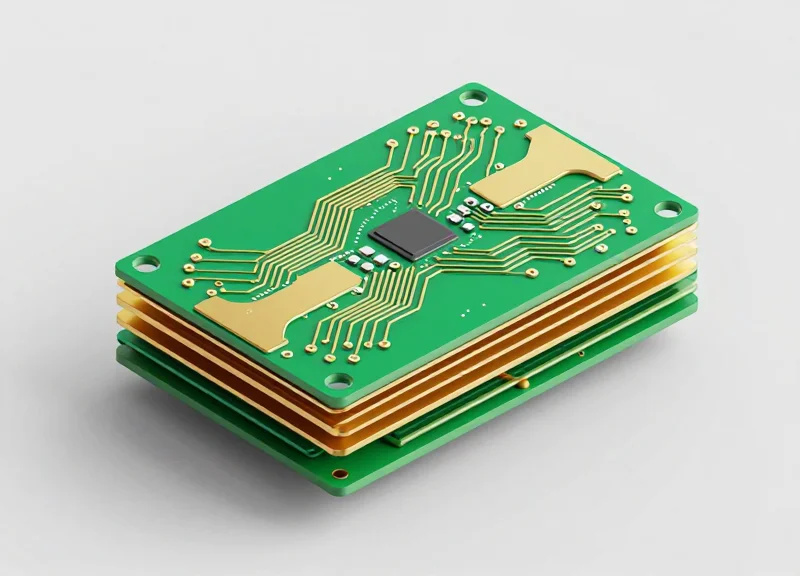
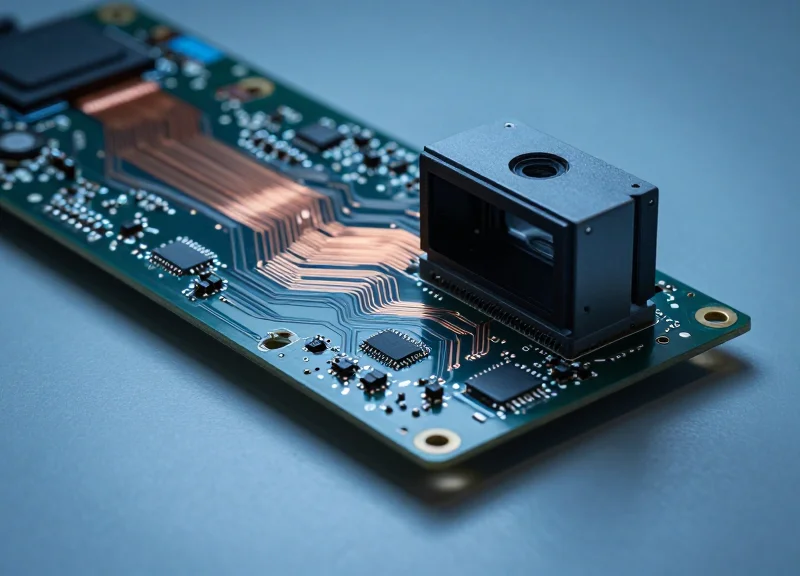
The Future of LiDAR: Comparing Rigid-Flex PCB Tech Against Traditional Rigid-Only Sensor Interconnect Methods

Discover why rigid-flex PCB technology is revolutionizing autonomous vehicle sensor design by replacing bulky connectors with high-reliability, space-saving architectures.
2026.02.02

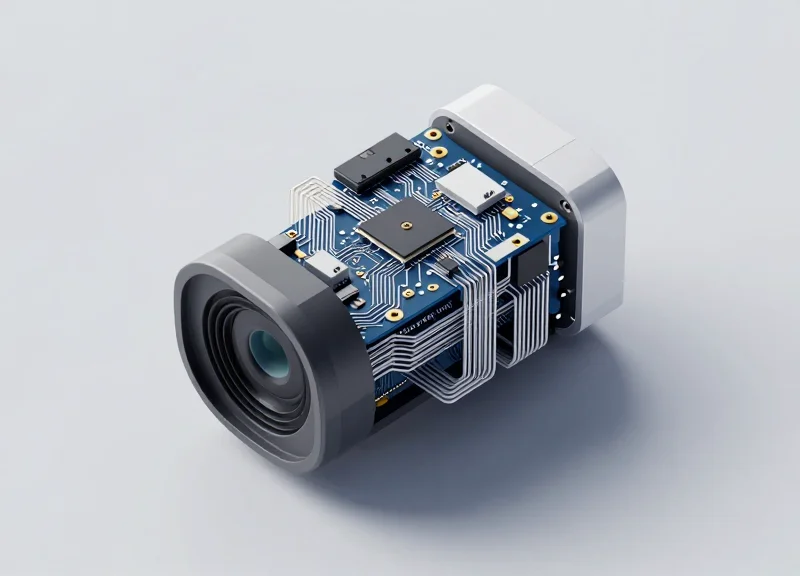
Advanced Design for Manufacturing (DFM) Rules for High-Frequency Rigid-Flex LiDAR Sensor Circuitry Boards

Master the complexities of LiDAR hardware design. This guide provides actionable DFM strategies for rigid-flex transitions, high-speed signal integrity, and material selection.
2026.02.02

Maximizing ROI and System Reliability in Autonomous LiDAR Units with Advanced Rigid-Flex PCB Solutions

Discover how transitioning to optimized rigid-flex circuitry solves critical cabling failures in LiDAR systems while driving down long-term manufacturing costs.
2026.02.01

How to Select the Right Rigid-Flex PCB Manufacturer for High-Performance LiDAR Sensor Integration Projects

Navigate the complexities of LiDAR sensor manufacturing by selecting the right rigid-flex PCB partner. We break down the critical technical requirements, quality standards, and material considerations for autonomous system success.
2026.02.01

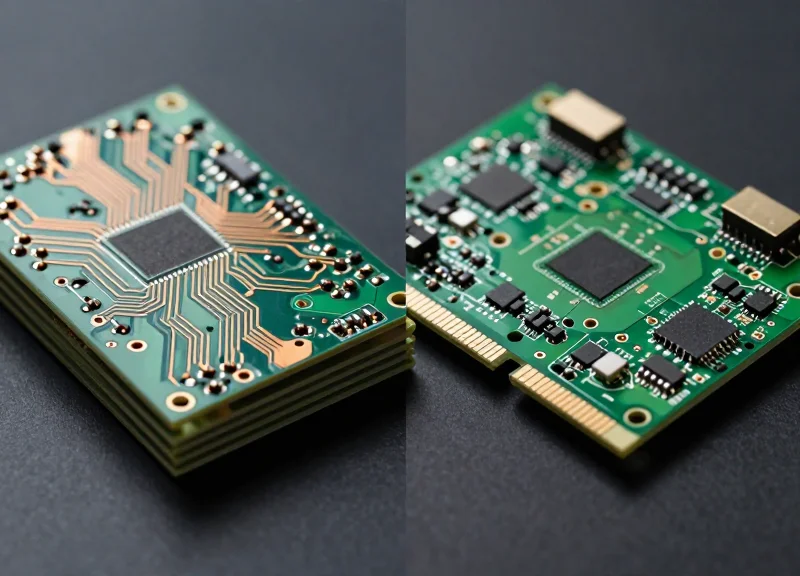
The Future of Tire Pressure Monitoring: Comparing Next-Gen PCB Technology vs. Legacy Automotive Sensor Solutions

As vehicles become smarter, the demand for robust TPMS sensor performance is reaching new heights. Discover how next-gen PCB advancements are revolutionizing automotive safety and connectivity.
2026.01.31

Advanced Design Rules for TPMS PCBs: DFM Best Practices for High-Reliability Automotive Sensor Manufacturing

Unlock the secrets to designing high-performance PCBs for automotive TPMS. This guide covers micro-via reliability, impedance control, and DFM strategies to ensure durability in extreme environments.
2026.01.31

Optimizing Cost and Performance: A Case Study on Scaling TPMS PCB Production for Automotive OEMs

Discover how strategic PCB design decisions in Tire Pressure Monitoring Systems (TPMS) drive automotive ROI, minimize warranty claims, and streamline mass production workflows.
2026.01.30

How to Select High-Performance PCBs for Automotive TPMS: Essential Engineering Standards and Decision Factors

Master the complexities of automotive-grade PCB design for Tire Pressure Monitoring Systems. Learn how substrate and copper weight selections drive reliability, thermal stability, and signal integrity in demanding vehicle environments.

2026.01.30

The Future of Engine Control Units: Comparing Traditional FR-4 vs. Advanced Ceramic PCB Substrates

Discover how the automotive industry is shifting from traditional FR-4 materials to advanced ceramic substrates to meet the extreme heat and performance demands of modern engine control units.
2026.01.29