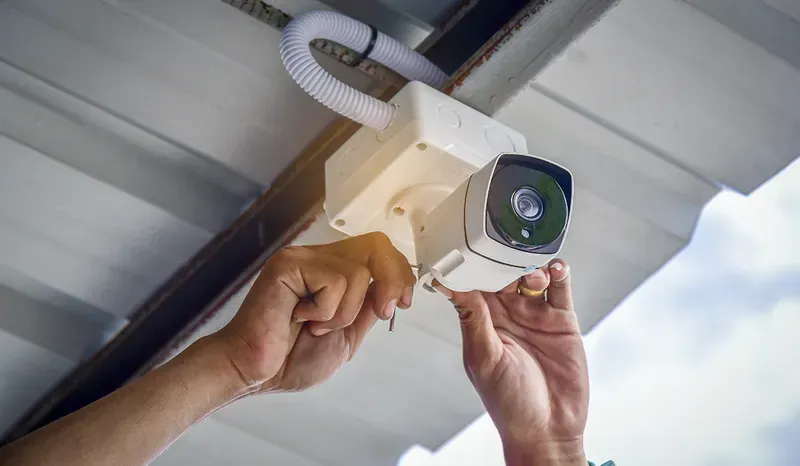
In an era defined by ever-increasing security concerns, the demand for robust and reliable security monitoring systems has never been greater. At the heart of these systems lies the motherboard, the central nervous system that dictates overall performance and stability. But how do you ensure your security monitoring motherboard is up to the task? Join us as we delve into the world of building security monitoring motherboard solutions, exploring the critical aspects of PCB design, manufacturing, and assembly.
Introduction: The Importance of a Robust Security Monitoring Motherboard
At the core of every reliable security system lies a robust security monitoring motherboard, serving as the central nervous system that dictates performance, stability, and overall effectiveness. In an era where security threats are constantly evolving, the demand for sophisticated, high-performance security solutions has surged, making the foundational motherboard component more critical than ever. A meticulously designed and manufactured motherboard ensures seamless integration of various security components, facilitating rapid data processing, low-latency communication, and unwavering reliability, which are paramount for proactive threat detection and immediate response in any security infrastructure.
Why is the motherboard so critical in security monitoring systems? The motherboard is the foundational hardware that connects and controls all other components in a security monitoring system, including processors, memory, storage, and communication interfaces. Its design directly impacts the system's ability to process real-time video feeds, manage sensor data, and execute analytical algorithms efficiently, ensuring the system can respond promptly to security events. A weak or unreliable motherboard can lead to bottlenecks, data loss, and system failures, compromising the entire security operation.
What are the primary challenges in designing motherboards for security applications? Designing motherboards for security applications involves addressing several critical challenges, including ensuring high reliability for 24/7 operation, minimizing latency for real-time responsiveness, incorporating robust power delivery and thermal management for stability, and implementing advanced security features to prevent tampering or unauthorized access. Additionally, achieving optimal signal integrity and EMI/EMC compliance is crucial to maintain data accuracy and system resilience in diverse operational environments.
How does motherboard quality impact the overall security system's reliability? The quality of a security monitoring motherboard directly correlates with the overall reliability and longevity of the security system. High-quality motherboards feature superior component selection, robust PCB design, and stringent manufacturing processes, which collectively reduce the likelihood of hardware failures, data corruption, and system downtime. This reliability is vital for critical infrastructure, surveillance, and access control systems where continuous operation and data integrity are non-negotiable.
What role does rapid prototyping play in developing advanced security motherboards? Rapid prototyping is indispensable in the development of advanced security motherboards as it significantly accelerates the design-test-iterate cycle. It allows engineers to quickly validate new designs, test component compatibility, and identify potential issues early in the development phase. This agility is crucial for incorporating the latest technologies and adapting to evolving security threats, ensuring that the final product meets stringent performance and reliability standards efficiently.
Understanding the Key Requirements of a Security Monitoring Motherboard
A robust Building Security Monitoring Motherboard Solution is the bedrock of any effective surveillance system, necessitating a deep understanding of its core requirements to ensure optimal performance and unwavering reliability. Beyond mere component integration, the true intelligence of a security system resides in a motherboard designed to handle demanding, continuous operations, often under critical, real-time conditions. This section delves into the essential features that differentiate a mere computing board from a purpose-built security monitoring backbone, providing the foundation for unparalleled system integrity and responsive threat management.
High Reliability and Durability Security motherboards must operate 24/7 without failure, often in diverse environmental conditions. This demands industrial-grade components, robust PCB design, and stringent quality control during manufacturing to withstand continuous operation, temperature fluctuations, and potential electromagnetic interference. Failure points must be minimized to ensure uninterrupted surveillance.
Low Latency and Real-time Processing In security monitoring, every millisecond counts. Low latency ensures that video feeds, sensor data, and command signals are processed and transmitted in near real-time, critical for immediate threat detection and rapid response. This requires optimized data pathways, efficient bus architectures, and high-speed memory interfaces to prevent bottlenecks and ensure instantaneous system reactions.
Robust Processing Power Modern security systems handle high-resolution video streams (e.g., 4K, 8K), advanced analytics (e.g., facial recognition, object detection), and simultaneous data processing from multiple sensors. A security motherboard must integrate powerful, multi-core processors (CPUs and GPUs) capable of handling these compute-intensive tasks without compromising performance or causing system slowdowns, ensuring smooth data flow and accurate analysis.
Secure Data Transmission and Storage Data integrity and confidentiality are paramount. The motherboard must incorporate secure boot mechanisms, hardware-level encryption support (e.g., TPM modules), and robust network interfaces for encrypted data transmission (e.g., TLS/SSL). Furthermore, it needs reliable storage interfaces (e.g., NVMe, SATA) for persistent video recording and data logging, often with redundancy features like RAID for data protection against drive failures.
Extensive I/O Connectivity A security monitoring motherboard requires diverse and ample I/O ports to connect various peripherals, including IP cameras, analog cameras, sensors (motion, smoke, access control), alarms, and network devices. This includes multiple Ethernet ports (Gigabit or higher), USB ports, serial ports, and potentially specialized interfaces like PCIe for expansion cards, ensuring broad compatibility and system scalability.
PCB Design Considerations for Optimal Security Performance
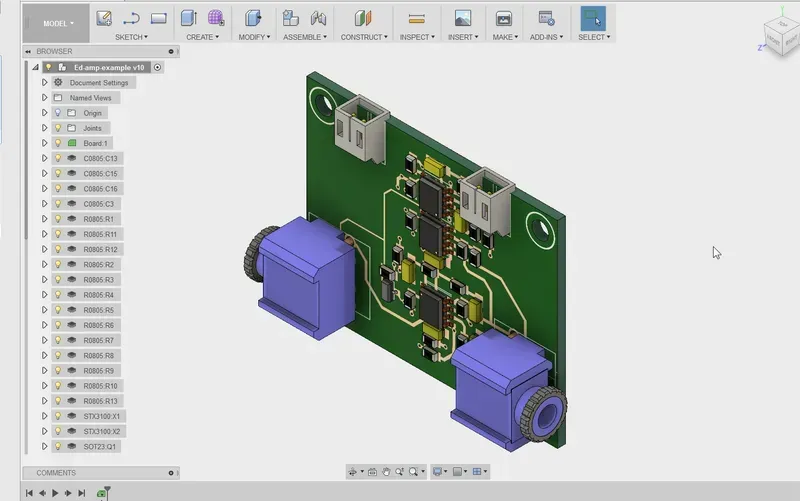
PCB Design Software Interface
Designing a robust Building Security Monitoring Motherboard Solution necessitates meticulous attention to PCB layout, as it directly impacts signal integrity, power stability, thermal efficiency, and overall system reliability. Optimal PCB design is not merely about placing components; it's about engineering an environment where sensitive data flows securely and reliably, free from electromagnetic interference (EMI) and thermal bottlenecks. This foundational step is paramount for ensuring the long-term, uninterrupted operation of critical security infrastructure.
Signal Integrity and High-Speed Data Transmission In security monitoring systems, precise and timely data acquisition is crucial. Maintaining signal integrity involves minimizing reflections, crosstalk, and ground bounce by implementing proper trace impedance matching, controlled impedance routing for high-speed signals (e.g., PCIe, Gigabit Ethernet, MIPI CSI-2 for cameras), and sufficient ground planes. Differential pair routing with tight coupling and equal lengths is essential for high-speed differential signals to reduce common-mode noise and improve noise immunity. Attention to return path continuity is also vital for minimizing electromagnetic emissions and ensuring clean signal propagation.
Robust Power Distribution Network (PDN) A stable and clean power supply is fundamental for the consistent operation of sensitive ICs, especially processors and image sensors. The PDN design must minimize voltage drops and ripple, ensuring that each component receives its required power cleanly. This is achieved through strategic placement of decoupling capacitors (both bulk and high-frequency ceramic capacitors), wide power and ground planes to reduce impedance, and careful consideration of current paths to prevent IR drop. Utilizing power integrity analysis tools can identify and mitigate potential power delivery issues before manufacturing.
Effective Thermal Management Security monitoring motherboards often operate continuously in diverse environments, making thermal management a critical consideration. Components like GPUs and CPUs can generate significant heat. Effective thermal design includes strategic component placement to facilitate airflow, utilizing thermal vias to transfer heat from hot spots to ground planes, incorporating heat sinks where necessary, and optimizing copper pours for heat dissipation. Simulation tools can predict thermal performance and identify potential hot spots, ensuring the board operates within safe temperature limits, thereby extending component lifespan and maintaining stability.
Layout Optimization for Noise Reduction (EMI/EMC) Minimizing electromagnetic interference (EMI) and ensuring electromagnetic compatibility (EMC) are paramount in security systems to prevent external noise from disrupting operations and to avoid the motherboard itself generating excessive interference. This involves careful layering for ground and power planes, strategic component placement to separate noisy digital circuits from sensitive analog circuits, using shielding for critical areas, and proper termination of transmission lines. Following IPC standards and industry best practices for EMI/EMC design, such as employing guard traces and stitching vias, significantly enhances the system's resilience against interference.
Provides stable and clean power to all components, crucial for reliable sensor operation and preventing system crashes.
][
Thermal Management
Component placement, thermal vias, heat sinks
Prevents overheating of critical components (CPU, GPU), ensuring long-term operational stability and extending product lifespan.
][
Noise Reduction (EMI/EMC)
Shielding, proper layering, guard traces
Protects against external electromagnetic interference and prevents the board from disrupting other electronic devices, crucial for reliable communication and data integrity.
Component Selection: Choosing the Right Parts for Enhanced Security
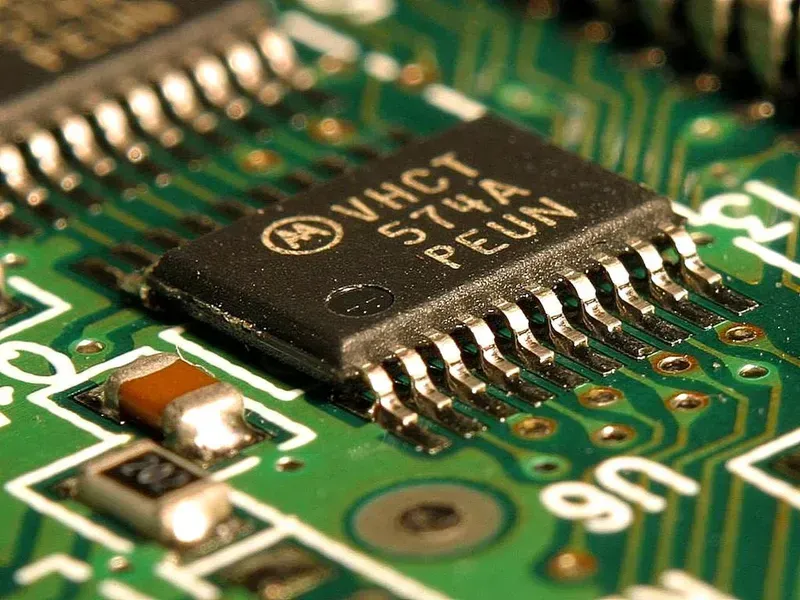
Electronic Components Close-up
Selecting the right components is paramount for a Building Security Monitoring Motherboard Solution, directly influencing its performance, reliability, and longevity. Every component, from the central processing unit to the smallest passive element, must be chosen with stringent criteria to ensure continuous, high-integrity operation in critical security applications. A meticulous selection process mitigates risks of system failure, data corruption, and security vulnerabilities, safeguarding the integrity of the entire monitoring infrastructure.
Processors (CPUs/GPUs) For security monitoring motherboards, processors must offer a balance of high computational power for video analytics and data processing, robust security features (e.g., hardware-level encryption), and energy efficiency. CPUs like Intel Atom or ARM-based processors are often favored for their low power consumption and adequate performance for continuous operation, while integrated GPUs are crucial for video encoding/decoding and AI-driven analytics. Reliability and industrial temperature ranges are key considerations.
Memory Modules (RAM) High-speed, low-latency, and ECC (Error-Correcting Code) RAM are essential to ensure data integrity and system stability, especially in 24/7 surveillance environments. DDR4 or LPDDR4 memory modules are commonly used, prioritizing those from reputable manufacturers known for their quality control and extended operational life. Capacity should be sufficient to handle concurrent video streams and analytical tasks without bottlenecking.
Storage Solutions (SSDs/eMMC) Reliable and fast storage is critical for recording high-definition video footage and system logs. Industrial-grade SSDs (Solid State Drives) or eMMC (embedded MultiMediaCard) are preferred over traditional HDDs due to their superior shock resistance, faster read/write speeds, and lower power consumption. Features like wear-leveling and power loss protection are vital for data integrity and drive longevity in continuous recording scenarios.
Communication Interfaces (Ethernet, Wi-Fi, 4G/5G) Robust and secure communication interfaces are non-negotiable for transmitting surveillance data and remote management. Industrial-grade Ethernet controllers with PoE (Power over Ethernet) capabilities simplify installation and power delivery. For wireless connectivity, secure Wi-Fi modules (e.g., Wi-Fi 6) and cellular modules (4G/5G) with robust encryption protocols ensure reliable data transfer and resilience against network interruptions. Prioritize modules with advanced encryption standards and strong signal integrity.
Power Management ICs (PMICs) Stable and efficient power delivery is fundamental. High-quality PMICs are essential for regulating voltage, managing power consumption, and protecting components from power fluctuations. Their selection directly impacts system stability, thermal performance, and overall lifespan, particularly in environments where power consistency cannot be guaranteed. Redundancy and over-current protection are highly desirable features.
Sensors and Peripherals Depending on the specific security application, the motherboard may require interfaces for various sensors (e.g., motion, temperature, IR) and peripherals (e.g., cameras, alarms). Compatibility, driver support, and robust connectivity standards (e.g., USB 3.0, PCIe, MIPI CSI) are crucial to ensure seamless integration and reliable data acquisition from these external devices. Industrial-grade components with extended temperature ranges are often preferred.
Manufacturing Processes: Ensuring Quality and Reliability
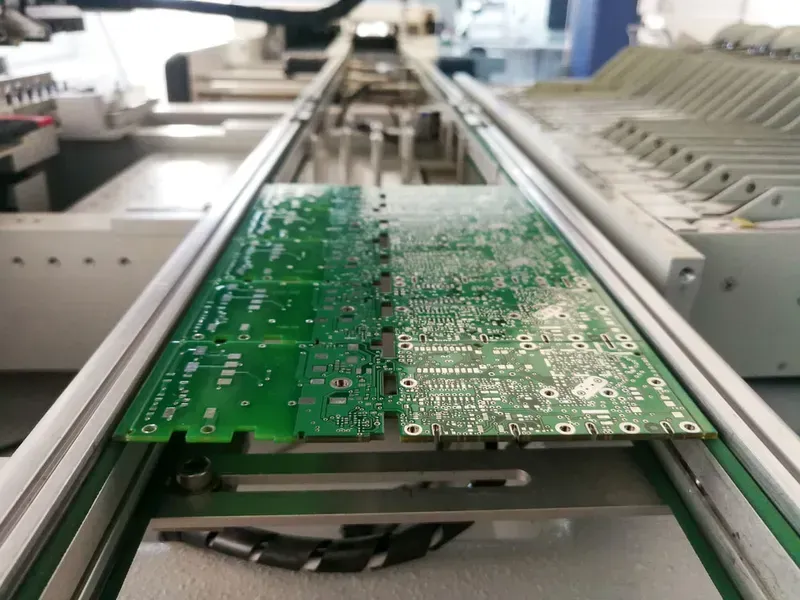
Factory PCB Production Line
The manufacturing process of a Building Security Monitoring Motherboard Solution is paramount to its long-term reliability and performance. Precision engineering and stringent quality control measures are not merely desirable but essential to produce motherboards capable of continuous, error-free operation in critical security applications. Every step, from material selection to final assembly, must adhere to the highest industry standards to guarantee the integrity and functionality of the security system's core component. Compromises in this phase can lead to system vulnerabilities, operational failures, and costly downtime, directly impacting the effectiveness of security monitoring.
Process Step
Description
Key Benefit for Security Motherboards
Automated Optical Inspection (AOI)
High-speed, automated visual inspection of PCB surfaces for defects, missing components, or incorrect polarity.
Detects subtle manufacturing defects early, preventing failures and ensuring circuit integrity crucial for consistent data flow in security systems.
X-ray Inspection
Non-destructive examination of internal layers of the PCB and solder joints for hidden defects, voids, or misalignments.
Reveals hidden flaws in multi-layer boards and BGA connections, vital for the robust electrical connections required for continuous operation and sensor data accuracy.
In-Circuit Testing (ICT)
Electrical testing of individual components and circuits on the assembled board to verify their functionality and correct placement.
Identifies component-level failures and shorts before functional testing, reducing rework and ensuring each part of the security motherboard performs as specified.
Why are advanced manufacturing techniques critical for Building Security Monitoring Motherboard Solutions? Advanced manufacturing techniques are critical because they ensure the high reliability, durability, and consistent performance required for continuous operation in security environments. They minimize defects, enhance signal integrity, and guarantee the robustness needed to withstand diverse operational conditions and maintain critical security functions without interruption or compromise.
Testing and Validation: Guaranteeing Performance and Stability of Security Monitoring Motherboards
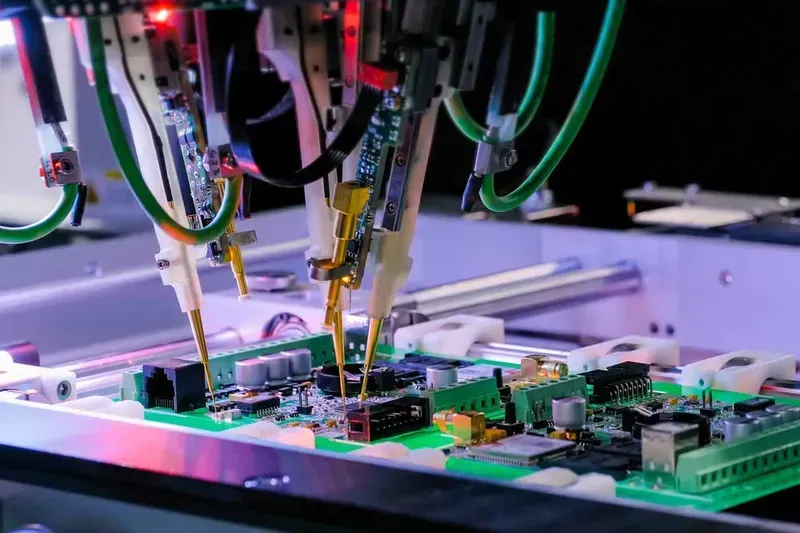
Engineer Testing Circuit Board
Thorough testing and validation are paramount in the development of a robust Building Security Monitoring Motherboard Solution. This critical phase ensures that the motherboard not only meets design specifications but also performs reliably and stably under diverse operational conditions, ultimately safeguarding critical infrastructure and assets. Rigorous testing protocols are the cornerstone of a dependable security system, preventing costly failures and ensuring continuous surveillance.
What are the essential testing procedures for a security monitoring motherboard? Essential testing procedures include functional testing to verify all components operate as intended, environmental testing to assess performance under varying temperature and humidity, stress testing to push the motherboard to its operational limits, and electromagnetic compatibility (EMC) testing to ensure it doesn't interfere with or is affected by other electronic devices. These tests collectively ensure comprehensive validation.
How does functional testing contribute to the reliability of a Building Security Monitoring Motherboard Solution? Functional testing systematically verifies every circuit, interface, and component of the motherboard, from processor and memory integrity to communication ports and sensor inputs. This meticulous process identifies and rectifies any deviations from the design specifications, ensuring that the motherboard's core functions are fully operational and reliable for critical security applications.
Why is environmental testing crucial for security monitoring motherboards? Security monitoring systems often operate in diverse and sometimes harsh environments, from climate-controlled server rooms to outdoor enclosures. Environmental testing, including thermal cycling and humidity testing, simulates these conditions to expose potential weaknesses in materials or component performance, guaranteeing the motherboard's long-term durability and stability in real-world deployment scenarios.
What is the importance of stress testing in validating a security monitoring motherboard's performance? Stress testing pushes the motherboard beyond its typical operational parameters, simulating peak loads, continuous operation, and potential fault conditions. This rigorous evaluation reveals latent design flaws, thermal management issues, or component limitations that might not surface under normal use, thereby enhancing the motherboard's resilience and preventing unforeseen failures in critical security operations.
Zero One Solution Limited: Your Partner in Security Motherboard Solutions
Engineer Team Discussion
For robust and reliable building security monitoring motherboard solutions, Zero One Solution Limited stands as a premier partner, offering unparalleled expertise in PCB design, manufacturing, and assembly. Our comprehensive one-stop services, coupled with a focus on rapid prototyping, empower businesses to accelerate the development and deployment of cutting-edge security systems that meet the most demanding performance and reliability standards.
Comprehensive PCB Design and Layout Our seasoned engineers leverage advanced design tools and adhere to industry best practices to create optimized PCB layouts for security monitoring motherboards. We prioritize signal integrity, power distribution network optimization, and thermal management to ensure maximum performance and longevity in mission-critical applications.
High-Precision Manufacturing and Assembly Utilizing state-of-the-art manufacturing facilities in Shenzhen and a global supply chain, we deliver high-quality, reliable PCBs. Our processes incorporate stringent quality control, including Automated Optical Inspection (AOI) and X-ray inspection, guaranteeing the integrity and functionality of every motherboard. Our rapid-response R&D prototype manufacturing capability significantly shortens time-to-market for innovative security solutions.
Component Sourcing and Management Expertise Zero One Solution Limited manages the entire component sourcing process, ensuring the use of high-quality, authentic, and reliable components crucial for security system performance. Our global network provides access to a diverse range of reliable suppliers, mitigating supply chain risks and ensuring material availability.
Rigorous Testing and Validation Every security motherboard undergoes exhaustive testing protocols, including functional testing, environmental stress testing, and in-circuit testing. This meticulous validation process guarantees the motherboard's stability, durability, and ability to perform flawlessly under various operational conditions.
Global Strategic Presence With headquarters in Shenzhen, China, and a branch office in Dubai, UAE, Zero One Solution Limited operates strategically within the global PCBA supply chain. This enables us to provide seamless access to resources, localized support, and efficient logistics for clients worldwide.
Case Studies: Examples of Successful Security Monitoring Motherboard Deployments
Security Camera Installation
Real-world applications demonstrate the tangible benefits of a meticulously engineered security monitoring motherboard. At Zero One Solution Limited, our commitment to rapid prototyping and high-quality PCB solutions has empowered numerous clients to deploy robust and reliable security systems. These case studies underscore our expertise in delivering motherboards that not only meet but exceed the stringent demands of modern security infrastructure, from sophisticated surveillance networks to critical access control systems.
Project Name
Solution Provided
Key Performance Achievement
Impact
Smart City Surveillance System
Custom Motherboard for AI-powered video analytics
Achieved 99.8% uptime with real-time threat detection across 500+ cameras; Reduced false alarms by 40%
Enhanced public safety and operational efficiency for municipal authorities
Industrial IoT Access Control
Ruggedized Motherboard for secure, high-throughput data processing
Maintained secure authentication for 10,000+ daily transactions; Operated flawlessly in harsh industrial environments (-20°C to 70°C)
Improved facility security and compliance in manufacturing plants
Enterprise Data Center Security
High-Density Motherboard for multi-sensor integration and distributed processing
Processed data from 200+ sensors concurrently with <5ms latency; Supported seamless integration of biometrics and video streams
Provided comprehensive, low-latency security oversight for critical IT infrastructure
Remote Asset Monitoring
Low-Power, Edge-AI Motherboard for distributed surveillance nodes
Extended battery life by 30% compared to previous solutions; Enabled real-time anomaly detection at the edge with minimal bandwidth
Secured remote infrastructure in challenging environments with reduced operational costs
Healthcare Patient Monitoring
Medical-Grade Compliant Motherboard for real-time vital sign and location tracking
Achieved IEC 60601 compliance; Supported continuous, accurate data collection for 24/7 patient oversight
Enhanced patient safety and operational efficiency in hospital settings
In conclusion, building a robust security monitoring motherboard solution requires careful consideration of design, component selection, manufacturing processes, and rigorous testing. By partnering with an experienced PCB solution provider like Zero One Solution Limited, you can ensure your security systems are built on a foundation of reliability and performance. Contact us today to discuss your project and discover how we can empower your innovation.