Car Interior Air Quality Monitoring Board Solution
2025.07.23
In an age where health and well-being are paramount, the air we breathe daily—even within the confines of our vehicles—has come under intense scrutiny. As we spend more time commuting, the quality of car interior air significantly impacts our comfort, focus, and long-term health. Recognizing this critical need, Zero One Solution Limited, a leader in rapid-response PCB assembly and design, introduces its advanced Car Interior Air Quality Monitoring Board Solution. This article will delve into the intricacies of this innovative solution, demonstrating how it addresses the growing demand for healthier in-car environments and positions Zero One Solution Limited at the forefront of automotive electronic innovation.
The Critical Need for Car Interior Air Quality Monitoring: Protecting Your Health on the Road
The air inside your car, often overlooked, can be significantly more polluted than the air outside, posing a serious threat to your health. With increasing concerns about health and wellness, the demand for clean air within vehicle cabins is surging. This section delves into the critical necessity of car interior air quality monitoring, outlining the common pollutants and their detrimental impacts on health. Addressing this issue is no longer a luxury, but a vital aspect of automotive design and passenger well-being.
Common Pollutants Found in Car Interiors Car interiors can trap a variety of pollutants. These include Particulate Matter (PM2.5 and PM10) from road dust, tire wear, and exhaust fumes; Volatile Organic Compounds (VOCs) emitted by plastics, upholstery, and cleaning products; Carbon Monoxide (CO) from engine exhaust leaking into the cabin; Ozone (O3) generated by electrical equipment; and biological contaminants like mold, bacteria, and pollen.
Health Impacts of Poor Air Quality Exposure to these pollutants can lead to a range of health issues. Short-term effects include headaches, dizziness, and respiratory irritation. Long-term exposure can exacerbate allergies, trigger asthma, and increase the risk of cardiovascular diseases and even certain cancers. Children, the elderly, and individuals with pre-existing conditions are particularly vulnerable.
Sources of Air Pollution Inside Vehicles Pollution sources are multifaceted. External pollutants infiltrate through ventilation systems, while internal sources like off-gassing from interior materials, cleaning products, and even the vehicle's own operation contribute to poor air quality. Traffic congestion, idling, and the use of air conditioning further concentrate these pollutants.
The Role of Air Quality Monitoring Implementing air quality monitoring is the first step in mitigating these risks. By continuously tracking pollutant levels, drivers and passengers can be alerted to unhealthy conditions and take appropriate action, such as activating air purifiers, adjusting ventilation settings, or avoiding heavily polluted areas. This proactive approach is critical in safeguarding health.
Decoding the Car Interior Air Quality Monitoring Board: Components and Functionality
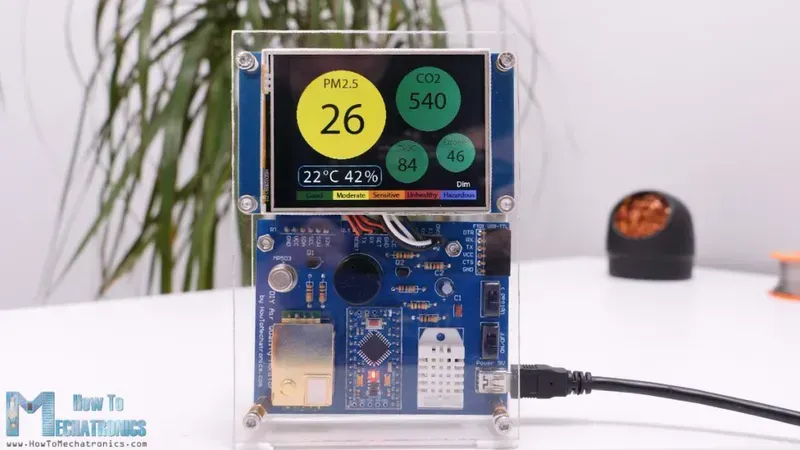
Car Air Quality Monitoring Board
The Car Interior Air Quality Monitoring Board Solution is at the heart of ensuring a healthy and comfortable in-cabin environment. This sophisticated system leverages a combination of advanced sensors and processing capabilities to continuously assess and manage the air quality within a vehicle. Understanding its core components and how they function together is crucial for appreciating the comprehensive benefits it offers.
The functionality of a car interior air quality monitoring board is built upon several key components working in concert:
Sensors These are the eyes and ears of the system, detecting various pollutants and environmental factors. Key sensor types include:
Microcontrollers The brain of the system, processing data from the sensors, managing communication, and controlling other onboard functions.
Data Processing Unit A dedicated unit or integrated functionality within the microcontroller that processes sensor data, often applying algorithms to improve accuracy and reduce noise.
Communication Interface This allows the board to communicate with other vehicle systems, such as the infotainment system, climate control, or an external cloud platform. Common interfaces include CAN bus, LIN bus, or wireless protocols like Bluetooth or Wi-Fi.
Power Management Ensures the board receives a stable and reliable power supply from the vehicle's electrical system, often incorporating protection circuits to safeguard against voltage fluctuations.
These components work in synergy. For example, the microcontroller receives raw data from the sensors, the data processing unit interprets this data to provide meaningful air quality metrics, and the communication interface transmits this information for user display or further analysis. This integrated approach provides drivers and passengers with real-time insights into the air they breathe, enabling informed decisions about cabin ventilation and air purification. The monitoring board acts as a central hub, ensuring a healthy and comfortable in-cabin experience.
Key Features and Benefits of Zero One Solution's PCB Approach for Car Interior Air Quality Monitoring
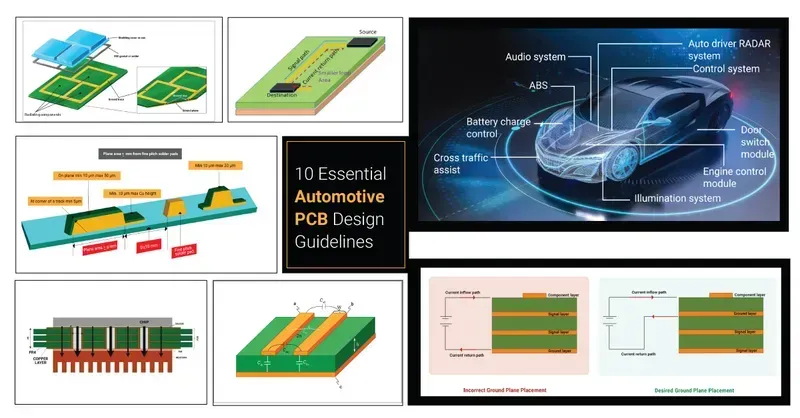
Automotive PCB Design
Zero One Solution Limited leverages its expertise in Printed Circuit Board (PCB) design and manufacturing to provide cutting-edge solutions for car interior air quality monitoring. Our approach focuses on delivering reliable, miniaturized, and high-performance PCBs, essential for integrating advanced air quality monitoring systems into modern vehicles. This section highlights the critical advantages of partnering with Zero One Solution Limited for your automotive air quality monitoring needs.
Our custom PCB design and manufacturing services offer several key benefits:
Enhanced Reliability and Durability Automotive environments are demanding. Zero One Solution Limited designs PCBs to withstand extreme temperatures, vibrations, and humidity. We employ rigorous testing and quality control measures, including Automated Optical Inspection (AOI) and functional testing, to ensure long-term reliability. Our PCBs are built to meet or exceed industry standards such as IATF 16949, guaranteeing quality and performance in harsh automotive conditions.
Miniaturization and Space Optimization Space is at a premium in modern vehicles. Our design team specializes in creating compact, high-density PCBs that minimize the footprint of air quality monitoring systems. We utilize advanced techniques like fine-pitch component placement and multi-layer PCB designs to maximize functionality while conserving space. This allows for seamless integration into vehicle interiors without compromising aesthetics or passenger comfort.
Optimized Performance and Efficiency We design PCBs to optimize the performance of air quality sensors and data processing units. Our designs consider signal integrity, power efficiency, and thermal management to ensure accurate and reliable air quality data. By carefully selecting components and optimizing the layout, we minimize power consumption and maximize the lifespan of the monitoring system. This focus on efficiency contributes to the overall sustainability of the vehicle.
Customization and Flexibility Zero One Solution Limited offers fully customizable PCB solutions tailored to meet the specific requirements of each client. We work closely with our customers to understand their needs, from sensor selection and data processing algorithms to connectivity options and form factor. Our flexibility allows us to accommodate various automotive applications, from OEM integrations to aftermarket upgrades.
Rapid Prototyping and Fast Time-to-Market We understand the importance of speed in the automotive industry. Our rapid prototyping services enable quick iterations and validation of designs. We offer fast turnaround times for prototype PCBs, allowing you to accelerate your product development cycle. This capability ensures that our clients can quickly adapt to changing market demands and bring innovative air quality monitoring solutions to market faster than the competition.
Advanced Sensor Integration: The Heart of Comprehensive Car Interior Air Quality Monitoring
Environmental Sensors for Air Quality
The effectiveness of a Car Interior Air Quality Monitoring Board Solution hinges on its ability to accurately and comprehensively assess the air quality within a vehicle. This is achieved through the integration of a variety of sophisticated sensors, each designed to detect specific pollutants and environmental factors. These sensors work in concert to provide a holistic view of the cabin's air quality, enabling real-time monitoring and informed decision-making to protect the health and well-being of vehicle occupants.
PM2.5 Sensors These sensors measure the concentration of particulate matter with a diameter of 2.5 micrometers or less (PM2.5). PM2.5 particles, such as dust, soot, and pollen, are particularly harmful as they can penetrate deep into the lungs and bloodstream. High-quality PM2.5 sensors provide critical data for assessing the presence of these hazardous particles.
VOC Sensors Volatile Organic Compounds (VOCs) are gases emitted from various sources, including interior materials, cleaning products, and fuel. VOC sensors detect a wide range of these compounds, such as benzene, formaldehyde, and toluene, which can cause respiratory irritation and other health problems. Accurate VOC sensing is essential for identifying and mitigating sources of chemical pollutants within the vehicle.
CO2 Sensors Carbon Dioxide (CO2) levels are indicative of air freshness and ventilation effectiveness. Elevated CO2 levels can lead to drowsiness and decreased cognitive function. CO2 sensors provide insights into the cabin's ventilation performance, alerting occupants to the need for fresh air intake and optimizing the vehicle's climate control system.
Humidity Sensors Humidity sensors measure the moisture content in the air. High humidity can encourage the growth of mold and mildew, while low humidity can cause dry eyes and respiratory discomfort. Precise humidity monitoring helps in maintaining an optimal cabin environment, ensuring comfort and preventing health-related issues.
Ozone (O3) Sensors Ozone sensors detect ozone levels, which can be generated by certain air purifiers or enter the vehicle from the outside environment. High ozone concentrations can be harmful, causing respiratory problems. Monitoring ozone levels contributes to overall air quality assessment and passenger safety.
The strategic integration of these advanced sensors within a PCB solution, as offered by Zero One Solution Limited, enables a comprehensive and proactive approach to car interior air quality monitoring, thereby ensuring a healthier and safer environment for all occupants. This is crucial for modern automotive applications where air quality is increasingly recognized as a key factor in passenger comfort and well-being.
Seamless Connectivity and Data Analysis for Car Interior Air Quality Monitoring
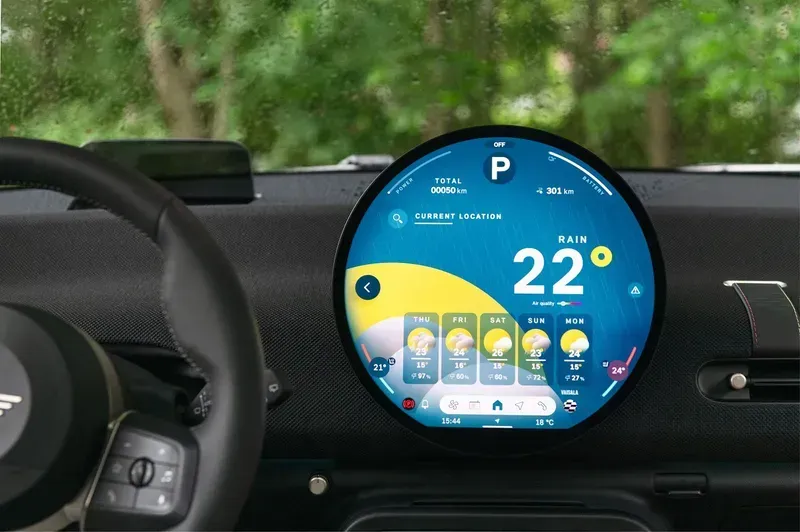
Car Infotainment Air Quality Display
The true value of a Car Interior Air Quality Monitoring Board Solution lies in its ability to provide actionable insights through seamless integration with vehicle systems. This section delves into how the board connects, communicates, and contributes to a healthier in-cabin environment through effective data analysis and user alerts.
The monitoring board’s primary function is to collect real-time air quality data. This data is then processed and transmitted to various vehicle systems for display and analysis. The data flow typically involves the following components:
CAN Bus Interface: The board uses a Controller Area Network (CAN) bus to communicate with the vehicle's central control unit (ECU). This allows for the transfer of air quality data, as well as receiving power and control signals from the vehicle.
Data Display: The air quality data can be displayed on the vehicle's infotainment system, instrument cluster, or a dedicated in-cabin display. The display shows real-time readings of pollutants like PM2.5, VOCs, CO2, and humidity levels.
User Alerts and Notifications: When pollutant levels exceed predefined thresholds, the system can trigger alerts. These alerts can be visual (e.g., warning lights on the dashboard) or auditory (e.g., a beep sound) to notify the driver of potential air quality issues.
Data Logging and Storage: The board can log air quality data over time. This data is stored either on the board itself or transmitted to a cloud platform. Historical data can be used to analyze trends, identify potential problems, and optimize air quality management strategies.
Cloud Connectivity (Optional): Integrating with cloud platforms allows for remote monitoring, data analytics, and over-the-air (OTA) updates. This feature allows for access to air quality data from anywhere, giving the driver more control.
The design considerations for seamless connectivity and data analysis include ensuring robust communication protocols, data security, and user-friendly interfaces. As an experienced PCB solution provider, Zero One Solution Limited ensures these critical aspects are addressed in the board's design and manufacturing.
Zero One Solution Limited: Your Partner in Automotive PCB Prototyping for Air Quality Monitoring
Automotive PCB Prototyping
At Zero One Solution Limited, we understand that the automotive industry demands not only advanced technology but also rapid innovation cycles. Our expertise in automotive PCB prototyping provides the critical edge needed to bring cutting-edge Car Interior Air Quality Monitoring Board solutions to market swiftly and efficiently. We offer a comprehensive suite of services tailored to the unique challenges of automotive electronics, ensuring that your designs meet the highest standards of quality, reliability, and performance.
Our capabilities are specifically designed to address the complexities of automotive electronics:
Rapid Prototyping We specialize in fast turnaround times for prototype PCBs, enabling you to test and refine your designs quickly. Our processes are optimized for speed without compromising on quality.
Design for Manufacturing (DFM) Our engineering team provides DFM services to ensure your PCB designs are optimized for manufacturability, reducing costs and lead times.
Quality Assurance We adhere to stringent quality control measures, including rigorous testing and inspection, to guarantee the reliability and durability of our PCBs, complying with automotive industry standards.
Material Expertise We work with a variety of materials suitable for automotive applications, including those that meet the specific environmental and thermal requirements of in-vehicle systems.
Advanced Technologies We support advanced PCB technologies such as HDI (High-Density Interconnect) and flexible PCBs, which are essential for miniaturization and complex designs.
Our commitment to excellence is evident in our state-of-the-art manufacturing facilities, our experienced engineering team, and our dedication to customer satisfaction. Whether you are developing a new monitoring system or upgrading an existing one, Zero One Solution Limited is your trusted partner for automotive PCB prototyping.
Customization and Scalability: Tailoring Solutions for Automotive Air Quality Monitoring
Zero One Solution Limited excels in providing highly customizable and scalable Car Interior Air Quality Monitoring Board solutions, catering to the diverse needs of both Original Equipment Manufacturers (OEMs) and the aftermarket sector. Our approach is centered on delivering tailored solutions that precisely meet client specifications, ensuring seamless integration and optimal performance in a wide array of automotive applications.
We offer comprehensive customization options, including:
Sensor Selection and Integration We work closely with clients to select and integrate the most suitable sensors based on their specific air quality monitoring requirements. This includes choosing from a range of sensors to measure PM2.5, VOCs, CO2, temperature, and humidity, ensuring comprehensive air quality assessment.
PCB Design and Form Factor Our engineers design custom PCBs to fit unique space constraints within different vehicle models. We consider factors such as size, shape, and mounting options to ensure a perfect fit and easy installation.
Connectivity and Data Protocols We provide flexible connectivity options, including CAN bus, LIN bus, and Bluetooth, to ensure compatibility with vehicle systems. Our team also implements custom data protocols to meet specific data logging and transmission needs.
Software and Firmware Development We develop custom firmware and software solutions for data processing, user interface integration, and alert management. This includes creating intuitive displays and providing real-time air quality data to the vehicle's infotainment system or a dedicated app.
Branding and Aesthetics We offer options for custom branding and design aesthetics to align with our clients' brand identity. This ensures that the monitoring board seamlessly integrates with the vehicle's interior design.
Scalability is another core strength of our solutions. We support projects from initial concept and prototyping to high-volume production. Our manufacturing processes are optimized to handle various production scales, ensuring consistent quality and timely delivery, whether for a small batch of prototypes or mass production runs.
Our team provides end-to-end support, including design, prototyping, manufacturing, testing, and quality assurance. We adhere to strict automotive industry standards throughout the process, guaranteeing the reliability and performance of our air quality monitoring boards. With Zero One Solution Limited, clients can expect a collaborative partnership focused on delivering innovative, customized, and scalable solutions that enhance in-cabin air quality.
The Future of In-Car Air Quality and Smart Cabins: A Foundation for Automotive Innovation
The automotive industry is rapidly evolving towards smart cabins, with in-car air quality monitoring solutions playing a crucial role in enhancing passenger well-being and driving experience. As a leading PCB solution provider, Zero One Solution Limited anticipates and adapts to these trends, positioning our Car Interior Air Quality Monitoring Board Solution as a foundational component in the future of smart, health-conscious vehicles. This proactive approach allows us to provide innovative solutions that not only meet current market demands but also anticipate future requirements, ensuring our clients remain at the forefront of automotive technology.
The future of in-car air quality monitoring is intrinsically linked to several emerging trends and technologies:
Advanced Sensor Technologies Next-generation sensors will become more sophisticated and miniaturized. These sensors will enable the detection of a wider range of pollutants, including biological contaminants and volatile organic compounds (VOCs) with increased precision. For example, we anticipate the integration of biosensors that can detect allergens and viruses, enhancing passenger health safety.
Smart Cabin Integration The integration of air quality data with other smart cabin features, such as climate control, infotainment systems, and driver assistance technologies. Air quality data will dynamically adjust cabin environments, including automatic air purification and real-time alerts. This integration will also extend to personalized health profiles, tailoring air quality management to individual passenger needs.
Connectivity and Data Analytics Increased connectivity through cloud platforms and vehicle-to-everything (V2X) communication. This connectivity will provide real-time data on air quality, both inside and outside the vehicle, and enable predictive maintenance alerts for air purification systems. Furthermore, advanced data analytics will play a crucial role in understanding long-term air quality trends, enhancing overall vehicle performance and sustainability.
Sustainability and Eco-Friendly Solutions A growing emphasis on sustainable and eco-friendly materials and technologies. Zero One Solution Limited is committed to employing environmentally responsible practices in PCB design and manufacturing, supporting automotive manufacturers in their efforts to reduce their carbon footprint and promote a cleaner, healthier driving experience. This includes using recyclable components and minimizing energy consumption during production.
Zero One Solution Limited is proactively investing in these areas to ensure our solutions are future-proof and aligned with the automotive industry's evolution. Our ability to deliver rapid prototyping, coupled with our commitment to design for manufacturability (DFM), allows us to adapt quickly to new sensor technologies and emerging standards. Furthermore, our flexible manufacturing processes enable seamless integration into a variety of automotive platforms, from traditional vehicles to electric and autonomous models.
By choosing Zero One Solution Limited, automotive manufacturers gain a strategic partner ready to navigate the future of in-car air quality and smart cabin technologies. We are committed to continuous innovation, providing our clients with a competitive edge in a rapidly changing market. Our goal is not just to meet the needs of today but to anticipate and shape the future of automotive interior environments, leading the way towards safer, healthier, and more intelligent vehicles.
Frequently Asked Questions About Car Interior Air Quality Monitoring Boards
In the rapidly evolving landscape of automotive technology, the demand for healthier and more comfortable in-car environments has spurred significant interest in car interior air quality monitoring systems. This section addresses common inquiries regarding this innovative technology, offering clarity on its functionalities, benefits, and implementation.
What pollutants do car interior air quality monitoring boards typically detect? These boards typically monitor a range of pollutants, including particulate matter (PM2.5, PM10), volatile organic compounds (VOCs), carbon dioxide (CO2), carbon monoxide (CO), and humidity. By tracking these elements, the system provides a comprehensive overview of the air quality inside the vehicle.
How does a car air quality monitoring board work? The board utilizes various sensors to detect air pollutants. These sensors measure the concentration of different substances in the air and transmit this data to a processing unit. The unit then analyzes the data and, based on pre-set thresholds, provides real-time air quality readings, alerts, and suggestions for improving the air quality.
What are the benefits of using a car interior air quality monitoring system? The primary benefits include improved health by reducing exposure to harmful pollutants, increased comfort through better air quality, and enhanced awareness of the in-cabin environment. It helps prevent issues like allergic reactions, respiratory problems, and the negative effects of prolonged exposure to poor air quality.
How is the monitoring board integrated into a vehicle? Integration typically involves connecting the board to the vehicle's power supply and communication systems. Data can be displayed on the car's infotainment system or through a dedicated app. The board can also be designed to interact with the vehicle's air conditioning system to automatically improve air quality.
Can car air quality monitoring systems be retrofitted into older vehicles? Yes, aftermarket solutions are available that can be retrofitted into various vehicle models. These systems typically include a monitoring unit and a display, or they can connect to a smartphone app. Installation is usually straightforward, involving the connection to the vehicle's power and data systems.
How do I maintain a car interior air quality monitoring system? Maintenance is usually minimal. It may involve periodically cleaning or replacing the sensors, depending on the system's design. Regular software updates, if applicable, are also crucial to ensure accurate readings and optimal performance. Following the manufacturer’s guidelines will help maintain the system.
Where can I find more information on the car air quality monitoring board solution? For detailed information on design, manufacturing, and integration, you can contact Zero One Solution Limited. We offer custom PCB solutions and expertise in automotive electronics to meet specific needs. Please visit our website or contact our sales team to discuss your project requirements.
Zero One Solution Limited's Car Interior Air Quality Monitoring Board Solution represents a significant leap forward in automotive comfort and health technology. By leveraging our expertise in rapid prototyping, precise PCB design, and efficient manufacturing, we empower automotive innovators to bring sophisticated air quality monitoring systems to market faster and more reliably. Our commitment to quality, efficiency, and customer-centric service, combined with our strategic global presence, makes us the ideal partner for your next project. Don't compromise on the air your customers breathe. Contact Zero One Solution Limited today to discuss how our bespoke PCB solutions can elevate your automotive products and drive a healthier, more comfortable driving experience.