In today's fast-paced tech world, electronic board makers are the unsung heroes behind every gadget and innovation. From simple DIY projects to complex industrial applications, the need for reliable and efficient PCB (Printed Circuit Board) design and fabrication is ever-growing. This article serves as your compass, guiding you through the landscape of electronic board makers, helping you select the best tools and services to bring your electronic visions to life, whether you’re a hobbyist or an industry leader.
Before selecting an electronic board maker, a meticulous assessment of your project's specific needs is paramount. This initial step dictates the appropriate tools and services, impacting cost, time, and ultimately, the success of your electronic design. A clear definition of design complexity, production volume, time constraints, and budgetary limitations is vital.
The type of board needed significantly influences the selection process. Consider the following:
The selection of PCB design software is a pivotal decision for any electronics project, directly impacting design complexity, development time, and overall cost. This section navigates the spectrum of available tools, differentiating between free and paid options, and offers insight into their suitability for diverse project scopes.
Free PCB design software provides accessible entry points for hobbyists, students, and smaller projects, and typically offers capable tools for schematic capture and PCB layout. Paid options generally offer advanced capabilities, broader component libraries, and enhanced simulation tools, making them more suited for complex professional projects.
| Feature | Free PCB Design Software | Paid PCB Design Software |
|---|---|---|
| Cost | No direct cost; may have limitations | Requires a license or subscription fee |
| Target User | Hobbyists, beginners, small projects | Professionals, complex projects, larger organizations |
| Component Libraries | May have limited component libraries or community-driven content | Typically includes extensive and regularly updated component libraries |
| Complexity Handling | Suitable for basic to intermediate design complexity | Designed to handle high-complexity and multi-layer PCBs |
| Simulation Capabilities | Often includes basic simulation | Offers advanced simulation and analysis features |
| Technical Support | May have limited technical support, primarily community-based | Includes dedicated technical support and resources |
| Features | Typically includes schematic capture and basic PCB layout tools | Offers advanced features such as signal integrity analysis, 3D visualization, and design rule checks |
| Ease of use | Often have a simpler interface with a lower learning curve | May have a steeper learning curve due to the complexity of the tools |
| Collaboration Features | May have limited collaboration features | Usually offers enhanced team collaboration and version control features |
| Integration with other tools | Integrates with a limited set of external tools | Provides seamless integration with other design and analysis software |
Some free options, such as CircuitMaker and EasyEDA, have user-friendly interfaces and a range of features, making them ideal starting points. Paid software, like Altium Designer, provides a more comprehensive and professional environment with better simulation and collaboration tools, but requires a financial investment. The choice hinges upon project scope and budget.
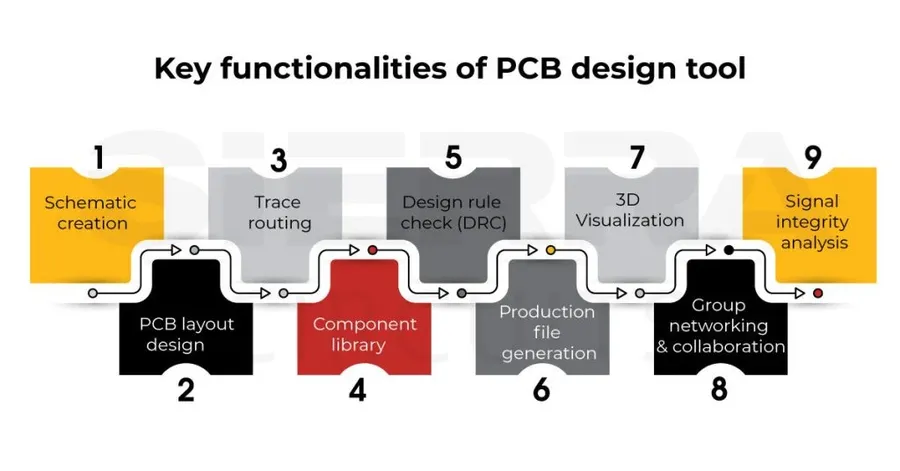
Selecting the appropriate PCB design software hinges on several crucial features that directly impact the efficiency and success of your electronic board design process. These features encompass ease of use, component library richness, simulation capabilities, and flexibility in exporting designs. A careful evaluation of these aspects ensures the software aligns with the user's project scope and requirements, ultimately optimizing the design workflow and ensuring the production of high-quality PCBs.
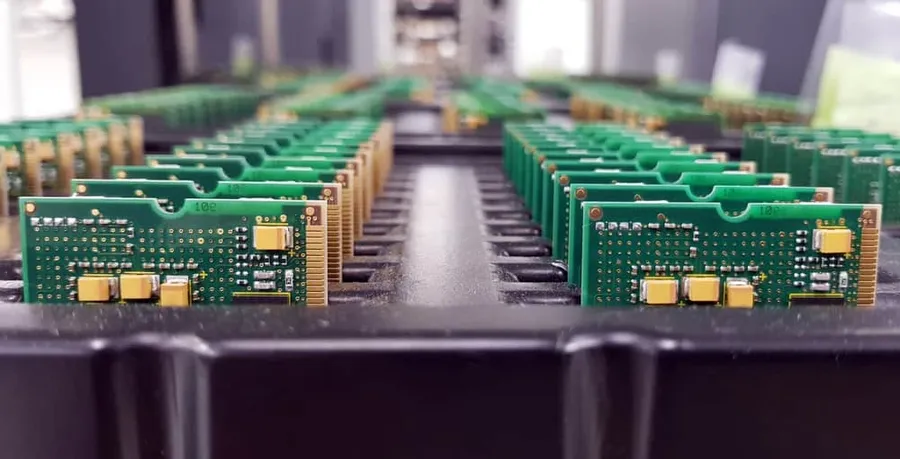
Selecting the right PCB fabrication service is crucial for translating your design into a physical board. These services offer varying capabilities, from prototype runs to large-scale production. The choice depends on factors such as production volume, desired turnaround time, material specifications, and budget. Understanding these factors will enable you to select a manufacturer that meets your project's specific needs.
Several companies specialize in PCB fabrication, offering a range of services tailored to different needs. Companies like JLCPCB and PCBWay are popular choices, particularly for prototyping and small-batch production due to their cost-effectiveness and relatively quick turnaround times. However, it is important to understand the trade offs of cost versus speed versus quality.
| Factor | Description | Considerations |
|---|---|---|
| Turnaround Time | The time it takes from submitting your design to receiving the fabricated boards. | Express services may be available for faster turnaround, but typically at a higher cost. |
| Material Selection | The type of substrate material used for the PCB, such as FR-4, aluminum, or flexible substrates. | Different materials have different electrical and mechanical properties, affecting performance and durability. Consider the operating environment of the board. |
| Cost | The total expense for PCB fabrication, including any additional charges for specific features or services. | Compare quotes from different manufacturers and understand the cost breakdown for each. |
| Manufacturing Capabilities | The range of technological options, such as minimum trace width, layer count, via type and drill size | Match the service's capabilities to the complexity of your PCB design. Some designs have greater needs in terms of feature sizing. |
| Quality Control | The processes in place to ensure the manufactured PCBs meet the required specifications. | Check for certifications such as ISO 9001, and request inspection reports. |
Certifications play a pivotal role in assessing the quality and reliability of a PCB fabrication service. Manufacturers with certifications like ISO 9001 demonstrate a commitment to quality management. These certifications often reflect rigorous processes and testing, ensuring that the PCBs meet industry standards. Requesting inspection reports and understanding the company's quality control procedures will also help to determine the reliability of their service.
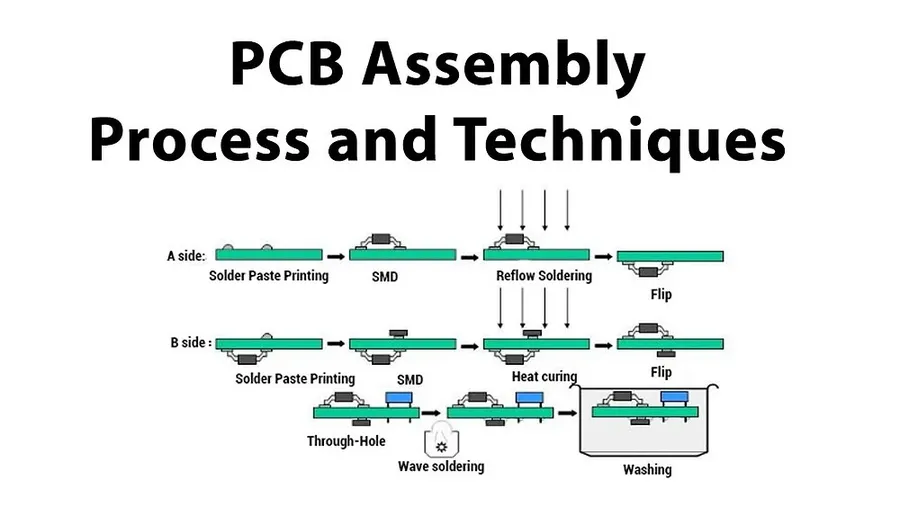
PCB assembly services are crucial for transforming bare printed circuit boards into functional electronic devices. These services encompass the precise placement and soldering of electronic components onto the PCB, streamlining the manufacturing process and saving considerable time and resources for designers and manufacturers alike. The choice of assembly method depends on the project's complexity, scale, and component types.
The selection of components for PCB assembly also plays a vital role. Components are categorized based on their mounting technology (SMT, THT), type (resistors, capacitors, ICs), and physical size. For automated assembly, pick-and-place machines require components packaged on reels or trays. Furthermore, design for manufacturability (DFM) and design for assembly (DFA) are best practices to minimize assembly costs and reduce errors during the assembly process.
| Factor | Description |
|---|---|
| Assembly Type | SMT, THT, or Mixed Assembly based on component types and requirements |
| Component Types | Selection of components based on technology, physical size, and function. |
| Volume of production | Cost-effectiveness of automation for large-scale production. Manual assembly can be cheaper for low-volume. |
| Level of Automation | Pick and place automation reduces cost and improves quality in large-scale production. |
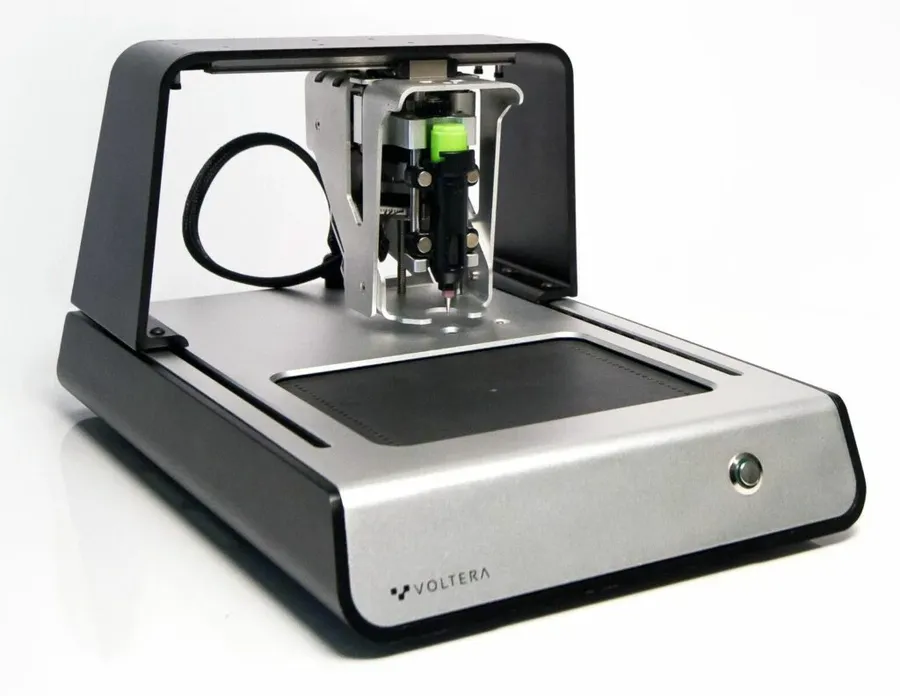
Desktop PCB printers offer a compelling alternative for rapid prototyping, allowing engineers to create circuit boards in-house, significantly reducing turnaround times compared to traditional fabrication services. These devices are particularly useful for iterative design processes, enabling real-time feedback and adjustments.
The core advantage of desktop PCB printers lies in their ability to quickly produce prototypes, enabling engineers to test and iterate on designs rapidly without relying on external fabrication services. This real-time feedback loop is invaluable for accelerating the design process and quickly uncovering design flaws.
| Feature | Desktop PCB Printers | Third-Party Fabricators |
|---|---|---|
| Turnaround Time | Hours | Days/Weeks |
| Cost per Prototype | Potentially Lower (long term) but High initial investment | Variable, depends on complexity and quantity |
| Design Iteration | Very Fast and In-House | Slower, relies on fabrication queue |
| Complexity | Limited to simpler designs, often single or double-layer boards | Can handle complex, multi-layer boards |
| Precision | Lower | Higher |
| Materials | Limited to specific materials (ink) | Wider selection available |
| Initial Investment | Higher | Lower |
A notable example of a desktop PCB printer is the Voltera V-One, which integrates printing, reflow, and dispensing functionalities. These features enable a more streamlined prototyping process. Despite the appeal of these devices, it is essential to consider their limitations. They may not be suitable for complex multi-layer boards or large production runs. The precision and material choices may also be more constrained compared to professional fabrication houses.
The financial aspect of desktop PCB printers is also something to consider. While the per-prototype cost may be lower in the long term, the upfront investment in the machine can be substantial. Therefore, the cost-effectiveness hinges on the frequency of prototyping and the type of projects undertaken. Engineers should carefully evaluate their specific needs and compare these to the capabilities of desktop printers before making an investment decision.
This section addresses common queries regarding electronic board makers, covering the board creation process, cost considerations, manufacturing equipment, and recommendations for manufacturers and software. Understanding these aspects is crucial for anyone involved in PCB design and fabrication.
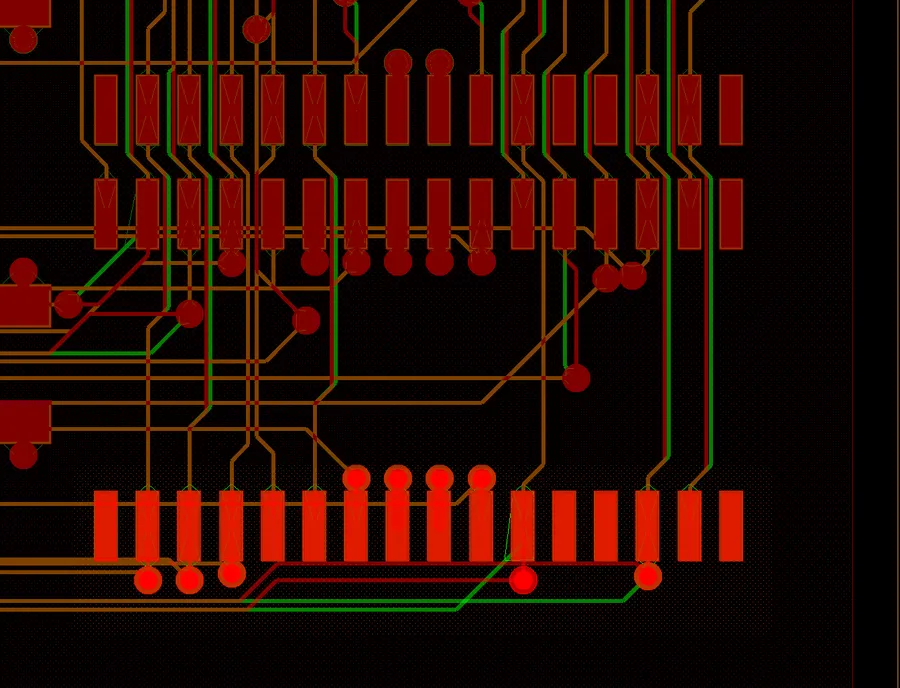
Selecting the right electronic board maker is crucial for project success. This section offers a comparative analysis of popular options, focusing on their core strengths, pricing models, and target audiences. This structured comparison aids users in making informed decisions aligned with their specific needs and project goals.
| Board Maker | Core Strengths | Pricing | Target Audience | Key Features | Limitations |
|---|---|---|---|---|---|
| EasyEDA | User-friendly interface, free tier available, integrated online design and fabrication. | Free for basic use; paid options for advanced features and increased fabrication quantities. | Hobbyists, beginners, and small-scale projects. | Schematic capture, PCB layout, integrated fabrication service, large component library. | Limited advanced simulation capabilities. |
| CircuitMaker | Free professional-grade software, active online community, powerful design tools. | Free for personal and commercial use. | Professionals, advanced users, and larger projects. | Advanced routing, simulation, and collaboration features, extensive component library. | Steeper learning curve for beginners. |
| Altium Designer | Industry-leading software with advanced features for complex designs, powerful simulation capabilities. | Subscription-based, higher cost, considered an industry standard | Professional engineers, large-scale projects, complex designs. | High-speed design, advanced simulation and analysis, team collaboration, extensive component library. | High cost, requires powerful hardware and more complex to learn. |
| JLCPCB | Affordable PCB fabrication and assembly, quick turnaround, a wide range of manufacturing capabilities. | Competitive pricing, various discounts available. | Professionals, hobbyists, and medium to large scale projects | PCB fabrication, assembly services, parts sourcing and multiple layer options. | Can be limited to certain size constraints. |
| PCBWay | Full-service PCB fabrication and assembly, supports advanced technologies. | Competitive pricing with variable options for prototypes and bulk production. | Professionals, larger scale projects, high-complexity boards | High precision PCB fabrication, assembly, parts sourcing, testing services and rigid-flex PCBs. | Turnaround time and complex orders require more planning |
| Voltera V-One | Desktop PCB printer for rapid prototyping, real-time feedback on design | Higher initial cost, but may save time and resources. | Engineers who need rapid testing, real-time feedback, small-batch production. | Rapid prototyping on the desktop, instant feedback on your design, custom substrates and dual layer printing. | Limited to smaller boards, not suitable for mass production. |
The world of electronic board makers is vast and varied. By understanding your project's requirements, exploring the diverse options for PCB design software and fabrication services, and keeping an eye on emerging technologies like desktop PCB printers, you can make informed decisions that lead to successful and innovative electronic designs. Remember to choose an electronic board maker that aligns with your budget, timeline, and technical capabilities to maximize your success in electronics design, whether you are a hobbyist or part of a large scale organization. The goal is to empower you with the right knowledge to navigate this complex field.

