Choosing the Right PCB Assembly Factory: A Comprehensive Guide
2025.01.04
From the simple circuits in our everyday devices to the sophisticated systems powering modern technology, printed circuit boards (PCBs) are the unsung heroes of the electronic world. But creating a reliable, high-quality PCB isn't just about design; it also requires a capable PCB assembly factory. In this article, we'll delve into the critical aspects of PCB assembly, guiding you through the process of choosing the right partner and ensuring the success of your electronic projects.
Understanding PCB Assembly Processes
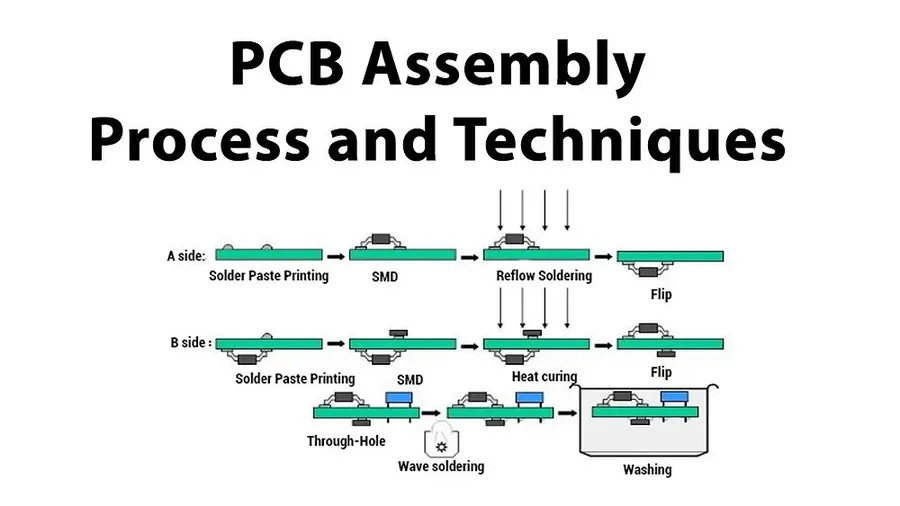
PCB Assembly Process
PCB assembly is the crucial process of mounting electronic components onto a printed circuit board, transforming a bare board into a functional electronic module. This process is multifaceted, involving several distinct stages each critical for the final product's reliability and performance.
Surface Mount Technology (SMT) SMT is a highly automated process where components are placed directly onto the surface of the PCB using specialized machinery, leveraging solder paste for attachment. This method is known for its precision and efficiency, crucial for high-density and miniaturized electronics.
Through-Hole Technology (THT) THT involves inserting component leads into holes drilled in the PCB and soldering them on the other side. While less automated than SMT, THT is essential for components requiring strong mechanical bonds or handling high power.
Mixed Technology Assembly Mixed technology assembly combines SMT and THT techniques within a single PCB assembly process, accommodating a wider variety of component types and design requirements. This approach leverages the strengths of both technologies.
Component Placement Automated placement machines precisely position components onto the PCB according to design specifications. Accuracy is paramount to prevent shorts and ensure proper electrical connection. This step requires careful programming and quality control.
Soldering Soldering is the crucial process of creating a permanent bond between the component and the board's pads. There are different soldering techniques that can be used based on the assembly type, such as reflow soldering for SMT and wave soldering for THT.
Inspection and Testing After soldering, assembled PCBs undergo thorough inspection and testing. This includes visual inspections for defects, automated optical inspection(AOI), and functional testing to verify performance against design specifications.
Key Considerations When Choosing a PCB Assembly Factory
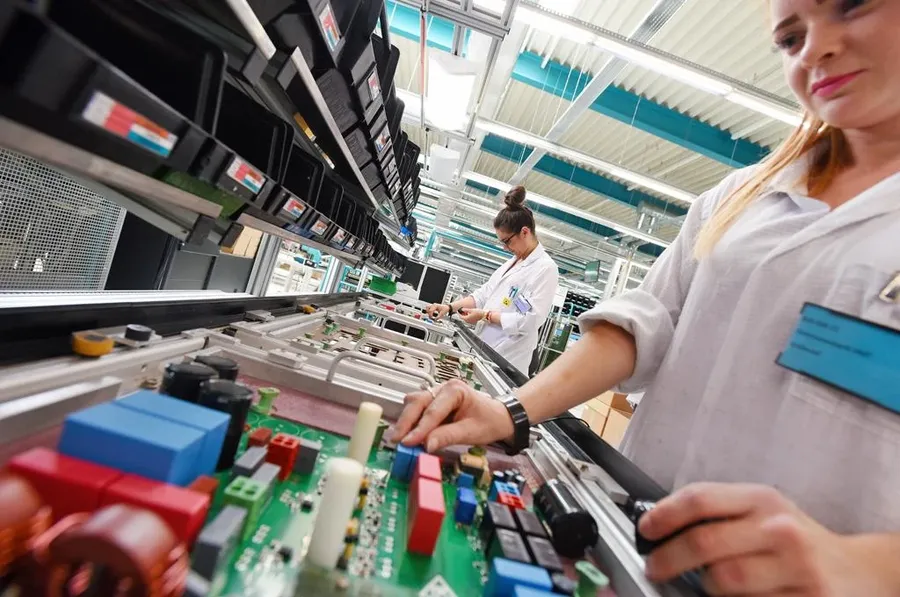
PCB Assembly Factory
Selecting the right PCB assembly factory is crucial for the success of any electronics project. This choice significantly impacts product quality, cost-effectiveness, and time-to-market. A careful evaluation of several key factors ensures that the chosen factory aligns with specific project needs and standards.
Certifications and Standards Look for factories holding relevant certifications such as ISO 9001 (Quality Management System), AS9100 (Aerospace Quality Management), and ISO 13485 (Medical Devices Quality Management). These certifications demonstrate a commitment to quality and adherence to industry standards, ensuring consistent processes and reliable outcomes. For example, ISO 9001 ensures a consistent approach to quality control, which is crucial for the reliability of assembled PCBs.
Lead Time The time it takes to complete the assembly process is a critical factor, especially in fast-paced projects. Evaluate the factory's stated lead time and compare it to your project timeline. Inquire about their typical turnaround time for different project sizes and complexities. Efficient lead time management minimizes project delays and speeds up the product development cycle.
Pricing Structure Analyze the factory's pricing model, which should be clear and transparent. Understand the per-unit cost, tooling fees, and any other additional charges. Compare quotes from different factories, ensuring a detailed breakdown of costs to identify potential savings without compromising on quality. A cost-benefit analysis is essential to maintain project budget requirements without compromising quality.
Quality Control Measures A robust quality control system is essential for the reliability of assembled PCBs. Assess the factory's quality control procedures, including incoming material inspection, automated optical inspection (AOI), and functional testing. A factory with rigorous quality control processes reduces the chance of defects and improves overall product performance. For example, an AOI system verifies the proper placement and soldering of components which is crucial for product performance.
Communication Transparency Clear and open communication is vital for a smooth project workflow. Choose a factory that values communication and is accessible for queries and updates. Evaluate their process for addressing concerns or issues that arise during the assembly process. Effective communication ensures that the project stays on track and any problems are promptly resolved.
Technology and Capability Ensure the factory's capabilities align with your project needs, considering the type of assembly required such as surface mount technology (SMT), through-hole technology (THT), or mixed technology assembly. Check their machinery, technology, and expertise in handling different types of components and PCB layouts. For example, if your design requires fine pitch components, ensure the factory has the necessary equipment and experience for SMT assembly.
Prototype PCB Assembly vs. Mass Production
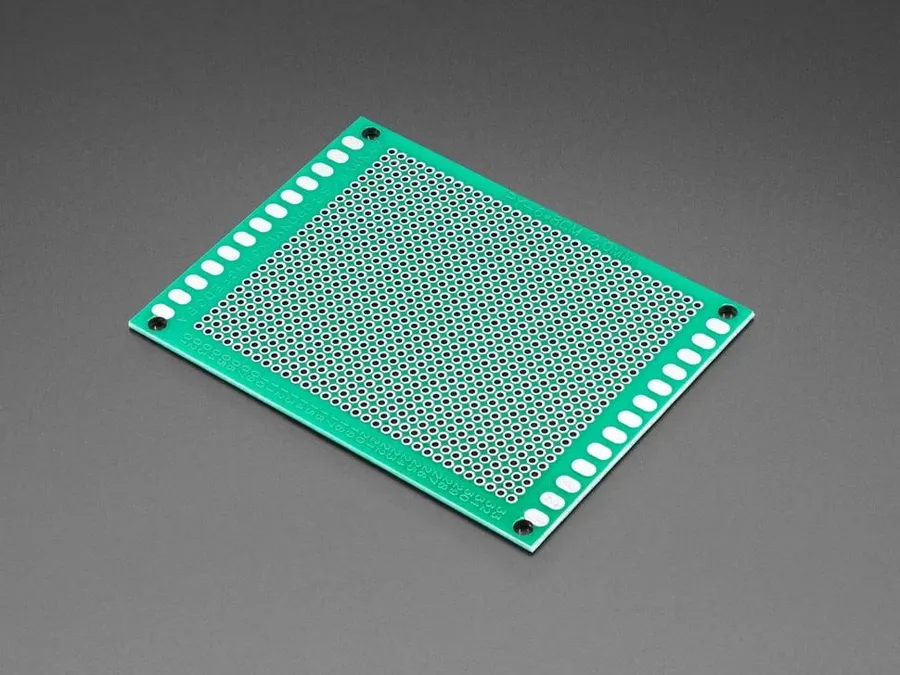
PCB Prototype Board
The distinction between prototype PCB assembly and mass production lies primarily in the scale of production, the associated processes, and the focus of quality control. Prototype assembly prioritizes flexibility and iterative design, while mass production emphasizes efficiency and cost-effectiveness.
Feature
Prototype PCB Assembly
Mass Production PCB Assembly
Volume
Low (e.g., 1-100 boards)
High (e.g., 1000+ boards)
Turnaround Time
Faster, often prioritized for quick iteration
Longer, optimized for efficient throughput
Cost Per Unit
Higher due to setup costs and small quantities
Lower due to economies of scale
Process Flexibility
High, allows for design changes and modifications
Low, standardized processes for efficiency
Component Sourcing
May use distributors or smaller suppliers, more flexibility in component selection
Utilizes established supply chains and volume discounts with specific vendors
Quality Control
Focused on functional verification and debugging
Emphasis on statistical process control and consistent quality
Testing
More in-depth functional testing and debugging
Primarily automatic optical inspection (AOI) and in-circuit testing (ICT) for high volume
Tooling Costs
Lower tooling costs or using flexible assembly process
Higher tooling costs due to specific requirements, such as stencils, jigs and fixtures
Selecting the appropriate assembly service requires an understanding of your project's current needs. For early-stage designs and iterative development, prototype assembly allows for rapid adjustments and testing. Once the design is finalized and volume requirements increase, transitioning to mass production ensures cost-effective and consistent manufacturing.
Turnkey PCB Assembly Services Explained
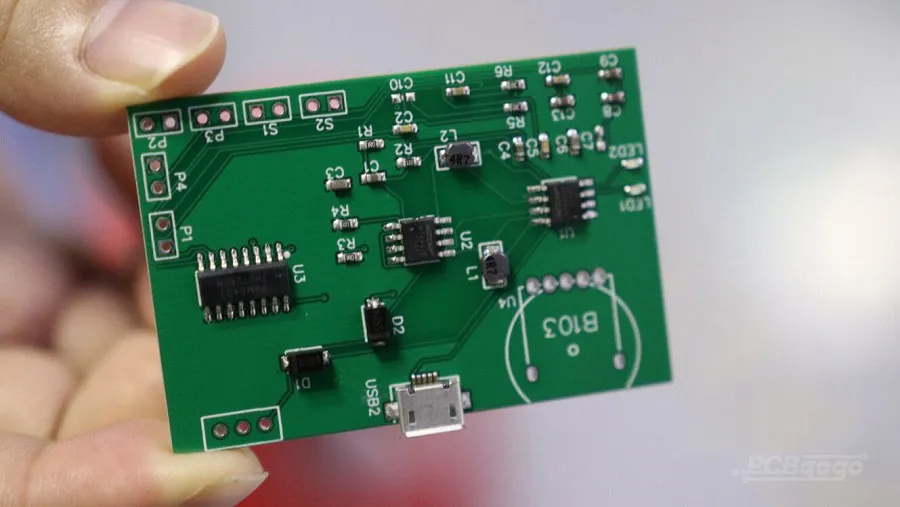
Turnkey PCB Assembly
Turnkey PCB assembly services offer a comprehensive solution for printed circuit board assembly, streamlining the entire process from component procurement to final product delivery. This approach significantly simplifies project management by consolidating all stages under a single provider, reducing the complexity and potential for delays associated with managing multiple vendors.
The 'turnkey' aspect means that the assembly factory takes full responsibility for the project, starting with the acquisition of all necessary components. This includes ordering parts based on the bill of materials (BOM), verifying the authenticity and quality of components, and managing the logistics involved in their delivery to the assembly line. Once the components arrive, the factory proceeds with the PCB assembly, utilizing either surface mount technology (SMT), through-hole technology (THT), or a combination of both, as required by the design. Finally, the assembled PCBs undergo testing and inspection before being packaged and shipped to the customer.
By choosing turnkey PCB assembly services, clients can benefit from reduced lead times, better pricing due to economies of scale, and a more streamlined communication process. The service provider has more control over the quality of the components and the assembly process, leading to more reliable and consistent results. Turnkey services also allow clients to focus on their core business activities, such as product development and marketing, without being bogged down by the intricacies of PCB assembly.
Component Procurement The turnkey service provider handles the sourcing and purchasing of all necessary components, ensuring that they meet the required specifications and quality standards. This reduces the risk of counterfeit components and supply chain issues.
Inventory Management The service provider manages the inventory of components, ensuring that they are available when needed and stored properly to prevent damage. This reduces the burden on the client to manage their own component storage and logistics.
PCB Assembly Using advanced assembly equipment, components are placed and soldered onto the PCB. These assembly processes include surface mount technology (SMT) and through-hole technology (THT), as per the client's design.
Testing and Inspection Post-assembly, PCBs undergo testing and inspection to ensure they meet performance and reliability standards. This may include in-circuit testing (ICT), functional testing, and automated optical inspection (AOI).
Logistics and Shipping Turnkey services include handling packaging and shipping the assembled PCBs to the customer, simplifying the entire supply chain.
Frequently Asked Questions About PCB Assembly
This section addresses common inquiries regarding PCB assembly, offering clear and concise answers to help you better understand the process and make informed decisions when selecting a PCB assembly partner.
How do I set up a PCB manufacturing factory? Setting up a PCB manufacturing factory requires substantial investment, detailed planning, and expertise. Key steps include securing funding, selecting a suitable location, procuring specialized equipment (such as etching machines, drilling machines, and plating lines), establishing a reliable supply chain for raw materials, and hiring skilled personnel. It's crucial to adhere to environmental regulations and quality control standards. Due to the complexity and cost, many companies opt to utilize existing PCB manufacturing and assembly services instead of establishing their own factory.
What is the typical cost for PCB assembly? The cost of PCB assembly varies significantly depending on several factors, including the complexity of the PCB design, the number of layers, the type of components used, the assembly technology (SMT, THT, mixed), the order volume, and the location of the assembly factory. Prototype assemblies tend to cost more per unit than large-scale production runs. It's essential to obtain quotations from multiple assembly houses to compare costs and services. In general, pricing models can include per-unit assembly fees, component costs, and tooling costs.
Who are some of the leading global PCB manufacturers and assemblers? The global PCB manufacturing and assembly market is highly competitive, with several key players. Some of the well-regarded companies include those based in China, Taiwan, Japan, and other countries. Companies like JLCPCB, PCBWay, and others have a strong global presence. It is crucial to verify the certifications and the quality of a company before choosing to use their services. Many of these companies offer PCB assembly services, as well as manufacturing. The selection of the company depends on specific project needs.
What are the fundamental differences between PCB assembly and PCB manufacturing? PCB manufacturing involves the fabrication of the bare printed circuit board, including creating the layers, etching the copper traces, drilling holes, and plating. PCB assembly, on the other hand, is the process of mounting electronic components onto the fabricated PCB. PCB manufacturing provides the ‘canvas’, and PCB assembly places the components required to perform an electronic function on that canvas. Both are distinctly different processes, often handled by separate divisions or factories.
What quality control measures should I expect from a PCB assembly factory? A reputable PCB assembly factory should implement rigorous quality control measures, including incoming material inspection to verify the quality of purchased components and bare boards, automated optical inspection (AOI) to check for assembly defects such as misaligned or missing components, and X-ray inspection for complex assemblies with hidden solder joints. Functional testing should also be performed to ensure the assembled PCB works correctly. These measures should be implemented throughout the assembly process to maintain a high level of quality and reliability.
How does component sourcing affect the PCB assembly process? Component sourcing is crucial because the quality and reliability of the components directly impact the performance of the final assembled PCB. A reputable assembly factory should have established relationships with reliable component suppliers. Component verification and traceability are essential to ensure the use of correct, high-quality parts and to quickly address any issues that may arise. Counterfeit parts are a major problem in the electronics industry, making careful sourcing and testing essential.
What is the role of lead time in PCB assembly? Lead time refers to the total time needed from when an order is placed until the assembled PCBs are ready for delivery. Lead time can be affected by multiple factors, including the availability of components, the complexity of the assembly process, the number of PCBs ordered, and the factory's current production schedule. Choosing an assembly factory with transparent communication and reasonable lead times is vital for meeting project timelines. Understanding and managing lead times is essential for effective project planning.
The Role of Component Sourcing and Supply Chain
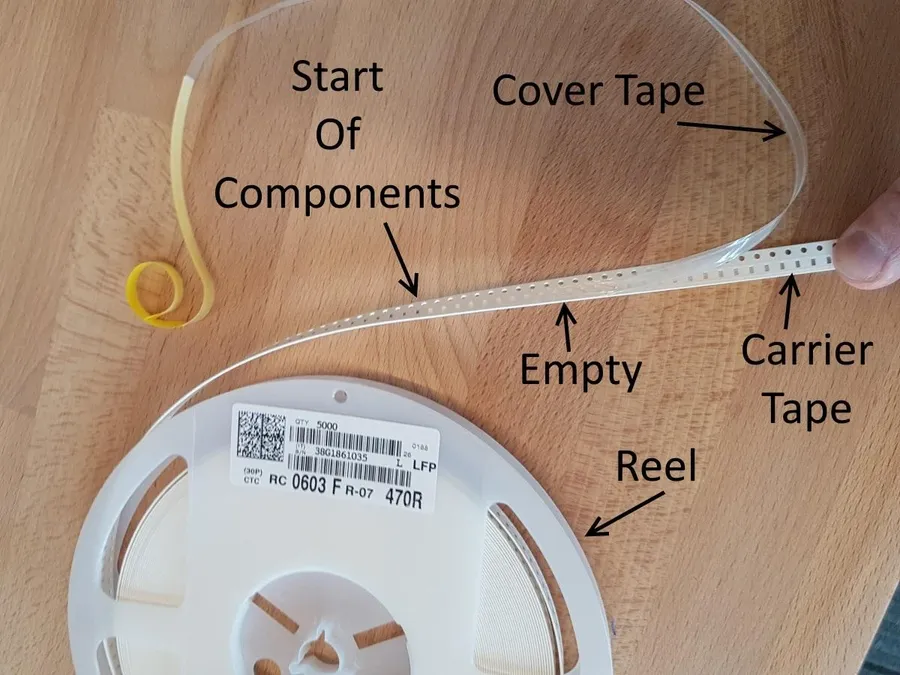
SMT Component Reels
A robust component sourcing and supply chain is paramount to the quality and timely delivery of assembled Printed Circuit Boards (PCBs). This facet of PCB assembly often dictates the reliability and performance of the final product, extending beyond mere cost considerations.
Impact on Quality Sourcing high-quality, genuine components from reputable suppliers significantly reduces the risk of failures and ensures consistent performance. Counterfeit components, often cheaper, can lead to catastrophic failures and costly recalls.
Impact on Delivery Time Efficient supply chain management minimizes lead times by ensuring that components are available when needed. Delays in component delivery can cascade through the assembly process, jeopardizing project deadlines.
Component Verification and Traceability Component verification and traceability are crucial. Verification ensures components meet specifications, while traceability allows tracking of components to their source, aiding in quality control and problem-solving during assembly or after deployment.
Supply Chain Security A secure supply chain is essential to mitigate risks from supply disruptions or material shortages. Diversifying component sources and establishing strong relationships with multiple suppliers can enhance supply chain resilience.
Strategic Sourcing Practices Implementing strategic sourcing practices, such as vendor evaluation and performance monitoring, can help in selecting reliable suppliers. These practices promote a consistent and high-quality supply of materials.
Quality Control Measures in PCB Assembly
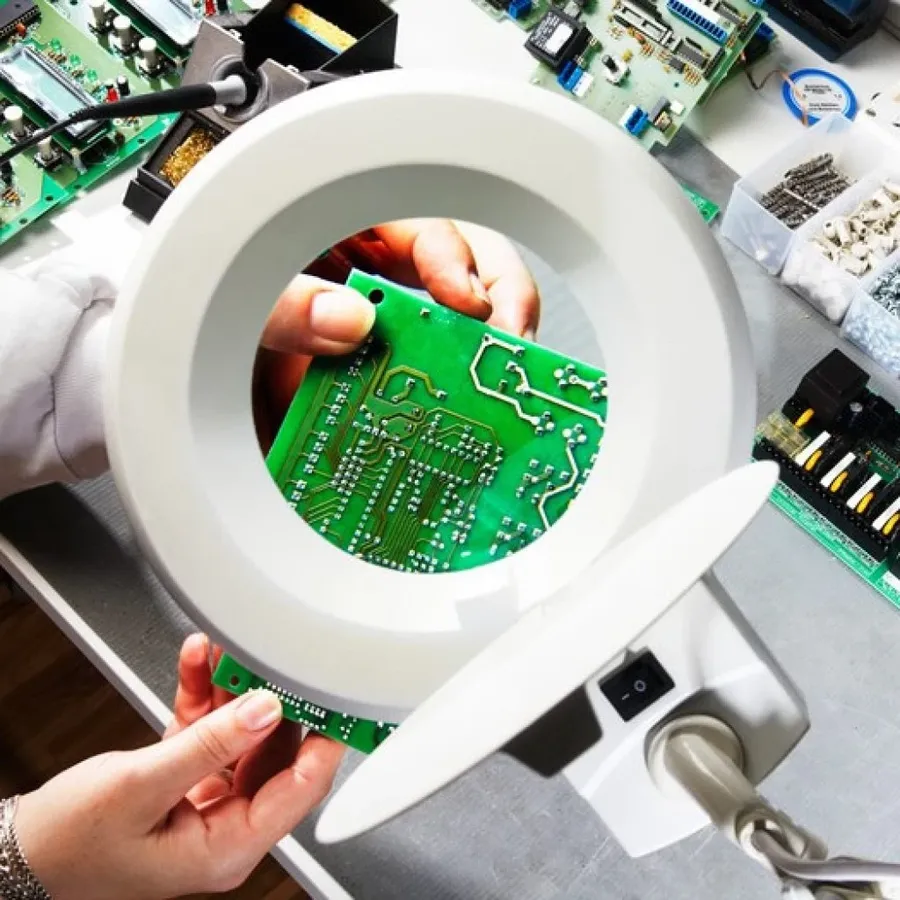
PCB Quality Inspection
Rigorous quality control is paramount in PCB assembly to ensure the delivery of reliable and high-performance boards. These measures are implemented throughout the assembly process, from initial material receipt to final inspection, addressing potential issues proactively and ensuring the final product meets stringent specifications and performance criteria.
Incoming Material Inspection The first stage of quality control involves a thorough examination of all incoming materials, such as bare PCBs, components, and solder paste. This inspection verifies that materials match the required specifications, are free from damage, and have been stored correctly. Component verification includes checking part numbers, values, and physical condition, which is critical to prevent any potential issues during the assembly process. This process is essential for minimizing assembly errors and ensuring that only high-quality parts are used.
Solder Paste Inspection (SPI) Solder paste inspection is a critical step after the solder paste printing process. SPI systems use 2D or 3D imaging to measure solder paste volume, area, and alignment on each pad. This ensures that the correct amount of solder paste has been applied and that it is positioned accurately. Proper solder paste application is crucial for forming strong and reliable solder joints.
Automated Optical Inspection (AOI) Automated optical inspection is used to check the populated PCB for defects after component placement and soldering. AOI systems use high-resolution cameras and advanced image processing algorithms to identify issues such as missing components, misaligned components, incorrect polarity, solder bridges, and insufficient solder. This step is critical for catching any assembly errors that could affect the performance and reliability of the PCB.
X-Ray Inspection X-Ray inspection is used to detect hidden defects that are not visible through optical inspection. It is particularly important for inspecting Ball Grid Array (BGA) components and other types of hidden solder joints where a visual inspection would not be sufficient. X-Ray imaging allows technicians to verify the quality of the solder joints and ensure that components are properly attached.
In-Circuit Testing (ICT) In-circuit testing is a type of electrical test that is used to identify component failures and assembly issues. ICT systems use test points on the PCB to measure the electrical characteristics of individual components and the circuit paths. These tests can verify the component placement, identify shorts, opens, and other electrical problems.
Functional Testing Functional testing is a final check to confirm that the assembled PCB performs to the required specifications. This testing involves simulating the operational conditions that the board will experience in the application. During this phase, all critical functions are thoroughly checked and this helps verify that the PCB meets the design requirements and is ready for deployment.
Comparing PCB Assembly Factories: A Practical Checklist
Selecting the appropriate PCB assembly factory is crucial for the success of any electronics project. This section provides a practical checklist to aid in comparing different factories, ensuring that the chosen partner meets your specific requirements and project goals. This detailed comparison considers factors such as location, service range, certifications, and customer feedback.
Factor
Description
Considerations
Location (USA vs. Overseas)
Geographical location of the factory.
US factories often have higher costs but faster lead times and better communication. Overseas factories may offer lower costs but can have longer lead times and communication challenges. Consider your project's timeline and budget.
Service Range
The breadth of services offered by the factory.
Evaluate whether the factory offers comprehensive services, including prototyping, mass production, SMT, THT, mixed assembly, and turnkey options. Ensure that their offerings align with your project needs.
Expertise in Assembly Type
The factory's proficiency in your required assembly technology.
Some factories specialize in SMT or THT, while others have expertise in mixed technology or complex assembly. Choose a factory with a proven track record in your specific type of assembly.
Certifications (ISO, AS9100, etc.)
Industry-specific certifications held by the factory.
Certifications demonstrate a commitment to quality and standardized processes. Look for ISO 9001, AS9100, and other relevant certifications to ensure compliance with industry best practices.
Quality Control Measures
The factory's implementation of quality assurance processes.
Assess the factory’s quality control from incoming material inspection to final assembly. Look for details on AOI, X-ray inspection, and functional testing.
Lead Time
The time it takes to complete the PCB assembly process.
Evaluate the factory's lead times and ensure they align with your project deadlines. Inquire about their processes to manage fluctuations in production time.
Pricing
The cost of PCB assembly services.
Compare pricing models and ensure transparency in costs. Factor in additional fees for setup, tooling, and expedited services.
Communication Transparency
How effectively the factory communicates with its clients.
Choose a factory that provides clear and timely communication, proactive project updates, and responsive customer support.
Customer Reviews and References
Feedback from previous customers about their experiences with the factory.
Look for customer reviews and references to gain insights into a factory’s reliability, service quality, and customer satisfaction. Pay attention to patterns in feedback.
Future Trends in PCB Assembly
The PCB assembly industry is undergoing rapid transformation, driven by technological advancements and increasing demands for more complex and efficient electronic devices. This section provides a concise overview of emerging trends in PCB assembly, including automation, miniaturization, and sustainable practices, highlighting what to look for in a forward-thinking factory.
Automation and Robotics Increased automation and the integration of robotics are revolutionizing PCB assembly. This includes automated pick-and-place machines, solder paste application, and optical inspection systems. Advanced automation leads to higher precision, reduced human error, and increased production speed.
Miniaturization and High-Density Interconnect (HDI) The demand for smaller and more powerful electronic devices is driving the push towards miniaturization in PCB assembly. HDI technology, with its fine lines and microvias, is becoming increasingly prevalent, necessitating specialized equipment and expertise for manufacturing and assembly.
Advanced Surface Mount Technology (SMT) The SMT component technology has always been driving the industry towards more complex designs and smaller footprints. New advancements in pick and place technology and better soldering techniques are enabling the use of smaller components with higher densities and better performance.
Sustainable and Eco-Friendly Practices Growing environmental awareness is pushing PCB assembly factories to adopt sustainable practices. This includes using eco-friendly materials, implementing efficient waste management and recycling programs, and reducing energy consumption.
Digitalization and Smart Manufacturing The integration of digital technologies, such as IoT, cloud computing, and big data analytics, is transforming PCB assembly into smart manufacturing processes. This enables real-time monitoring of production, predictive maintenance, and data-driven decision-making to improve efficiency and quality.
Additive Manufacturing (3D Printing) for PCBs Additive manufacturing technologies are starting to gain traction in PCB manufacturing. 3D printed PCBs allow for complex geometries and rapid prototyping, though still in development phase, this technology is likely to be implemented for niche applications. It is important to consider the capabilities and future plan of a factory in regards to emerging technologies like this.
Choosing the right PCB assembly factory is critical for the success of your electronic projects. By understanding the key processes, evaluating potential partners based on crucial factors, and recognizing the role of a reliable supply chain, you can ensure the delivery of high-quality PCBs. A trusted PCB assembly factory is a vital partner in bringing your ideas to life, whether you need quick prototype runs or high-volume production. The information in this guide will help you navigate the complex landscape of pcb manufacturing to find the right fit.