In today's interconnected world, printed circuit boards (PCBs) are the backbone of nearly every electronic device. Selecting the right PCB assembly service factory is crucial for bringing your innovative ideas to life. This guide explores what to look for in a PCB assembly partner, covering everything from prototyping to mass production, ensuring your project is set up for success from the start.
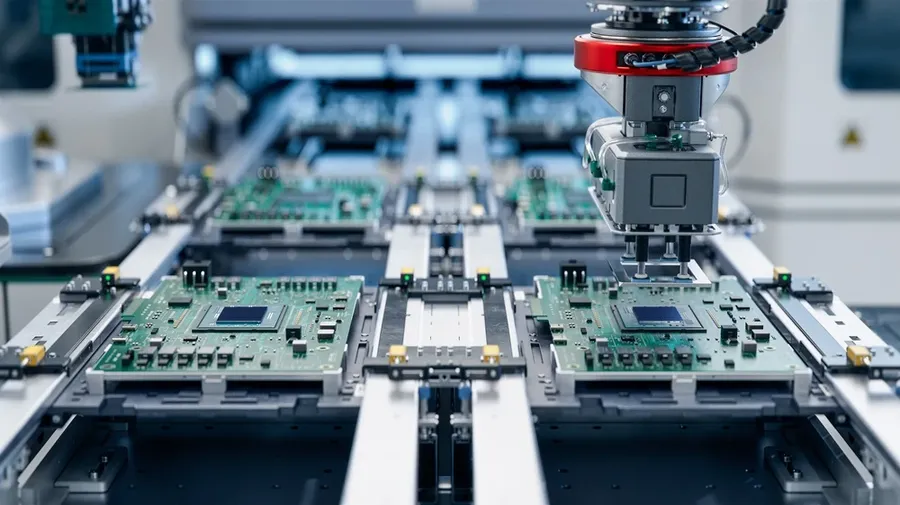
A comprehensive PCB assembly service factory provides a range of capabilities to meet diverse electronic manufacturing needs. These services typically span surface mount technology (SMT), through-hole technology, and mixed technology assembly, accommodating varied project complexities and production volumes. Understanding these capabilities is crucial for selecting a suitable partner.
| Service Type | Description | Typical Applications | Advantages | Disadvantages |
|---|---|---|---|---|
| Surface Mount Technology (SMT) | Components are mounted directly onto the surface of the PCB. | High-density circuits, consumer electronics, mobile devices. | High component density, automated assembly, cost-effective for large volumes. | Requires specialized equipment, challenging for manual rework. |
| Through-Hole Technology | Components with leads are inserted through holes in the PCB and soldered. | Robust connections, aerospace applications, power supplies, prototypes. | Strong mechanical bond, good for larger components, manual assembly and rework friendly. | Lower component density, less suitable for miniaturization, can be costly in high volume. |
| Mixed Technology Assembly | Combination of both SMT and through-hole assembly on the same PCB. | Complex electronic devices requiring both high density and robust connections, industrial controls, automotive electronics. | Combines the advantages of both SMT and through-hole assembly. | More complex assembly process, requires good planning and expertise. |
In addition to assembly technologies, a factory’s capabilities in handling different production volumes is also critical. The ability to support prototyping, low-volume, and high-volume production runs indicates flexibility and scalability that are beneficial for projects at different stages of development. Factories with strong prototyping capabilities allow for effective design verification, thereby reducing risks during mass production. They should be able to provide services for a range of batch sizes, adapting to both initial testing phases and large-scale manufacturing needs.

The selection of a PCB assembly service factory necessitates a thorough evaluation of their certifications and adherence to quality standards. These benchmarks are not merely formalities, but critical indicators of a factory's commitment to producing reliable and high-quality printed circuit boards. A factory's certifications reflect its ability to consistently meet specified requirements and ensure the dependability of the final product.
Key certifications and standards to consider:
The absence of these key certifications and adherence to these standards can significantly increase the risk of receiving PCBs with quality issues. Therefore, verifying these credentials is a crucial step in the due diligence process when selecting a PCB assembly service factory. A focus on these standards ensures not just the immediate functionality of the product but also its long-term reliability and performance.
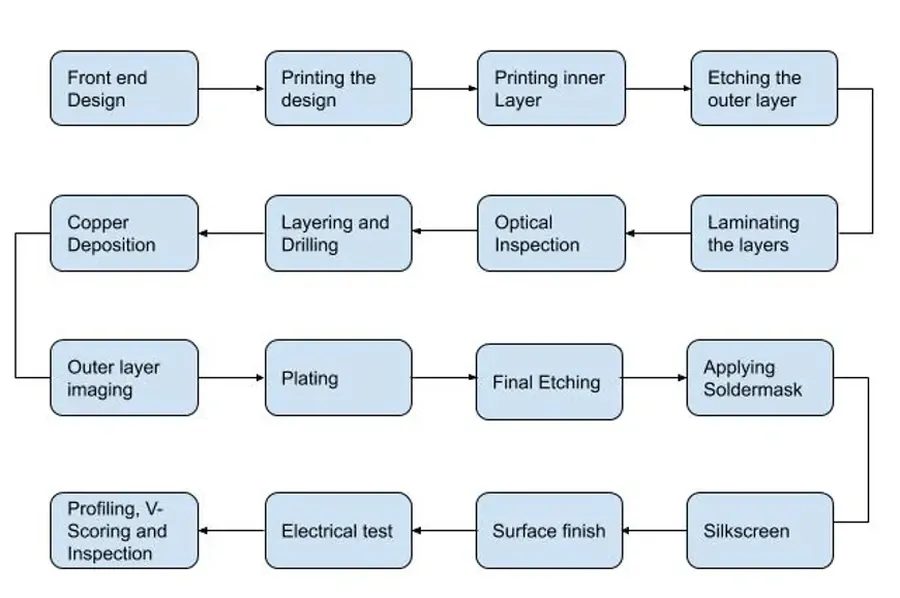
Turnaround time and lead times are critical factors when selecting a PCB assembly service factory. Turnaround time refers to the duration it takes for the factory to complete the assembly process, from receiving the necessary components and design files to shipping the assembled boards. Lead time, on the other hand, encompasses the entire process, including component procurement and pre-assembly preparation. Understanding these timelines is essential for project scheduling and timely product delivery.
| Service Type | Typical Turnaround Time | Factors Influencing Turnaround Time |
|---|---|---|
| Quick-Turn Prototypes | 24 hours to 3 days | High priority processing, readily available components |
| Small Batch Production | 3 to 7 days | Component availability, complexity of the assembly, factory capacity |
| Medium Batch Production | 1 to 2 weeks | Component procurement lead time, scheduling |
| High-Volume Production | 2 to 4 weeks | Large quantity component sourcing, production planning |
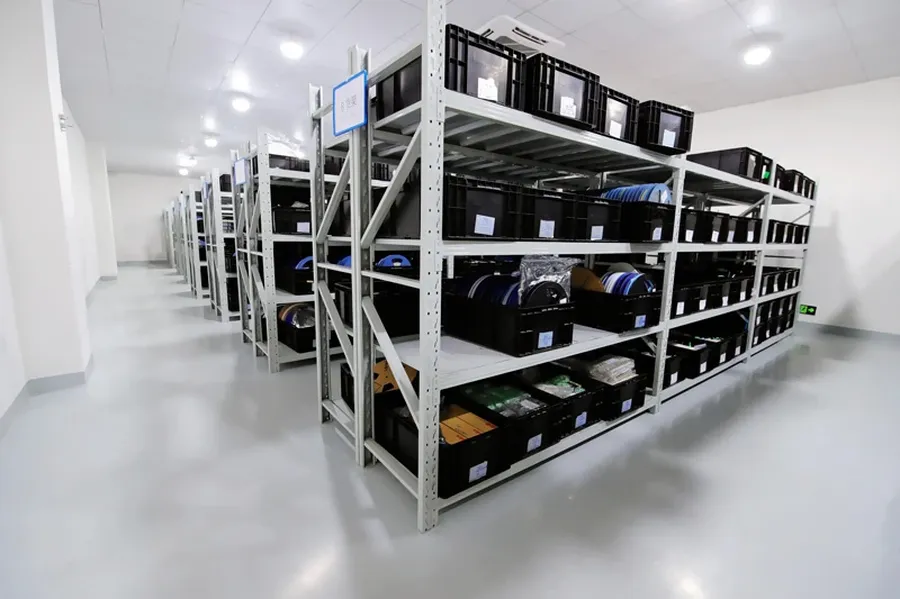
Efficient component sourcing and meticulous inventory management are paramount for a PCB assembly service factory to ensure timely and cost-effective project completion. Understanding these processes within a factory is crucial for clients to make informed decisions that affect lead times and overall project expenses. This section examines the nuances of component procurement and stock management.
| Factor | Description | Impact on Project |
|---|---|---|
| Sourcing Methods | Direct from manufacturer, authorized distributors, spot market. | Affects cost, lead times, component quality, and reliability. |
| Inventory Systems | Stock tracking, waste reduction, optimized storage. | Impacts availability of parts, reduces delays, minimizes storage costs. |
| Client-Provided Parts | Allows clients to supply components, special parts. | Can reduce costs and lead times; requires detailed coordination. |
| BOM Management | Structured Bill of Materials, BOM review. | Enables effective procurement, accurate costing, simplifies inventory control. |
| Obsolescence Program | Proactive monitoring of component lifecycles. | Reduces supply disruptions, facilitates component replacement planning. |
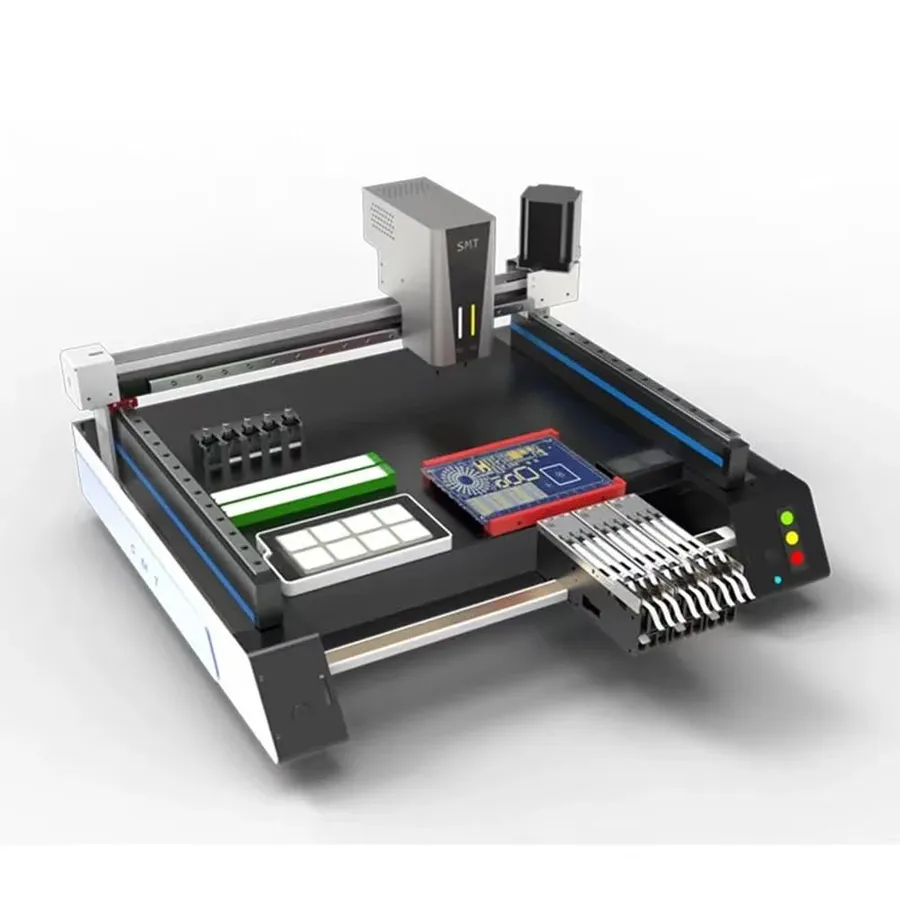
A PCB assembly service factory's technological capabilities are paramount to delivering high-quality, reliable circuit boards. This section delves into the key machinery and equipment employed in Surface Mount Technology (SMT) and through-hole assembly processes, ensuring compatibility with diverse project requirements.
| Equipment Type | Function | Key Considerations |
|---|---|---|
| Pick-and-Place Machines | Accurately positions surface mount components onto PCBs. | Accuracy, speed, component handling capabilities, feeder capacity. |
| Reflow Ovens | Melts solder paste to create electrical connections. | Temperature control, profile accuracy, zone configurations. |
| Wave Soldering Machines | Solders through-hole components. | Solder wave quality, flux application, preheating control. |
| Screen Printers | Applies solder paste onto PCBs. | Alignment accuracy, stencil tension, paste deposit control. |
| Automated Optical Inspection (AOI) | Visually inspects assembled boards for defects. | Inspection speed, resolution, defect detection accuracy. |
| In-Circuit Testing (ICT) | Electrically tests assembled boards for shorts, opens, and component values. | Test coverage, fixture design, fault isolation capabilities. |
| X-Ray Inspection Systems | Inspects internal solder joint quality. | Resolution, magnification, defect analysis software. |
| Dispensing Machines | Applies adhesives or encapsulants to PCBs. | Dispensing speed, accuracy, material compatibility. |
The selection of equipment greatly influences the factory’s capacity to handle various complexities, production volumes, and project-specific needs. Modern pick-and-place machines, for example, are equipped with vision systems for precise component placement, while advanced reflow ovens ensure uniform temperature profiles across the board for reliable solder joints. Understanding the capabilities of these technologies is essential in choosing the right assembly partner.
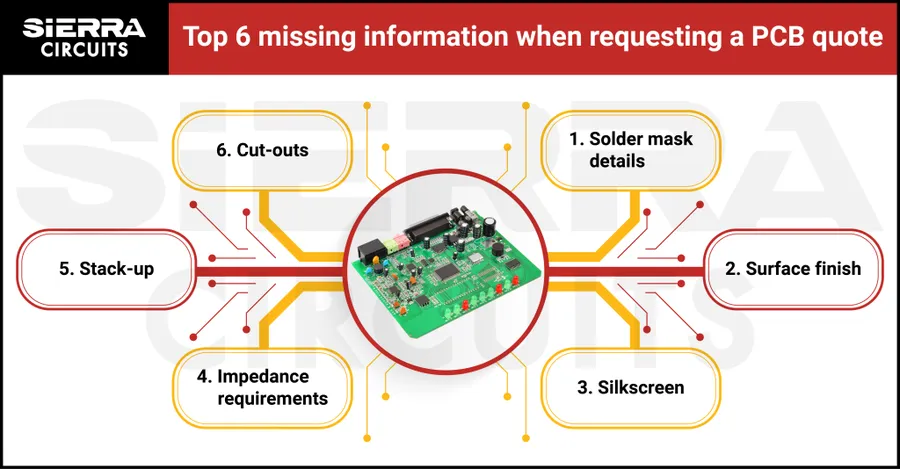
Understanding the pricing structure of PCB assembly services is crucial for effective budget management and project planning. Costs are influenced by a multitude of factors, from order volume and component complexity to the urgency of delivery. Analyzing these factors can enable informed decisions, optimizing both cost and quality.
| Cost Factor | Description | Impact on Price |
|---|---|---|
| Order Volume | The number of PCBs to be assembled. | Higher volume typically results in lower per-unit costs due to economies of scale. |
| Component Complexity | The type and number of components, including surface mount (SMT) and through-hole (THT) parts. | More complex boards with a higher component count and finer pitch components incur higher costs due to increased labor, machine time and testing. |
| Component Sourcing | Whether the components are customer-supplied or sourced by the assembly house. | If assembly houses handle the purchase, this will add a small cost per item as their profit margin, if you supply it, then the cost will only be the handling of the part. |
| Turnaround Time | The required completion time for the assembly. | Faster turnaround times (e.g., quick-turn prototypes) often come at a premium due to expedited processing and resource allocation. |
| Technology Mix | The combination of assembly technologies like SMT, THT, and mixed-technology. | Mixed technology will increase assembly complexity and therefore cost. |
| Testing Requirements | The required degree of post-assembly testing. | More comprehensive testing (e.g., AOI, ICT, functional testing) increases costs but is essential for ensuring product reliability. |
PCB assembly service models also affect pricing. Full turnkey solutions, where the factory handles everything from component procurement to final testing, generally cost more upfront, but can reduce time and risk. Conversely, partial turnkey or consignment models, where the customer supplies some components, may offer lower direct costs but may increase supply chain management responsibilities for the customer.
It is recommended to analyze the cost benefit of each type of assembly, to see how this will meet your particular need and budget. Using a quotation from each assembly house will help with this decision.
Design for Manufacturability (DFM) is a crucial process in PCB assembly, ensuring that a design can be efficiently and reliably manufactured. PCB assembly factories that offer comprehensive DFM checks and prototyping support provide a significant advantage, helping to identify and rectify potential issues before full-scale production, thereby minimizing costly errors and delays.
This section addresses common questions regarding PCB assembly services, providing detailed answers to help you make informed decisions. We cover topics ranging from costs and identifying key manufacturers to understanding the process of setting up an assembly line and what PCB assembly entails.
The geographical location of a PCB assembly service factory and the robustness of its supply chain are critical factors impacting project timelines, costs, and overall risk. Selecting a factory requires a careful evaluation of logistics, supply chain stability, and the advantages and disadvantages of local versus overseas options.
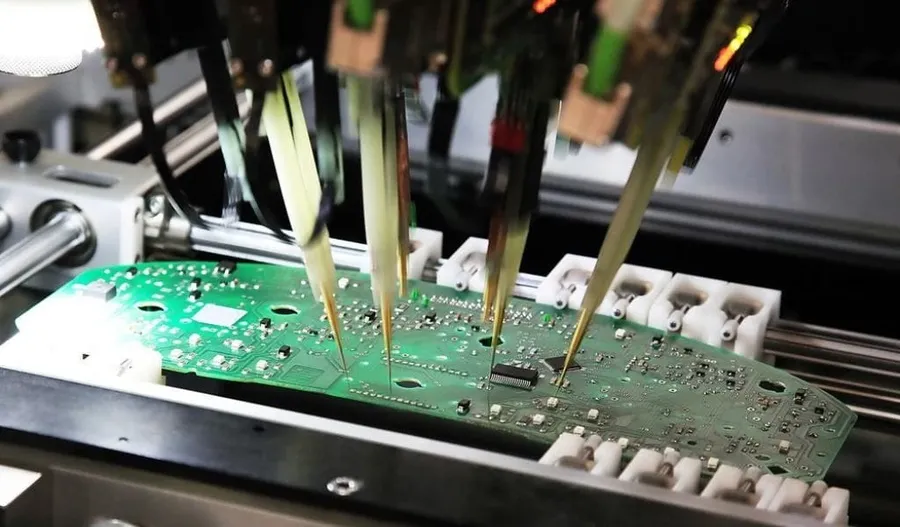
Rigorous post-assembly testing and quality control are paramount to ensuring the reliability and functionality of assembled PCBs. These processes serve to identify and rectify any defects introduced during the assembly process, ultimately leading to a high-quality end product. A comprehensive approach integrates various testing methodologies, each targeting specific aspects of PCB integrity and performance.
| Testing Method | Description | Purpose | Key Benefit |
|---|---|---|---|
| Automated Optical Inspection (AOI) | Uses cameras to visually inspect the PCB for defects such as misaligned components, solder bridges, and missing parts. | Verifies correct component placement and solder joint integrity. | Early detection of visual defects, reducing costly rework later. |
| In-Circuit Testing (ICT) | Uses a bed-of-nails fixture to test individual components and circuits on the assembled board. | Identifies shorts, opens, and incorrect component values. | Pinpoints electrical faults at the component level. |
| Functional Testing | Simulates the actual operating environment of the PCB to verify its performance against design specifications. | Ensures the assembled PCB meets required functional parameters. | Validates overall system functionality and performance. |
| X-ray Inspection | Uses X-rays to inspect solder joints beneath components, such as BGAs, where visual inspection is not possible. | Detects hidden solder defects, such as voids, shorts, and misalignments. | Ensures the quality and reliability of hidden solder joints. |
| Environmental Testing | Subjects the assembled PCB to various environmental conditions, such as temperature and humidity variations. | Verifies the board's robustness and reliability under specified environmental stress. | Confirms operational stability in real-world conditions. |
The combination of these testing methodologies provides a layered approach to quality assurance, ensuring that each PCB assembly meets the stringent requirements for performance and reliability. Selection of the appropriate testing and quality control methods should align with project-specific requirements and reliability goals. Ultimately, this comprehensive approach minimizes the risk of defects and ensures the consistent delivery of high-quality PCB assemblies.
Choosing the right PCB assembly service factory is crucial for the success of your electronic projects. By considering factors such as certifications, capabilities, turnaround time, and cost, you can ensure high-quality production of your PCBs. When looking for a reliable partner, make sure to evaluate their component sourcing and post-assembly testing processes carefully. Working with an experienced PCB assembly service factory can streamline your production process, save you time and resources, and ensure that your final products meet the highest quality and performance standards. This will enable you to focus on your business while we take care of your hardware needs.

