In today's interconnected world, printed circuit boards (PCBs) are the unsung heroes powering everything from smartphones to medical devices. Choosing the right PCB company is crucial for ensuring the success of your project, whether you're an individual maker or a large corporation. At [pcb company], we understand the importance of this decision and are here to guide you through the complexities of PCB manufacturing and assembly, helping you connect technological innovation with practicality. We'll explore what sets different PCB companies apart and how to find a partner that matches your specific needs.
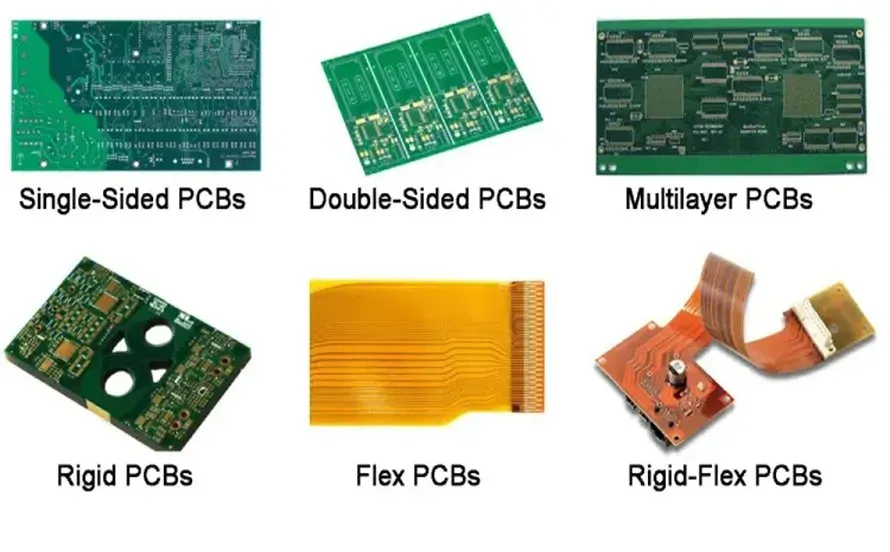
Before engaging with any PCB company, a crucial first step involves a thorough assessment of your project's specific requirements. This proactive approach ensures a more efficient selection process, aligning you with a PCB company that can effectively meet your unique needs.
This section provides a detailed pre-selection checklist, focusing on key considerations to clarify your project scope and specifications. By systematically addressing these points, you'll be well-positioned to make informed decisions and select a PCB company that is the best fit for your project.
By having these specifications clearly defined prior to contacting PCB companies, you will be able to quickly narrow down your choices, and help them to provide a much more accurate quote. This also significantly helps in establishing realistic expectations and ensuring better compatibility between your project needs and a company’s specific capabilities.
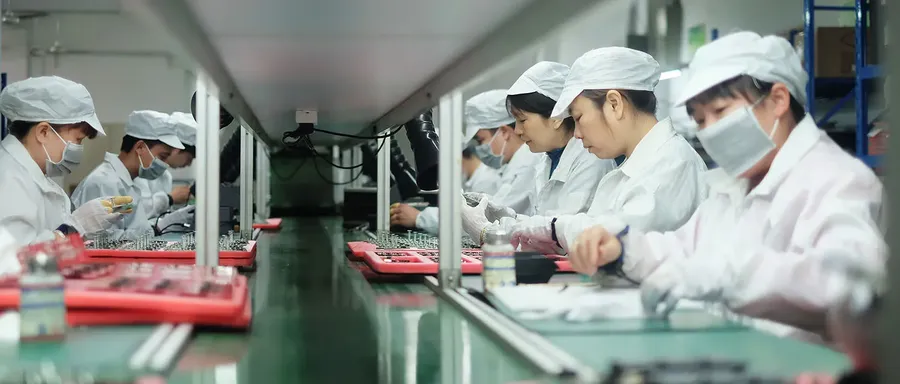
PCB companies provide a range of essential services to bring electronic designs to life. Selecting a company that offers the specific services your project requires is crucial for success, these include prototyping, fabrication, assembly, design and testing.
| Service | Description | Importance |
|---|---|---|
| PCB Prototyping | Creation of a small number of PCBs to test design functionality and make necessary adjustments before mass production. | Essential for validating design and identifying any potential problems early on. Reduces risk and costs associated with full-scale production. |
| PCB Fabrication | The process of manufacturing the physical printed circuit board based on the design specifications. | Provides the actual physical board on which electronic components will be mounted. Precise fabrication is critical for functionality. |
| PCB Assembly | The process of mounting electronic components on the fabricated PCB using various methods like surface mount technology or through-hole mounting. | Ensures all components are correctly placed and connected according to the design. Proper assembly is critical for circuit performance. |
| PCB Design | Creating the layout of the circuit board, including component placement, routing of traces, and layer stack-up, using software tools like Altium Designer or Eagle. | It is the foundation of the entire process, affecting manufacturability, performance, and reliability. |
| PCB Testing | Verifying the functionality and reliability of the manufactured and assembled PCB through a series of electrical tests, including continuity, short circuit, and functional testing. | Validates the final product meets design specifications and performs as expected. Ensures quality and reduces risks of malfunctions. |
The selection of appropriate services from a PCB company is critical. The choice often depends on the project's complexity, volume requirements, and the resources available internally. It's advisable to look for a company offering a comprehensive range of services to facilitate a streamlined production process.

PCB companies often specialize in specific areas of PCB manufacturing to maximize their expertise and efficiency. This specialization can greatly impact the suitability of a company for your project. Understanding these specializations is crucial for selecting the right partner. Some focus on rapid prototyping, allowing for quick design iterations, while others excel in large-scale production, leveraging economies of scale. Additionally, many companies concentrate on niche technologies or specific PCB types like flexible circuits or high-frequency boards.
Selecting a PCB manufacturer that aligns with your project's specific phase and requirements is essential. Mismatching your needs with a company's specialization can result in longer lead times, higher costs, or compromised quality.
| Specialization | Description | Ideal Use Case |
|---|---|---|
| Rapid Prototyping | Focuses on quick turnaround for small batches, ideal for design iteration and testing. | Early-stage development, proof-of-concept, design validation |
| High-Volume Production | Optimized for large-scale manufacturing with efficient processes. | Mass production, commercial products, large scale deployments |
| Specialized Technologies | Expertise in specific PCB types like flexible, rigid-flex, high-frequency or metal core PCBs. | Specific applications requiring niche technologies |
| Advanced Materials | Specializes in handling specific materials, like high-Tg or specific dielectric materials. | High-performance applications, extreme environments |
Consider the following when analyzing specializations:
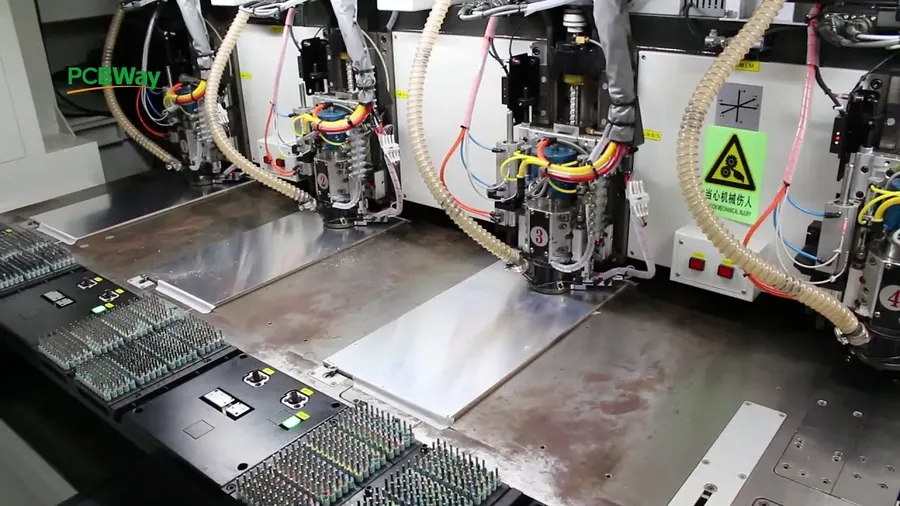
Evaluating a PCB company's manufacturing capabilities is crucial to ensure they can meet your project's specific needs. This involves a thorough assessment of their technology, equipment, production capacity, and quality control measures. The right fit guarantees the delivery of PCBs that meet technical specifications and volume requirements, ultimately impacting the project's success.
To effectively compare PCB manufacturing capabilities, consider the following aspects:
| Capability | Description | Importance |
|---|---|---|
| Technology | Processes such as laser drilling, impedance control, microvia technology. | Critical for producing complex PCB designs and advanced electronic systems. |
| Equipment | Advanced drilling, etching, plating, and lamination machines. | Ensures precision, efficiency, and quality in PCB fabrication. |
| Production Capacity | Ability to handle varying volumes, from prototypes to mass production. | Ensures scalability and timely delivery for projects of all sizes. |
| Material Variety | Range of substrates available, such as FR-4, Rogers, and Aluminum. | Allows customization of PCB properties to fit application needs. |
| Quality Control | Testing procedures like AOI, electrical tests, and impedance testing. | Vital for maintaining high standards and minimizing defects. |
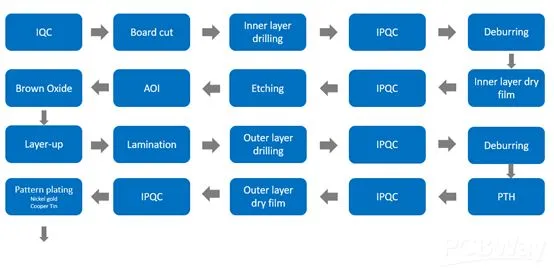
Understanding turnaround time and lead times is crucial when selecting a PCB company. These metrics directly impact your project timelines, and inconsistencies can lead to costly delays. This section will dissect typical timelines for both prototype and production orders, allowing for better planning and supplier comparison.
Turnaround time refers to the duration between placing an order and receiving the finished PCBs. Lead time, conversely, encompasses the total time required from order placement to delivery, often including fabrication, assembly, and shipping.
| Stage | Description | Typical Turnaround Time | Factors Affecting Time |
|---|---|---|---|
| Prototype Fabrication | Initial run of PCBs for testing and validation | 2-7 business days | Complexity of design, material availability, rush service |
| Production Fabrication | Large-scale PCB manufacturing | 1-4 weeks | Order volume, material lead time, production capacity |
| PCB Assembly | Component mounting on PCBs | 1-3 weeks | Complexity of assembly, component availability, volume |
| Shipping | Delivery of finished products to client | 1-7 business days | Shipping destination, carrier speed, customs procedures |
It's essential to verify these times with the PCB company directly, as they can vary significantly based on their specific processes and current workload. Furthermore, understand if the stated times are business days or calendar days.
To ensure the lead time aligns with your project schedule, consider the following:
Ultimately, understanding and comparing lead times among different PCB companies is crucial for choosing a partner that can meet your project deadlines, avoid costly delays, and maintain project momentum. A detailed analysis of these factors will contribute to more efficient project management.
Understanding the cost and pricing structures of PCB companies is crucial for optimizing your budget while ensuring quality and reliability. Focusing solely on the lowest price can lead to compromises in performance and durability. A balanced approach considers overall value, encompassing cost, quality, and long-term reliability of the PCB.
PCB pricing is influenced by a range of factors. These often include:
Here is a table that showcases a comparison of different pricing models with their advantages and disadvantages:
| Pricing Model | Description | Advantages | Disadvantages |
|---|---|---|---|
| Unit Price | A fixed cost per PCB regardless of volume. | Easy to calculate costs for small projects | Can become very expensive for large-volume production runs. |
| Tiered Pricing | Price per unit reduces as volume increases. | Good for medium to large scale production runs | Requires some planning to optimize production costs, and may not be suitable for very small quantities |
| Fixed Pricing | A set cost for the whole job, regardless of small changes. | Great for small or simple designs, easy to calculate | Not economical for large projects or for designs requiring changes |
| Custom Quote | A quote based on your specific design and production requirements. | Best for complex PCB's or unique project needs. | May take a long time to get a quote, and may not be suitable for small production runs |
It is advised that to find maximum value in PCB production, do the following:
Rigorous quality assurance and adherence to industry certifications are paramount when selecting a PCB company. These elements signify a company's commitment to delivering reliable and consistent printed circuit boards, crucial for the performance and longevity of electronic products. A thorough review of a manufacturer's quality processes and certifications can mitigate the risk of receiving flawed or non-compliant PCBs.
Key certifications to look for include:
The below table provides a comparison of these key certifications and what they signify:
| Certification | Focus | Significance for PCB Manufacturing |
|---|---|---|
| ISO 9001 | Quality Management Systems | Ensures consistent quality through defined processes. |
| UL Certification | Product Safety | Guarantees PCBs meet specific safety requirements. |
| IPC Standards | Industry Standards | Indicates adherence to PCB design, manufacturing, and assembly best practices. |
Beyond certifications, it is important to inquire about a PCB company's specific quality control processes, including in-process inspection, final inspection, and testing protocols. This ensures that the PCBs you receive are consistently high quality and meet your technical specifications.
Effective customer support and clear communication are paramount when selecting a PCB company. A responsive, knowledgeable team facilitates smooth project execution, particularly when design, production, or assembly challenges arise. A strong partnership built on mutual understanding and valued communication is essential for project success.
When evaluating customer support and communication, consider the following aspects:
Partnering with a PCB company that values open communication ensures that your project stays on track and that you can quickly address any questions or issues. Effective communication not only streamlines the PCB manufacturing process but also reduces risks, which leads to more predictable outcomes.
Below is a table highlighting key communication aspects to assess:
| Aspect | Description | Why it matters |
|---|---|---|
| Communication Channels | Availability of phone, email, chat, and online portals. | Provides multiple options to contact the support team based on needs. |
| Responsiveness Time | Average response time to inquiries (e.g., within 24 hours). | Indicates how promptly issues will be addressed, reducing potential delays. |
| Technical Support | Availability of technical specialists to answer complex questions. | Ensures accurate information and guidance on design and manufacturing. |
| Order Tracking | Ability to track the status of your order. | Provides visibility into the production process and allows you to plan accordingly. |
| Feedback Mechanisms | Systematic methods to collect and act upon customer feedback | Demonstrates a commitment to continuous improvement and customer satisfaction. |
Navigating the PCB (Printed Circuit Board) manufacturing landscape can be complex. This section addresses common questions to help you understand PCB companies and make informed decisions.
Choosing the right PCB company requires a thorough evaluation of your specific needs and the capabilities of potential partners. By considering factors like specialization, turnaround time, quality, and support, you can secure a reliable and high-quality PCB supplier for your project. At [pcb company], we're committed to providing exceptional services and support to meet your PCB requirements, empowering you to bring your innovative ideas to life.

