In today's tech-driven world, Printed Circuit Boards (PCBs) are the backbone of nearly all electronic devices. From the smartphones in our pockets to the complex systems in industrial machinery, PCBs are indispensable. Choosing the right PCB maker is critical to ensure the quality and reliability of your electronic product. This article will guide you through the essential considerations when selecting a PCB maker, helping you navigate the options and make informed decisions for your project.
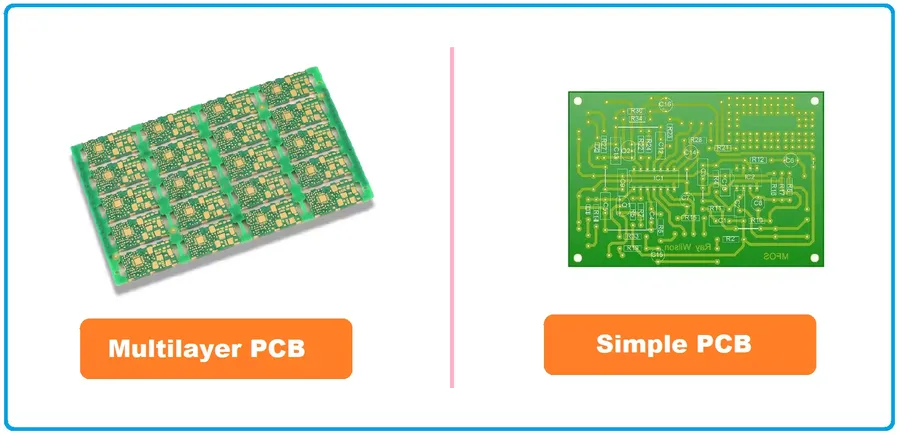
Before selecting a PCB maker, it's essential to have a clear understanding of your project's specific requirements. This involves evaluating several key factors that directly influence the choice of the most suitable manufacturer. These factors include the board's complexity, layer count, material specifications, required tolerances, and production volume—whether for prototypes or mass production.
Accurately defining these parameters upfront ensures that you are equipped to make informed decisions about the PCB maker that best fits your project's unique technical and economic constraints. Failure to properly assess these needs can lead to increased costs, delayed delivery, and potentially compromised performance.
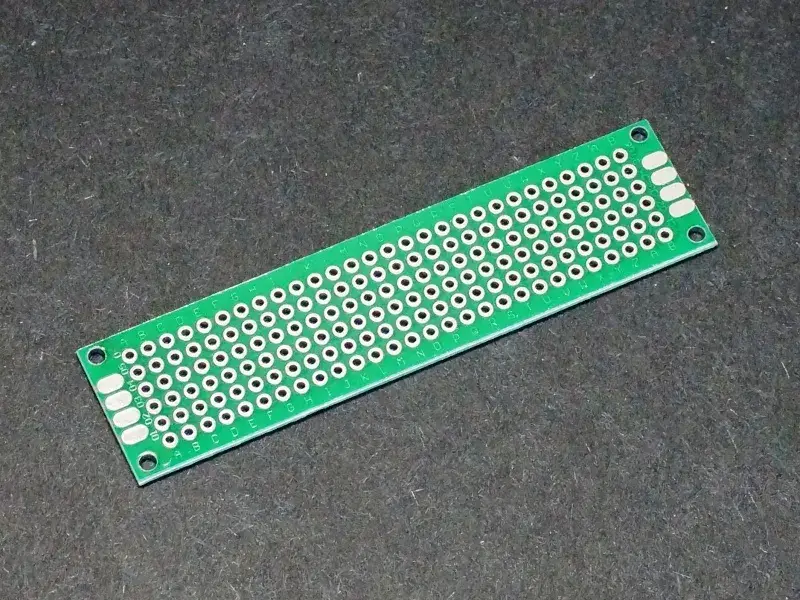
The printed circuit board (PCB) manufacturing landscape is broadly divided into two categories: PCB makers specializing in rapid prototyping and those focused on large-scale production. Understanding this distinction is critical to choosing the right partner for your project, as each type caters to different needs and production volumes.
Prototype PCB makers prioritize speed and flexibility, enabling engineers to test their PCB designs efficiently. Production PCB makers, on the other hand, are geared towards high-volume manufacturing, optimizing for cost and consistency.
| Feature | Prototype PCB Makers | Production PCB Makers |
|---|---|---|
| Primary Focus | Rapid Turnaround, Low Volumes | High Volume, Cost Optimization |
| Lead Time | Shorter | Longer |
| Per-Unit Cost | Higher | Lower |
| Flexibility | Greater design flexibility | Less design flexibility, optimized for large runs |
| Ideal Use Case | Design verification, testing and iterative projects | Mass production, product manufacturing. |
It is important to note that some PCB makers offer services that combine both prototyping and production runs. This integrated model can be beneficial for companies who require both during product development. The choice depends on the specific needs of your project.
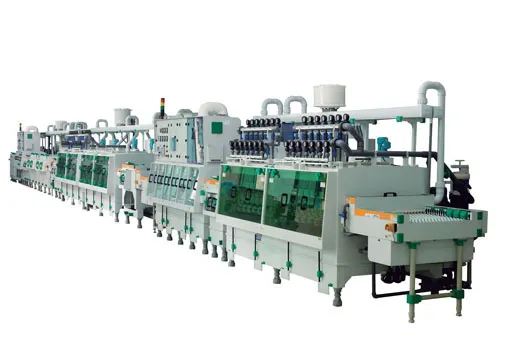
Selecting the right PCB maker involves carefully evaluating several crucial factors to ensure your project's success. This section details the critical aspects such as cost, lead time, manufacturing capabilities, material options, and quality control that should be considered when making your decision.
DigiKey and similar suppliers offer board builder services that allow you to compare quotes from multiple PCB manufacturers, this can streamline your research process. They can also provide additional support related to the build such as component sourcing and assembly services.
| Factor | Description | Impact |
|---|---|---|
| Cost | Total expense including setup, tooling, and per-unit costs. | Impacts budget allocation and overall project affordability. |
| Lead Time | Duration from order placement to delivery. | Affects project timelines and can impact deadlines. |
| Manufacturing Capabilities | The range of specifications the manufacturer can produce, such as minimum trace width and layer count. | Determines if the manufacturer can meet the technical demands of your design. |
| Material Options | The diversity of materials offered, such as FR-4, flex, and aluminum. | Determines suitability for different operating conditions and performance requirements. |
| Quality Control | Protocols in place to ensure consistent and reliable manufacturing of boards. | Directly impacts the reliability and functionality of the PCB. |
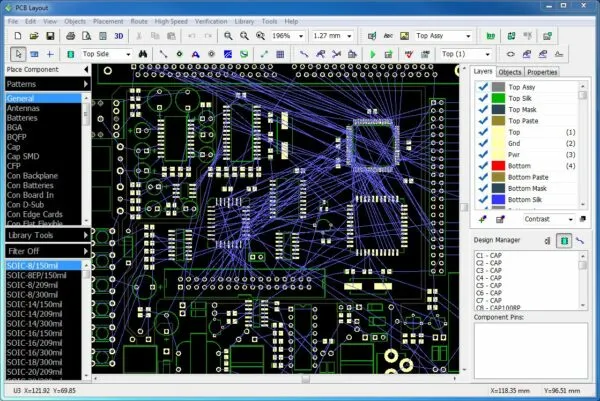
Online PCB design tools and software have revolutionized the way electronic circuits are developed, offering accessible platforms for both novice and experienced designers. These platforms, often provided by PCB makers, streamline the design process with features like schematic capture, PCB layout, and design rule checking (DRC), significantly reducing prototyping time and costs.
Key benefits of using online PCB design tools include:
Here's a comparison of some popular online PCB design platforms:
| Tool | Features | Cost | Integration | Ease of Use | Suitability |
|---|---|---|---|---|---|
| EasyEDA | Schematic capture, PCB layout, DRC, SPICE simulation | Free (with paid subscription for advanced features) | Integrated PCB ordering with JLCPCB | Beginner-friendly | Ideal for both hobbyists and professionals |
| CircuitMaker | Schematic capture, PCB layout, cloud-based design | Free | No direct integration with PCB manufacturers | Moderate Learning Curve | Suitable for collaborative open-source projects |
| Autodesk EAGLE (Web Version) | Schematic capture, PCB layout, library management | Free for personal use; paid subscription for commercial use | Integrates with Autodesk Fusion 360 and fabrication partners | Moderate learning curve | Good for both beginners and professionals |
| KiCad (with online viewers) | Open-source PCB design suite (not fully online) | Free | Requires local installation but many online viewers are available | Moderate to Advanced Learning curve | Professional grade designs; online viewers add accessibility |
While these online tools offer significant convenience, it's essential to understand their limitations. Complex or highly specialized projects might still require the power of dedicated desktop-based CAD software. However, for many prototyping and small production runs, these online platforms are invaluable.
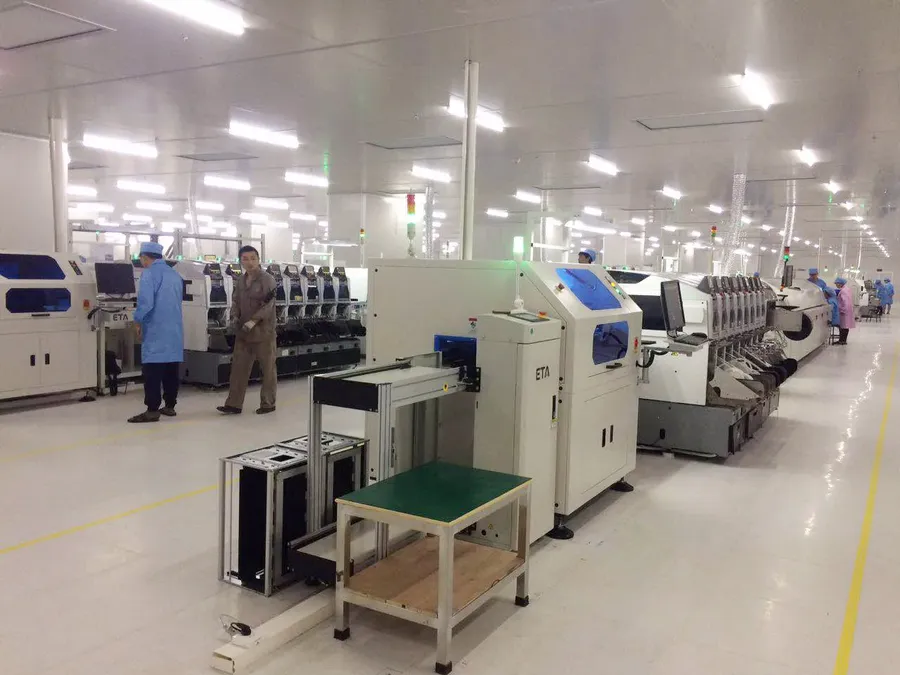
Many PCB manufacturers now offer comprehensive assembly services, streamlining the entire process from fabrication to a fully assembled board. Integrating these services can significantly reduce errors and accelerate project timelines, especially for complex designs.
Choosing a PCB maker that provides both fabrication and assembly services can lead to better communication, fewer logistical headaches, and improved quality control. This approach is particularly beneficial for projects where precision and reliability are critical.
| Service Type | Description | Suitability |
|---|---|---|
| Basic Assembly | Placement of standard components onto a bare PCB; limited component options. | Ideal for simpler boards with common components. |
| Full Turnkey Assembly | Comprehensive service including component procurement, assembly, and testing; offers a wider range of components. | Suitable for complex boards with specialized components; offers full end-to-end support. |
When evaluating PCB assembly services, consider the level of service you require. Basic assembly is sufficient for straightforward projects. However, full turnkey services are often more suitable for more intricate PCB designs.
PCB makers like PCBWay offer comprehensive manufacturing and assembly services, catering to a variety of project complexities. They provide both basic and full turnkey options, making them a good choice for a wide range of needs.
A turnkey PCB assembly service refers to a comprehensive solution where the manufacturer handles all aspects of the PCB assembly process, from sourcing components to final testing. This approach minimizes the customer's involvement and reduces the potential for errors and delays.
A key aspect of PCB assembly is component sourcing. Some manufacturers offer component procurement as part of their assembly service, which simplifies the logistics for the customer. Verify what component procurement options are available, and if you need to supply the components yourself.
The geographic location of your chosen PCB manufacturer significantly impacts project timelines and overall costs. Factors such as shipping distances, import duties, and lead times are directly influenced by the manufacturer's location. Strategically selecting a PCB maker based on geographic factors can optimize both time and budget.
Consider these key geographic factors when making your selection:
The following table provides a basic comparison of typical considerations when evaluating PCB makers based on geographic location:
| Factor | Local PCB Maker | Overseas PCB Maker |
|---|---|---|
| Shipping Costs | Lower | Higher |
| Lead Times | Shorter | Longer |
| Import Duties/Taxes | Minimal/None | Applicable |
| Communication | Easier, direct contact, same time zones | Potentially challenging, time zone differences |
| Prototyping Speed | Generally Faster | Generally Slower |
| Production Cost | May be higher | Typically Lower |
By carefully analyzing these geographic factors, you can choose a PCB maker that best aligns with your project's schedule, budget, and communication requirements. Consider a balanced approach, which may mean leveraging both local and overseas options for different phases of your project.
A crucial aspect of selecting a PCB maker involves a careful evaluation of costs while maintaining the necessary quality and reliability. It's important to understand all associated expenses, from initial setup to the final unit price, to make an informed decision that aligns with both your budgetary constraints and project requirements.
Here's a breakdown of typical cost factors to consider:
While a low price point may be attractive, it's essential to consider the trade-offs with quality. Cheaper PCBs may involve the use of less durable materials, lack rigorous quality controls, or have less precise manufacturing processes. This can lead to board failures and increased long-term costs, which can far outweigh the initial savings. A thorough cost-benefit analysis is vital before making any final decision.
To help you navigate the cost vs quality trade off, here are some key points to consider:
The balance between cost and quality is a critical consideration, it's crucial to prioritize the selection of a PCB maker that can consistently provide reliable boards that meet your project requirements, while remaining within your budget.
This section provides a structured comparison of several popular PCB (Printed Circuit Board) manufacturers. The table below highlights their key strengths, material options, minimum order quantities, and assembly service capabilities. This is designed to help you choose the best fit for your specific project needs, whether you're prototyping or producing at scale.
| PCB Maker | Focus | Strengths | Material Options | Minimum Order | Assembly Services |
|---|---|---|---|---|---|
| JLCPCB | Prototype & Production | Fast turnaround, cost-effective | FR-4, Aluminum | 5 | Yes |
| EasyEDA | Design & Prototype | Free online design tool, integrated PCB ordering | FR-4 | 5 | No |
| PCBWay | Prototype & Production | Wide range of services, flexible PCBs | FR-4, Flex, Aluminum | 5 | Yes |
| CircuitMaker | Free PCB Design | Free software, open-source focus | FR-4 | N/A | No |
| PCB Power | Regional Manufacturer | India based manufacturer, quick domestic delivery | FR-4 | N/A | Yes |
Each of these manufacturers offers a unique combination of services and capabilities. Understanding these differences can be crucial in selecting the most appropriate partner for your PCB fabrication and assembly needs.
Navigating the world of PCB fabrication can raise several questions. This section addresses some of the most common inquiries regarding PCB makers, manufacturing processes, and design considerations, offering practical insights and guidance.
Selecting the right PCB maker is a critical decision that impacts the success of your electronic project. By understanding your project needs, comparing the capabilities of various PCB makers, and focusing on both quality and cost, you can ensure you find the perfect partner for PCB fabrication. Consider partnering with reliable PCB makers like JLCPCB and PCBWay, whose services and experience can ensure your project needs are met.

