Choosing the Right Prototype PCB Assembly Manufacturer
2025.01.15
In today's rapidly evolving tech landscape, the demand for high-quality, fast-turnaround prototype PCB assembly is paramount for both startups and established companies. Selecting the right prototype pcb assembly manufacturer can significantly impact your project timeline, budget, and ultimately, the success of your product. This article delves into the critical aspects to consider when choosing a manufacturer, helping you navigate the complexities of PCB prototyping to bring your innovative ideas to life.
Understanding Your PCB Assembly Needs
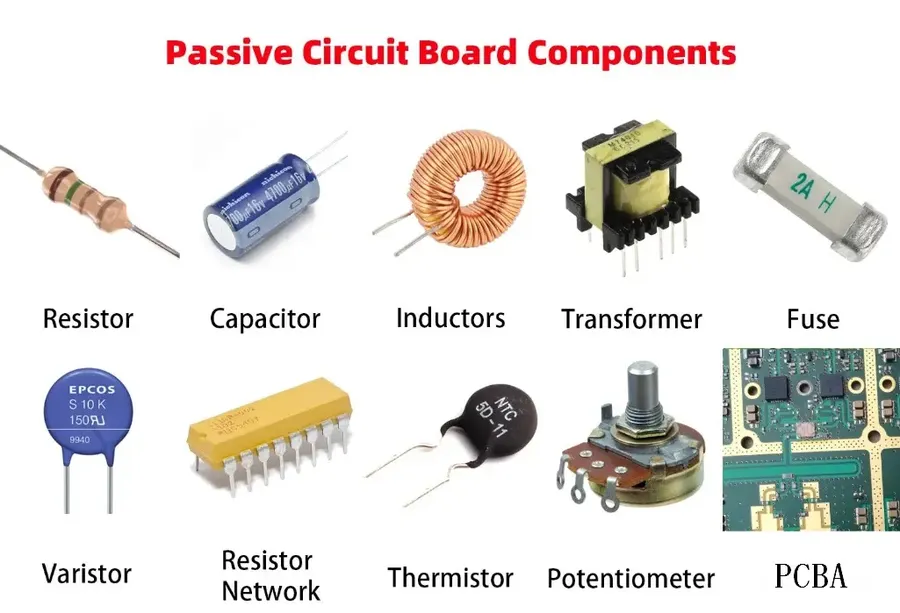
Assembled PCB Components
Before engaging a prototype PCB assembly manufacturer, a rigorous understanding of your project's specific requirements is crucial. This foundational step ensures that the selected manufacturer can accurately and effectively fulfill your prototyping needs, minimizing potential delays and cost overruns.
Key aspects to consider include:
Board Complexity Assess the intricacy of your PCB design, including the number of layers, trace density, and via types. This will directly affect the manufacturing process and the capabilities required of the assembly manufacturer. More complex boards often demand more advanced equipment and processes, influencing both cost and lead time.
Project Volume Determine the number of prototype PCBs needed. Prototyping needs often involve small quantities, but this number will impact pricing and delivery times. Some manufacturers specialize in very low volume, fast turn prototypes, while others focus on larger quantities.
Component Types and Mounting Technologies Clearly identify the types of components that will be used (e.g., Surface Mount Technology (SMT), through-hole, Ball Grid Array (BGA), fine-pitch components). Each type has different manufacturing requirements that are necessary for reliable and accurate assembly. Make sure your manufacturer is capable of assembling your specific components.
Testing Requirements Outline what kind of testing will be required for your prototype assemblies. This includes electrical tests (like continuity and impedance), functional testing, and even environmental testing (temperature cycling, vibration). Clarifying testing requirements ensures that the manufacturer can offer services to verify the integrity and performance of your assembled boards.
Special Materials or Finishes Specify any particular materials or finishes that your design requires. Examples include specific substrate materials, solder mask color, or surface finishes (e.g., ENIG, HASL). Confirm that the manufacturer has experience handling any unique materials or processes required by your design.
Key Factors When Selecting a Prototype PCB Assembly Manufacturer
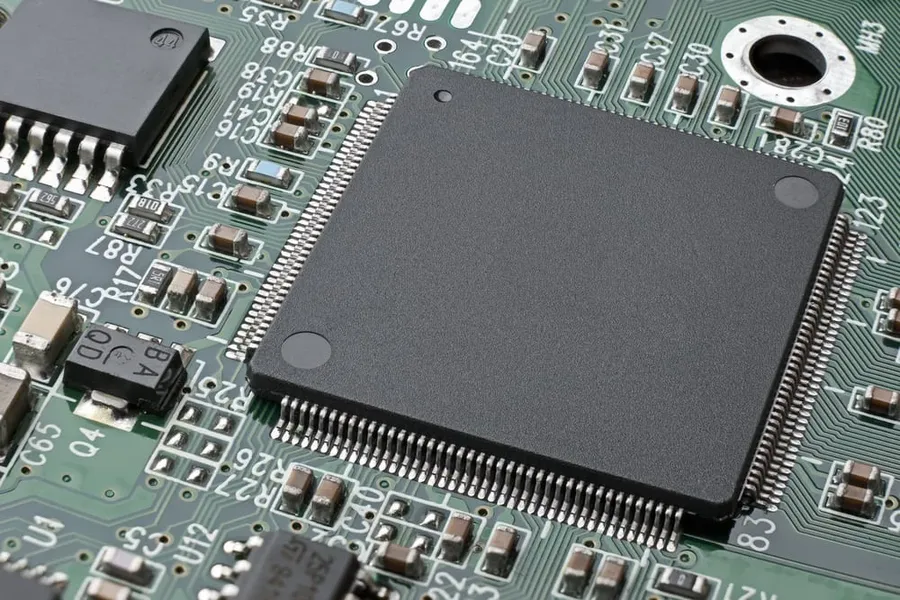
Surface Mount Components
Selecting the right prototype PCB assembly manufacturer is crucial for ensuring the success of your electronics project. Several key factors must be carefully evaluated to make an informed decision. These factors encompass not only the immediate costs but also the long-term implications on the quality, speed, and reliability of your prototype.
Pricing and Cost Structure Cost is always a critical consideration. Evaluate the total cost, including setup fees, per-unit pricing, and any additional charges for expedited services or special requirements. A detailed breakdown of costs is vital to avoid unexpected expenses. Consider not just the upfront cost, but the cost relative to the quality and service provided.
Turnaround Time The speed at which the manufacturer can complete the assembly is vital. Project timelines are often stringent, and delays can ripple through downstream processes. Assess the manufacturer's typical turnaround time for prototype orders, and inquire about options for expedited service if needed. Factor in any required lead time for component procurement.
Quality Standards and Certifications The quality of the assembly is paramount. Look for manufacturers who adhere to recognized quality standards like ISO 9001. Certifications like UL listing can be additional reassurance of their commitment to high standards. Always review their quality control processes to ensure they meet your specific needs and consider independent quality verification if available.
Materials and Component Sourcing The quality of the finished PCB depends heavily on the materials used and the components sourced. Confirm that the manufacturer uses high-quality materials and has a reliable supply chain for electronic components. Ask about the types of materials they use, and their processes for ensuring component authenticity.
Communication Processes Effective communication is crucial for a smooth manufacturing process. Choose a manufacturer that is responsive, offers clear channels of communication, and provides technical support when needed. Ease of communication can save time and mitigate the risk of misunderstandings or errors. Evaluate how quickly they respond to inquiries and the availability of technical staff.
Assembly Capabilities and Technology Consider the manufacturer's assembly capabilities, including their technology and machinery. Assess whether they can handle the complexity of your PCB and the specific component types required (SMT, through-hole, etc.). Do they have up to date equipment to ensure precision and efficiency?
Minimum Order Quantity (MOQ) Prototype PCB assembly often involves small quantities. Check the manufacturer's minimum order quantity to ensure they can accommodate your project. High MOQs can lead to excess inventory and unnecessary costs for prototype runs. If you're uncertain about future production volume, a lower MOQ option provides the flexibility you need
Rapid Turnaround vs. Cost-Effectiveness in Prototype PCB Assembly
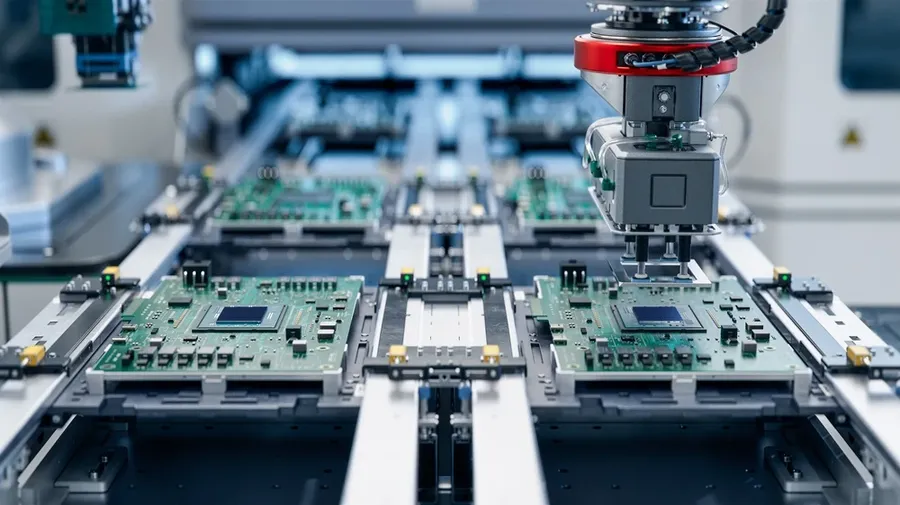
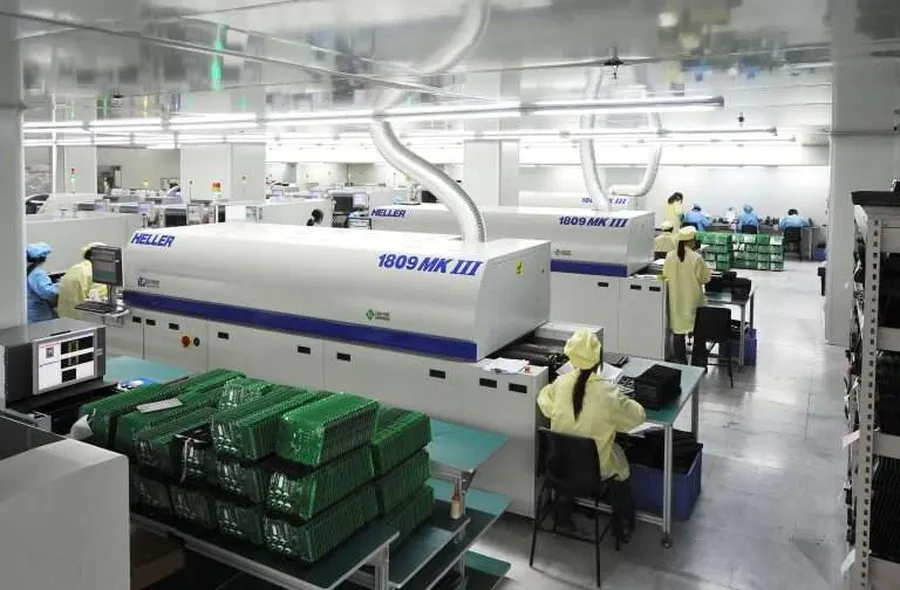
PCB Assembly Line
The selection of a prototype PCB assembly manufacturer often involves navigating the crucial trade-off between rapid turnaround time and cost-effectiveness. While a fast prototype may accelerate product development, it often comes with a higher price tag. Conversely, a more budget-friendly option might extend the project timeline. Understanding this dynamic is key to selecting a manufacturer that aligns with the specific needs of the project.
This section delves into analyzing the core differences between prioritizing speed and cost, providing a balanced view to help determine the optimal solution for your specific project requirements. This analysis includes evaluating your budget, project timelines, and the urgency of your prototype needs. Making an informed decision on this tradeoff requires clear priorities.
It is essential to recognize that the 'best' choice is highly context-dependent. A startup racing against a deadline may prioritize rapid turnaround, even if it means higher costs, while an established company testing a new concept may have more flexibility in scheduling, which allows them to optimize their budget. The following will explore the implications of each approach.
Rapid Turnaround Prioritization: Opting for a manufacturer that prioritizes speed often results in faster time-to-market and reduced development cycles. This approach is beneficial for projects with strict deadlines or when iterating quickly based on feedback. The cost is usually higher to accommodate the need for faster material sourcing and dedicated production resources. This requires agile production processes and may include expedited shipping methods that contribute to the total expenditure.
Cost-Effectiveness Focus: Selecting a manufacturer with a focus on cost-effectiveness means optimizing budgets at the expense of turnaround time. This can be achieved by using standard materials, scheduling production during off-peak periods, and consolidating orders. This approach is ideal for projects that have a more flexible timeline and allow for cost efficiencies with less stringent delivery timelines. Cost savings typically arise from economies of scale and optimized scheduling.
Finding the Balance: The key to effectively managing this trade-off is aligning project needs with manufacturer capabilities. Assess the importance of rapid iterations, potential market impact, budget constraints, and the total lead time. This strategic approach might involve negotiating terms or seeking manufacturers that offer a middle ground with moderately paced production times and optimized pricing strategies.
Factor
Rapid Turnaround Focus
Cost-Effectiveness Focus
Turnaround Time
Faster, potentially within days
Slower, potentially weeks
Cost
Higher due to expedited processes
Lower due to optimized processes
Project Urgency
Critical, short development cycles
Flexible, longer timelines
Ideal For
Time-sensitive projects, agile development
Budget-constrained projects, long-term planning
Quality Assurance and Certification for Prototype PCB Assembly
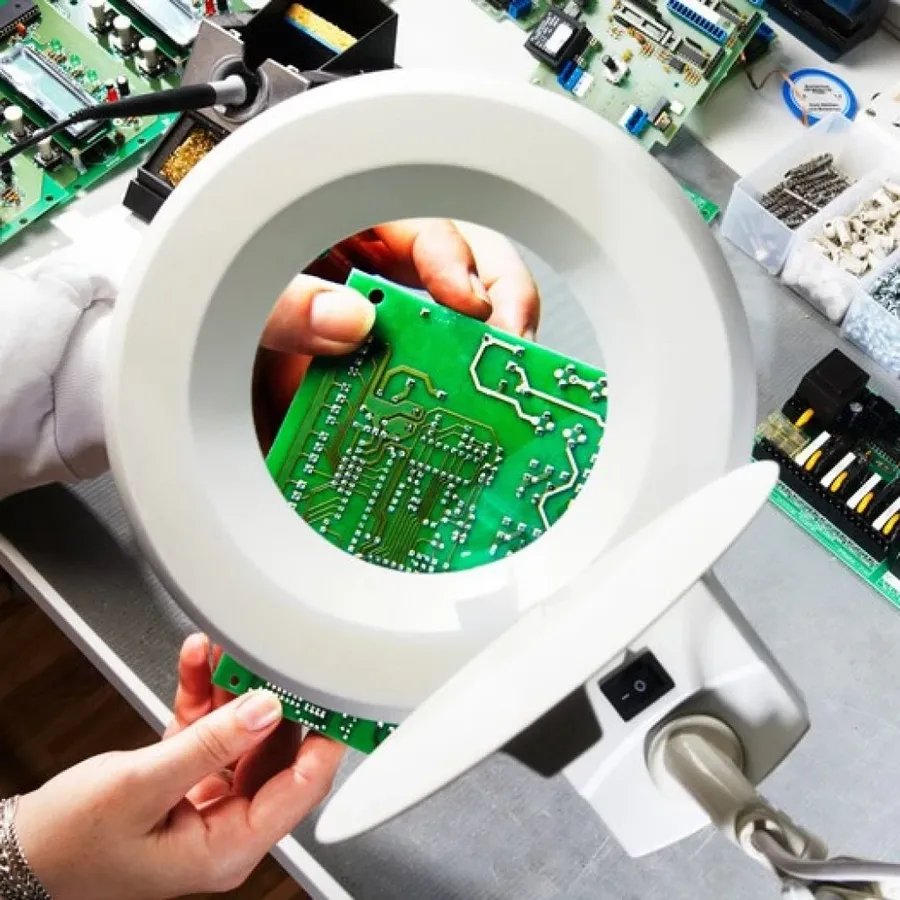
PCB Inspection
Ensuring the quality of a prototype PCB assembly is paramount, and this hinges significantly on the manufacturer's commitment to quality assurance and adherence to industry certifications. These elements provide a concrete framework for assessing a manufacturer's capabilities and reliability in delivering high-quality prototype boards.
Certifications such as ISO 9001, which is the international standard for quality management systems, and UL certifications, which indicate product safety, serve as critical benchmarks. Furthermore, examining a manufacturer's quality control processes is essential to gauge the extent of their quality measures.
ISO 9001 Certification Indicates that the manufacturer has a well-defined quality management system that follows international standards. Look for manufacturers that are certified by an accredited certification body. This is essential for demonstrating their consistency and commitment to quality in their manufacturing processes.
UL Certification Demonstrates that the PCB assemblies meet specific safety requirements for their intended application. This is particularly important for products intended for use in regulated industries or high-risk environments. Look for the UL mark of the specific PCB assembly to ensure safety compliance.
Quality Control Processes Examine the manufacturers' process for quality assurance, which could include automated optical inspection (AOI), in-circuit testing (ICT), and X-ray inspection. Understanding these processes will help you evaluate how rigorously the manufacturer checks for defects or anomalies.
Customer References and Testimonials Requesting references from past customers and reviewing testimonials will provide insights into the quality of the manufacturer's products and services. Pay attention to any reports of issues, delivery delays, or inconsistency from client feedback.
Material Traceability It is crucial to ensure that the manufacturer maintains a system for tracing the materials used in the PCB assembly. This allows for identification of the source and manufacturing batch of each component. Knowing this information can help in assessing the quality of the materials used and addressing any issues associated with the material.
In-House Assembly vs. Outsourcing
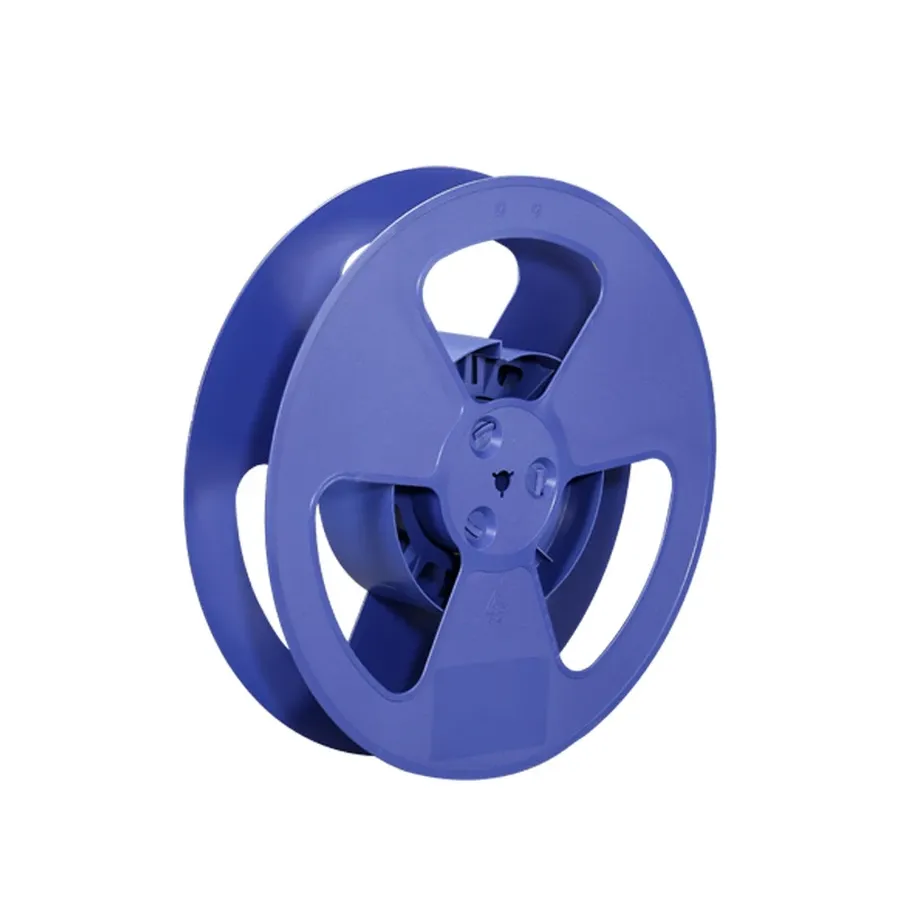
SMT Component Reels
The decision to choose a prototype PCB assembly manufacturer that performs all processes in-house versus one that outsources some processes is crucial. An end-to-end manufacturer has the advantage of greater control over the entire process, while outsourcing can sometimes be more cost-effective or provide specialized services. However, careful consideration must be given to the potential impacts on quality, lead time, and communication when selecting a manufacturer.
Feature
In-House Assembly
Outsourced Assembly
Control Over Process
Direct, full control over all stages
Less direct control, reliance on third party
Quality Assurance
Potentially higher with direct oversight
May vary depending on outsourcing partner
Lead Time
Potentially faster with streamlined process
May be longer due to third-party coordination
Cost
Potentially higher due to infrastructure costs
Potentially lower due to specialized external vendors.
Communication
Easier, direct contact with the entire process.
May involve multiple communication channels
Flexibility and Customization
Greater flexibility for customizations and quick adjustments
May be limited to the capabilities of the chosen external partners
The choice between in-house and outsourced assembly depends on project specific requirements. In house assembly can lead to better oversight, quality and potentially faster turn around times. Outsourcing can lead to cost savings and access to specialized services. Evaluating your specific prototype PCB assembly needs should be the main driver for this decision.
Geographical Considerations: USA vs. Overseas Manufacturers
PCB Factory
The selection of a prototype PCB assembly manufacturer is significantly influenced by geographical location, primarily the choice between domestic (USA) and overseas options. This decision hinges on balancing cost, turnaround time, communication ease, and quality expectations. Both options present distinct advantages and disadvantages that must be carefully considered based on project requirements.
Factor
USA Manufacturers
Overseas Manufacturers
Cost
Generally higher due to labor and overhead costs.
Often lower due to reduced labor and operational expenses.
Turnaround Time
Potentially faster for small prototype runs and expedited services. Shipping times are significantly reduced for domestic customers
Longer lead times due to international shipping and potential customs delays.
Communication
Easier communication due to proximity, similar time zones, and potentially the same language.
Challenges in communication due to time zone differences, language barriers, and cultural differences.
Quality Control
Generally adheres to stringent US standards, with easier access for on-site audits and quality checks.
Quality standards can vary, requires careful vetting and monitoring, with more difficulty for on-site audits.
Intellectual Property Protection
Stronger legal framework for protecting intellectual property.
Potential risks of IP infringement due to weaker legal systems in certain regions. May be mitigated by NDAs.
Shipping and Logistics
Simpler shipping process with fewer customs issues and reduced transport time.
More complex shipping and customs procedures with potentially longer and less predictable delivery times.
Choosing a manufacturer in the USA offers benefits like quicker turnaround, especially vital for rapid prototyping. This also mitigates the risks of delays due to shipping and customs issues. Moreover, direct communication and face to face meetings are easily accommodated in the USA, which is beneficial for complex projects with demanding technical requirements. Quality control and adherence to industry standards are typically more consistent, and legal recourse for issues is easier when dealing with domestic manufacturers.
On the other hand, overseas manufacturers often provide significantly lower costs due to reduced labor and overhead. For projects that are not time-sensitive, the longer lead times associated with overseas production may not be problematic. It's imperative to carefully assess the communication practices, intellectual property safeguards, and quality management systems of any overseas manufacturer to mitigate potential issues.
Frequently Asked Questions About Prototype PCB Assembly
This section addresses common questions regarding prototype PCB assembly, providing clear and concise answers to help you navigate the process effectively. Understanding these key questions can help you make informed decisions when selecting a manufacturer.
How much does a PCB prototype cost? The cost of a PCB prototype varies significantly based on complexity, size, materials, and quantity. Simpler, smaller boards with basic components will be less expensive than complex, multilayer designs with advanced components. Prices can range from a few dollars for very basic boards to several hundred or even thousands for highly specialized prototypes. It's always best to request a quote from your selected manufacturer with your specific design files for the most accurate estimate.
Who is the largest PCB manufacturer in the world? While the PCB manufacturing landscape is dynamic and market positions shift, several companies consistently rank among the largest globally. These companies often have extensive production capabilities and serve a wide range of industries. It's advisable to research the specific capabilities and focus of individual manufacturers to find a suitable partner for your specific prototype needs, rather than simply going with the largest by volume.
How much does it cost to get a PCB assembled? The cost for PCB assembly depends on factors such as the number of components, the type of components (SMT vs. through-hole), the complexity of the assembly process, and the order quantity. Assembly costs include the cost of labor, placement of components, solder reflow, and testing. It's often cheaper to have assembly included in the prototype run when considering the total time and resource savings.
How to make a PCB prototype? Creating a PCB prototype involves several key steps, starting with PCB design, which includes schematics and layout using specialized software. Then Gerber files are generated, which are the standard format for manufacturing. Next, you select a manufacturer for fabrication and assembly, provide them with your Gerber files, BOM, and any necessary instructions. The manufacturer then produces your bare board and assembles components based on your specifications.
What are the common factors that affect PCB assembly costs? The most influential factors on PCB assembly costs are the quantity of PCBs ordered, the number of layers in the PCB, the complexity of the design, the number and type of components needed, and any testing requirements. Also, surface finishing of the bare board and special manufacturing requirements can also significantly impact cost.
How can I reduce PCB prototype costs? Several strategies can help reduce PCB prototype costs. Simplifying your design, using standard component packages, minimizing the number of layers, and planning ahead to avoid design changes can all help. Negotiating with different manufacturers, and choosing the right manufacturer for your board can also reduce costs. Furthermore, placing a larger order volume can often reduce the unit cost, if you are confident with your design.
What is the difference between SMT and through-hole component assembly? SMT (Surface Mount Technology) involves mounting components directly onto the surface of the PCB. Through-hole assembly requires components to be inserted through holes in the PCB and then soldered on the opposite side. SMT is typically more suitable for high density boards and offers smaller component sizes. Through-hole is typically used for larger components that require higher mechanical strength.
Comparing Prototype PCB Assembly Manufacturers: A Practical Guide
Selecting the right prototype PCB assembly manufacturer is crucial for a successful project. This section offers a practical comparison of several popular manufacturers, focusing on key decision-making factors like cost, production speed, service quality, and geographical location.
Manufacturer
Price (for prototype)
Turnaround Time (for prototype)
Service Quality
Geographic Location
Production Volume
PCBWay
Competitive
Fast
Good
China
Low to Medium
JLCPCB
Very Competitive
Fast
Good
China
High
Seeed Studio
Moderate
Moderate
Good
China
Medium
Advanced Circuits
Higher
Moderate
Excellent
USA
Low to Medium
Sierra Circuits
High
Moderate
Excellent
USA
Low to Medium
Eurocircuits
Moderate
Moderate to Fast
Excellent
Europe
Low to Medium
This table provides a high-level comparison, but project requirements may vary. It's recommended to obtain direct quotes from each manufacturer for precise pricing and timeline information based on your specific designs, volume needs, and any special component requirements. Consider factors such as shipping costs, required certifications, and communication responsiveness when making your final selection, and choosing an end-to-end prototype PCB manufacturer.
Preparing Your PCB Design Files for Assembly
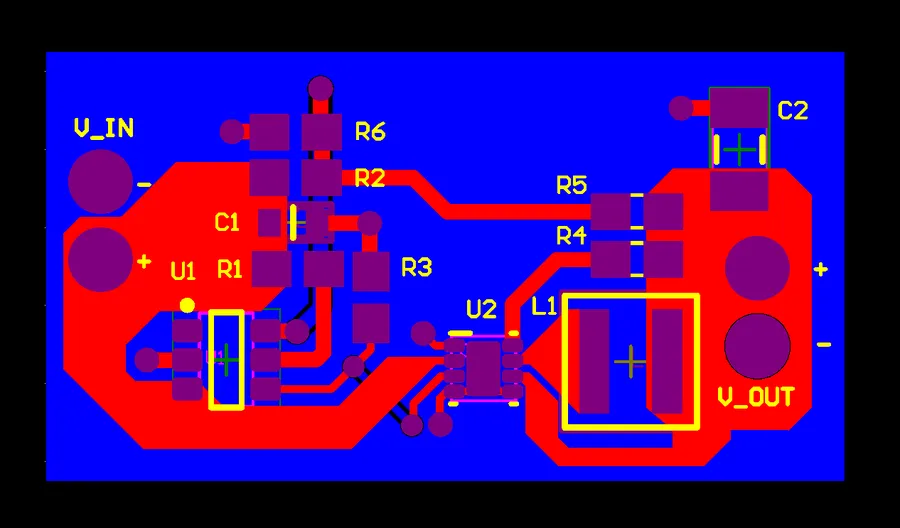
PCB Gerber Files
Ensuring a seamless PCB assembly process hinges on the meticulous preparation of your design files. Providing manufacturers with clear, accurate, and comprehensive documentation is crucial to avoid delays, errors, and additional costs. This involves generating and organizing Gerber files, a Bill of Materials (BOM), and any other relevant instructions or specifications.
Gerber Files Gerber files are the industry-standard format for PCB manufacturing data. They represent each layer of your PCB design (copper, solder mask, silkscreen, etc.). Ensure all layers are included, correctly named, and generated using the correct settings from your EDA (Electronic Design Automation) software. Common files include: GTL (Top Layer), GBL (Bottom Layer), GTS (Top Solder Mask), GBS (Bottom Solder Mask), GTO (Top Overlay/Silkscreen), GBO (Bottom Overlay/Silkscreen), and drill files (TXT or DRD format).
Bill of Materials (BOM) The BOM is a comprehensive list of all components required for your PCB assembly. It should include: Manufacturer part numbers, component descriptions, reference designators (e.g., R1, C2, U3), package types, and quantities. An accurate BOM is vital for the manufacturer to procure the correct parts. It is best practice to double-check all parts match up to the gerber files.
Centroid File (Pick and Place File) This file, sometimes called a pick and place file, provides the X and Y coordinates, rotation, and layer of each component on your PCB. It is crucial for automated assembly machines to accurately place components on the board. Ensure the unit of measure (mm or inch) aligns with the gerber file and that all components in the BOM are represented in the file.
Assembly Drawings and Instructions Provide clear assembly drawings, including component locations, orientations, and any specific instructions or considerations. This is particularly important for through-hole components, polarized parts, and any manual assembly processes required. Include any special notes or specifications for how the board should be manufactured, such as impedance control, or solder requirements.
Other Relevant Documentation If your design has specific requirements, such as panelization instructions, material specifications, or special testing requirements, be sure to include them. Clear and comprehensive documentation minimizes the risk of errors, reduces delays, and ensures your prototype PCB assembly meets your precise specifications. It is also recommended to include datasheets for unusual components or parts that could be misidentified.
Future Trends in PCB Prototype Assembly
The PCB prototype assembly landscape is continually evolving, driven by advancements in materials, techniques, and processes. Understanding these emerging trends is crucial for making informed decisions about selecting a prototype PCB assembly manufacturer, ensuring your designs leverage the most recent innovations and are optimized for future scalability.
Advanced Materials The development of new materials like flexible substrates, thermally conductive materials, and low-loss dielectrics is reshaping PCB design. These materials enable more compact, robust, and high-performance electronic devices, influencing manufacturer capabilities and equipment requirements.
Miniaturization and High-Density Interconnect (HDI) As devices become smaller and more powerful, HDI technology is becoming increasingly important. This includes finer traces, smaller vias, and micro-component assembly. Manufacturers need advanced equipment and precise processes to handle these complexities, impacting cost and turnaround times.
Automation and AI Integration Automated assembly processes driven by AI and machine learning are poised to increase efficiency, reduce errors, and improve quality control. Manufacturers adopting these technologies can offer faster turnaround times and more competitive pricing.
Sustainable and Eco-Friendly Practices Growing environmental awareness is pushing manufacturers towards more sustainable practices, such as using lead-free soldering, reducing waste, and adopting recyclable materials. This can affect materials used, manufacturing processes and the cost of PCB assembly.
Embedded Components Embedding passive and active components within the PCB substrate itself is another future trend. This reduces board size, improves electrical performance, and provides a more streamlined design but requires specialized equipment.
Choosing the right prototype PCB assembly manufacturer is a critical decision that directly impacts your project's success. By thoroughly evaluating your needs, carefully considering factors like cost, turnaround time, and quality, and utilizing a practical approach like creating a comparison table you can select the prototype pcb assembly manufacturer that best aligns with your specific requirements. Remember, partnering with a reliable and experienced manufacturer is key to transforming your innovative concepts into successful real-world products. By keeping up to date with changes and trends in the market and considering emerging technologies, you can be better equipped to adapt and make the best choices now and in the future.