Choosing the Right TTM PCB Manufacturer: A Comprehensive Guide
2025.01.07
In the intricate world of electronics, Printed Circuit Boards (PCBs) form the backbone of nearly every device we use. Selecting the right manufacturer is paramount for ensuring product performance and reliability. TTM, a global leader in PCB manufacturing, plays a critical role in this ecosystem. This article will explore TTM's PCB manufacturing strengths and guide you through selecting the best TTM PCB manufacturer for your specific requirements, linking social and industrial needs with advanced technology.
TTM Technologies: An Overview of a Leading PCB Manufacturer
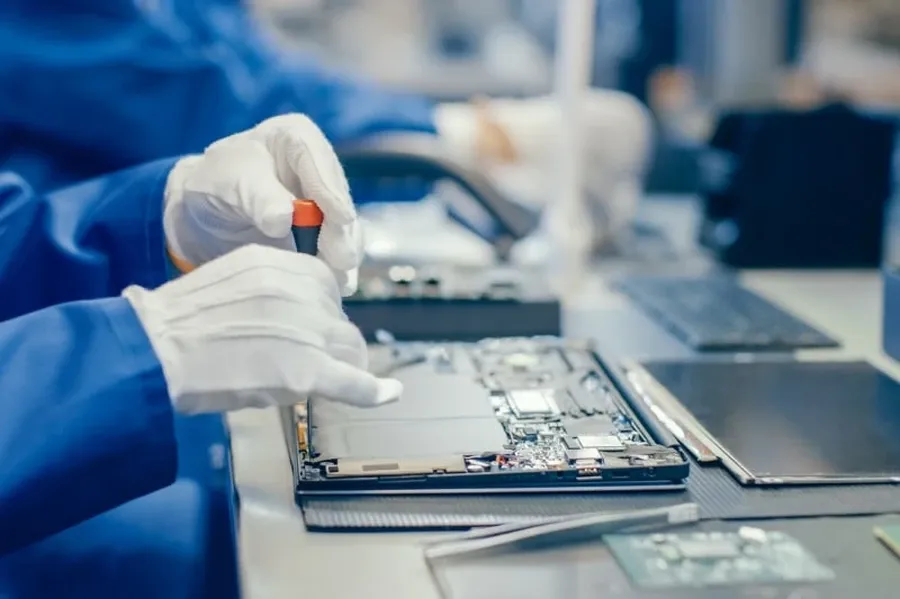
TTM PCB Product Showcase
TTM Technologies stands as a major global force in the printed circuit board (PCB) manufacturing sector. With a rich history spanning decades, TTM has established itself as a leader in providing advanced PCB solutions, demonstrating a significant scale and impact on the industry. The company's operations encompass a broad spectrum of PCB technologies, catering to diverse needs across numerous industries.
TTM Technologies' global presence is a key aspect of its leadership. The company operates numerous manufacturing facilities worldwide, strategically located to serve its international customer base efficiently. This global reach allows TTM to provide timely and effective solutions, maintaining its position as a crucial partner in the supply chains of various high-tech sectors.
TTM Technologies stands as a prominent PCB manufacturer, offering a comprehensive range of manufacturing capabilities that span from standard to advanced technologies. Their expertise covers a diverse spectrum of PCB types, manufacturing processes, and material applications, solidifying their role as a leader in the industry. TTM's manufacturing prowess is characterized by its capacity to handle both high-volume production and specialized, technically intricate boards.
Standard PCBs TTM produces a variety of standard PCBs, which includes single-layer, double-layer, and multi-layer boards. These PCBs are the backbone of many electronic devices and are manufactured with robust quality and reliability.
High-Density Interconnect (HDI) PCBs TTM excels in manufacturing HDI PCBs, which are characterized by finer lines, microvias, and higher connection densities. These boards are essential for compact and high-performance devices, featuring advanced layering and microvia technology.
Advanced Materials TTM utilizes a broad range of materials including FR-4, polyimide, and specialized high-speed laminates, enabling them to meet specific application requirements for mechanical and thermal performance.
Manufacturing Processes TTM's manufacturing processes include precision drilling, etching, plating, and automated optical inspection (AOI). These processes ensure high accuracy, consistency and compliance with the most demanding specifications.
Manufacturing Capacity TTM has a substantial global manufacturing footprint that allows them to achieve high volume production and also maintain flexibility for custom prototypes. They have the equipment and resources to handle a wide spectrum of production requirements.
TTM's Expertise in Specific PCB Technologies
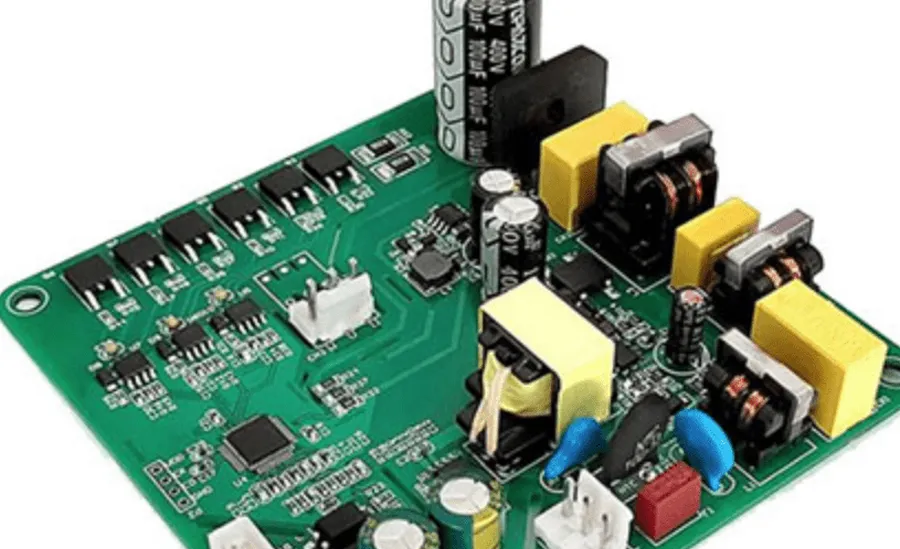
High-Frequency PCB
TTM Technologies distinguishes itself through specialized expertise in several advanced PCB technologies, catering to industries with demanding performance requirements. Their proficiency extends beyond standard PCB fabrication to include intricate designs and materials necessary for high-reliability applications.
RF and Microwave PCBs TTM excels in the design and manufacturing of Radio Frequency (RF) and microwave PCBs. These PCBs are crucial for applications in wireless communication, radar systems, and satellite technology. TTM's capabilities include controlled impedance routing, low-loss materials, and precise fabrication tolerances necessary for optimal signal integrity at high frequencies.
Ultra-High Density Interconnect (UHDI) Boards TTM's expertise in UHDI boards addresses the growing demand for miniaturized and high-performance electronics. UHDI technology enables the creation of very fine lines and spaces, microvias, and stacked vias, resulting in higher component density within a smaller footprint. This technology is essential for devices with space constraints, such as mobile phones and portable medical devices.
Backplane Assemblies TTM manufactures high-reliability backplane assemblies, integral components of large-scale systems in sectors such as telecommunications, data centers, and aerospace. These assemblies provide robust interconnection for multiple circuit boards and must have excellent signal integrity and mechanical stability. TTM's expertise encompasses large-format fabrication, precision machining, and stringent quality control to ensure these high-performance backplanes meet demanding application needs.
These specialized PCB technologies are particularly critical in industries such as aerospace, defense, and telecommunications, where reliability and performance are paramount. TTM’s proficiency allows them to provide high-quality solutions tailored to these sectors' specific challenges.
Factors to Consider When Choosing a TTM PCB Manufacturer
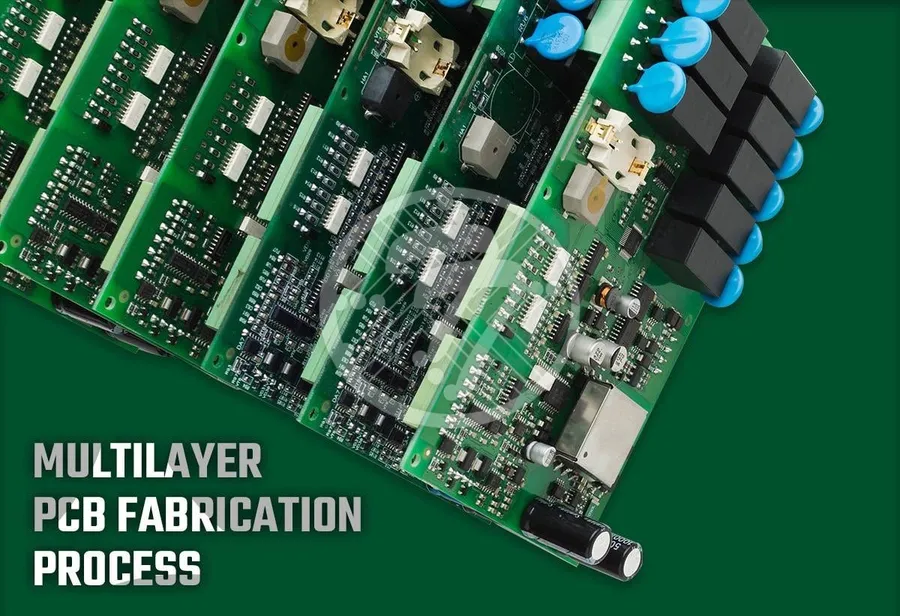
Multi-layer PCB
Selecting the right TTM PCB manufacturer requires a careful evaluation of several key factors to ensure a successful partnership. These factors span cost, lead times, adherence to quality standards, and the responsiveness of customer service. A comprehensive assessment in these areas will align your needs with the capabilities of the manufacturer.
Factor
Description
Importance
Cost
The overall expense of PCB manufacturing, including materials, labor, and any additional charges.
Budgetary alignment and cost-effectiveness are critical for project feasibility.
Lead Times
The time required from order placement to the delivery of finished PCBs.
Timely delivery impacts production schedules and time-to-market.
Quality Certifications
Verification of adherence to industry quality standards such as ISO 9001, AS9100, or IATF 16949.
Ensures the PCB manufacturing process and output meet rigorous standards.
Customer Service
The level of support and communication provided by the manufacturer before, during, and after production.
Effective communication and responsiveness resolve potential issues quickly and efficiently.
Manufacturing Capabilities
The range of PCBs the manufacturer can produce, including technologies such as HDI, RF, and flexible circuits.
Ensures the manufacturer has the necessary expertise for your specific requirements.
Technological Expertise
The manufacturer's proficiency in advanced PCB manufacturing techniques and materials.
Ensures the manufacturer can handle the complexities of your design requirements.
Prototyping Services
The ability of the manufacturer to provide quick-turnaround prototyping services.
Crucial for testing and design validation in a time-sensitive manner.
Geographic Location
The location of manufacturing facilities impacts supply chains, logistics, and potential import/export requirements.
Location influences delivery times and costs.
TTM PCB Design Guidelines and Best Practices
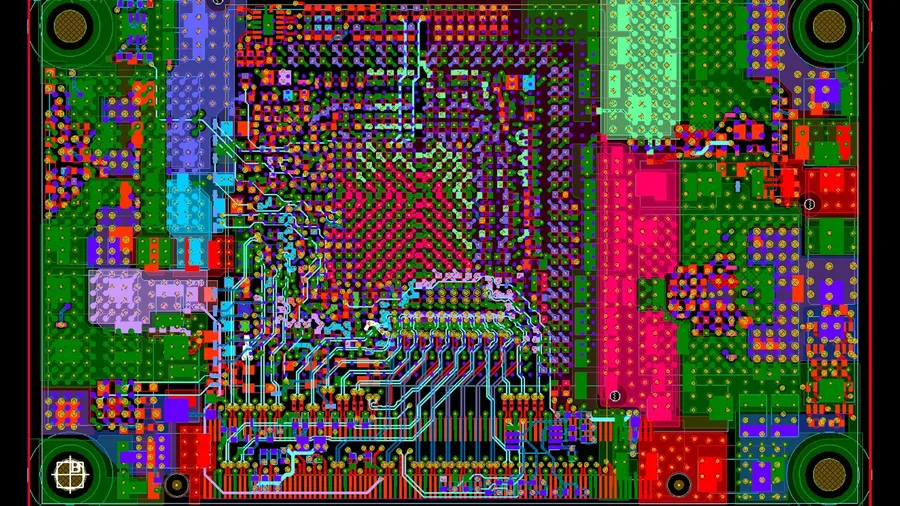
PCB Design Software
Effective PCB design is crucial for ensuring manufacturability, performance, and reliability. TTM, as a leading PCB manufacturer, emphasizes adherence to specific design guidelines and best practices to optimize the production process and the final product's quality, especially when dealing with complex boards.
Design for Manufacturability (DFM) DFM is a key consideration to minimize production issues. This involves careful selection of component footprints, trace routing, via placement, and the overall layout to ensure TTM's manufacturing equipment can reliably and efficiently produce the PCBs. Attention to DFM principles reduces rework, accelerates production time, and improves yield rates.
Layer Stack-Up Optimization The arrangement of layers in a PCB is critical, especially in high-speed applications. TTM's guidelines recommend a well-balanced stack-up that minimizes signal integrity issues and impedance mismatches. This involves carefully planning the copper weight, dielectric materials, and layer thickness to achieve optimal electrical performance.
Impedance Control For high-speed digital and RF applications, impedance control is essential. TTM's guidelines specify the requirements for trace width, spacing, and layer stack to maintain the desired impedance levels, thus preventing signal reflections and ensuring signal integrity, reducing signal loss and improving overall performance.
Thermal Management Proper thermal management is vital to ensure long-term reliability, especially in high power applications. TTM's best practices involve planning for efficient heat dissipation by incorporating thermal vias, heat sinks, and strategically using copper planes to remove heat generated during operation.
Via Design Vias are key to connecting different layers but can also affect impedance and signal integrity. TTM's design guidelines provide recommendations for selecting appropriate via sizes, types, and placements to reduce signal discontinuities, and avoid problems like signal reflection.
Component Placement Optimal component placement is crucial to reduce signal coupling, minimize electrical noise, and ensure thermal efficiency. TTM's guidelines recommend placing components strategically on the board to optimize signal paths, and enhance manufacturability and reliability. Special attention must be paid to the location of critical components such as high-frequency signal traces, and power devices.
Material Selection Selecting the correct materials is essential for achieving the desired electrical and mechanical properties of the PCB. TTM's guidelines emphasize choosing materials that align with the intended application, considering factors such as dielectric constant, loss tangent, and thermal expansion. This ensures long-term reliability and optimal performance across varying operational conditions.
Frequently Asked Questions About TTM PCB Manufacturing
This section addresses common questions regarding TTM's PCB manufacturing capabilities, providing clarity on their services, locations, and operational aspects.
What specific industries does TTM serve with its PCB manufacturing? TTM Technologies serves a broad range of industries, including but not limited to, aerospace and defense, automotive, telecommunications, networking, and medical devices. Their PCBs are designed to meet the specific needs and rigorous demands of these sectors, which often require high-reliability and high-performance solutions.
Where are TTM's major PCB manufacturing facilities located globally? TTM operates manufacturing facilities across North America, Asia, and Europe. Specific locations include various sites in the United States, China, and other countries. This widespread network enables TTM to serve a global customer base and provide manufacturing redundancy.
What are TTM's capabilities in rapid prototyping for PCB design? TTM offers rapid prototyping services, allowing for quick design iterations and testing. Their advanced manufacturing processes and experienced teams ensure prototypes are produced efficiently and effectively, helping customers move from concept to product more quickly.
What is the typical lead time for TTM's PCB production? Lead times for TTM production can vary depending on the complexity of the PCB, order volume, and current capacity. Generally, standard PCBs have shorter lead times, while more complex boards or large quantities require more time. TTM works closely with customers to establish realistic production schedules, and can offer expedited services on a case-by-case basis.
What quality certifications does TTM hold for its PCB manufacturing processes? TTM holds several internationally recognized quality certifications, including ISO 9001, AS9100 (for aerospace), and other specific industry certifications depending on the production location and application. These certifications ensure that TTM adheres to rigorous quality standards across all its manufacturing processes, ensuring reliability and performance of their PCBs.
Does TTM offer PCB design support in addition to manufacturing? Yes, TTM provides comprehensive design support services to assist customers in optimizing their PCB designs for manufacturability and performance. These services include design for manufacturing (DFM) reviews, signal integrity analysis, and material selection advice, which is critical for ensuring the success of complex and high-performance PCBs.
Can TTM handle large-scale production volumes for PCB orders? TTM has the capacity and infrastructure to handle both small prototype runs and large-scale production volumes. Their facilities are equipped with state-of-the-art manufacturing equipment, allowing them to efficiently process large orders without compromising quality or lead times. They provide options for managing different scales of production.
TTM Technologies vs. Other PCB Manufacturers: A Comparison
A comparative analysis is essential when selecting a PCB manufacturer. While TTM Technologies is a significant player, understanding how it stacks up against other major PCB manufacturers regarding technology, market share, and industry specializations can significantly inform your decision-making process. This section provides a comparative overview to help navigate these choices.
Feature
TTM Technologies
Manufacturer A
Manufacturer B
Manufacturer C
Technology Focus
HDI, RF/Microwave, Backplanes, Advanced Packaging
High-volume, Automotive PCBs
Flex PCBs, Medical Devices
Aerospace, High-Reliability PCBs
Market Share
Leading global provider
Large market share in Asia
Strong in European market
Focused on niche markets
Key Industry Strengths
Aerospace, Defense, Networking, Data Center
Automotive, Consumer Electronics
Medical, Wearable Tech
High-reliability applications, Space
Geographic Reach
Global Manufacturing Footprint
Primarily Asia
Europe and North America
North America
Specific Expertise
Complex HDI and RF Solutions
High-volume PCB Assembly
Flexible and Rigid-Flex PCBs
High-Reliability and Military Standards
R&D Investment
Significant investment in advanced technology and materials
Focused on cost reduction and efficiency
Innovation in flexible and wearable tech
Dedicated to high-reliability standards
The Future of PCB Manufacturing at TTM
Future PCB Technology
TTM Technologies is actively shaping the future of PCB manufacturing by focusing on emerging trends and investing heavily in research and development. This forward-thinking approach ensures they remain at the forefront of technological advancements, addressing the increasing demands for more complex, efficient, and sustainable circuit board solutions.
Advanced Materials Research TTM is exploring new materials with enhanced electrical and thermal properties to meet the needs of high-performance applications. These materials include advanced laminates, low-loss dielectrics, and novel conductive materials.
Miniaturization Technologies Driven by the need for smaller, more compact devices, TTM is investing in technologies that enable finer lines, smaller vias, and higher component densities. This includes research in micro-via technology and advanced packaging solutions.
Sustainable Manufacturing Practices Recognizing the growing importance of environmental responsibility, TTM is focusing on sustainable manufacturing processes. This includes reducing water usage, minimizing waste, and using eco-friendly materials.
Digitalization and Automation TTM is leveraging digital technologies to optimize its manufacturing processes. This includes incorporating automation, AI-powered quality control systems, and real-time data analysis to improve efficiency, reduce costs, and enhance production quality.
Integration with Advanced Technologies TTM is working to integrate PCB manufacturing with emerging technologies, such as 5G, artificial intelligence, and the Internet of Things (IoT). This involves developing specialized PCBs with enhanced performance and features for these application areas.
R&D Investments in Emerging Technologies TTM's R&D efforts include exploring technologies like embedded components, 3D printing for PCBs, and flexible electronics. These technologies have the potential to revolutionize the design and manufacturing of printed circuit boards.
In conclusion, TTM stands as a pivotal force in the advanced PCB manufacturing landscape, offering a broad spectrum of technologies and serving critical industries across the globe. When selecting a TTM PCB manufacturer, consider factors like specific technology needs, design requirements, lead times, and quality standards. Partnering with TTM ensures that your products benefit from the highest levels of PCB manufacturing expertise, guaranteeing performance and reliability that drives the technological progress of our society, and TTM PCB manufacturer remains at the forefront of such advancements.