Comprehensive Guide to Electricity Board Design: Principles and Practices
2025.01.23
The intricate dance of electricity in our modern lives relies heavily on the unsung hero: the electricity board. From the simple switch in your home to the complex control systems in industrial plants, the design of these boards is paramount for safety and efficient operation. This article will shed light on the core concepts of electricity board design, bridging the gap between everyday electrical systems and the engineering principles behind them, providing clear guidance for those interested in understanding or creating better systems.
Understanding the Fundamentals of Electricity Boards
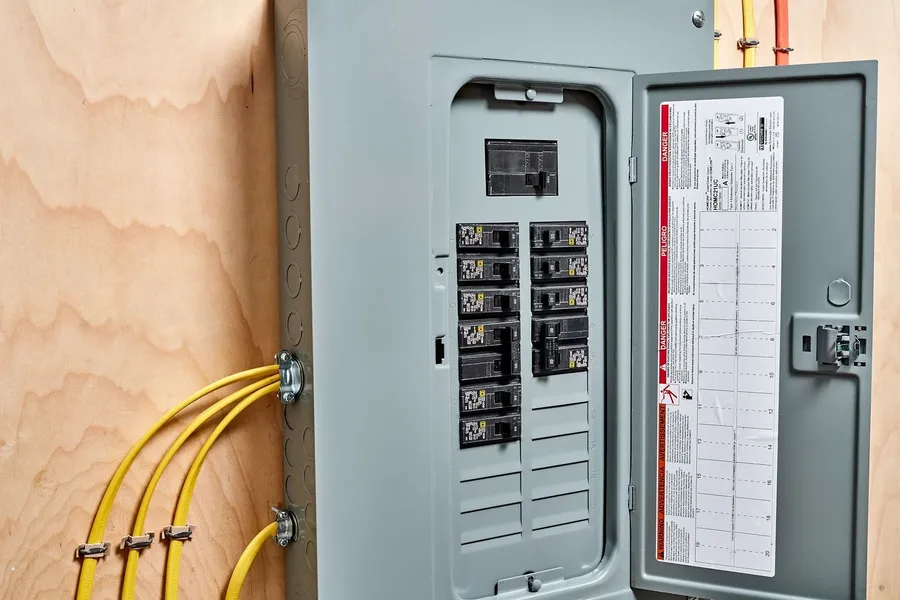
Home electrical panel
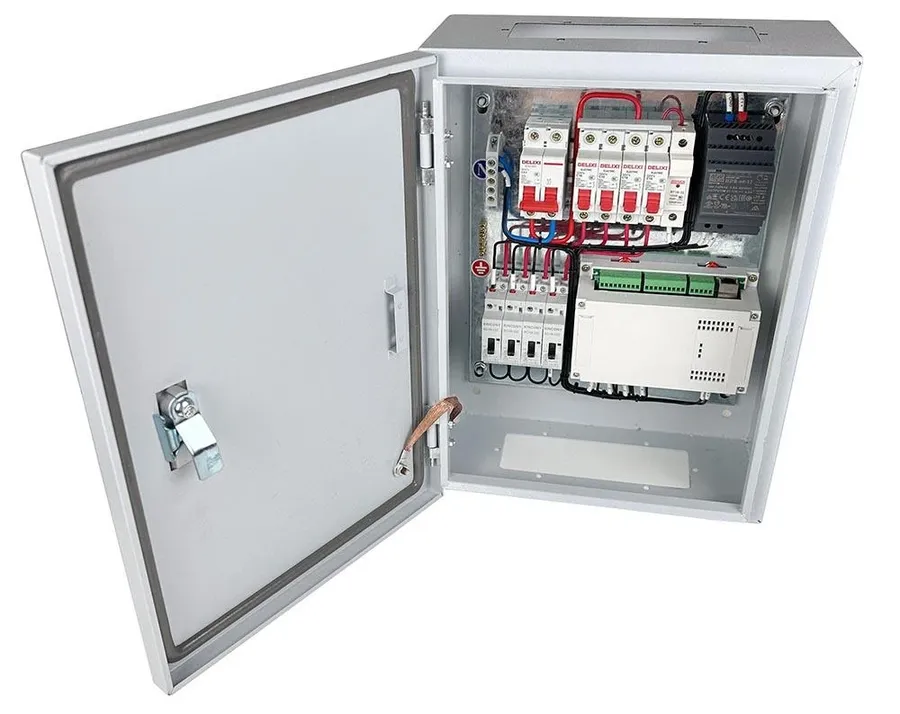
An electricity board, also known as a distribution board or switchboard, is the central control point in an electrical system. Its primary purpose is to safely and efficiently distribute electrical power from the utility supply to various circuits within a building or facility. It houses protective devices, switching mechanisms, and wiring terminations to ensure reliable and secure electrical distribution.
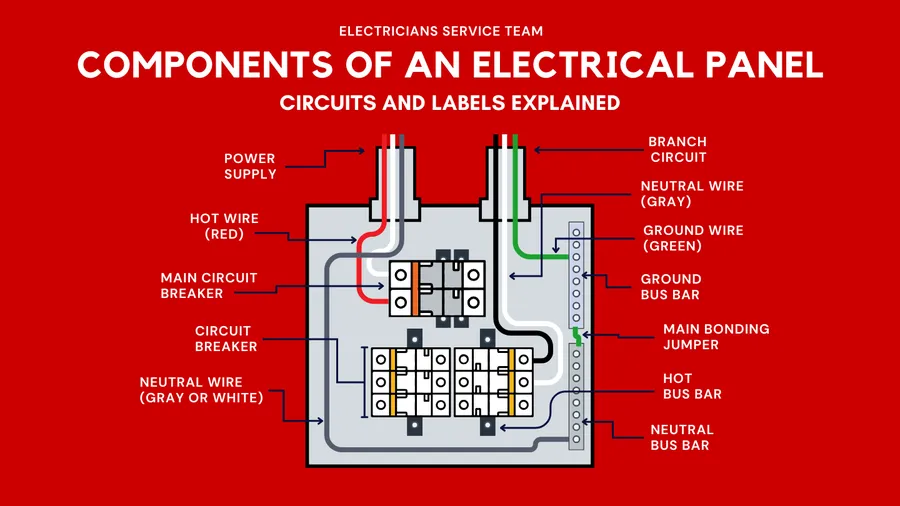
At the heart of an electricity board lies a network of essential components: circuit breakers that safeguard against overloads and short circuits; switches for manual circuit control; and meticulously arranged wiring for power distribution. These boards play a critical role in managing electricity flow in diverse settings, from residences to bustling commercial centers. The system often relies on either single-phase power, commonly used in residential applications, or three-phase power, which is more prevalent in industrial and commercial environments, facilitating higher power demands with greater efficiency.
Purpose of Electricity Boards Electricity boards serve as a central hub for distributing power, ensuring safe and efficient delivery of electricity to different parts of a building or facility.
Key Components Key components include circuit breakers for overcurrent protection, switches for circuit control, and wiring configurations for power distribution.
Single-Phase vs. Three-Phase Systems Single-phase systems are common in residential settings, while three-phase systems are typical in commercial and industrial applications to handle higher power demands.
Key Design Principles for Electricity Boards
Internal components of an electrical panel
Effective electricity board design hinges on several key principles that prioritize safety, efficiency, and reliability. These principles encompass safety protocols, load calculations, material selection, and spatial considerations, ensuring the electrical system operates safely and effectively within its intended environment.
Safety is paramount in electrical design. This includes proper insulation to prevent electrical shocks, effective grounding to redirect fault currents, and robust overcurrent protection. These safety measures are crucial to protect personnel and equipment from potential hazards.
Accurate load calculations are also vital to ensure the board can handle the anticipated electrical demand without exceeding its capacity. Material selection must consider the environmental conditions of the space and have appropriate properties (e.g., thermal and mechanical) to ensure durability and longevity of the system.
Principle
Description
Importance
Safety Protocols
Includes insulation, grounding, and overcurrent protection
Prevents electrical shocks and equipment damage
Load Calculations
Determines the total electrical load
Ensures the board does not exceed its capacity
Material Selection
Choosing the right materials for environment and durability
Ensures longevity and reliability of the system
Space Considerations
Plan and allocate enough room for installation and future expansion
Facilitates ease of access and maintenance
Step-by-Step Guide to Designing a Basic Home Electricity Board
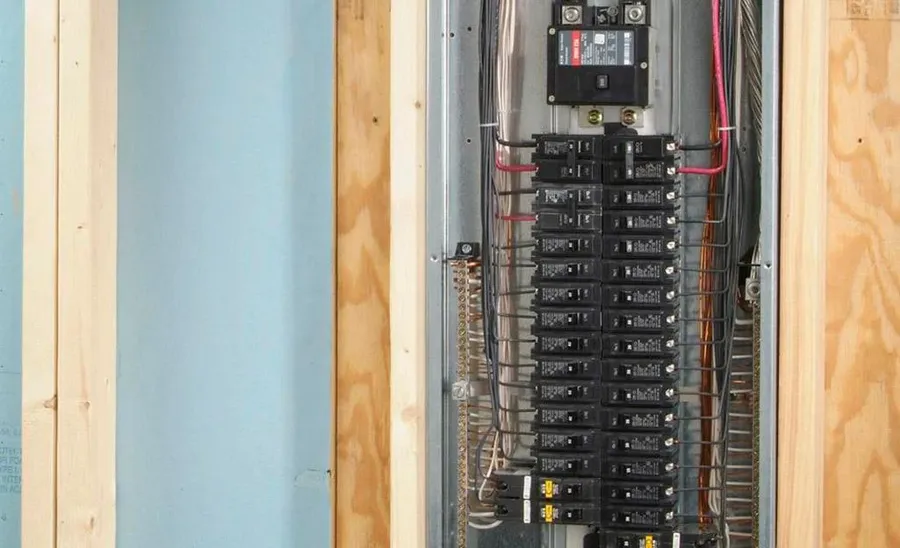
Residential electrical panel installation
Designing a basic home electricity board involves careful planning and execution to ensure safety and functionality. This section provides a practical, step-by-step guide, covering component selection, circuit layout, and wiring techniques necessary for a typical household setup.
Step 1: Planning and Load Calculation Begin by assessing the total electrical load required for your home. This involves listing all electrical appliances and their power ratings (in watts). Sum these power requirements to determine the total load, which will dictate the size and type of circuit breakers and wiring needed. It's crucial to calculate this accurately to avoid overloading the system. Consult local electrical codes for specific requirements.
Step 2: Component Selection Based on your load calculation, choose appropriate circuit breakers. Each circuit should be protected by a breaker with a rating slightly higher than its maximum expected current draw. Select a suitable enclosure (the physical board) that can accommodate the necessary breakers and wiring, and is rated for the environment. Ensure that all selected components meet or exceed relevant safety standards (e.g., IEC or UL).
Step 3: Circuit Layout Design Plan the layout of the circuits on the board. Segregate circuits based on function (e.g., lighting, outlets, kitchen appliances) to help prevent a single issue causing a total power outage. The layout should be logical, with clear pathways for wiring to minimize clutter and make troubleshooting easier in the future. Consider the physical space and ensure there is ample room for wiring and future additions.
Step 4: Wiring Techniques Employ safe and reliable wiring practices. Ensure all connections are tight and secure. Use appropriately sized wires for each circuit based on its load. Adhere to color coding standards to differentiate between live, neutral, and earth wires. Double-check all connections before applying power and consider consulting a qualified electrician for complex wiring.
Step 5: Labeling and Documentation Clearly label each circuit breaker and its corresponding circuits. Prepare detailed documentation that includes a wiring diagram and load calculations for each circuit. These records will be invaluable for future maintenance and troubleshooting. Use durable labels that will remain legible over time. Also, keep a record of the circuit breaker amperage rating.
Step 6: Testing and Inspection After wiring is complete, perform a thorough testing and inspection. Start with a visual inspection, ensuring all connections are properly made and no wires are exposed. Use a multimeter to test continuity and verify proper wiring before applying any power. After testing, perform a final inspection making sure that all labels are in place and that the overall appearance is acceptable.
A visual representation of a simple board layout would show a distribution board enclosure containing several circuit breakers, each clearly labeled for circuits such as 'Living Room Lights', 'Kitchen Outlets', etc. Wiring should be neat and routed logically.
Designing Electricity Boards for Commercial and Industrial Applications
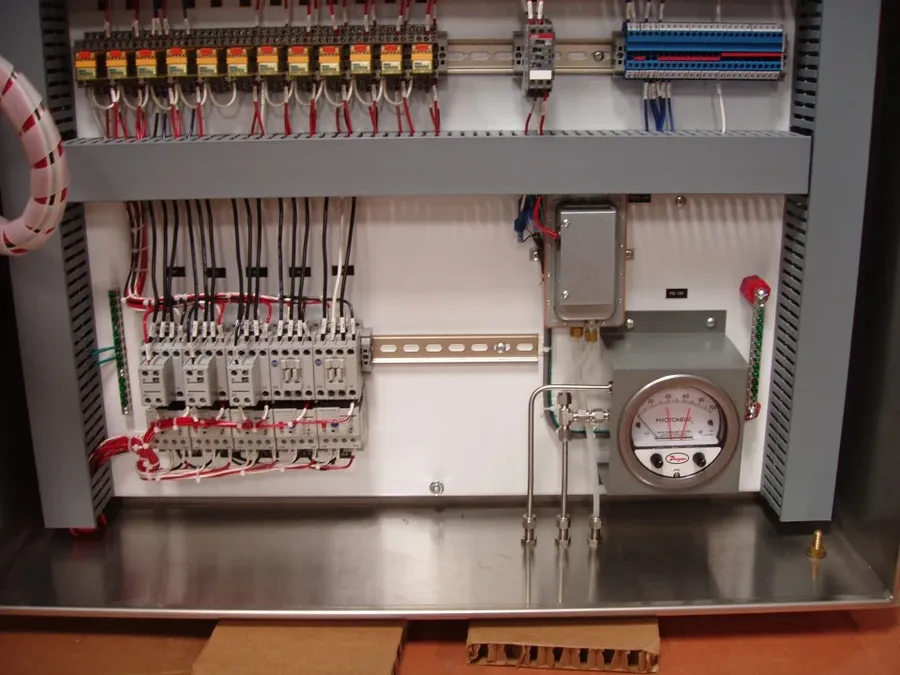
Industrial electrical control panel
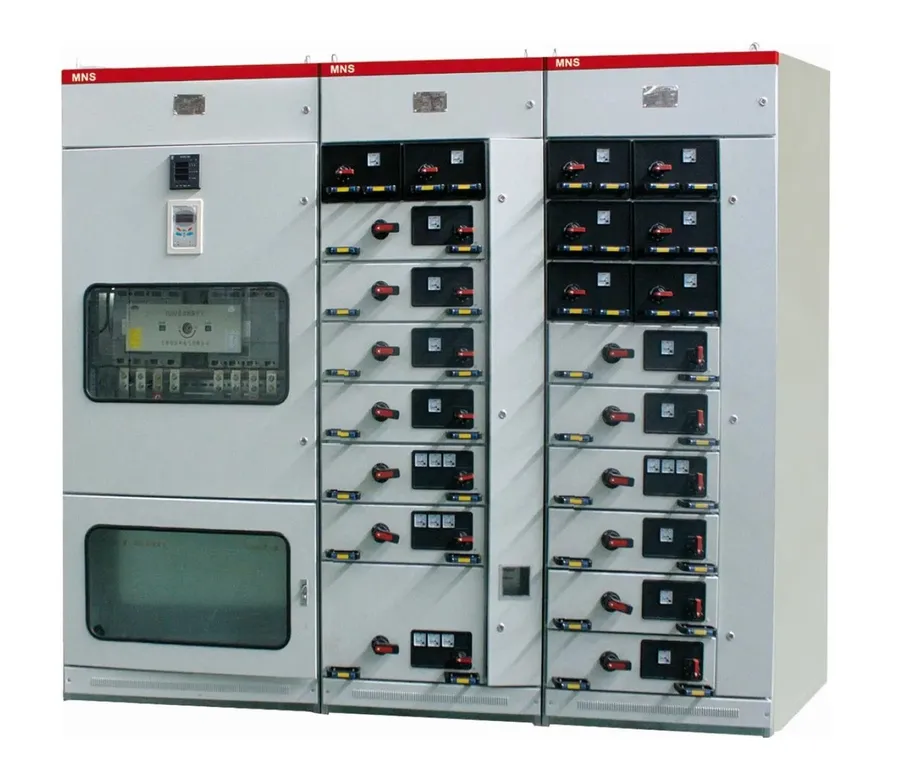
Designing electricity boards for commercial and industrial settings requires a significantly more complex approach than residential applications, owing to the higher power demands and the need for enhanced reliability and safety. These systems often incorporate advanced features to manage substantial loads and ensure continuous operation, demanding a deep understanding of power distribution and control systems.
Key differences in commercial and industrial electricity board design stem from the scale of operation and the critical nature of consistent power delivery. These systems are designed not just to distribute power, but also to monitor and manage it efficiently, incorporating measures for redundancy and advanced protection. This section will detail the design considerations specific to these environments.
Feature
Commercial Applications
Industrial Applications
Scale of Operation
Medium to large buildings, shopping centers, offices
Factories, manufacturing plants, processing units
Load Demands
Moderate, balanced between lighting, HVAC, and equipment
Very high, with varying loads from heavy machinery and specialized equipment
Monitoring Systems
Basic metering and circuit monitoring.
Advanced monitoring systems that track real-time energy consumption, load balancing, and system health. Often includes remote monitoring.
Surge Protection
Essential protection against power surges.
Enhanced surge protection to safeguard sensitive industrial machinery and control systems from transient surges. Includes more robust surge protection devices (SPDs).
Redundant Power Supplies
May include basic backup systems, such as generators for critical loads.
Complex redundant systems, such as UPS (Uninterruptible Power Supplies) and backup generators to ensure continuous operation during power interruptions. Often critical for safety and productivity.
Safety Protocols
Compliance with commercial building codes and standards
Stringent safety measures to safeguard against industrial hazards, adhering to specific industry regulations and safety standards
Specialized Controls
Basic electrical controls and distribution
Advanced control systems including programmable logic controllers (PLCs), variable frequency drives (VFDs), and other control mechanisms essential for precise process control.
Environmental Considerations
General safety standards are required.
Specialized enclosures and materials are often required to withstand harsh environmental conditions like high temperatures, humidity, or corrosive atmospheres.
The selection of materials for industrial boards is paramount, requiring durable and robust components that can withstand extreme temperatures, humidity, and corrosive environments. Furthermore, careful planning for future expansion, flexibility to adapt to changing operational needs, and adherence to stringent safety regulations are all fundamental to ensuring a reliable and efficient electrical infrastructure. These factors necessitate a meticulous approach to the design process, with a focus on both functionality and safety.
Advanced Considerations in Electricity Board Design
Smart electrical distribution board
Modern electricity board design extends beyond basic functionality, incorporating crucial aspects such as energy efficiency, modularity for scalability, and future-proofing against technological advancements. These advanced considerations are pivotal for ensuring long-term performance, adaptability, and reduced environmental impact in both residential and commercial settings.
One key trend is the integration of smart technologies into electrical control boards, enabling features like remote monitoring, predictive maintenance, and optimized energy usage. These advancements aim to create intelligent electrical systems that are more responsive, reliable, and sustainable.
Energy Efficiency Focuses on minimizing power loss and optimizing energy distribution within the electrical system. Strategies include using energy-efficient components, implementing smart load management systems, and utilizing power factor correction techniques. This reduces operational costs and environmental footprint.
Modular Design Emphasizes the use of standardized, interchangeable modules within the electricity board. This facilitates easier expansion, maintenance, and replacement of components. Modular designs enhance the scalability and flexibility of electrical systems, accommodating future modifications or expansions without significant downtime or costs.
Future-Proofing Involves anticipating future technological changes and incorporating features that allow for seamless upgrades and adaptations. This may include designing boards with extra capacity, flexible wiring options, and compatibility with emerging smart technologies.
Smart Technology Integration Includes the incorporation of intelligent devices and systems that enable advanced monitoring, control, and automation of electrical circuits. Examples include smart circuit breakers with remote monitoring capabilities, energy management systems, and interfaces for IoT devices.
Feature
Description
Benefits
Energy Efficiency Components
Use of low-loss transformers, efficient circuit breakers, and energy-saving wiring.
Reduced energy consumption, lower operational costs, and reduced environmental impact.
Modular Construction
Standardized components that are easy to assemble, expand, and replace.
Faster installation, easier maintenance, and enhanced scalability.
Smart Control Integration
Incorporation of microcontrollers, sensors, and network connectivity.
Real-time monitoring, remote management, and automated energy optimization.
Predictive Maintenance Features
Integration of sensors and analytics to foresee potential failures.
Reduced downtime, enhanced reliability, and extended equipment lifespan.
Frequently Asked Questions About Electricity Board Design
This section addresses common questions regarding electricity board design, providing clear and concise answers to help you better understand the subject.
How do I design a switchboard? Designing a switchboard involves careful planning, starting with calculating the total load requirements of the circuits it will serve. This includes determining the number of circuits, their current ratings, and the total power demand. Next, select appropriate components like circuit breakers, switches, and wiring based on the load calculations. Finally, organize components and connections logically, adhering to all safety standards.
What are the basic principles of switchboard design? The basic principles of switchboard design revolve around safety, reliability, and efficiency. Safety is achieved through proper insulation, grounding, and overcurrent protection. Reliability is ensured by selecting quality components and following established wiring practices. Efficiency concerns minimizing power loss and ensuring the electrical system can handle its intended load without excessive strain.
What are the different types of switchboards available? Switchboards come in various types, each suited to different applications. Some common types include: Main distribution boards (MDBs), which supply power to large areas; sub-distribution boards (SDBs), which feed power to specific sections or equipment; and control panels, which manage specific machinery. They can be single-phase or three-phase and may include different protective devices based on requirements.
What exactly is an electricity board, and what is its purpose? An electricity board is a centralized assembly that receives electrical power from the source (e.g., utility grid or generator) and distributes it to various circuits. Its primary purpose is to provide a safe and organized means of controlling, protecting, and distributing electricity. It houses circuit breakers, switches, and other protection devices and allows for easy management and maintenance of the electrical system.
What is the importance of load calculations in electricity board design? Accurate load calculation is crucial in electricity board design because it determines the required capacity of the system. If the board is designed without considering the actual load, it can lead to overloading, causing breakers to trip, or even worse, resulting in damage to equipment or electrical fires. Load calculation ensures that all components are correctly sized to handle the demand safely and efficiently.
What safety precautions should I take when working with electricity boards? Working with electricity boards requires stringent adherence to safety precautions. Always ensure that power is switched off and the circuit is de-energized before performing any work. Use appropriate insulated tools and personal protective equipment such as gloves and safety glasses. Never work in wet conditions, and if unsure, always seek assistance from a qualified electrician.
How often should I inspect or maintain my electricity board? Regular inspection and maintenance of electricity boards are essential for safety and reliability. At a minimum, a visual check for any signs of damage, loose connections, or corrosion should be conducted annually. However, depending on the age and condition of the board, more frequent checks may be necessary. Professional inspections should be conducted by a licensed electrician every few years to ensure the system meets safety standards and is functioning optimally.
Troubleshooting Common Issues in Electricity Boards
Effective troubleshooting of electricity boards is crucial for maintaining safety and preventing costly damage. Common issues such as tripped circuit breakers, loose connections, and overloaded circuits can often be diagnosed and resolved with a systematic approach and a solid understanding of basic electrical principles. This section details these common problems and provides actionable steps for resolution.
Tripped Circuit Breakers A tripped breaker is usually a sign of an overcurrent or a short circuit. First, identify the circuit that tripped. Reset the breaker once to see if it trips again. If it does, disconnect appliances on the circuit. If it still trips, there may be an issue with the circuit, not an overload. Persistent tripping requires professional attention as it might indicate a fault in the wiring.
Loose Connections Loose connections can cause intermittent power interruptions, overheating, and even arcing, creating a fire hazard. Turn off power to the board at the main breaker. Using an appropriate non-contact voltage tester, verify the power is OFF before opening the electrical panel. Visually inspect for loose wires and tighten them securely using an insulated screwdriver. Any burnt wiring should be replaced by a qualified electrician.
Overloaded Circuits An overloaded circuit occurs when the current draw exceeds the rated capacity of the circuit breaker. Overloaded circuits can lead to overheating and tripping. Relieve the overload by unplugging some appliances from the circuit. If the circuit still trips after reducing the load, it may be necessary to add another circuit to handle the load or review the appliance requirements on the circuit and make changes as required.
Checking for Overheating Overheating within the electrical panel is a critical warning sign. While the panel is off, feel for any warm components. Use a thermal camera if available, to identify areas of excess heat. Overheated components or areas should be inspected by a qualified electrician and may need to be replaced. Investigate the cause of overheating as well.
Performing Routine Checks and Maintenance Routine maintenance should be part of your electrical system care. Regularly visually inspect the panel for any signs of damage or loose connections. Check the health of circuit breakers. Ensure the panel is free of dust and debris. If you encounter any issues that you are uncomfortable with, do not hesitate to contact a qualified electrician.
The Future of Electricity Board Design
Modular electrical panel
The evolution of electricity board design is rapidly progressing, driven by the need for increased efficiency, safety, and adaptability. Emerging trends point towards a future where these critical components of electrical systems are more intelligent, sustainable, and integrated with modern technologies.
Several key innovations are shaping this future:
Modular Design Modular electricity boards offer flexibility and scalability. They allow for easy expansion or reconfiguration of electrical systems, reducing downtime and simplifying maintenance. This approach also enables a more standardized manufacturing process, reducing costs and lead times. Components can be easily swapped out or upgraded as needed.
Enhanced Safety Features Advancements in materials and technology are leading to safer designs. This includes improved arc fault protection, temperature monitoring systems, and advanced insulation materials, reducing the risk of electrical fires and improving overall safety for both personnel and equipment. Self-diagnostic capabilities will also be more common, alerting to potential issues before they become significant problems.
Smart Technology Integration The incorporation of digital technologies is revolutionizing electricity board management. This includes the integration of smart meters, sensors, and IoT devices allowing for remote monitoring of power consumption, predictive maintenance, and dynamic load balancing. Remote monitoring is particularly important for large-scale industrial operations, enabling continuous system management and prompt response to anomalies.
AI in Power Distribution Artificial intelligence and machine learning algorithms are being implemented to optimize power distribution. These technologies can analyze real-time data to improve energy efficiency, predict potential failures, and automate responses to electrical grid fluctuations. AI-driven systems can automatically adjust load balancing, improve demand response, and minimize energy wastage.
Sustainable Materials Environmental considerations are increasingly influencing material selection for electricity board construction. There is a trend toward using more sustainable and recyclable materials, like bioplastics and recycled metals, to reduce the environmental impact of electrical infrastructure. This includes reducing reliance on hazardous substances and implementing more eco-friendly manufacturing processes.
These trends highlight a future where electricity boards are not just passive components but intelligent, adaptable, and environmentally conscious elements of the electrical grid. The convergence of modular design, safety advancements, and digital integration suggests a significant leap forward in how we manage electrical power.
From simple home circuits to complex industrial networks, electricity board design is a critical aspect of safe and efficient power delivery. This article has provided foundational knowledge and actionable insights for those looking to better understand and engage with electrical systems. By focusing on safety, proper planning, and continuous learning, we can build more reliable and sustainable electrical infrastructure. As technology continues to evolve, so too will the design and capability of electricity boards, highlighting the importance of staying updated with the latest advancements. The design of the electricity boards will always play an important part in the future of our civilization.