In today's electronic world, crystal oscillators are the unsung heroes ensuring precise timing for everything from your smartphone to industrial equipment. The price of a crystal oscillator, while seemingly small, directly impacts the cost-effectiveness of many projects. This article dives deep into the factors influencing crystal oscillator pricing, exploring different types, accuracy considerations, and where to find the best deals, empowering you to make informed purchasing decisions whether you're a hobbyist or a professional. Understanding crystal oscillator prices is crucial for efficient design and budget management, ensuring that your projects are both reliable and economically viable.
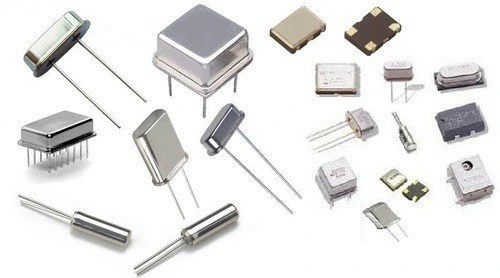
A crystal oscillator is an electronic circuit that uses the mechanical resonance of a vibrating crystal of piezoelectric material to create an electrical signal with a very precise frequency. At the heart of many electronic devices, these oscillators are crucial for maintaining accurate timing and frequency, ensuring proper operation of everything from digital clocks and computers to radio communication systems and industrial control equipment. The precision and stability of crystal oscillators are paramount because they serve as the heartbeat, synchronizing complex operations and facilitating reliable data transfer.
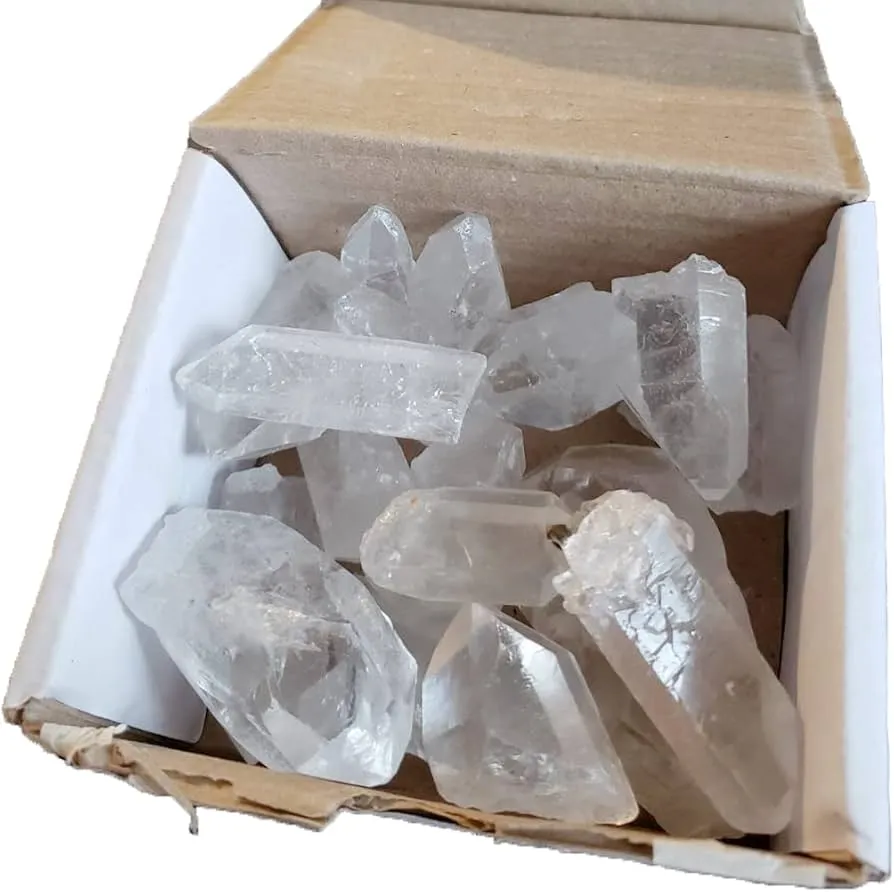
The price of a crystal oscillator is determined by a confluence of factors, each contributing to the overall cost. These factors primarily relate to the oscillator's performance characteristics and manufacturing complexity. Understanding these parameters is crucial for selecting a suitable crystal oscillator while managing cost effectively.
| Factor | Description | Impact on Price |
|---|---|---|
| Frequency | The rate at which the oscillator generates oscillations, measured in Hertz (Hz). | Higher frequencies generally result in increased cost due to tighter manufacturing tolerances. |
| Accuracy | The deviation of the actual oscillation frequency from the specified frequency, often measured in parts per million (ppm). | Higher accuracy specifications necessitate more precise manufacturing processes and tighter quality control, leading to higher prices. |
| Stability | The ability of the oscillator to maintain its frequency over temperature and time. | Improved stability requires more sophisticated design and temperature compensation circuitry, increasing the cost. |
| Temperature Range | The range of operating temperatures within which the oscillator maintains its performance specifications. | Wider operating temperature ranges require more robust design and higher-grade materials, thereby increasing cost. |
| Packaging | The physical housing of the crystal oscillator, including size and mounting configuration. | Smaller packages or surface mount devices (SMD) typically incur higher manufacturing costs, especially those that use hermetically sealed housings. |
| Manufacturer | The reputation and manufacturing capacity of the supplier. Established brands often command higher prices. | Reputable manufacturers typically charge more for their products, while they provide higher quality and better reliability. |
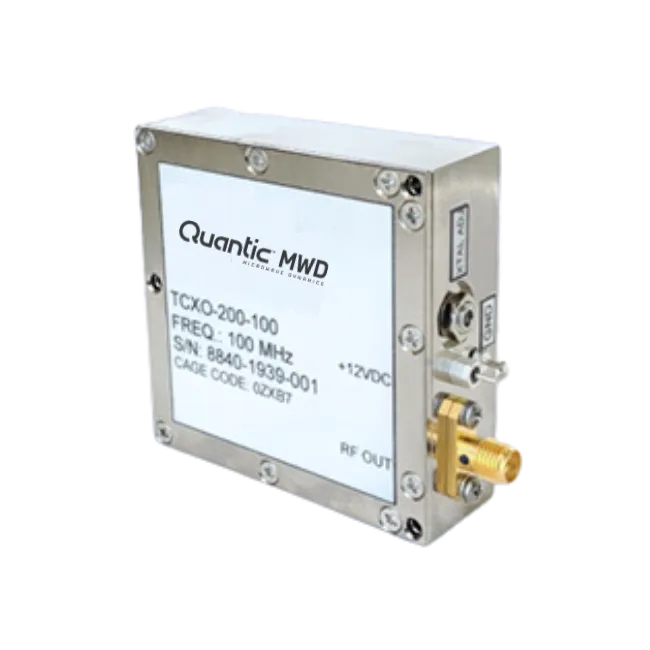
Crystal oscillators are not a monolithic category; they encompass various types, each with distinct characteristics and price points. The selection of a specific type hinges on the required precision, environmental conditions, and the intended application. This section details the common types and provides typical price ranges to aid in informed decision-making.
| Oscillator Type | Description | Typical Price Range (USD) | Accuracy |
|---|---|---|---|
| Crystal Units | Basic piezoelectric crystal component; requires external circuitry to oscillate. | $0.10 - $1 | Varies widely based on crystal cut and manufacturing tolerances, typically +/- 20 to +/-100 ppm. |
| Simple Oscillators (XO) | Integrated circuit that combines a crystal unit and oscillator circuitry. | $0.20 - $5 | Typically +/-25 to +/-50 ppm. |
| Temperature-Compensated Crystal Oscillators (TCXO) | XO with temperature compensation circuitry to maintain stability over a range of temperatures. | $1 - $20 | Typically +/- 0.5 to +/- 2.5 ppm. |
| Voltage-Controlled Crystal Oscillators (VCXO) | XO with a voltage input that allows for small adjustments in output frequency. | $2 - $30 | Typically +/- 20 to +/-100 ppm, but can be adjusted within this range. |
| Oven-Controlled Crystal Oscillators (OCXO) | TCXO with a built-in temperature-controlled oven to maintain extremely stable temperatures. | $20 - $1000+ | Typically +/- 0.001 to +/-0.01 ppm. |
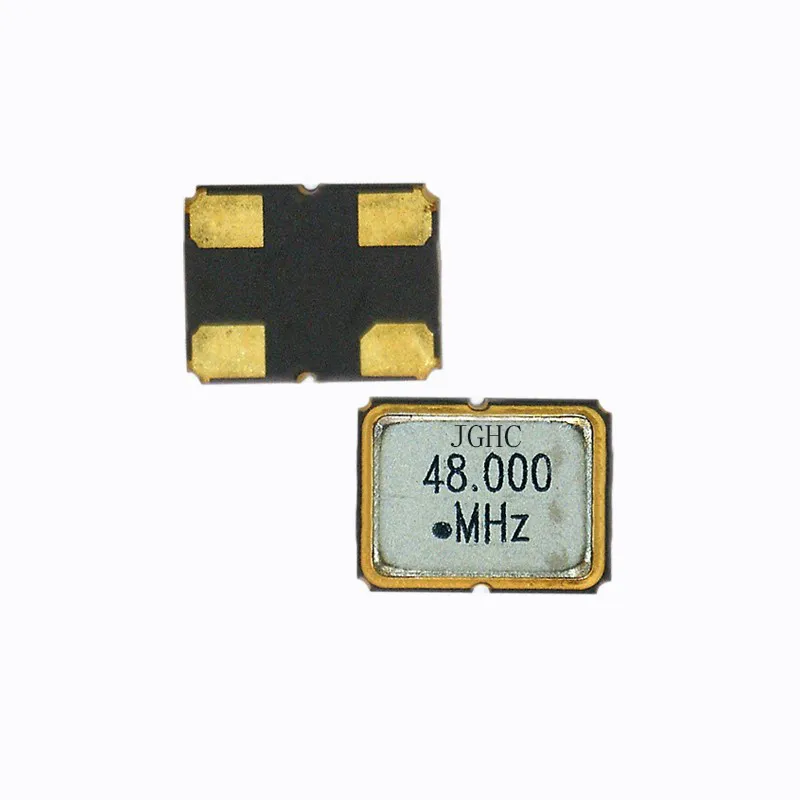
The accuracy and stability of a crystal oscillator are paramount factors influencing its price. Higher accuracy and stability, typically measured in parts per million (ppm), demand more precise manufacturing processes and materials, resulting in increased cost. This section details the relationship between these parameters and pricing.
| Accuracy Level (ppm) | Stability over Temperature | Typical Applications | Approximate Price Range (USD) |
|---|---|---|---|
| ±100 ppm | Moderate | General Timing, Low-Precision Applications | $0.10 - $0.50 |
| ±50 ppm | Moderate | Consumer Electronics, Basic Microcontrollers | $0.20 - $1.00 |
| ±25 ppm | Good | Communication Devices, Industrial Control | $0.50 - $2.00 |
| ±10 ppm | High | Precision Instruments, GPS | $2.00 - $10.00 |
| ±5 ppm | Very High | High-End Telecommunications, Aerospace | $10.00 - $50.00 |
| < ±1 ppm | Ultra High | Atomic Clocks, Scientific Research | $50.00+ |
The market for crystal oscillators is diverse, with various platforms catering to different needs and purchase volumes. Understanding the strengths and weaknesses of each option is critical for optimizing cost, quality, and availability. This section compares major online retailers, specialized distributors, and direct manufacturer options to assist in making informed purchasing decisions.
| Platform | Pricing | Quality | Selection | Advantages | Disadvantages |
|---|---|---|---|---|---|
| Amazon | Competitive for small quantities, highly variable | Inconsistent, requires careful review of seller ratings | Wide range of products, can be overwhelming | Convenient for small purchases, fast shipping | Quality control issues, risk of counterfeit products |
| eBay | Potentially low prices, highly variable | Highly variable, requires careful seller research | Broad selection, but requires careful search | Potential for finding deals and discontinued parts | Significant risk of counterfeit or damaged goods, variable shipping times |
| Digi-Key | Generally higher prices, but competitive for components | High quality, known for authentic products | Extensive inventory of various crystal oscillators | Excellent customer support, reliable sourcing | Higher prices compared to other platforms, may not be ideal for small purchases |
| Mouser | Similar to Digi-Key, competitive for components | High quality, reliable product sourcing | Large inventory of high-quality components | Strong customer service, fast and reliable shipping | May not be as price-competitive as some other sources for large quantity purchases |
| Alibaba | Very low prices for bulk orders | Variable, often requires detailed product evaluation | Massive range of suppliers, mostly for large quantities | Potential for significant cost savings for large quantity purchases | Quality control issues, complex sourcing process, longer lead times, higher shipping costs |
| Specialized Electronic Component Suppliers | Competitive pricing with volume discounts | High quality, known for authentic components | Extensive, specialized selection of crystal oscillators | Technical support, reliable sourcing, volume discounts | May require establishing business accounts |
| Manufacturer Direct | Negotiable prices for very large orders | Highest quality control | Full range of custom and standard options | Direct technical support, customization options | Requires large order quantities, may have longer lead times |
When selecting a platform, consider the trade-offs between price, quality, and convenience. For small-quantity purchases, reputable distributors like Digi-Key and Mouser offer higher reliability. For larger bulk orders, platforms like Alibaba or direct manufacturer sourcing may provide better cost-effectiveness. Always prioritize component authenticity and supplier reputation to avoid purchasing counterfeit or substandard crystal oscillators.
This section addresses common inquiries regarding crystal oscillator pricing, accuracy, selection, and applications, providing clear and concise answers to assist users in their understanding and decision-making processes.
The selection and cost of a crystal oscillator are significantly influenced by its intended application. Different applications demand varying levels of accuracy, stability, and environmental tolerance, which directly impact the required oscillator type and, consequently, its price. Understanding these needs is crucial for cost-effective system design.
| Application | Typical Oscillator Type | Key Requirements | Typical Price Range (USD) | Price Factors |
|---|---|---|---|---|
| Consumer Electronics (e.g., wearables, smartphones) | Simple Crystal Oscillator (XO) | Low power consumption, small size, moderate accuracy | 0.10 - 1.00 | High volume production drives down cost; focus on cost and power saving. |
| Telecommunications (e.g., base stations, routers) | Temperature-Compensated Crystal Oscillator (TCXO) | Moderate to high stability, temperature compensation, low jitter | 1.00 - 10.00 | Demands higher stability and temperature compensation over consumer electronics. |
| Automotive (e.g., Engine control unit, navigation systems) | AEC-Q200 qualified TCXO or VCXO | High reliability, wide temperature range (-40°C to 125°C or even higher), vibration and shock resistance | 2.00 - 20.00 | Stringent requirements for high reliability and harsh environments lead to higher prices. |
| Industrial Control (e.g., PLC, instrumentation) | TCXO or Oven-Controlled Crystal Oscillator (OCXO) for higher accuracy applications | High accuracy, temperature stability, long-term stability | 5.00 - 50.00+ | The range varies, from moderate to very high precision requirements impacts cost greatly. |
| Aerospace and Military | High-end OCXO or Atomic Clocks | Extremely high stability, radiation resistance, wide operating range, long term reliability. | 50.00 - 1000.00+ | Highest performance and ruggedness requirements, the price is premium. |
Selecting the optimal crystal oscillator involves a careful evaluation of project requirements against budgetary constraints. This process necessitates balancing performance, accuracy, cost, and availability, ensuring the chosen component meets the application's needs without exceeding financial limits. A systematic approach, weighing key parameters against cost implications, is crucial for effective decision-making.
The crystal oscillator market is constantly evolving, driven by the demand for more compact, accurate, and robust timing solutions. Future trends point towards significant advancements in miniaturization, temperature stability, and material science, which will likely influence both the capabilities and pricing of these critical components. These developments are geared towards meeting the growing needs of applications ranging from IoT devices to advanced communications infrastructure.
Understanding the nuances of crystal oscillator price involves considering various factors, including type, accuracy, and application. Whether you're seeking high precision for critical applications or a cost-effective solution for everyday electronics, this guide provides valuable insights. The price of a crystal oscillator can range from a few dollars for basic units to hundreds for high precision models. By being informed about pricing, you can make cost-effective decisions that align with your specific project requirements. The technology continues to evolve and by staying informed you ensure you are selecting the best option in the dynamic world of electronics.

