In today's fast-paced electronics world, JLCPCB has emerged as a popular choice for PCB manufacturing and assembly. But what does it truly cost to bring your designs to life? Understanding the nuances of JLCPCB assembly cost is crucial for any electronics project, whether you're a hobbyist or a seasoned engineer. Let's delve deep into the pricing structure, revealing hidden fees and strategies to maximize value, ultimately helping you get your electronics projects from design to reality efficiently, all while keeping a close eye on [jlcpcb assembly cost].
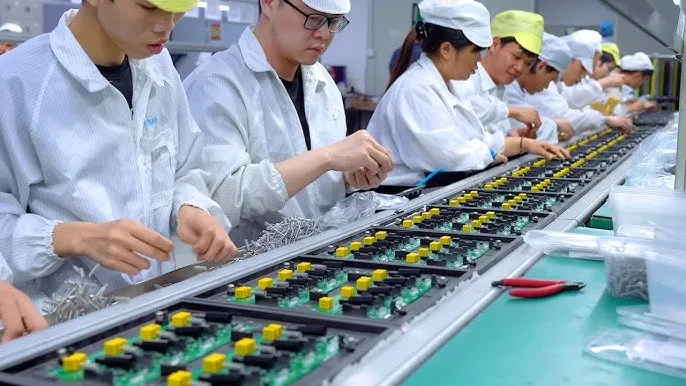
Understanding the cost of JLCPCB assembly requires a grasp of its fundamental components: setup fees, per-joint charges, and stencil costs. These elements collectively determine the final price you will pay for assembling your printed circuit boards (PCBs).
These key components are not isolated costs; rather, they interact to determine the final assembly price. A small, simple design will have lower costs for each component, while a large, complex PCB will have higher costs. Understanding each component will allow engineers to design more cost effectively.
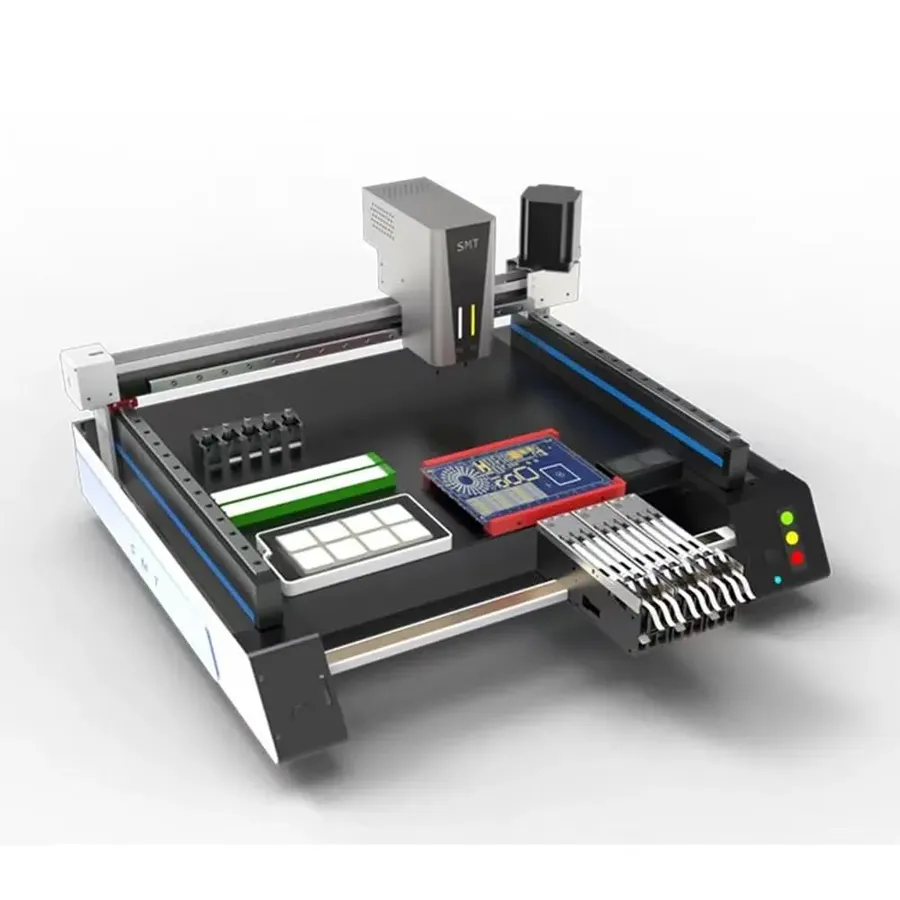
JLCPCB's assembly service includes initial setup fees that are crucial to understand as they directly impact the overall jlcpcb assembly cost. These fees are charged to cover the preparation and programming of the assembly line for your specific PCB design. The fees vary based on the complexity of your board, primarily differentiating between single-sided and double-sided assembly requirements.
| Assembly Type | Description | Setup Fee (Example) |
|---|---|---|
| Single-Sided Assembly | Components placed on one side of the PCB | $8-$10 (This can vary, check JLCPCB for the most current pricing) |
| Double-Sided Assembly | Components placed on both sides of the PCB | $15-$20 (This can vary, check JLCPCB for the most current pricing) |
The setup fee is a one-time charge per PCB design. It is charged regardless of the quantity of PCBs you order within that design. These fees account for the initial labor and machine programming needed to get your specific design ready for assembly. Therefore, while it may not affect the cost per board in a large quantity production run, it significantly contributes to the total cost for small prototype runs.
Understanding when these fees apply is crucial for accurate budgeting. Single-sided assembly setup fees apply when all components are placed on one side of the PCB, while double-sided assembly is triggered when components are mounted on both sides of the PCB. If there are no components on the bottom side of the board, then you may consider only the single-sided set up fees. Before submitting your design for manufacturing, ensure it is designed correctly, to minimise the jlcpcb assembly cost.
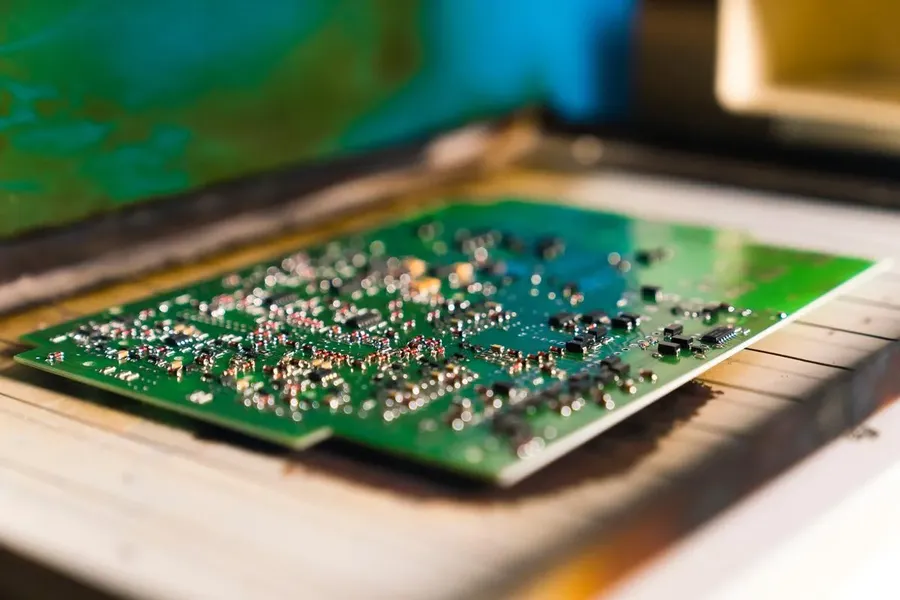
The per-joint assembly cost is a critical factor in determining the overall expense of JLCPCB's assembly services. It varies depending on whether Surface Mount Technology (SMT) or manual assembly is employed, and is directly influenced by the complexity of the PCB design, thus impacting the final [jlcpcb assembly cost].
| Assembly Type | Description | Cost per Joint | Complexity Impact |
|---|---|---|---|
| SMT Assembly | Automated process using pick-and-place machines. | Lower cost per joint for most components. | Cost increases with fine-pitch components and small packages. Requires stencil and precise component placement. |
| Manual Assembly | Hand-soldering of through-hole and some specialized components. | Higher cost per joint compared to SMT. | Cost significantly increases with the number of pins and the intricacy of the assembly. Used for larger components or small volume prototypes. |
When evaluating your assembly costs, consider the trade-offs between the two methods. SMT is ideal for high-volume, standardized components, while manual assembly is better suited for through-hole and specialized components or when there are limitations on SMT assembly. The complexity of your circuit board will determine which method—or which combination of methods—will be most cost-effective.
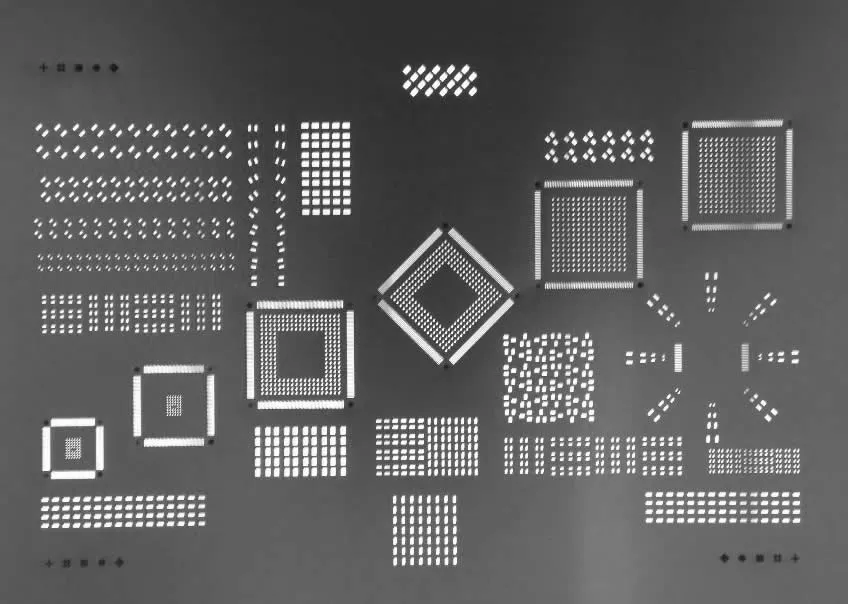
Stencils are indispensable for Surface Mount Technology (SMT) assembly, acting as a template to accurately apply solder paste onto PCB pads before component placement. Understanding stencil costs is crucial for effective budgeting of the overall JLCPCB assembly cost. These costs vary based on stencil type and complexity, directly influencing the final expense.
The cost of stencils is not arbitrary; it is determined by the following factors:
While stencils represent an upfront investment, they directly impact the quality and reliability of the assembly process. A well-made stencil ensures precise solder paste deposition, which is critical for minimizing soldering defects. Minimizing the stencil cost without compromising on quality is an important aspect of cost optimization.
Here are some strategies to consider when trying to manage the stencil cost:
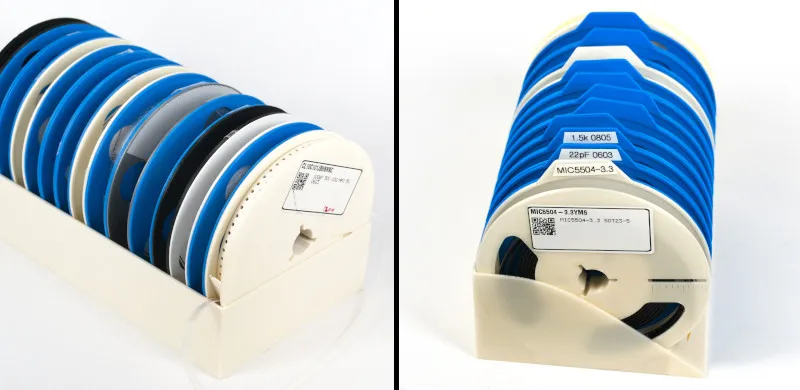
The total cost of JLCPCB assembly is significantly influenced by component pricing, particularly for unique components and their minimum order quantities (MOQs). Understanding these factors is crucial for accurate cost estimation and budget management in your PCB assembly projects.
JLCPCB operates a tiered pricing model for components, with cost per unit generally decreasing as order quantities increase. This is particularly relevant when considering the cost of unique or specialized components. When placing an order, pay careful attention to the stated MOQs, which will be different depending on the type of component. Ordering less than the MOQ will often not be possible. In some cases, they may be fulfilled but at a substantially higher cost per component. Therefore, ensuring you meet these minimums is critical for maintaining cost-effectiveness. Below is an explanation of these costs.
| Component Type | Cost Impact | Minimum Order Quantity (MOQ) | Considerations |
|---|---|---|---|
| Standard Components (Resistors, Capacitors, etc.) | Relatively low cost per unit | Typically, MOQs are relatively small to moderate | Often available in bulk at very low prices, making them cost-effective for large production runs. |
| Unique or Specialized Components (ICs, Connectors, etc.) | Higher cost per unit | MOQs tend to be moderate to high | Careful planning is necessary to avoid overspending. Consider consolidating design needs for components with similar specifications to reduce the number of unique components. |
| Components Not in JLCPCB's Library | Variable cost per unit, often higher plus surcharge for extra handling | MOQs will vary and often are the source's minimum plus extra needed for assembly. | These can incur higher costs. If a component is unavailable, JLCPCB can help procure it with the component purchase price and a handling fee added to the cost. |
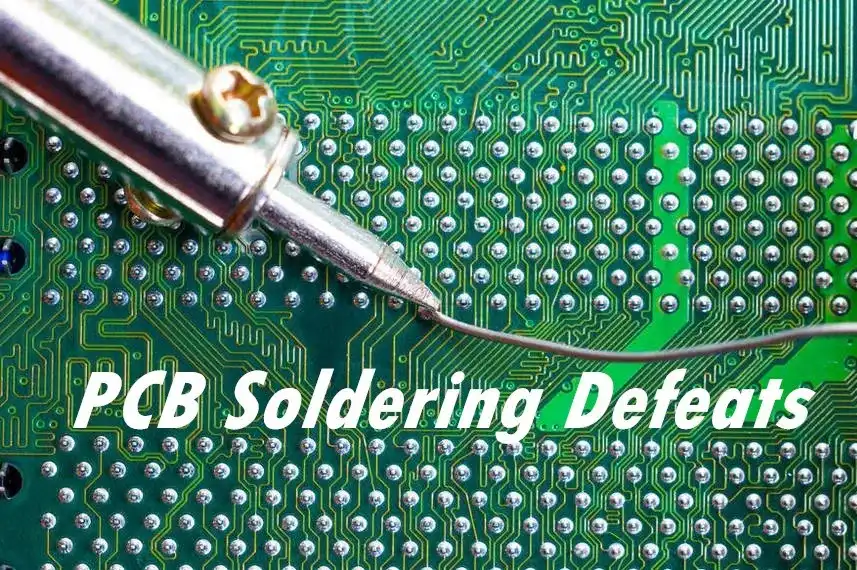
Beyond the core assembly costs, several additional charges can influence the final price of your JLCPCB assembly order. These charges typically arise from non-standard requirements or complexities in the project, and understanding them is crucial for accurate cost estimation and budget management when working with JLCPCB.
Understanding the nuances of JLCPCB assembly costs is crucial for effective budgeting and project planning. This section addresses common queries to provide clarity and assist in informed decision-making regarding JLCPCB's assembly services.
Optimizing your approach to PCB assembly can significantly reduce the overall JLCPCB assembly cost. This section outlines actionable strategies, from leveraging discounts to fine-tuning your design, ensuring you get the best value for your investment.
Selecting a PCB assembly service requires a careful evaluation of costs, and JLCPCB is often compared against competitors like PCBWay. This section provides a comparative analysis to help you make informed decisions about your project's [jlcpcb assembly cost].
| Feature | JLCPCB | PCBWay |
|---|---|---|
| Basic Assembly Setup Fee (Single-Sided) | Varies, typically lower | Varies, can be higher |
| Basic Assembly Setup Fee (Double-Sided) | Varies, typically lower | Varies, can be higher |
| SMT Per-Joint Cost | Competitive, based on component count | Competitive, may vary based on complexity |
| Manual Per-Joint Cost | Higher than SMT, but competitive | Higher than SMT, may vary |
| Stencil Cost | Separate cost, competitive pricing | Separate cost, comparable |
| Component Sourcing | Large catalog, basic parts often included | Good catalog, may vary |
| Assembly Turnaround Time | Generally fast, but can vary with complexity | Similar to JLCPCB, may vary |
| Minimum Order Quantities (MOQ) | Flexible for prototyping | Flexible, but can vary |
| Shipping Costs | Varies based on destination and weight | Varies based on destination and weight |
| Additional Fees | May apply for large boards, panelization, special handling | Similar to JLCPCB, may apply for similar situations |
| Customer Support | Responsive, but can be slow at peak times | Responsive, may vary based on time |
Key Considerations: While both JLCPCB and PCBWay offer competitive pricing, the overall cost is influenced by various factors such as board complexity, component types, quantities, and the required turnaround time. JLCPCB tends to be more cost-effective for simpler designs and lower volumes, particularly with their basic component offerings. PCBWay, however, may offer more specialized options and services for complex projects, potentially at a higher price point. Additionally, user experience and customer support should be factored into your decision.
Understanding JLCPCB assembly costs requires careful consideration of several factors, from setup fees to component pricing and per-joint charges. By using the insights in this guide, you can optimize your designs and project planning to accurately estimate and manage your [jlcpcb assembly cost]. Ultimately, a well-informed approach to assembly costs can make your project feasible and successful, allowing you to bring innovative products to life without breaking the bank. JLCPCB continues to provide competitive pricing and various promotions, so monitoring updates will help you to gain the best value.

