Printed circuit boards (PCBs) are the unsung heroes of modern electronics, quietly enabling everything from smartphones to satellites. But before your brilliant design comes to life, you need to navigate the world of PCB fabrication costs. Just as the price of a custom-tailored suit differs from a ready-made one, PCB fabrication costs can vary widely based on a multitude of factors. This article cuts through the noise, providing a clear and comprehensive guide on what drives these costs and how you can optimize your project without sacrificing quality.
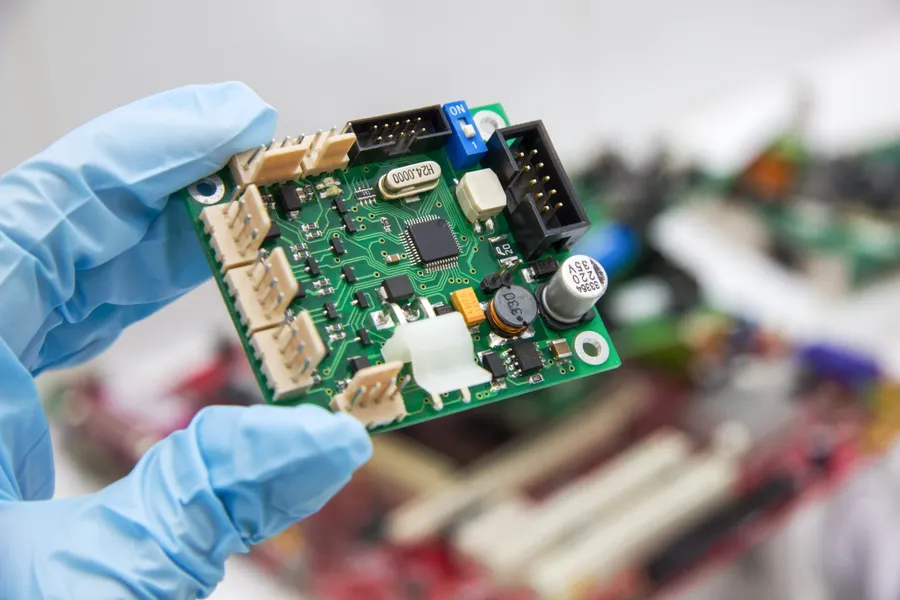
Understanding the primary cost drivers in PCB fabrication is crucial for managing expenses effectively. Several key factors significantly influence the final price of a printed circuit board, including the board's dimensions, the number of conductive layers, the materials chosen, and the overall design complexity. Each of these aspects directly contributes to the manufacturing effort and resource consumption, thereby impacting the total cost.
| Factor | Description | Impact on Cost |
|---|---|---|
| Board Size | The physical dimensions of the PCB. | Larger boards require more material and processing time, increasing costs. |
| Layer Count | The number of conductive layers in the PCB. | More layers mean more complex manufacturing processes and higher costs. |
| Material Selection | The type of substrate used (e.g., FR-4, Aluminum, Rogers). | Different materials have varying costs and processing requirements, impacting overall price. |
| Design Complexity | The density of components, trace width, vias, and the overall intricacy of the circuit design. | More complex designs require more precise manufacturing and increase costs |
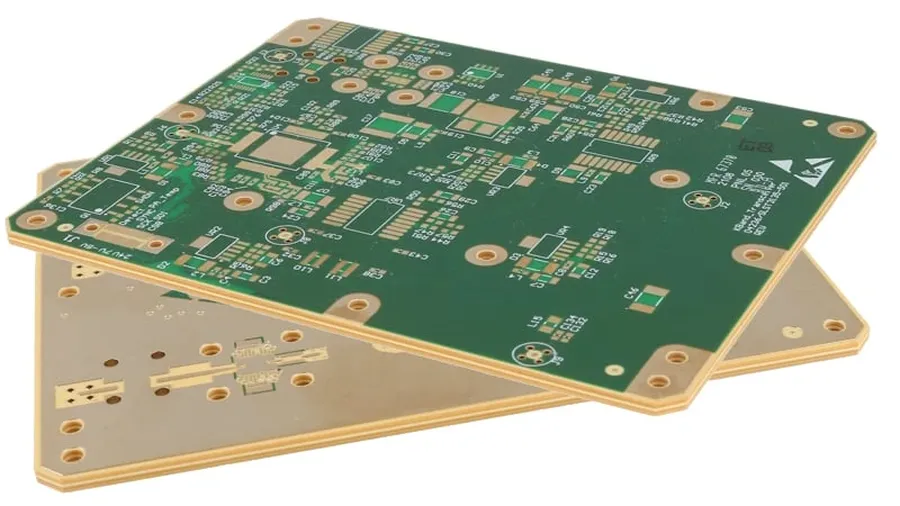
The selection of PCB material is a critical factor influencing both the performance and cost of the final product. Different materials offer varying electrical, thermal, and mechanical properties, leading to diverse cost implications. This section explores the most common PCB materials and their respective cost trade-offs.
| Material | Description | Cost | Typical Applications | Key Performance Characteristics |
|---|---|---|---|---|
| FR-4 | Flame Retardant 4, a glass-reinforced epoxy laminate. | Low to Moderate | Most general-purpose PCBs | Good mechanical strength, good electrical insulation, temperature resistance up to 130°C |
| Aluminum | Aluminum core with a dielectric layer. | Moderate to High | LED lighting, power electronics | Excellent heat dissipation, good mechanical strength, lightweight |
| Rogers | High-performance PTFE (polytetrafluoroethylene) based materials. | High | High-frequency applications, RF and microwave circuits | Low dielectric loss, stable dielectric constant, temperature stability |
| CEM-1 | Composite epoxy material | Low | Single-sided and some double-sided boards | More cost-effective than FR-4, not as structurally robust |
| Polyimide | High-temperature polymer | High | Flexible circuits, high-temperature environments | Excellent flexibility, high-temperature resistance, chemical resistance |
The choice of material depends on the specific application requirements, including operating frequency, temperature, and mechanical stress. For instance, while FR-4 is a versatile and cost-effective choice for most applications, Rogers materials are preferred for high-frequency circuits, and aluminum substrates are ideal for applications requiring effective heat dissipation. Similarly, the cost of high-performance materials like Rogers or polyimide is substantially more than that of FR-4, which is why FR-4 is the most commonly used material.
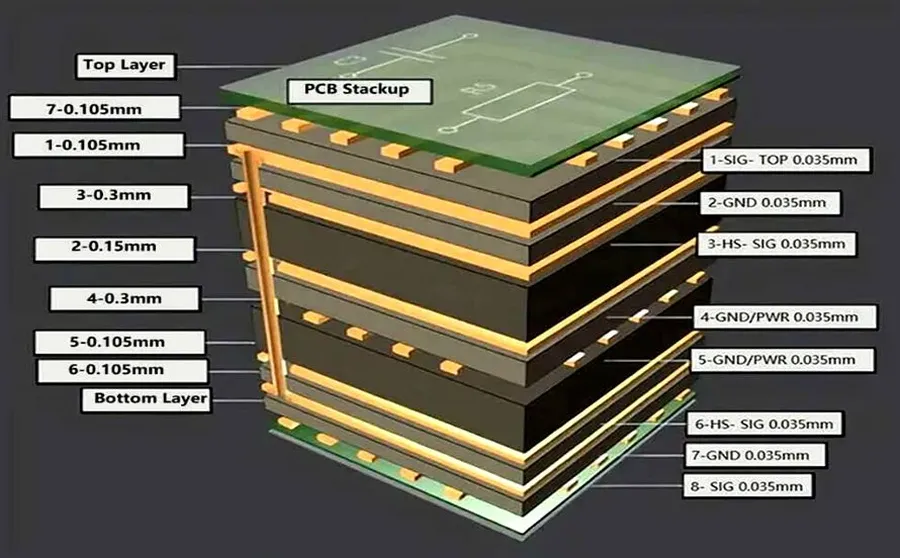
The number of layers in a printed circuit board (PCB) and the intricacy of its design are pivotal determinants of its fabrication cost. As layer count and design complexity increase, so do the manufacturing expenses due to the more intricate processes and higher material consumption involved. Understanding this relationship is crucial for balancing functionality requirements with budgetary constraints.
| Factor | Impact on Cost | Manufacturing Complexity | Typical Applications |
|---|---|---|---|
| Increased Layer Count | Higher | Significantly Increased | Complex electronics, high density routing |
| Complex Routing (e.g. fine pitch) | Higher | Increased | High-speed digital systems, fine-line components |
| High Density Design | Higher | Increased | Miniaturized devices, compact modules |
| Blind and Buried Vias | Higher | Significantly Increased | Multi-layer PCBs with complex interconnects |
| Impedance Control | Higher | Increased | High-speed digital signals, RF applications |
Each additional layer in a PCB requires separate imaging, etching, and lamination steps. Multilayer boards also demand precise alignment and increased complexity when dealing with vias (interlayer connections), especially when blind or buried vias are needed.
Complex routing, characterized by fine pitch and high density designs, necessitates the use of more advanced manufacturing techniques and equipment, which adds to the fabrication cost. Impedance controlled traces and differential pairs, often required in high-speed applications, also increase manufacturing cost due to additional accuracy and control requirements.
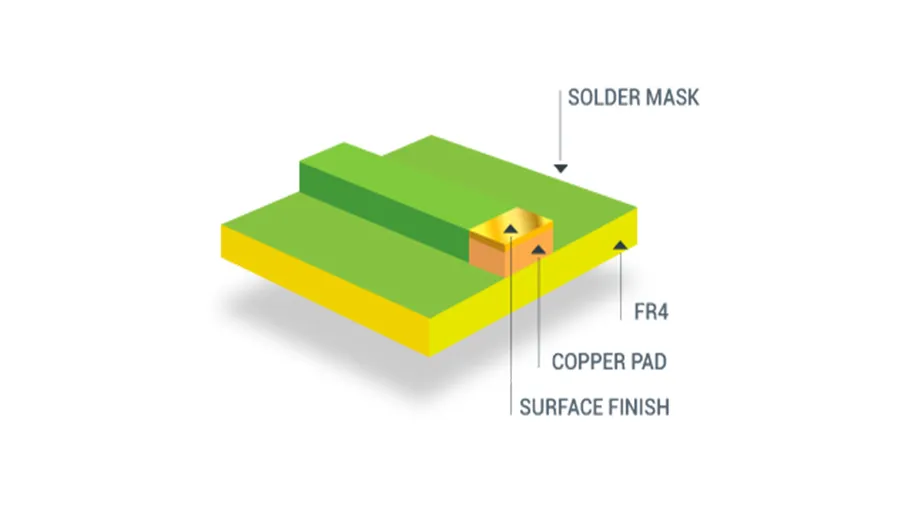
The surface finish of a printed circuit board (PCB) is a critical factor that impacts its solderability, reliability, and overall cost. Different surface finish options offer varying levels of performance and protection against oxidation and corrosion, thus influencing their suitability for specific applications and manufacturing budgets. Selecting the appropriate finish is a balancing act between performance needs and cost considerations.
| Surface Finish | Cost | Benefits | Limitations | Typical Applications |
|---|---|---|---|---|
| HASL (Hot Air Solder Leveling) | Lowest | Good solderability, widely available, robust | Uneven surface, not ideal for fine pitch components, leaded (lead-free available) | General-purpose, through-hole components |
| ENIG (Electroless Nickel Immersion Gold) | Highest | Excellent solderability, flat surface, good for fine-pitch components, good oxidation and corrosion resistance | Most expensive, 'Black Pad' issues if not done correctly | Fine-pitch SMT components, high-reliability applications |
| OSP (Organic Solderability Preservative) | Low to Moderate | Flat surface, good for fine pitch, lead free, relatively low cost | Short shelf life, sensitive to handling, not very robust | General SMT assembly, lower cost applications |
| Immersion Tin | Moderate | Good planarity, lead-free, good for fine pitch | Tin whiskers, short shelf life | Fine pitch applications |
| Immersion Silver | Moderate | Good solderability, flat surface, lead-free | Susceptible to corrosion and tarnishing if not handled properly | High frequency applications |
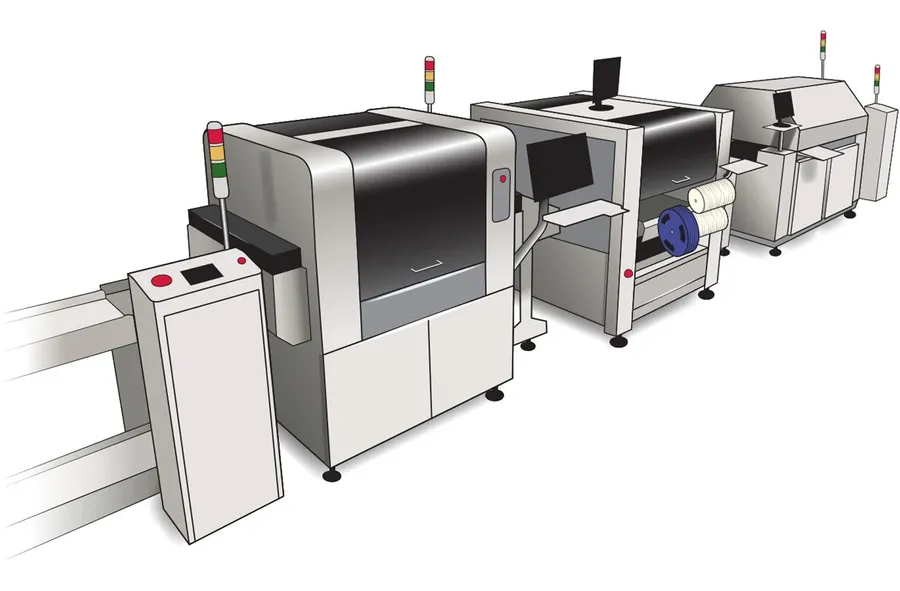
The quantity of PCBs ordered significantly impacts the per-unit cost due to economies of scale. Larger production runs typically result in lower unit prices, while smaller quantities, often for prototypes, incur higher costs per board. This section explores how to leverage this relationship for cost optimization.
| Order Quantity | Typical Application | Cost per Unit | Setup Costs | Key Considerations |
|---|---|---|---|---|
| 1-10 | Initial Prototypes, Design Validation | High | Low | Focus on Design Iteration, Quick Turnaround |
| 10-100 | Small Batch Prototypes, Pilot Runs | Medium-High | Medium | Moderate cost, good for design verification |
| 100-1000 | Small Production Runs, Early-Stage Products | Medium | Medium-High | Improved efficiency, better per-unit cost |
| 1000+ | Mass Production, Large Scale Rollouts | Low | High | Economies of scale, optimized production |
The above table presents a general overview. It is important to note that specific pricing and cost breaks will vary significantly among manufacturers and depend upon the technology, materials, and complexity of the PCB.
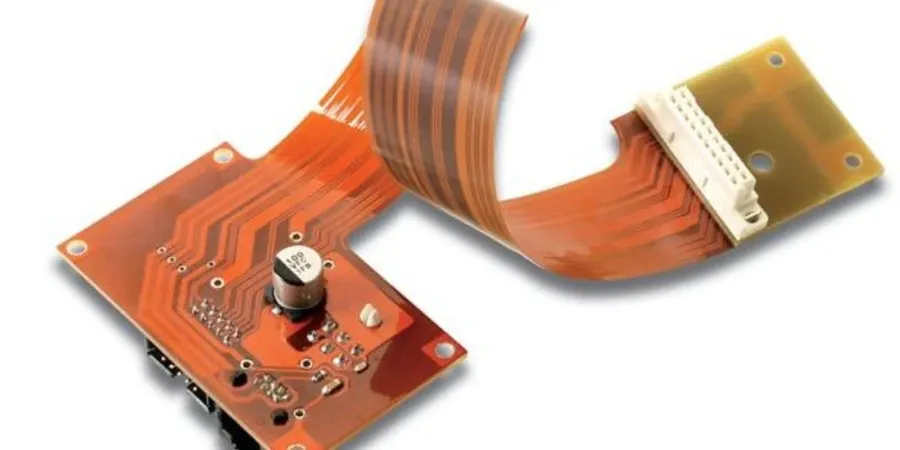
Production lead time significantly impacts PCB fabrication costs, with shorter lead times often demanding higher prices due to the need for expedited processing and resource allocation. Understanding the relationship between lead time and cost is crucial for effective budgeting and project management. Standard lead times typically provide the most cost-effective solution, while expedited services cater to urgent requirements at a premium.
Expedited manufacturing, characterized by rapid turnaround, involves prioritizing a specific PCB order within the manufacturing queue. This may involve overtime work, dedicated machine time, and express shipping methods which result in increased cost. The demand for expedited services can stem from time constraints like product launches, critical prototypes, or unexpected production delays.
| Factor | Standard Lead Time | Expedited Lead Time |
|---|---|---|
| Cost | Lower | Higher |
| Turnaround Time | Longer | Shorter |
| Resource Allocation | Standard | Prioritized |
| Manufacturing Process | Routine | Accelerated |
Understanding the costs associated with PCB fabrication can be complex due to the many variables involved. This section addresses common inquiries regarding PCB fabrication costs, providing clear, concise answers based on industry best practices and data.
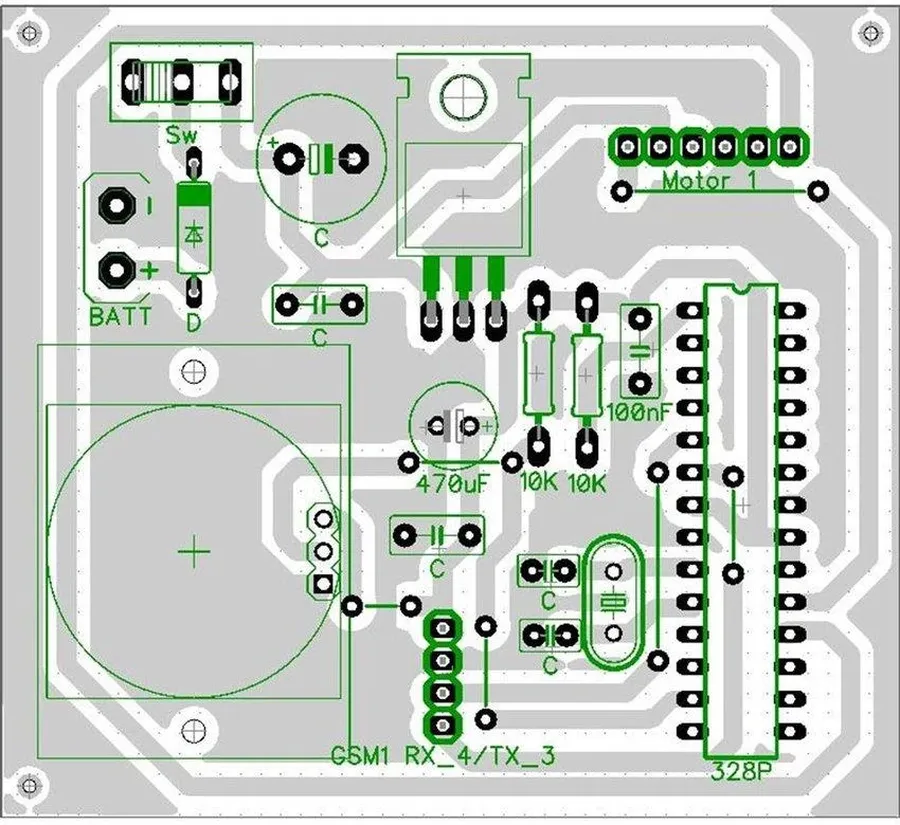
Achieving cost-effective PCB fabrication requires a holistic approach that extends beyond material selection and volume considerations. It begins with strategic design choices that minimize complexity, optimize material usage, and facilitate efficient manufacturing processes. These design-driven optimizations can significantly reduce overall project expenses and lead to long-term savings.
Navigating PCB fabrication costs requires a deep understanding of design, material, and production variables. By carefully considering these factors, you can optimize your design and reduce unnecessary expenses without compromising quality. With the right planning and vendor selection, you can effectively control your PCB fabrication cost and bring your electronic projects to market within budget and on time. Always consider the long-term cost benefits of a robust design against the initial PCB fabrication cost. Understanding the variables that drive costs empowers you to make informed decisions, ultimately maximizing your return on investment.

