The humble printed circuit board (PCB), the unsung hero of the electronics world, quietly powers nearly every device we use. But before these boards become the brains of our gadgets, significant investments are needed, especially when setting up the manufacturing process. This article peels back the layers of the PCB manufacturing setup cost, offering an insightful look into the expenses involved and demystifying what it truly takes to bring a circuit board to life.
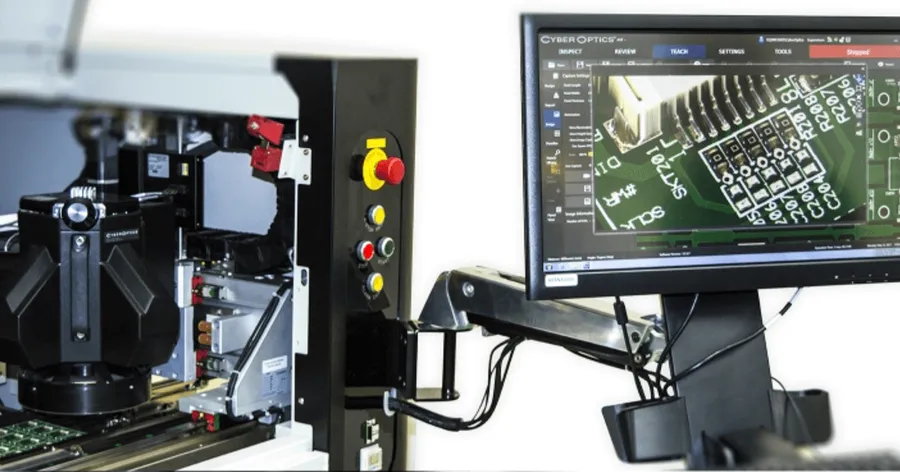
The initial investment in PCB manufacturing is primarily driven by the cost of core equipment. This includes machines for etching, drilling, imaging, and solder paste application, each playing a critical role in the fabrication process. Understanding these costs is fundamental for planning and budgeting a PCB manufacturing operation.
| Equipment | Description | Estimated Cost Range (USD) | Key Function |
|---|---|---|---|
| Etching Machine | Removes unwanted copper from the PCB | 5,000 - 50,000+ | Selective material removal |
| Drilling Machine | Creates holes for component insertion | 10,000 - 100,000+ | Accurate hole creation |
| Imaging Equipment | Transfers circuit patterns onto the PCB | 8,000 - 80,000+ | Pattern generation |
| Solder Paste Applicator | Applies solder paste for component placement | 3,000 - 30,000+ | Precise paste application |
| Laminator Machine | Layers PCB materials | 2000 - 20000+ | Material bonding |
| Automated Optical Inspection (AOI) | Inspects PCB for defects | 15,000 - 150,000+ | Quality assurance |
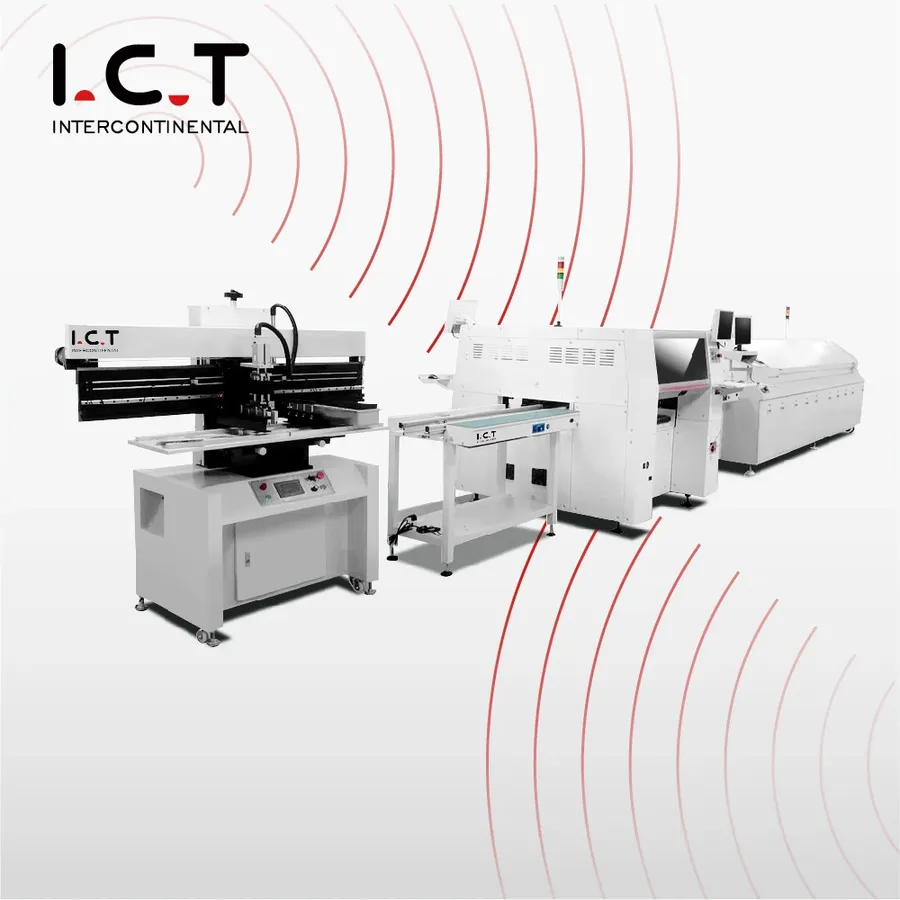
The level of automation significantly influences both the initial investment and ongoing operational expenses in PCB manufacturing. From manual assembly to fully automated production lines, each approach presents distinct cost implications and trade-offs. This section explores these variations to provide a clear understanding of how automation impacts PCB setup costs.
| Automation Level | Initial Setup Cost | Labor Costs | Production Speed | Error Rate | Flexibility |
|---|---|---|---|---|---|
| Manual | Lowest | Highest | Lowest | Highest | Highest |
| Semi-Automated | Moderate | Moderate | Moderate | Moderate | Moderate |
| Fully Automated | Highest | Lowest | Highest | Lowest | Lowest |
Manual processes have the lowest initial setup costs as they involve minimal machinery, relying heavily on skilled human labor. However, these methods result in slower production speeds, higher error rates, and reduced scalability. Conversely, fully automated production lines require significant upfront investments in equipment but offer the advantage of higher throughput, greater consistency, and lower long-term operational costs. Semi-automated systems present a middle ground, attempting to balance initial costs with increased production efficiency.
The choice of automation level also affects labor costs. While manual assembly requires a large number of skilled operators, fully automated systems require fewer operators but a greater number of maintenance personnel with specialized technical expertise.
The long-term operational costs are also impacted by the level of automation. Automated systems, despite higher initial costs, often reduce waste, improve quality, and enable greater production volumes thereby providing economies of scale. These aspects must be carefully evaluated when planning a PCB manufacturing facility. The flexibility to adapt to various design requirements also decreases with increasing automation level. Manual and semi-automated setups can often adjust more easily to changes in PCB designs.
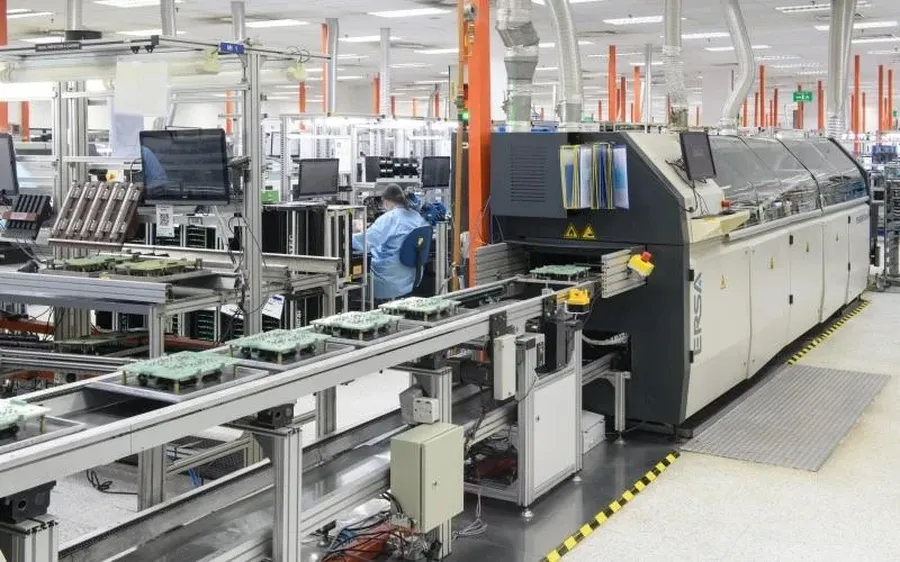
Establishing a PCB manufacturing facility involves significant infrastructure investments beyond just equipment. These costs encompass creating a controlled environment that ensures product quality and worker safety, directly impacting the overall setup cost.
| Cost Category | Description | Estimated Cost Range (USD) | Key Considerations |
|---|---|---|---|
| Clean Room Setup | Construction of designated clean rooms to control particulate contamination. | 50,000 - 500,000+ | ISO class, size, materials, air filtration systems. |
| HVAC Systems | Installation of Heating, Ventilation, and Air Conditioning systems to maintain temperature and humidity. | 20,000 - 200,000+ | System capacity, energy efficiency, filtration levels. |
| Power Supply | Installation of stable power sources, backup systems, and appropriate electrical wiring. | 10,000 - 100,000+ | Load capacity, voltage stabilization, backup generation. |
| Ventilation and Extraction | Installation of systems to remove harmful fumes from chemical processing and soldering. | 10,000 - 80,000+ | System capacity, air filtration, safety compliance. |
| Safety and Compliance | Implementing safety measures like fire suppression, emergency exits, and waste management protocols. | 5,000 - 50,000+ | Meeting regulations, safety training, equipment. |
| Building Modifications and Upgrades | Changes to existing building to accommodate manufacturing processes. | Variable | Structural changes, floor reinforcement, expansion. |
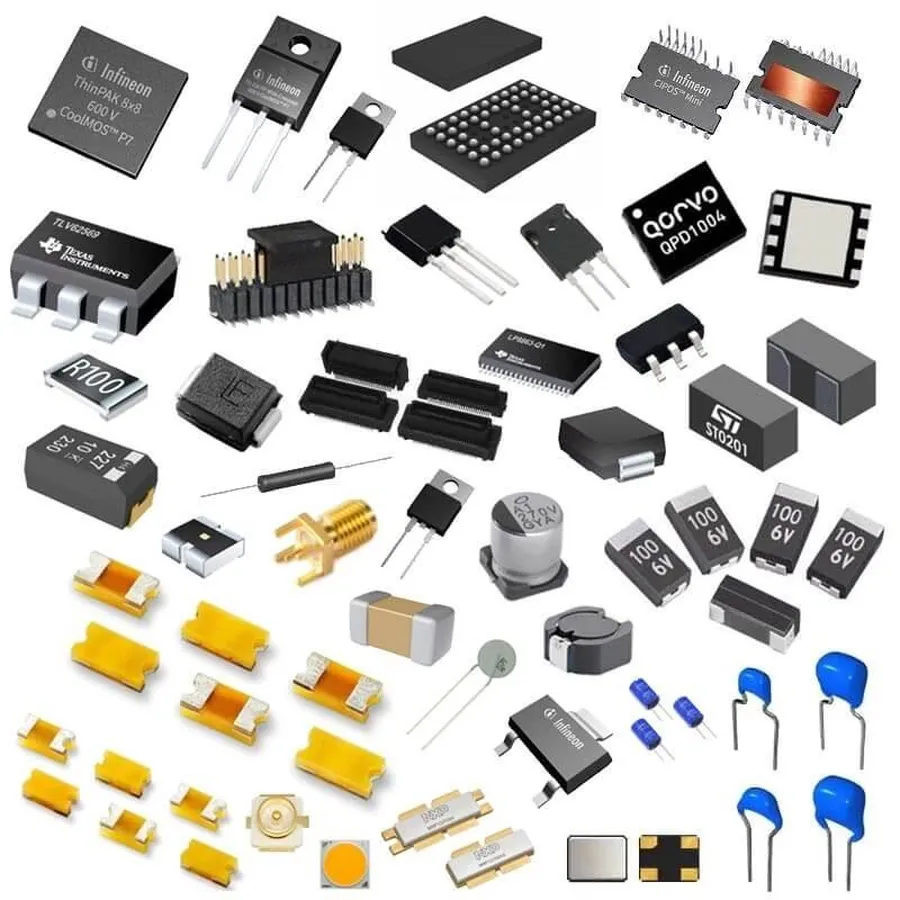
Material costs represent a significant portion of the overall PCB manufacturing expenses, directly influencing both the final product cost and its performance characteristics. The selection of raw materials, including base substrates, conductive layers, and protective finishes, is a critical decision that balances cost-effectiveness with required functional specifications.
| Material | Description | Cost Factors | Impact on PCB |
|---|---|---|---|
| FR-4 | Most common substrate, a glass-reinforced epoxy laminate. | Thickness, copper clad thickness, quality of resin. | Provides structural integrity and electrical insulation. |
| Copper | Used for conductive tracks and planes. | Thickness of copper layers, purity of copper. | Determines current carrying capacity and signal integrity. |
| Solder | Used to join components to the PCB. | Type of alloy, leaded vs. lead-free. | Ensures reliable electrical connections and mechanical strength. |
| Various Chemicals | Used in etching, plating, and cleaning processes. | Volume used, concentration, specific chemicals. | Facilitates pattern transfer, surface finishing and cleaning. |
| Other Substrates (e.g., Rogers) | Specialized high-frequency substrates with unique electrical properties. | Material type, dielectric constant, loss tangent. | Used in high-speed or RF applications for enhanced performance. |
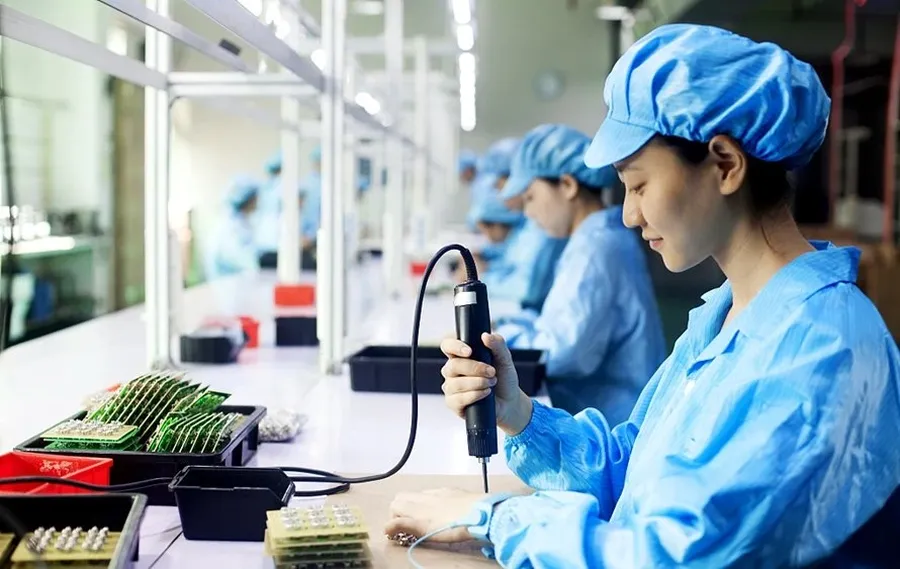
The PCB manufacturing process relies heavily on skilled labor, encompassing a range of specialized roles that directly influence both the quality and cost of the final product. Labor expenses are a significant component of the overall manufacturing budget, necessitating a detailed analysis of the required personnel and their associated costs.
Skilled labor in PCB production isn't just about manual assembly; it includes a complex hierarchy of professionals, each contributing specialized expertise. This ranges from the initial design and engineering phase, through the various manufacturing steps, to final quality control.
| Role | Key Responsibilities | Impact on Cost |
|---|---|---|
| PCB Design Engineers | Creating the layout, schematics, and specifications for the PCB. | Directly influences material usage and manufacturing complexity, impacting costs. |
| Manufacturing Technicians | Operating and maintaining the various machines used in PCB production, such as etching machines, drilling machines, and solder paste applicators. | Efficient machine operation and maintenance reduce errors, waste, and downtime, leading to lower costs. |
| Machine Operators | Managing the day-to-day operations of production line machinery. | Skilled operators enhance output and reduce production time, impacting cost and efficiency. |
| Quality Control Inspectors | Verifying the quality of PCBs at various stages of production, checking for defects and ensuring adherence to specifications. | Prevents costly issues and ensures product compliance, thereby saving costs associated with rework or defects. |
| Process Engineers | Optimizing the manufacturing processes, improving efficiency, and reducing waste. | Process optimization leads to lower costs through reduced defects, faster production, and efficient material usage. |
| Supervisory Personnel | Overseeing the manufacturing operations, managing teams, and ensuring smooth workflow. | Effective management can improve overall efficiency, thus impacting cost-effectiveness. |
The cost associated with skilled labor is determined by several factors, including experience level, specialization, and the local market rate. Generally, higher skill levels and specialized expertise command higher wages. Therefore, strategically managing the workforce by optimizing team sizes and employee skill sets will help control labor costs.
Furthermore, investing in training programs and skill enhancement can improve the overall efficiency of the workforce, thereby indirectly reducing costs by increasing output and reducing errors. Also, implementing efficient management practices minimizes production times which also reduces the labor cost per board.
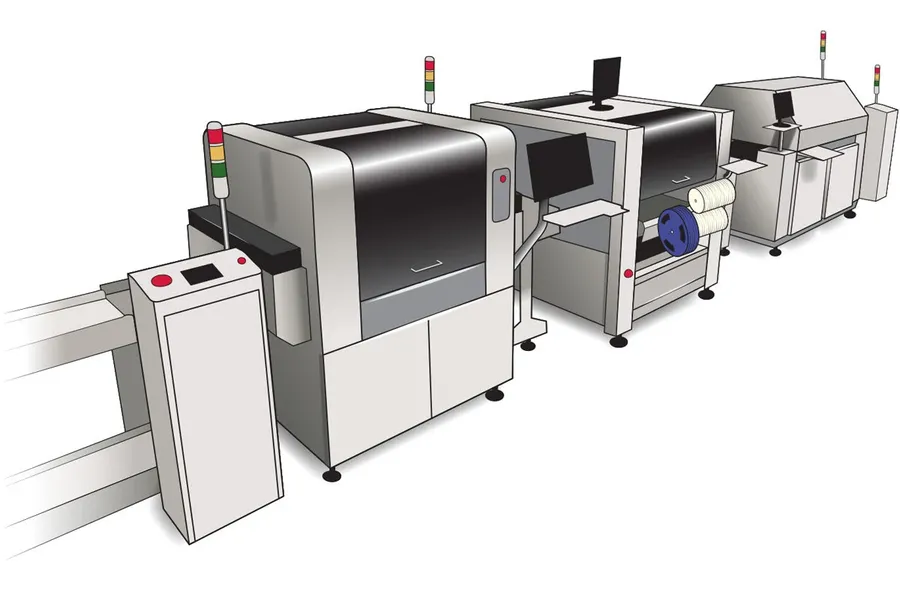
Beyond the initial investment in equipment and facilities, PCB manufacturing incurs substantial recurring operational costs. These ongoing expenses, which include maintenance, utilities, quality control, and waste disposal, are crucial to factor into the overall budget and significantly impact the long-term viability of a PCB manufacturing operation. Effective management of these costs is essential for maintaining profitability and competitiveness.
| Operational Cost Category | Description | Impact on Overall Cost |
|---|---|---|
| Equipment Maintenance | Regular upkeep and repair of machinery to ensure optimal performance and prevent downtime. Includes replacement of worn parts and calibration services. | High impact; neglecting maintenance leads to costly breakdowns and reduced production efficiency. |
| Utilities | Electricity consumption for powering equipment and lighting, as well as water usage for cleaning and cooling processes. | Moderate impact; can be reduced through energy-efficient practices and water recycling methods. |
| Quality Control | Inspection and testing of PCBs at various stages to ensure compliance with specifications. Includes material inspection, in-process checks, and final testing. | Moderate impact; crucial to ensure high product quality and reduce defects. |
| Waste Disposal | Safe disposal of chemical waste, scrap materials, and other byproducts generated during the manufacturing process. Compliance with environmental regulations is mandatory. | Moderate to high impact; proper disposal methods are necessary to avoid fines and environmental hazards. Recycling programs can mitigate costs. |
| Consumables | Replenishment of materials that are consumed during manufacturing, such as solder paste, etching chemicals, cleaning solutions, and drill bits. | Moderate impact; efficient usage and bulk purchasing strategies can reduce these costs. |
| Facility Upkeep | Regular cleaning, maintenance, and security expenses for the manufacturing facility including maintenance of HVAC systems. | Low impact, but necessary to maintain a functional and safe environment. |
PCB assembly costs are a significant portion of the overall expense in bringing an electronic product to market. These costs are not just about the price of components; they involve a complex interplay of techniques, labor, and automation levels. Understanding these intricacies is crucial for effective cost management.
| Assembly Method | Description | Cost Implications | Complexity Handling |
|---|---|---|---|
| Manual Assembly | Components placed and soldered by hand. | Lower initial setup cost, higher per-unit labor cost, suitable for small batches. | Best for low-volume, simple designs. Struggles with high-density or complex designs |
| Automated Pick-and-Place | Machines place surface mount components; soldering typically automated. | Higher initial equipment cost, lower labor costs, cost-effective for medium to high-volume. | Handles complex, high-density designs well |
| Through-Hole | Components with leads inserted through holes in the PCB and soldered on the opposite side. | Moderate labor and material cost, requires more board space, suitable for robust connections. | Good for larger, stronger connections, but less common for complex, compact designs. |
| Surface-Mount Technology (SMT) | Components soldered directly to the surface of the PCB. | Lower component costs, automated assembly, compact and versatile. | Ideal for high-density designs and large-scale production. |
This section addresses common questions regarding PCB manufacturing costs, providing clear, concise answers to help you better understand the factors influencing these expenses and offering potential cost-saving strategies. Understanding these factors is key to effectively managing your PCB production budget.
Optimizing costs in PCB manufacturing is crucial for maintaining profitability and competitiveness. Strategic decisions across design, sourcing, and production can significantly reduce expenses without compromising quality.
Understanding the PCB manufacturing setup cost is crucial for anyone entering the electronics manufacturing field. From initial equipment investments to ongoing operational expenses, each element plays a significant role in the overall budget. By understanding these factors and employing smart strategies, businesses can navigate the complexities of PCB production effectively and sustainably. While the initial PCB manufacturing setup cost might seem high, with careful planning and execution, it is an achievable and rewarding venture that can meet the ever-growing demand for electronics solutions, and help you stay ahead of the curve.

