In today's electronics-driven world, Printed Circuit Boards (PCBs) are the silent heroes powering our devices. From the simplest gadgets to the most sophisticated machinery, PCBs are indispensable. But how much does it actually cost to bring these vital components to life? The [pcb printing cost] varies greatly depending on numerous factors, from materials and complexity to production volume and turnaround times. This guide explores all aspects of PCB printing cost, providing a comprehensive overview and a detailed understanding of how to estimate your own project's budget.
The cost of printed circuit boards (PCBs) is not a fixed value; it is determined by a confluence of several key factors. Understanding these variables is crucial for effectively managing project budgets and making informed decisions during the design and manufacturing phases. These factors span from the physical attributes of the board itself to the complexities of the manufacturing process.
The major determinants of PCB printing cost are:
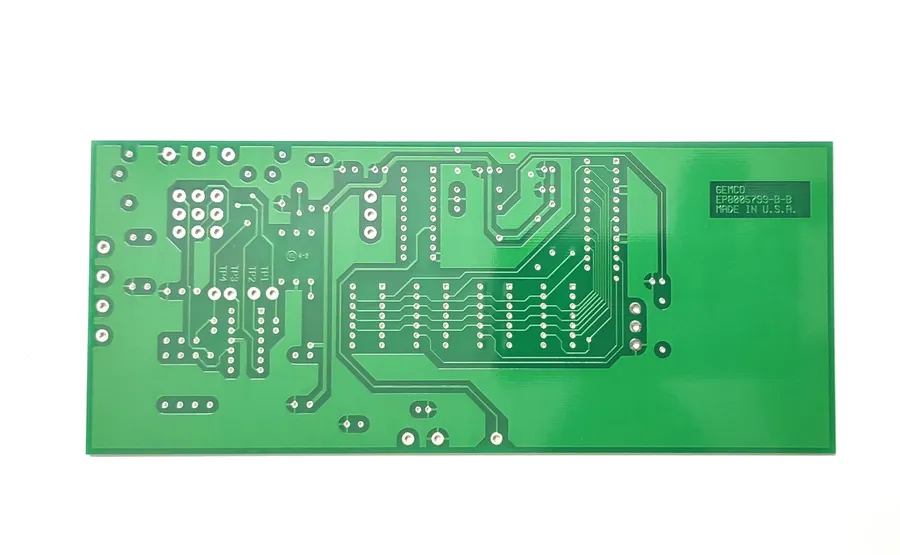
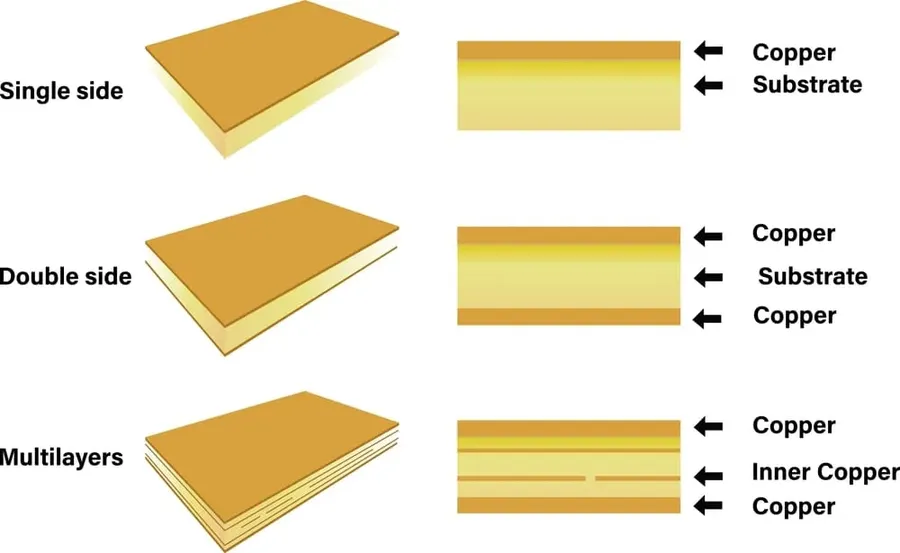
Single-layer PCBs represent the simplest form of printed circuit boards, characterized by a single conductive layer of copper on one side of the substrate. Consequently, they generally exhibit the lowest manufacturing costs, making them ideal for basic electronic applications and educational purposes, where complexity and high density are not primary concerns.
The cost of a single-layer PCB is primarily influenced by factors such as board size, material type, and manufacturing volume. However, since only one conductive layer is involved, the cost is inherently lower compared to more complex multi-layer boards. This section will delve into the specifics of single-layer PCB costs, offering a fundamental understanding of how these factors interact.
| Factor | Impact on Cost | Typical Cost Range (USD) | Notes |
|---|---|---|---|
| Board Size | Directly Proportional | 0.5 - 5 per board for small sizes | Larger boards use more material. |
| Material | Moderate influence | FR-4 is the standard, cheaper materials exist | FR-4 is the most common, special materials might increase costs slightly. |
| Manufacturing Volume | Inversely Proportional | Lower cost per board in higher volumes | Prototype runs are more expensive than mass production. |
| Complexity of Design | Moderate influence | Basic layouts have minimal effect, complex design with specific traces might influence cost slightly | Simple designs have minimal impact, complex layouts require more precision and time, which could raise costs marginally. |
Understanding the cost dynamics of single-layer PCBs provides a vital foundation for budget management, especially when planning small-scale electronics projects or educational kits. The straightforward construction translates to a cost-effective solution for less demanding applications, while maintaining sufficient functionality for many basic electronic circuits.
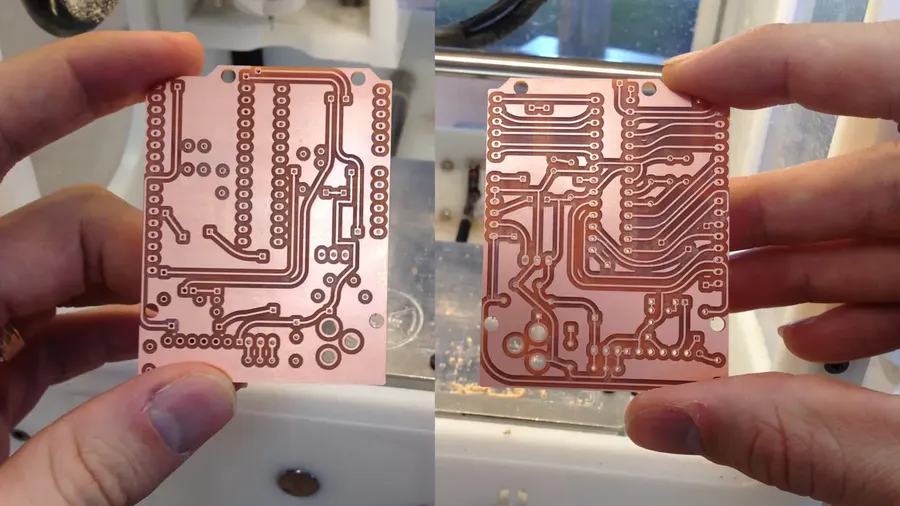
Double-layer PCBs represent a significant step up in complexity and functionality from single-layer boards, consequently impacting their manufacturing cost. While still considered relatively affordable, they offer a substantial improvement in circuit routing and component placement, leading to more compact and versatile electronic designs. The increased cost arises primarily from the additional processing steps required to create the second conductive layer, including layer alignment, etching, and lamination.
| Feature | Single-Layer PCB | Double-Layer PCB |
|---|---|---|
| Number of Layers | 1 | 2 |
| Routing Complexity | Limited | Moderate |
| Component Density | Lower | Higher |
| Manufacturing Cost | Lower | Slightly Higher |
| Typical Applications | Basic electronics, simple circuits | Intermediate electronics, more complex circuits |
The cost of a double-layer PCB is influenced by several factors, including the board size, the materials used, and the complexity of the circuit design. However, compared to single-layer PCBs, double-layer PCBs always have a price premium due to the inherent manufacturing process. This increase is justified by the additional versatility and complexity that double-layer PCBs afford, making them suitable for a wider range of applications where a single layer is insufficient.
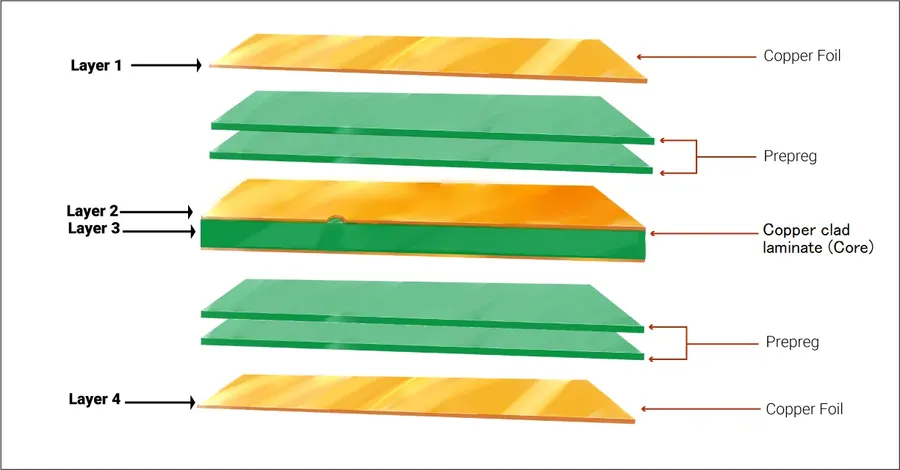
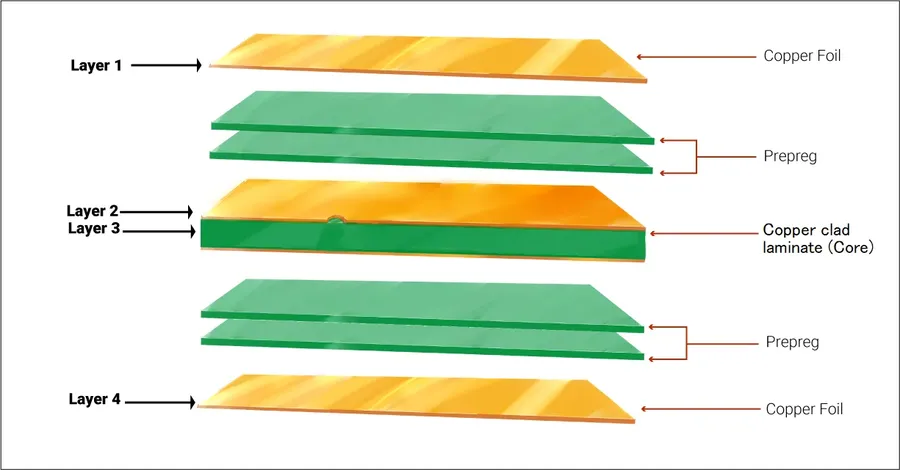
Multi-layer PCBs, characterized by three or more conductive layers, inherently command higher printing costs compared to single or double-layer boards due to their increased complexity in design and fabrication. These boards are essential for sophisticated electronic devices requiring high component density, signal routing intricacy, and enhanced performance.
| Cost Factor | Impact on Multi-Layer PCB Cost |
|---|---|
| Layer Count | Directly proportional; more layers lead to a higher cost due to additional material, processing, and testing. |
| Via Complexity | Increased number of vias, especially buried and blind vias, escalates manufacturing complexity and cost due to precision drilling and plating. |
| Material Type | Advanced materials for high-frequency or high-temperature applications result in higher costs. |
| Impedance Control | Requires tighter tolerances and precision in manufacturing, increasing cost. |
| Manufacturing Time | More complex fabrication processes increase turnaround time and hence cost. |
| Testing and Inspection | Extensive testing for layer alignment and circuit integrity adds to the overall cost. |
The precision requirements in multi-layer PCB manufacturing demand advanced techniques such as laser direct imaging, precise drilling, and meticulous layer alignment. These processes increase production time and material usage which result in a higher unit cost. The necessity for specialized machinery and trained personnel to handle these intricate boards also contributes to the increased cost.
The selection of substrate materials significantly influences both the performance and the cost of PCB printing. Different materials offer varying electrical, thermal, and mechanical properties, leading to price differences. This section explores how common substrate choices impact the final PCB printing price.
| Material | Cost | Dielectric Constant | Thermal Conductivity | Typical Applications |
|---|---|---|---|---|
| FR-4 | Low to Medium | 4.3-4.7 | 0.25 W/mK | General purpose, cost-sensitive applications |
| CEM-1 | Low | 4.0-4.5 | 0.3 W/mK | Single-sided boards, basic electronics |
| Aluminum | Medium to High | N/A | 237 W/mK | LED lighting, power electronics (for thermal dissipation) |
| Rogers | High | 2.5-10 | 0.2-0.7 W/mK | High-frequency applications, RF circuits |
| Polyimide | High | 3.2-3.5 | 0.3 W/mK | Flexible PCBs, high-temperature environments |
The choice of material should be made based on specific application requirements, balancing performance demands with budget constraints. The dielectric constant, thermal conductivity, and mechanical strength are important considerations, as well as the manufacturing process compatability. It's important to review material options with the PCB manufacturer during the design phase to optimize both performance and cost.
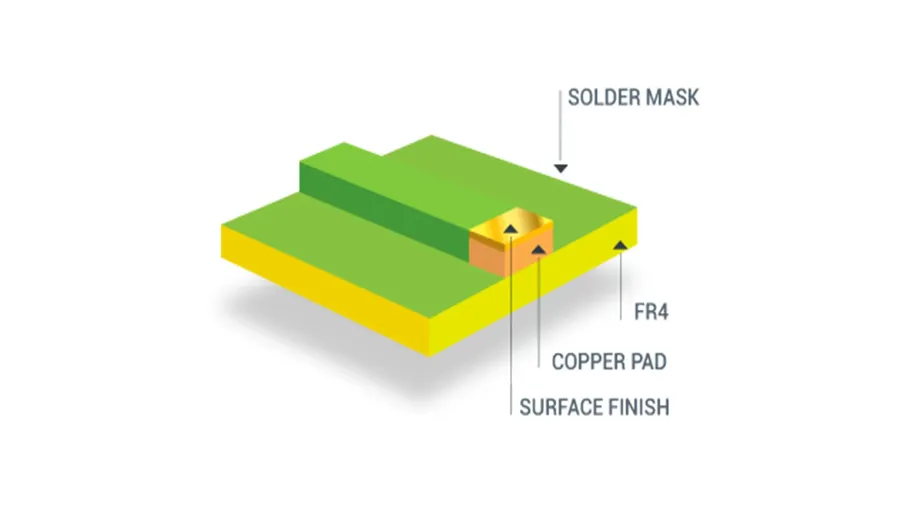
The surface finish of a Printed Circuit Board (PCB) is a crucial aspect that significantly impacts both its performance and manufacturing cost. Different surface finishes offer varying levels of solderability, corrosion resistance, and electrical conductivity, directly influencing the final price of the PCB. Selecting the appropriate finish is a critical trade-off between cost and desired performance characteristics.
| Surface Finish | Cost | Solderability | Corrosion Resistance | Typical Applications |
|---|---|---|---|---|
| HASL (Hot Air Solder Leveling) | Low | Good | Moderate | General purpose PCBs, Through-hole components |
| Lead-Free HASL | Low to Moderate | Good | Moderate | General purpose PCBs, RoHS compliant applications |
| ENIG (Electroless Nickel Immersion Gold) | High | Excellent | Excellent | Fine-pitch SMT, Wire bonding, High-reliability applications |
| Immersion Tin | Moderate | Good | Moderate | Press-fit connectors, Lead-free assemblies |
| Immersion Silver | Moderate | Good | Moderate | RF applications, High frequency signal transmission |
| OSP (Organic Solderability Preservative) | Low | Good (short term) | Poor | Cost-sensitive applications with short shelf life |
The per-unit cost of printed circuit boards (PCBs) is significantly affected by the manufacturing volume, exhibiting a phenomenon known as economies of scale. This principle dictates that as production volume increases, the cost per PCB decreases. This relationship stems from how fixed costs are distributed and the efficiency gained in large production runs.
| Production Volume | Fixed Cost Impact | Material Cost Impact | Per-Unit Cost |
|---|---|---|---|
| Small Prototype Batches (e.g., 1-10) | High per unit due to setup costs and tooling | Slightly higher due to small quantity orders | Highest |
| Medium Volume (e.g., 100-1000) | Moderate per unit costs as fixed costs are spread | Moderate price per unit with volume discounts | Moderate |
| Large-Scale Manufacturing (e.g., 1000+) | Low per unit as fixed costs are minimized | Lowest price due to bulk material purchases | Lowest |
For small prototype batches, the initial setup cost, which include tooling and programming for manufacturing equipment, is distributed across very few units. The same fixed costs are distributed across a greater number of boards in high-volume production, driving down the per-unit cost. Furthermore, larger orders often benefit from bulk material purchasing, lowering material costs as well.
It is imperative to consider your long-term PCB needs when planning your project. While small runs are economical for early prototyping, they will not be cost-effective for larger volumes. Hence, anticipating your expected manufacturing volume will play a pivotal role in budgeting for PCB production.
Expedited manufacturing times and rush orders significantly impact PCB printing costs due to the need for prioritized production, overtime labor, and faster shipping. These factors contribute to increased expenses beyond standard lead times.
Standard PCB fabrication lead times generally range from a few days to a couple of weeks, depending on the complexity of the board and the manufacturer's workload. However, projects with time-sensitive deadlines often require faster turnaround times, incurring additional fees.
| Turnaround Time | Typical Cost Impact | Production Process |
|---|---|---|
| Standard (e.g., 5-10 business days) | Base Price | Standard queue, normal material procurement, and regular production scheduling. |
| Expedited (e.g., 3-5 business days) | 1.2x to 1.5x Standard Price | Prioritized queue, faster material procurement, and scheduling within existing capacity. |
| Rush (e.g., 24-48 hours) | 1.5x to 2.5x or more Standard Price | Immediate queue placement, potential overtime labor, expedited material procurement, and expedited shipping. |
Rush fees for PCB manufacturing can vary widely depending on several factors. The complexity of the PCB, the chosen manufacturer, the manufacturing technology and the urgency of the required turnaround time play a significant role. For instance, a simple single-layer PCB might incur a smaller rush fee compared to a complex multi-layer PCB with a very fast turnaround requirement.
Factors influencing the cost of expedited services include overtime for personnel involved in manufacturing, such as CAM engineers and fabrication teams, prioritized use of machinery and resources, and express shipping. These costs are passed on to the customer to reflect the additional efforts made to accelerate production.
Understanding the nuances of PCB printing costs can be complex, given the numerous factors involved. This section addresses common questions to provide clarity on what influences these expenses.
The cost of PCB printing varies significantly among different manufacturers due to factors such as production capacity, material sourcing, technology, and geographic location. This section provides a comparative analysis of PCB printing costs from several popular manufacturers, offering insights into how these factors influence pricing.
| Manufacturer | Typical Pricing | Lead Time | Key Strengths | Considerations |
|---|---|---|---|---|
| JLCPCB | Highly competitive, often lower for prototypes and small batches | Fast, typically 2-7 days for standard production | Cost-effective for low volume production, extensive online ordering platform | May have limitations on advanced technologies, higher shipping cost for some regions |
| Elecrow | Competitive, with some variations depending on specific requirements. | Moderate, usually 5-10 days | Good balance between cost and quality, offers a wide range of services | May have a slightly higher price than JLCPCB for basic PCBs |
| PCBWay | Offers competitive pricing with a wide array of options. | Moderate, generally 3-12 days depending on the service | Comprehensive manufacturing capabilities, good for complex boards and larger volumes | Can be more expensive for simple prototypes |
| Other Manufacturers (e.g., local shops, Advanced Circuits) | Highly variable, depends on the specific shop and complexity of the project | Variable, often longer for specialized or high volume orders | Can offer specialized services or fast turnaround, tailored service and support | Higher prices compared to international manufacturers, may require in-person interactions for custom specifications |
Reducing PCB printing costs is achievable without compromising quality by employing strategic design and manufacturing choices. This section provides practical tips to minimize expenses, ensuring cost-effective PCB production.
Understanding the intricacies of [pcb printing cost] is crucial for both hobbyists and professional designers. This guide has provided a detailed overview of the variables influencing the final price of PCBs. By carefully considering materials, complexity, and production volume, you can make informed decisions to optimize your budget. As technology advances, the landscape of PCB manufacturing continues to evolve, with cost-effective solutions becoming more accessible. Staying informed will allow you to take advantage of these developments and ensure cost-effective PCB printing in your projects.

