The Dragonfly PCB printer, a marvel of modern engineering, has revolutionized electronics prototyping by offering the ability to create complex circuit boards in-house. Its innovative technology combines 3D printing with conductive inks, allowing engineers to bring their designs to life with unprecedented speed and precision. However, a key question for any prospective buyer is: what about the dragonfly pcb printer price? In this article, we dive deep into the world of Dragonfly PCB printers, exploring their various models, capabilities, and, most importantly, the investment required to incorporate this transformative technology into your workflow.
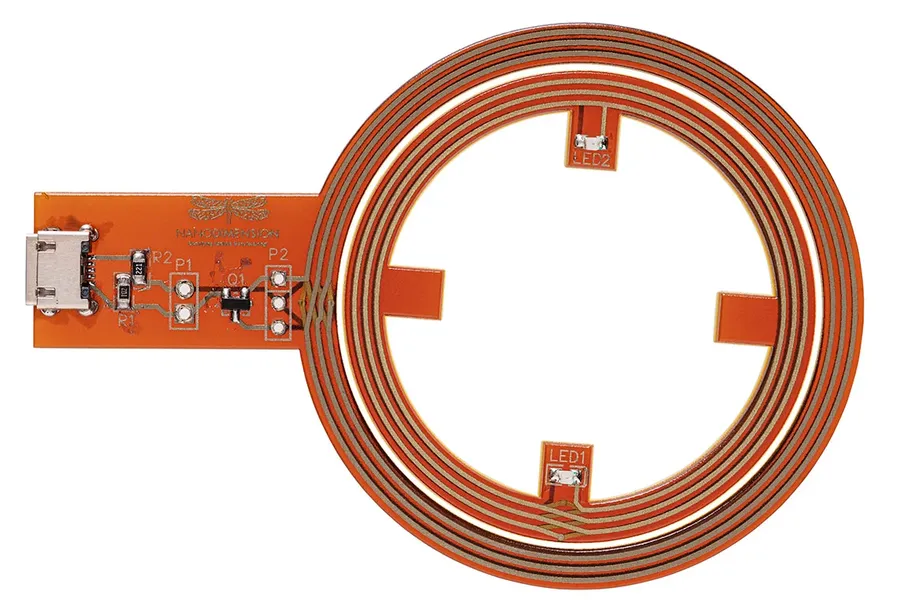
The Dragonfly PCB printer, pioneered by Nano Dimension, employs a sophisticated additive manufacturing approach to fabricate functional circuit boards, differentiating itself from traditional subtractive methods. At its core, the technology fuses inkjet deposition of proprietary conductive and dielectric inks with precise 3D printing techniques, layer by layer, to construct intricate multi-layer PCBs. This capability enables on-demand fabrication of electronic circuits, thereby accelerating prototyping cycles and offering greater design freedom.
Key aspects of the Dragonfly technology include:
| Material Type | Function | Composition | Key Properties |
|---|---|---|---|
| Conductive Ink | Creates conductive traces and pads | Silver nano-particles in a polymer matrix | High electrical conductivity, good adhesion to substrate |
| Dielectric Ink | Provides insulation between layers | Polymer with specific electrical properties | Low dielectric constant, high dielectric strength |
| Support Material | Provides structural support during printing of complex geometries | Proprietary polymer | Removable after printing, good thermal stability |
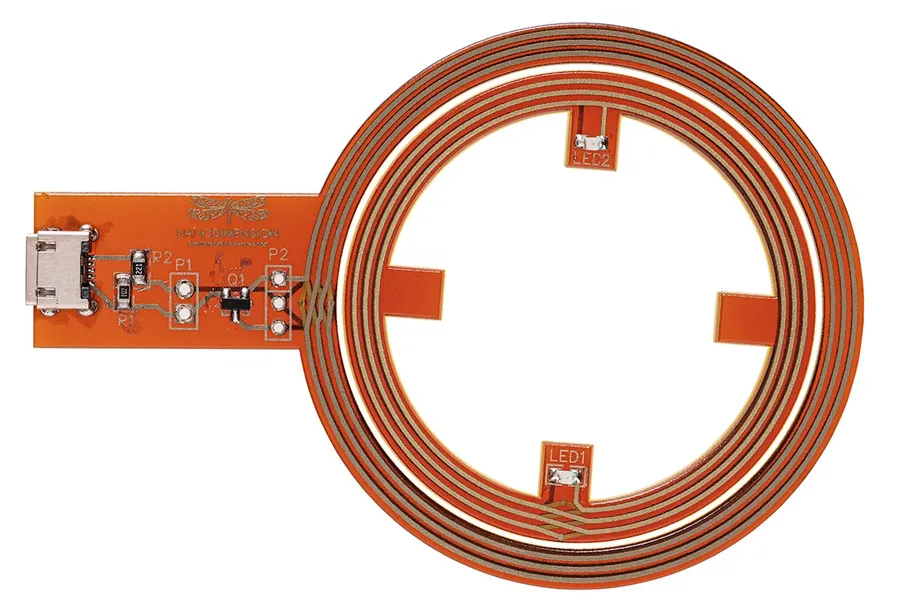
The evolution of the Nano Dimension DragonFly printer from the 2020 Pro model to the DragonFly IV represents significant advancements in 3D printed electronics capabilities. This section will dissect the core differences between these two generations, focusing on improvements in technology, performance, and overall functionality.
| Feature | DragonFly 2020 Pro | DragonFly IV |
|---|---|---|
| Printing Technology | Inkjet deposition | Advanced Inkjet deposition with improved print heads |
| Materials | Proprietary conductive and dielectric inks | Enhanced conductive and dielectric nano-particle inks with higher resolution and stability |
| Resolution | Lower resolution compared to DragonFly IV | Higher resolution for finer features and complex designs |
| Build Volume | Smaller build volume | Increased build volume to accommodate larger boards and assemblies |
| Throughput | Lower throughput of PCB prototypes | Higher throughput enabled by faster print speeds and better material handling |
| Automation | More manual operation of material loading and handling | Higher levels of automated material handling |
| Software | Software suite with basic design import and print management | Enhanced software with advanced design analysis and process monitoring |
| Material Options | Limited material options | More material options to support various advanced applications |
| Precision | Standard precision | Enhanced precision for more complex and detailed circuit boards |
| Connectivity | Standard connectivity | Enhanced connectivity with multiple data transfer protocols |
| Power Consumption | Standard power consumption | Optimized power usage and efficiency improvements |
The DragonFly IV builds upon the foundational technology of the DragonFly 2020 Pro, addressing limitations and incorporating improvements driven by user feedback and advancements in materials science and inkjet printing technology. Key upgrades include higher print resolution, more material options, and a larger build volume, directly impacting the complexity and functionality of the PCBs that can be produced. The improved software suite also allows for streamlined design processes and better control over printing parameters. Overall, the DragonFly IV provides a higher level of automation, resulting in better precision, faster prototyping times, and optimized material usage.
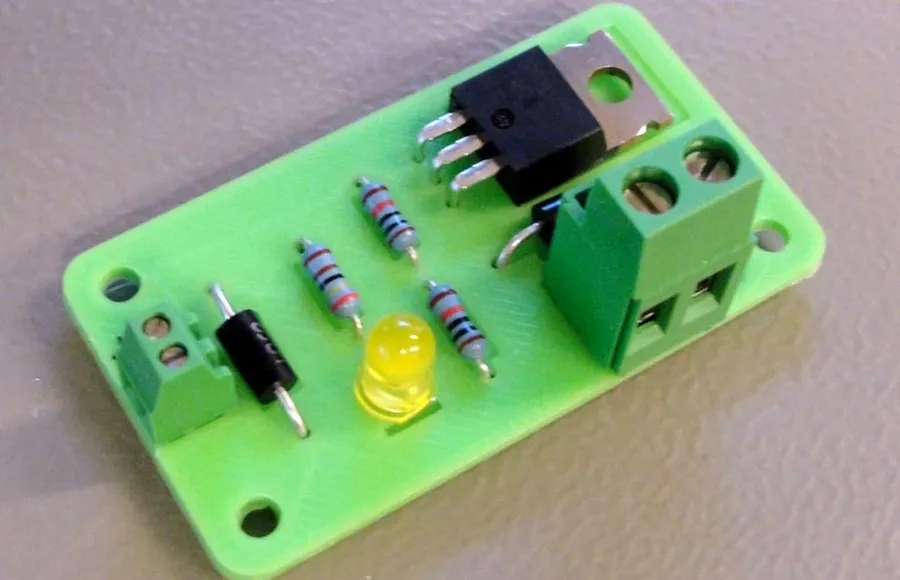
The final cost of a Dragonfly PCB printer is not a single, fixed value. Instead, it's determined by a combination of factors including the specific model selected, the software suite bundled with the printer, the level of customer support provided, and any optional accessories required. Understanding these elements is crucial for accurate budgeting and cost projections.
| Factor | Description | Impact on Price |
|---|---|---|
| Printer Model (e.g., DragonFly 2020 Pro, DragonFly IV) | The specific version of the Dragonfly printer. Newer models typically include enhanced features, greater precision, and more advanced materials compatibility. | Significant. Newer and more advanced models command a higher price due to improved capabilities and performance. |
| Software Package | The software suite required to operate the printer, manage printing tasks, and design electronics for the printer, and often includes updates and features. | Moderate to significant. Comprehensive software packages with advanced features and ongoing support increase costs. |
| Support Contract | The support contract level, including the type of warranty, and support response times offered by the manufacturer. Higher levels provide faster response and more comprehensive support. | Moderate. Extended warranties, comprehensive support, and faster response times increase overall cost. |
| Additional Accessories and Consumables | Optional accessories (e.g., additional print heads, material handling systems) and consumables (e.g., specialized inks, substrates). | Moderate. Specialized inks and additional accessories contribute to the overall cost. |
| Installation and Training | On-site installation, setup, and training services provided by the manufacturer. It ensures proper system setup, user training, and efficient operation. | Moderate. Essential services like installation and training can add to the total cost of the printer. |
| Financing Options | Financing or leasing options, which may include interest rates and other costs | Moderate. Cost is determined by the finance rate. |
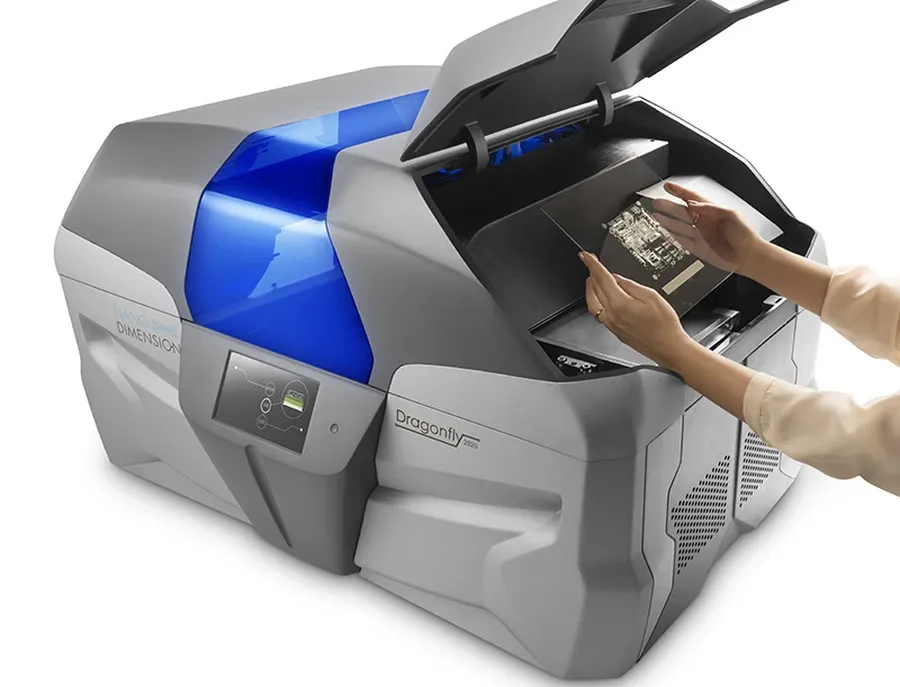
The price of a Dragonfly PCB printer is a significant investment, reflecting its advanced 3D printing capabilities for electronics. Understanding the cost implications is crucial for organizations considering adopting this technology. Pricing varies based on the specific model, software packages, support services, and other factors. This section provides an overview of typical price ranges and associated costs.
Based on available market data, a new Nano Dimension Dragonfly system typically costs in the range of several hundred thousand US dollars, with the latest Dragonfly IV models being at the higher end of this range. This cost includes the printer itself, initial consumable materials, and basic software licenses. The actual cost of ownership will include several factors beyond just the printer’s base cost.
| Cost Component | Description | Estimated Cost Range |
|---|---|---|
| Printer Purchase | Initial cost of the Dragonfly system itself, including base software | $200,000 - $400,000+ |
| Software & Licenses | Cost of advanced software features, such as CAM (Computer-Aided Manufacturing) software and annual licensing | $5,000 - $20,000+ per year |
| Consumable Materials | Cost of specialized conductive and dielectric inks required for printing | $5,000 - $15,000+ per year (depending on usage) |
| Maintenance & Support | Annual maintenance contracts, technical support, and training costs | $10,000 - $30,000+ per year |
| Extended Warranties | Optional extended warranty packages to cover unforeseen issues | Varies |
| Additional Accessories | Additional accessories such as additional print heads or specialized tools | Varies |
Financing options are often available through Nano Dimension or third-party financing companies. These may include leasing and payment plans that allow companies to acquire the technology without significant upfront capital expenses. These options should be explored carefully, as total cost may vary depending on the selected plan. Ongoing operating costs include the price of consumables, mainly the specialized inks and maintenance fees. It's critical to factor in these costs when calculating the return on investment (ROI) of the system. The price also depends on the level of training and support required.
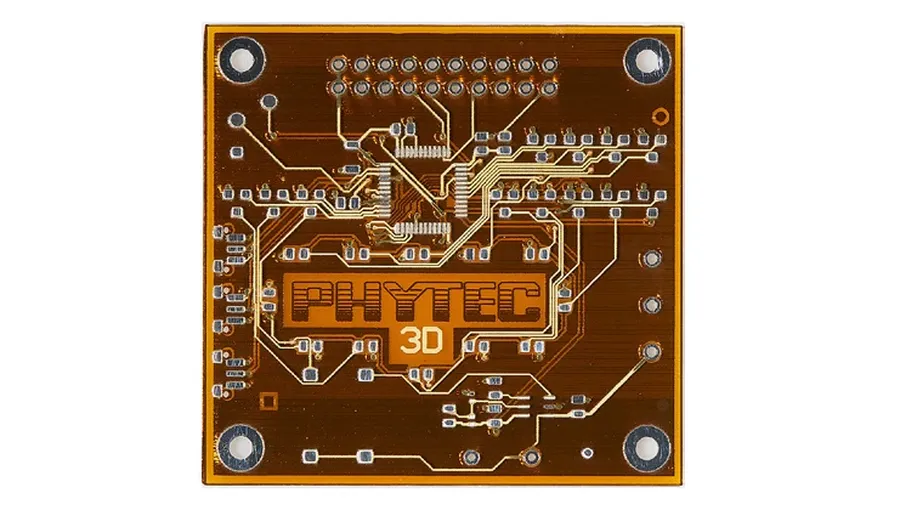
The integration of a Dragonfly PCB printer for in-house prototyping fundamentally transforms the electronics development lifecycle, offering a paradigm shift from traditional outsourced methods. This approach yields substantial advantages in terms of time efficiency, cost management, design iteration flexibility, and overall control of the prototyping process.
The Dragonfly PCB printer is not a one-size-fits-all solution; its advanced capabilities cater to specific sectors and applications where rapid prototyping and custom electronic designs are crucial. This section identifies ideal use cases for the Dragonfly, focusing on the industries and project types that benefit the most from this technology.
This section addresses common inquiries about the Dragonfly PCB printers, providing clear answers regarding their operation, limitations, and comparisons with alternative 3D printing technologies. Understanding these aspects is crucial for potential users to make informed decisions about adopting this advanced technology for in-house PCB prototyping.
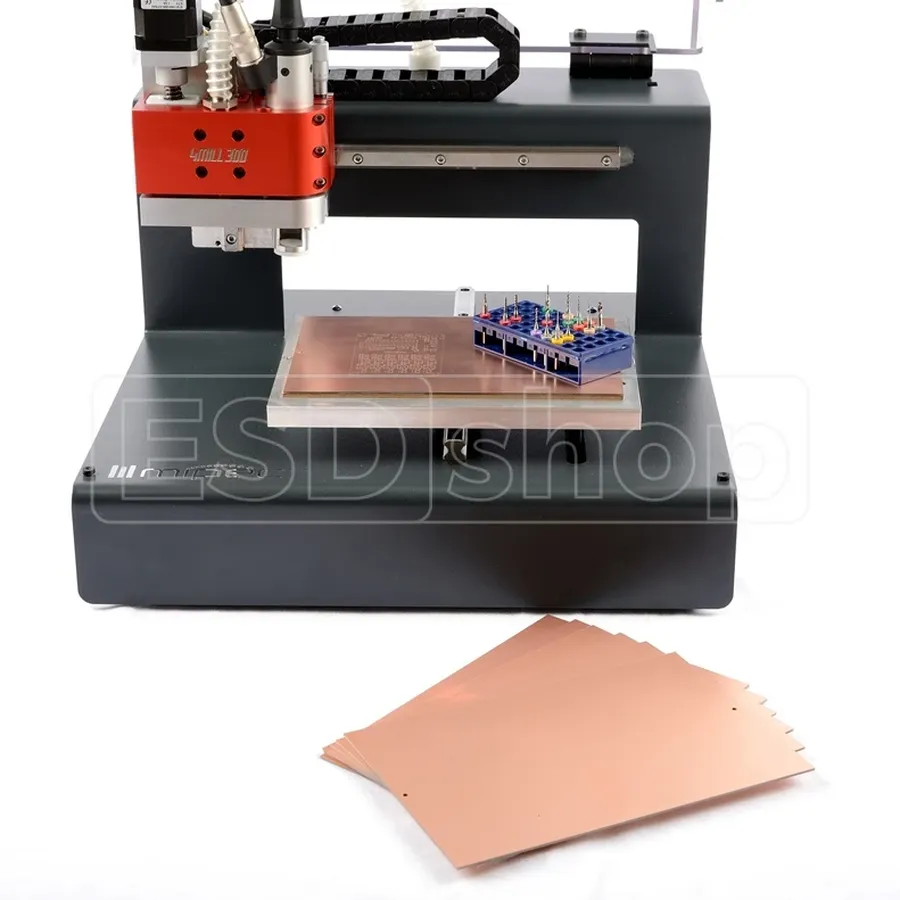
While the Nano Dimension Dragonfly stands as a prominent player in the 3D printed electronics arena, several alternative solutions cater to various needs and budgets. These alternatives often employ different technologies and materials, offering diverse capabilities in PCB prototyping and manufacturing. Understanding these options is crucial for selecting the optimal solution.
| Alternative Solution | Technology | Materials | Pros | Cons | Typical Application | Price Range (USD) |
|---|---|---|---|---|---|---|
| Voltera V-One | Inkjet printing | Conductive inks, solder paste | Compact, relatively affordable, easy to use | Limited layer count, smaller print area, slower printing | Rapid prototyping, educational purposes | ~$5,000 - $10,000 |
| BotFactory Squink | Pick-and-place, dispensing | Conductive inks, solder paste, components | Automated assembly, integrated pick-and-place functionality | More complex setup, can be less versatile for high-density designs | Small batch assembly, functional prototyping | ~$15,000 - $25,000 |
| Multi3D Technologies | Aerosol Jet | Various conductive inks | High precision, fine feature printing, various material options | More expensive than inkjet options, requires specialized inks | Complex designs, advanced prototyping, research | ~$50,000 - $150,000+ |
| LulzBot TAZ Pro | Fused Deposition Modeling (FDM) | Conductive filaments, various substrate materials | Versatile, large build volume, good for creating customized enclosures | Less suitable for intricate circuitry, limited conductivity | Enclosures and housings, simpler circuit boards | ~$5,000 - $8,000 |
| Custom Built Solutions | Varies | Varies | Tailored to specific needs, can be cost-effective for large volumes | Requires in-house engineering expertise, high initial development effort | Niche applications, high-volume production | Varies widely |
The selection of a 3D PCB printing solution should be guided by specific application needs, budget constraints, and expertise available. While the Dragonfly is specialized for creating multilayer PCBs with high conductivity, other solutions might be better suited to applications requiring rapid prototyping of simpler circuits, automated component placement, or larger enclosures. Careful analysis of these alternatives is recommended to ensure the best fit for your unique manufacturing needs. It is also important to note that the cost, performance, and features of all alternatives can vary greatly depending on specific models and configurations.
The field of 3D printed electronics is rapidly evolving, with future trends poised to significantly impact both the capabilities and cost-effectiveness of systems like the Dragonfly PCB printer. These advancements promise to broaden applications and potentially lower the barrier to entry for in-house rapid prototyping.
The Dragonfly PCB printer, while representing a significant investment, offers unparalleled advantages in rapid prototyping and agile hardware development. Understanding the dragonfly pcb printer price and its associated benefits is crucial for any organization seeking to innovate and remain competitive in the fast-paced world of electronics. As technology continues to evolve, we can expect further advancements in 3D PCB printing, potentially lowering costs and expanding applications for this transformative technology.

