From the simple dimming of a light bulb to the complexity of a modern smartphone, resistors play a vital role in controlling electrical current. Among the various resistor types, the E24 series stands out as a fundamental standard. This article demystifies the E24 resistor series, explaining its significance in electronic design and selection. We'll explore the standard values, applications, and the importance of these components in both everyday electronics and high-tech applications, making it easy for you to choose the correct resistor for your next project.
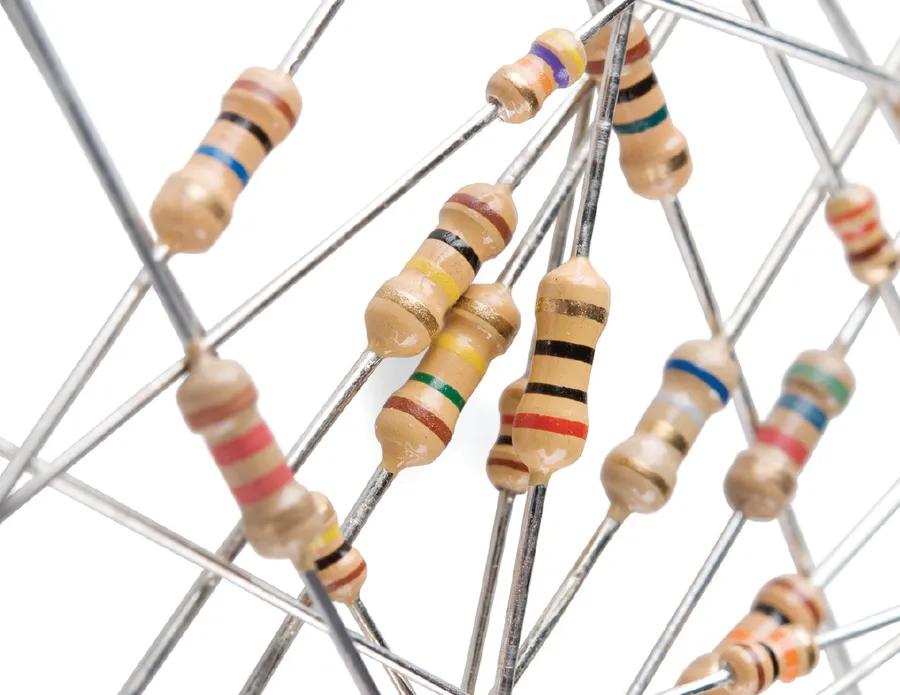
The E24 resistor series is a standardized set of 24 preferred numerical values used for resistor manufacturing. These values are logarithmically spaced within each decade (e.g., 10-100 ohms, 100-1000 ohms), ensuring a practical selection of resistance values is available while minimizing redundancy. The series is derived from the geometric progression of the 24th root of 10 (approximately 1.1006), rounded to two significant figures. This approach provides a consistent ratio between adjacent values, which is crucial for circuit design. This standardized selection allows for efficient inventory management for both manufacturers and end-users and ensures a useful range of values for general-purpose electronics.
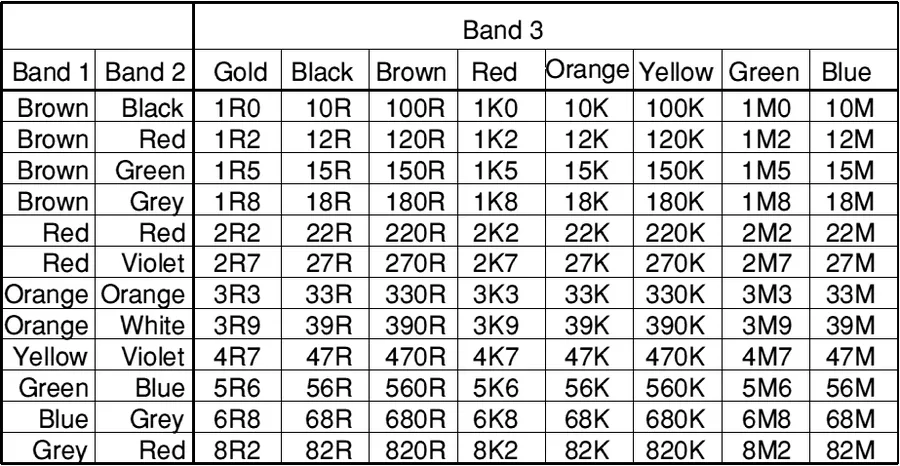
The E24 series provides a set of 24 standard resistor values per decade, designed to offer a practical range for circuit design while minimizing redundancy. These values, when multiplied by powers of ten, cover the full spectrum of resistance needed in most electronic applications. The E24 series is a cornerstone in electronics due to its balance of value options and manufacturing feasibility.
| E24 Standard Values | Multiplier (Example: Ohms, Kilo-ohms, Mega-ohms) |
|---|---|
| 10 | 10Ω, 10kΩ, 10MΩ |
| 11 | 11Ω, 11kΩ, 11MΩ |
| 12 | 12Ω, 12kΩ, 12MΩ |
| 13 | 13Ω, 13kΩ, 13MΩ |
| 15 | 15Ω, 15kΩ, 15MΩ |
| 16 | 16Ω, 16kΩ, 16MΩ |
| 18 | 18Ω, 18kΩ, 18MΩ |
| 20 | 20Ω, 20kΩ, 20MΩ |
| 22 | 22Ω, 22kΩ, 22MΩ |
| 24 | 24Ω, 24kΩ, 24MΩ |
| 27 | 27Ω, 27kΩ, 27MΩ |
| 30 | 30Ω, 30kΩ, 30MΩ |
| 33 | 33Ω, 33kΩ, 33MΩ |
| 36 | 36Ω, 36kΩ, 36MΩ |
| 39 | 39Ω, 39kΩ, 39MΩ |
| 43 | 43Ω, 43kΩ, 43MΩ |
| 47 | 47Ω, 47kΩ, 47MΩ |
| 51 | 51Ω, 51kΩ, 51MΩ |
| 56 | 56Ω, 56kΩ, 56MΩ |
| 62 | 62Ω, 62kΩ, 62MΩ |
| 68 | 68Ω, 68kΩ, 68MΩ |
| 75 | 75Ω, 75kΩ, 75MΩ |
| 82 | 82Ω, 82kΩ, 82MΩ |
| 91 | 91Ω, 91kΩ, 91MΩ |
These values are based on a logarithmic scale, so the gaps between them increase proportionally as the values rise, rather than being linear. This approach ensures a predictable distribution of values across each decade. For example, 10, 100, 1000, 10k, 100k, and 1M each is derived by multiplying by factors of 10. Resistors with these base values are easily produced and widely available in standard package sizes.
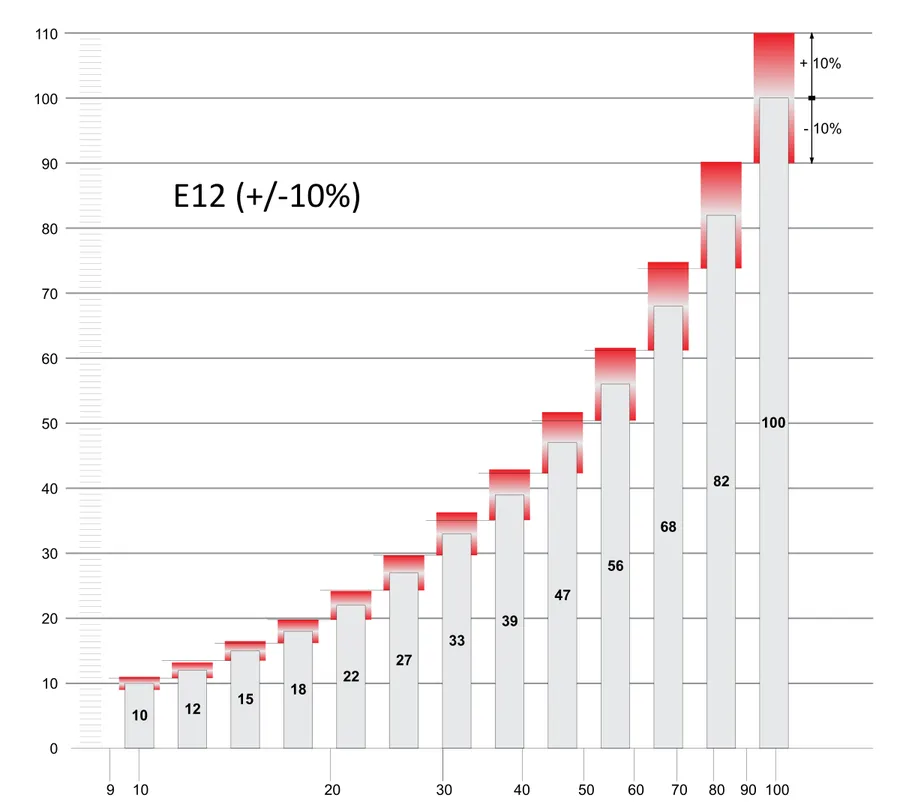
The E-series is a standardized system of preferred numbers for electronic components, primarily resistors, that ensures a practical range of values while minimizing unnecessary variations. While the E24 series is a common choice, it is part of a larger family that includes E3, E6, E12, E48, E96, and E192, each offering different levels of precision and component availability. The E-series progression is based on the root of 10, which results in logarithmically spaced values. This allows for a more even distribution of component values across a range and prevents component values from being too closely aligned.
| E-Series | Number of Values per Decade | Tolerance (%) | Typical Application | Component Availability |
|---|---|---|---|---|
| E3 | 3 | 20 | General Purpose, high tolerance | High |
| E6 | 6 | 20,10 | General Purpose | High |
| E12 | 12 | 10,5 | General Purpose | High |
| E24 | 24 | 5, 2, 1 | Common for general-purpose electronics | High |
| E48 | 48 | 2, 1 | Precision applications | Moderate |
| E96 | 96 | 1, 0.5 | High-precision applications | Moderate |
| E192 | 192 | 0.5, 0.25, 0.1 | Highest-precision applications | Low |
The E24 series, with its 24 values per decade, provides a good balance between precision and availability, making it suitable for a wide array of general-purpose electronics. While higher-precision series like E96 and E192 offer more options and tighter tolerances, they come with increased costs and potentially lower availability. Conversely, E3, E6, and E12 have fewer values and wider tolerances, they are more suitable for less critical applications. The selection of an E-series depends on the specific design requirements, cost considerations, and the desired level of accuracy.
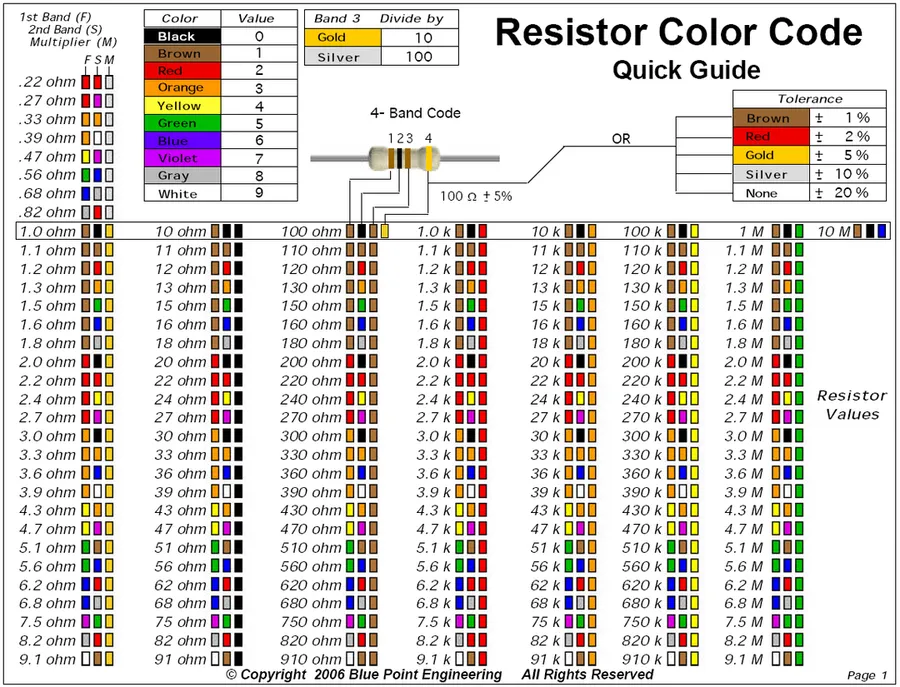
Understanding the color code on E24 series resistors is crucial for identifying their resistance value and tolerance. This system uses colored bands to represent numerical values, multipliers, and tolerance levels, allowing for a compact and universally understood method of resistor identification. The following details the standard four and five band systems used.
For E24 resistors with four bands, the first two bands represent the significant digits of the resistance value, the third band is the multiplier, and the fourth band indicates the tolerance. In five-band E24 resistors, the first three bands give the significant digits and the fourth band acts as the multiplier with the final band still being the tolerance.
| Color | Digit | Multiplier | Tolerance (%) |
|---|---|---|---|
| Black | 0 | 1 | – |
| Brown | 1 | 10 | ±1 |
| Red | 2 | 100 | ±2 |
| Orange | 3 | 1,000 | – |
| Yellow | 4 | 10,000 | – |
| Green | 5 | 100,000 | ±0.5 |
| Blue | 6 | 1,000,000 | ±0.25 |
| Violet | 7 | 10,000,000 | ±0.1 |
| Grey | 8 | – | ±0.05 |
| White | 9 | – | – |
| Gold | – | 0.1 | ±5 |
| Silver | – | 0.01 | ±10 |
| None | – | – | ±20 |
For example, a resistor with color bands of Brown, Black, Red, and Gold would be interpreted as follows: 'Brown' represents '1', 'Black' represents '0', and 'Red' is a multiplier of 100. Hence, the resistance is 10 * 100 = 1000 ohms, with the 'Gold' tolerance band indicating a ±5% variance in the actual resistance value. Similarly, a five-band resistor with bands of Brown, Black, Black, Brown and Gold would mean the first three digits are 1, 0, 0 and the multiplier is 10 and hence 100 * 10 = 1000 ohms, with a tolerance of ±5%.
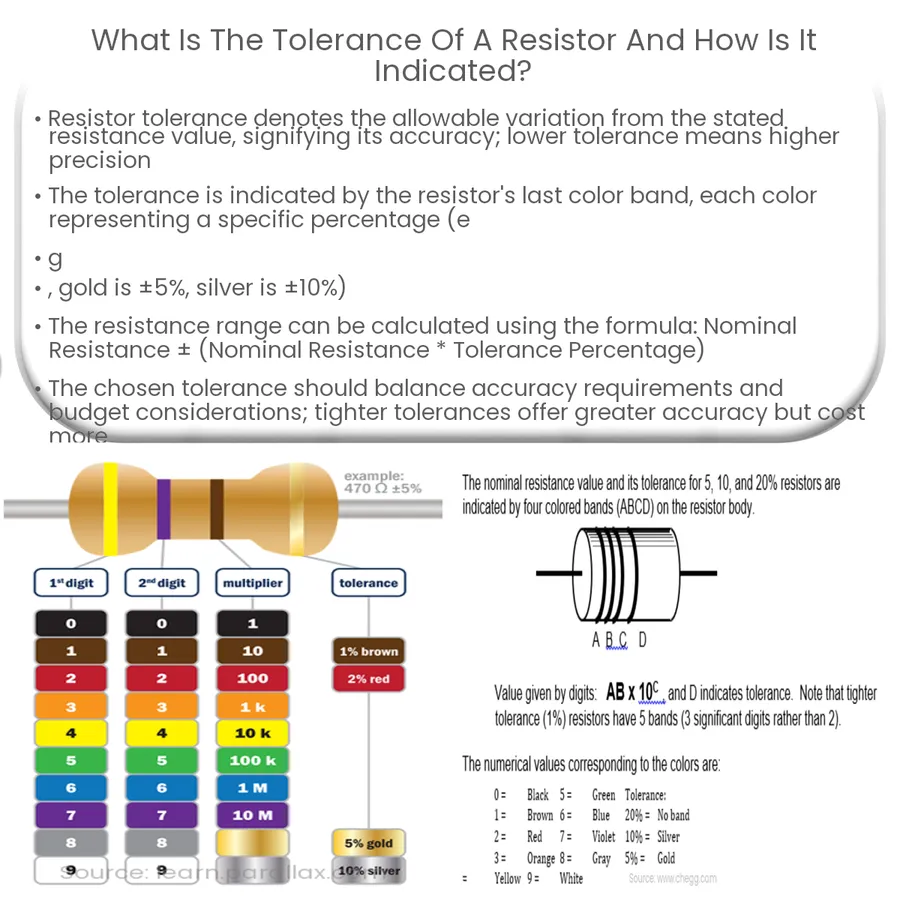
Resistor tolerance defines the allowable deviation of a resistor's actual resistance from its stated nominal value. In the context of the E24 series, tolerance plays a crucial role in determining the precision of electronic circuits. While not the most precise E series, E24 resistors offer a balance between cost and acceptable performance for many general-purpose applications. Understanding tolerance is essential to ensure that circuits operate as intended.
The tolerance of a resistor is typically expressed as a percentage of its nominal resistance value. For example, a 100-ohm resistor with a 5% tolerance could have an actual resistance anywhere between 95 ohms and 105 ohms. The E24 series commonly features tolerances of 5% or 10%, although tighter tolerances are available at a higher cost. Resistors with a wider tolerance are generally less expensive and suitable for applications where high precision is not required.
| Tolerance | Typical Application | Impact on Circuit |
|---|---|---|
| 10% | General-purpose circuits with less stringent accuracy requirements | Acceptable variation in resistance, potentially affecting performance in high-precision settings |
| 5% | General electronic circuits, common in most standard applications | Moderate level of variation, suitable for most everyday electronics |
| 1% | Precision circuits, sensitive instrumentation, or highly calibrated systems | High precision, maintains circuit accuracy |
The E24 series maintains its relevance, despite not offering the highest precision, due to its availability, cost-effectiveness, and wide range of standard values. For many applications, the inherent variability of components and other circuit parameters means that extremely tight tolerances are not necessary. The E24 series allows for the selection of resistance values close to the ideal design parameters while managing overall costs. In practical design, components with 5% or 10% tolerance are often acceptable due to the overall system's tolerance budget.
Design considerations, including temperature coefficients and component aging, can often have a greater influence on circuit performance than tolerance alone. Selecting the appropriate resistor for the particular application requires careful balancing between the acceptable degree of precision, circuit performance, cost, and the environmental conditions where the circuit will be operated.
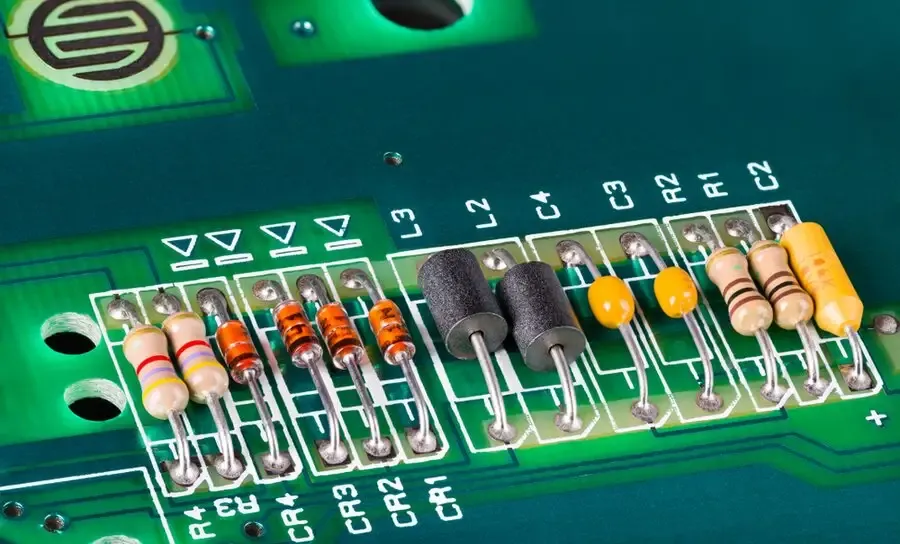
E24 series resistors are ubiquitous in electronics due to their availability and suitability for a wide array of general-purpose applications. Their standardized values, while not the most precise, offer a practical balance between component variety and design flexibility, making them a workhorse in many circuits.
While the E24 series does not offer the precision of E96 or E192 resistors, its wide availability and cost-effectiveness make it suitable for a wide range of electronic designs, where high precision is not a critical factor.The common use cases listed above are often sufficient for general use cases, hence the commonality of the E24 series.
This section addresses common queries about E24 resistors, providing concise, definitive answers to enhance your understanding of their characteristics and usage. We aim to clarify fundamental aspects, such as value identification, the meaning of 'E' in resistor nomenclature, and how to interpret color codes.
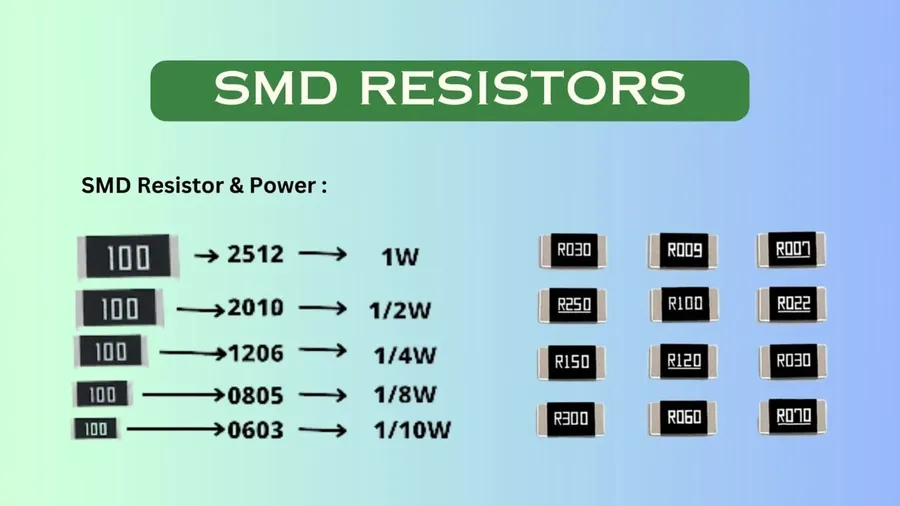
Selecting the appropriate E24 resistor for a circuit involves understanding the circuit's requirements, performing necessary calculations, and choosing a resistor with the correct specifications. This process includes considering resistance value, power rating, and tolerance, ensuring the resistor functions reliably within the circuit parameters.
| E-Series | Tolerance (%) | Typical Applications | Number of Values per Decade |
|---|---|---|---|
| E3 | 20 | Very low precision applications, basic circuits | 3 |
| E6 | 10 | General purpose circuits, less critical applications | 6 |
| E12 | 10 | General purpose applications | 12 |
| E24 | 5 | General-purpose electronics | 24 |
| E48 | 2 | More accurate analog circuits | 48 |
| E96 | 1 | High precision circuits, instrumentation | 96 |
| E192 | 0.5 or better | Very high precision applications | 192 |
The E24 resistor series is a fundamental standard in electronics, offering a wide range of values with practical tolerances. Understanding the E24 series allows for informed component selection, ensuring your projects run smoothly and efficiently. From basic circuits to complex electronic devices, E24 resistors remain an indispensable component, illustrating their critical role in modern technology and their relevance for both beginners and experienced designers.

