In today's precision-driven world, electronic scales are ubiquitous, from retail checkouts to industrial processes and home kitchens. The accuracy and reliability of these devices hinge critically on their core component: the motherboard. At Zero One Solution Limited, a leader in PCB assembly solutions since 2011, we understand this vital link. This article delves into the intricacies of an Electronic Scale Motherboard Solution, highlighting the essential design considerations, technological advancements, and the unparalleled value we bring to empowering product development and market acceleration. We invite you to explore how our expertise can elevate your weighing product lines.
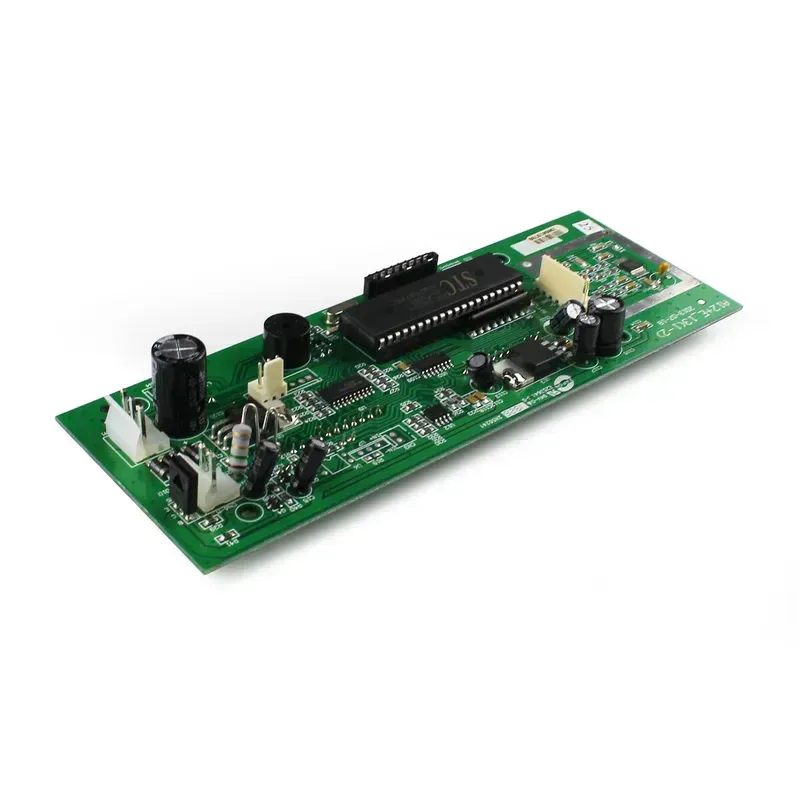
At the heart of every accurate electronic scale lies its motherboard, the central nervous system that orchestrates every weighing operation. Far beyond a simple circuit board, the electronic scale motherboard solution integrates critical components that convert analog load cell signals into precise digital weight readings, manages display outputs, and facilitates communication. Its design directly impacts the scale's accuracy, stability, and overall reliability, making it the linchpin for achieving consistent and trustworthy measurements in diverse applications, from high-precision laboratory balances to robust industrial scales.
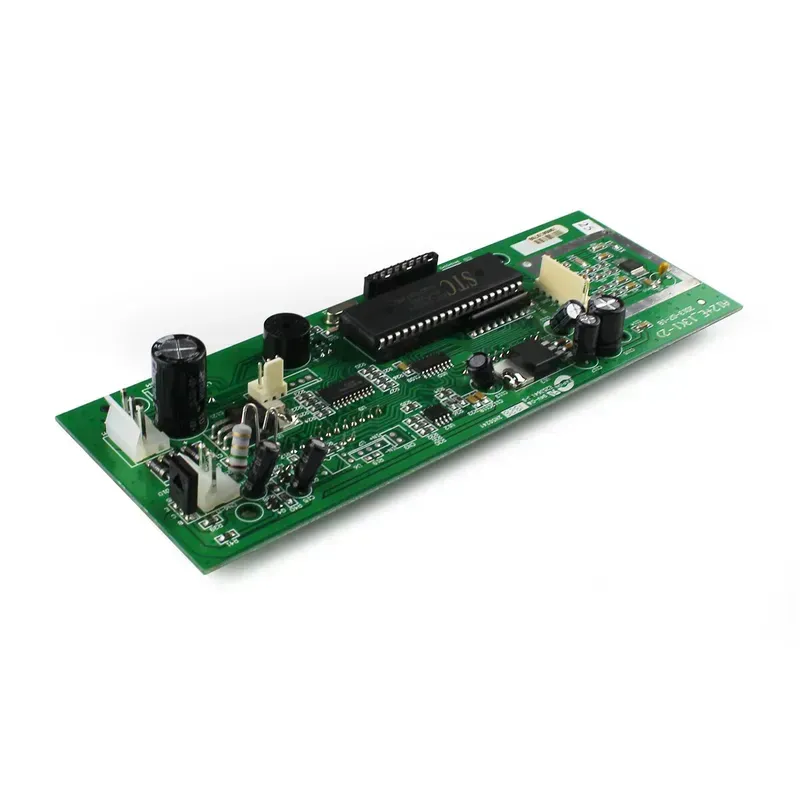
A robust electronic scale motherboard is an intricate convergence of specialized components, each playing a pivotal role in ensuring precise and reliable weight measurement. Understanding these key elements is fundamental to appreciating the sophistication behind accurate weighing systems, from signal acquisition and processing to user interaction and power efficiency. This section delves into the essential hardware constituents that form the backbone of an effective electronic scale motherboard solution.
| Component | Function | Impact on Scale Performance |
|---|---|---|
| Microcontroller (MCU) | The brain of the motherboard, responsible for executing scale logic, processing data from the ADC, managing display, and handling communication. | Determines processing speed, feature set, and overall system responsiveness. A powerful MCU enables advanced functions like data logging and connectivity. |
| Analog-to-Digital Converter (ADC) | Converts the analog signal from the load cell into a digital format that the MCU can process. Crucial for measurement accuracy. | Directly impacts the precision and resolution of the scale. High-resolution ADCs (e.g., 24-bit) are essential for high-accuracy applications, minimizing noise and drift. |
| Load Cell Interface | Provides the necessary excitation voltage to the load cell and conditions the analog signal before it reaches the ADC. Often includes amplification and filtering. | Ensures the delicate analog signal from the load cell is accurately captured and prepared for digitization. Poor interface design leads to unstable readings. |
| Power Management Unit (PMU) | Regulates and distributes power efficiently to all components on the motherboard, often handling battery charging and power saving modes. | Crucial for stable operation and battery life in portable scales. Inconsistent power can introduce noise and affect measurement stability. |
Achieving unparalleled accuracy and reliability in electronic scales hinges critically on meticulous motherboard design. High-performance weighing systems demand more than just robust components; they require an integrated approach to counteract environmental interferences and maintain signal purity. Key design considerations, including noise reduction, signal integrity, temperature stability, and electromagnetic compatibility (EMC), are paramount to ensuring an electronic scale motherboard solution delivers consistent, precise measurements even in demanding operational environments.
| Design Consideration | Description | Impact on Performance |
|---|---|---|
| Noise Reduction | Implementing shielding, filtering, and proper grounding techniques to minimize electrical noise from power supplies, digital circuits, and external sources. | Reduces measurement fluctuations and enhances accuracy, especially for sensitive load cell signals. |
| Signal Integrity | Careful PCB layout to prevent signal degradation, reflections, crosstalk, and impedance mismatches, particularly for analog signals from load cells and high-speed digital lines. | Ensures true representation of the analog signal, leading to precise weight readings and stable system operation. |
| Temperature Stability | Selecting components with low temperature drift and implementing compensation mechanisms to mitigate the effects of temperature variations on sensor output and circuit performance. | Maintains calibration and accuracy across varying ambient temperatures, crucial for consistent performance. |
| Electromagnetic Compatibility (EMC) | Designing to prevent electromagnetic interference (EMI) from affecting the scale's operation and to limit the scale's own emissions, including proper shielding, filtering, and layout practices. | Guarantees reliable operation in environments with other electronic devices and compliance with international regulatory standards (e.g., IEC 61000 series). |
Beyond these foundational elements, designers must also consider power supply stability, analog-to-digital converter (ADC) resolution, and the linearity of the load cell interface. A stable and clean power supply is essential to prevent voltage fluctuations from impacting sensitive analog circuits, while a high-resolution ADC captures the minute voltage changes from the load cell with greater precision. Ensuring the linearity of the load cell interface through proper amplification and filtering techniques is equally vital for accurate weight calculations across the scale's full capacity. By proactively addressing these critical design factors, manufacturers can develop electronic scale motherboard solutions that set industry benchmarks for performance and reliability.
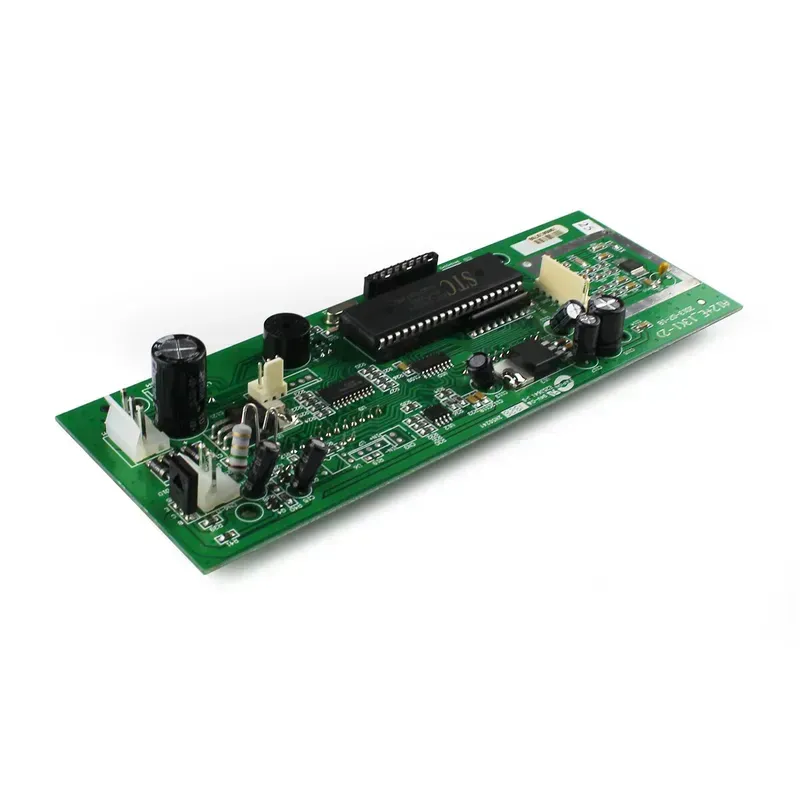
Modern electronic scales transcend basic weighing, evolving into sophisticated data collection and communication hubs. The integration of advanced features and diverse connectivity options within an electronic scale motherboard solution is paramount for unlocking capabilities like real-time data analysis, remote monitoring, and seamless integration into larger digital ecosystems, thereby significantly enhancing operational efficiency and user experience across various industries.
| Feature Category | Key Features | Benefits in Electronic Scales |
|---|---|---|
| Wireless Connectivity | Bluetooth LE, Wi-Fi (2.4GHz/5GHz), LoRa | Enables wireless data transfer to smartphones, tablets, or cloud platforms; facilitates remote monitoring and eliminates cable clutter; ideal for mobile and distributed weighing applications, offering extended range and low power consumption for IoT deployments, supporting industry 4.0 initiatives in industrial weighing scenarios with robust, long-range communication capabilities for distributed sensors and real-time data acquisition in large facilities and remote areas, crucial for maintaining traceability and operational visibility in complex logistical and manufacturing environments where traditional wired solutions are impractical or costly to implement and maintain, enhancing the scalability and flexibility of weighing systems. |
| Feature Category | Key Features | Benefits in Electronic Scales |
|---|---|---|
| Wired Communication | RS232, USB, Ethernet | Ensures robust, high-speed data exchange with PCs, POS systems, or PLCs; provides reliable connectivity for industrial environments, ensuring data integrity and system stability for critical applications requiring continuous, high-volume data streaming, such as automated production lines and quality control stations where latency and data loss are unacceptable, providing a secure and dependable backbone for integrated weighing solutions within existing IT infrastructures, crucial for compliance with regulatory standards and maintaining audit trails in regulated industries like pharmaceuticals and food processing, by enabling direct and secure data transfer to enterprise resource planning (ERP) systems and manufacturing execution systems (MES) without the risks associated with wireless interference or security vulnerabilities, thereby ensuring operational continuity and data integrity. |
| Feature Category | Key Features | Benefits in Electronic Scales |
|---|---|---|
| IoT Integration | MQTT, RESTful APIs, Cloud Platform Support | Allows seamless connection to IoT platforms for centralized data management, predictive maintenance, and advanced analytics; supports smart factory and smart retail initiatives, providing actionable insights from weighing data to optimize inventory, streamline supply chains, and improve customer experience through real-time feedback and automated processes, thus enabling the transformation of traditional weighing operations into intelligent, data-driven systems capable of contributing to broader digital transformation strategies within organizations and facilitating the development of new service models such as 'weighing-as-a-service' and predictive inventory management, which leverage the power of cloud computing and big data analytics to deliver enhanced value to end-users and drive competitive advantage in the market. |
| Feature Category | Key Features | Benefits in Electronic Scales |
|---|---|---|
| User Interface & Display | Touchscreen interfaces, Graphical LCDs, Customizable UI | Enhances user interaction with intuitive controls and clear data presentation; supports multi-language displays and customizable workflows, improving operational efficiency and reducing training time for operators; enables dynamic display of weight, unit price, and total cost, as well as product information and promotional messages in retail settings, thereby enriching the customer experience and facilitating quick and accurate transactions, crucial for high-traffic environments where speed and clarity are paramount to maintaining customer satisfaction and operational throughput, allowing for flexible adaptation to diverse application requirements and user preferences. |
| Feature Category | Key Features | Benefits in Electronic Scales |
|---|---|---|
| Power Management | Low-power modes, Battery management systems, USB-C PD | Extends battery life for portable devices; optimizes power consumption for continuous operation; supports rapid and versatile charging solutions, ensuring high availability and reliability in mobile and remote applications where access to grid power is limited or inconsistent; crucial for devices deployed in field operations, logistics, and healthcare settings where uninterrupted performance is critical for data collection and operational efficiency, contributing to the overall sustainability and cost-effectiveness of electronic scale deployments by reducing energy consumption and prolonging the lifespan of power sources, thereby minimizing the total cost of ownership and environmental impact. |
While the hardware forms the robust backbone of an electronic scale motherboard, it is the sophisticated interplay of embedded software and firmware that truly brings the system to life, transforming raw sensor data into precise, actionable measurements. This digital intelligence is paramount for accurate calibration, efficient data processing, intuitive display control, and seamless user interaction, making it a critical differentiator in high-performance weighing solutions. Effective software and firmware development ensures the scale can adapt to various operational demands, maintain accuracy over time, and provide a reliable, user-friendly experience.
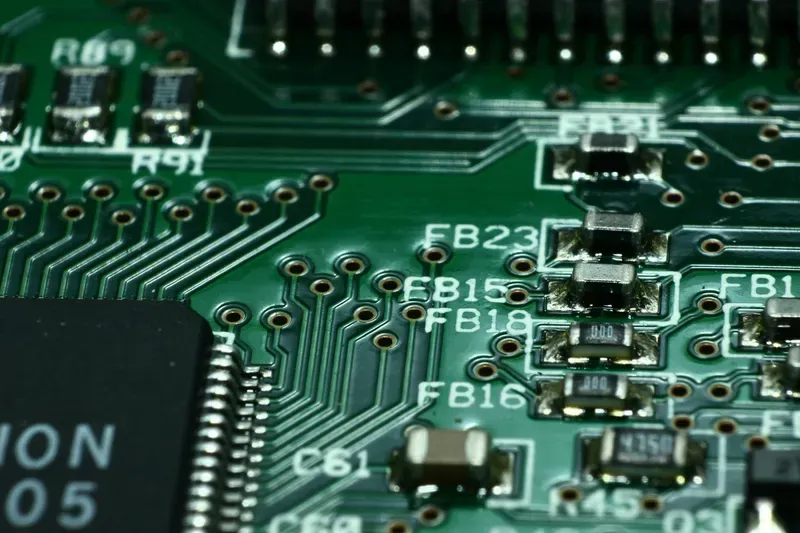
At Zero One Solution Limited, we understand that the precision and reliability of an electronic scale are intrinsically linked to the quality and sophistication of its motherboard. Leveraging over a decade of expertise in rapid prototyping, PCB design, manufacturing, and assembly, we are strategically positioned to be your premier partner in developing cutting-edge electronic scale motherboard solutions that meet the rigorous demands of various industries. Our integrated approach ensures a seamless transition from concept to high-volume production, empowering our clients to innovate and excel in the competitive market.
| Service Aspect | Zero One Solution Limited Advantage | Impact on Electronic Scale Motherboard Development |
|---|---|---|
| PCB Design | Expert engineers, advanced EDA tools, focus on signal integrity | Ensures high accuracy, stability, and reliability of weighing systems |
| Rapid Prototyping | Quick turnaround, agile iteration, cost-effective development | Accelerates product development cycles, reduces time-to-market |
| Manufacturing & Assembly | State-of-the-art SMT/THT, comprehensive QC (AOI, X-ray) | Guarantees robust, high-quality, and consistent motherboard production |
| Supply Chain Management | Global network, strategic partnerships, component sourcing expertise | Ensures access to quality components, reduces lead times, optimizes cost |
| Testing & Validation | Rigorous functional and environmental testing, calibration support | Confirms performance, ensures compliance, minimizes field failures |
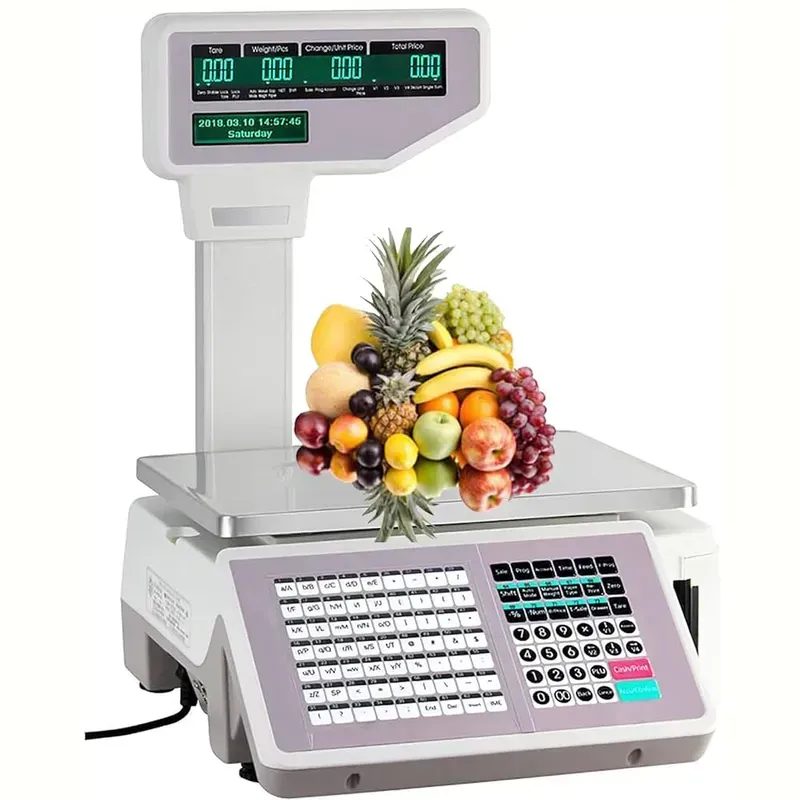
Robust electronic scale motherboard solutions are the backbone of precision weighing across diverse industries, enabling accurate data capture and seamless integration into complex operational workflows. These advanced motherboards are not merely components; they are the central intelligence driving efficiency and reliability in critical applications, from high-volume retail transactions to stringent medical diagnostics and heavy industrial measurements. Their adaptability and performance in varied environments underscore their indispensable role in modern weighing technology.
| Industry Sector | Specific Application | Motherboard Solution Impact | Key Feature Highlight |
|---|---|---|---|
| Retail & Commercial | Point-of-Sale (POS) Scales, Price Computing Scales | Enhanced transaction speed and accuracy, seamless integration with inventory systems. | High-speed ADC, robust communication interfaces (RS232, USB, Ethernet). |
| Logistics & Warehousing | Parcel Scales, Dynamic Weighing Systems | Optimized shipping and sorting, reduced errors in package weight verification. | High refresh rate, integration with barcode scanners and conveyor systems, network connectivity (Wi-Fi, Bluetooth). |
| Medical & Healthcare | Diagnostic Scales, Infant Scales, Laboratory Balances | Precision measurement for patient care and research, compliance with medical standards. | High-resolution ADC, temperature stability, certified EMC compliance, data logging capabilities, touch screen display support for user-friendly interface required by medical device standards like IEC 60601-1 |
| Industrial & Manufacturing | Platform Scales, Crane Scales, Batching Systems | Accurate control of material flow, quality assurance in production, harsh environment resilience. | High current capacity, multi-load cell support, robust anti-vibration features, industrial-grade communication protocols (Modbus, Profibus). |
| Food & Beverage | Portion Control Scales, Checkweighers | Ensures product consistency, minimizes waste, meets regulatory weight requirements. | Waterproof/dustproof design (IP-rated), rapid stabilization time, easy integration with PLC systems. |
For instance, in the demanding medical sector, a robust electronic scale motherboard solution must not only deliver sub-milligram precision but also adhere to stringent regulatory standards (e.g., FDA, CE Medical Device Directive). Our solutions often incorporate advanced noise filtering and temperature compensation algorithms to ensure stability in varied clinical environments. Similarly, in industrial settings, where scales might operate in extreme temperatures or high-vibration environments, the motherboard is engineered with industrial-grade components and shielding to maintain accuracy and longevity. Zero One Solution Limited's expertise in rapid prototyping allows us to quickly develop and iterate these specialized motherboard designs, ensuring that each solution is perfectly tailored to the unique demands of its application, from initial concept to mass production.
Navigating the complexities of electronic scale motherboard solutions often leads to specific inquiries regarding their design, functionality, and manufacturing. This section addresses common questions to provide clarity and deeper insights into these critical components.
For further inquiries or detailed technical consultations regarding your specific electronic scale motherboard solution requirements, please do not hesitate to contact Zero One Solution Limited's expert team.
In conclusion, the Electronic Scale Motherboard Solution is far more than just a circuit board; it's the brain of any modern weighing device, dictating its accuracy, speed, and versatility. By meticulously considering analog-to-digital conversion, power management, connectivity, and software integration, we can craft solutions that meet the most demanding industry standards. Zero One Solution Limited stands ready as your trusted partner in this endeavor. With our deep expertise in rapid prototyping, PCB design, manufacturing, and assembly, we are uniquely positioned to transform your innovative weighing concepts into market-ready products with exceptional efficiency. Contact us today to discuss how our bespoke electronic scale motherboard solutions can empower your next generation of precision weighing instruments and accelerate your journey to market success.

