The intricate electrical system in your vehicle powers everything from your headlights to your engine management system. Understanding the various auto electrical parts is crucial for vehicle maintenance, troubleshooting, and upgrades. This guide will walk you through the core components, their functionalities, and offer tips for keeping your car's electrical system in top shape. Connecting the dots between technology and everyday vehicle operation, this article illuminates a vital aspect of modern automotive engineering, and explores the importance of each electrical component.
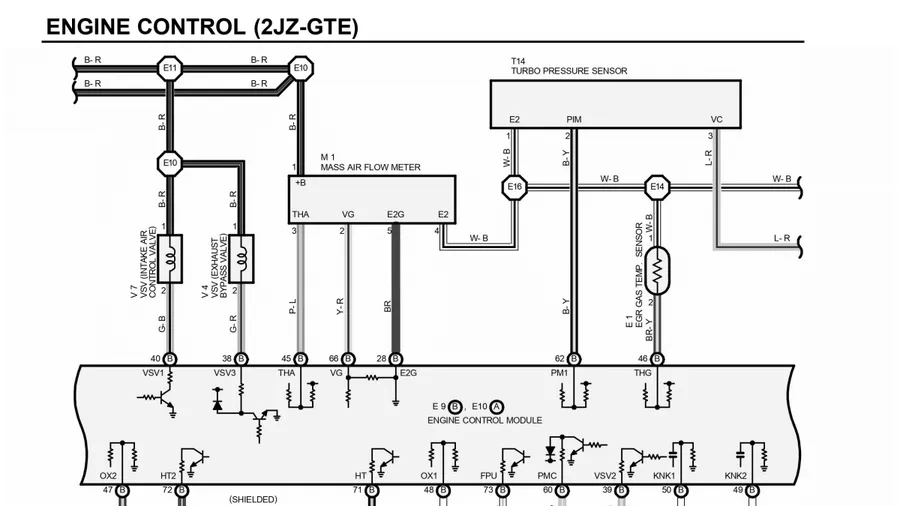
The automotive electrical system is a complex network that powers all of a vehicle's electrical components, from starting the engine to operating lights and accessories. At its core, this system relies on the interplay between the battery, alternator, starter, and a network of wiring to ensure the reliable functioning of the vehicle. Understanding this fundamental interplay is crucial for diagnosing and maintaining your vehicle's electrical health.
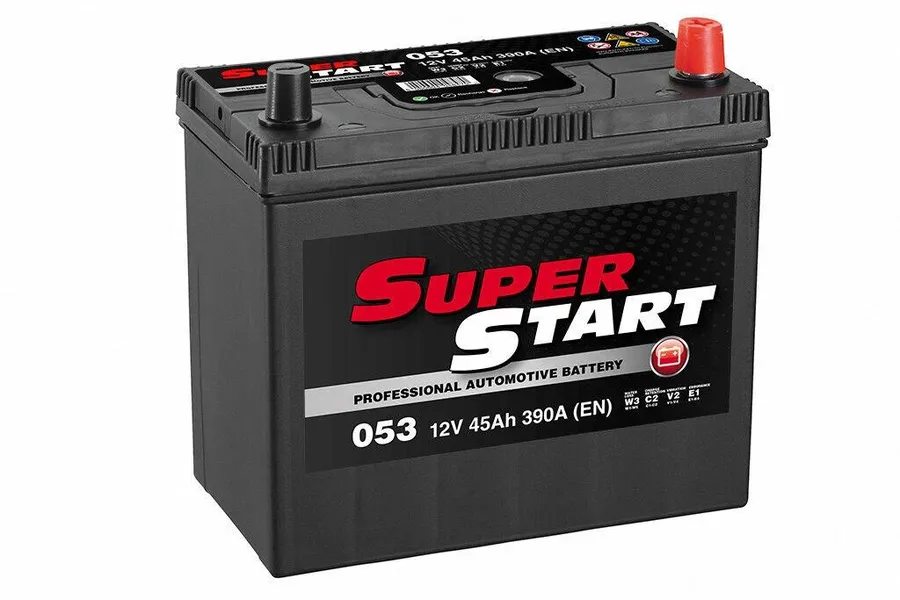
Automotive batteries are crucial for starting the engine and powering electrical systems when the engine isn't running. Understanding the types, voltage, amperage, and proper maintenance techniques is essential for ensuring reliable vehicle operation and preventing unexpected breakdowns.
| Battery Type | Voltage | Typical Amperage (Ah) | Maintenance | Pros | Cons |
|---|---|---|---|---|---|
| Flooded Lead-Acid | 12V | 40-100 | Regular electrolyte level checks and terminal cleaning | Affordable, widely available | Requires regular maintenance, can leak, shorter lifespan |
| AGM (Absorbent Glass Mat) Lead-Acid | 12V | 50-90 | Minimal maintenance | Spill-proof, vibration-resistant, longer lifespan than flooded | More expensive than flooded batteries |
| Lithium-ion | Typically 12V or higher | Variable, typically higher | Minimal maintenance | High power density, lightweight | Most expensive option, requires specialized charging systems |
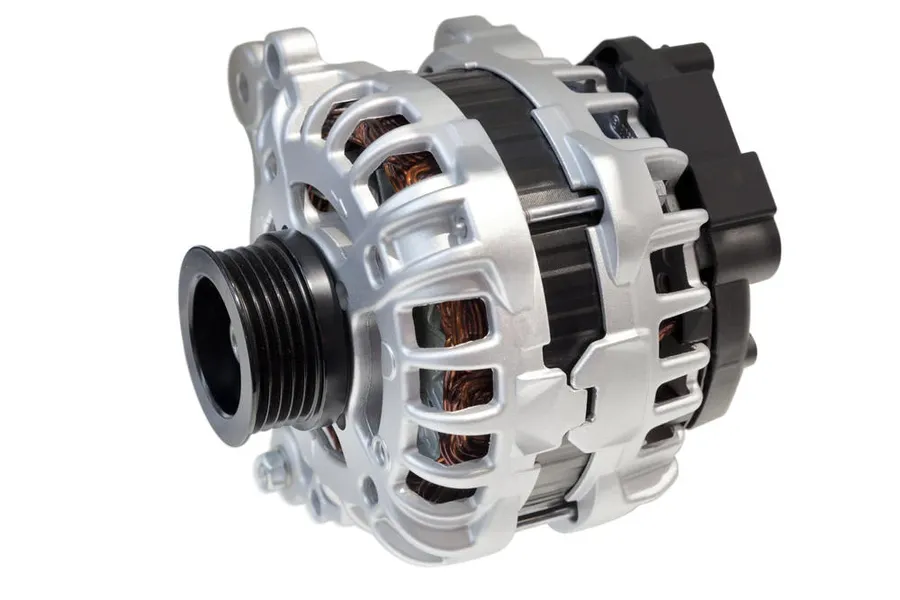
The alternator is a critical component of a vehicle's electrical system, responsible for converting mechanical energy from the engine into electrical energy. This electrical energy serves two primary purposes: recharging the battery and providing power to the vehicle's various electrical accessories while the engine is running.
Understanding the alternator’s function is essential for maintaining a healthy vehicle electrical system. It's the primary source of power for systems like headlights, power windows, the car radio, and the engine control unit (ECU), preventing the battery from being constantly depleted. Without a functional alternator, these systems would quickly drain the battery, leading to vehicle failure.
| Component | Function | Failure Symptoms |
|---|---|---|
| Stator | Stationary coil where electrical current is induced. | Reduced power output, overheating. |
| Rotor | Rotating part with a magnetic field, creating the current. | Excessive noise, intermittent charging. |
| Regulator | Controls the voltage output to protect the battery and electrical systems. | Overcharging, undercharging, battery damage. |
| Rectifier | Converts AC voltage to DC voltage. | No charging, electrical system malfunction. |
| Pulley | Connects to the engine via a belt, driving the alternator. | Slipping belt, insufficient charging. |
Key indicators of a failing alternator include dimming headlights, a battery warning light on the dashboard, a dead battery that quickly discharges after being jump-started, and unusual noises like whining or growling coming from under the hood. Ignoring these signs can leave you stranded with a non-functioning vehicle.
Regular checks and maintenance, like ensuring the drive belt is properly tensioned and that connections are free from corrosion, can help extend the life of the alternator and ensure reliable vehicle operation. When alternator replacement is required, choosing a high-quality auto electrical part is crucial for the vehicle's overall performance and electrical system health.
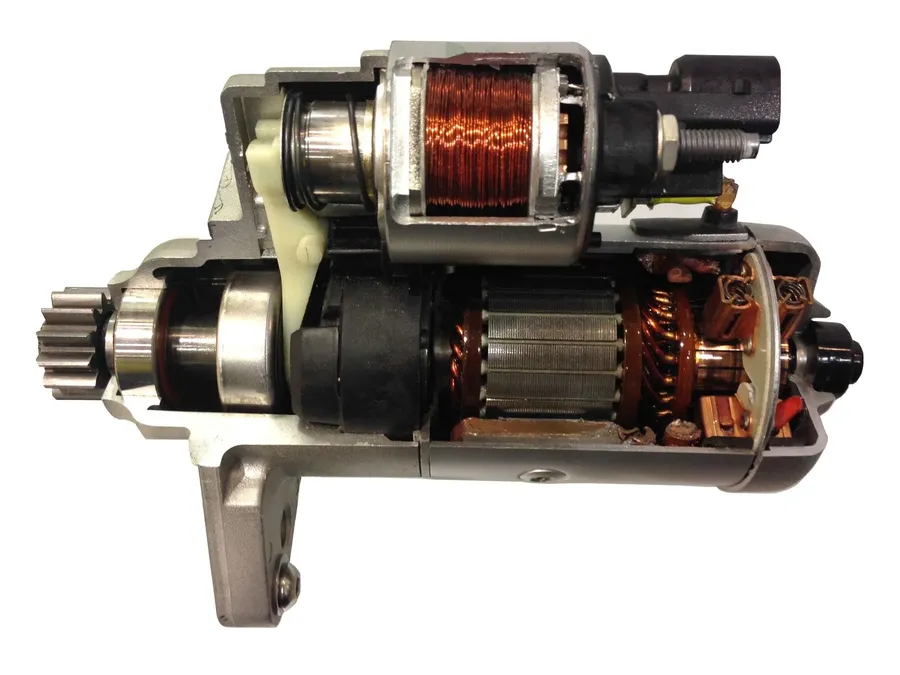
The starter motor is a crucial component of a vehicle's electrical system, responsible for initiating the engine's combustion cycle. It utilizes electrical energy from the battery to turn the engine's crankshaft, thereby starting the engine. Understanding its function and common issues is key to maintaining a reliable vehicle.
The starter motor system includes several integral components that work in tandem: the starter solenoid, the pinion gear, and the motor itself. When the ignition key is turned, the solenoid engages, which then pushes the pinion gear to mesh with the flywheel, and electrical current flows to the motor, causing it to rotate and initiate the engine's start-up.
| Issue | Symptoms | Possible Causes |
|---|---|---|
| Slow Cranking | Engine turns over slowly or hesitantly when trying to start. | Weak Battery, corroded terminals, loose connections, failing starter motor |
| Clicking Sound | A single or series of clicking sounds when the ignition key is turned. | Weak battery, faulty starter solenoid, damaged pinion gear |
| Grinding Noise | A grinding or whirring noise during engine start attempts. | Damaged flywheel teeth, incorrectly meshing pinion gear |
| No Response | No sound or engine turning over when ignition is turned. | Faulty starter solenoid, wiring issues, faulty ignition switch, engine immobilizer issues |
| Intermittent Starting | The car starts sometimes but not others. | Failing starter motor, worn brushes, loose wiring connections |
Diagnosing starter motor problems requires methodical troubleshooting. Start by checking the battery voltage to ensure it has adequate charge. Inspect all starter motor connections for corrosion or looseness. A voltmeter can help in testing the circuit. If the issue persists, the starter motor itself might be failing.
When a starter motor fails, it may need to be replaced or rebuilt depending on the extent of the damage and the availability of auto electrical parts. Rebuilding may be a more economical option if components such as brushes, solenoids, or bearings can be replaced, rather than the entire motor unit. Always consult with an experienced technician if you have doubts.
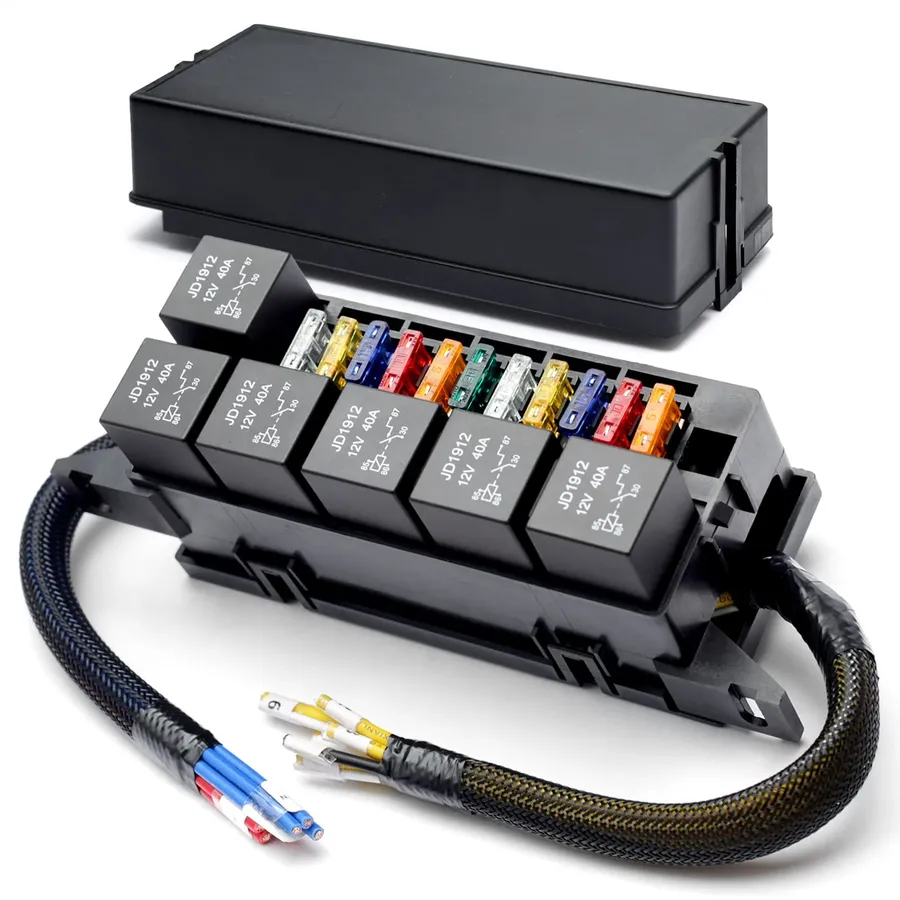
Fuses and circuit breakers are critical safety components within your vehicle's electrical system, designed to prevent damage from overcurrent conditions. They act as sacrificial elements, interrupting the flow of electricity when a circuit becomes overloaded, thereby protecting more expensive and sensitive components from potential harm.
Understanding how these devices work, and how to identify and replace them, is crucial for maintaining the reliability and safety of your vehicle's electrical system.
| Feature | Fuses | Circuit Breakers |
|---|---|---|
| Mechanism | Melts a wire link to break the circuit | Uses a thermal or magnetic mechanism to open the circuit |
| Reset Capability | Must be physically replaced | Can be reset manually or automatically |
| Typical Use | General overcurrent protection | Often used in high-load circuits and safety systems |
| Cost | Generally inexpensive | More expensive than fuses |
Fuses are rated in amperes (A), indicating the maximum current they can handle before blowing or opening. Always use the correct fuse rating specified in your vehicle's owner's manual to ensure proper protection and avoid damage or even fire hazards. Circuit breakers are available in various types, with thermal and magnetic circuit breakers being the most common in automotive applications. Thermal circuit breakers utilize a bimetallic strip that bends and opens the circuit when heated by excessive current, whereas magnetic circuit breakers use an electromagnet to open the circuit in response to overcurrents. It is crucial to identify the right type of circuit breaker and fuse for the corresponding circuit to ensure the proper functioning of the system. Proper fuse and circuit breaker maintenance is critical for avoiding electrical issues and ensuring vehicle safety.
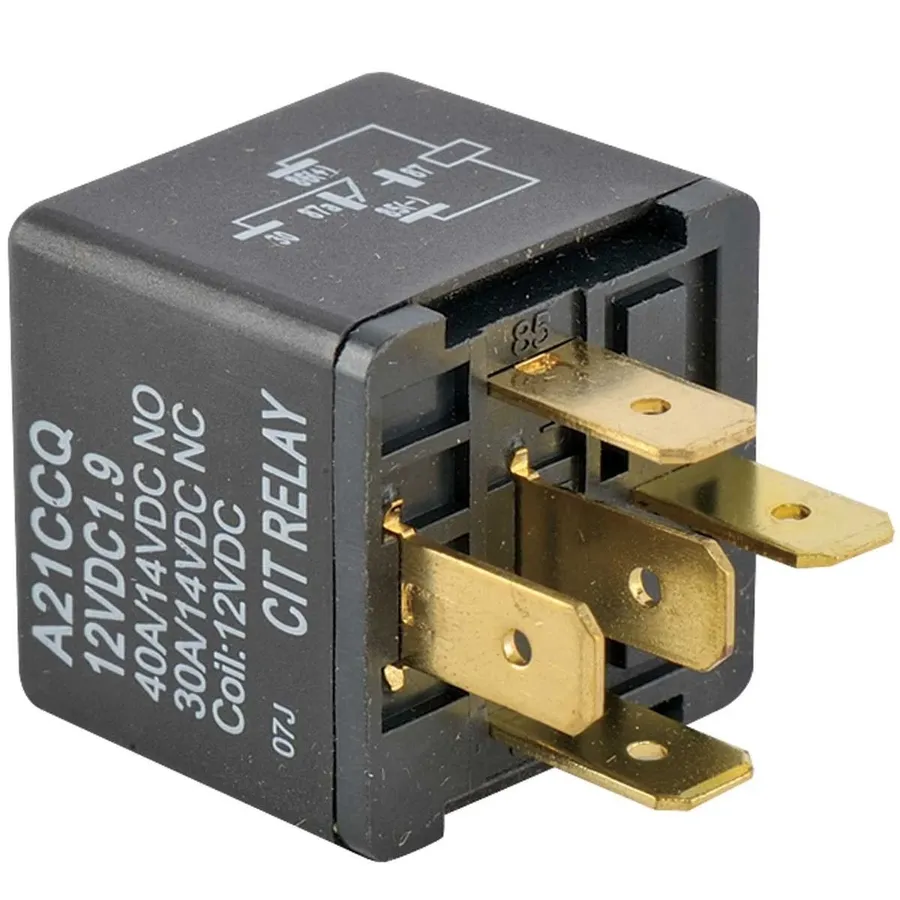
Relays are fundamental auto electrical parts acting as electrically operated switches. They enable a low-current circuit to control a high-current circuit, effectively protecting sensitive components from high electrical loads and are crucial in various automotive applications, ensuring efficient and safe operation of electrical systems.
Relays are electromagnetic switches using a small current to activate an electromagnet that then moves a mechanical switch. This allows low-power circuits (like a signal from a control module) to switch much higher current circuits (like headlights or a fuel pump). This separation prevents damage to control components from the high currents being switched.
Relays are used for a wide range of automotive applications including headlights, starter motors, fuel pumps, air conditioning, and power windows. Their ability to manage high-current circuits with minimal control power makes them indispensable for safe and efficient operation. The use of relays also allows for complex control logic where several conditions need to be met before a circuit is activated. This contributes to vehicle safety and reliability.
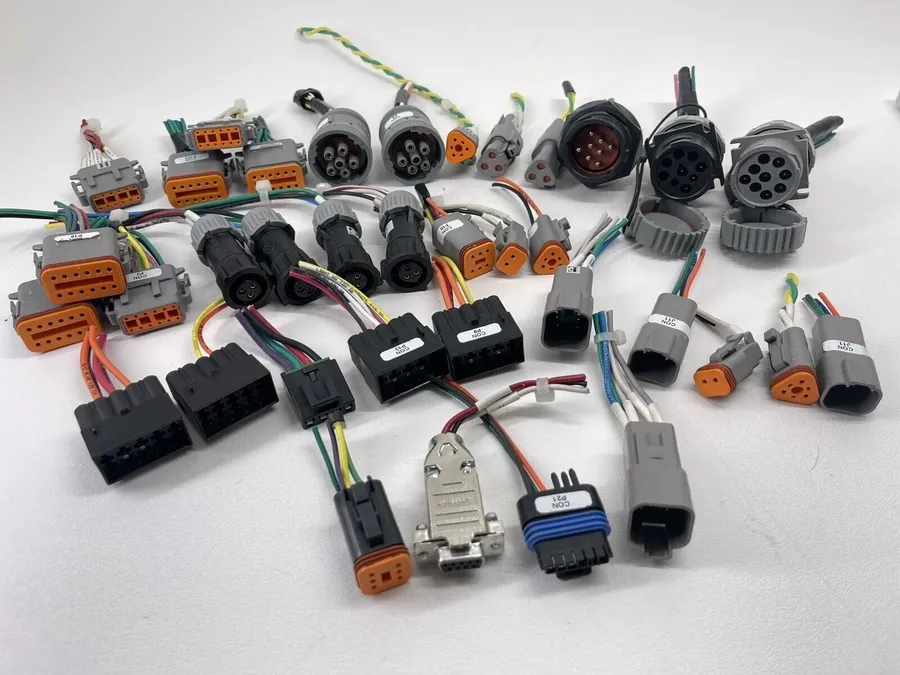
The integrity of an automotive electrical system is fundamentally reliant on the quality and condition of its wiring, connectors, and harnesses. These components act as the pathways for electrical current, ensuring consistent and reliable power delivery throughout the vehicle. Proper wiring practices are crucial to prevent system failures, intermittent issues, and potential safety hazards.
High-quality wiring is essential for minimizing resistance and preventing voltage drops, which can lead to underperforming components and premature wear. Similarly, robust connectors are critical for establishing secure, low-resistance contact points, preventing issues caused by corrosion or vibration. Automotive wiring harnesses, which bundle together multiple wires, provide organization and protection for these essential circuits.
Selecting the correct gauge of wiring is paramount, as undersized wires can overheat and potentially cause fires, while oversized wires add unnecessary bulk and cost. Wiring insulation must withstand extreme temperatures, and exposure to corrosive fluids, and constant movement. Connector quality includes corrosion resistant plating, and mechanical strength, including proper locking mechanisms. Proper installation, including use of correct crimping tools and sealing techniques are critical.
Below are essential considerations regarding auto electrical wiring and connectors:
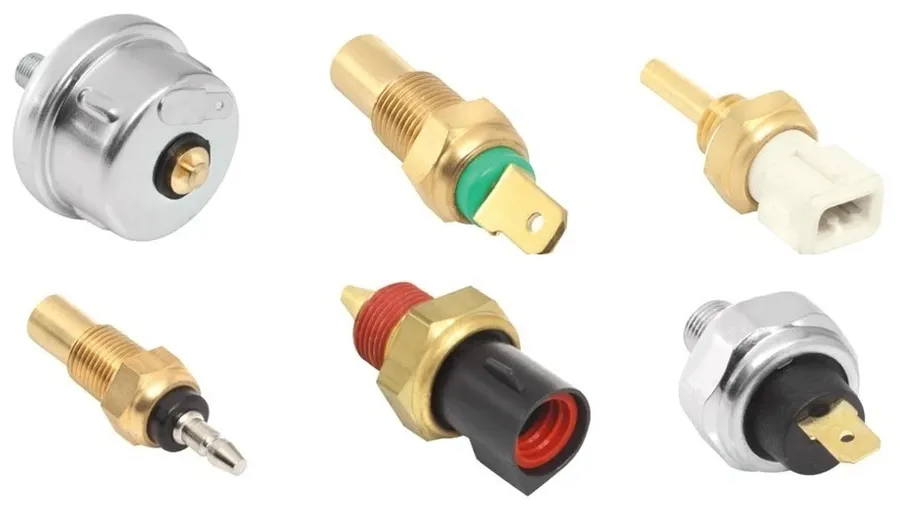
Switches and sensors are fundamental components within a vehicle's electrical system, acting as the control and feedback mechanisms that enable various functions. Switches serve as manual or mechanical controls to complete or interrupt electrical circuits, while sensors monitor various parameters and report conditions to the vehicle’s electronic control units.
| Component Type | Function | Examples | Typical Applications |
|---|---|---|---|
| Switches | Manually open or close electrical circuits | Toggle switches, push-button switches, rotary switches | Headlights, turn signals, power windows, ignition |
| Sensors | Detect and measure physical or environmental conditions and convert them into electrical signals | Pressure sensors, temperature sensors, speed sensors, position sensors | Engine management, anti-lock brakes, airbag deployment, climate control |
Understanding the roles and differences between switches and sensors is crucial for diagnosing and maintaining a vehicle's electrical system. Switches are often the point of direct user interaction, allowing the driver to control various electrical functions, while sensors provide the data needed for automated systems to operate safely and effectively.
This section addresses common questions regarding auto electrical systems and their components, focusing on practical issues like diagnosis, repair, and part selection. Understanding these common queries can empower vehicle owners to maintain and troubleshoot their auto electrical systems more effectively.
Understanding auto electrical parts is key to maintaining your vehicle’s reliability and longevity. From the battery to wiring, each component plays a critical role. By understanding these core elements, you can confidently address minor issues and ensure optimal performance of your car's complex electrical system. This knowledge not only helps with maintenance but also assists in making informed decisions about upgrades and repairs, ultimately saving time and money, ensuring your vehicle’s electrical system is sound for the long haul and allows you to understand the significance of each auto electrical part.

