In today's world, where power cuts are not uncommon, inverters have become an essential part of our homes and offices. The printed circuit board (PCB) is the heart of any inverter, including those from Exide. Understanding the exide inverter pcb price is crucial when dealing with repairs or replacements. This article will guide you through the factors influencing these costs, helping you make informed decisions when dealing with your Exide inverter.
Understanding the Role of the PCB in an Inverter
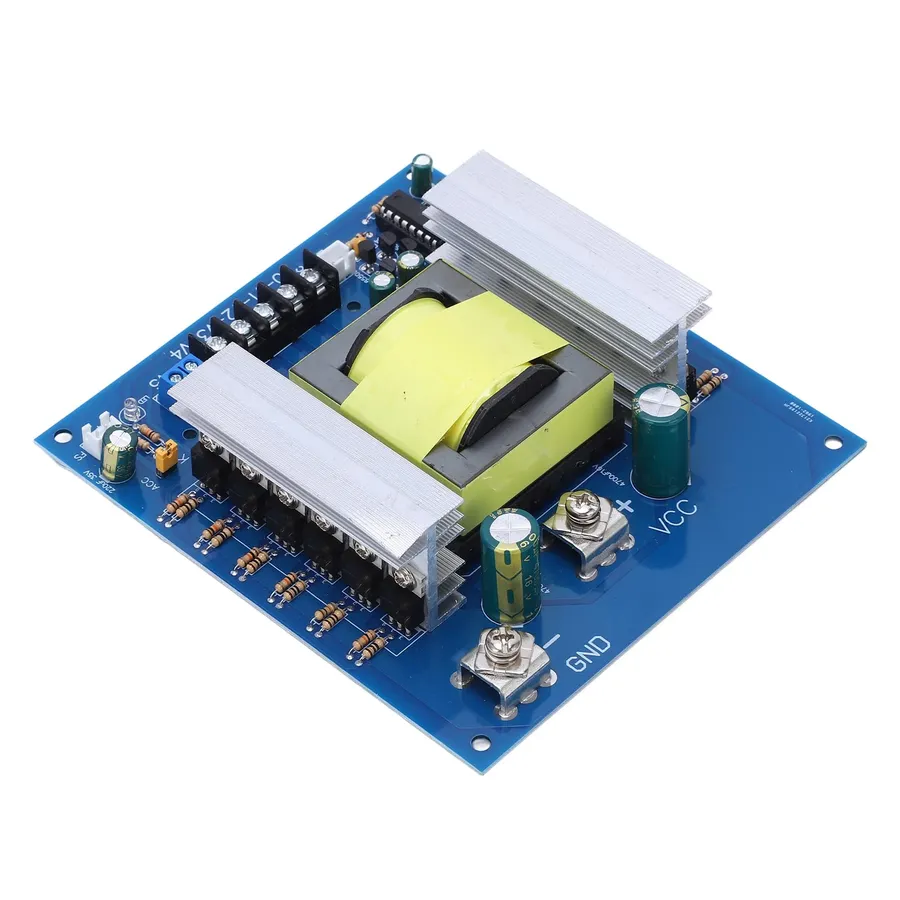
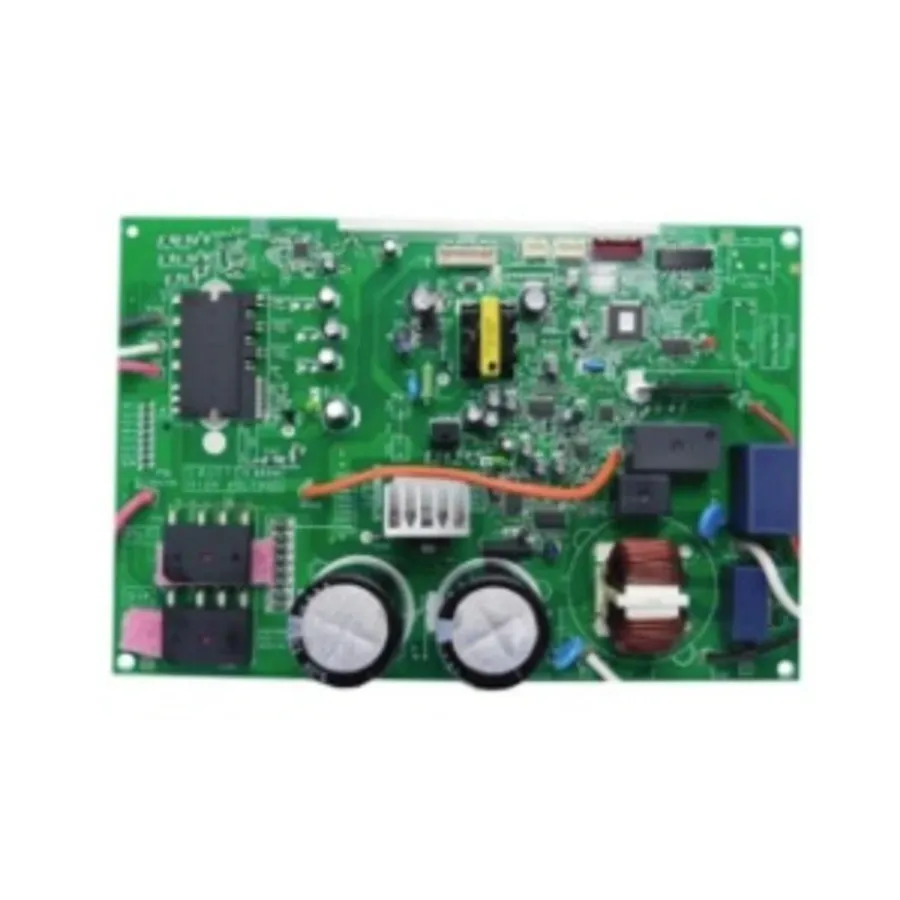
Inverter PCB
The Printed Circuit Board (PCB) is the central nervous system of an inverter, responsible for orchestrating the complex process of converting Direct Current (DC) power from a battery into Alternating Current (AC) power suitable for powering household appliances. Its meticulous design and construction are paramount to the inverter's efficiency and reliability.
Within an inverter, the PCB facilitates crucial functions by routing electrical signals, managing voltage levels, and regulating current flow. It houses key components like microcontrollers, transformers, and switching devices, each contributing to the power conversion process. A faulty PCB can lead to a range of performance issues, underscoring the importance of understanding its function and maintenance.
Factors Influencing Exide Inverter PCB Price
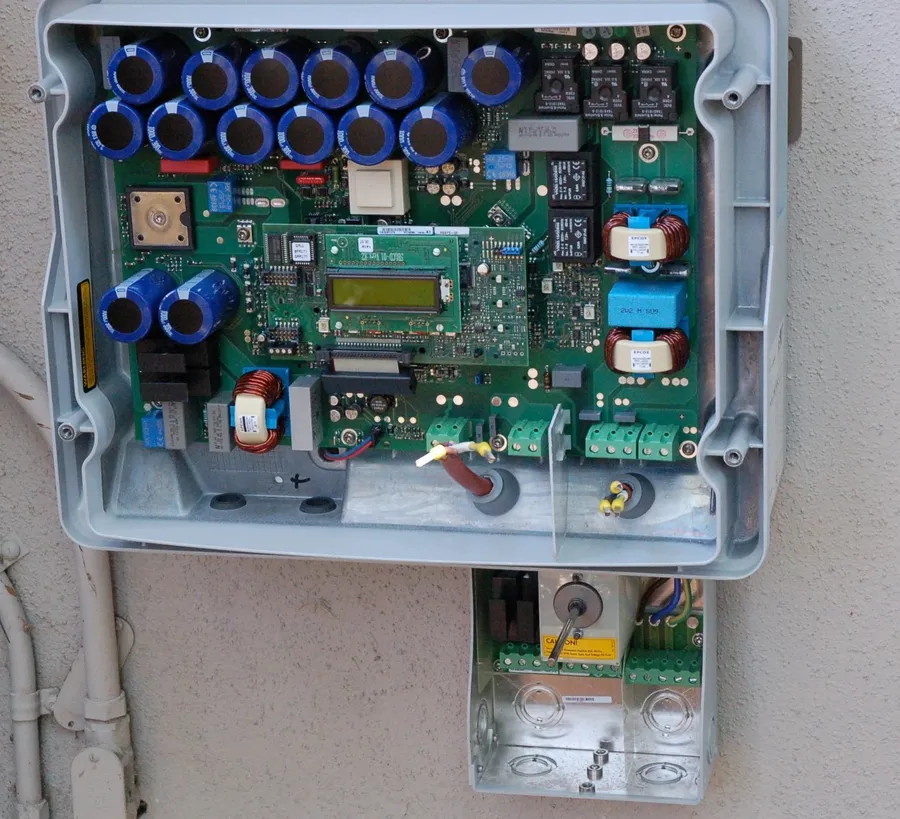
Inverter Interior
The price of an Exide inverter PCB is not fixed; it fluctuates based on several key determinants. These factors range from the technical specifications of the PCB itself to market conditions and the source of purchase. A thorough understanding of these elements is crucial for making informed purchasing decisions.
Inverter Model Type The VA (Volt-Ampere) rating of the inverter significantly influences the PCB's complexity and cost. Higher VA models, such as 1450VA, require more sophisticated PCBs with greater power handling capabilities, leading to a higher price compared to lower VA models like 850VA or 1050VA.
PCB Condition: New vs. Refurbished New PCBs naturally command a higher price due to their pristine condition and reliability. Refurbished PCBs, while more affordable, may come with a reduced lifespan and varying levels of reliability, influencing their overall cost-effectiveness. The price difference between new and refurbished can vary substantially, often by 30-50%.
Component Quality and Type The quality of electronic components on the PCB, such as integrated circuits (ICs), capacitors, and transistors, directly impacts the PCB's performance and longevity. Higher-grade components contribute to better performance but also increase the overall cost. Additionally, the type of material used in the board construction affects its heat dissipation properties and cost.
Market Demand and Availability Market forces of supply and demand significantly influence PCB prices. High demand combined with limited supply can drive prices up, whereas low demand and surplus inventory can lower prices. The availability of specific PCB models for older or less popular inverters also affect pricing. Prices may be higher for rarer models due to limited production.
Warranty and Support PCBs sold with a warranty or after-sales support will typically be priced higher, reflecting the added assurance and service. A warranty covers potential defects or malfunctions, and this risk mitigation has an associated cost that impacts the overall price.
Vendor Type The type of vendor (authorized dealer, online marketplace, local shop) also plays a role in pricing. Authorized dealers often charge more for original parts, while online marketplaces may offer better prices for generic or refurbished parts.
New vs. Refurbished Exide Inverter PCBs: Pros and Cons
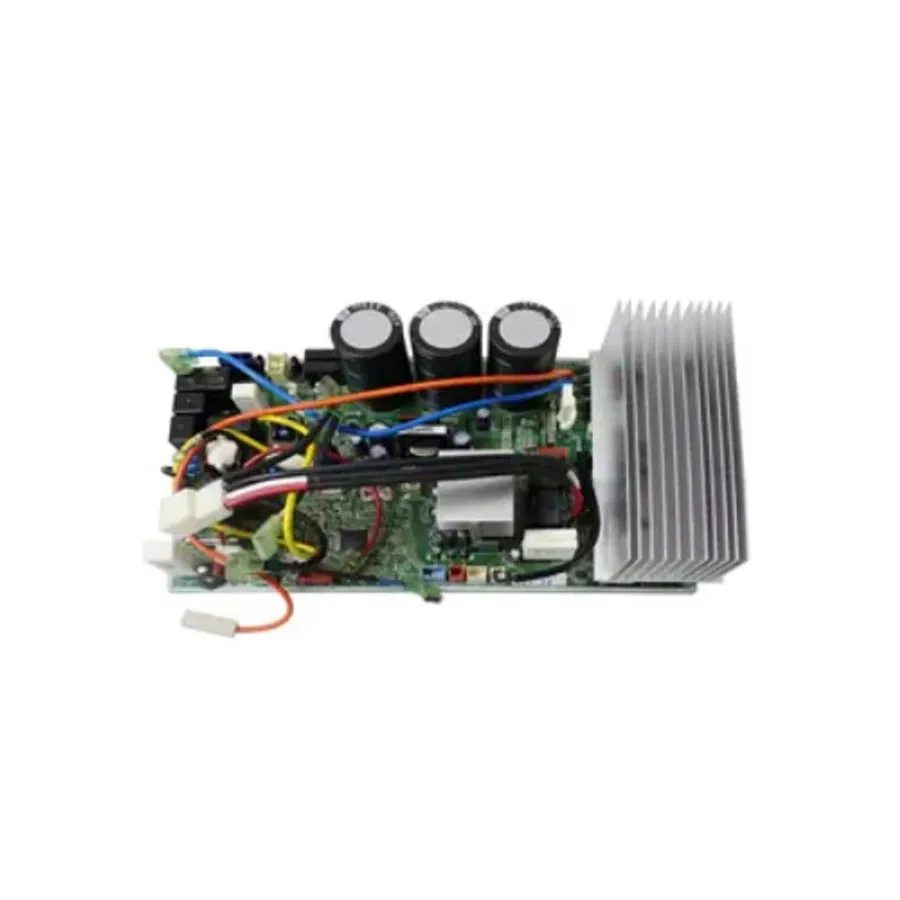
New vs Refurbished PCBs
The decision between purchasing a new or refurbished Exide inverter PCB involves a trade-off between cost, reliability, and warranty. A new PCB provides the assurance of pristine condition and full manufacturer's warranty, but comes at a higher price. Refurbished PCBs, on the other hand, are more budget-friendly but may have a shorter lifespan and potentially limited warranty, or no warranty depending on the source. Understanding these differences is crucial for making an informed decision.
Feature
New PCB
Refurbished PCB
Initial Cost
Higher
Lower
Reliability
Generally Higher (New Components)
Potentially Lower (May contain used parts)
Warranty
Full Manufacturer's Warranty
Limited Warranty or No Warranty
Lifespan
Expected Full Lifespan
Potentially Shorter Lifespan
Condition
Pristine
May show signs of previous use/repair
Advantages of New Exide Inverter PCBs: New PCBs offer the highest reliability, ensuring optimal performance and longevity. They come with a full manufacturer's warranty, providing peace of mind against potential defects. Moreover, a new PCB guarantees the use of pristine components, free from the wear and tear associated with used parts.
Disadvantages of New Exide Inverter PCBs: The primary disadvantage is the higher cost. This can make it a less attractive option for budget-conscious consumers, particularly if the inverter is old.
Advantages of Refurbished Exide Inverter PCBs: Refurbished PCBs are considerably more affordable, making them a cost-effective solution for repairing an inverter. For users on a tight budget, the cost saving is substantial. In some cases, a refurbished PCB that has been inspected, and parts replaced as required can be as reliable as new.
Disadvantages of Refurbished Exide Inverter PCBs: The main drawback is the reduced reliability and shorter potential lifespan. These PCBs may have been previously used, which can affect their overall performance. The warranty might be limited, or in some cases, non-existent. It is critical to verify the source and testing procedures performed on refurbished PCBs, before purchasing them.
Typical Price Ranges for Different Exide Inverter PCB Models
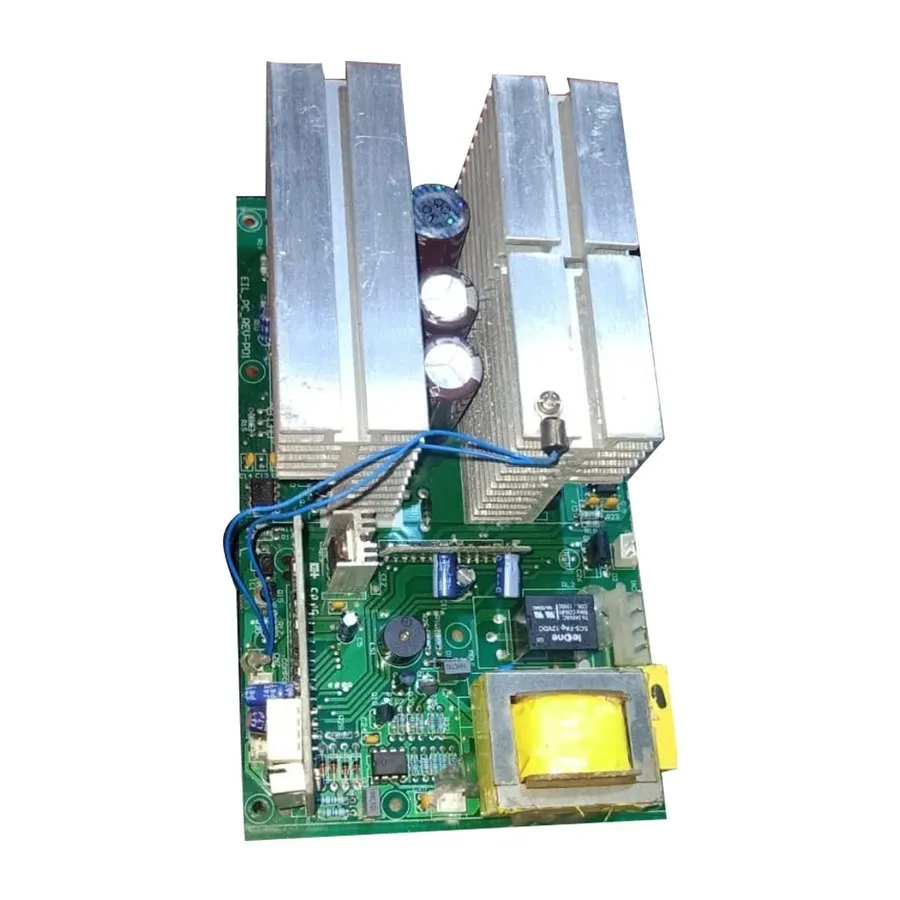
Exide PCB Models
The price of an Exide inverter PCB varies depending on the inverter model, its capacity (VA rating), and whether it is new or refurbished. This section provides a price comparison table for different Exide inverter models, to outline the current market prices for PCBs, offering guidance for consumers looking to understand the cost implications of PCB replacement.
Exide Inverter Model
Capacity (VA)
Typical Price Range (INR)
Notes
Exide 850VA
850
₹800 - ₹1500
Prices can fluctuate based on market demand and vendor.
Exide 1050VA
1050
₹1200 - ₹2000
Commonly used in residential setups.
Exide 1450VA
1450
₹1500 - ₹2500
Higher capacity models may have more complex PCBs
Exide 1650VA
1650
₹1800 - ₹2800
Suitable for larger homes and office use.
Exide 2000VA
2000
₹2200 - ₹3500
Typically found in commercial or high power backup setups.
Exide Star Series
Varies
₹1000 - ₹2000
The Star series may have different pricing for different models.
It is crucial to note that these are approximate price ranges. Actual prices may vary depending on the source (online vs. offline), the vendor, and the availability of the specific model. Refurbished PCBs may be available at lower prices, but their reliability and longevity should be carefully considered before purchase.Always verify the PCB model number and specifications with your inverter model to ensure compatibility. Also, it is recommended to compare prices from different sources before making a purchase.
Where to Buy Exide Inverter PCBs: Online vs. Offline
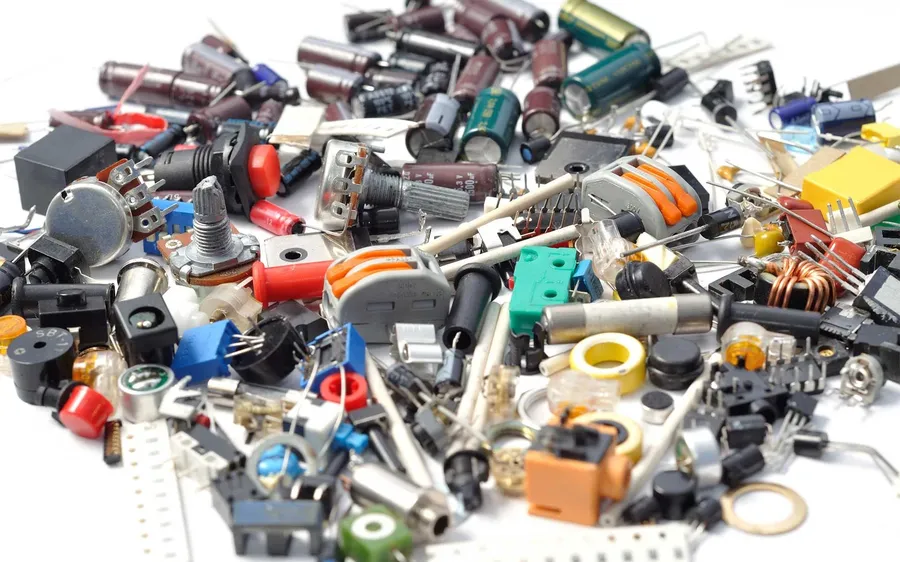
Component Store
Acquiring an Exide inverter PCB involves navigating various purchasing avenues, each offering unique benefits and drawbacks. This section contrasts online marketplaces, local retailers, and authorized service centers to help you make an informed decision based on price, convenience, and reliability.
Wide selection, competitive pricing, convenient shopping from home, user reviews available.
Potential for counterfeit parts, shipping delays, varying seller reliability, return processes can be complex.
Generally lower due to competition; can vary significantly.
Ideal for price-sensitive buyers comfortable with online transactions and assessing seller ratings.
Local Retailers
Physical inspection of the product, immediate availability, potential for face-to-face negotiation, local support.
Higher prices compared to online, limited selection, may not always have specific models, product quality can vary, time-consuming to visit multiple locations.
Good for buyers who prefer in-person transactions and want to inspect the product before purchase. Suitable for urgent needs.
Authorized Service Centers
Authentic parts guaranteed, professional installation services, warranty coverage, expert technical support.
Highest prices, limited selection as per service center, may require scheduling appointments, longer lead time.
Premium pricing reflecting quality assurance and expertise.
Best for buyers prioritizing quality, authenticity, and reliable after-sales service, especially for complex repairs or warranty considerations.
DIY vs. Professional Repair: When to Replace the PCB
PCB Replacement
Deciding between a DIY repair and professional service for an Exide inverter PCB hinges on a balance of technical expertise, safety awareness, and cost considerations. While a DIY approach might seem appealing initially due to perceived cost savings, it's crucial to evaluate the inherent risks and the skills required before attempting a repair. Conversely, professional repair, though typically more expensive upfront, offers the advantage of expert handling and often includes a warranty, providing a level of assurance.
The primary consideration is the complexity of the issue. Simple problems like loose connections or a visibly burnt-out component could potentially be addressed by a technically inclined individual with the appropriate tools and safety protocols. However, complex issues involving integrated circuits or multiple component failures typically necessitate the involvement of skilled technicians.
Aspect
DIY Repair
Professional Repair
Cost
Potentially lower initially, but may incur additional costs due to mistakes or incorrect diagnoses.
Higher upfront cost, but potentially more cost-effective due to accurate diagnostics and proper repair.
Technical Skill Required
Requires strong understanding of electronics, soldering skills, and ability to diagnose issues.
Requires expertise in inverter repair, including knowledge of electronic circuits, safety protocols, and diagnostic tools.
Safety
High risk of injury or damage to the device if not performed carefully and without knowledge of electrical safety
Low risk of injury or damage to the device due to use of professional tools and expertise in safety protocols.
Tools Required
Requires basic soldering tools, multimeter and other basic electronic tools
Requires specialized tools like oscilloscopes, signal generators, and other advance diagnostic equipment
Warranty
No warranty and the chances of improper repair is high
Often includes a warranty for parts and service
Time Required
Time-consuming, due to the debugging process
Quick because they are experts in the field
Regarding replacement of the PCB, it's typically recommended when the original board is severely damaged beyond repair, or the repair costs exceed a reasonable threshold compared to the cost of a new PCB. For example, if there's extensive damage from a power surge, it's likely more sensible to opt for a full replacement. When dealing with a faulty PCB it's vital to follow the instructions in the user manual.
How to Verify the Authenticity of an Exide Inverter PCB
Ensuring the authenticity of an Exide inverter PCB is crucial for optimal performance and safety, as counterfeit PCBs can lead to operational failures and safety hazards. This section outlines key indicators to differentiate genuine Exide PCBs from counterfeit products, focusing on physical attributes and markings.
Check for Exide Branding Genuine Exide PCBs will feature the official Exide logo and branding clearly printed. Examine the logo closely for any irregularities in font, size, or color.
Inspect the PCB Serial Number Every genuine Exide PCB has a unique serial number, often printed or etched on the board. This number should correspond with the records of Exide. If there is no serial number or the number seems suspicious, it may be counterfeit.
Verify Component Quality and Markings Authentic PCBs use high-quality electronic components from reputable manufacturers. Check components for consistency in color and branding. Counterfeit boards often use cheap, poorly marked components.
Examine the Board Finish and Layout Genuine Exide PCBs have a professional finish, with precise soldering and circuit layouts. Counterfeit boards might have rough edges, uneven solder, and poorly designed circuits.
Look for Holographic Stickers or Security Seals Some genuine Exide PCBs may include holographic stickers or security seals as additional verification features. These seals should be intact and not tampered with.
Compare with Original Images Cross-reference the PCB you have with images of genuine Exide PCBs from reliable sources such as the official Exide website or authorized distributors. This comparison can help spot differences.
Purchase from Authorized Dealers The safest approach is to buy from Exide's official dealers, authorized service centers, or reputable online retailers to minimize the risk of encountering counterfeit products. Do not buy from unverified sources with an exceptionally low price.
Frequently Asked Questions About Exide Inverter PCB Replacement
This section addresses common questions regarding Exide inverter PCBs, focusing on their lifespan, typical failure modes, and replacement costs. Understanding these aspects can help users make informed decisions about maintenance and repairs.
What is the typical lifespan of an Exide inverter PCB? The lifespan of an Exide inverter PCB is not fixed and depends on various factors, including usage patterns, environmental conditions, and the quality of other connected components. Generally, a well-maintained PCB can last anywhere from 5 to 10 years. However, this can be reduced by issues like power surges, poor ventilation, or component failure due to overheating or corrosion. Regular maintenance and ensuring proper installation are key to maximizing its lifespan.
What are the common reasons for Exide inverter PCB failure? Common reasons for PCB failure include power surges, which can damage sensitive electronic components; overheating due to inadequate ventilation or prolonged use; component aging and degradation over time; corrosion from moisture or humidity; loose or faulty connections; and manufacturing defects. It is crucial to protect the inverter from power fluctuations and ensure proper cooling. Regular checks for loose connections can help prevent damage.
How much does it cost to replace the PCB of a specific Exide inverter model? The cost to replace an Exide inverter PCB varies depending on the specific model (e.g., 850VA, 1050VA, 1450VA), whether it's a new or refurbished board, and the source of purchase (authorized service center, online retailer, local shop). Prices can range from a few hundred to a few thousand INR. For example, a PCB for a lower capacity model such as 850VA might cost less than that of a 1450VA model. Contacting an authorized service center or a reliable retailer for a quote specific to your model is recommended.
Is it worth repairing a damaged Exide inverter PCB or is it better to replace it? Whether to repair or replace a damaged PCB depends on the extent of the damage and the cost of repair. Minor damages, like a blown fuse or a faulty capacitor, might be repairable, if cost-effective. If there is extensive damage, such as burnt tracks or damaged integrated circuits, replacement is usually the better option. The cost of repair should be compared against the cost of a new or refurbished PCB, while considering the long-term reliability. If the repair cost approaches the cost of replacement, replacing the PCB is generally recommended.
Can I replace the Exide inverter PCB myself, or is professional help needed? Replacing a PCB requires a good understanding of electronics and proper tools to avoid further damage or electric shock. If you do not have sufficient electronics skills, professional help is recommended. Improper handling during the repair may void the warranty. If you have expertise and are comfortable taking necessary precautions, replacement may be DIY, but safety and correct installation should be priorities. It's advisable to seek professional assistance if you're not sure.
What are some signs that indicate my Exide inverter PCB may be failing? Signs of a failing PCB can include erratic inverter behavior such as not switching to battery mode when power fails, frequent beeping or error codes, no charging of the battery, and the inverter not providing any output. Overheating or a burnt smell emanating from the inverter are also signs. Regular checking for any of these symptoms can allow for timely action, preventing further damage to the inverter or connected appliances.
How to choose the correct replacement PCB for my Exide inverter? Choosing the correct replacement PCB requires confirming the exact model number of your Exide inverter, usually located on a label on the inverter or in the user manual. Using the incorrect PCB can lead to malfunctions or even damage the inverter. It's essential to choose a PCB that is compatible with your inverter's VA rating (e.g., 850VA, 1050VA, 1450VA) and any other specifications. If you are unsure, consult your inverter's user manual or reach out to an authorized service center for assistance.
Understanding the exide inverter pcb price is vital for maintaining your power backup system. This guide has provided insights into the factors influencing these costs and how to ensure you get a genuine product for your inverter. Whether you are considering repair or replacement, the knowledge here will equip you to make informed decisions and keep your Exide inverter running smoothly. Remember to prioritize reputable sources for purchasing PCBs to ensure both safety and functionality. As technology evolves, staying informed about these components will always be beneficial for you.