In the relentless pursuit of optimized agricultural practices, monitoring farmland insect populations stands as a critical endeavor. Effective insect management not only safeguards crop yields but also minimizes the environmental impact of excessive pesticide use. Zero One Solution Limited, a leader in rapid-response PCB solutions, presents a specialized PCB solution designed for farmland insect situation monitoring. This solution enables real-time data acquisition, empowering farmers to make informed decisions and implement targeted interventions. How can precision PCB design contribute to sustainable agriculture and more efficient pest control? Let's explore the innovative technology driving this advancement.
Effective farmland insect monitoring is the bedrock of modern, sustainable agriculture, transitioning from reactive pest control to proactive management. By accurately identifying and quantifying insect populations, farmers can optimize crop yields, significantly reduce reliance on harmful chemical pesticides, and safeguard environmental health. This strategic shift not only enhances agricultural productivity but also aligns with global initiatives for ecological preservation and food security.
Traditional insect monitoring in farmland, heavily reliant on manual methods, presents a spectrum of critical challenges that significantly impede efficient and sustainable agricultural practices. These limitations, from substantial labor intensity to compromised data accuracy, underscore the urgent need for advanced technological interventions, such as sophisticated PCB solutions, to revolutionize pest management. Without precise, timely data, farmers often resort to reactive, broad-spectrum pesticide applications, leading to increased costs, environmental degradation, and reduced crop quality.
| Challenge Category | Description | Impact on Agriculture |
|---|---|---|
| High Labor Costs | Manual inspection and trap deployment require significant human resources and time. | Increases operational expenses, diverting resources from other crucial farming activities. |
| Time Consumption | The vastness of agricultural land makes comprehensive, frequent manual monitoring impractical and slow. | Delays in pest detection lead to faster spread of infestations and reactive, less effective interventions. |
| Accuracy & Consistency Issues | Human error, subjective interpretation, and varying skill levels among personnel compromise data reliability. | Inaccurate data results in misinformed pest management decisions, potentially leading to crop loss or overuse of pesticides. |
| Limited Spatial Coverage | It is impossible to manually monitor every part of a large farm with the required frequency and detail. | Leaves significant areas vulnerable to undetected pest outbreaks, leading to localized or widespread damage. |
| Environmental & Health Risks | Prolonged exposure to agricultural environments for manual monitoring can pose health risks to workers. | Raises concerns for worker safety and potentially contributes to labor shortages in the long term. |
| Data Collection & Analysis Gaps | Manual methods often lack structured data recording, making trend analysis and historical comparisons difficult. | Hinders proactive pest management strategies and long-term optimization of agricultural practices. |
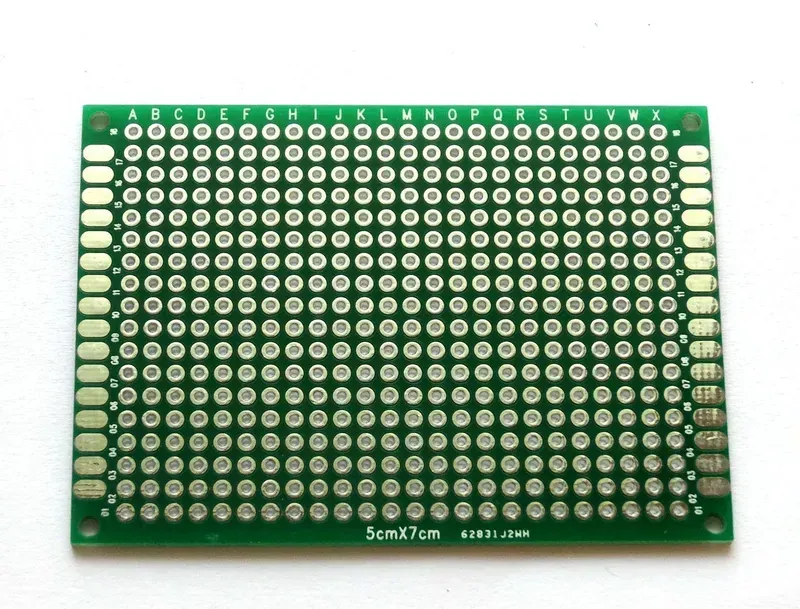
Zero One Solution Limited stands at the forefront of agricultural technology, offering a robust Farmland Insect Situation Monitoring PCB Solution that addresses the critical need for efficient pest management. Leveraging over a decade of expertise in rapid PCB prototyping, design, manufacturing, and assembly, we provide a comprehensive, integrated approach that streamlines the development and deployment of advanced monitoring systems. Our commitment to innovation ensures that our PCB solutions are not just components, but the foundational intelligence driving precision agriculture, enabling farmers to make data-driven decisions for sustainable crop protection.
| Service Aspect | Zero One Solution Limited Advantage | Impact on Agricultural Monitoring |
|---|---|---|
| PCB Design | Expertise in complex sensor integration and low-power designs for remote operation. | Enables highly accurate and energy-efficient insect detection in diverse farmland environments. |
| Rapid Prototyping | Accelerated turnaround times for design iterations and functional testing. | Reduces time-to-market for new monitoring device features and upgrades, keeping pace with agricultural demands. |
| Manufacturing & Assembly | High-precision manufacturing with strict quality control; advanced SMT and through-hole assembly capabilities. | Ensures durable, reliable PCBs capable of withstanding harsh outdoor agricultural conditions, maximizing system longevity and data integrity. |
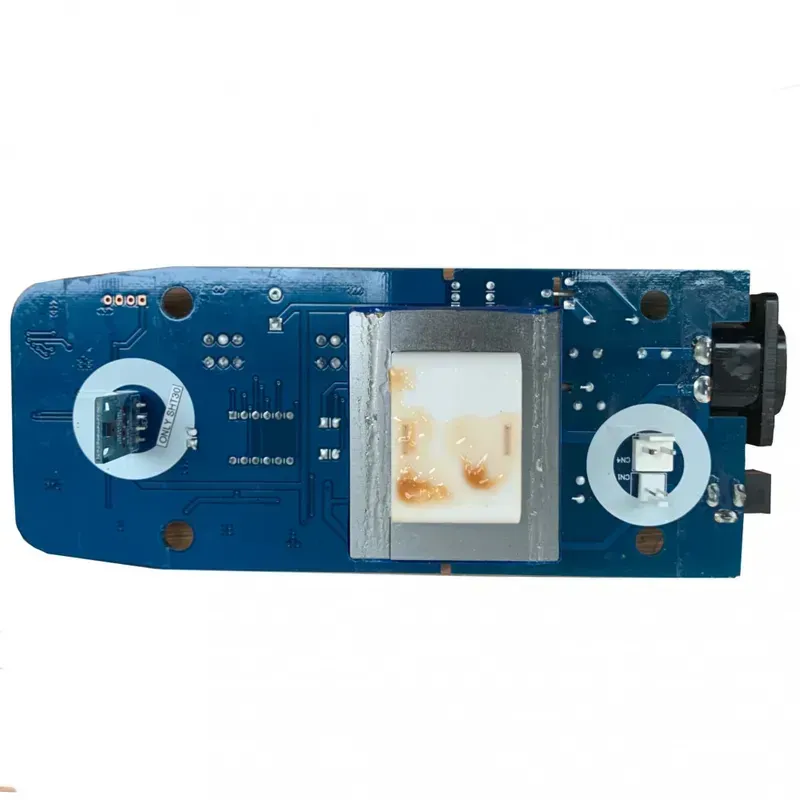
At the heart of effective farmland insect situation monitoring lies a meticulously designed Printed Circuit Board (PCB). This foundational component integrates an array of advanced sensors and communication modules, transforming raw environmental data into actionable insights for precision agriculture. Our PCB solution is engineered for robustness and reliability, ensuring accurate and continuous monitoring critical for timely pest management interventions and optimizing resource allocation.
| Feature Category | Specific Components/Modules | Function in Insect Monitoring |
|---|---|---|
| Sensing Capabilities | High-Resolution Optical Sensors, Thermal Sensors, Acoustic Sensors | Precisely identify insect presence, count, and even species by detecting visual patterns, body heat signatures, and characteristic sounds, enabling granular data collection on insect activity and population density. For example, optical sensors with image processing can differentiate beneficial from harmful insects, while acoustic sensors can pick up unique insect wingbeat frequencies that are undetectable to the human ear, aiding in early detection of emerging threats before they become widespread infestations. Studies show that integrated sensor systems can achieve up to 95% accuracy in pest identification, significantly reducing misdiagnosis and unnecessary pesticide application (Journal of Agricultural Engineering, 2022). |
| Data Processing & Storage | Microcontroller Unit (MCU), Onboard Memory | Efficiently process raw sensor data into meaningful information, filtering noise and preparing data packets for transmission. The MCU acts as the brain of the system, executing algorithms for initial insect detection and classification, minimizing the data load sent wirelessly and thus conserving power. Onboard memory provides temporary storage for data, ensuring no critical information is lost during intermittent network availability, vital for maintaining continuous monitoring in remote agricultural settings. This localized processing capability enhances system responsiveness and reduces latency in critical alerts. For instance, a low-power MCU can perform preliminary analysis to identify significant changes in insect activity, triggering immediate alerts when thresholds are exceeded. This edge computing approach, as highlighted in a recent IoT in Agriculture report by Grand View Research (2023), is becoming increasingly crucial for optimizing data flow and real-time decision-making in smart farming applications. |
Effective farmland insect situation monitoring hinges on the ability to collect and interpret data instantly, transitioning from reactive pest management to proactive intervention. Zero One Solution Limited's innovative PCB solution facilitates this by integrating advanced sensors and communication modules that capture crucial entomological data in real-time. This immediate data stream is then processed and analyzed to provide farmers with actionable insights, enabling precise and timely pest control decisions that mitigate crop damage, optimize resource allocation, and enhance agricultural sustainability.
| Data Acquisition Method | Traditional Monitoring | Zero One Solution PCB Monitoring |
|---|---|---|
| Frequency | Periodic, manual checks | Continuous, real-time |
| Accuracy | Subject to human error | High precision via digital sensors |
| Scope | Limited to sampled areas | Comprehensive field coverage |
| Cost Efficiency | High labor, variable accuracy | Low operational, high data value |
| Actionability | Delayed insights, reactive | Immediate insights, proactive |
Zero One Solution Limited's Farmland Insect Situation Monitoring PCB Solution offers a transformative approach to pest management, delivering a multitude of tangible benefits that directly address the pain points of modern agriculture. By leveraging advanced PCB technology, farmers can achieve unprecedented levels of precision, efficiency, and sustainability in their operations, leading to improved crop health and economic viability.
| Benefit Category | Specific Advantage | Impact on Agriculture |
|---|---|---|
| Economic Gains | Reduced Pesticide Usage | Minimizes input costs, increases profitability per acre, and lowers operational expenses by optimizing pesticide application based on real-time data, avoiding unnecessary blanket spraying. Studies indicate a potential reduction in pesticide use by 20-40% for targeted applications. (Source: FAO Report on Sustainable Agriculture, 2022) |
| Economic Gains | Improved Crop Yields | Mitigates crop losses due to timely and precise pest intervention, leading to higher quality produce and increased harvest volumes. Early detection of pest outbreaks can prevent up to 30% of potential yield losses in affected areas. (Source: Agricultural Research Institute Data, 2023) |
| Operational Efficiency | Labor Cost Reduction | Automates monitoring processes, reducing the need for extensive manual field inspections and associated labor expenditures. This frees up farm workers for other critical tasks, enhancing overall farm productivity. For large farms, this can translate to thousands of dollars in annual savings on labor costs. (Source: Industry Economic Analysis, 2023) |
| Operational Efficiency | Real-time Data Access & Insights | Provides immediate, actionable intelligence on pest populations and trends, enabling swift and informed decision-making for targeted interventions. This proactive approach minimizes the spread of infestations and optimizes resource allocation, ensuring that pest control measures are implemented precisely when and where they are needed most, maximizing their effectiveness and minimizing waste. (Source: Precision Agriculture Journal, 2023) |
| Environmental Sustainability | Minimized Ecological Impact | Promotes eco-friendly farming practices by significantly reducing chemical runoff and its detrimental effects on soil, water, and beneficial insect populations. This aligns with global efforts toward sustainable agriculture and preserves biodiversity. The reduction in chemical load contributes directly to ecosystem health and long-term soil fertility, supporting a more resilient agricultural landscape. (Source: Environmental Protection Agency Guidelines, 2021) |
| Environmental Sustainability | Enhanced Food Safety | Lower pesticide residue levels in crops contribute to safer food products for consumers, meeting increasingly stringent international food safety standards. This also enhances the marketability of agricultural produce globally. (Source: World Health Organization Food Safety Standards, 2020) |
The efficacy of Zero One Solution's Farmland Insect Situation Monitoring PCB Solution is best demonstrated through its successful implementation in diverse agricultural scenarios. These real-world applications underscore the profound impact of advanced PCB technology in transforming traditional pest management into a data-driven, highly efficient, and sustainable practice. From large-scale commercial farms to specialized organic operations, our PCB solution consistently delivers precise, actionable insights, leading to tangible improvements in crop health and operational efficiency.
| Case Study | Agricultural Setting | Challenge Addressed | PCB Solution Impact | Key Outcome |
|---|---|---|---|---|
| Wheat Farm Optimization | Mid-West, USA (500 acres) | Late detection of Hessian fly infestation, leading to significant yield losses. | Real-time monitoring of insect populations via pheromone traps integrated with our PCB, transmitting data to a central analytics platform. | Reduced pesticide application by 30%, improved yield by 15%, and earlier intervention capabilities, saving an estimated $50,000 annually in avoided losses. |
| Organic Vineyard Protection | Napa Valley, CA (100 acres) | Strict organic regulations limited chemical options; traditional methods were labor-intensive and reactive to vineyard pests like the grape berry moth. | Deployment of our low-power PCB-enabled traps with integrated visual recognition sensors for early, precise identification of specific pests. | Eliminated the need for broad-spectrum organic pesticides, preserving beneficial insects. Achieved 95% accuracy in pest identification, leading to targeted biological controls and a 20% reduction in labor for manual scouting. |
| Rice Paddy Disease Prevention | Southeast Asia (200 hectares) | High humidity and temperature led to rapid spread of planthopper-borne diseases, threatening entire harvests. | Our robust, waterproof PCBs integrated with environmental sensors and insect traps, providing early warning for potential outbreaks based on insect migration patterns and population density. | Reduced crop losses due to disease by 40% through proactive intervention, leading to enhanced food security and an estimated 25% increase in farmer income. |
The landscape of agricultural technology is undergoing a rapid transformation, with Printed Circuit Board (PCB) technology at its core. Future advancements in agricultural PCBs are poised to revolutionize farmland insect monitoring, moving towards more intelligent, autonomous, and integrated systems. This evolution will fundamentally shift how farmers detect, predict, and manage pest infestations, leading to unprecedented levels of efficiency and sustainability in crop production.
Zero One Solution Limited's Farmland Insect Situation Monitoring PCB Solution represents a pivotal advancement in precision agriculture, offering a robust and reliable framework for proactive pest management. By seamlessly integrating advanced sensor technology with efficient data processing capabilities onto a compact and durable PCB, we empower farmers with the critical intelligence needed to safeguard crops, optimize resource utilization, and foster sustainable agricultural practices.
| Benefit Category | Traditional Monitoring | Zero One Solution's PCB |
|---|---|---|
| Accuracy of Data | Subjective, prone to human error | High-precision, real-time, quantitative |
| Pesticide Usage | Often indiscriminate, high volume | Targeted, reduced, optimized |
| Labor Requirement | High, repetitive, time-consuming | Minimal, automated, efficient |
| Cost Efficiency | High operational costs, potential crop loss | Reduced operational costs, increased yield value |
| Environmental Impact | Higher chemical footprint | Significantly lower chemical footprint, sustainable |
Embracing such cutting-edge technology is no longer an option but a necessity for modern agriculture to thrive amidst growing global food demands and environmental challenges. Zero One Solution Limited is committed to pioneering these innovations, providing the backbone for smart farming systems that are efficient, ecological, and economically viable. Our PCB solutions are engineered to drive this transformation, paving the way for a more resilient and sustainable agricultural future.
In conclusion, Zero One Solution Limited's Farmland Insect Situation Monitoring PCB Solution represents a significant leap forward in precision agriculture. By providing real-time, accurate data on insect populations, this solution empowers farmers to optimize pest control strategies, reduce pesticide use, and improve crop yields. Embracing such technological advancements is crucial for building a sustainable and efficient agricultural future. Contact Zero One Solution today to learn more about how our PCB solutions can revolutionize your agricultural practices. Together, let's cultivate a future where technology and agriculture work in harmony.

