In today's electronics-driven world, custom PCBs are the backbone of countless devices. But the cost can be a major hurdle. This article dives deep into finding the most affordable options for high-quality, cheap custom PCBs. We'll explore various manufacturers, their offerings, and cost-saving strategies to empower your electronic projects without breaking the bank, connecting technical needs with practical solutions.
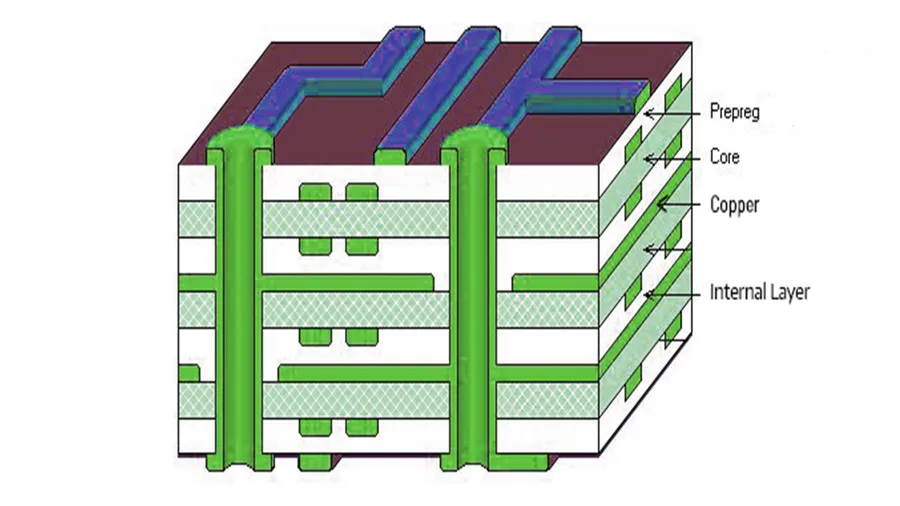
The cost of custom PCBs is influenced by a complex interplay of design and manufacturing choices. Understanding these factors is crucial for cost optimization without compromising the required functionality and quality of your printed circuit board. This section will delve into key determinants such as board dimensions, layer count, material selection (particularly FR-4 variations), surface finishes, and the impact of production volume on the final price.
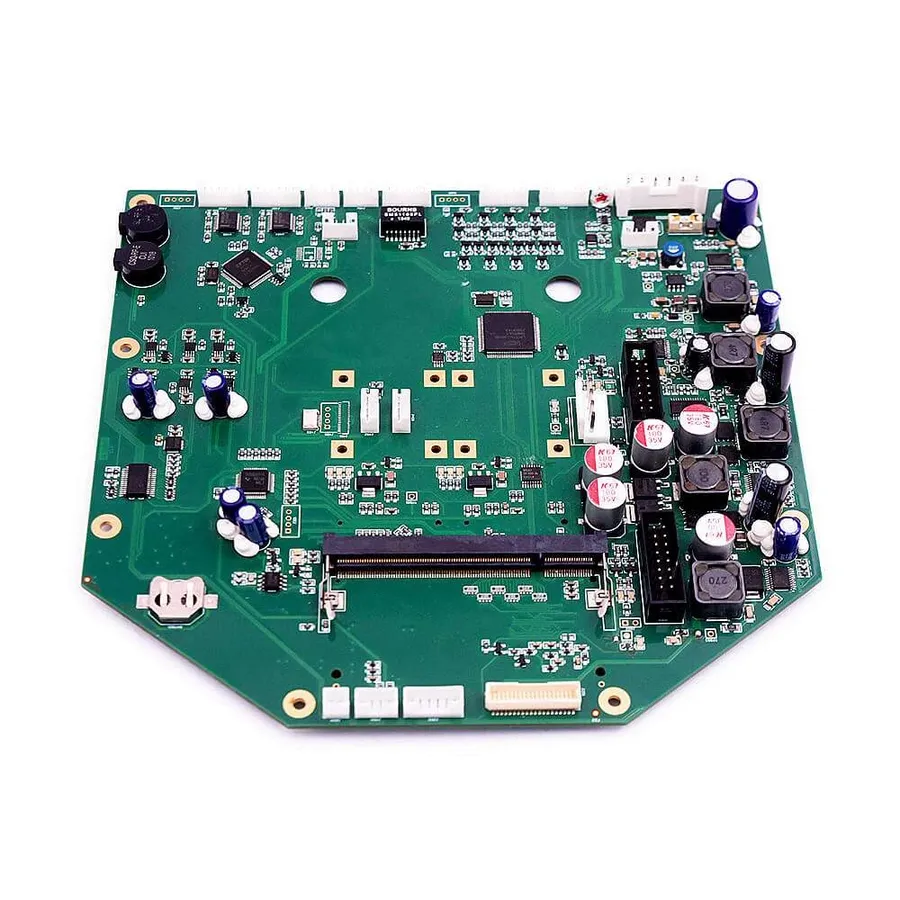
Selecting the right PCB manufacturer is crucial for balancing cost and quality. This section provides a comparative analysis of leading budget-friendly PCB manufacturers, focusing on their capabilities, pricing, lead times, and customer feedback. The analysis will help you identify the ideal partner for your specific project needs, whether it’s prototyping or mass production.
| Manufacturer | Specialization | Price Range (USD/10 PCBs) | Avg. Shipping Time (Days) | Key Features |
|---|---|---|---|---|
| PCBWay | Prototype, Small Batch, Mass Production | 5-30 | 3-10 | Wide range of materials, advanced options, assembly service |
| JLCPCB | Prototype, Small Batch, Mass Production | 2-25 | 3-10 | Very competitive pricing, quick turnaround, good for beginners |
| Elecrow | Prototype, Small Batch | 8-35 | 5-12 | Good for small projects, offers component sourcing, and laser cutting service |
| ALLPCB | Prototype, Small Batch, Mass Production | 6-32 | 4-11 | Focus on quick turn, good for both prototypes and volume production. |
| OSH Park | Prototype, Small Batch | 10-40 | 10-15 | High quality prototype service, purple boards |
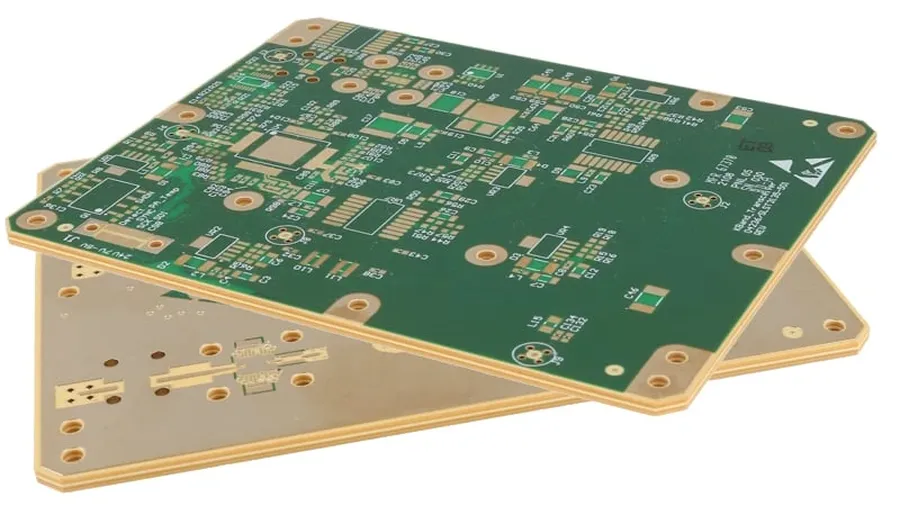
The choice of materials in Printed Circuit Board (PCB) manufacturing significantly influences both the performance and cost of the final product. Selecting the appropriate material is crucial for balancing functionality and budget. This section will primarily focus on FR-4, the most commonly used material, while briefly touching on other options like aluminum and flexible substrates.
FR-4 (Flame Retardant type 4) is a composite material consisting of woven fiberglass cloth with an epoxy resin binder. It is favored for its balance of electrical performance, mechanical strength, and cost-effectiveness. The cost of FR-4 boards is influenced by its thickness, copper weight, and the type of epoxy resin used. Within FR-4 there are also variations in the Tg temperature, which will be covered in more detail.
| Material | Description | Typical Applications | Cost Considerations | Advantages | Disadvantages |
|---|---|---|---|---|---|
| FR-4 | Woven fiberglass with epoxy resin | Most general-purpose PCBs | Low to moderate; depends on thickness and Tg | Good balance of electrical/mechanical properties, cost-effective | Limited thermal performance, rigid |
| Aluminum | Aluminum core with dielectric layers | LED lighting, power electronics | Moderate to high | Excellent thermal conductivity, durable | Higher cost, less common, may not be suitable for all applications |
| Flexible Substrates (e.g., Polyimide) | Flexible polymer films | Wearable devices, flexible electronics | High | Highly flexible, lightweight | Higher cost, more difficult to process |
Within FR-4, the glass transition temperature (Tg) is a critical parameter. Standard Tg FR-4 typically has a Tg of around 130-140°C, suitable for most applications. High-Tg FR-4, with a Tg of 170°C or greater, provides enhanced thermal stability, and is suitable for applications that involve high temperatures during operation or assembly. High Tg FR-4 boards are more expensive than standard Tg boards.
For standard electronic products, FR-4 with a standard Tg is usually sufficient. However, when considering applications in harsh environments or with high temperature requirements, high-Tg FR-4 or Aluminum will be needed, although this will impact cost.
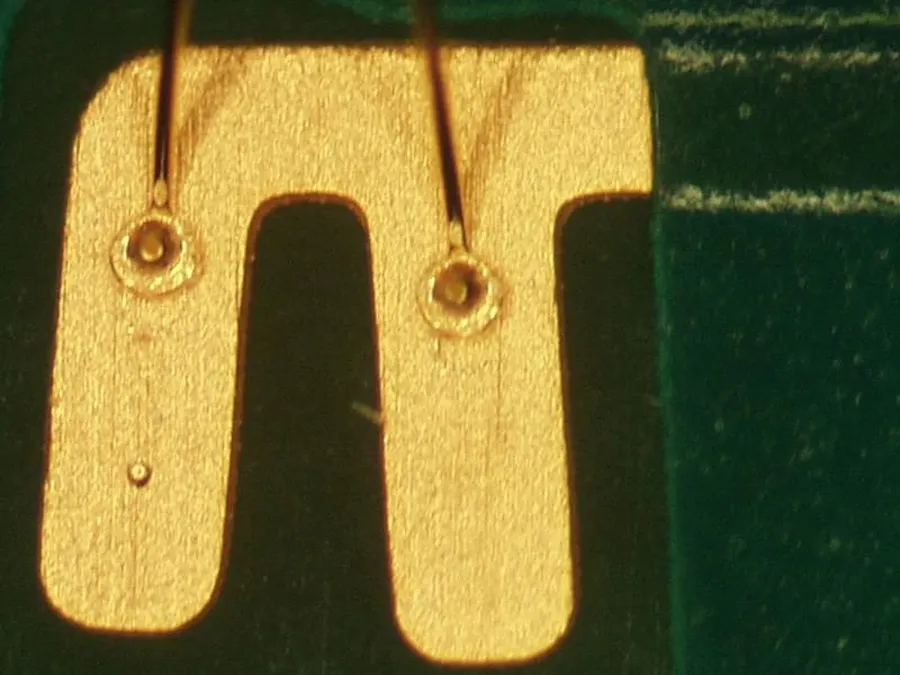
The surface finish of a printed circuit board (PCB) is a critical aspect influencing its solderability, reliability, and ultimately, its cost. Selecting the appropriate finish requires careful consideration of project requirements and budget constraints. Different finishes offer varying levels of performance in terms of corrosion resistance, contact resistance, and compatibility with different soldering processes. This section details common surface finish options, their characteristics, and their cost implications to help you make an informed decision.
| Surface Finish | Description | Pros | Cons | Cost |
|---|---|---|---|---|
| HASL (Hot Air Solder Leveling) | A process where molten solder is applied and then leveled using hot air knives. | Low cost, good solderability, widely available. | Uneven surface, not suitable for fine pitch components, lead-free HASL may have reliability concerns | Low |
| ENIG (Electroless Nickel Immersion Gold) | A two-layer metallic finish where a layer of nickel is deposited, followed by a thin layer of gold. | Excellent solderability, good oxidation resistance, suitable for fine pitch components, flat surface. | Higher cost, potential for 'black pad' issues. | High |
| Immersion Silver | A thin layer of silver is deposited on the copper pads via a chemical process. | Good solderability, moderate cost, suitable for wire bonding. | Prone to tarnishing, requires special handling, less robust than ENIG. | Moderate |
| OSP (Organic Solderability Preservative) | A thin organic layer protects copper from oxidation, enhancing solderability. | Low cost, flat surface, good for reflow soldering. | Poor shelf life, sensitive to handling, poor contact surface. | Low |
When selecting a surface finish, prioritize the requirements of your project. For cost-sensitive applications and through-hole soldering, HASL is a practical choice. For fine pitch surface mount components where planarity is critical, ENIG is preferable, despite its higher cost. If you need a middle ground, Immersion silver offers a reasonable alternative. OSP is suitable for applications requiring low cost and a flat surface, but careful handling and quick assembly are critical. Always check with your manufacturer on the specific requirements for your board design, and consider if the finish aligns with the long term usage environment.
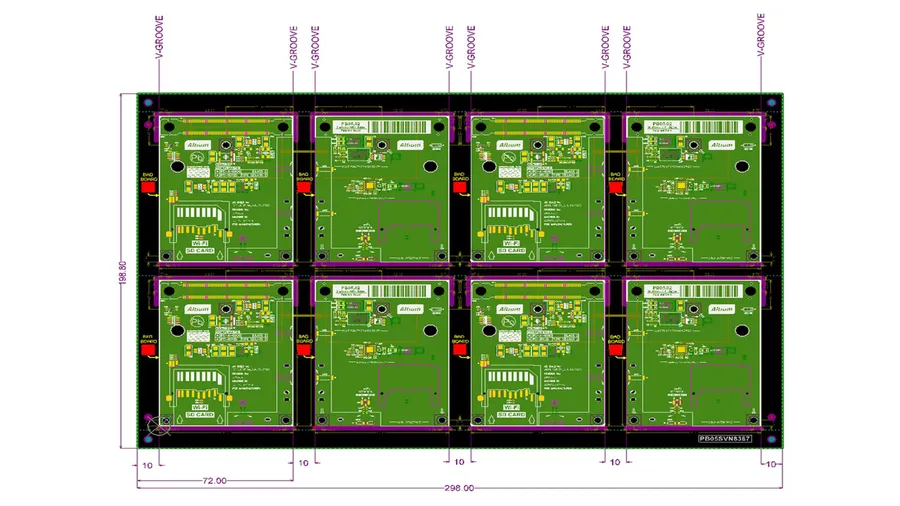
Reducing PCB manufacturing costs requires a multifaceted approach, combining design optimization, smart material choices, and leveraging manufacturer's capabilities. By strategically addressing each of these factors, significant cost savings can be achieved without compromising functionality or quality.
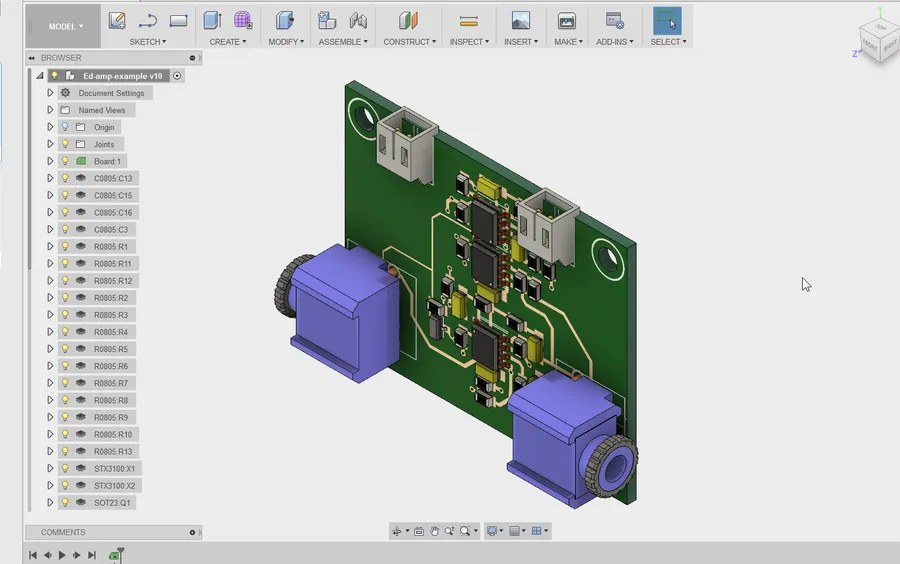
Design for Manufacturing (DFM) is a crucial process in PCB production, focusing on optimizing designs to minimize manufacturing costs and prevent potential issues. By considering DFM principles during the design phase, significant cost savings and improved yield rates can be achieved.
DFM involves considering manufacturing capabilities and limitations early in the design process. Ignoring these considerations can lead to higher production costs, longer lead times, and even design revisions. A robust DFM approach ensures that the final PCB design is not only functional but also manufacturable in a cost-effective and efficient manner.
Key aspects of DFM include:
Gerber file checking is an integral part of the DFM process. Before sending designs to the PCB manufacturer, it's vital to review your Gerber files to verify all features are correctly represented and that they adhere to manufacturing specifications. This step will prevent costly issues during production.
Tips for Gerber file checking:
This section addresses common questions regarding the cost-effective manufacturing of custom PCBs. We aim to provide concise, insightful answers to help you navigate the options for your projects.
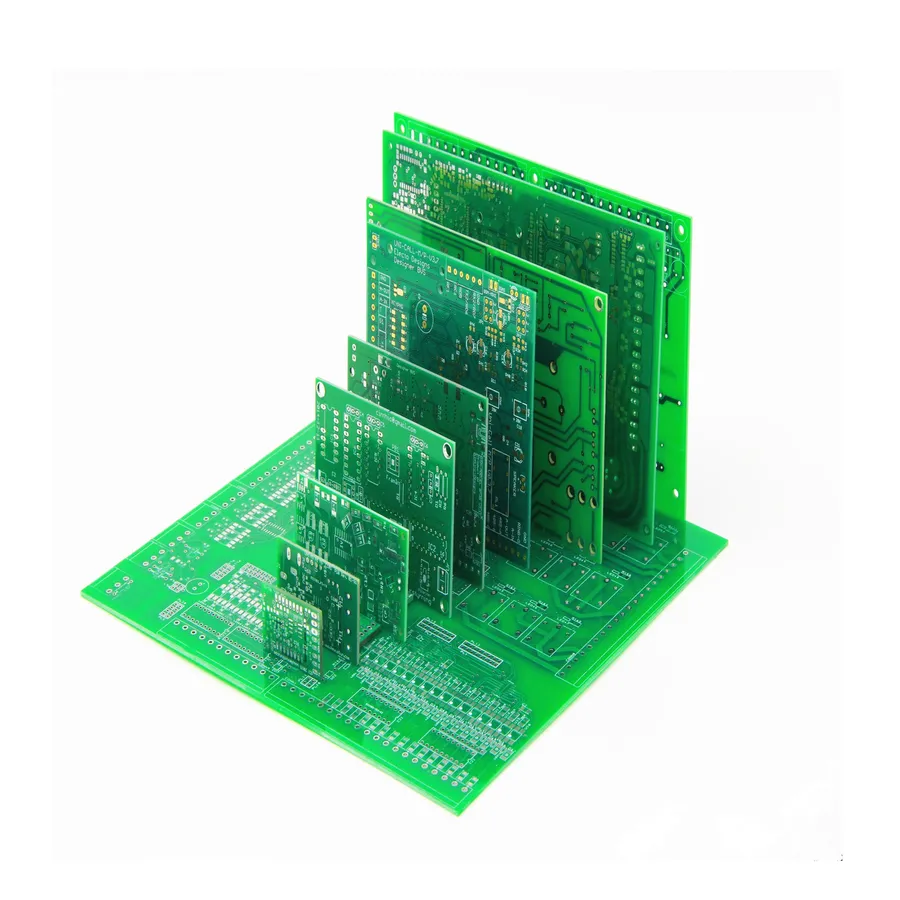
PCB turnaround time, the duration from order placement to receiving the finished boards, significantly impacts manufacturing costs. Faster turnaround typically incurs higher expenses due to expedited production processes, while longer lead times often correlate with cost savings. This relationship is crucial for project planning, balancing project deadlines with budgetary limitations.
The trade-off between rapid prototyping and cost savings requires careful evaluation of project needs and priorities. For projects demanding quick verification of design concepts or rapid iterations, faster turnaround is beneficial and justifies the added cost, however, for projects with less urgent timelines, choosing a longer lead time can significantly reduce the overall cost. Understanding these trade-offs allows for optimized PCB production that aligns with project objectives and resource constraints.
Choosing the right PCB manufacturer is crucial for balancing cost and quality. This section provides a comparison table to help you make an informed decision based on your project's specific needs. Below is a side-by-side comparison of several popular PCB manufacturers, detailing their price ranges, average shipping times, and key features.
| Manufacturer | Price Range (USD) | Avg. Shipping Time | Key Features |
|---|---|---|---|
| PCBWay | Low to Medium | 3-10 days | Wide range of materials, assembly services, strong customer support, good for both prototype and small batch. |
| JLCPCB | Very Low | 3-10 days | Highly cost-effective for prototypes and small orders, SMT assembly available, large user base, strong for online ordering. |
| Elecrow | Low to Medium | 5-12 days | Offers PCB manufacturing, parts sourcing, and assembly services, good for one-stop solutions. |
| ALLPCB | Low to Medium | 5-12 days | Focus on rapid prototyping and quick turnaround times, offers a variety of manufacturing options. |
| OSHPark | Medium | 7-14 days | Specialized in small quantities and prototype, good for hobbyists, panelized orders, high quality. |
This table is designed to be an actionable tool, providing key insights to help you select the ideal manufacturer for your project. Remember to consider your specific design requirements, budget, and timeline when making your final choice. Note that the price ranges and shipping times provided are averages and can vary based on your specific requirements and the manufacturer's current workload. It's always best to get a quote based on your specific needs.
Finding the perfect balance between cost and quality is essential when ordering custom PCBs. By understanding the factors that impact PCB costs, choosing the right manufacturer, and implementing cost-saving strategies, you can produce high-quality, cheap custom PCBs that meet your project's needs without exceeding your budget. The future of electronics relies on accessible and affordable components, and knowing how to get a cheap custom pcb is the first step.

