Printed circuit boards (PCBs) are the backbone of modern electronics, silently powering our smartphones, computers, and countless other devices. Selecting the right PCB sheet suppliers is crucial for ensuring the quality and reliability of these essential components. This article will guide you through the process, highlighting key considerations and offering practical advice for choosing the best supplier for your project, ultimately ensuring the smooth flow of your production cycle.
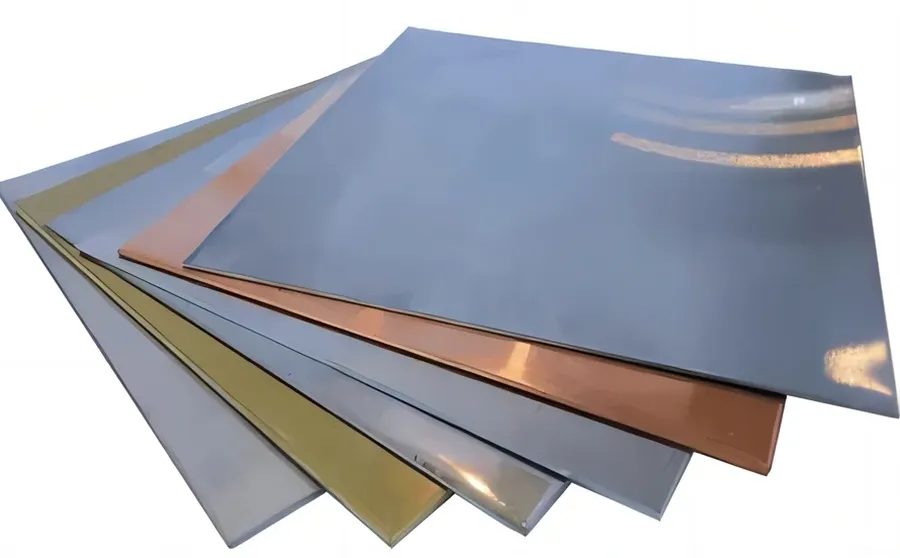
The selection of appropriate PCB sheet materials is paramount for the performance and longevity of electronic devices. Different materials offer varying electrical, thermal, and mechanical characteristics, making material selection a critical aspect of PCB design based on application requirements. A deep understanding of these materials is fundamental for engineers and designers.
| Material | Description | Typical Applications | Advantages | Disadvantages |
|---|---|---|---|---|
| FR-4 | Most common, fiberglass-reinforced epoxy laminate. It has good electrical properties, strength and moisture resistance. | General purpose PCBs, consumer electronics, computer hardware. | Cost-effective, widely available, good mechanical strength and electrical insulation. | Limited thermal conductivity, not suitable for high-frequency applications |
| Metal Core (MCPCB) | Metal substrate (usually aluminum or copper) with a dielectric layer. High thermal conductivity. | LED lighting, power electronics, high-power circuits. | Excellent heat dissipation, improved thermal management. | More expensive than FR-4, heavier, can be electrically conductive, requires careful design |
| Flexible Substrates | Polyimide or polyester based flexible materials for circuits that must bend or fold. | Flexible electronics, wearable devices, automotive electronics. | Flexibility, light weight, can fit into complex shapes. | Lower mechanical strength, more costly, more difficult to manufacture |
| Rogers Materials | High-performance laminates, typically PTFE-based, offer excellent electrical properties at high frequencies. | RF applications, microwave circuits, aerospace. | Low dielectric loss, stable electrical properties at high frequencies. | Expensive, difficult to process and manufacture |
| CEM-1 | Composite material of paper and epoxy. Lower performance compared to FR-4. | Low-end consumer electronics, single-sided boards. | Inexpensive, easy to machine. | Lower mechanical strength, moisture absorption, only single sided |
| CEM-3 | Composite of woven glass and epoxy. Better performance than CEM-1 | Consumer electronics, double-sided PCBs. | Better mechanical and thermal properties than CEM-1, cost effective. | Lower performance than FR-4, limited thickness options |
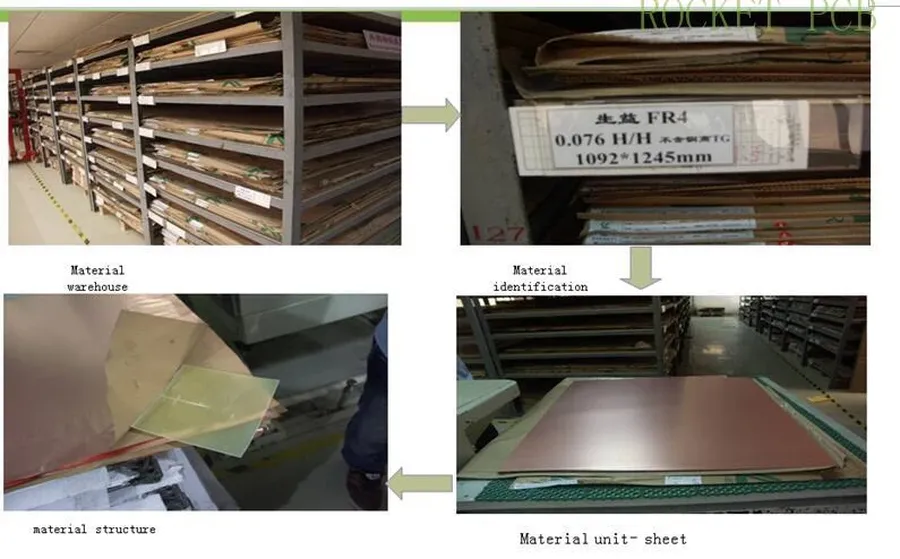
Selecting the right PCB sheet supplier is crucial for ensuring the quality and success of your electronic projects. This involves evaluating several critical factors that directly impact the manufacturing process, the final product, and overall project budget. A thorough assessment of these factors will help you identify a supplier that can consistently meet your specific needs and requirements.
| Factor | Description | Importance |
|---|---|---|
| Manufacturing Capabilities | Assessment of the supplier's equipment, technology, and expertise to handle your specific PCB requirements, including layer count, size, and material types. | Crucial for complex designs and specialized applications. Ensures the supplier can actually produce what you need. |
| Material Options | Availability and range of PCB materials offered (e.g., FR-4, metal core, flexible substrates), and their ability to source specialty materials, and meet specific performance and environmental requirements. | Essential to ensure the material matches the electrical, thermal, and mechanical demands of your project. |
| Quality Control | Evaluation of the supplier’s quality management system, testing procedures, and adherence to industry standards (e.g., IPC, ISO). | Directly impacts the reliability and performance of the PCB. Essential to avoid failures. |
| Lead Times | Analysis of the supplier's typical turnaround time from order placement to delivery, as well as their ability to accommodate rush orders. | Critical for project timelines. Delays can lead to cascading problems. |
| Pricing | Comparison of cost structures, including unit price, tooling fees, shipping costs, payment terms, and payment method. | Impacts overall project budget and profitability. Need to balance cost with quality. |
| Customer Support | Accessibility and responsiveness of the supplier's customer service team, including communication channels and support during the entire process. | Important for smooth project execution and quick resolution of any issues. |
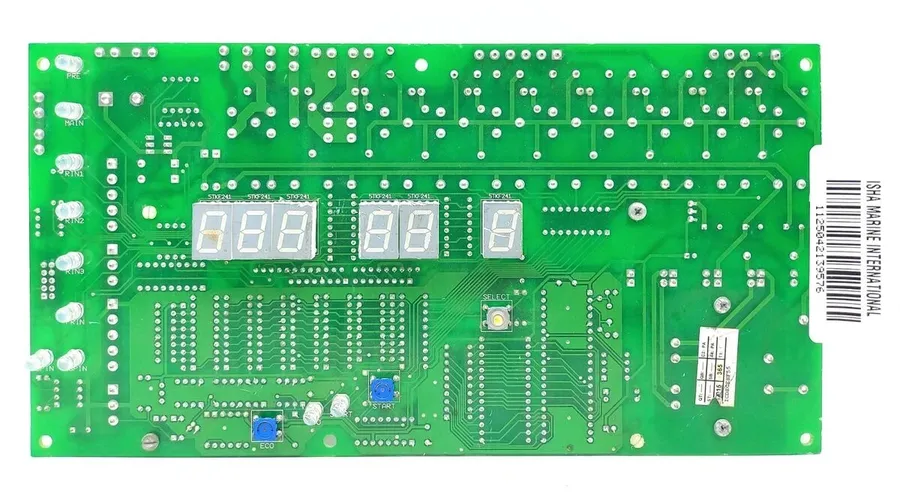
Selecting a PCB sheet supplier involves a critical decision between local and overseas options, each presenting a unique set of advantages and disadvantages. This choice significantly impacts cost, lead times, communication, and overall project risk. A thorough evaluation based on project specifics is paramount.
| Factor | Local Suppliers | Overseas Suppliers |
|---|---|---|
| Cost | Generally higher unit costs due to higher labor and overhead expenses. | Typically lower unit costs, especially for large volume orders, due to lower labor and operational costs. |
| Lead Time | Shorter lead times due to proximity and reduced shipping times, facilitating faster turnaround. | Longer lead times due to longer shipping times and potential customs delays, necessitating careful planning. |
| Communication | Easier communication due to minimal time zone differences, linguistic and cultural similarities. | More challenging communication due to time zone differences and possible language barriers. |
| Quality Control | Potentially easier to monitor and audit processes with closer physical proximity. Direct visits are often easier to arrange. | Quality control may be more difficult to manage due to geographical distance. Requires strong documentation and clear process management. |
| Intellectual Property Protection | Potentially stronger IP protection due to legal systems and ease of recourse. | IP protection might be more challenging due to varying legal systems and enforcement practices. |
| Flexibility and Customization | Potentially higher flexibility in design changes and customizations, with the opportunity for close collaboration. | Potentially less flexibility in design changes and customizations due to logistical hurdles. |
| Shipping and Logistics | Lower shipping costs and simplified logistics due to shorter distances. | Higher shipping costs and complex logistics, with longer transit times and customs clearance procedures. |
| Minimum Order Quantity | May be more flexible with smaller order quantities. | Often requires larger minimum order quantities to achieve cost benefits. |
In conclusion, the decision to choose a local or overseas PCB sheet supplier should be driven by your project's specific needs. If speed, quality oversight, and easy communication are paramount, local suppliers may be preferred. If budget constraints are critical and larger production volumes are involved, overseas suppliers could be more suitable. Carefully considering these trade-offs is critical for project success.
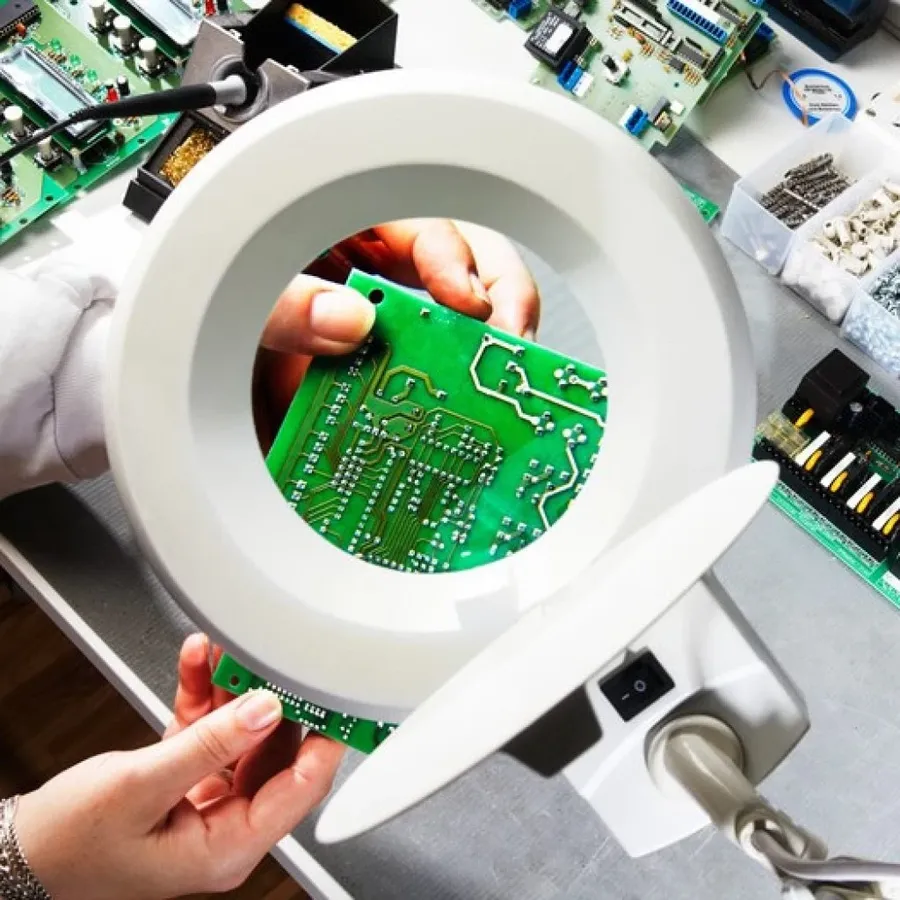
Rigorous quality control and adherence to industry certifications are paramount in PCB manufacturing to ensure the reliability and performance of printed circuit boards. These processes and standards provide assurance that the PCBs meet specific performance criteria and will function as designed.
Several key certifications and standards are relevant to PCB manufacturing, each addressing different aspects of quality and safety:
When selecting a PCB sheet supplier, it is crucial to verify if they hold the appropriate certifications and adhere to relevant standards. Suppliers should be able to provide documentation and proof of compliance. Additionally, ask potential suppliers about their internal quality control measures which include in-process inspections, testing procedures, and corrective action processes.
By prioritising quality control and certifications you ensure the reliability, durability and safety of PCBs. Therefore choosing a PCB supplier with a strong quality commitment is critical for your project's success.
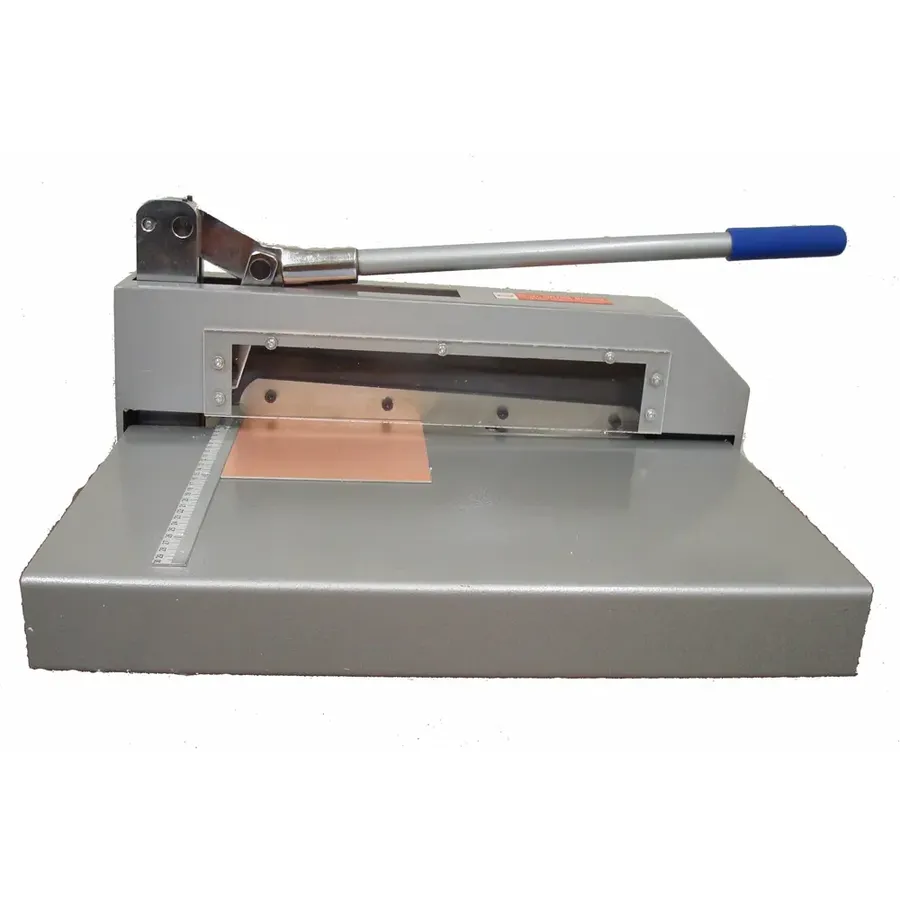
Optimizing PCB sheet procurement costs while maintaining quality is crucial for project success. Strategies involve strategic purchasing, material selection, and proactive supplier engagement, all while aligning with project specifications.
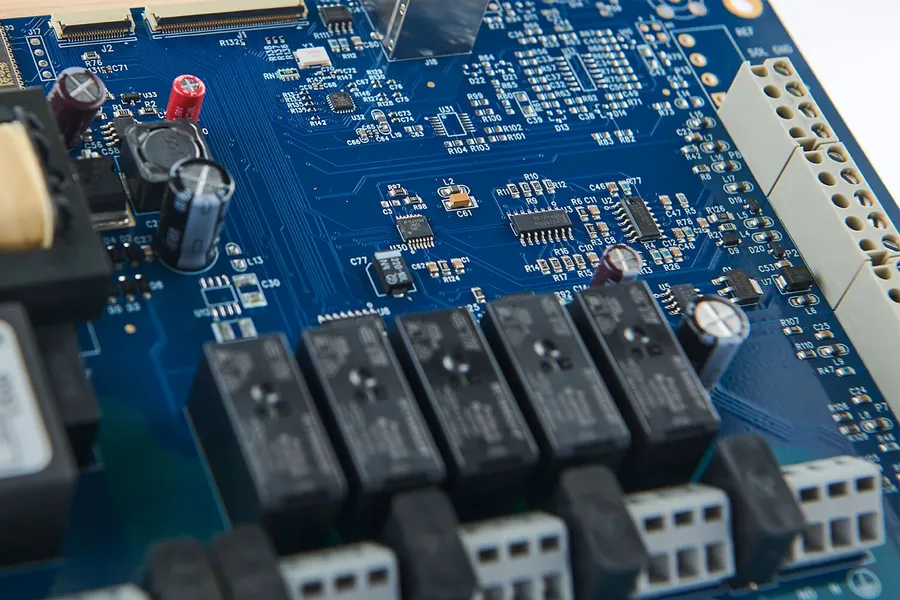
A robust and reliable supply chain is crucial for the success of any electronics project, and the foundation of a strong supply chain is a positive and collaborative relationship with your PCB sheet supplier. This involves more than just transactional interactions; it necessitates open communication, mutual understanding, and a commitment to long-term partnership to ensure consistent quality, on-time delivery, and effective problem-solving.
Navigating the PCB supply chain can be complex, and many questions arise when selecting a suitable PCB sheet supplier. This section addresses those common inquiries, providing concise and authoritative answers to ensure you have a clear understanding of the process.
The printed circuit board (PCB) industry is undergoing rapid transformation, driven by advancements in materials science, manufacturing technologies, and the ever-increasing demand for smaller, faster, and more versatile electronic devices. Understanding these trends is crucial for selecting suppliers that can meet future project requirements.
Key emerging trends in PCB sheet materials and manufacturing include:
Choosing a PCB sheet supplier with capabilities in these emerging trends is essential for future-proofing your designs and ensuring access to cutting-edge technology.
Selecting the right PCB sheet supplier is a critical decision that can significantly impact the cost, quality, and timeline of your electronics project. This section provides a comparative analysis of several top PCB sheet suppliers, highlighting their key strengths and capabilities. The information is synthesized from various SERP results to provide a concise and informative overview, empowering you to make well-informed decisions.
| Supplier | Strengths | Capabilities | Target Customer | Notes |
|---|---|---|---|---|
| JLCPCB | Low cost, fast turnaround, good for prototyping | PCB fabrication, assembly, SMT, stencil | Hobbyists, small to medium-sized businesses | Popular for quick-turn and low-cost needs. |
| PCBWay | Wide range of materials, advanced technologies, customer support | PCB fabrication, assembly, CNC machining | Medium to large businesses, engineers | Good for complex projects and specific material requirements. |
| Local/Regional Suppliers | Stronger communication, faster lead times, better quality control | Varies depending on the specific supplier | Businesses requiring strict quality control, faster lead times, or special materials. | May come at a premium price. |
| Overseas Suppliers (excluding JLCPCB and PCBWay) | Potentially lower costs, higher volumes | Wide range, depends on supplier. | Large-scale manufacturing | Requires careful vetting for quality control. |
Choosing the right PCB sheet suppliers is a critical step in the product development process that can influence both the quality and cost-effectiveness of your electronics projects. By understanding the nuances of materials, quality standards, and supplier relationships, and by looking at potential PCB sheet suppliers, you can secure a reliable source of PCBs, enabling smooth production and successful deployment of your products. Remember to continually evaluate and adapt your strategies to remain ahead of the curve in this constantly evolving field.

