Whether you're a seasoned electronics hobbyist or a student delving into circuits, locating the right resistors is fundamental. But in a world increasingly dominated by online marketplaces, where do you find physical resistors near me? This article dives into the best options, from local retailers to specialized suppliers, ensuring your project gets the components it needs. We'll explore types, uses, and where you can find quality resistors right in your neighborhood.
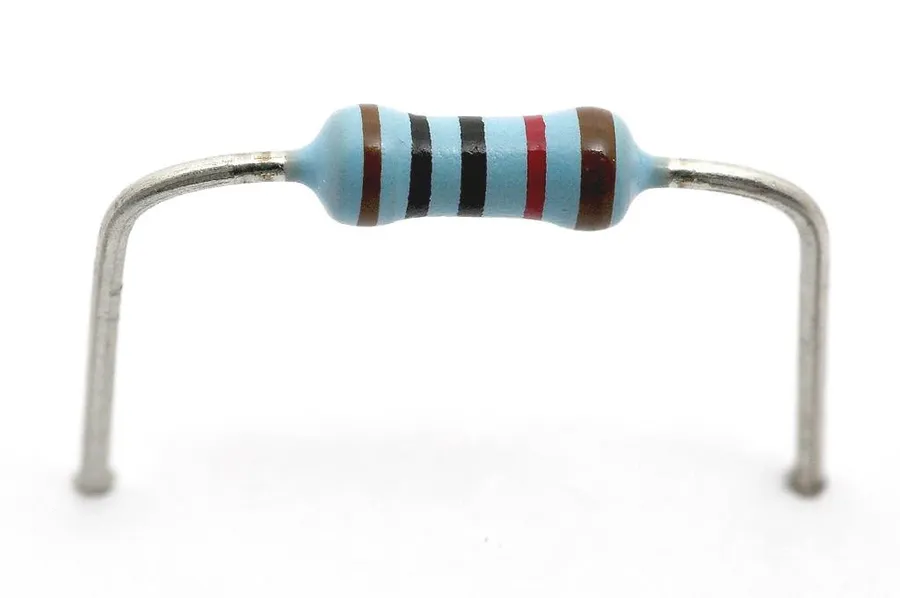
Sourcing resistors locally provides several key advantages, primarily driven by the immediate availability of components, the elimination of shipping costs, and the crucial ability to physically inspect resistors before purchase, ensuring that they meet the specific requirements of your project, furthermore, opting for local supply offers a convenient option for urgent project requirements and provides a valuable boost to local economies.
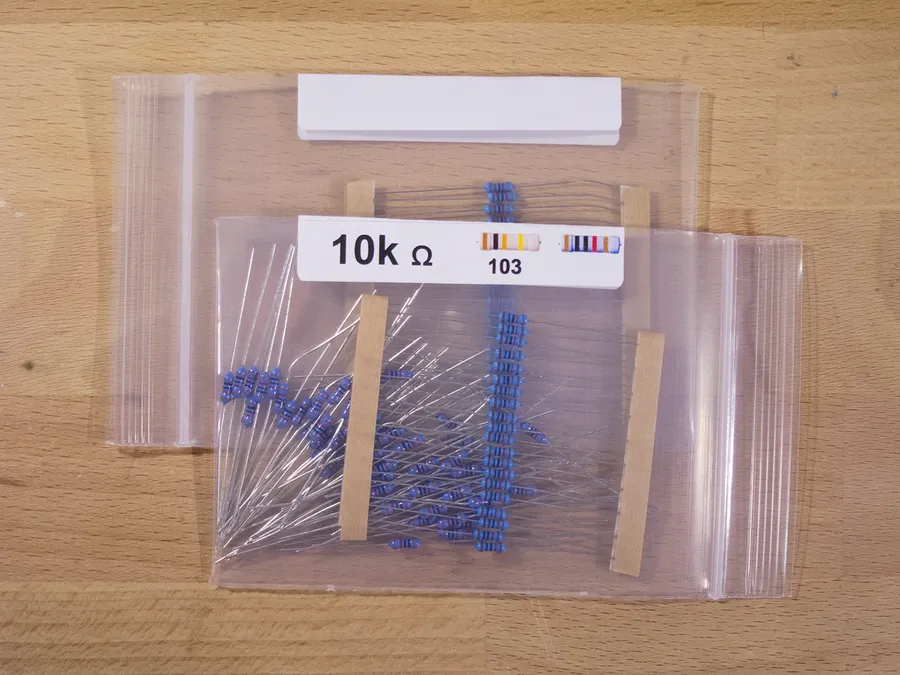
When seeking 'resistors near me,' general retailers often serve as a convenient starting point. These locations, while not specialized in electronics, provide a basic selection suitable for hobbyists or simple repair projects. Understanding the strengths and limitations of these retailers is key to making an informed purchase.
| Retailer Type | Product Variety | Quality | Price Point | Pros | Cons |
|---|---|---|---|---|---|
| Hardware Stores | Limited to common values and types | Generally acceptable, but not precision grade | Mid-range | Convenient for immediate needs, often readily accessible. | Limited selection, may not have specific or precision resistors. |
| Electronic Supply Chains (e.g., RadioShack) | Moderate, with some variety in values and types | Variable; may carry both standard and higher quality | Mid to higher range | Wider range than hardware stores, some specialized components. | Can be more expensive, may not be as ubiquitous as hardware stores. |
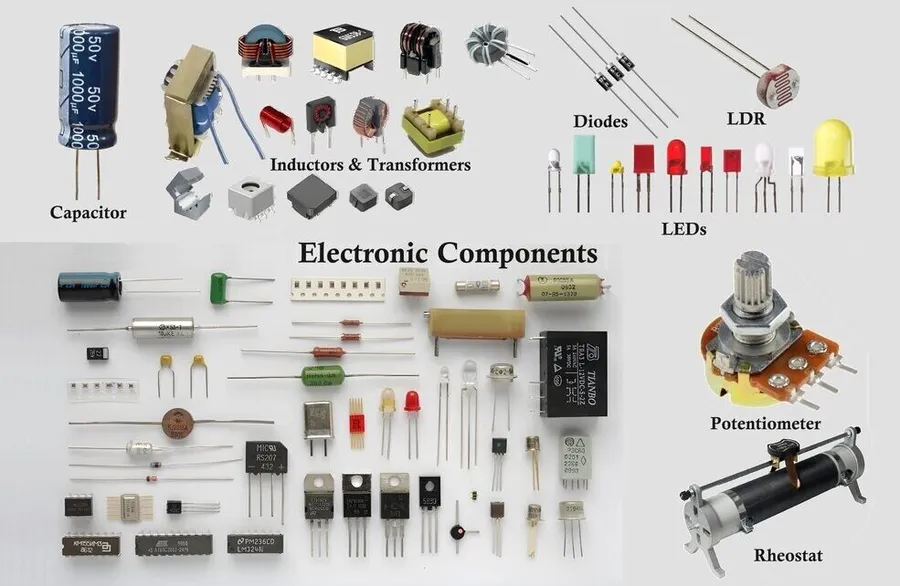
For those with specific project needs or who require a diverse selection of resistors, specialized electronic component suppliers are the ideal choice. These stores focus primarily on electronic components, offering a wide variety of resistor types, values, and tolerances that may not be available at general retailers. This specialization ensures higher quality components and a deeper level of expertise to assist with technical requirements.
Locating these specialized suppliers can often involve a focused search, often yielding better results when utilizing online searches with specific queries or using online directories. These stores are equipped to cater to the needs of hobbyists, engineers, and technicians, and are particularly beneficial when looking for specific resistor types.
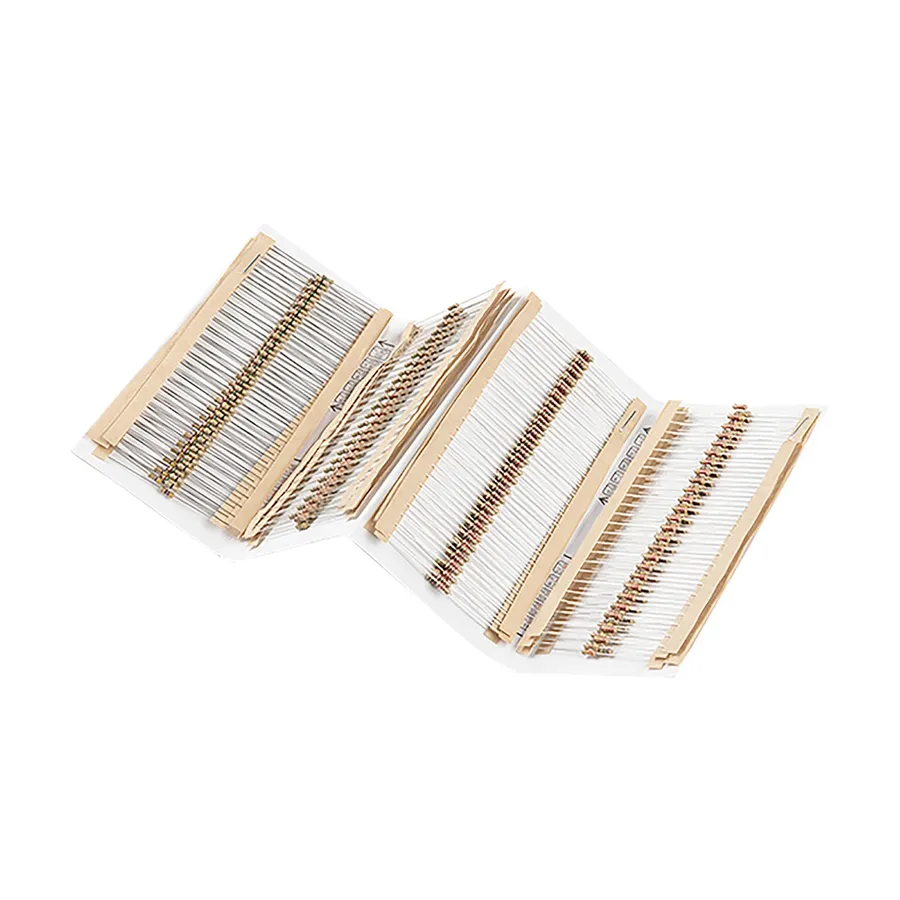
Makerspaces and hackerspaces provide an often overlooked, yet valuable resource for sourcing electronic components like resistors. These community-driven environments foster collaboration and knowledge sharing, making them ideal for both finding 'resistors near me' and learning about electronics.
These spaces typically operate on a membership or donation basis, and often have a shared inventory of electronic components. This can be a particularly good option for hobbyists, students, and those working on experimental projects, as they frequently have a variety of resistor values and types available.
Besides immediate access to physical components, the community aspect of makerspaces and hackerspaces can also prove invaluable. Members often have significant electronics expertise, and are usually willing to provide guidance on projects and help with component selection. This informal learning environment can significantly enhance project outcomes.
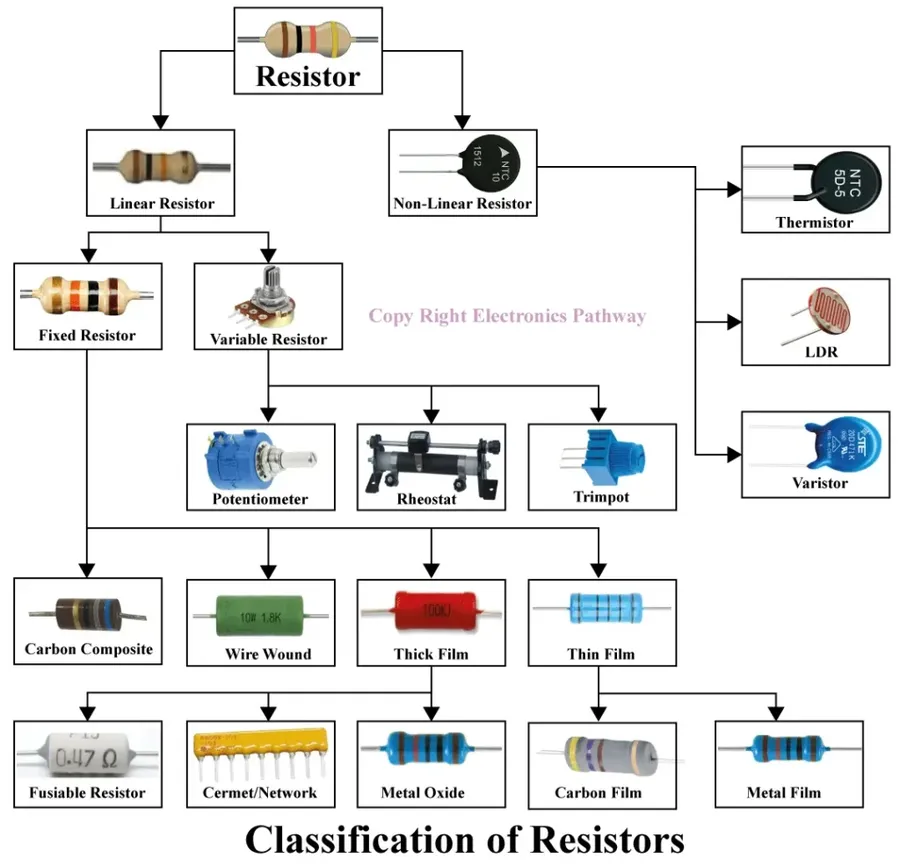
Selecting the correct resistor for a project requires understanding the different types available and their specific applications. This section provides an overview of common resistor types to help you make informed decisions when sourcing 'resistors near me'.
| Resistor Type | Description | Typical Applications | Advantages | Disadvantages |
|---|---|---|---|---|
| Carbon Film | Made from a carbon film deposited on a ceramic core. | General-purpose circuits, low-power applications. | Low cost, readily available. | Lower precision and temperature stability compared to other types. |
| Metal Film | Made from a thin metal film deposited on a ceramic core. | Precision circuits, audio equipment, applications requiring stability. | High precision, good temperature stability, low noise. | More expensive than carbon film. |
| Wire-Wound | Made by winding a resistive wire around a ceramic or fiberglass core. | High-power applications, current sensing, power supplies. | High power rating, high precision, good stability. | Bulky, can introduce inductance, higher cost. |
| Thick Film | Made by applying a thick layer of a metal oxide material on a substrate. | Surface mount resistors, hybrid circuits, precision applications. | Small size, robust, suitable for automated assembly. | Can have limited tolerance compared to thin-film resistors. |
| SMD (Surface Mount Device) | Resistors designed for surface mounting on circuit boards, available in various technologies (thick film, thin film). | Modern electronics, portable devices, automated assembly lines. | Small size, high precision (depending on type), low inductance. | Difficult to manually solder, requires specialized tools and processes. |
Understanding these differences is crucial for selecting the correct resistor for your specific needs, whether you're building a simple hobby circuit or a sophisticated electronic device. When looking for 'resistors near me', consider the application to help determine the appropriate type.
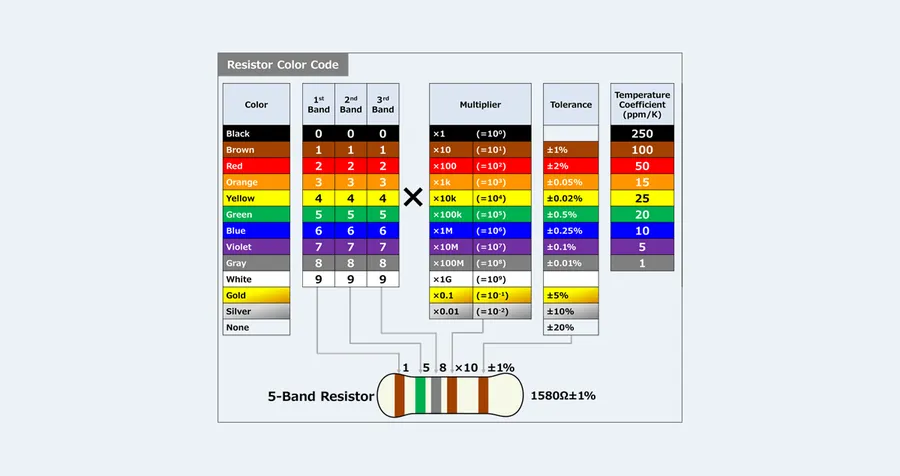
Selecting the correct resistor value is crucial for the proper functioning of any electronic circuit. This process involves understanding resistor color codes or markings, choosing the appropriate resistance for the application, and considering the required power rating, tolerance, and precision.
Resistors are marked with color bands that indicate their resistance value, tolerance, and, sometimes, temperature coefficient. The most common system is the four-band and five-band color code. Each color represents a numerical value, and the position of the bands determines their significance. For example, a four-band resistor might have bands for first digit, second digit, multiplier, and tolerance. Five band resistors add an extra significant digit for higher precision.
The resistance value is typically measured in Ohms (Ω). When choosing a resistor, the correct resistance value depends on the specific requirements of the circuit. Using Ohm's law (V = IR), one can calculate the resistance needed to achieve desired voltage and current levels. It is vital to select a resistor with a power rating that is equal to or greater than the actual power dissipated in the resistor as heat, calculated as P = I^2*R.
| Parameter | Description |
|---|---|
| Resistance | Measured in ohms (Ω), this value dictates the resistor's opposition to current flow. Determined by color code or markings. |
| Power Rating | Measured in Watts (W), this indicates the maximum power a resistor can safely dissipate as heat without being damaged. Must be equal to or greater than the actual power dissipated. Calculated as P=I²R |
| Tolerance | Expressed as a percentage, this indicates the allowable variation from the stated resistance value. Common tolerances are 5% (gold band) or 10% (silver band). |
| Precision | Refers to the level of accuracy of the resistance value. High-precision resistors have tight tolerances such as 1% or 0.1%, and are usually specified in applications where accuracy is critical |
Tolerance specifies the acceptable deviation from the stated resistance. For general-purpose applications, 5% or 10% tolerance is usually acceptable. High-precision applications, however, may require resistors with 1% or even 0.1% tolerance. Understanding the difference between tolerance and precision is critical for project success. Precision refers to the accuracy of the resistance value, and lower precision equates to a larger tolerance.
This section addresses common questions regarding resistors, their applications, and troubleshooting, providing clarity for both beginners and experienced users.
When deciding where to purchase resistors, both online and local options offer distinct advantages and disadvantages. Evaluating these factors based on your project's requirements is crucial for making an informed decision. This comparison table provides a clear overview to help you determine the best sourcing method for your 'resistors near me' needs.
| Factor | Buying Resistors Online | Buying Resistors Locally |
|---|---|---|
| Speed of Acquisition | Typically 2-7 days, often requiring planning ahead. | Immediate access, ideal for urgent projects. |
| Pricing | Potentially lower prices due to competitive marketplaces, bulk discounts, and reduced overheads. | Generally higher prices, reflecting local operating costs. |
| Variety | Extensive selection from numerous suppliers globally, including niche and specialized resistors. | Limited selection based on what local stores stock, which may not cater to specific or rare requirements. |
| Ability to Inspect | Not possible prior to purchase, relying on seller descriptions and customer reviews. | Physical inspection possible, allowing for assessment of quality and condition. |
| Shipping Costs | Additional costs can add substantially to the total cost, particularly for small orders. | No shipping costs for local purchases. |
| Minimum Purchase Quantity | Often requires purchasing multiple units. Single unit purchases can be more costly. | Often allows single unit purchase, beneficial for small projects or trials. |
| Expert Advice | Online customer service or forums can sometimes provide assistance, but may not always be immediate or tailored. | In-store staff can offer immediate advice and assist with selecting the correct components. |
| Returns and Exchanges | Typically available but can be time-consuming and costly, involving shipping and processing. | Easier and faster exchanges or returns can be accommodated. |
Finding resistors locally is feasible with a bit of knowledge and strategy. Whether you choose a retail store, a specialized supplier, or your local maker space, this guide will help you quickly get the right resistors near me for any project. Remember to consider your project needs and the various factors involved to make an informed purchase. With the right approach, you'll be up and running without delay. Always ensure you’re getting the right resistor for the job and that resources for ‘resistors near me’ are plentiful for your needs.

