Get Your Dirt Cheap PCBs: A Guide to Affordable PCB Manufacturing
2025.01.11
In today's fast-paced world of electronics, the need for affordable and high-quality Printed Circuit Boards (PCBs) is ever-increasing. Whether you're a hobbyist tinkering in your garage or a professional designing complex electronics, finding a 'dirt cheap PCB' solution is often a priority. This article cuts through the noise and provides a clear path to securing affordable PCBs without compromising on functionality. We'll explore various manufacturers, discuss cost factors, and offer practical advice to ensure your project stays on budget.
Understanding What 'Dirt Cheap PCB' Means
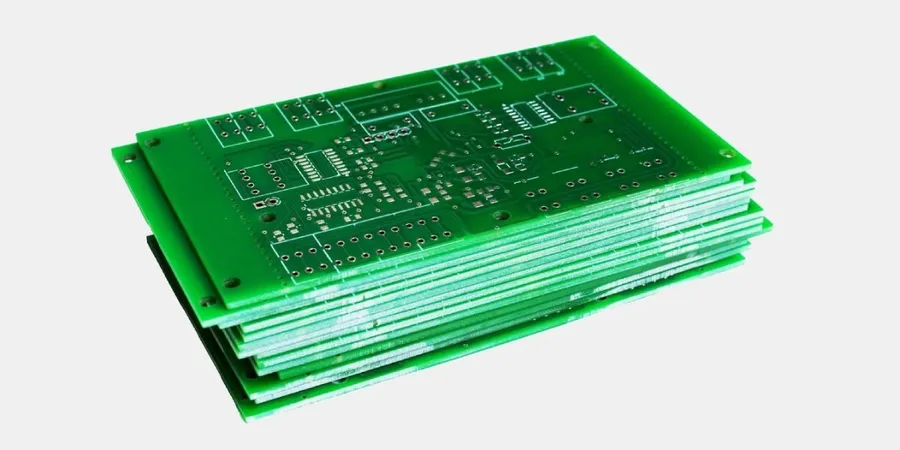
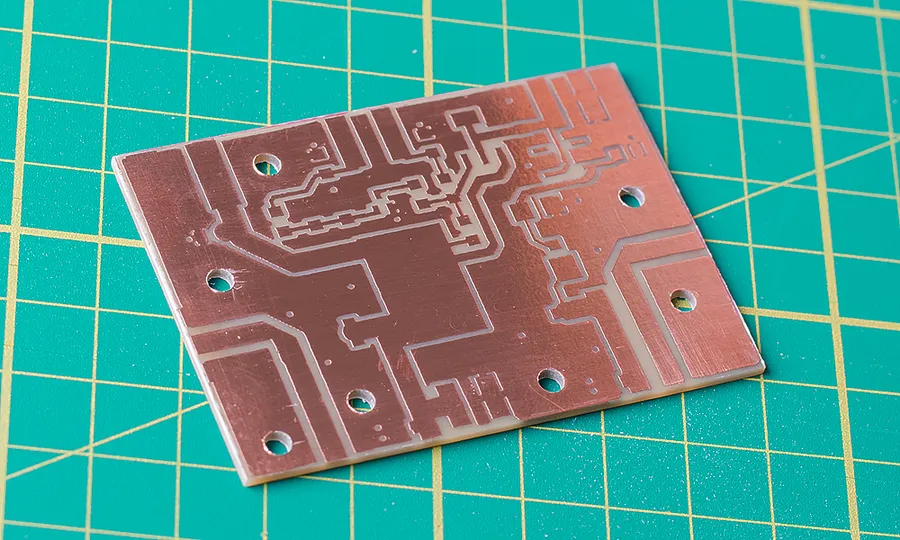
Bare PCB
The term 'dirt cheap PCB' refers to printed circuit boards manufactured at the lowest possible cost, often achieved through trade-offs in quality, lead times, and feature complexity. This typically involves utilizing standardized materials and processes, and often entails a less stringent quality control process and longer manufacturing timelines. The primary factors influencing PCB cost include board size, the number of layers, the choice of materials, and the overall quantity ordered.
While 'dirt cheap' implies an extremely low price point, it's crucial for designers and engineers to understand that this often involves compromises. For instance, a lower-cost PCB might use less expensive base materials, have wider trace widths and clearances, utilize simpler finishing techniques, and offer a lower level of quality assurance. These trade-offs need careful consideration against the requirements of the intended application.
Top Manufacturers for Dirt Cheap PCBs
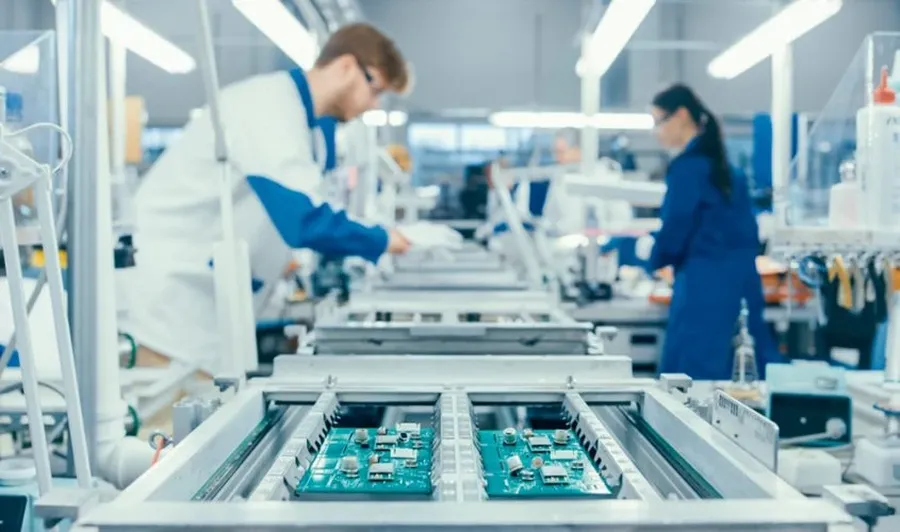
PCB Factory
Identifying reliable manufacturers for 'dirt cheap' PCBs requires careful evaluation of their offerings. While the term 'dirt cheap' implies minimal cost, it's crucial to consider the trade-offs with quality, lead times, and support. This section reviews some popular manufacturers known for their affordability, providing insights into their strengths, weaknesses, and suitability for various project needs.
The following manufacturers are frequently cited for their low-cost PCB services. It is important to note that pricing can fluctuate based on order specifications and quantities. Detailed comparisons and user reviews should always be considered.
DirtyPCBs Known for extremely low prices, especially for small batches and simple designs. Their service is often preferred by hobbyists and for prototype runs. However, the trade-off can be longer lead times and limited options for complex PCBs. They are not usually the best option for large production runs, or complex multilayered boards. It's important to note that, the 'dirt' part of the name comes from the fact that they will panelize your boards together to save costs, so there is a chance that your design will be placed next to another customer's. This isn't usually a problem for most hobbyist or maker style boards.
AllPCB A manufacturer that provides low-cost options with a broad range of capabilities. They offer a variety of PCB types, layers, and materials at competitive prices. AllPCB aims to provide cost-effective options for a wide array of projects, however, their pricing isn't always as 'dirt cheap' as other options for small runs. They can scale up to large production runs, making them ideal for mass-production, if the pricing is competitive.
JLCPCB A popular choice for hobbyists and professionals. They are well known for their extremely affordable pricing for small batches. They have a fast turnaround time and also offer SMT assembly services which can further reduce cost on projects where you have many SMD components. With a wide range of PCB options available, from single sided, all the way up to multi layer boards. They offer good quality for the price point.
Elecrow Elecrow provides a balance of price, quality, and services, and offers other electronics services in addition to PCB manufacturing, such as component sourcing, PCBA, and laser engraving. They are a popular choice for those looking for a more complete one-stop service solution.
When selecting a manufacturer, consider the following factors. It is always important to check recent user reviews as experiences can change and this will help ensure that you choose the best manufacturer for your specific project:
Project Type Simple, single-layer boards may be suitable for the cheapest services, while multi-layered boards or boards with specific requirements will need different manufacturers with those capabilities.
Volume Some manufacturers excel at very small prototype runs, while others are more competitive for larger production orders. Evaluate your current and future needs.
Desired Quality Consider the level of quality you require. While cost is important, reliability is crucial for many applications. Some manufacturers will give higher quality PCBs than others, and this may be important for your project.
Lead time If you have a tight timeline, then you will need to choose manufacturers with fast turnaround times. Some manufacturers offer fast expedited services for an additional cost if you need boards quickly.
Design Complexity Assess if the manufacturer can handle the complexity of your PCB design, including the number of layers, board size, trace widths, and via sizes.
Comparing PCB Manufacturing Options: A Cost-Benefit Analysis
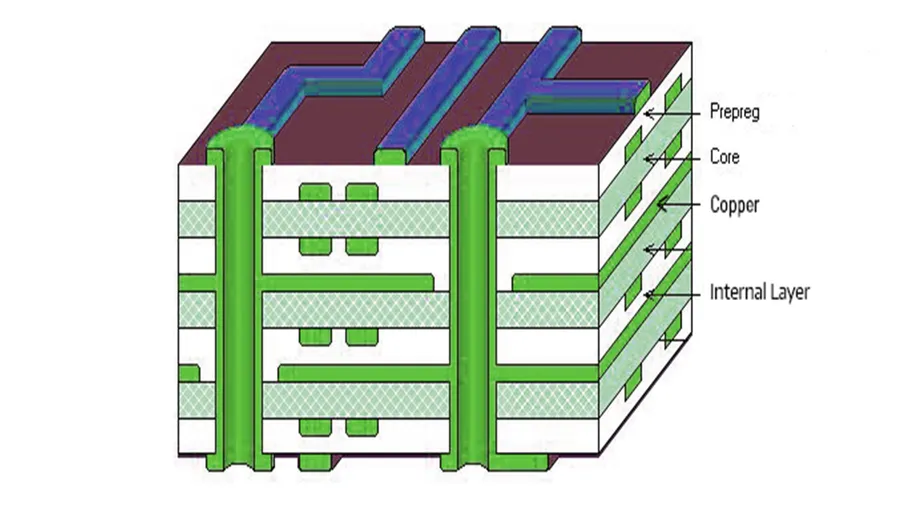
PCB Board Thickness
Selecting a PCB manufacturer involves balancing cost, lead time, and quality. While 'dirt cheap' options are attractive, a thorough cost-benefit analysis considering long-term value and project needs is essential. This section provides a comparative overview to aid in informed decision-making.
Manufacturer
Price Range (USD/10 boards)
Lead Time (Days)
Typical Board Specs
Pros
Cons
DirtyPCBs
$10 - $25
7-14
2 Layers, 100x100mm, FR4
Extremely Low Cost, Good for Simple Prototypes
Longer Lead Time, Limited Options, May have Quality Issues
JLCPCB
$5 - $20
3-7
2 Layers, 100x100mm, FR4
Low Cost, Faster Lead time, Wide range of options
Quality may vary, Customer support can be slow
AllPCB
$15 - $30
5-10
2 Layers, 100x100mm, FR4
Competitive Pricing, Good Customer Support
May not be the absolute cheapest, Shipping can be expensive
Elecrow
$15 - $35
5-12
2 Layers, 100x100mm, FR4
Good overall, wide range of services available
Not the cheapest option, customer service can be variable
PCBWay
$10 - $30
3-7
2 Layers, 100x100mm, FR4
Fast Lead Times, good options for advanced boards
Can be more expensive than others for basic PCBs
This table provides a general overview, specific pricing and lead times can change depending on board complexity, quantity, and current demand. It is always recommended to check manufacturer websites for the most up to date information and quotes. When evaluating options, consider not just the initial board cost but also the cost of potential issues stemming from lower quality, longer delays, or difficult communication, which could increase the overall project cost.
Design Considerations for Lowering PCB Costs
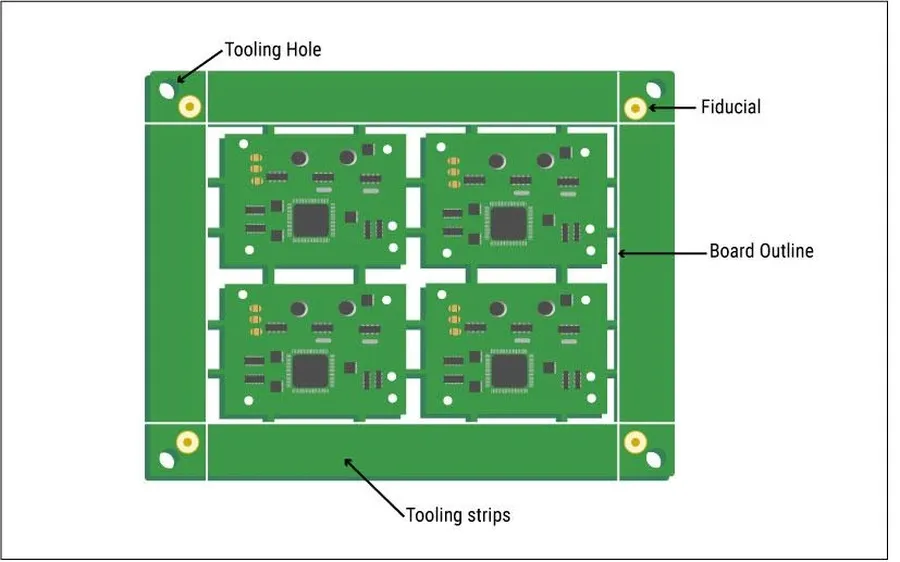
PCB Panel
Optimizing PCB design for cost reduction is crucial when aiming for 'dirt cheap' PCBs. This involves making strategic choices during the design phase that minimize manufacturing expenses without sacrificing functionality. These choices encompass board size, layer count, material selection, and adherence to Design for Manufacturing (DFM) principles.
Optimize Board Size and Layout Reducing the overall board area directly lowers material costs. Efficient layout techniques, such as component placement that minimizes board dimensions and reduces routing complexity, are essential. Consider panelization strategies with your manufacturer to further optimize material usage and production throughput. For example, a compact design with tightly grouped components minimizes the overall dimensions of the PCB.
Minimize the Number of Layers Multi-layer PCBs increase manufacturing complexity and cost. Sticking to a single or double-layer design wherever feasible offers the most significant cost reduction. Avoid unnecessary vias by carefully planning component placement and signal routing which can also lower cost.
Choose Cost-Effective Materials FR-4 is a standard, relatively inexpensive material suitable for most applications. High-performance or exotic materials should only be used when absolutely necessary. Careful material selection is critical to meet performance requirements while containing costs. It is also important to confirm availability of desired materials with your manufacturer.
Adhere to Design for Manufacturing (DFM) Guidelines DFM principles ensure the PCB is designed for efficient and reliable fabrication. This includes adherence to minimum trace widths, clearances, via sizes, and pad sizes recommended by your chosen manufacturer. DFM compliance avoids costly rework and manufacturing issues, resulting in reduced overall expenditure. Many manufacturers provide DFM checklists which help to identify and resolve potential manufacturability issues.
Use Standard Component Sizes and Footprints Opting for readily available components and standard package sizes reduces the cost of both the components and PCB manufacturing. Avoid non-standard packages which can result in higher production costs. Standard component footprints are well-defined and are easily handled by automated assembly processes which directly influences overall cost reduction.
PCB Assembly: Should You DIY or Outsource?
Hand Soldering
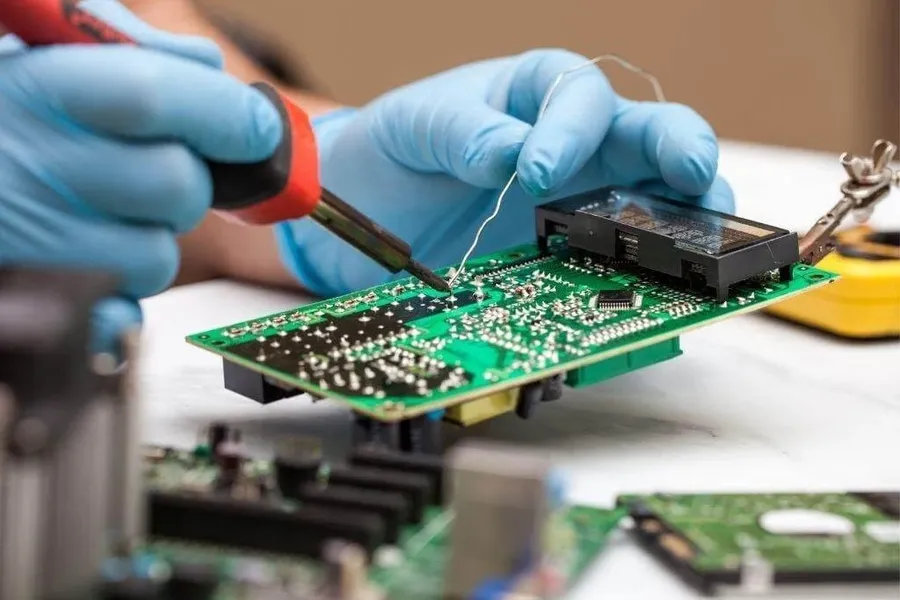
The decision to assemble Printed Circuit Boards (PCBs) in-house or to outsource this task is a critical one, particularly when aiming for 'dirt cheap' project costs. Both approaches offer distinct advantages and disadvantages, contingent upon factors like project complexity, volume, budget, and available resources. Understanding these trade-offs is crucial for cost-effective PCB manufacturing and assembly.
For low-cost projects, the DIY route for PCB assembly can seem appealing initially, primarily due to its lower upfront costs. However, it necessitates a certain level of skill, tools, and time investment. Conversely, outsourcing assembly can increase initial expenses but could save time and yield more reliable results. Let's delve deeper into the specifics of each method.
DIY PCB Assembly DIY assembly, often referred to as 'hand assembly', involves manually placing and soldering electronic components onto the manufactured PCB. This method is suitable for smaller batches, prototypes, or when cost is a major concern and time or precision isn't the critical parameter.
Outsourced PCB Assembly Outsourcing PCB assembly entails sending your fabricated PCBs and bill of materials (BOM) to a professional assembly house. These companies utilize automated machinery such as pick-and-place machines and reflow ovens to assemble electronic components at scale. This method is usually preferred for medium to high volume production runs and projects requiring high reliability and precision.
Requires proficiency in soldering and component handling
No specific skill required from your side (provided you have correct design and BOM)
Assembly Time
Slow, time-consuming
Fast, typically within days
Reliability
Potentially lower reliability, prone to human errors
High reliability, accurate component placement
Component Size
Challenging with small surface-mount components
Handles all component sizes with high precision
Batch Size
Suitable for small batches and prototypes
Suitable for medium to high volume production
Complexity
Less suited for high-density boards with complex components
Handles high-density boards with complex components
In summary, while DIY assembly can minimize upfront costs and be a good learning experience, especially for prototypes, outsourcing assembly is typically a more efficient, reliable, and scalable approach for anything beyond small or simple project. For those aiming for 'dirt cheap PCBs' in a production environment, the time saved and error reduction by outsourcing can often outweigh the assembly costs. However, for personal projects or prototypes where precision or high volume is not a must, DIY is certainly a viable option.
Frequently Asked Questions about Dirt Cheap PCBs
Navigating the world of dirt cheap PCBs can raise several questions. This section addresses common concerns to ensure you make informed decisions and achieve the desired results for your project, balancing cost with acceptable quality and lead time.
What are the most common issues encountered with cheap PCB manufacturers? Common issues include inconsistent quality, which might manifest as variations in layer registration, solder mask application, and silkscreen printing. Additionally, material quality may be compromised, potentially affecting the PCB's performance and longevity. Some manufacturers may also have less stringent testing and inspection processes, leading to a higher chance of receiving defective boards.
Why do cheap PCB manufacturers have minimum order quantities? Minimum order quantities (MOQs) are implemented by manufacturers to offset the setup costs associated with PCB fabrication. These costs include tooling, machine calibration, and material preparation. By requiring a minimum quantity, manufacturers can spread these fixed costs across a larger batch of PCBs, reducing the per-unit cost and making the production process economically viable.
What is the typical turnaround time for cheap PCBs, and how can it be shortened? Typical turnaround times for cheap PCBs usually range from a few days to a few weeks, influenced by the manufacturer's location and production capacity. To shorten this, consider these approaches: Choose a manufacturer with faster lead times, simplify your design to reduce complexity, and ensure you have your design files ready to go. Sometimes paying an expedited service fee can also fast track the production process. Furthermore, confirm file formats are correct for the manufacturer and do this prior to the rush to manufacturing.
Can I get a prototype made with a cheap PCB manufacturer? Yes, many cheap PCB manufacturers offer prototyping services, however, the MOQs can still apply. Prototyping is crucial to validate a design before mass production and it’s advisable to start with small batches to allow for modifications if necessary. Look for manufacturers that explicitly mention prototype services and small batch capabilities. Furthermore, be clear in all your communications with a prototype supplier to ensure they meet your needs.
What certifications or quality standards should I look for when choosing a cheap PCB manufacturer? When evaluating low-cost PCB manufacturers, pay attention to ISO certifications (such as ISO 9001), which signify the manufacturer's commitment to quality management systems. Look for standards that reflect the quality of the PCB material and manufacture. Although some of the certifications may not be available from low cost manufacturers, it is advisable to look for it when possible. Also, reviews can provide a lot of information as to how quality is measured at the manufacturer.
How can I ensure I get good quality from a low-cost PCB manufacturer? To maximize the chances of receiving good quality PCBs from a low-cost manufacturer: Implement Design for Manufacturing (DFM) principles in your board design. Review the manufacturer’s capabilities and equipment, and communicate all needs, specifications and expectations very clearly. You may need to provide detailed instructions for fabrication, and consider requesting a test run of a small number before placing a large order. You should also review reviews to get a general consensus of quality.
What level of design rule checking do cheap PCB manufacturers typically perform? While most manufacturers perform basic DRC checks, this may not be as thorough as you might find at a more premium supplier. It's always best practice to perform your own thorough DRC checks before sending your designs to any manufacturer to reduce any errors. This practice can be invaluable and will help with preventing common design errors.
Real-World Examples of Affordable PCB Projects
Finished PCB project
Examining successful projects that have utilized cost-effective PCB manufacturing provides tangible insights into the practical application of 'dirt cheap' PCBs. These examples illustrate how specific design choices and cost-saving strategies can lead to successful outcomes without compromising functionality.
Simple LED Projects Many hobbyists and educators utilize inexpensive PCBs for basic LED projects. These boards typically feature single-layer designs, minimal component density, and simple routing, all of which significantly reduce manufacturing costs. Such projects showcase how functional devices can be achieved using basic, budget-friendly PCBs.
DIY Sensor Boards Numerous environmental sensing devices, including temperature and humidity sensors, are often developed using affordable PCBs. Such projects commonly require simple analog circuitry, allowing for the use of single- or double-layer boards. These sensor boards emphasize how low-cost PCBs can be applied to practical scientific and data collection applications.
Microcontroller Development Boards Custom development boards for microcontrollers are often manufactured on inexpensive PCBs. These boards serve as platforms for prototyping and experimentation, and their affordability is crucial for making microcontroller technology more accessible to students and hobbyists. Typically, these boards utilize a standard two-layer board with a minimal footprint.
Custom Breakout Boards Breakout boards for ICs are often created using 'dirt cheap' PCB services. These boards typically feature minimal complexity and are used to make complex chips more accessible for prototyping and experimentation. The low cost allows makers to explore multiple chip options without excessive expense.
Educational Electronics Kits Educational electronics kits that focus on learning basic circuit design are frequently produced with very inexpensive PCBs. These designs are intentionally kept simple with fewer layers and easily through-hole components, ensuring that they are affordable enough for a wide audience.
Tips for First-Time Dirt Cheap PCB Buyers
Embarking on your first dirt cheap PCB purchase can be straightforward if you follow a structured approach. This section provides a step-by-step guide to help you navigate the process, from selecting the right manufacturer to ensuring quality.
1. Define Your Project Requirements Before anything, meticulously outline your PCB requirements. This includes dimensions, layer count (single, double, or multi-layer), material specifications (FR-4 is common), copper thickness, surface finish requirements (HASL, ENIG), and any special design rules. Accurate specifications minimize errors and cost overruns.
2. Select a Suitable Manufacturer Based on your project's complexity and desired lead time, select a suitable manufacturer. Consider factors such as their production capacity, material availability, manufacturing capabilities, location, and quality control procedures. Do thorough research on user reviews and online feedback. Compare their offerings and pricing for similar board specifications.
3. Prepare Your Design Files Ensure your design files are in the required format (Gerber RS-274X, Excellon drill files) and that they conform to the manufacturer’s specifications. Double-check all layers, drill files, and silkscreen layers. Use a Gerber viewer to verify your files before uploading to avoid surprises. If your PCB includes special features, clarify them with the manufacturer to ensure your design is fully understood and avoids additional costs due to rework or additional engineering effort.
4. Obtain Quotations and Compare Upload your Gerber files to several manufacturers and request quotes. Compare the pricing, lead times, shipping costs, and any additional fees. Don't just go for the cheapest option; evaluate the trade-offs. Read their quality statements and verify customer service availability. This step will help you understand the standard rates for your PCB and determine the level of service you can expect.
5. Place a Small Order for Prototypes Consider ordering a small batch of prototype PCBs before committing to a large production run. This allows you to test your design and identify potential manufacturing issues. Inspect the delivered prototypes meticulously and confirm all specifications are met.
6. Communicate Effectively with the Manufacturer Maintain clear communication with the manufacturer throughout the process. If you encounter any issues or have questions, address them immediately. Prompt communication is key to preventing errors, and is especially important for 'dirt cheap' manufacturers that may have less stringent processes and oversight.
7. Quality Assurance Upon Receipt Once you receive your PCBs, conduct a thorough inspection, especially if you did not order prototype PCBs. Check for dimensional accuracy, layer registration, solder mask integrity, and any other specified criteria. If there are any defects or discrepancies, communicate them promptly to the manufacturer and verify your delivery matches your specifications and manufacturing rules used during production.
By diligently following these steps, you can successfully navigate the process of buying 'dirt cheap' PCBs, balancing cost-effectiveness with quality to bring your electronic projects to life.
Finding a 'dirt cheap PCB' solution is a balancing act between cost, quality, and speed. This guide has equipped you with the knowledge to navigate the options, make informed choices, and ensure your electronics projects are both affordable and successful. By considering the design tips, understanding manufacturer differences, and leveraging user feedback, you can confidently source reliable PCBs without breaking the bank. Always prioritize clear communication with your chosen manufacturer and thoroughly test your final product. The world of dirt cheap PCB manufacturing is constantly evolving, so stay updated with the latest trends and offerings.