Global PCB Powerhouses: Top 100 Manufacturers of 2020 & Beyond
2025.01.16
The year 2020 marked a significant period for the electronics industry, with printed circuit boards (PCBs) being at the core of technological advancements. This article delves into the landscape of the top 100 PCB manufacturers globally in 2020, a pivotal year, to understand the forces that shaped their performance and the subsequent developments. We’ll dissect their contributions, the market trends they navigated, and how these trends affect the electronic devices we use daily. By understanding the key players from the top 100 PCB manufacturers in 2020, we gain insight into the backbone of our digital world, connecting technology from sophisticated smartphones to complex medical devices.
The 2020 PCB Manufacturing Landscape: A Snapshot
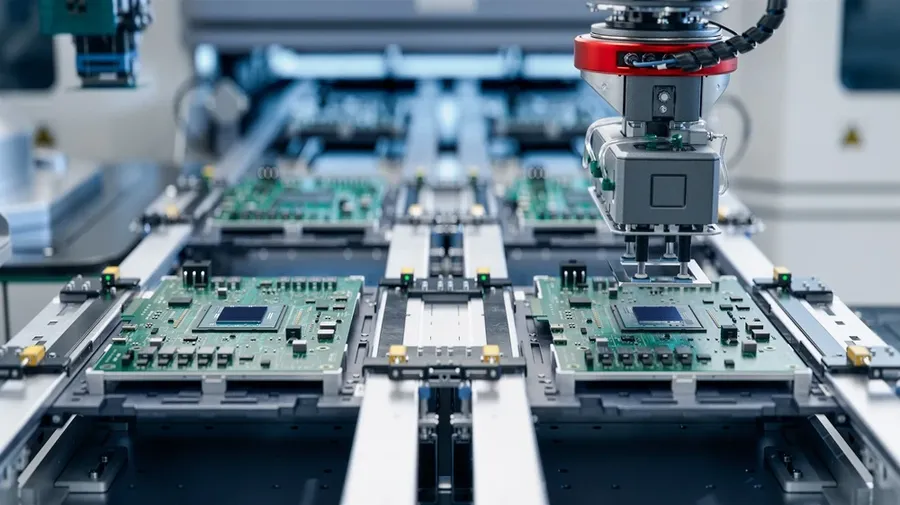
PCB Production Line
The year 2020 presented a unique confluence of factors shaping the global Printed Circuit Board (PCB) manufacturing sector. This period was characterized by robust growth, fueled by increasing demand for electronics, juxtaposed against emerging supply chain challenges and technological shifts. Understanding the market dynamics of 2020 is crucial to contextualizing the performance and strategies of the top 100 PCB manufacturers.
Key market conditions included:
Demand Surge Increased consumption of consumer electronics, along with rising adoption of electronics in automotive and industrial sectors, drove significant demand for PCBs.
Technological Evolution Advancements in PCB technology, like high-density interconnect (HDI) and flexible PCBs, influenced manufacturers' production strategies and product offerings.
Supply Chain Disruptions The COVID-19 pandemic introduced significant disruptions to the global supply chain, impacting material sourcing and logistics for PCB manufacturers.
Geopolitical Factors Trade tensions and geopolitical dynamics played a role in shaping the competitive landscape and regional manufacturing capacities.
Top PCB Manufacturers in 2020: Key Players and Market Share
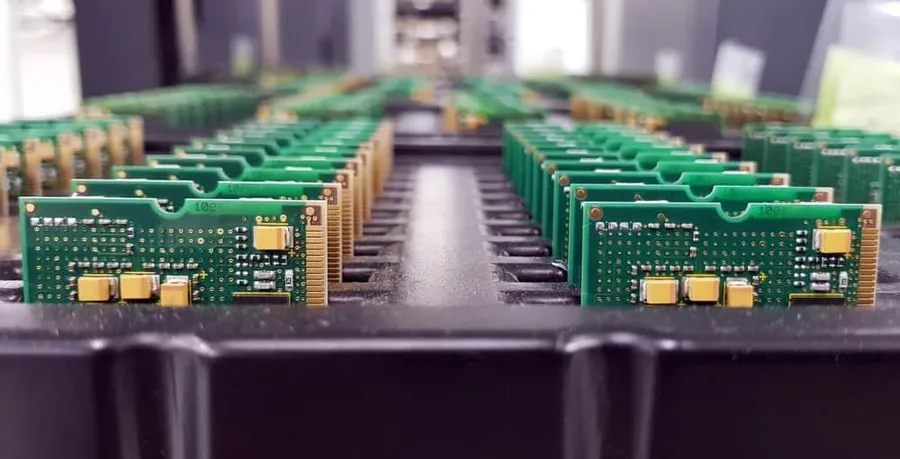
PCB Factory Floor
The 2020 PCB manufacturing landscape was dominated by a select group of companies, each holding significant market share through strategic manufacturing locations, diverse product offerings, and substantial revenue streams. This section identifies and analyzes these leading players, providing insights into their market positions.
The following table shows some of the top PCB manufacturers in 2020, based on publicly available data. Note that exact rankings and revenue figures can vary depending on the source and reporting methodologies:
Company
Approximate Revenue (USD)
Key Manufacturing Locations
Core Product Offerings
TTM Technologies
$3-4 Billion
Multiple locations in North America and Asia
High-mix, high-complexity PCBs; HDI, RF, and rigid-flex
The table above highlights the diverse geographic presence and specializations of leading manufacturers. Companies like TTM Technologies and Unimicron showcased their global footprints, while others focused on specific product niches. Revenue figures are estimates based on available financial reports and market analyses, reflecting their significant market influence. These companies were not just large in scale, but were also at the forefront of technological advancement in PCB manufacturing, impacting areas from consumer electronics to automotive and telecommunications.
Regional Strengths: Asia, North America, and Europe
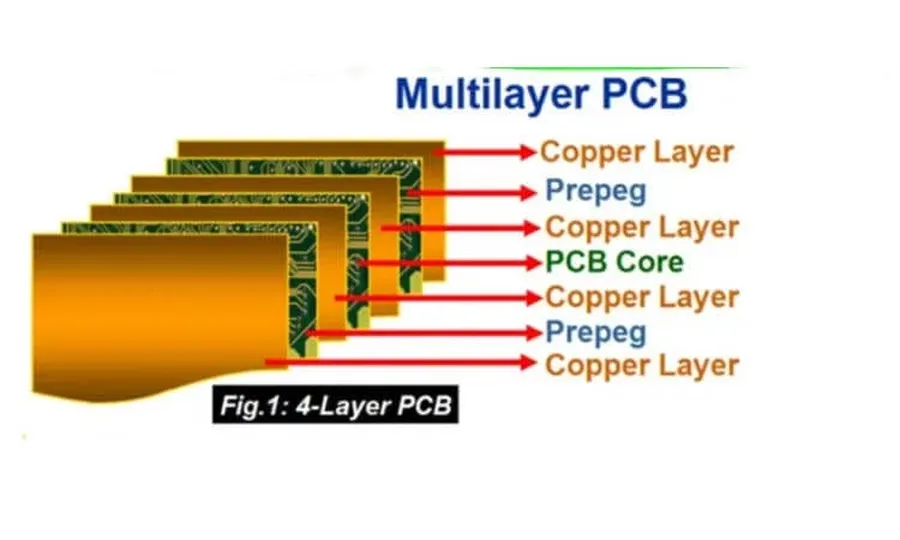
Multilayer PCB
The global PCB manufacturing landscape in 2020 was characterized by distinct regional strengths, with Asia holding the dominant position, followed by North America and Europe. This section delineates the manufacturing capabilities, market dominance, and key players within each region.
Specialized PCB manufacturing, high-reliability and high-performance PCBs, strong in aerospace and defense sectors
United States, Canada
~10%
TTM Technologies, Sanmina, Advanced Circuits
Europe
High-technology PCBs, automotive and industrial applications, strong in R&D
Germany, France, UK
~10%
Schweizer Electronic, AT&S, NCAB
Asia's prominence is fueled by its robust manufacturing infrastructure, skilled labor force, and government support, enabling it to produce a vast majority of PCBs globally. North America, while holding a smaller market share, excels in producing highly specialized PCBs for industries with stringent reliability requirements. Europe, known for its innovation and R&D capabilities, focuses on advanced PCB technologies for automotive and industrial sectors.
Impact of Technological Advancements on PCB Manufacturers
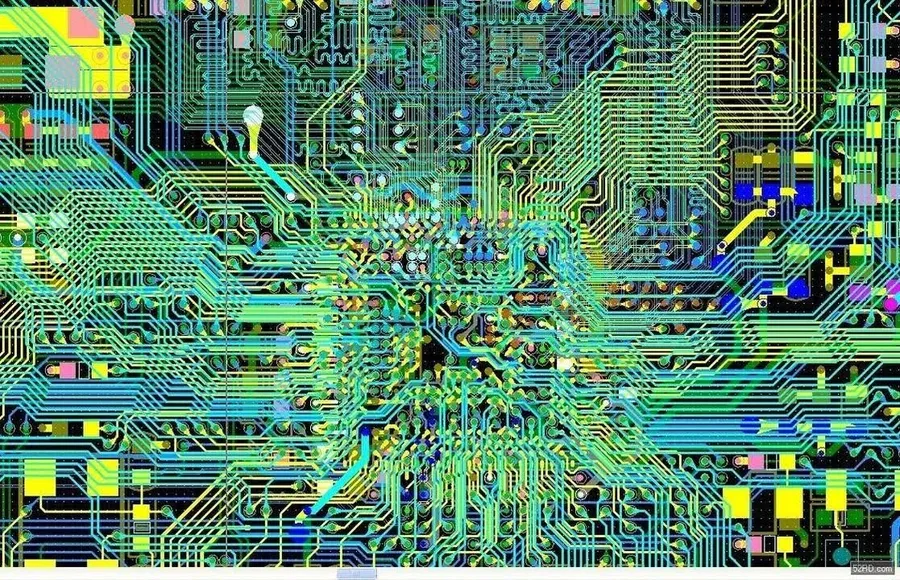
High Speed PCB
The PCB manufacturing landscape in 2020 experienced significant shifts due to rapid technological advancements. High-Density Interconnect (HDI), flexible PCBs, and the adoption of advanced materials were pivotal in shaping the strategies and capabilities of the top 100 PCB manufacturers. These innovations allowed for smaller, more complex, and higher-performing electronic devices, driving demand and competition within the industry.
High-Density Interconnect (HDI) PCBs HDI technology enabled manufacturers to pack more functionality into smaller areas, a key requirement for modern electronic devices. This led to an increase in multi-layer PCBs with microvias and finer lines, demanding higher precision manufacturing processes.
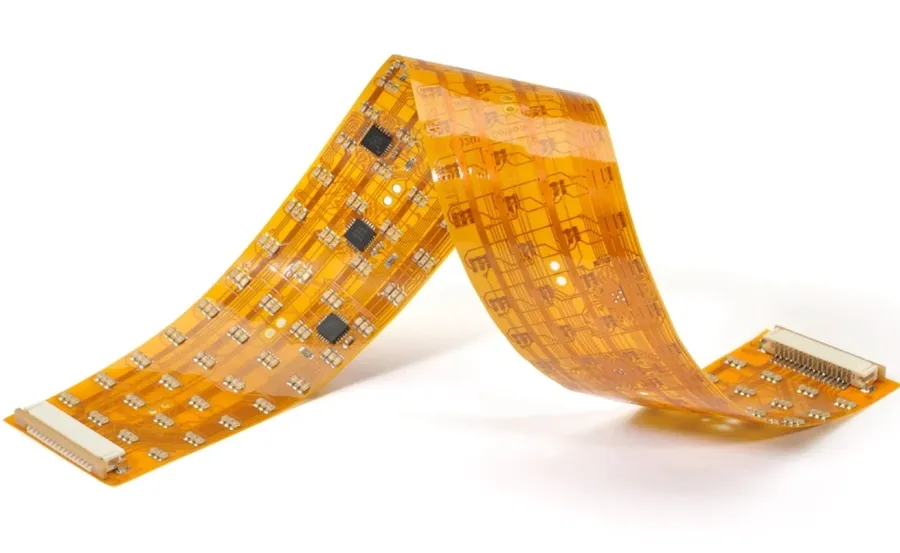
Flexible PCBs Flexible PCBs offered a crucial solution for devices requiring non-planar or dynamic circuits, such as smartphones and wearable technology. This advancement pushed manufacturers to develop new materials and production methods, including roll-to-roll processing.
Advanced Materials The use of advanced materials, like low-loss laminates and thermally conductive substrates, improved the electrical and thermal performance of PCBs. Manufacturers had to adapt their processes to accommodate these materials and their specific handling requirements.
Impact on Manufacturing Processes These technological advancements necessitated significant investment in new equipment and manufacturing techniques. Automated optical inspection (AOI), laser drilling, and advanced plating technologies became more critical for producing high-quality, technologically advanced PCBs. Furthermore, manufacturers had to invest in R&D to maintain their competitive advantage, requiring expertise in material science, advanced manufacturing, and electrical engineering.
Growth Factors for PCB Manufacturing in 2020
PCB Raw Material
The year 2020 witnessed significant growth in the PCB manufacturing sector, fueled by robust demand from diverse industries. This expansion was not monolithic; it was driven by a confluence of factors, primarily increased consumption of electronics across various sectors. The specific drivers included rising consumer electronics sales, escalating automotive industry needs, and advancements in other sectors requiring high-quality, reliable PCBs.
Consumer Electronics Boom The continuous launch of new smartphones, wearable devices, and smart home appliances generated a substantial demand for PCBs. These devices, known for their compact designs and advanced functionalities, rely heavily on high-density interconnect (HDI) PCBs and flexible PCBs, driving growth for manufacturers capable of producing them.
Automotive Industry Advancements The automotive sector's increasing adoption of electric vehicles (EVs), advanced driver-assistance systems (ADAS), and in-car infotainment systems boosted PCB demand. These systems require complex PCBs capable of withstanding harsh environments, propelling growth in the automotive PCB segment. The trend towards autonomous vehicles is further increasing the amount of PCB content in cars.
Industrial and Medical Equipment The demand for PCBs in industrial machinery, medical equipment, and aerospace applications also contributed to the overall market growth. These sectors have stringent requirements for PCB reliability, long-term performance, and high-precision manufacturing standards, which in turn drives innovation and advancements in the PCB manufacturing industry.
5G Infrastructure Development The rollout of 5G networks necessitated the deployment of new infrastructure and devices that required advanced PCBs. This created a new area of growth for manufacturers who could produce the specialized PCBs needed for 5G technology and infrastructure.
Growth in IoT Devices The proliferation of the Internet of Things (IoT) led to increased demand for interconnected devices, all requiring PCBs. This included a vast range of applications from smart sensors to complex home automation systems, pushing the PCB market to expand its output and scope of manufacture.
Supply Chain Dynamics and Challenges faced by Top 100 PCB Companies
PCB Shipping
The year 2020 presented unique supply chain complexities for the top 100 PCB manufacturers, marked by material shortages, logistical bottlenecks, and fluctuating demand patterns. These challenges underscored the interconnectedness of the global electronics ecosystem and the critical importance of robust supply chain management.
Key supply chain challenges faced by the leading PCB manufacturers in 2020:
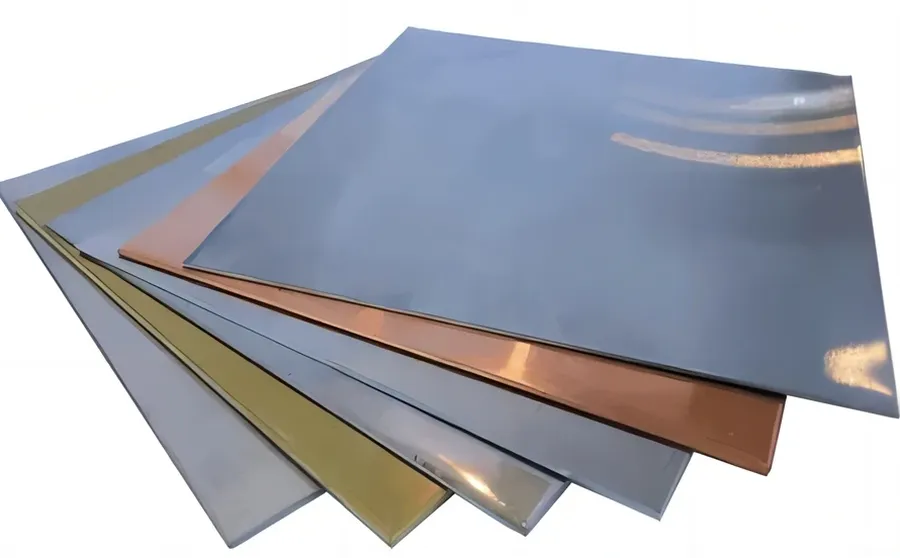
Material Shortages A significant challenge was the shortage of raw materials essential for PCB manufacturing, such as copper, resin, and certain specialized chemicals. This scarcity drove up costs and extended lead times, impacting production schedules.
Logistical Hurdles Global lockdowns, port congestion, and reduced air freight capacity led to significant delays in the transportation of materials and finished goods. These logistical disruptions added complexity to supply chain management and impacted delivery timelines.
Demand Volatility The COVID-19 pandemic created erratic demand patterns across different sectors, with some industries experiencing surges while others faced downturns. This volatility made it difficult for manufacturers to forecast accurately and adjust production levels accordingly.
Geopolitical Factors Trade tensions and geopolitical uncertainties added further complexity to the supply chain. Changes in trade policies and tariffs directly impacted the sourcing and pricing of raw materials and components.
Inventory Management Maintaining optimal inventory levels became a balancing act for PCB manufacturers. Overstocking resulted in carrying costs, while understocking led to production delays and missed opportunities. Effective inventory management was critical for mitigating supply chain risks.
Supplier Relationships The pandemic tested the resilience of supplier relationships. Manufacturers relied on transparent communication and collaboration with their suppliers to navigate the challenges and ensure a stable flow of materials.
Comparison of Top PCB Manufacturers in 2020
To provide a clear understanding of the competitive landscape in 2020, a comparative analysis of leading PCB manufacturers is crucial. This section presents a structured comparison of key players based on their revenue, technological strengths, and global operational reach, highlighting their unique focus areas and capabilities within the PCB manufacturing industry.
Frequently Asked Questions about PCB Manufacturers
This section addresses common queries regarding PCB manufacturers, providing concise and authoritative answers to enhance understanding of this vital industry.
Who is the 'best' PCB manufacturer? The notion of the 'best' PCB manufacturer is subjective and depends heavily on specific project needs. Factors such as technological capability (HDI, flexible PCBs), material expertise, production volume capacity, certifications (ISO, UL), and geographic location for logistics influence the choice. Instead of a single 'best', it's more appropriate to identify the best manufacturer for *your* specific requirements.
Who is the largest PCB manufacturer in the world? Identifying the absolute largest PCB manufacturer can vary slightly based on different ranking methodologies and metrics (e.g., revenue, production volume, etc.). However, based on industry reports, companies such as Unimicron, Zhen Ding Technology and Nanya PCB are consistently among the top global players, often leading in revenue and market share. It's worth consulting the latest industry reports for the most up-to-date rankings.
Which company's PCB is considered to be of the highest quality? High-quality PCBs are produced by manufacturers employing rigorous quality control processes, advanced equipment, and highly skilled personnel. Factors impacting quality include the type of materials used (FR-4, polyimide), controlled impedance, the precision of etching and plating processes, and the reliability of solder masks. Companies who prioritize these stringent process controls like TTM Technologies, and Viasystems are often considered to be at the forefront of producing high-quality PCBs. However, quality should always be evaluated on the specific product category of PCB.
Why is PCB manufacturing sometimes so inexpensive? The cost of PCB manufacturing varies dramatically based on numerous factors. Simpler, single-layer boards made in high volumes can indeed be quite inexpensive due to economies of scale and standardized processes. However, highly complex, multi-layered boards with advanced features, tight tolerances, and specialized materials will be far more expensive. The primary driver of price is complexity of the board and the quantity being manufactured.
What factors contribute to the cost of PCB manufacturing? Several factors contribute to the cost of PCB manufacturing, including the number of layers, the type of material (e.g., FR-4 vs. high-speed materials), the board size, the minimum trace width and spacing, the number of vias, the surface finish, and the complexity of the design. Additional factors that impact the cost are the quantity ordered and lead time.
What are the key considerations when selecting a PCB manufacturer? Key considerations include the manufacturer's production capabilities (layer count, material support, technology), quality control certifications (e.g. ISO 9001, AS9100), manufacturing capacity and lead times, cost per board based on the specific design parameters, geographic location and logistics, and communication efficiency during the manufacturing process.
How can I ensure the reliability of my PCBs? Ensuring PCB reliability requires working with manufacturers that have robust quality assurance processes, utilizing high-quality materials, adhering to proper design rules for manufacturability, performing rigorous testing (electrical tests, functional tests), and understanding environmental conditions that the PCB will be subjected to in operation.
Looking Ahead: Trends in PCB Manufacturing Post-2020
Flexible PCB
The PCB manufacturing industry is undergoing a significant transformation, adapting to post-2020 trends such as increased sustainability demands, the push for miniaturization, and the integration of advanced automation technologies. These trends are reshaping how the top PCB manufacturers operate and innovate.
Sustainability Environmental concerns are pushing manufacturers to adopt eco-friendly processes, including the use of sustainable materials, reduction of waste, and optimization of energy consumption during production. This includes using lead-free solders and more efficient recycling processes.
Miniaturization The demand for smaller and more compact electronic devices drives the need for high-density interconnect (HDI) PCBs and micro-sized components. This trend is crucial in areas like mobile devices, wearable tech, and IoT products. This miniaturization is achieved by the use of advanced materials and precise manufacturing techniques.
Increased Automation Automation plays a critical role in enhancing production efficiency and ensuring consistent quality in PCB manufacturing. This involves the use of robotics, artificial intelligence (AI), and machine learning (ML) in various stages of the manufacturing process, from component placement to quality control. Increased automation leads to reduced labor costs, higher throughput, and lower error rates.
Advanced Materials The use of advanced materials with enhanced thermal, electrical, and mechanical properties is gaining importance. These materials enable higher performance and reliability for PCBs used in various demanding applications. Such materials include flexible substrates, low-loss laminates, and thermally conductive materials.
Digitalization and Smart Manufacturing The adoption of digital technologies, such as the Internet of Things (IoT), big data analytics, and cloud computing, enables PCB manufacturers to optimize their processes and improve supply chain management. Smart manufacturing helps in real-time monitoring, predictive maintenance, and better resource allocation.
The top 100 PCB manufacturers of 2020 played a crucial role in the global electronics ecosystem, driving innovation and meeting the ever-growing demand for PCBs. Understanding their performance, strategies, and the challenges they faced is key to anticipating future industry trends. As we look ahead, the technological advancements and market dynamics that influenced the 2020 landscape will continue to shape the industry, with companies from the top 100 list of PCB manufacturers continuing to lead the way in creating smaller, faster, and more efficient circuit boards for all types of devices. Keeping a close eye on how the top players from the 2020 list innovate and adapt will be vital in understanding the future of the electronics sector and the role that PCBs play within it.