In our increasingly interconnected world, Printed Circuit Boards (PCBs) are the unsung heroes, powering everything from smartphones to space shuttles. These complex boards form the backbone of modern electronics, and at the forefront of their production are the world's largest PCB manufacturers. This article dives into the realm of these technological giants, exploring their impact, innovations, and how companies like TTM Technologies, Unimicron, and others are shaping the future of electronics. We'll explore which companies lead the market and influence the global supply chain, offering insights into the very foundations of our digital world.
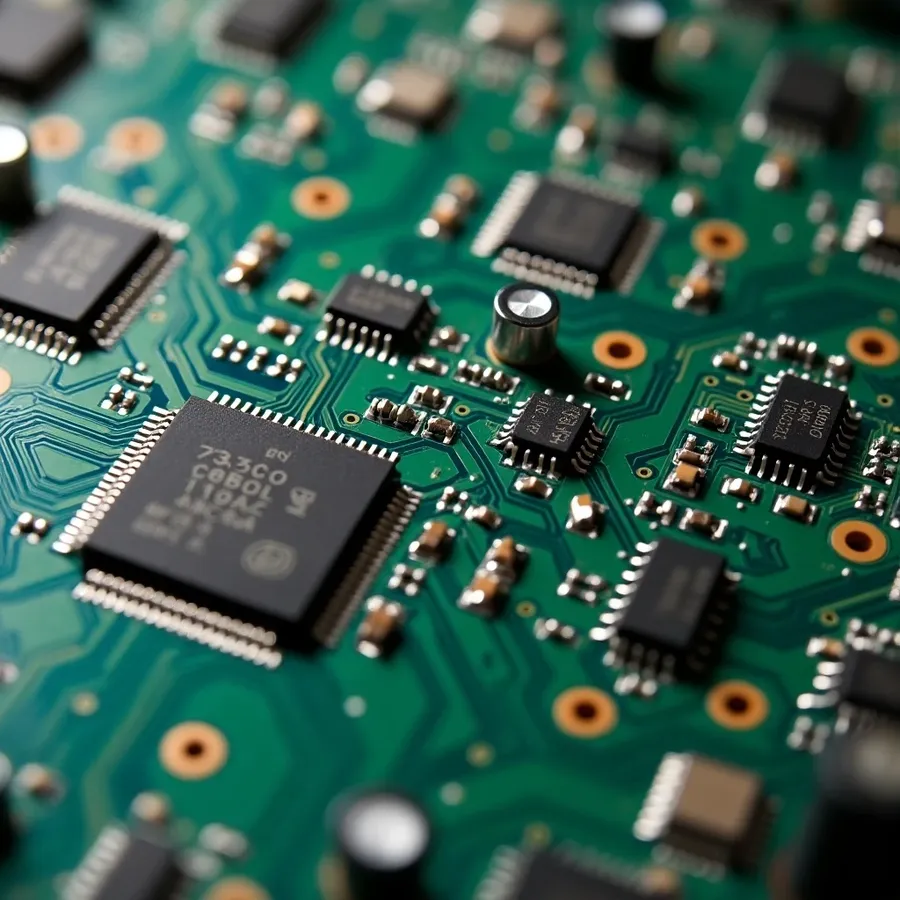
Printed circuit boards (PCBs) are the foundational building blocks of nearly all modern electronics, serving as the essential platform for mounting and connecting electronic components. Their importance stems from their ability to efficiently manage complex circuitry in a compact and reliable manner. Without PCBs, the miniaturization and functionality of contemporary devices would be impossible, underscoring their indispensable role in technological progress.
From smartphones to supercomputers, PCBs facilitate the intricate connections necessary for devices to operate. They are not just passive substrates but integral to performance, enabling precise control of electrical signals. The evolution of PCB technology has directly driven innovation in the electronics industry, allowing for smaller, faster, and more efficient devices. This section provides an overview of why these boards are so critical and how advancements in PCB manufacturing contribute to the cutting edge of technology.
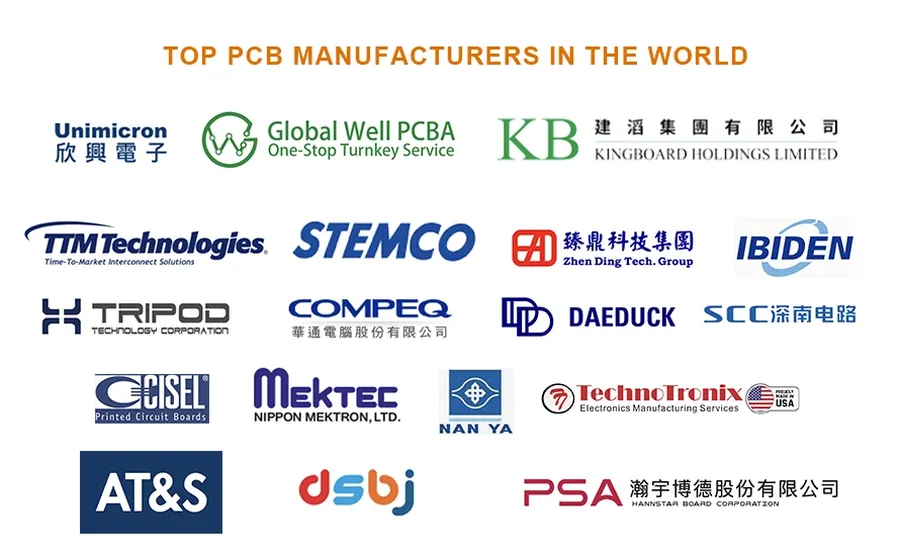
The global printed circuit board (PCB) manufacturing landscape is dominated by a few key regions and major players. These entities, primarily located in Asia, North America, and Europe, control a significant portion of the market, impacting the supply chain and technological advancement within the electronics industry. This section provides a high-level overview of the geographical distribution and key drivers within this market.
| Region | Key Manufacturing Countries | Market Characteristics | Notable Manufacturers |
|---|---|---|---|
| Asia | China, Taiwan, South Korea, Japan | High volume production, cost-effective manufacturing, strong focus on consumer electronics PCBs. | Unimicron, Zhen Ding Technology, Samsung Electro-Mechanics, Nippon Mektron |
| North America | USA, Canada | Advanced technology, specialized PCBs, defense and aerospace applications. | TTM Technologies, Sanmina, Advanced Circuits |
| Europe | Germany, Austria, France | Focus on high-reliability PCBs, automotive and industrial applications, strong emphasis on R&D. | AT&S, Schweitzer Electronic, Würth Elektronik |
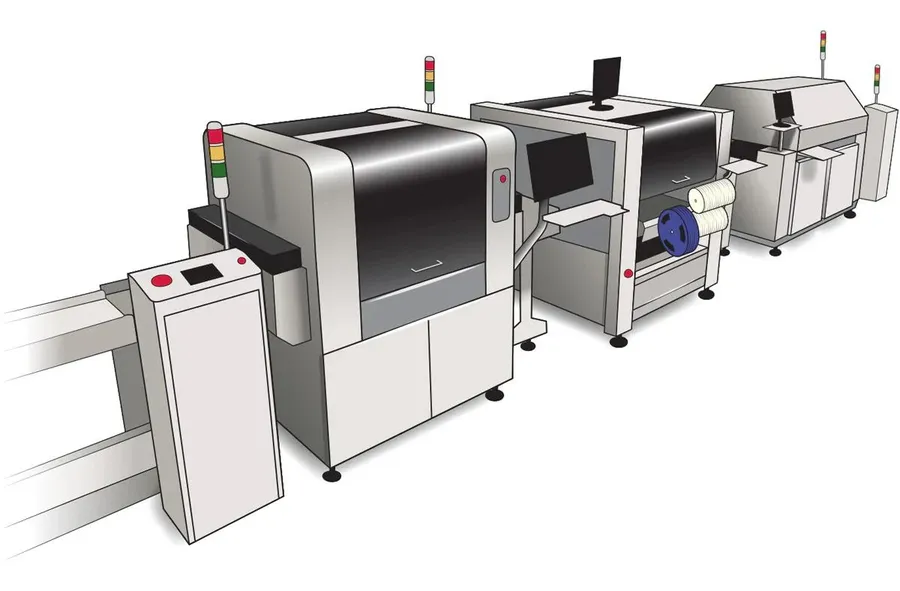
This section delves into the profiles of the leading PCB manufacturers globally, moving past mere listings to explore their unique strengths, specializations, and market presence. By examining these key players, we gain insight into the industry's dynamics and technological advancements.
| Company | Headquarters | Strengths | Specializations | Market Share (Approximate) |
|---|---|---|---|---|
| TTM Technologies | USA | High-mix, low-volume production; Quick-turn prototyping | Aerospace, defense, medical, automotive | ~5-7% |
| Unimicron | Taiwan | High-volume manufacturing; Advanced HDI technology | Mobile devices, servers, data storage, automotive | ~8-10% |
| Zhen Ding Technology | China | Large-scale production; Strong FPC capabilities | Smartphones, tablets, wearables | ~6-8% |
| Nippon Mektron | Japan | High-quality flexible PCBs; Leading material development | Automotive, industrial, medical | ~4-6% |
| Compeq Manufacturing | Taiwan | Advanced multi-layer PCBs; Robust manufacturing processes | High-end computing, network infrastructure | ~4-6% |
| Kingboard Chemical | Hong Kong | Vertically integrated; Extensive materials sourcing | Consumer electronics, industrial equipment | ~5-7% |
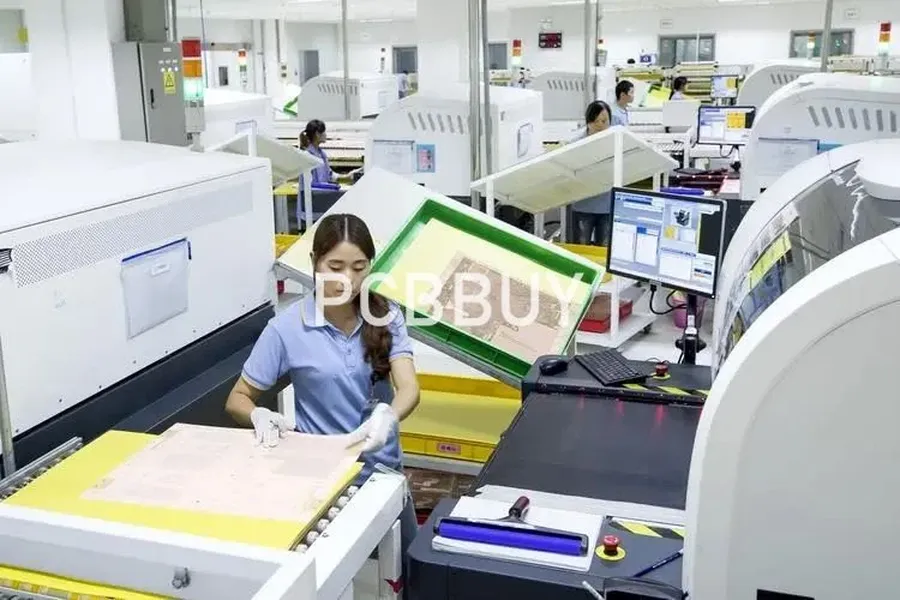
The global PCB manufacturing landscape is not uniformly distributed, with certain countries and regions emerging as dominant players due to a confluence of factors, including technological expertise, cost efficiency, and government support. This section analyzes the geographical concentration of PCB production and the reasons behind these patterns.
Asia is the clear leader in PCB manufacturing, accounting for a significant majority of global production, a trend primarily driven by China, South Korea, and Taiwan. These regions have established comprehensive ecosystems that facilitate all stages of PCB production, from raw materials to final assembly. Europe and North America also maintain a presence in the market, although their production volumes are lower compared to Asia, focusing on high-value applications like aerospace, military, and medical devices.
| Region | Key Countries | Market Share (Approximate) | Key Strengths | Focus Areas |
|---|---|---|---|---|
| Asia | China, Taiwan, South Korea, Japan | 80-90% | Cost-competitive labor, strong supply chains, large manufacturing capacity | Consumer electronics, high-volume production |
| North America | USA | 5-10% | Advanced technology, high-reliability PCB manufacturing, strong R&D | Aerospace, military, medical devices |
| Europe | Germany, France, UK | 5-10% | Specialized manufacturing, high-precision PCB production, focus on automation | Automotive, industrial, medical equipment |
The concentration of PCB manufacturing in specific geographic areas is influenced by several key factors. For instance, China's dominance is partly due to government incentives for manufacturing, along with large-scale infrastructure and a massive labor force that keeps costs low. Taiwan and South Korea have excelled due to early investments in semiconductor and PCB manufacturing technology and their focus on research and innovation. Conversely, while North America and Europe have a smaller share of production, they focus on high-value, specialized PCB applications, leveraging their expertise in high-end electronics.
The trends show a continued consolidation of high-volume PCB manufacturing in Asia, while other regions concentrate on niche markets. There's an increasing focus on supply chain diversification as companies explore nearshoring and reshoring strategies to mitigate risks. This distribution is not static, and future changes in technology, geopolitical factors, and global economics will likely lead to further shifts in PCB manufacturing geography.
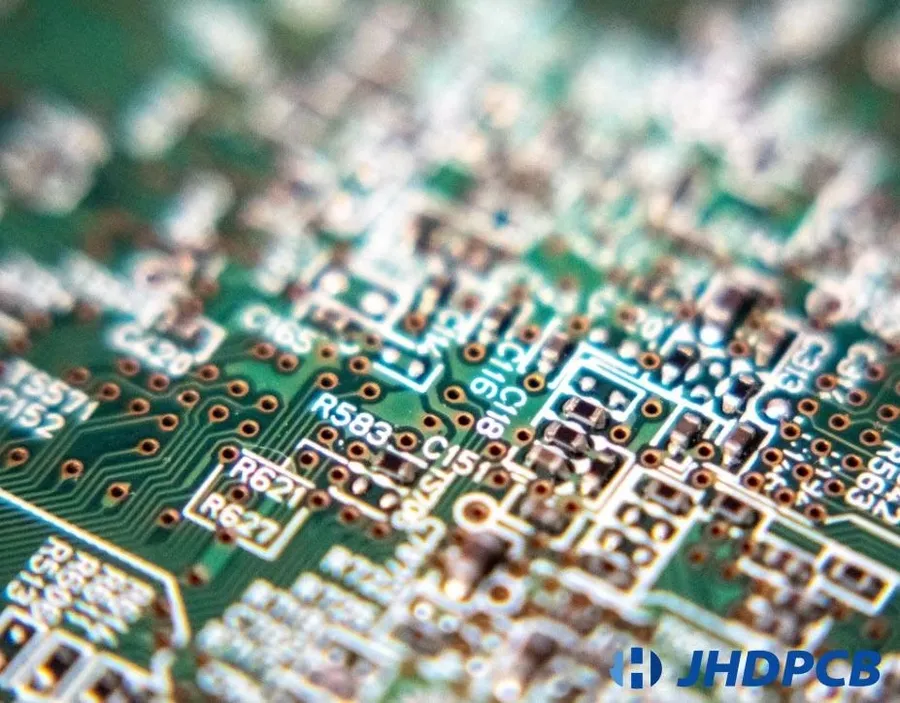
The printed circuit board (PCB) manufacturing landscape is continuously evolving, driven by the demand for smaller, faster, and more efficient electronic devices. This section delves into the key technologies and innovations that are reshaping PCB production, focusing on advanced materials, high-density interconnect (HDI) boards, and flexible PCBs.
Advanced Materials: The selection of materials is crucial for PCB performance. Innovations include the use of high-performance polymers, ceramics, and composites that offer superior thermal and electrical properties, as well as increased durability and reduced signal loss. These materials are particularly important in applications where PCBs are subjected to extreme conditions.
High-Density Interconnect (HDI) Boards: HDI technology enables the creation of PCBs with finer lines and spaces, higher component densities, and microvias. This technology is essential for developing miniaturized and high-performance electronics, such as smartphones, wearables, and advanced medical devices. HDI boards allow for more complex circuitry within a smaller footprint. Specific techniques include microvia formation by laser drilling, and sequential lamination.
Flexible PCBs: Flexible PCBs (FPCBs) offer the ability to bend, twist, and conform to various shapes. These boards are manufactured from thin, flexible materials such as polyimide and are used extensively in applications where space is limited or dynamic flexing is required. They reduce overall size and weight while improving reliability and design possibilities. Flexible PCBs are widely used in cameras, displays, and automotive applications, showcasing the advantages of using FPCB over rigid PCB technologies.
| Technology | Description | Key Applications | Advantages |
|---|---|---|---|
| Advanced Materials | Use of high-performance polymers, ceramics, and composites | High-reliability, high-speed applications | Improved thermal and electrical properties, increased durability |
| High-Density Interconnect (HDI) | Finer lines, spaces, higher component density, and microvias. | Smartphones, wearables, and medical devices | Miniaturization, high performance |
| Flexible PCBs (FPCB) | Thin, flexible materials allow bending and shaping | Cameras, displays, automotive | Reduced size and weight, flexibility |
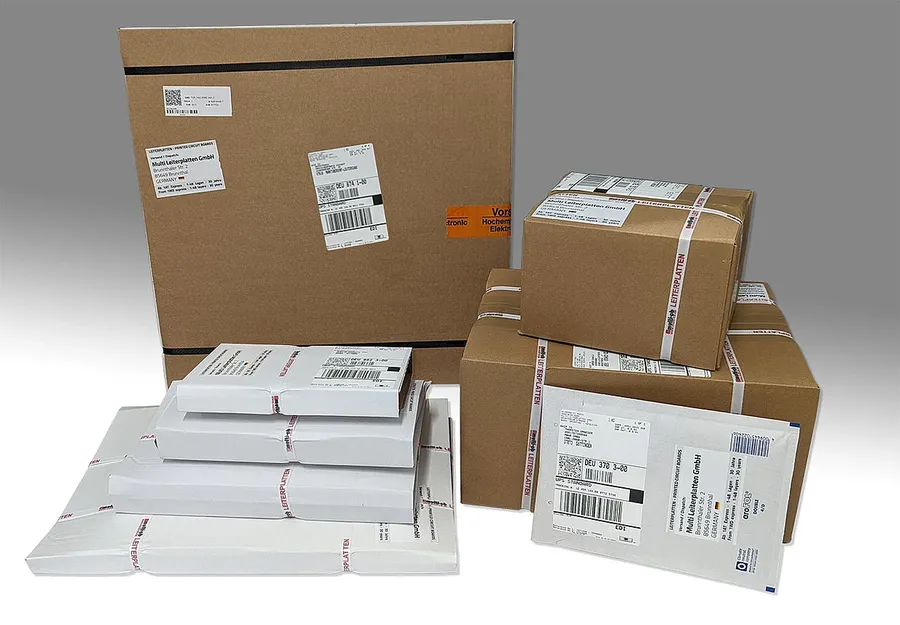
Large PCB manufacturers are pivotal to the global electronics supply chain, functioning as indispensable links that influence the production and distribution of virtually all electronic devices. Their capacity, efficiency, and strategic location directly affect the availability and cost of electronics worldwide.
These manufacturers not only produce the physical PCBs but also manage complex logistics, ensuring that the right components are delivered to the right place at the right time. This involves sophisticated inventory management, transportation networks, and coordination with various suppliers and assemblers.
Effective logistical strategies are essential for PCB manufacturers to maintain their crucial role in the supply chain. These strategies must be adept at navigating fluctuations in demand, managing lead times, and mitigating risks associated with geopolitical instability and material shortages. Furthermore, the integration of advanced technologies like real-time tracking and automated systems is becoming increasingly necessary to ensure supply chain resilience and cost-effectiveness.
| Supply Chain Aspect | Impact of Large PCB Manufacturers |
|---|---|
| Component Sourcing | Influence material prices and availability, manage supplier relationships. |
| Production Capacity | Determine the volume of PCBs available in the market, impacting overall electronics production. |
| Logistics and Distribution | Manage transportation, storage, and timely delivery of PCBs. |
| Supply Chain Resilience | Implement risk management strategies to mitigate supply chain disruptions. |
| Technology Integration | Leverage real-time tracking and automation for supply chain optimization. |
This section addresses common questions about PCB manufacturing, providing clear and concise answers to help you better understand the industry. We'll cover topics such as leading manufacturing countries, top PCB companies, and key aspects of PCB design and production.
The PCB manufacturing industry is poised for significant transformation, driven by technological advancements, market demands, and an increasing emphasis on sustainability. Emerging trends indicate a shift towards more complex, efficient, and environmentally conscious manufacturing processes. These trends are not just incremental changes but represent a fundamental reshaping of how PCBs are designed, produced, and integrated into various technologies.
Selecting the appropriate PCB manufacturer is a critical step in the product development process, directly impacting the quality, cost, and time-to-market of electronic devices. This section outlines the key considerations to ensure you partner with a manufacturer that aligns with your specific project needs and requirements.
The world of PCB manufacturing is dominated by a select few giants, with companies like TTM Technologies and Unimicron leading the charge, pushing the boundaries of what's possible in electronics. These manufacturers are not merely producing circuit boards; they are facilitating innovation and progress across all sectors of technology. As we move forward, their ability to adapt and innovate will continue to shape the technological landscape, influencing everything from our personal devices to critical infrastructure. Understanding the landscape of the largest PCB manufacturers is key to appreciating the complexities of our interconnected world and the technological advancements that are shaping our future.

