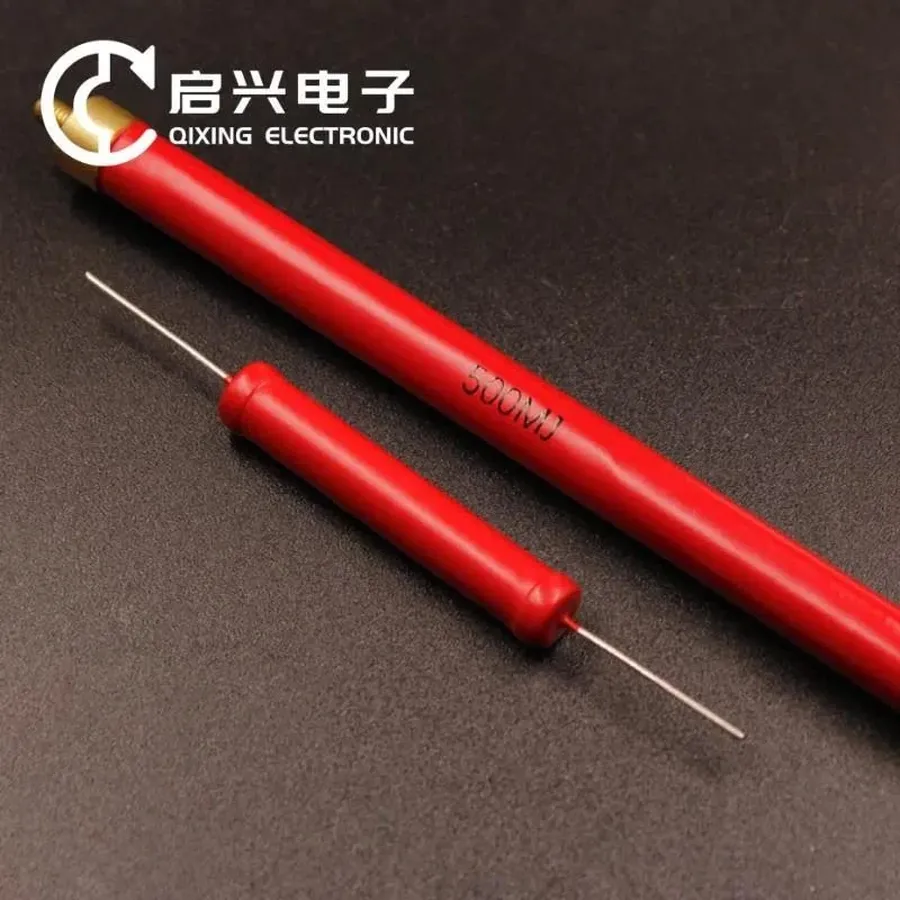
High Voltage Resistors: Understanding Applications, Types, and Selection
2025.02.13
High voltage resistors are critical components in various electronic systems, from the power supplies in your home appliances to sophisticated medical instruments. These specialized resistors handle high electrical stress, ensuring safe and reliable operation. This article will delve into the world of high voltage resistors, covering their applications, types, and key considerations when selecting them for specific tasks. Understanding these components is essential for anyone working with high voltage electronics, ensuring effective design and implementation.
What are High Voltage Resistors?
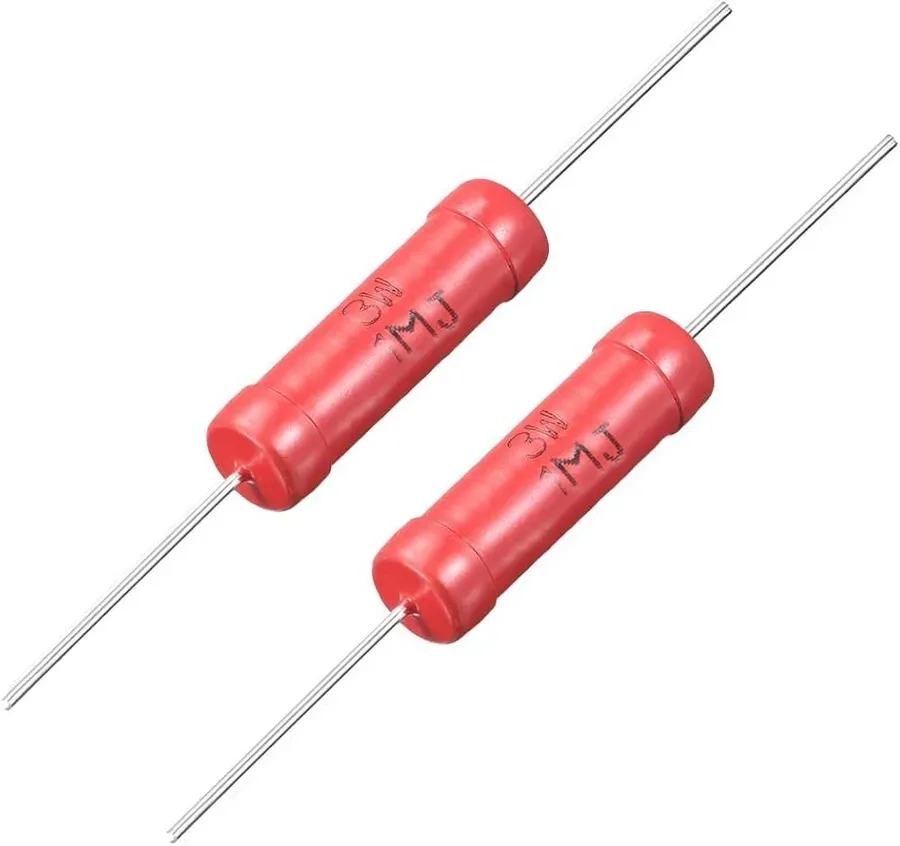
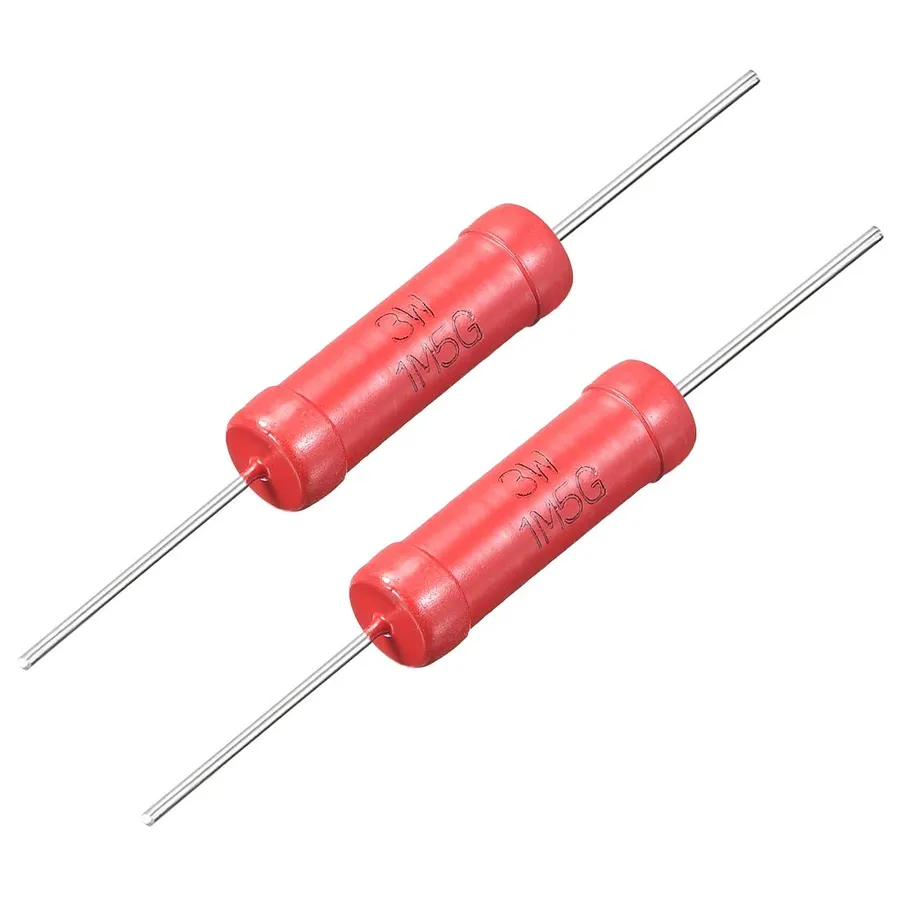
High Voltage Resistor
High voltage resistors are specialized components designed to operate safely and reliably in circuits with elevated voltage levels, exceeding the capabilities of standard resistors. Their primary distinction lies in their enhanced ability to withstand high potential differences without experiencing dielectric breakdown, arcing, or thermal runaway. This capability stems from unique construction techniques and materials that optimize for voltage handling rather than current carrying capacity, the latter being the focus of typical resistors.
Key Applications of High Voltage Resistors
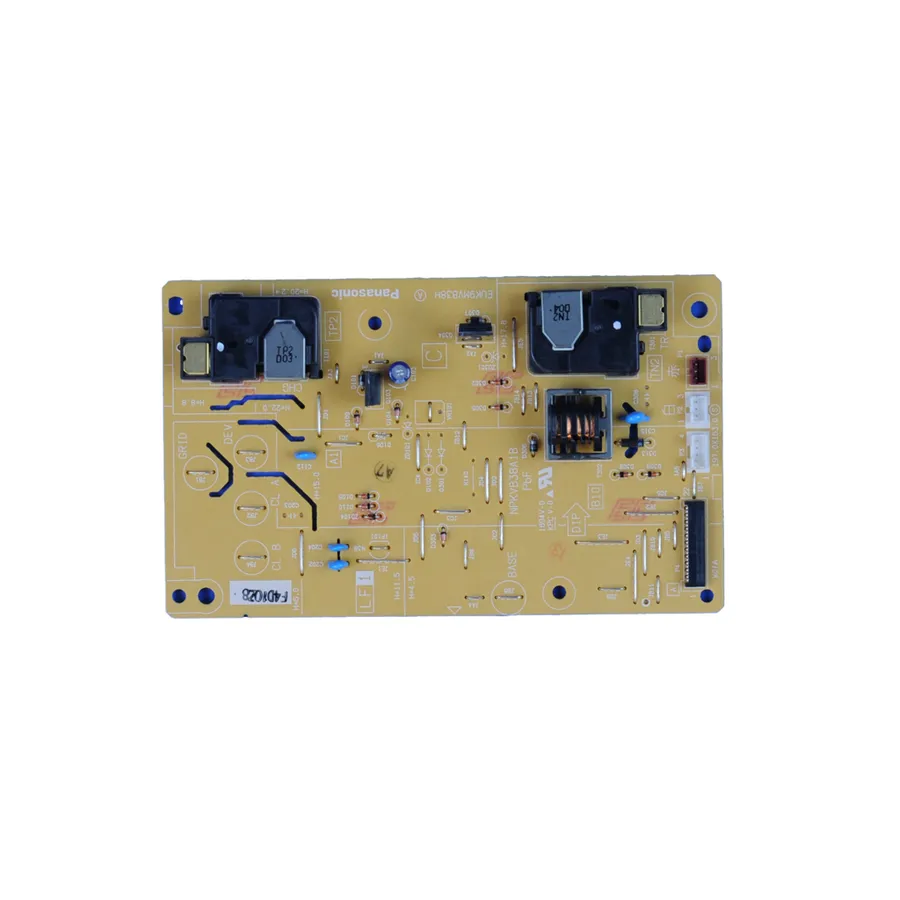
High Voltage Circuit Board
High voltage resistors are indispensable components in numerous applications where managing high electrical potentials is critical. Their ability to handle significant voltage without failure makes them essential in diverse fields, from power generation and distribution to advanced medical imaging and aerospace technologies. The following sections detail key application areas.
Power Supplies and Distribution High voltage resistors are integral in power supplies for voltage regulation, current limiting, and providing precise voltage division. They are crucial in high-voltage power transmission systems to manage and distribute electrical power efficiently and safely. These resistors assist in maintaining stable voltage levels, protecting circuits from overvoltage conditions, and ensuring consistent performance.
Medical Imaging Equipment In medical devices, such as X-ray machines and CT scanners, high voltage resistors are pivotal for controlling and directing high-energy radiation. They function to ensure accurate imaging by precisely managing the high voltages required for these devices. The precision and reliability of these resistors directly impact the quality and safety of diagnostic procedures. For example, the resistors are used in the high voltage circuits of the X-ray tube to control the flow of electrons.
Industrial Control Systems Industrial automation systems frequently utilize high-voltage resistors in motor drives, power inverters, and robotics. These resistors help in controlling the speed and torque of motors, managing high voltage levels, and safeguarding the circuits from damage. These resistors must be capable of withstanding rugged industrial conditions.
Avionics and Aerospace In avionics, high-voltage resistors support critical navigation and communication systems, where reliability is paramount. They regulate high voltage power in radar systems, control systems and power distribution networks, ensuring optimal function under extreme conditions. They must be designed to withstand severe temperatures, altitude, and vibration.
Scientific and Research Equipment Research institutions use high voltage resistors in high-energy physics experiments, particle accelerators, and other scientific tools requiring precise and stable voltage levels. In these applications, the resistors function in environments with extreme conditions, and must maintain their performance. The resistors ensure accuracy and reliability in experiments where deviations in voltage can impact results.
Types of High Voltage Resistors
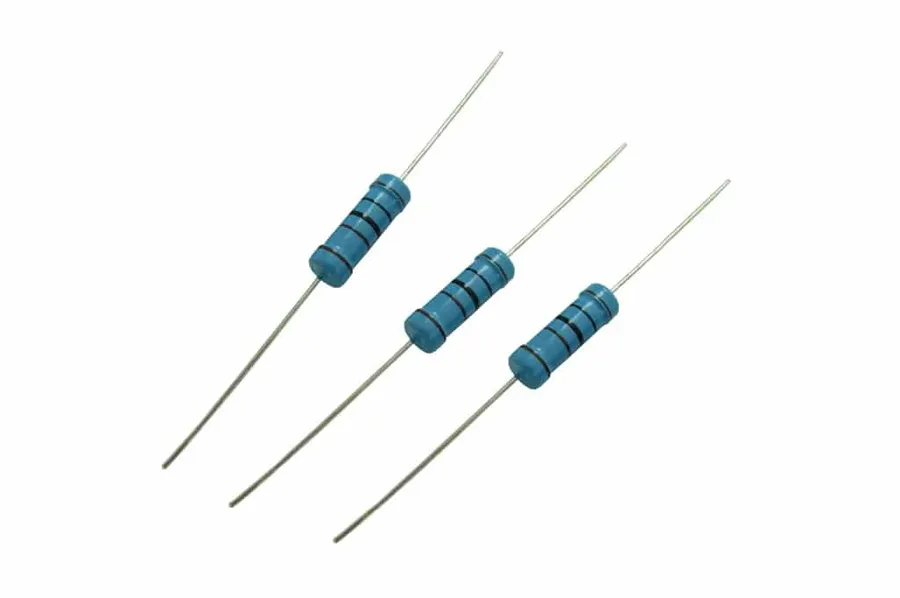
Film Resistor
High voltage resistors are not a monolithic category; they are manufactured using various materials and techniques, each offering unique performance characteristics suitable for different applications. This section delves into the common types of high voltage resistors, examining their construction, advantages, limitations, and typical uses.
Resistor Type
Construction
Advantages
Disadvantages
Typical Applications
Thick Film
A resistive paste is screen-printed onto a ceramic substrate and fired at high temperature.
Low cost, good stability, wide resistance range, relatively high surge capability.
Lower precision compared to thin film, temperature coefficient can be higher.
General purpose high voltage circuits, power supplies, automotive electronics.
Thin Film
A thin layer of resistive material is deposited onto a substrate using vacuum deposition techniques.
High precision, low temperature coefficient, good stability.
Higher cost than thick film, limited surge capability.
Precision voltage dividers, medical devices, measurement instruments.
Metal Oxide
Metal oxide layer deposited on a ceramic core.
High voltage capability, good surge protection, non-flammable.
Lower stability and precision, temperature coefficient can be significant.
Surge suppression, high voltage power supplies, HV protection circuits.
Wirewound
Resistance wire is wound around a ceramic or fiberglass core.
High power handling capability, robust construction, high pulse load capacity.
Inductive at high frequencies, relatively large size, lower resistance range.
High power circuits, load banks, motor control, high voltage circuit breakers
Carbon Composition
A mixture of carbon and binder formed into a resistor element.
High surge capability, good pulse handling, relatively inexpensive.
Higher noise, wider tolerances, not as stable as other types.
High surge applications, high pulse applications, older electronic equipment.
High Voltage Resistor Specifications
Selecting the appropriate high voltage resistor requires a thorough understanding of its specifications, which dictate its performance and reliability in high-voltage applications. These parameters must align with the circuit requirements to ensure safe and efficient operation.
Parameter
Description
Importance
Resistance Value
The nominal electrical resistance of the resistor, measured in ohms (Ω).
Determines current flow in the circuit. Critical for proper operation and circuit functionality.
Voltage Rating
The maximum voltage the resistor can continuously withstand without damage or failure.
Crucial for high-voltage applications; exceeding this can lead to resistor failure, arcing, or short circuits.
Power Rating
The maximum power the resistor can dissipate as heat, measured in watts (W).
Prevents overheating and damage. Insufficient power rating can lead to component failure and impact circuit performance.
Temperature Coefficient
The change in resistance per degree Celsius (°C), usually expressed in ppm/°C.
Indicates how much resistance will vary with changes in temperature. Important in environments with significant temperature fluctuations, where resistance variation must be minimized.
Tolerance
The permissible deviation of the resistance value from its nominal value, expressed as a percentage (%).
Indicates the accuracy of the resistor's resistance. Affects the precision of the circuit and its ability to meet design specifications
Maximum Working Voltage
The maximum continuous DC or AC voltage that can be applied to the resistor.
Ensures the resistor operates safely and reliably without voltage breakdown. A different rating than voltage rating that usually indicates the voltage at the maximum power.
Maximum Pulse Voltage
The peak voltage the resistor can handle for a short duration.
Critical in applications with transient voltage spikes, to avoid immediate component failure.
Selection Guide: Choosing the Right High Voltage Resistor
Resistor Selection
Selecting the appropriate high voltage resistor requires a systematic approach, carefully considering the specific demands of the application, environmental conditions, and desired performance. This guide outlines the key factors involved in making an informed decision.
To select the correct high voltage resistor, consider the following key factors:
Circuit Requirements Begin by thoroughly assessing the circuit's needs. This involves determining the required resistance value, the expected voltage levels, and the necessary power dissipation. These parameters are fundamental in ensuring the resistor operates within its safe and efficient range.
Environmental Conditions Evaluate the operating environment. Factors such as temperature, humidity, and potential exposure to corrosive substances can significantly impact resistor performance and longevity. Select a resistor with specifications that match these conditions.
Performance Expectations Determine the performance criteria. This includes temperature coefficient of resistance (TCR), which indicates how much the resistance changes with temperature. Other factors include tolerance, which defines the acceptable variation in the actual resistance value, and long-term stability. High precision applications may require tighter tolerances and low TCR.
The following table provides a comparison of different high voltage resistor types to assist in the selection process.
Resistor Type
Voltage Range
Power Rating
Temperature Coefficient
Tolerance
Typical Applications
Advantages
Disadvantages
Thick Film
High
Moderate
Moderate
Moderate
Power supplies, high-voltage circuits
Cost-effective, good stability
Lower precision than thin film
Thin Film
High
Low
Low
High
Precision medical devices, measurement equipment
High precision, low TCR
Higher cost, lower power handling
Metal Oxide
Very High
Moderate
Moderate
Moderate
High voltage power supplies, surge protection
Excellent surge resistance, high voltage capability
Larger size
Wirewound
High
High
Low
Moderate
Braking systems, inverters
High power handling, high stability
Inductive, large size
Carbon Composition
Moderate to High
Moderate
High
High
High pulse applications, non critical circuits
High pulse withstand, robust
High TCR, less stable
High Voltage Resistor Mounting Techniques
Soldered Resistor
Proper mounting of high voltage resistors is crucial for ensuring circuit reliability and safety, particularly due to the high voltage and power levels involved. Two primary mounting techniques are used: Surface Mount (SMD) and Through-Hole, each with unique considerations for best practice implementation.
Frequently Asked Questions About High Voltage Resistors
This section addresses common questions and concerns about high voltage resistors, providing clear and concise answers to help users understand their characteristics, applications, and limitations.
What defines a resistor as 'high voltage'? A high voltage resistor is specifically designed to operate safely and reliably under significantly higher voltage conditions than standard resistors. The primary difference lies in their construction and materials, enabling them to withstand high electrical potentials without breakdown or damage. This typically means they have a higher dielectric strength and are often physically larger to accommodate the necessary insulation.
What is the maximum voltage that a resistor can handle? The maximum voltage a resistor can handle is specified by its voltage rating. This is a critical parameter that indicates the highest voltage the resistor can continuously withstand without arcing or experiencing dielectric breakdown. Exceeding this limit can lead to permanent damage or catastrophic failure. Always refer to the manufacturer's datasheet for this value, and ensure a safety margin is considered in design.
What role do high voltage resistors play in high-power applications? High voltage resistors in high-power applications serve to regulate current flow, drop voltage, or generate heat. They can be used as a current limiting devices, voltage dividers in high voltage circuits, load resistors for testing power supplies. The key considerations are the resistor's power rating and its ability to dissipate the generated heat effectively. High-power applications often require physically large resistors with special heat dissipation features.
Which type of resistor is most suitable for high-power and high-voltage scenarios? Wirewound resistors are often favored for high-power and high-voltage applications due to their ability to handle higher power ratings and to their robust construction with a high dielectric strength. However, considerations such as inductance should be factored for high-frequency circuits. Thick-film and some metal-oxide resistors are also used for their combination of voltage and power handling capabilities, as well as good thermal stability, but it is necessary to check specific parameter values from the product specifications.
What are the typical failure modes for high voltage resistors? Common failure modes for high voltage resistors include dielectric breakdown (leading to arcing), overheating due to excessive power dissipation, and changes in resistance value due to environmental factors or operating stresses. Degradation of the insulation material can also occur under prolonged high voltage stress. Regular inspection and testing are necessary to detect potential issues before failure occurs.
How do high voltage resistors differ from standard resistors? High voltage resistors differ from standard resistors primarily in their ability to withstand higher voltages without breaking down. Standard resistors typically have much lower voltage ratings and would fail under high voltage stress. In addition, high voltage resistors often use different materials and construction techniques to ensure their dielectric strength, physical size, and thermal dissipation capabilities match their high voltage performance requirements. This makes them suitable for very different applications.
What considerations should be made when handling high voltage resistors? When handling high voltage resistors, always observe safety precautions, as high voltage can be lethal. Use appropriate insulated tools and never touch exposed terminals of a resistor in an energized circuit. Also, avoid physical damage to high voltage resistors, as cracks can compromise insulation and make them unreliable. Ensure they are installed with proper mounting techniques to maintain long term reliability and performance.
Future Trends in High Voltage Resistor Technology
The field of high voltage resistor technology is continuously evolving, driven by the increasing demands of modern electronics. These advancements focus on enhancing performance, miniaturization, and reliability. Key trends include the development of resistors with higher voltage capabilities, smaller physical footprints, and improved precision, all designed to meet the needs of increasingly sophisticated electronic systems.
Increased Voltage Ratings Research is ongoing to develop materials and designs that enable resistors to withstand higher voltages without compromising performance or safety. This is critical for applications in high-power conversion, electric vehicles, and advanced medical equipment, allowing for more efficient and compact designs.
Miniaturization There's a strong push towards miniaturizing high voltage resistors to meet the demands of smaller and more portable devices. This involves exploring new materials and manufacturing techniques to achieve smaller form factors while maintaining high voltage handling and stable performance characteristics. This allows for greater integration of high voltage components and improved device efficiency and portability.
Improved Precision and Stability The accuracy and stability of high voltage resistors are crucial for sensitive applications such as precision measurement systems and high-accuracy voltage dividers. Future trends focus on improving temperature coefficients, reducing drift, and enhancing overall stability through advanced materials and optimized designs. This enhances device performance and reliability.
Advanced Materials The development of new materials with superior electrical, thermal, and mechanical properties is pivotal to achieving higher performance and reliability in high voltage resistors. This includes exploring novel nanomaterials, ceramics, and polymer composites that can withstand harsh operating conditions and enable more compact designs.
Integrated Resistor Networks Integrating multiple high voltage resistors into a single package or substrate is becoming increasingly common. This reduces the total number of components, simplifying circuit design, and enhances the reliability of high voltage applications. Furthermore, this can improve efficiency by reducing interconnect losses and offering better thermal management capabilities.
Smart Resistors The incorporation of sensors and monitoring capabilities into high voltage resistors allows for real-time monitoring of temperature, voltage, and current. Such smart resistors can enable preventive measures to avoid failures and enhance overall system safety. This is key for improving system reliability, performance, and maintenance.
Practical Tips for Using High Voltage Resistors
Ensuring the safe and reliable operation of circuits utilizing high voltage resistors requires careful handling, testing, and troubleshooting practices. The unique characteristics of these components demand specific considerations to avoid damage, ensure accuracy and prevent safety hazards.
Handling Precautions Always handle high voltage resistors with care to prevent physical damage. Avoid dropping or subjecting them to excessive mechanical stress. When working with high voltage circuits, adhere to all safety protocols, which include the use of appropriate personal protective equipment (PPE). Use insulated tools to avoid electrical shocks and prevent the accidental discharge of energy that could cause damage to components or injury to yourself.
Testing Procedures When measuring high voltage resistors, employ test equipment rated for the voltage levels being measured to avoid equipment failure or erroneous readings. Start with the highest range on your measuring device and adjust downwards to obtain accurate readings. Conduct testing in a controlled environment and take precautions to prevent contact with live parts. Validate the accuracy of measurement tools prior to use and verify all test results to guarantee proper resistor operation in circuit.
Troubleshooting Methods When troubleshooting, start by visually inspecting high voltage resistors for physical damage or signs of overheating. Use a multimeter to check for continuity and resistance values. Carefully analyze circuit diagrams to identify potential problems and avoid any short-circuiting. If a resistor fails, replace it with an equivalent part of the same specification. Be prepared to debug the power supply to make sure that the resistor is operated with a sufficient margin.
Common Pitfalls to Avoid Avoid using high voltage resistors in circuits that exceed their rated power or voltage. Underestimating operating temperature can lead to premature resistor failure and affect performance, and using resistors with incorrect specifications can lead to circuit malfunctions or damage. Do not attempt to repair a damaged high voltage resistor; instead, replace it with a new, correctly specified component.
High voltage resistors are indispensable components in numerous electronic applications, demanding careful selection based on specific requirements. Understanding the diverse types, specifications, and mounting techniques is crucial for engineers and hobbyists. By considering factors like voltage rating, power handling, and environmental conditions, it’s possible to select high voltage resistors that ensure safe and optimal performance in demanding scenarios. Future technological advancements continue to improve the capabilities of these resistors, making them even more essential for emerging applications. Choosing the right high voltage resistors will greatly increase the efficiency and reliability of your projects.