
In the fast-evolving world of aesthetic medicine, the heartbeat of every high-power laser device is its printed circuit board. As engineering requirements push for higher energy density and compact designs, selecting a manufacturing partner is no longer just a procurement task—it is a critical safety decision that dictates your brand’s reputation.
Understanding the High-Stakes Environment of Aesthetic Lasers
The Challenge of High-Power Laser Environments
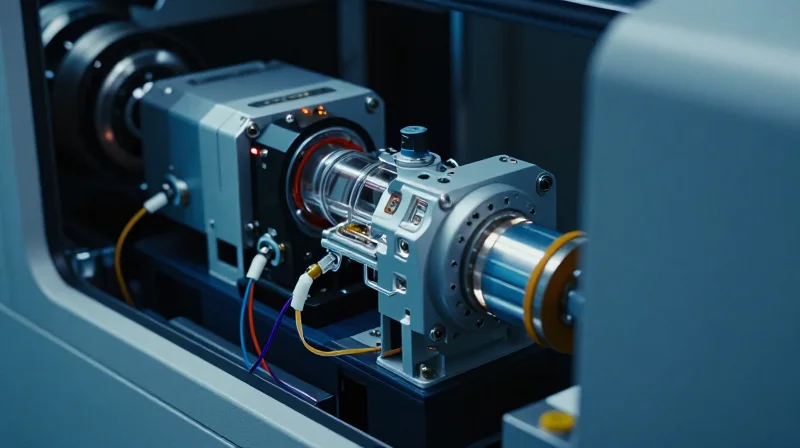
Aesthetic laser systems operate in a physically demanding environment where high-voltage power supplies drive optical modules capable of precise tissue interaction. Unlike standard consumer electronics, these systems must maintain extreme reliability during continuous operation. The primary challenge lies in managing high energy density without compromising signal integrity or causing thermal degradation to the substrate and its associated components.
Critical Performance Disparities
| Parameter | Consumer Electronics | Medical Aesthetic Lasers |
|---|---|---|
| Thermal Management | Passive heat sinking | Advanced substrate materials & heavy copper |
| Reliability Standards | Standard/Low | ISO 13485 compliant/High |
| Power Density | Low to Moderate | Extreme |
| Precision Requirements | General logic | High-speed pulse control |
Key Considerations for Reliability
- Why is thermal conductivity critical?
High-power lasers generate significant waste heat. If a PCB cannot effectively dissipate this heat via thermal vias or specialized substrates, internal components will fail, leading to laser beam instability or device burnout. - How does high voltage impact layout?
Aesthetic lasers rely on high-voltage capacitor banks. PCB manufacturers must adhere to strict creepage and clearance distances to prevent arcing and ensure the safety of both the operator and the patient. - What role does ISO 13485 play?
Partnering with an ISO 13485 certified manufacturer ensures that the PCB production process is documented, traceable, and subject to rigorous quality control protocols mandatory for medical equipment.
Mandatory Quality Standards and Certifications
Non-Negotiable Quality Frameworks
For manufacturers of aesthetic laser systems, quality management is not merely a documentation exercise but a foundational requirement for regulatory approval. PCBs intended for medical-grade lasers must be produced within facilities that maintain rigorous quality systems to mitigate the risks associated with high-voltage, high-heat energy delivery.
- ISO 13485:2016
This is the global benchmark for medical device manufacturing. It proves that the supplier maintains a comprehensive Quality Management System (QMS) specifically tailored to the lifecycle of medical components, ensuring consistency and risk management. - FDA 21 CFR Part 820
Also known as the Quality System Regulation (QSR), this is mandatory for any manufacturer supplying the U.S. market. It enforces strict design controls and manufacturing processes that prevent device failure in clinical settings. - IPC-Class 3
While not a regulatory certification, IPC Class 3 standards for 'High-Performance Electronic Products' are critical. They mandate stringent requirements for soldering, copper thickness, and drilling, which are vital for laser systems that operate in high-duty cycles.
Certification Comparison for PCB Fabrication
| Standard | Primary Focus | Relevance to Aesthetic Lasers |
|---|---|---|
| ISO 13485 | Risk Management/QMS | Ensures reliable, reproducible manufacturing processes. |
| FDA 21 CFR 820 | Regulatory Compliance | Legal requirement for U.S. clinical laser equipment. |
| ISO 9001 | General Quality | Baseline; insufficient for high-risk medical devices. |
| IPC-A-600 Class 3 | Physical Integrity | Crucial for longevity in high-power thermal environments. |
When auditing a potential partner, request their current certification certificates and verify them against the issuing body's database. Beyond the paperwork, inquire about their 'Change Control' process; a medical-grade manufacturer must notify you of any material or process changes that could affect the electrical or thermal performance of the laser driver PCB.
Thermal Management Capabilities
The Role of Advanced Substrate Materials
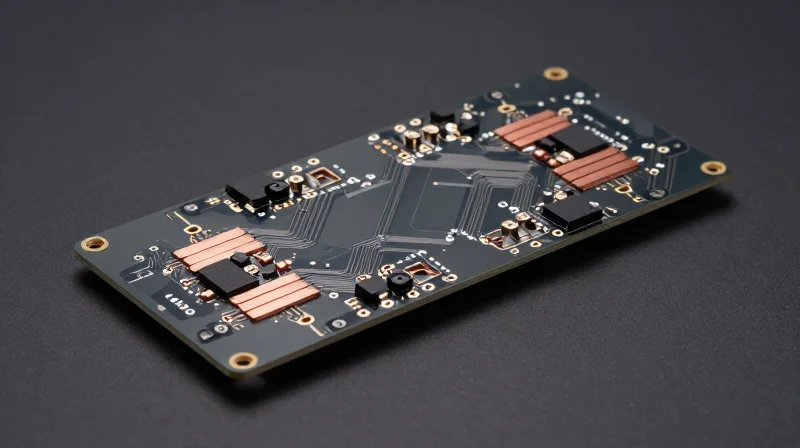
High-power laser systems generate intense, localized heat that standard FR-4 substrates cannot dissipate without risking board delamination or signal degradation. Selecting a manufacturer experienced with high thermal conductivity materials is critical. Metal-Core Printed Circuit Boards (MCPCBs) or specialized ceramic-filled laminates offer significantly higher thermal conductivity compared to standard glass-epoxy resins, allowing for efficient heat transfer away from sensitive diode laser components.
| Material Type | Thermal Conductivity (W/m·K) | Application Focus |
|---|---|---|
| Standard FR-4 | 0.25 | Low-power control circuitry |
| High-Tg Laminate | 0.3 - 0.5 | General power electronics |
| MCPCB (Aluminum core) | 1.0 - 3.0 | High-power laser diode arrays |
| Ceramic (AlN/Al2O3) | 20 - 180+ | Extreme thermal load/Precision optics |
Engineering Heat Dissipation Strategies
Beyond substrate selection, the physical architecture of the PCB must facilitate optimal thermal conductivity. A reputable manufacturer for medical laser systems will demonstrate expertise in thermal via arrays—plated holes filled with thermally conductive epoxy or copper—that create a low-resistance path for heat to reach the chassis or external heatsink. The placement of these vias, alongside copper weight optimization (typically 2oz to 4oz), determines the system's ability to maintain a consistent output wavelength and prevent diode burnout.
Frequently Asked Questions Regarding Thermal Design
- How do copper weight requirements impact thermal management?
Increased copper thickness reduces electrical resistance and spreads heat more efficiently across the PCB surface, which is vital for preventing hotspots during high-current operation. - When is an MCPCB mandatory over standard laminates?
MCPCBs are typically required when power density exceeds 1W/cm², or where the thermal resistance of standard glass-epoxy materials causes the junction temperature of laser diodes to exceed safe operating limits. - How does thermal via density affect manufacturing quality?
High-density via arrays require precise drilling and plating to avoid internal voiding; manufacturers must verify this through cross-section analysis and thermal shock testing.
Signal Integrity and Precision Control

Maintaining Signal Integrity in High-Energy Environments
High-power aesthetic lasers generate significant electromagnetic interference (EMI) that can corrupt sensitive control signals. A qualified medical-grade PCB manufacturer must employ advanced design techniques, such as controlled impedance routing, differential signaling, and strategic layer stack-up, to minimize crosstalk and noise floor elevation. Ensuring these signals remain pristine is the only way to prevent erratic pulses that could lead to unintended thermal damage to a patient's skin.
Precision Control: Synchronizing High-Power Delivery
The efficacy of laser dermatological procedures relies on the exact timing of energy delivery. Fluctuations in pulse width or repetition rates can drastically alter the clinical outcome. Manufacturers should utilize low-jitter clock distribution and strictly enforced timing constraints during the PCB layout process to ensure the control logic remains deterministic.
| Feature | Standard Consumer PCB | Medical-Grade Aesthetic PCB |
|---|---|---|
| Signal Noise Floor | Acceptable for logic | Ultra-low for safety |
| Impedance Tolerance | Typically +/- 10% | Strict +/- 5% or less |
| Timing Jitter | Standard clock rates | Microsecond-level precision |
| EMI Shielding | Basic ground planes | Advanced multi-layer shielding |
Frequently Asked Questions
- How does PCB layout influence laser energy consistency?
Improper trace routing can cause signal reflections and inductance, leading to pulse shape distortion. A layout focused on signal integrity ensures that the energy command is identical to the energy delivered. - Why is differential signaling critical for laser control boards?
Differential signaling provides superior noise immunity by rejecting common-mode noise, which is abundant in high-current laser drive circuits. - What testing should I look for regarding signal integrity?
Require your manufacturer to perform Time Domain Reflectometry (TDR) testing to verify impedance targets and eye-diagram analysis for critical high-speed data buses.
Material Reliability and Long-Term Durability
Material Selection and Thermal Fatigue
High-power aesthetic lasers generate intense heat during operation, which can lead to thermal cycling—the constant expansion and contraction of PCB materials. Failure to specify high-Tg (glass transition temperature) laminates can result in micro-cracks in plating and delamination. Medical-grade manufacturers must utilize materials that offer superior dimensional stability to ensure that trace integrity and dielectric constant remain uniform throughout the device's service life.
Laminate and Copper Weight Comparison
| Material Property | Standard FR-4 | Medical-Grade High-Tg | Impact on Reliability |
|---|---|---|---|
| Tg (Glass Transition) | 130-140°C | 170-180°C+ | Prevents warping under heat |
| Copper Weight | 0.5 oz (Standard) | 2-4 oz (High Power) | Reduces resistive heating |
| CTE (Expansion) | High | Low/Controlled | Prevents barrel cracking |
Plating and Interconnect Durability
The long-term reliability of a high-power laser system is often dictated by the quality of the plating within the plated through-holes (PTH). Insufficient copper thickness in the barrels leads to intermittent electrical connections after thousands of thermal cycles. Professional manufacturers use electroless copper plating followed by electrolytic copper processes that strictly control the plating aspect ratio, ensuring robust interconnects that withstand rigorous clinical duty cycles.
Frequently Asked Questions
- Why is high Tg material critical for laser systems?
Materials with a high Glass Transition temperature maintain their mechanical rigidity at higher operating temperatures, preventing the PCB from softening and damaging copper traces during peak power output. - How does surface finish affect long-term durability?
ENIG (Electroless Nickel Immersion Gold) provides superior oxidation resistance and mechanical reliability compared to HASL, which is crucial for medical devices exposed to cleaning chemicals and variable clinic temperatures. - What role does copper weight play in heat management?
Thicker copper (e.g., 2 oz or higher) lowers the electrical resistance of the traces, reducing the amount of heat generated by the PCB itself, thereby alleviating thermal strain on the entire laser module.
Supply Chain Transparency and Traceability
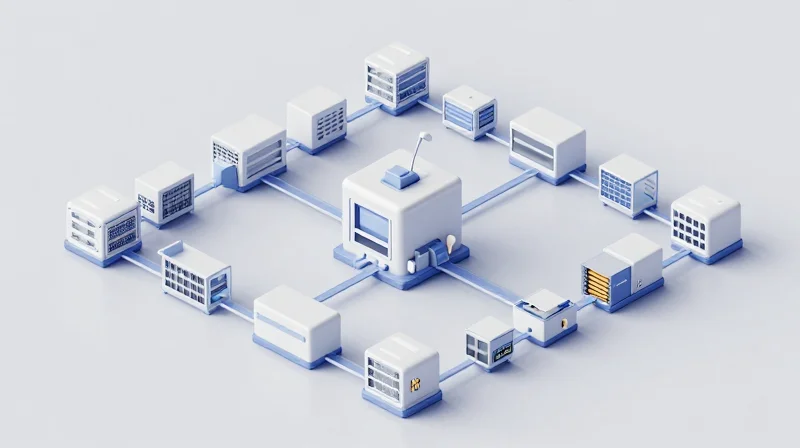
In the context of medical aesthetic devices, the supply chain is as much a part of the quality system as the manufacturing process itself. For high-power laser systems, the integrity of every component—from base laminates to specialized MOSFETs—directly impacts patient safety and device longevity. Manufacturers must implement a closed-loop sourcing strategy that verifies origin and maintains full lot-level traceability to mitigate risks associated with counterfeit components and inconsistent material quality.
Mitigating Risks Through Component Verification
Counterfeit electronic components pose a significant threat to high-power systems, where a single substandard capacitor or failing controller chip can lead to catastrophic energy surges or equipment failure. A qualified medical-grade PCB partner must demonstrate strict anti-counterfeiting measures, including sourcing exclusively from authorized distributors and performing physical component inspection (such as X-ray or high-magnification microscopy) for high-risk parts.
| Risk Factor | Mitigation Strategy | Impact on Laser System |
|---|---|---|
| Counterfeit Semiconductors | Authorized vendor list audits | Prevents erratic energy output |
| Inconsistent Substrate Batch | Lot number tracking | Maintains thermal performance stability |
| Unauthorized Substitutions | Strict Change Control (PCN) | Ensures regulatory file compliance |
Essential Traceability Protocols
Regulatory bodies like the FDA require medical device manufacturers to maintain a Design History File (DHF) and Device History Record (DHR). Your PCB manufacturer must provide digital documentation that links every bare board to its specific production lot, including the chemical analysis of copper plating, substrate batch codes, and solder mask inspection logs. This level of granular visibility ensures that if a failure occurs in the field, you can immediately identify the scope of the affected population.
- What constitutes full lot-level traceability?
It is the ability to track a finished board back to the raw material manufacturer, production date, machine identification, and the specific operator who performed each critical process step. - Why is a Product Change Notification (PCN) mandatory?
Medical laser manufacturers must prevent silent changes to board materials or components, as even minor adjustments to dielectric properties or component specs could alter FDA/CE clearance parameters. - How do you verify supplier transparency?
Conduct on-site audits focusing on their ERP system’s ability to generate 'Certificate of Conformance' documents that aggregate data from all sub-tier suppliers.
Scalability and Engineering Support

The Transition from DFM Prototype to Full-Scale Production
The most significant risk in high-power aesthetic laser manufacturing occurs during the bridge between a successful prototype and initial production runs. An ideal partner should integrate DFM (Design for Manufacturing) insights during the earliest engineering phases, ensuring that choices regarding thermal management, component placement, and board stack-up are optimized for automated assembly lines rather than just laboratory verification.
Scalability Assessment Criteria
| Capacity Indicator | Low-Volume Prototype | Full-Scale Production |
|---|---|---|
| Tooling Strategy | Soft tools or manual processes | Automated high-speed precision tooling |
| Component Sourcing | Spot buy/Distributor focus | Direct manufacturer relationships |
| Testing Protocol | Functional bench testing | In-circuit (ICT) and Flying Probe automation |
Engineering Support and Collaborative Design
True engineering support extends beyond passive fabrication; it involves proactive feedback on signal integrity, thermal dissipation for high-power diodes, and regulatory compliance. Look for manufacturers that provide dedicated liaison engineers who can help interpret medical standards (such as IEC 60601-1) and translate those requirements into actionable PCB design constraints.
Frequently Asked Questions on Scaling
- How does early DFM collaboration reduce production costs?
Early engagement identifies potential assembly defects and board layout inefficiencies that would otherwise cause high rejection rates during high-volume production. - What indicates a manufacturer can handle high-power thermal requirements at scale?
Evidence of specialized copper-weight management, consistent thermal-via drilling tolerances, and reliable heavy-copper cladding processes are key indicators. - Does production scaling impact traceability requirements?
Traceability must scale linearly; a manufacturer must possess an ERP system capable of logging lot numbers for every individual component across batches of thousands, rather than just small prototype lots.
Audit Readiness and Collaborative Partnerships
Building Audit-Ready Partnerships
In the medical aesthetic market, a PCB manufacturer must function as an extension of your quality assurance team. When regulatory bodies such as the FDA or notified bodies perform audits, your manufacturer’s ability to provide immediate, accurate documentation is critical. An ideal partner maintains ISO 13485 certification and establishes a transparent 'quality portal' where all process validation reports, material certificates of conformance (CoCs), and inspection logs are digitized and accessible for internal and external reviews.
Collaboration vs. Transactional Procurement
Moving beyond mere procurement, successful high-power laser system manufacturers seek deep engineering collaboration. This involves early involvement in design reviews to identify potential thermal management failures before production, reducing the risk of costly rework. The following table highlights the differences between a transactional supplier and a collaborative partner.
| Attribute | Transactional Supplier | Collaborative Partner |
|---|---|---|
| Audit Support | Reactive, request-based data | Proactive, automated compliance reporting |
| Engineering Input | Standard DFM check | System-level thermal and reliability analysis |
| Change Control | Notifies after implementation | Consults on impact to regulatory filings |
| Risk Mitigation | Isolated to component defects | Full lifecycle impact and supply chain resilience |
Common Questions on Manufacturer Alignment
- How does a manufacturer's change control process protect my regulatory filing?
A high-quality partner will manage an Engineering Change Notice (ECN) system that evaluates how PCB modifications affect your existing medical device file, ensuring that no changes trigger an unauthorized modification to your cleared device. - Why is long-term stability in the partnership vital?
High-power laser systems often have 10-year lifecycles; your manufacturer must be financially stable and committed to obsolescence management to prevent expensive board re-designs. - What documentation should I expect for every production lot?
At a minimum, expect a Certificate of Conformance, microsection reports, ionic cleanliness test results, and full traceability logs linking every board to its specific batch of materials.
Selecting the right PCB manufacturer is the foundation of a safe and successful medical aesthetic product. By prioritizing compliance, thermal expertise, and supply chain rigor, you ensure your device stands the test of time. Ready to optimize your hardware roadmap? Contact our engineering team today for a comprehensive consultation on your next high-power laser project.
