In the intricate world of electronics, the unassuming resistor plays a pivotal role. Just as a carefully chosen word can shape a story, the right resistor, like a KOA resistor, ensures smooth circuit functionality. This guide delves into the nuances of KOA resistors, exploring their various types, applications, and why they’re a critical component for both hobbyists and professionals alike, from simple circuits to intricate systems.
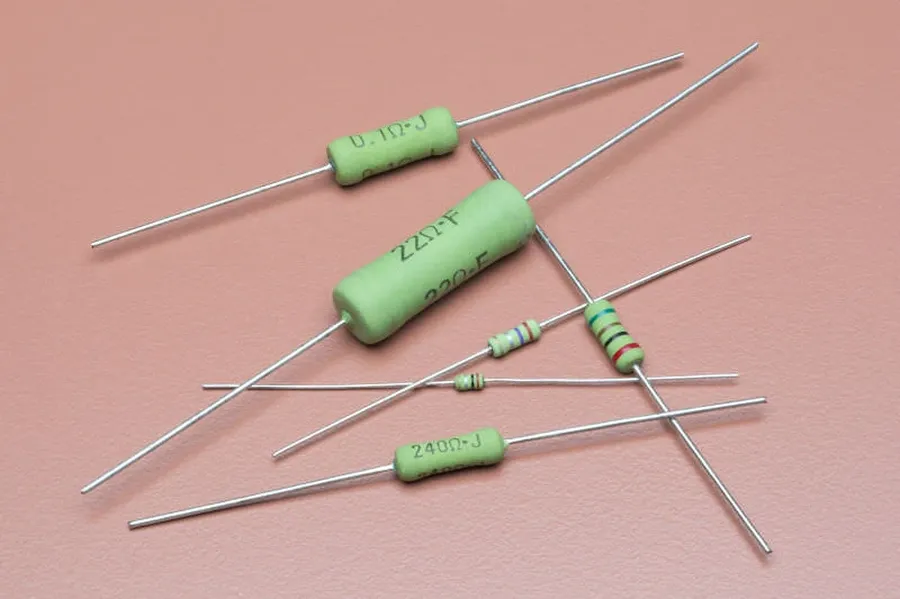
KOA Speer Electronics, a globally recognized manufacturer, has established a strong reputation for producing high-quality resistors catering to a diverse range of electronic applications. Their commitment to precision and reliability has made them a preferred choice for engineers and manufacturers across various industries. KOA's resistor portfolio encompasses a broad spectrum of types, including surface mount (SMD) and leaded configurations, each designed to meet specific performance and application requirements.
KOA's product range includes precision thick film, surge current thick film, wide terminal thick film, and thin film resistors for surface mount applications. Leaded resistor options comprise carbon film, metal film, metal oxide, and metal plated resistors. This variety allows for design flexibility, enabling engineers to select the most appropriate component for any given application. Each type offers distinct characteristics that cater to specific electrical and environmental conditions.
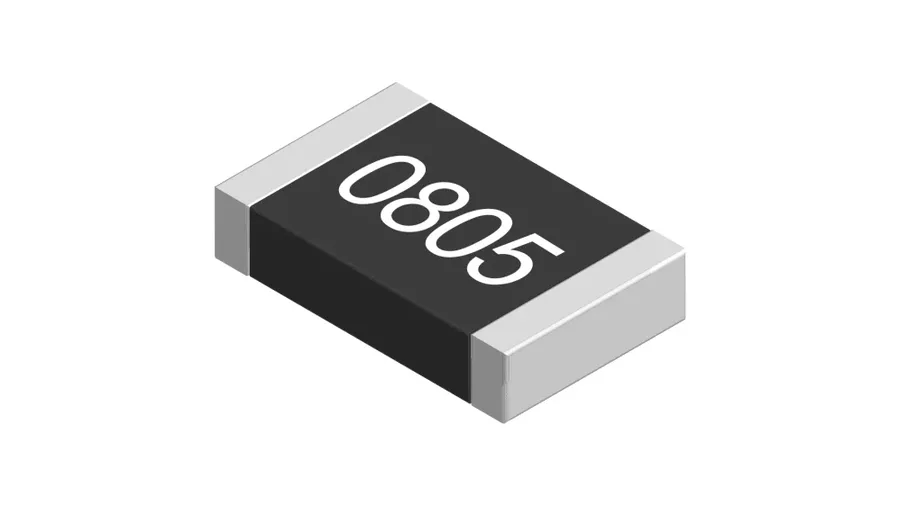
KOA Speer Electronics offers a comprehensive range of Surface Mount (SMD) resistors, catering to diverse application requirements with their precision, reliability, and compact size. These resistors are integral to modern electronic devices, offering solutions for everything from high-precision circuits to robust power management.
KOA's SMD resistor portfolio includes several key types:
The advantages of using KOA SMD resistors include:
Typical applications for KOA SMD resistors include:
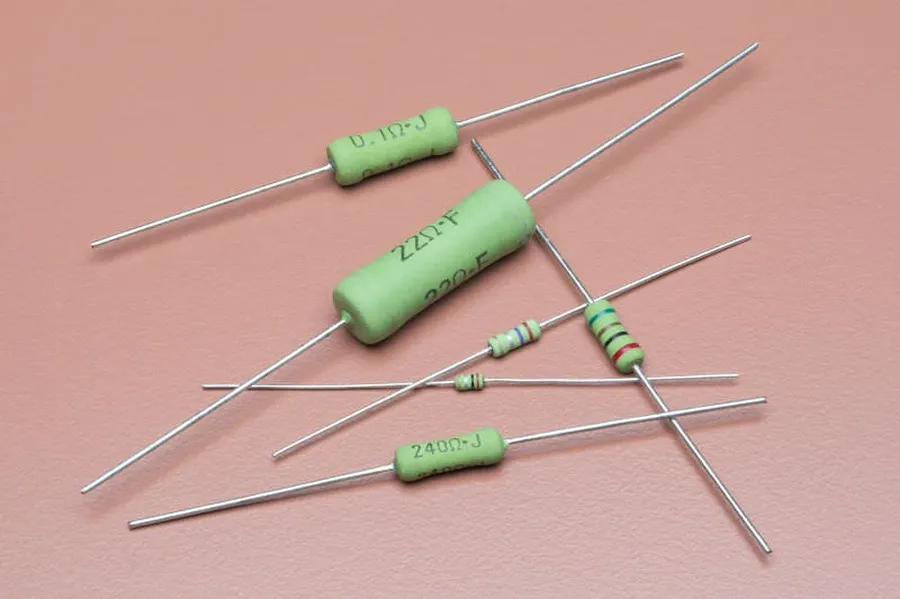
KOA Speer Electronics provides a variety of leaded resistors designed for through-hole mounting, catering to diverse applications with their specific characteristics. These resistors include carbon film, metal film, metal oxide, and metal plated types, each with unique properties and suitable use cases in circuit designs.
| Resistor Type | Material | Key Characteristics | Typical Applications |
|---|---|---|---|
| Carbon Film | Carbon Composition | Cost-effective, general-purpose, moderate tolerance, and stability. | Basic circuits, lower precision applications, cost-sensitive designs. |
| Metal Film | Thin Metal Film | High precision, low temperature coefficient, low noise, and high stability. | Precision circuits, instrumentation, audio equipment, medical devices. |
| Metal Oxide | Metal Oxide Film | High temperature stability, high surge capability, and non-flammable. | High-voltage circuits, power supplies, industrial control, safety critical applications. |
| Metal Plated | Metal Plating over Ceramic | Low inductance, high-frequency performance, and superior reliability. | High-frequency applications, RF circuits, telecommunications. |
Leaded resistors, particularly through-hole components, remain vital for prototyping, hobbyist projects, and applications where surface mount technology is not ideal or possible. Their construction and lead configuration make them ideal for breadboarding and environments requiring robust mechanical connections.
Understanding KOA resistor specifications is crucial for selecting the correct component for any electronic circuit. These specifications detail the electrical characteristics and performance limits of the resistor, enabling engineers to ensure reliable and precise circuit function. Key parameters include resistance value, tolerance, power rating, and temperature coefficient, all of which are critical for designing robust and effective electronic systems. This section will guide you through how to interpret these parameters from markings and datasheets.
| Parameter | Description | Importance |
|---|---|---|
| Resistance Value | The opposition to current flow, measured in ohms (Ω). | Determines the circuit's behavior and is critical for voltage division, current limiting, and other functions. Example: 100Ω, 1kΩ, 10kΩ |
| Tolerance | The permissible deviation from the nominal resistance value, expressed as a percentage (%). | Affects the precision of the circuit. Lower tolerance resistors provide more accurate performance in precision applications. Common tolerances are ±1%, ±5%, ±10%. |
| Power Rating | The maximum power a resistor can dissipate without damage, measured in watts (W). | Critical to avoid overheating and resistor failure. Exceeding the power rating can lead to component damage. Common power ratings: 1/16W, 1/8W, 1/4W, 1/2W, 1W, 2W. |
| Temperature Coefficient (TCR) | The change in resistance per degree Celsius (°C), typically expressed in parts per million per degree Celsius (ppm/°C). | Indicates how much the resistance changes with temperature. Lower TCR resistors maintain more stable performance with temperature changes. Crucial in high-temperature or precise measurement applications. Example: ±100 ppm/°C. |
| Markings | Color codes (for leaded resistors) and alphanumeric codes (for SMD resistors) indicating the resistance value and tolerance. | Facilitates easy identification and selection of components for assembly. Interpretation of these markings is essential for proper usage. SMD resistor markings typically include a 3 or 4 digit code. |
| Datasheets | Detailed documentation that provides all specifications, performance graphs, and physical characteristics of the resistor. | The most comprehensive source for accurate and reliable specifications. Vital for design and verification phases to validate if the selected part is appropriate. Includes information on package sizes, operating temperature ranges, and specific test data. Available from the manufacturer. |
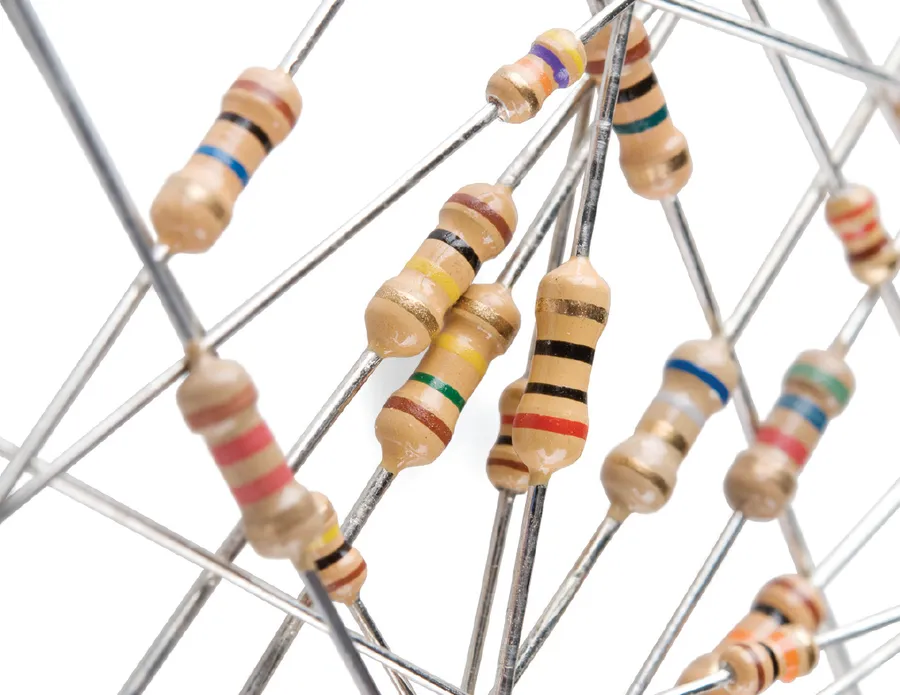
KOA resistors are typically marked with either color bands (for leaded resistors) or numerical/alphanumeric codes (for surface mount devices). Leaded resistors utilize the standard color code system, where each color corresponds to a numerical value. SMD resistors typically use a three or four-digit marking system or an EIA-96 marking system, this is more complex and requires consulting the datasheet. KOA datasheets are the definitive resource for detailed specifications and markings for all KOA resistor types, as these marking systems can vary across manufacturers, and a part number may be needed to be certain.
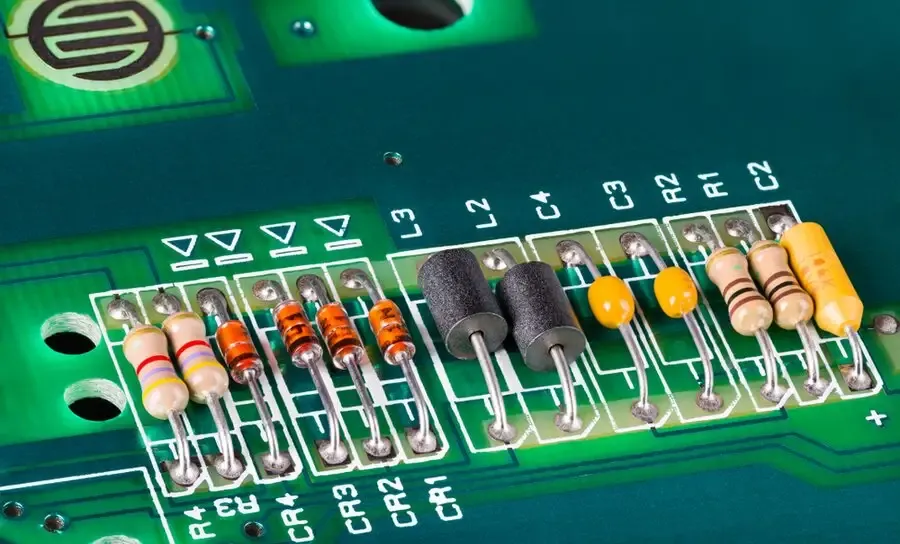
Selecting the appropriate KOA resistor for a project is crucial for optimal circuit performance and reliability. This process requires careful consideration of several key factors, including power requirements, precision needs, and the operating environment. Understanding the distinctions between different resistor types, such as metal film and carbon film, is essential for making informed decisions.
The following sections will give you the necessary information for selecting the proper KOA resistor for your project.
| Factor | Considerations | Implications |
|---|---|---|
| Power Rating | Determine the expected power dissipation in watts. | Using a resistor below its power rating can lead to overheating and failure. Select a resistor with a higher power rating than calculated for safety. |
| Resistance Value | Confirm the desired resistance in ohms. Check required tolerance with consideration of circuit needs. | Selecting an incorrect resistance can cause circuit malfunction or improper performance. |
| Tolerance | Specify the permissible deviation from the nominal resistance value, typically expressed as a percentage. | Tighter tolerances result in higher precision and are essential for sensitive circuits or high accuracy measurements. |
| Temperature Coefficient | Consider the change in resistance with varying temperature, typically expressed in parts per million per degree Celsius (ppm/°C). | Low temperature coefficients lead to higher resistance stability across temperature fluctuations. This is critical for applications where there are large temperature variations. |
| Environmental Conditions | Assess factors like ambient temperature, humidity, and potential exposure to corrosive substances. | Select resistors that can withstand the operating conditions without degrading in performance or prematurely failing. Anti-sulfur resistors may be necessary in harsh conditions. |
| Resistor Type | Choose between metal film, carbon film, wirewound, or other KOA resistor types based on the requirements of the circuit. | Metal film resistors are suited for precision applications while carbon film resistors can handle higher temperatures but have lower precision. Consider SMD or leaded components. |
| Size and Mounting | Verify the physical dimensions are appropriate for the design. Confirm SMD or leaded components as required. | The physical size, package, and mounting type have to be compatible with the PCB. |
Metal film resistors generally offer better precision, lower temperature coefficients, and lower noise than carbon film resistors, making them suitable for precision circuits, audio equipment, and measurement applications. However, carbon film resistors are typically more robust and can handle higher surge currents, and generally less costly making them a common choice for general-purpose applications. Choosing the correct resistor type is crucial for ensuring reliable and predictable performance in a circuit. Considering the environmental conditions and application needs, KOA offers a variety of resistor types with different specifications.
KOA resistors, known for their reliability and precision, find applications across a diverse range of industries. Their ability to meet specific performance requirements makes them indispensable components in numerous electronic devices and systems. This section will delve into some key sectors where KOA resistors are prominently used, highlighting the specific requirements and how KOA resistors fulfill those needs.
This section addresses common inquiries regarding KOA resistors, providing clear and concise answers to help users understand their characteristics, applications, and proper usage.
Selecting the optimal resistor for a specific application often involves comparing offerings from various manufacturers. This section provides a comparative analysis of KOA resistors against those from a key competitor, Panasonic, focusing on critical factors such as cost, availability, and performance characteristics.
| Feature | KOA Resistors | Panasonic Resistors |
|---|---|---|
| Cost | Generally competitive, varies by series and quantity. | Often competitive, but can have premium series with higher prices. |
| Availability | Wide distribution network, generally good availability, can vary by region and specific series. | Broad global availability, may have stronger presence in some markets and can have lead time variations. |
| Performance (General) | Wide range of performance, from standard general-purpose to high precision. | Strong emphasis on reliability and quality, with good performance across most ranges. |
| SMD Offerings | Extensive range of SMD resistors including thick film, thin film, and specialized types like anti-sulfur resistors. | Wide variety of SMD options including standard and specialized resistors, offering a broad selection. |
| Leaded Offerings | Comprehensive selection of leaded resistors such as carbon film, metal film, metal oxide and metal plated. | Offers variety of leaded resistors, but portfolio may vary in terms of series and specialization compared to KOA. |
| Specialized Resistors | Strong in anti-sulfur, high-power, and high-precision resistor options. | Focus on reliability, quality, and specific application needs like automotive and industrial usage. |
| Technology Focus | Strong focus on resistor technology development and innovation. | Known for high quality and reliable manufacturing processes. |
| Typical Application | Consumer electronics, industrial equipment, automotive, and telecommunications. | Diverse applications including consumer electronics, industrial automation, automotive, and medical equipment. |
From the intricate circuits of our everyday devices to specialized applications in aerospace and automotive engineering, the unassuming resistor, and particularly KOA resistors, are indispensable. This guide has traversed the diverse landscape of KOA resistors, from surface mount components to leaded types, emphasizing their importance, specifications, and selection criteria. As technology continues to advance, the reliability and precision offered by KOA resistors will remain a cornerstone of electronic design and innovation, powering a world of possibilities.

