In today's increasingly interconnected world, License Plate Recognition (LPR) cameras have become indispensable tools for smart cities, traffic management, and security applications. At the heart of these sophisticated systems lies a printed circuit board (PCB), the unsung hero responsible for seamlessly integrating the camera's various components. Zero One Solution Limited, with its decade-long expertise in rapid PCB prototyping and manufacturing, stands at the forefront of providing cutting-edge PCB solutions tailored specifically for LPR camera technology. But what exactly makes a PCB solution ideal for LPR cameras? This article delves into the intricacies of LPR camera PCB design, exploring key considerations and highlighting how Zero One Solution empowers innovation in this rapidly evolving field.
Understanding the Critical Role of PCBs in LPR Cameras
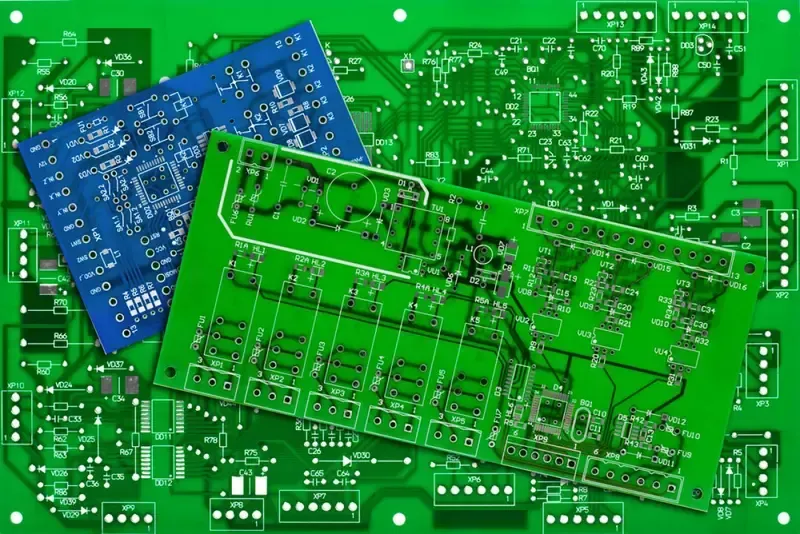
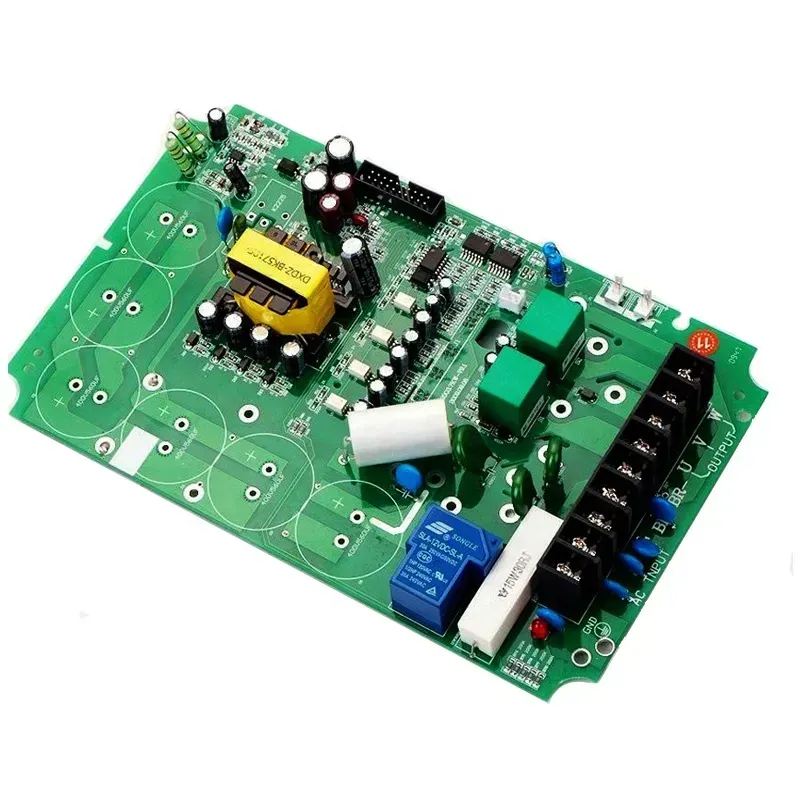
Printed Circuit Boards (PCBs) are the foundational backbone of any License Plate Recognition (LPR) camera, serving as the central nervous system that orchestrates the seamless operation of all integrated components. Far from being mere circuit carriers, LPR camera PCBs are complex, meticulously engineered platforms that dictate the camera's reliability, performance, and longevity in demanding environments. Their critical role stems from enabling precise signal transmission, efficient power distribution, and the robust interconnection necessary for high-speed image processing, optical modules, and communication interfaces, ultimately ensuring accurate and consistent license plate identification.
Why are PCBs so essential for LPR cameras? PCBs are essential because they provide the electrical and mechanical foundation for all components within an LPR camera. They facilitate the intricate routing of electrical signals, distribute power efficiently to various modules, and offer mechanical support to ensure the camera's robust operation and longevity in diverse environmental conditions. Without a well-designed PCB, the advanced functionalities of an LPR camera, such as high-resolution image capture, real-time data processing, and communication capabilities, would be impossible to achieve reliably.
Component
PCB Function
Image Sensor
High-speed data transfer and noise reduction routing
Processor (CPU/GPU)
Stable power delivery and thermal dissipation
Memory Modules
Signal integrity for data access and storage
Communication Interfaces (Ethernet/Wireless)
Controlled impedance routing for reliable data transmission
Power Management Unit
Efficient power regulation and distribution
The sophisticated nature of LPR camera operations necessitates PCBs that can handle high data rates, manage significant power loads, and maintain signal integrity amidst potential electromagnetic interference (EMI). For instance, the image sensor's raw data, often gigabits per second, must be transmitted flawlessly to the processing unit, requiring meticulously designed traces and impedance control on the PCB. Similarly, the embedded processor, which performs complex algorithms for character recognition, demands a stable and clean power supply delivered efficiently by the PCB's power distribution network (PDN). According to a report by Global Market Insights, the global LPR market is projected to exceed USD 1.5 billion by 2032, underscoring the increasing demand for robust and high-performance LPR systems, which are inherently dependent on advanced PCB technology. Therefore, the PCB is not merely a component but the linchpin that guarantees the accuracy, speed, and resilience vital for effective license plate recognition.
Key Design Considerations for LPR Camera PCBs
Designing Printed Circuit Boards (PCBs) for License Plate Recognition (LPR) cameras demands meticulous attention to specific technical considerations that directly impact the system's accuracy, reliability, and longevity. Unlike general-purpose PCBs, LPR camera PCBs must withstand harsh environmental conditions, manage complex signal processing, and ensure precise power delivery to achieve optimal imaging and data processing capabilities, making the initial design phase paramount for successful deployment and long-term performance.
Design Consideration
Description
Impact on LPR Camera Performance
Thermal Management
Dissipating heat generated by high-performance processors and imaging sensors.
Prevents overheating, ensuring stable operation and extending component lifespan. Crucial for outdoor or high-temperature environments, preventing image noise and processing errors due to thermal stress. Ensuring the PCB can operate reliably within a temperature range of -40
G0C to +85
G0C as often required for outdoor LPR systems.
Signal Integrity (SI)
Maintaining the quality of electrical signals across the PCB traces.
Minimizes data loss, reduces electromagnetic interference (EMI), and ensures accurate data transmission for image capture and analysis. Critical for high-speed data interfaces like MIPI CSI and PCIe, which are common in advanced LPR cameras to handle high-resolution image data at rapid frame rates.
Power Integrity (PI)
Ensuring stable and clean power delivery to all components.
Prevents voltage drops, current fluctuations, and power noise, which can lead to component malfunction or inaccurate readings. Stable power supply is vital for consistent illumination and sensor operation. Power consumption can range from 10W to 50W depending on the processing power and illumination, demanding robust power delivery networks.
Environmental Factors
Designing for resistance to moisture, dust, vibrations, and extreme temperatures.
Enhances durability and reliability in diverse operating conditions (e.g., roadside, parking lots). Specialized coatings and robust mechanical designs are essential. PCBs must adhere to IP66/IP67 ratings for water and dust resistance, and withstand vibration profiles as per automotive standards.
Component Selection
Choosing industrial-grade components with wide operating temperature ranges and high reliability.
Ensures consistent performance under varying conditions and extends the camera's operational life. Components should be rated for automotive or industrial applications, with mean time between failures (MTBF) exceeding 50,000 hours.
Electromagnetic Compatibility (EMC)
Minimizing electromagnetic interference generated by the PCB and ensuring immunity to external EMI.
Prevents interference with other electronic systems and ensures the LPR camera operates without disruption, crucial for regulatory compliance (e.g., FCC, CE). Proper grounding, shielding, and filtering techniques are essential to meet CISPR 25 Class 5 requirements for automotive applications.
Material Selection: Choosing the Right Substrate for Optimal Performance in LPR Camera PCBs
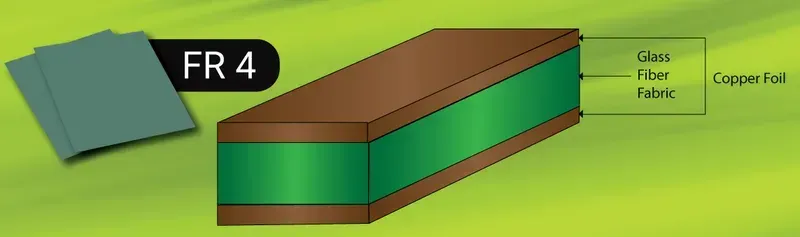
FR-4 PCB material
The choice of substrate material is paramount for the optimal performance and longevity of License Plate Recognition (LPR) camera PCBs. As the foundation of the circuit board, the substrate dictates critical electrical, thermal, and mechanical characteristics, directly impacting signal integrity, power efficiency, and environmental resilience, which are essential for the rigorous demands of LPR applications. Selecting the appropriate material ensures stable operation under varying conditions, from extreme temperatures to high humidity, preventing signal degradation and component failure. This foundational decision is pivotal in achieving the precise data capture and processing capabilities required for reliable LPR systems.
FR-4: The Versatile Standard FR-4, a glass-reinforced epoxy laminate, remains the industry standard due to its excellent balance of electrical properties, mechanical strength, and cost-effectiveness. It is suitable for most LPR applications that operate in moderate environments and do not require extremely high-frequency performance. Its widespread availability and established manufacturing processes make it a reliable choice for mass production, offering good dielectric constant stability and low dissipation factor for typical digital and mixed-signal circuits found in LPR cameras. However, for applications demanding superior thermal management or higher frequency signal integrity, alternatives may be necessary to mitigate potential signal loss and heat build-up.
High-Frequency Materials: Rogers and Beyond For LPR cameras integrating advanced communication modules (e.g., 5G, Wi-Fi 6) or high-speed data processing units, specialized high-frequency laminates like Rogers materials are indispensable. These materials offer superior dielectric constant stability across a wide frequency range and lower dissipation factors compared to FR-4, minimizing signal loss and ensuring precise transmission of high-speed signals. Their enhanced thermal conductivity also aids in managing heat generated by complex ICs, contributing to the overall reliability and performance stability of the LPR system in demanding RF environments. While more expensive, their performance benefits are crucial for cutting-edge LPR solutions that require exceptional accuracy and real-time data processing.
Specialty Laminates for Harsh Environments LPR cameras often operate in diverse and challenging outdoor environments, exposed to extreme temperatures, moisture, and even corrosive agents. In such scenarios, specialty laminates with enhanced thermal resistance, moisture absorption, and chemical inertness become critical. Polyimide-based laminates, for instance, offer excellent thermal stability and chemical resistance, making them ideal for applications exposed to high temperatures or harsh chemicals. Low-loss laminates can also be crucial in reducing signal attenuation over long traces, preserving signal integrity even in conditions that would degrade standard materials. The selection here directly contributes to the camera's long-term operational integrity and reduced maintenance needs.
Zero One Solution Limited leverages its extensive experience in material science and PCB manufacturing to advise clients on the optimal substrate selection for their specific LPR camera requirements. Our deep understanding of material properties, coupled with advanced simulation and testing capabilities, ensures that the chosen substrate perfectly aligns with the operational demands, performance targets, and cost considerations of each unique LPR solution. We prioritize material choices that enhance reliability, performance, and manufacturability, providing a robust foundation for cutting-edge LPR technology.
PCB Manufacturing Techniques for High-Reliability LPR Systems
Impedance Control PCB
The manufacturing process of Printed Circuit Boards (PCBs) for License Plate Recognition (LPR) cameras is critical in determining their long-term reliability and performance in demanding environments. Achieving high reliability necessitates meticulous attention to advanced manufacturing techniques that go beyond standard practices, ensuring the PCB can withstand harsh operational conditions while maintaining optimal signal integrity and power delivery.
Impedance Control Precise impedance control is paramount for high-speed data transmission in LPR systems. This involves carefully designing trace widths, dielectric constants, and layer stack-ups to maintain a consistent characteristic impedance, typically 50 ohms or 75 ohms, crucial for preventing signal reflections and ensuring data integrity for image processing and communication interfaces. Advanced manufacturing utilizes specialized etching processes and strict process control to achieve tight impedance tolerances, often within ±5%.
Blind and Buried Vias To maximize routing density and minimize signal path lengths in compact LPR camera designs, blind and buried vias are indispensable. Blind vias connect an outer layer to an inner layer, while buried vias connect two inner layers. These techniques reduce electromagnetic interference (EMI), improve signal integrity by shortening traces, and free up surface area for component placement, contributing significantly to a more compact and reliable PCB. Their precise drilling and plating require advanced laser drilling and metallization processes.
Surface Finish Options The choice of surface finish directly impacts the solderability, reliability, and shelf life of the LPR camera PCB. Common options include Electroless Nickel Immersion Gold (ENIG), Immersion Silver (ImAg), and Organic Solderability Preservative (OSP). ENIG offers excellent solderability, flat surface, and good shelf life, making it ideal for fine-pitch components and demanding applications. ImAg provides a cost-effective, highly solderable surface, while OSP is environmentally friendly and good for fine-pitch components but has a shorter shelf life. The selection depends on assembly processes, environmental exposure, and required reliability, ensuring robust connections for critical components in LPR cameras.
The Zero One Solution Advantage: Tailored PCB Solutions for LPR Applications
Shenzhen PCB Prototype
At Zero One Solution Limited, we understand that License Plate Recognition (LPR) cameras demand more than just standard Printed Circuit Boards; they require precision-engineered, highly reliable, and optimized PCB solutions that can withstand harsh environments and deliver unwavering performance. Our deep expertise in rapid prototyping, design optimization, and advanced manufacturing positions us as the ideal partner for developing the critical PCB backbone of your LPR systems.
Rapid Prototyping and Accelerated Development Zero One Solution Limited excels in rapid-response R&D prototype manufacturing, a critical advantage for LPR camera developers. Our agile processes significantly reduce iteration cycles, allowing for quick testing and refinement of PCB designs, thereby accelerating your product's time-to-market. This efficiency is paramount in the fast-evolving LPR technology landscape.
Design Optimization for Performance and Reliability Leveraging two decades of Silicon Valley engineering acumen, our team meticulously optimizes LPR camera PCB designs. This includes comprehensive analyses of signal integrity, power distribution networks, and thermal management, ensuring your LPR system operates stably and reliably under all conditions. Our focus is on enhancing performance, durability, and cost-effectiveness.
Strategic Global Manufacturing and Supply Chain Headquartered in Shenzhen, China's electronic manufacturing hub, with a strategic branch office in Dubai, Zero One Solution Limited provides seamless access to a global PCBA supply chain network. This dual-location advantage ensures robust resource availability, efficient logistics, and comprehensive support, regardless of your operational base. Our capabilities encompass advanced manufacturing techniques vital for high-reliability LPR systems.
Customization and Scalability We don't offer one-size-fits-all solutions. Instead, we provide tailored PCB manufacturing and assembly services specifically designed for the unique requirements of LPR applications, from compact embedded systems to complex, high-resolution camera arrays. Our processes are scalable, supporting both low-volume prototype runs and high-volume production, ensuring consistency and quality at every stage.
Comprehensive One-Stop Service From initial PCB design consultation to manufacturing and assembly, Zero One Solution Limited offers a true one-stop solution. This integrated approach streamlines your project, minimizes coordination overhead, and guarantees consistent quality control throughout the entire production lifecycle, empowering you to focus on the core innovation of your LPR camera technology.
Ensuring Signal Integrity and Power Delivery in LPR Camera PCBs
In the demanding environment of License Plate Recognition (LPR) cameras, where continuous, high-fidelity data processing is paramount, the integrity of signals and the stability of power delivery on the Printed Circuit Board (PCB) are not merely design considerations but foundational requirements for reliable operation. Achieving robust signal integrity (SI) prevents data corruption and ensures accurate image capture, while a well-designed Power Distribution Network (PDN) guarantees consistent voltage levels, preventing performance degradation and component damage, ultimately impacting the LPR system's accuracy and longevity.
Signal Integrity Techniques for LPR Camera PCBs Effective signal integrity in LPR camera PCBs is crucial to prevent issues like crosstalk, reflections, and electromagnetic interference (EMI). Key techniques include controlled impedance routing, ensuring traces maintain a consistent impedance to match the source and load; careful trace length matching for high-speed differential pairs to minimize skew; and employing proper termination strategies (e.g., series or parallel termination) to absorb reflections. Additionally, strategic placement of bypass and decoupling capacitors near ICs helps filter high-frequency noise and stabilize power rails, contributing significantly to cleaner signal transmission.
Optimizing Power Delivery Networks (PDN) for Stable LPR Operation A robust Power Delivery Network (PDN) is essential for LPR cameras, ensuring stable and clean power reaches all active components, especially critical for high-performance image sensors and processors. This involves optimizing power plane and ground plane design to minimize impedance, which reduces voltage fluctuations (IR drop and ground bounce). Strategic placement and sizing of bulk and high-frequency decoupling capacitors are vital for filtering noise and providing instantaneous current demands. Employing multiple voltage rails and dedicated power paths for different functional blocks can further isolate noise and improve overall system stability, leading to consistent performance in varying operational conditions.
Wide power and ground planes, dedicated power paths
Grounding
Solid ground planes, multiple ground vias
Low inductance connections to components
Capacitors
Decoupling capacitors near ICs, bypass capacitors for high frequencies
Bulk and high-frequency decoupling capacitors, strategic placement
Noise Reduction
Shielding, guard traces, common mode chokes
Minimize loop areas, proper plane stitching, voltage regulation modules (VRMs)
Component Placement
Minimize trace lengths for high-speed signals
Place power-hungry components closer to VRMs, reduce current path length
How does signal integrity affect the accuracy of license plate recognition? Poor signal integrity can introduce noise and distortion into the high-speed data signals from the image sensor to the processing unit. This distortion can corrupt the pixel data, leading to blurry or inaccurate image capture, making it difficult for the LPR algorithm to correctly identify characters on a license plate. Ultimately, compromised signal integrity directly reduces the recognition accuracy and reliability of the LPR system, potentially leading to misreads or missed detections crucial for applications like traffic management or access control.
Thermal Management Strategies for LPR Camera PCBs
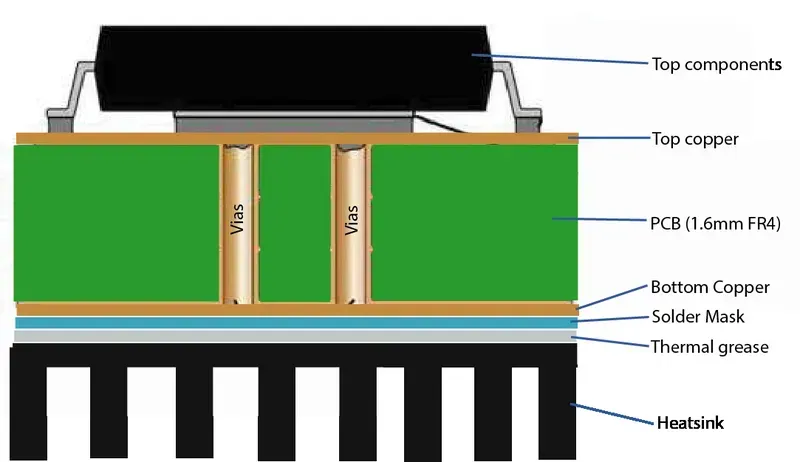
PCB Heat Sink
Effective thermal management is paramount for the long-term reliability and optimal performance of License Plate Recognition (LPR) camera PCBs, especially given the continuous operation and often challenging environmental conditions these systems face. Without proper heat dissipation, critical components like image sensors, processors, and communication modules can experience performance degradation, reduced lifespan, or even catastrophic failure. Proactive thermal design from the initial PCB layout phase is essential to maintain operational stability and accuracy, directly impacting the LPR system's efficiency and longevity in demanding applications such as traffic monitoring and access control.
Why is thermal management critical for LPR Camera PCBs? Thermal management is critical because LPR cameras often operate continuously in diverse environments, from scorching deserts to freezing winters. The high computational demands for image processing, combined with integrated components like powerful LEDs for illumination, generate significant heat. Without effective dissipation, this heat can lead to component overheating, reduced accuracy, system instability, and premature hardware failure, directly impacting the LPR system's reliability and operational lifespan.
What are the common sources of heat in LPR Camera PCBs? The primary sources of heat in LPR Camera PCBs include the main processing unit (CPU/GPU) responsible for image analysis and recognition algorithms, high-resolution image sensors, LED illumination arrays for low-light performance, power management integrated circuits (PMICs), and communication modules (e.g., Ethernet, Wi-Fi). Each of these components consumes power, a significant portion of which is dissipated as heat.
How do heat sinks contribute to LPR Camera PCB thermal management? Heat sinks are passive metallic devices with fins, designed to increase the surface area for heat exchange with the ambient air. In LPR Camera PCBs, heat sinks are typically mounted on high-power components like the main processor or large FPGAs. They absorb heat from these components via conduction and then dissipate it into the surrounding environment through convection, effectively lowering the component's operating temperature and preventing thermal throttling or damage.
What role do thermal vias play in dissipating heat from LPR Camera PCBs? Thermal vias are plated holes in the PCB that provide a low-thermal-resistance path between a heat-generating component (e.g., a power IC or a BGA package) and a ground plane or heat sink layer. They effectively conduct heat away from the component's solder pad on the top layer to internal copper planes or the bottom layer, where it can be more effectively dissipated, thereby reducing localized hot spots and improving overall thermal performance.
How does component placement impact thermal management in LPR Camera PCBs? Strategic component placement is a fundamental thermal management technique. By distributing heat-generating components evenly across the PCB or grouping them to facilitate localized cooling solutions (e.g., shared heat sinks), engineers can prevent the concentration of heat in one area. Additionally, ensuring adequate spacing between components and avoiding obstructions to airflow (if active cooling is used) optimizes heat dissipation and prevents thermal runaway in specific sections of the PCB.
What is the importance of thermal paste and pads in LPR Camera PCB assemblies? Thermal paste and pads are Thermal Interface Materials (TIMs) used to improve heat transfer between a heat-generating component and a heat sink or a PCB's thermal plane. They fill microscopic air gaps that naturally exist between the two surfaces, which would otherwise act as thermal insulators. By reducing thermal resistance at the interface, TIMs ensure efficient heat conduction from the component into the cooling solution, significantly enhancing the overall thermal performance.
Testing and Quality Assurance for LPR Camera PCBs
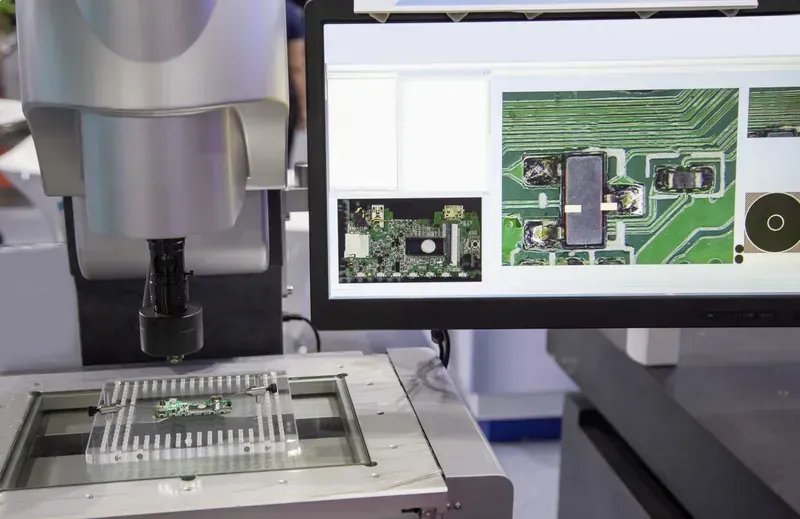
AOI Testing PCB
Ensuring the unwavering reliability and optimal performance of License Plate Recognition (LPR) camera PCBs is paramount, given their mission-critical role in security, traffic management, and smart city infrastructure. A robust testing and quality assurance regimen is the bedrock of achieving this, moving beyond mere functionality checks to comprehensive validation of signal integrity, thermal resilience, and long-term durability under diverse operating conditions. This rigorous approach mitigates potential failures, optimizes operational efficiency, and safeguards the reputation of the final LPR system, ultimately delivering a superior product to market.
Testing Method
Description
Purpose in LPR Camera PCBs
Automated Optical Inspection (AOI)
High-speed, camera-based system that scans PCB surfaces for defects such as opens, shorts, missing components, and incorrect component placement.
Early detection of manufacturing defects, ensuring correct component assembly and solder joint integrity critical for high-frequency signal paths in LPR cameras, preventing costly rework later in the production cycle. It's a non-contact method, ideal for inspecting densely populated boards without risking damage.
Testing Method
Description
Purpose in LPR Camera PCBs
X-ray Inspection (AXI)
Uses X-rays to create images of internal PCB structures, allowing inspection of hidden solder joints (e.g., BGA, QFN) and internal layer alignments.
Crucial for verifying solder quality on hidden joints (like those under processors or memory chips common in LPR cameras) and detecting voids, shorts, or opens that are not visible externally, ensuring robust electrical connections and long-term reliability under vibration or temperature fluctuations. It's indispensable for complex, multi-layer LPR camera PCBs.
Testing Method
Description
Purpose in LPR Camera PCBs
In-Circuit Testing (ICT)
Utilizes a bed-of-nails fixture to apply test signals and measure responses on individual components and nets, checking for shorts, opens, resistance, capacitance, and component values.
Verifies the electrical integrity of individual components and their connections on the PCB. For LPR camera PCBs, this ensures that power delivery networks are functioning correctly, critical sensors are properly connected, and the board's passive components meet specifications, thereby establishing a solid foundation for the camera's precise operation.
Testing Method
Description
Purpose in LPR Camera PCBs
Functional Testing (FCT)
Simulates the real-world operating environment of the PCB, powering it up and verifying its overall functionality, often including communication protocols, sensor readings, and image processing capabilities.
The ultimate test to confirm the LPR camera PCB performs as designed under operational conditions. This includes validating image capture, data processing, communication interfaces (e.g., Ethernet, RS-485), and overall system responsiveness, directly mimicking the camera's role in identifying license plates. This ensures the PCB solution delivers the expected performance for license plate recognition.
Testing Method
Description
Purpose in LPR Camera PCBs
Environmental Stress Testing (EST)
Subjects the PCB to extreme conditions such as temperature cycling, humidity, vibration, and shock to identify potential weaknesses or latent defects.
Mimics the harsh outdoor environments LPR cameras often operate in. This testing ensures the PCB's long-term reliability and stability, validating its ability to withstand wide temperature swings, moisture exposure, and mechanical stress without degrading performance or failing, which is vital for continuous, uninterrupted LPR operation.
Future Trends in LPR Camera PCB Technology
The evolution of License Plate Recognition (LPR) camera technology is intrinsically linked to advancements in Printed Circuit Board (PCB) design and manufacturing. As LPR systems demand higher performance, smaller footprints, and enhanced durability, future PCB trends are set to revolutionize their capabilities, enabling more sophisticated and reliable recognition solutions. These innovations are crucial for meeting the stringent requirements of smart city infrastructure and autonomous vehicle integration, pushing the boundaries of what LPR cameras can achieve.
How will flexible PCBs impact future LPR camera designs? Flexible PCBs (FPCBs) will significantly enhance LPR camera designs by enabling more compact and ergonomically shaped devices. Their ability to bend and conform to irregular spaces allows for innovative packaging, reducing the overall size and weight of cameras while potentially improving heat dissipation in constrained areas. This flexibility also supports dynamic applications, such as cameras integrated into vehicle bodies or specialized enclosures, where rigid PCBs are impractical. Furthermore, FPCBs can reduce the need for connectors, improving reliability and lowering assembly costs.
What role do embedded components play in advancing LPR camera PCB technology? Embedded components, such as integrated passive devices (IPDs) and embedded active components, are crucial for future LPR camera PCBs. By integrating resistors, capacitors, and even ICs directly within the PCB substrate, these technologies enable higher component density, shorter signal paths, and reduced electromagnetic interference (EMI). This leads to smaller, more efficient, and more reliable LPR camera modules with enhanced signal integrity and power delivery, critical for high-speed data processing and image acquisition.
How do advanced PCB materials contribute to the performance of next-generation LPR cameras? Advanced PCB materials, including low-loss dielectrics, high-Tg laminates, and ceramic-filled polymers, are essential for improving the performance of next-generation LPR cameras. These materials offer superior dielectric properties, ensuring signal integrity at higher frequencies for faster data transmission, and improved thermal stability, allowing for operation in extreme temperatures without performance degradation. Their enhanced mechanical properties also contribute to the long-term reliability and durability required for outdoor and harsh environment deployments of LPR systems.
What are the benefits of integrating AI/ML hardware directly into LPR camera PCBs? Integrating Artificial Intelligence (AI) and Machine Learning (ML) hardware directly into LPR camera PCBs allows for on-device processing and real-time inference. This edge computing capability reduces reliance on cloud processing, leading to lower latency, enhanced privacy, and reduced network bandwidth requirements. By placing dedicated neural processing units (NPUs) or specialized AI accelerators on the PCB, LPR cameras can perform complex tasks like character recognition, vehicle classification, and behavioral analytics with unprecedented speed and efficiency, enabling more intelligent traffic management and security solutions.
How will miniaturization trends impact LPR camera PCB design? Miniaturization trends, driven by technologies like HDI (High-Density Interconnect) and component-level packaging advancements (e.g., chip-scale packages), will profoundly impact LPR camera PCB design. Smaller form factors enable LPR cameras to be deployed in more discreet or space-constrained locations without compromising performance. HDI PCBs allow for higher circuit density with finer lines and spaces, enabling complex functionalities within a compact footprint. This supports the development of highly integrated, unobtrusive LPR solutions for various applications, from smart parking to embedded vehicle systems.
In conclusion, the PCB is a critical component in the functionality and reliability of License Plate Recognition cameras. Zero One Solution Limited's comprehensive PCB solutions, encompassing design, manufacturing, and assembly, are tailored to meet the unique demands of LPR technology. By partnering with Zero One Solution, you gain access to expertise, quality, and a commitment to innovation that will drive the success of your LPR camera systems. Contact us today to discuss your specific needs and discover how we can help you create cutting-edge solutions for smart cities and beyond. Let Zero One Solution Limited be your trusted partner in realizing the future of intelligent traffic management.