Mastering Circuit Boards in Satisfactory: A Comprehensive Guide
2024.12.28
In the intricate world of Satisfactory, the circuit board is a crucial mid-game component, acting as the linchpin for advanced manufacturing. This guide delves into the core aspects of circuit board production, providing you with the knowledge to build efficient, scalable factories. From basic crafting to advanced recipes, understanding circuit boards is key to unlocking the later stages of the game. Get ready to elevate your production and enhance your Satisfactory journey.
Understanding the Circuit Board's Role
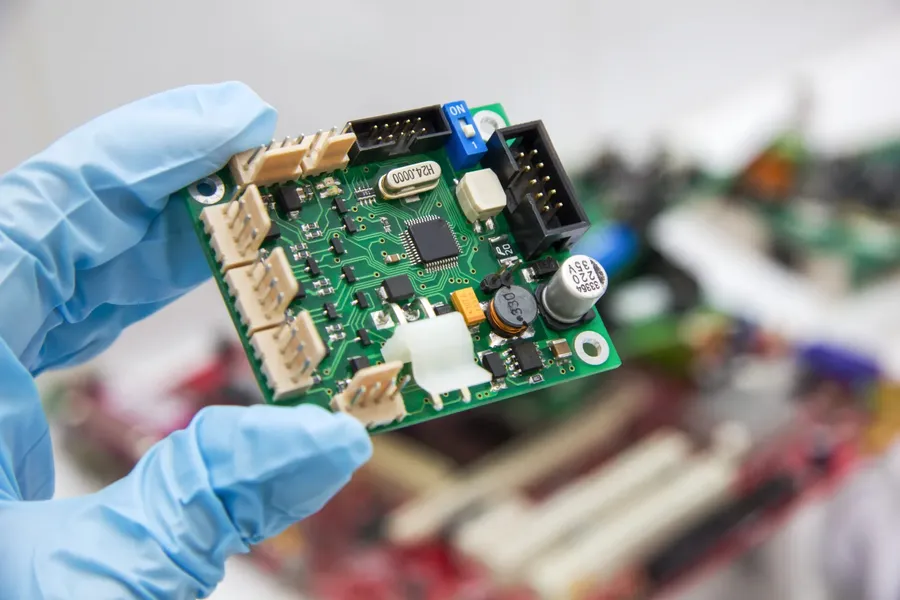
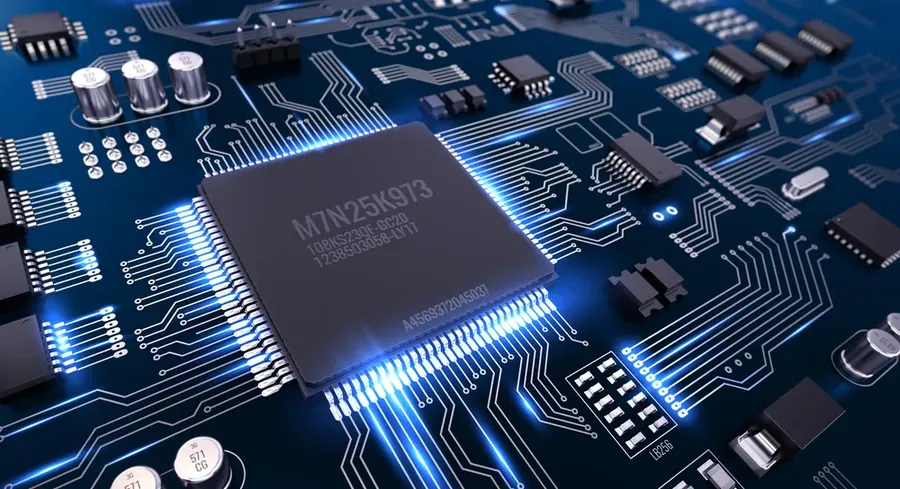
Close up of a circuit board
Circuit boards are fundamental components in Satisfactory, acting as a crucial stepping stone towards crafting advanced technologies like computers, heavy modular frames, and other critical mid-to-late-game products. Their efficient production is paramount for progression, as they become a bottleneck if not properly scaled.
The importance of circuit boards stems from their role as an intermediate product. They are not directly used to build large structures or basic infrastructure, but form part of a complex crafting chain. Therefore, a steady supply of circuit boards allows for the production of more complex components, which in turn allows for exponential growth.
Key Uses of Circuit Boards: Primarily used in the crafting of Computers and Heavy Modular Frames.
Resource Dependency: Dependent on plastic and copper sheets, or silicon and copper ore depending on the recipe
Progression Gate: A reliable supply of circuit boards is essential for progression into higher tiers of technology and automation.
Failing to establish an adequate circuit board production line will severely hinder a player's ability to unlock and utilise more advanced features. Early planning and investment into circuit board manufacturing are therefore highly beneficial for long-term progression.
Basic Circuit Board Crafting: The Assembler Recipe
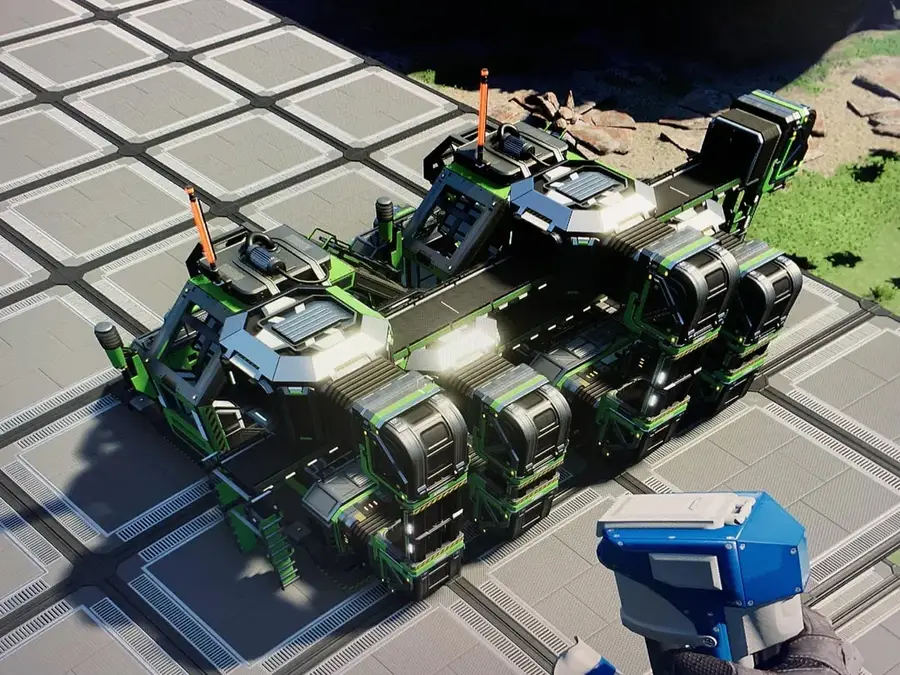
Assembler Machine
The foundational method for producing circuit boards in Satisfactory involves using an Assembler. This process requires a specific combination of raw materials, namely Plastic and Copper Sheets. Mastering this basic recipe is crucial for establishing a steady supply of circuit boards, which are essential components in many advanced items.
The Assembler recipe is the initial method players will use to produce circuit boards, but players will quickly move to more advanced and efficient methods. The assembler recipe requires a consistent supply of plastic and copper, making it important to ensure adequate infrastructure is in place to support production.
Here's a detailed breakdown of the crafting process:
Resource Acquisition First, ensure you have a sufficient stockpile of both Plastic and Copper Sheets. These are intermediary products, requiring crude oil and copper ore respectively.
Assembler Setup Place an Assembler in your factory. Ensure that it is powered by connecting it to your power grid and has the correct inputs available via conveyor belts.
Recipe Selection Within the Assembler's interface, select the standard 'Circuit Board' recipe. This will display the required input materials: 2 Plastic and 2 Copper Sheets for every 1 Circuit Board produced.
Material Input Using conveyor belts feed plastic and copper sheets into the assembler input ports.
Production Output Once all inputs are provided and the machine is powered, the assembler will produce circuit boards. Connect an output belt to take the circuit boards to their destination or storage.
Component
Quantity
Crafting Location
Plastic
2
Assembler
Copper Sheets
2
Assembler
Circuit Boards
1
Assembler
Alternative Recipes: Silicon Circuit Boards and Beyond
Silicon Circuit Board
While the standard Assembler recipe for Circuit Boards using Plastic and Copper Sheets is straightforward, Satisfactory offers alternative recipes that leverage Silicon, providing options for resource optimization and scalability. These alternative recipes often unlock access to more advanced crafting options or more efficient production methods, making them crucial for mid-to-late game progression.
The primary alternative recipe involves using Silicon, a resource primarily obtained from Quartz. While this introduces an additional resource extraction and processing chain, the benefits it offers can be substantial in the long term.
Recipe
Primary Resource
Secondary Resource
Output
Benefits
Drawbacks
Standard Circuit Board
Plastic
Copper Sheets
Circuit Board
Initial easy setup
Limited long term resource efficiency
Silicon Circuit Board
Silicon
Copper Sheets
Circuit Board
Higher output efficiency and potentially more cost effective
Requires additional silicon production chain
The Silicon-based recipe will likely require a more complex initial setup, including the need for Quartz mining and processing facilities to produce the required Silicon. However, by converting from plastic to silicon as a primary resource, the player will drastically reduce their need for oil byproducts, and allows for the creation of higher quantities of components with more efficient resource usage.
It's important to note that these alternate recipes are not always superior to the standard recipes. The ideal recipe depends on the current stage of the game, the resources available, and the desired scale of production. Players are encouraged to experiment with both recipes to determine which best suits their current needs and future plans.
The advanced recipes will also unlock future recipes such as the radio control unit, which will require the silicon circuit boards.
Optimizing Your Circuit Board Production Line
Circuit Board Production Line
Efficient circuit board production in Satisfactory hinges on a well-planned and optimized production line. This section details strategies for maximizing output by focusing on resource management, conveyor belt configurations, and assembler placement.
Below are some critical factors to consider for optimization:
Resource Management Ensure a consistent flow of raw materials (Plastic and Copper Sheets) to your assemblers. Utilize dedicated miners and smelters, and balance production across your factory to minimize downtime.
Conveyor Belt Configuration Use Mk.2 or higher conveyor belts to maximize the throughput of raw materials to your assemblers. Aim for short belt runs and avoid unnecessary curves or junctions, to improve transit times. Splitters and mergers can help create an efficient flow of materials.
Assembler Placement Strategically position your assemblers to minimize material travel time and distance. Group them in clusters near your input sources and output destinations, and ensure that power connections do not bottleneck the production line.
Production Buffering Use storage containers to buffer raw materials as well as produced circuit boards. This will help smooth out fluctuations in the production line, ensuring that production can continue even if there is a brief disruption in supply or demand.
Power Management Ensure you have adequate power to support your circuit board production line. Power fluctuations can result in inconsistent production, so make sure you have a stable and reliable source of energy. Consider using dedicated power plants for large production areas.
Effective resource management is key to consistent output. Using dedicated production lines will prevent resource bottlenecks. Utilizing storage and buffer systems will smooth out any temporary slowdowns or disruptions to production.
Optimization Aspect
Description
Impact on Production
Resource Flow
Dedicated mining and smelting, balanced production
Reduced downtime, consistent assembler operation
Conveyor Belts
Mk.2 or higher belts, short runs, strategic splitters/mergers
Higher material throughput, shorter transport times
Assembler Placement
Clustered near input/output, efficient power connections
Minimized material transport, reduced bottlenecks
Buffering
Storage containers for input and output
Smoother flow, prevents system disruptions
Power Supply
Stable, dedicated power supply
Consistent and reliable production
Troubleshooting Common Issues: Why Can't I Craft a Circuit Board?
Encountering issues with circuit board crafting in Satisfactory can be frustrating, but often stems from easily resolvable factors. This section addresses common hurdles players face, such as the recipe not appearing or missing entirely, and provides steps for rectifying these problems.
The primary reasons players cannot craft circuit boards typically revolve around two main issues: missing prerequisites or outdated game versions. Let's delve into these issues to ensure you can overcome them quickly.
Missing Prerequisites The most common cause is that the required milestones or research have not been completed. Circuit boards are not available from the start of the game.
Outdated Game Version An outdated version of the game may have bugs or incompatibilities that prevent crafting recipes from appearing. Ensure your game is updated to the latest version.
Here's a detailed breakdown of the common issues and their solutions:
Recipe Not Showing in Assembler Verify that you have unlocked the 'Logistics Mk. 2' milestone. This unlocks the assembler required to build Circuit boards using the base recipe of plastic and copper sheets.
Missing Recipe Entirely Double-check that your game is updated to the latest version. Developers introduce new features and fixes regularly, which can include bug fixes that affect recipe availability. If you still cannot see the base recipe, try verifying the game files via the platform you use to launch the game, this can fix corrupt data.
Incorrect Building Ensure that you are using the 'Assembler' building. Circuit boards can only be crafted in the assembler building via the base recipe, and in the manufacturer via advanced recipes.
Incorrect Materials Ensure you have the correct materials, for the base recipe these are copper sheets and plastic. Check the recipe in the crafting menu to ensure you are using the correct ingredients.
By methodically checking these points, you should be able to identify and resolve the most common issues preventing you from crafting circuit boards in Satisfactory. Remember to stay updated with the game's latest version and double-check your milestones.
Frequently Asked Questions (FAQs): Circuit Boards in Satisfactory
This section addresses common questions players have regarding circuit boards in Satisfactory, focusing on resource acquisition, production efficiency, and recipe variations to ensure a thorough understanding of this key component.
Where can I find the resources needed to craft circuit boards? The primary resources for crafting basic circuit boards are plastic and copper sheets. Plastic is derived from crude oil, processed through refineries into plastic, while copper sheets come from copper ore, smelted in smelters. These are found throughout the map, often near starting areas and in resource nodes.
How can I maximize my circuit board production efficiency? Maximizing circuit board production requires optimizing your resource flow, using alternative recipes for silicon circuit boards for faster production, and strategic placement of assemblers. Ensure consistent material input to avoid bottlenecks. Employ smart splitters to manage output and prevent production stoppage.
What is the difference between standard and alternate recipes for circuit boards? The standard circuit board recipe uses plastic and copper sheets. Alternate recipes, like the silicon circuit board, substitute these for silicon and copper, offering potentially faster production but often require advanced infrastructure to make use of. Evaluate your resource availability before committing to either type.
Why can't I see the circuit board recipe in my Assembler? If you cannot see the recipe, make sure that you have unlocked the required milestones in the HUB research and that the assembler has power and has a clear input and output pathway. It may also be a bug with the game so make sure you are running the latest version.
What are the most common bottlenecks in circuit board production? Common bottlenecks include insufficient plastic production, inadequate copper sheet smelting, and conveyor belt congestion. Identify these areas, expand resource extraction, and streamline your material flow via more efficient conveyor networks.
Can I automate the production of circuit boards? Yes, production can be fully automated by using Miners, Smelters, Refineries and Assemblers working in tandem with Conveyor Belts and Splitters, creating a continuous production line that supplies the products needed to advance to the next stage.
Is it better to use plastic or silicon based recipes for circuit boards? This is circumstantial and is up to the player based on their needs. Silicon circuit boards often have increased production speeds, but require a more complex production chain, whereas plastic based ones are simpler and easier to setup but produce at a slower rate.
Circuit Board Use Cases
Advanced Circuit Board
Circuit boards in Satisfactory are a crucial mid-game component, serving as a building block for many advanced items. Their importance lies in enabling the production of essential parts required for progression, demanding efficient and scalable production. Understanding their application will guide efficient factory design.
Computers Circuit Boards are a core component of computers, which are used in advanced crafting recipes. Each computer requires two Circuit Boards, this makes them a major early consumer of circuit boards.
Heavy Modular Frames A key mid-game building block, heavy modular frames require one circuit board each, making them another major consumer. Efficient production of circuit boards will be essential for scaling production of modular frames for buildings and machines.
Assembly Director System The Assembly Director System, used to craft automated wiring, requires circuit boards and is crucial for advanced production. This system reduces manual crafting time and is used in late game recipes.
Radio Control Unit These units are used in the creation of drones. Drones are useful for long distance transport of goods. Each Radio Control Unit needs one Circuit Board, this will add to the demand for production as players scale their factories.
Other Advanced Components Circuit boards are used in various other mid-to-late-game components, such as Electromagnetic Control Rods, and Supercomputers, making them a vital component for reaching higher tiers in the game.
Item
Circuit Boards Required
Significance
Computer
2
Key for advanced crafting, large early consumer
Heavy Modular Frame
1
Essential for mid-game buildings and machines, high volume demand
Assembly Director System
4
Required for automation, important for late game recipes
Radio Control Unit
1
Needed for Drones, critical for long distance resource transfer
Electromagnetic Control Rod
2
An advanced component, used in later tier crafting
Supercomputer
6
An expensive advanced component used in the late game.
Efficient circuit board production is crucial for smooth progression in Satisfactory. The varied use cases, from basic components to complex machinery, necessitate a well-planned and scalable circuit board factory. Ignoring or overlooking this early on will lead to late-game production bottlenecks.
Advanced Production and Future Proofing
Automated Factory
Scaling circuit board production in Satisfactory requires forward-thinking strategies to meet the increasing demands of late-game components. This section focuses on advanced techniques for establishing robust, scalable production lines that can adapt to future needs, ensuring you're well-prepared for the most complex crafting requirements.
When planning for advanced production, consider these key areas:
Factory Layout Optimization Adopt a modular factory design, where each component is produced in dedicated sections that are easily expanded or replicated. This allows for targeted adjustments and avoids the pitfalls of sprawling, inefficient facilities.
Resource Input Management Prioritize consistent resource delivery to avoid production bottlenecks. Utilize multiple belts or train networks for high-volume resources, and buffer systems to maintain steady material flow even during temporary disruptions.
Power Grid Stability Ensure sufficient power generation capacity to handle peak loads. Employ redundant power sources and a well-planned power distribution network to prevent production shutdowns due to power failures.
Alternate Recipe Utilization Explore alternative recipes to optimize resource consumption. The silicon circuit board recipes, for example, can be more efficient if you have large quantities of silicon, and less copper available.
Optimizing your production lines involves several key considerations:
Throughput Analysis Evaluate conveyor belt capacity to ensure adequate flow. Plan for the highest expected demand of circuit boards in all production chains, and design production capacity to fulfill it.
Machine Configuration Configure assemblers to run efficiently, using overclocking to maximize output or underclocking to balance resource consumption, which allows the system to work within parameters.
Logistical Efficiency Implement smart splitters to manage material distribution effectively, preventing backlogs and ensuring a smooth production flow throughout the factory.
Monitoring and Adjustment Continuously monitor production metrics. If using a production tracking system, use data to pinpoint bottlenecks and allow proactive adjustments to ensure optimal output.
By adopting these advanced production techniques and optimizing your factory layout, you'll be well-equipped to meet the increasing circuit board demands of Satisfactory's late-game challenges, ensuring your production lines remain efficient and future-proof.
Mastering circuit board production in Satisfactory is crucial for your overall progression, as they serve as the base for more advanced components. By understanding the various crafting methods, optimizing production lines, and addressing common issues, you'll equip yourself to overcome the challenges that will come. These insights are the key to a successful Satisfactory journey, allowing you to not only build efficient factories but also expand with confidence. Remember to always adapt and experiment, as this is key to a successful Satisfactory experience.