In the realm of electronics, the 7812 voltage regulator stands as a fundamental building block, providing a stable 12V output crucial for countless applications. From powering simple circuits to acting as a workhorse in complex electronic systems, the 7812 is indispensable. This article delves into the intricacies of the 7812, guiding you through its operation, specifications, and optimal usage, and connecting the seemingly technical with real-world applications.
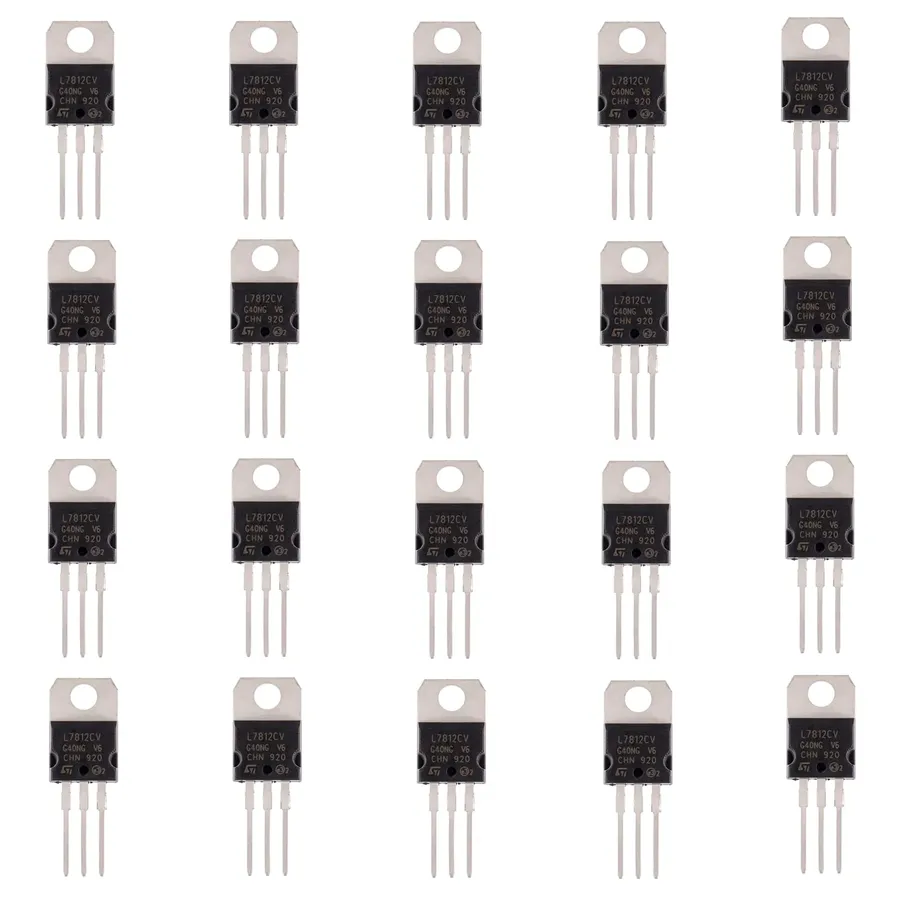
The 7812 voltage regulator is a three-terminal linear regulator that provides a stable 12V DC output. This device is pivotal in circuit design for ensuring consistent voltage supply, preventing component damage from voltage fluctuations and is favored for its simplicity, reliability, and cost-effectiveness.
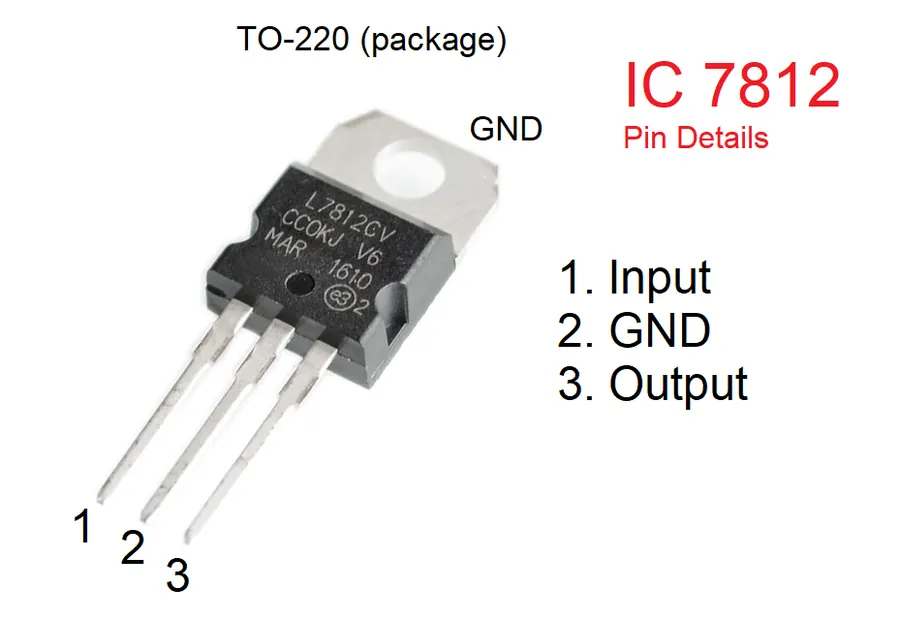
The 7812 voltage regulator is a three-terminal device, and understanding its pin configuration is crucial for proper circuit integration. Each pin serves a specific function, enabling the regulator to deliver a stable 12V output.
| Pin Number | Pin Name | Function |
|---|---|---|
| 1 | Input (VIN) | Accepts the unregulated DC input voltage |
| 2 | Ground (GND) | Common ground reference for input and output |
| 3 | Output (VOUT) | Provides the regulated 12V DC output |
The 7812 voltage regulator is characterized by several key specifications that dictate its performance and suitability for various applications. Primarily, it is a three-terminal linear regulator designed to provide a stable 12V output, and its performance is governed by factors such as input voltage range, output current capability, and thermal considerations.
| Specification | Value | Notes |
|---|---|---|
| Output Voltage | 12V | Fixed, with a typical tolerance of ±4% |
| Input Voltage Range | 14.5V to 27V | Minimum input voltage is 2-2.5V higher than output to maintain regulation. The maximum input voltage is limited by the device's voltage rating. |
| Output Current | 1.0A (Typically) | Maximum current is dependent on adequate heat dissipation. May be less than 1A depending on heat |
| Quiescent Current | Typically 5mA-8mA | Current drawn by the regulator when not supplying load. |
| Operating Temperature | 0°C to +125°C | This range is the acceptable operating temperature. Derating is required at higher temperatures. |
| Thermal Resistance | Dependent on package type | Thermal resistance from junction to ambient dictates the effectiveness of heat sinking. |
While the 7812 is a robust and widely used regulator, it is crucial to be mindful of its limitations. As a linear regulator, it dissipates excess power as heat, which is proportional to the difference between input and output voltage multiplied by the output current. High-input voltages or large load currents will lead to significant heat generation. Therefore, for applications with large voltage differentials or high current demands, a heat sink is necessary to maintain the junction temperature within the specified limits and to ensure the longevity and reliability of the device.
Furthermore, the dropout voltage of the 7812, which is the minimum voltage difference required between input and output for regulation, is around 2V-2.5V. Therefore, the input voltage must always be at least 14.5V to ensure the regulator delivers a stable 12V output. Failure to adhere to these specifications may lead to the regulator not working as expected. Therefore, it is paramount to review the datasheet when selecting this component for your designs.
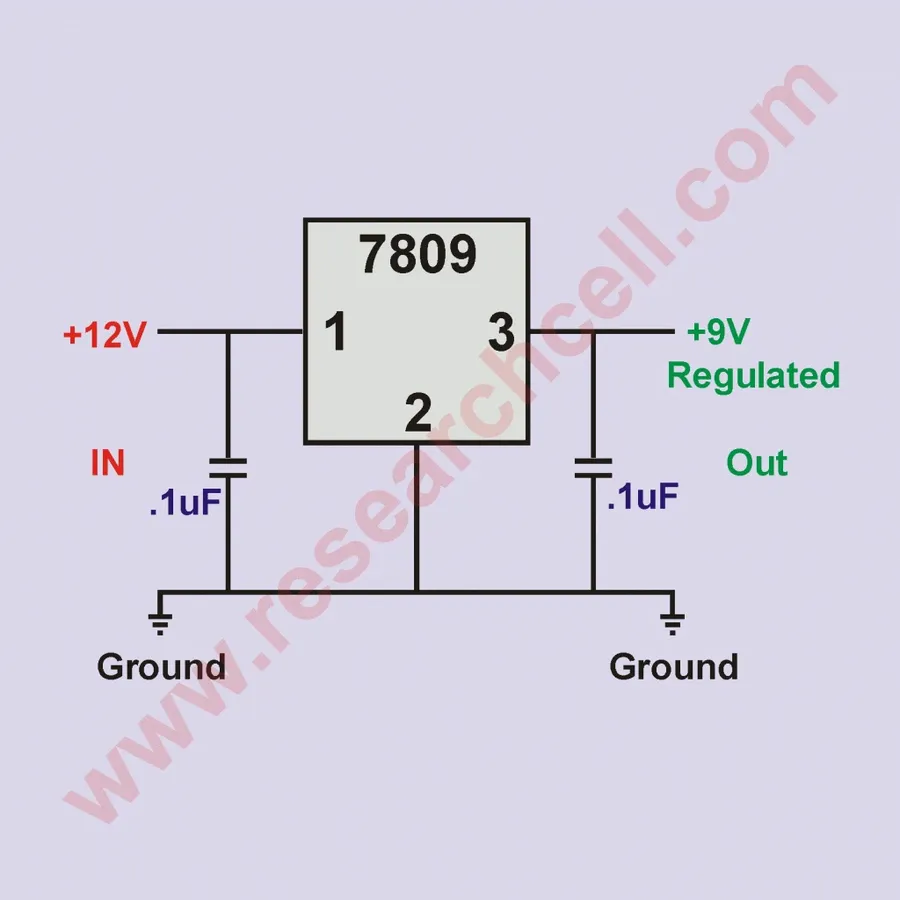
The 7812 voltage regulator is a cornerstone in many electronic designs, primarily used to provide a stable 12V power supply. Its simplicity and reliability make it ideal for a wide array of applications, from powering microcontrollers to driving sensors and other 12V components. This section will focus on practical circuit designs using the 7812, offering essential tips and design considerations.
When implementing a 7812 regulator, it’s vital to consider a few key elements for optimal performance and reliability. The typical application involves connecting the input pin to an unregulated DC voltage source, and the output pin will deliver a stable 12V. The ground pin is connected to the common ground of the circuit. Often, capacitors are used on both the input and output to improve stability and filter out noise.
| Design Consideration | Description |
|---|---|
| Input Voltage Range | Ensure the input voltage is at least a few volts above 12V but within the maximum specified by the datasheet. An insufficient input voltage will cause the 7812 to not output 12V, and an excessive input voltage will result in increased heat generation. |
| Bypass Capacitors | Use bypass capacitors (typically 0.33µF on the input and 0.1µF on the output) to improve stability and reduce noise. These capacitors are especially crucial when the regulator is placed at a distance from the voltage source or the load. |
| Thermal Management | The 7812 generates heat, particularly when delivering higher currents. Adequate heat dissipation is essential to avoid thermal shutdown and component failure. A heat sink should be used if the voltage difference between input and output is high or the output current is substantial. |
| Current Limitation | The 7812 has a maximum current limit (typically 1A). Ensure that the total load does not exceed this limit. Overcurrent protection circuits or fuses should be used to safeguard the regulator and downstream components. |
| Short Circuit Protection | The 7812 is equipped with built-in short circuit protection, that will cut off power to the load when a short circuit occurs. While this provides some protection, always ensure a correctly wired circuit and fuse for additional safety. |
| Datasheet Review | Always refer to the official 7812 datasheet for specific voltage/current limitations, operating conditions, temperature ratings, and thermal resistance values. These data are essential for correctly designing circuits with the 7812 and avoiding operational problems. |
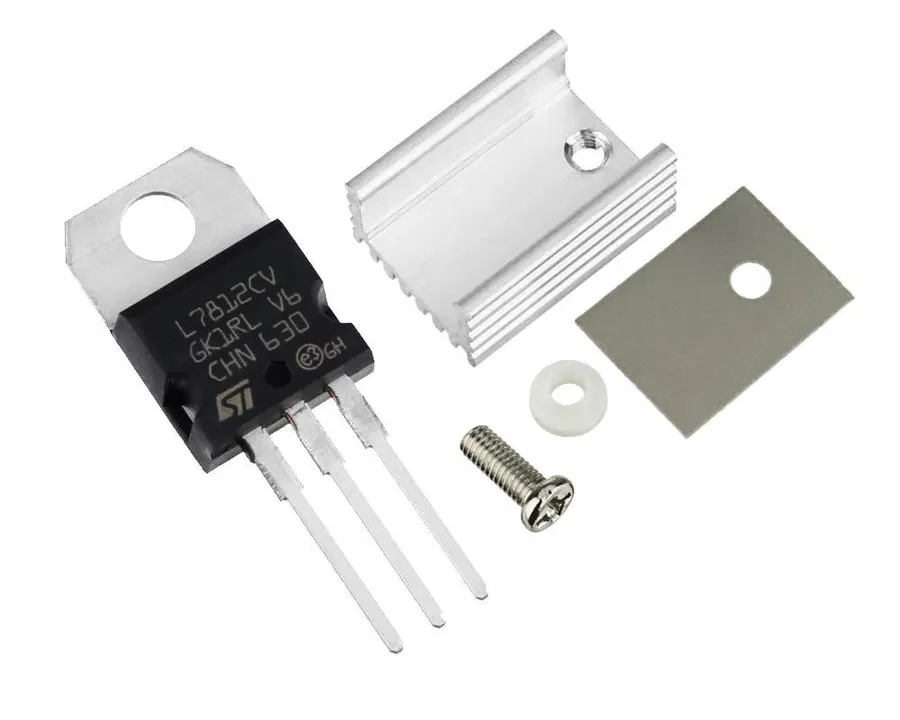
Effective heat management is paramount when using a 7812 voltage regulator to maintain its reliability and operational efficiency. As a linear regulator, the 7812 dissipates excess power as heat, and without adequate heat management, this can lead to performance degradation, component failure, or even permanent damage.
The heat generated by the 7812 is directly proportional to the voltage drop across the regulator and the current passing through it. Specifically, the power dissipated as heat can be calculated using the formula: P_dissipated = (V_in - V_out) * I_out where V_in is the input voltage, V_out is the output voltage (12V for the 7812), and I_out is the output current. It is imperative to manage this heat to ensure the regulator operates within its safe operating temperature range, typically specified in the datasheet.
Failure to manage heat effectively can result in several adverse effects: the regulator may shut down due to thermal overload protection, output voltage may become unstable, the 7812's internal components may degrade prematurely, thus shortening its lifespan, and in extreme cases, the regulator could be destroyed. Therefore, selecting an appropriate heat dissipation method is critical for ensuring reliable and sustained performance.
The most common method of heat management for the 7812 is the use of heat sinks. A heat sink provides a larger surface area for heat to dissipate into the surrounding air. The size and type of heat sink required will depend on the amount of power being dissipated, and the ambient operating temperature. Factors to consider when selecting a heat sink include thermal resistance, material, and size. For higher power applications, forced air cooling or more advanced cooling solutions may be required. Proper mounting of the regulator to the heat sink is also essential to maximize heat transfer.
In summary, always calculate the expected power dissipation of the 7812 and provide sufficient thermal management via a heat sink, to ensure long lasting and reliable operation. Neglecting heat dissipation can lead to premature failure and unstable operation, compromising the overall system performance. Regular checks of the regulator's temperature are also good engineering practice to ensure thermal management is adequate.
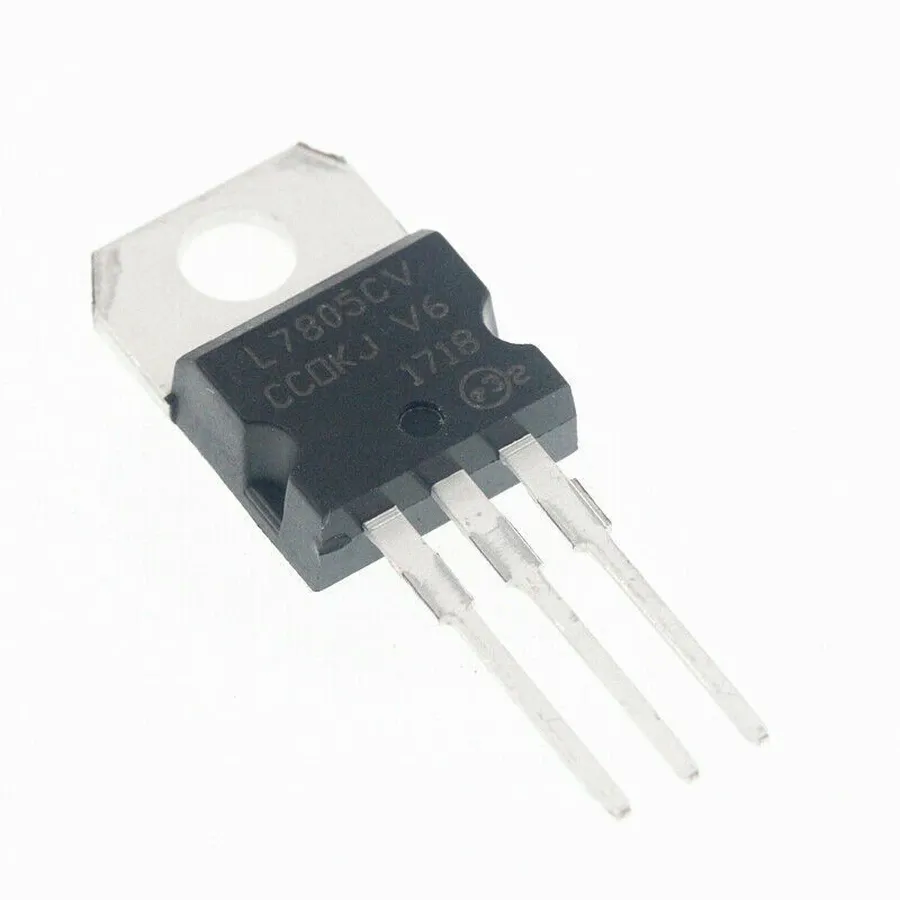
The 7812 voltage regulator is a staple in electronics, providing a stable 12V output. However, different applications may require other voltage levels or polarities. This section compares the 7812 with other common regulators, specifically the 7805 and 7912, to highlight their respective strengths and use cases. Understanding these distinctions is crucial for selecting the appropriate regulator for your specific power needs.
| Feature | 7812 | 7805 | 7912 |
|---|---|---|---|
| Output Voltage | +12V | +5V | -12V |
| Polarity | Positive | Positive | Negative |
| Typical Application | Regulating 12V systems, powering motors, relays | Regulating 5V systems, powering microcontrollers, digital logic | Regulating negative 12V systems, Op-amp circuits needing negative supply |
| Series | 78xx (Positive) | 78xx (Positive) | 79xx (Negative) |
| Pin Configuration | Input, Ground, Output | Input, Ground, Output | Input, Ground, Output |
| Considerations | Input voltage must be greater than 14.5V for proper regulation. | Input voltage must be greater than 7.5V for proper regulation. | Input voltage must be more negative than -14.5V for proper regulation. |
The 7812 voltage regulator, while robust, can encounter issues such as overheating, voltage fluctuations, or complete output failure. Effective troubleshooting is crucial for maintaining the reliability of any circuit using this regulator. This section provides practical, step-by-step guidance to diagnose and resolve these common problems, ensuring the stable operation of your 12V circuits.
This section addresses common questions about the 7812 voltage regulator, offering clear and concise answers to aid in practical applications and troubleshooting.
The 7812 voltage regulator is an essential component for ensuring stable 12V power in a variety of applications. Understanding its specifications, pinout, and optimal usage can improve your electronic projects. By learning how to use the 7812 effectively, you can tackle even more complex tasks. This simple yet powerful component continues to enable innovation across countless applications, serving as a key building block for creating stable and reliable electronic systems. Its role in power regulation is not just technical; it impacts how we interact with technology daily.

