
In the competitive landscape of audio electronics, product failure is more than an inconvenience—it is a direct hit to your bottom line. As manufacturing margins tighten, the hidden costs of field failures and warranty claims often erode profitability. This case study explores how shifting the focus to high-quality, pre-validated PCBA solutions provides a strategic advantage that drives both quality and fiscal health.
The High Cost of Poor PCBA Quality
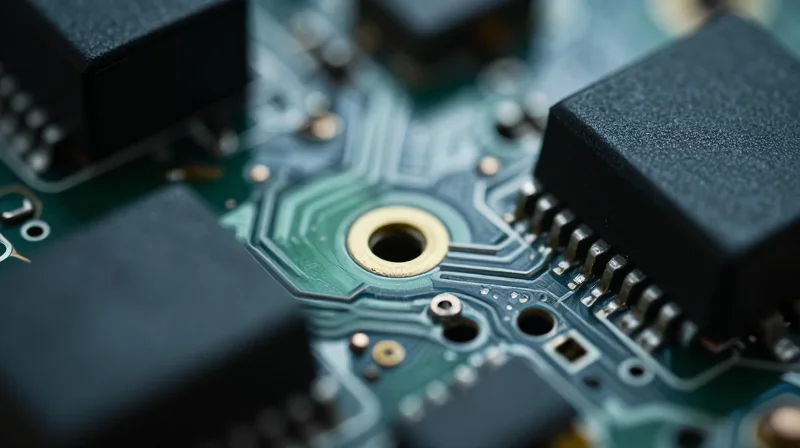
The Hidden Multiplier Effect of PCBA Defects
In audio engineering, where signal integrity is paramount, a marginal PCBA defect—such as a cold solder joint or micro-fracture—does not merely cause a unit to fail; it creates an expensive lifecycle of diagnostic and remediation costs. When a board fails after deployment, the financial impact extends far beyond the raw material cost of a replacement PCB. Companies must account for return logistics, specialized technician labor, customer support overhead, and the significant opportunity cost of losing consumer trust.
| Cost Category | Impact Level | Primary Financial Driver |
|---|---|---|
| In-Circuit Testing | Low | Detection of early-stage assembly errors |
| Field Failure | High | Logistics, replacement units, and brand perception |
| Recall/Mass Return | Critical | Legal liabilities and total market share loss |
The Financial Burden of Warranty Claims
Warranty costs function as a silent tax on innovation. High failure rates force manufacturers to set aside larger cash reserves for repairs, effectively freezing capital that could otherwise be allocated to R&D or marketing. In high-fidelity audio, where the customer base is particularly sensitive to performance degradation, even minor electrical noise—often caused by poor grounding or component mismatch on the PCBA—leads to high return rates that destroy product-level margins.
- How do board defects impact brand equity?
Recurrent technical failures lead to negative reviews and a loss of 'premium' positioning, which is difficult and costly to recover through marketing efforts alone. - Why are PCBA errors more expensive in audio gear than other electronics?
Audio hardware requires extremely low noise floors and high signal-to-noise ratios; even subtle PCBA manufacturing inconsistencies can lead to audible artifacts, prompting claims of product defectiveness. - What is the true cost of a field return?
A field return can cost 5x to 10x the original manufacturing cost when considering shipping, customs, bench labor, restocking, and potential disposal fees.
What Pre-Validated PCBA Means for Manufacturing
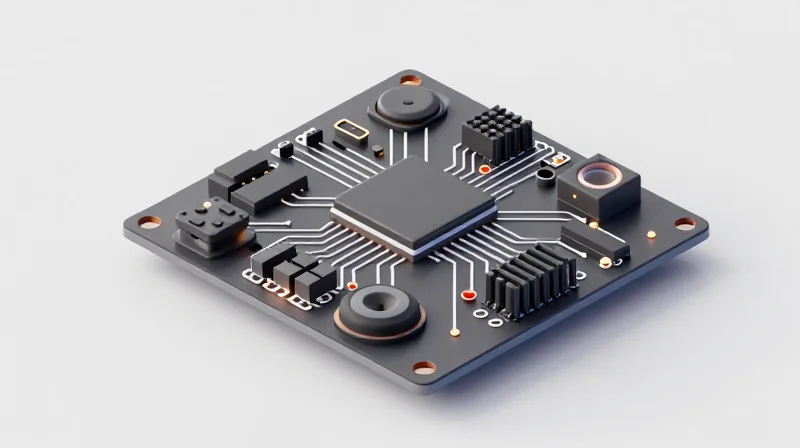
Defining Pre-Validated PCBA Standards
A pre-validated PCBA is not merely a populated board; it is a meticulously engineered assembly that has undergone comprehensive simulation, thermal cycling, and signal integrity testing before mass production begins. Unlike standard off-the-shelf components that rely on post-assembly inspection, pre-validated boards ensure that every trace, component tolerance, and solder joint is compliant with the specific requirements of the audio signal path.
Comparative Efficiency: Standard vs. Pre-Validated Approaches
| Feature | Standard PCBA | Pre-Validated PCBA |
|---|---|---|
| Validation Timing | Post-Production | Pre-Production |
| Design Flaw Detection | Late (High Cost) | Early (Low Cost) |
| Failure Rates | Variable/High | Predictable/Low |
| Warranty Risk | Significant | Minimized |
Strategic Impact on Manufacturing ROI
By moving validation to the front of the development cycle, manufacturers bypass the 'trial-and-error' phase typically observed during pilot runs. This precision engineering reduces rework, minimizes scrap rates, and ensures that the audio output meets the target specifications immediately upon deployment.
- How does pre-validation reduce component stress?
Through rigorous thermal analysis and power integrity simulations, we ensure components operate well within their derating limits, preventing premature failures under heavy audio loads. - Does this approach increase initial NPI costs?
While upfront engineering hours are higher, the total cost of ownership is significantly reduced by eliminating the need for expensive design changes and high warranty return rates during the product lifecycle. - How does this affect audio performance?
Validation ensures optimal trace impedance and low-noise floor characteristics, leading to superior acoustic fidelity and higher brand consistency across product batches.
Engineering Reliability at the Component Level
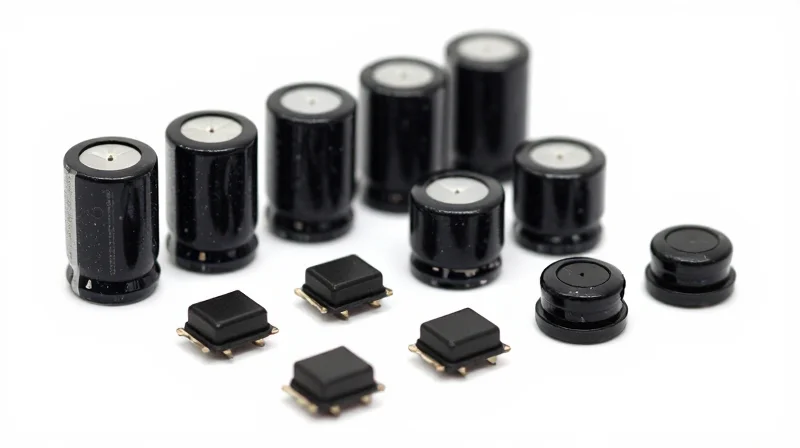
Mitigating Failure Modes Through Material Selection
Audio hardware performance is intrinsically linked to the longevity of the Printed Circuit Board Assembly (PCBA). By selecting high-Tg (glass transition temperature) substrate materials, engineers can prevent board delamination caused by the high heat cycles inherent in Class-D amplifiers. Furthermore, utilizing electrolytic capacitors with high ripple current ratings and long operational lifespans significantly reduces the incidence of catastrophic failure within the signal chain.
| Failure Driver | Engineering Countermeasure | Impact on ROI |
|---|---|---|
| Thermal Fatigue | High-Tg FR-4 Substrates | Reduced Field Returns |
| Component Aging | Long-life Electrolytic Capacitors | Extended Warranty Coverage |
| Oxidation | ENIG Surface Finish | Improved Solder Reliability |
Best Practices for PCBA Design Rigor
Designing for reliability requires more than just functional schematics; it demands a focus on structural robustness and electromagnetic integrity. Implementing optimized copper trace routing and decoupling strategies minimizes noise floors and mitigates trace fracture risks during vibration.
- How does PCB layout impact component reliability?
Optimized layout reduces thermal concentration and stray capacitance, preventing localized heating and interference that accelerate component degradation. - What role do solder joints play in audio hardware?
Cracked or brittle solder joints are a leading cause of intermittent signal loss; employing precise stencil apertures and reflow profiling ensures robust metallurgical bonds. - Why prioritize surface finishes?
Finish choices like ENIG (Electroless Nickel Immersion Gold) provide superior flatness and oxidation resistance compared to HASL, which is critical for fine-pitch surface mount components.
Reducing Field Failure Rates: A Statistical Perspective

The Statistical Link Between Precision Assembly and Field Reliability
Field failure rates in audio hardware are rarely the result of singular, catastrophic events; rather, they are the accumulation of latent defects introduced during assembly. Precision PCBA engineering minimizes variance in solder joint integrity and component alignment, ensuring that the finished product operates well within the design margins specified during the R&D phase. By utilizing statistical process control (SPC) and rigorous testing protocols, manufacturers can identify and eliminate 'infant mortality' failures before they reach the consumer.
| Failure Mechanism | Common Root Cause | Precision Engineering Mitigation |
|---|---|---|
| Intermittent Audio Signal | Micro-fractures in solder joints | Advanced AOI and thermal cycling validation |
| Component Thermal Drift | Inconsistent reflow profiles | Automated profile monitoring and logging |
| Parasitic Noise Injection | Poor ground plane impedance | High-precision multi-layer stack-up control |
Key Statistical Indicators for Quality Assurance
- CpK (Process Capability Index)
A metric that measures how well a process stays within its specification limits; a higher CpK directly correlates to fewer out-of-tolerance components and reduced field failures. - First Pass Yield (FPY)
Tracking the percentage of boards produced without needing rework is critical, as rework cycles often introduce latent thermal stresses that lead to future field failures. - Mean Time Between Failures (MTBF)
Statistical modeling of MTBF allows engineers to simulate the lifetime performance of audio hardware, enabling them to optimize component selection for longevity rather than just initial cost.
Data-Driven ROI Strategy
Adopting a statistical perspective transforms the PCBA from a simple commodity into a managed asset. When data from the manufacturing floor is linked directly to warranty claims, engineering teams gain an invaluable feedback loop. This precision-first methodology prevents the high costs associated with product recalls and brand erosion, ultimately proving that upfront investments in superior manufacturing processes yield significantly higher returns over the hardware lifecycle.
Streamlining Assembly: Reducing Scrap and Rework
The Direct Impact of PCBA Precision on Assembly Efficiency
In audio hardware production, the PCBA is the nervous system of the device. When boards are designed with high-tolerance landing pads, optimized solder mask clearance, and robust thermal dissipation, the assembly process becomes inherently more repeatable. Precision engineering removes the variability that forces production lines to slow down or halt for diagnostic troubleshooting.
| Issue Category | Standard PCBA Impact | Precision PCBA Impact |
|---|---|---|
| Solder Bridging | High occurrence/Manual repair | Negligible/Automated flow |
| Component Alignment | Frequent vision system errors | Perfect SMT placement |
| Board Warpage | Inconsistent reflow contact | Structural thermal stability |
Minimizing Rework via Design for Manufacturing (DFM)
Rework is the silent killer of ROI. Every board pulled off the line for manual intervention increases the risk of thermal damage to sensitive audio components, such as high-fidelity DACs or precision capacitors. By implementing advanced DFM strategies—such as optimized via-in-pad design and standardized fiducial markings—manufacturers can achieve 'first-pass yield' rates that significantly lower total production costs.
- How does board design prevent scrap?
By adhering to strict IPC class standards, boards maintain structural integrity during the thermal stress of reflow, preventing lifted pads and micro-cracking. - Why does manual rework damage audio quality?
Excessive localized heating required for rework can degrade the ESR values of audio-grade capacitors, potentially altering the frequency response of the final product. - Does precision engineering reduce inspection time?
Yes, high-precision boards minimize false negatives during Automated Optical Inspection (AOI), allowing throughput to remain high without sacrificing quality control rigor.
The Financial Impact on Warranty Programs
Quantifying the Cost of Warranty Failures
In the high-fidelity audio market, a single component failure—such as a cold solder joint or a degraded capacitor—can trigger a cascade of expenses. These include logistics for returns, diagnostic labor, replacement unit costs, and the intangible yet severe cost of customer churn. By investing in precision PCBA engineering at the initial design phase, manufacturers move from a reactive 'break-fix' model to a proactive reliability model, effectively capturing lost margin.
| Cost Factor | Reactive Approach (Low Precision) | Proactive Approach (Precision PCBA) |
|---|---|---|
| Logistics & Shipping | High (Reverse Logistics) | Negligible |
| Labor (Diagnostics/Repair) | High ($50-$150/unit) | Low (Quality Assurance focus) |
| Customer Retention | Low (High Churn) | High (Brand Loyalty) |
Common Warranty Drivers in Audio PCBA
- Thermal Stress Degradation
Audio power stages generate significant heat; improper board thermal management leads to solder fatigue and PCB delamination over time. - Intermittent Connectivity
Inadequate trace routing or low-grade connectors cause signal drops, often perceived by consumers as 'hardware failure' rather than assembly defects. - Component Mismatch
Using passive components that do not meet strict audio-grade tolerances results in audible noise floors and early-life failures.
Maximizing ROI Through Reliability
The return on investment (ROI) is realized when the reduction in warranty reserves exceeds the incremental cost of superior engineering. By implementing stringent design-for-manufacturability (DFM) rules and rigorous testing cycles, audio hardware manufacturers significantly lower their Mean Time Between Failures (MTBF). This creates a 'compounding interest' effect: lower field failures build brand equity, enabling higher price points and reduced customer service overhead, ultimately maximizing the lifetime value of every unit sold.
Long-Term Profitability and Brand Loyalty

Beyond Initial Sales: Engineering for Lifetime Value
In the premium audio hardware market, profitability is rarely determined by the initial transaction; it is secured through the product's lifespan. Precision PCBA engineering minimizes signal degradation, thermal stress, and component fatigue, which are the primary drivers of user frustration. By guaranteeing that a listener's experience remains faithful to the original engineering specifications for years rather than months, manufacturers transition from being commodity vendors to trusted audio partners. This reliability effectively creates a 'halo effect' around the product line, reducing the cost of customer acquisition while simultaneously increasing the Lifetime Value (LTV) of each unit shipped.
Correlating Reliability with Brand Equity
| Hardware Metric | Effect on Customer | Impact on Brand |
|---|---|---|
| Low Impedance Consistency | Superior Sound Stage | Premium Brand Perception |
| High Thermal Threshold | Extended Product Life | Reliability Advocacy |
| Zero Solder Defects | No Field Failures | Higher Resale Value |
Strategic Benefits of Reliable PCBA Design
- How does PCB stability foster brand loyalty?
Audiophiles rely on consistent performance. When a device remains free of electrical noise or intermittent connectivity over time, the brand earns the user's trust, leading to repeat purchases and positive word-of-mouth. - Does precision engineering reduce marketing overhead?
Yes, high-reliability products benefit from positive organic reviews and professional endorsements, which effectively lower the marketing spend required to maintain market share. - What is the secondary benefit of reduced warranty claims?
Beyond direct cost savings, fewer warranty returns mean less 'negative social proof' online, protecting the brand's reputation from the viral impact of product failures.
Ultimately, high-precision PCBA manufacturing is a long-term investment in brand equity. By mitigating the technical issues that lead to failure, companies avoid the cycle of reactionary support and brand erosion. When audio equipment performs flawlessly over a decade, it solidifies a reputation for excellence that serves as the most potent barrier against cheaper, less reliable competition.
Strategic Sourcing: Partnering for Success
Strategic Sourcing: Partnering for Success
In the high-fidelity audio industry, the PCBA is the heartbeat of the final product. A strategic sourcing approach moves beyond simple unit pricing, focusing instead on Total Cost of Ownership (TCO). By prioritizing partners with rigorous quality management systems and high-precision engineering capabilities, manufacturers can drastically mitigate supply chain volatility and field failures.
Evaluation Criteria for Manufacturing Partners
| Attribute | Strategic Importance | Impact on ROI |
|---|---|---|
| Certification | ISO 9001/IATF 16949 Compliance | Ensures consistent, predictable quality output. |
| Technical Stack | Advanced AOI and Flying Probe Testing | Reduces latent defect escape rates post-production. |
| Supply Chain | Traceability and Component Sourcing | Prevents counterfeit parts and minimizes production delays. |
Frequently Asked Questions
- Why is early design-for-manufacturability (DFM) engagement critical?
Early engagement identifies potential thermal or signal integrity issues in audio circuits before the first board is ever etched, preventing costly rework during mass production. - How does transparency in the supply chain affect warranty costs?
Full component traceability ensures that if a specific batch of capacitors or ICs fails, you can perform precision recalls rather than full-scale replacements, protecting brand equity. - Is a local partner always better than an overseas manufacturer?
Not necessarily, but the choice should be based on the partner's integration with your own engineering team; a partner that acts as an extension of your R&D department is far more valuable than one providing only assembly services.
By prioritizing quality at the PCBA level, manufacturers can effectively pivot from a reactive support model to a proactive, high-margin production strategy. Investing in precision engineering is not just a technical requirement—it is a financial imperative for modern consumer electronics. Contact our engineering team today to audit your current PCBA strategy and unlock new levels of product profitability.
