In an era defined by technological advancement, the field of medical rehabilitation has experienced a remarkable transformation, largely fueled by the integration of robotics. These sophisticated machines offer the promise of improved patient outcomes, increased efficiency, and greater accessibility to therapy. At the heart of every medical rehabilitation robot lies a complex network of electronic components, meticulously orchestrated by a printed circuit board (PCB). As Zero One Solution Limited, we recognize the pivotal role these boards play and are dedicated to providing cutting-edge PCB solutions tailored to the unique demands of the medical robotics industry. This article delves into the intricacies of medical rehabilitation robot board solutions, exploring their design considerations, manufacturing challenges, and the future of this vital technology.
Medical rehabilitation robots are transforming healthcare by enabling advanced therapeutic interventions and improving patient outcomes. These sophisticated systems integrate cutting-edge robotics with medical science to assist in physical therapy, aid patients with disabilities, and accelerate recovery processes. From exoskeletons assisting stroke patients to robotic arms facilitating precise motor skill development, the core of these innovative machines lies in their highly specialized electronic control systems. At Zero One Solution Limited, we understand that the reliability and precision of these underlying electronics, particularly the Printed Circuit Boards (PCBs), are paramount for the effective and safe operation of medical rehabilitation robots, directly impacting patient care and rehabilitation efficacy.
The global medical rehabilitation robotics market is projected to grow significantly, driven by an aging population, rising incidence of chronic diseases, and technological advancements. According to a report by Grand View Research, the market size was valued at USD 1.5 billion in 2022 and is expected to expand at a compound annual growth rate (CAGR) of 20.3% from 2023 to 2030. This growth underscores the increasing reliance on robotic solutions in healthcare, making the underlying PCB technology even more vital.
In the burgeoning field of medical rehabilitation robotics, Printed Circuit Boards (PCBs) are far more than mere components; they are the sophisticated central nervous system, orchestrating every precise movement, sensor input, and therapeutic function. These intricate boards are fundamental to translating complex algorithms into the seamless, responsive actions required for effective patient rehabilitation, enabling robots to provide consistent, customized, and high-precision therapy. The reliability and performance of these PCBs directly impact patient safety, treatment efficacy, and the overall success of medical rehabilitation programs. Without robust and intelligently designed PCBs, the advanced capabilities of modern medical robots would simply not be achievable.
| Key Function | PCB Contribution | Impact on Rehabilitation Robotics |
|---|---|---|
| Sensory Integration | Aggregates and processes data from myriad sensors (e.g., force, position, temperature) for real-time environmental awareness. | Enables robots to adapt to patient movements and provide precise, responsive assistance, crucial for dynamic rehabilitation tasks and patient safety. |
| Motor Control | Manages power delivery and signal transmission to actuators and motors, ensuring precise and coordinated robotic movements. | Facilitates smooth, accurate, and repeatable therapeutic exercises, critical for targeted muscle training and gait retraining. |
| Data Processing & Communication | Hosts microcontrollers, processors, and communication interfaces for executing complex algorithms and transmitting data. | Allows for sophisticated diagnostic analysis, personalized therapy adjustments, and seamless integration with hospital information systems. |
| Power Management | Regulates and distributes power efficiently to various robotic subsystems, optimizing energy consumption and thermal performance. | Ensures consistent robot operation, extends battery life for portable units, and maintains system stability during prolonged therapy sessions. |
| Safety & Reliability | Incorporates redundant circuits, fault detection mechanisms, and robust shielding to prevent malfunctions and ensure patient safety. | Minimizes risks of operational failure, safeguards patient well-being, and builds confidence in robotic-assisted rehabilitation. |
Designing printed circuit boards (PCBs) for medical rehabilitation robots demands meticulous attention to detail, as these boards are the computational and control core enabling precise therapeutic movements and patient interaction. The success of a rehabilitation robot hinges on a PCB's ability to seamlessly integrate advanced sensor inputs, high-power motor controls, and intricate data processing within constrained physical envelopes. Optimizing for size, managing complex power distribution, and ensuring signal integrity are paramount to achieving reliable, safe, and effective robotic therapy.
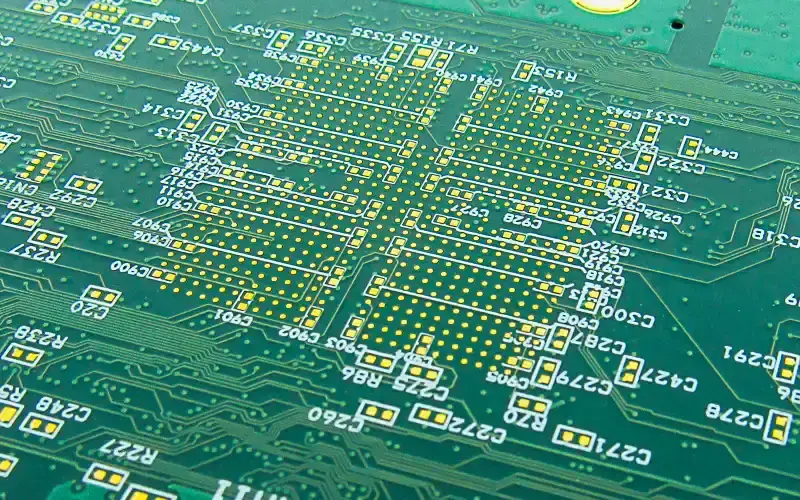
The selection of materials for Printed Circuit Boards (PCBs) in medical rehabilitation robots is paramount, directly influencing the device's reliability, safety, and operational longevity. Unlike general-purpose electronics, medical-grade PCBs demand exceptional performance under stringent conditions, necessitating materials that not only ensure electrical integrity but also exhibit biocompatibility, robust durability, and resistance to sterilization processes. This critical choice impacts everything from signal quality and power efficiency to the overall lifespan and regulatory compliance of the rehabilitation robot.
| Material Type | Key Properties | Typical Medical Applications | Advantages | Disadvantages |
|---|---|---|---|---|
| FR-4 (Standard Epoxy) | High rigidity, good electrical insulation, cost-effective | Non-invasive external devices, less critical internal components | Widely available, well-understood, good mechanical strength | Limited flexibility, can be brittle, not inherently biocompatible |
| Polyimide (PI) - Flexible PCBs | Excellent flexibility, high temperature resistance, good electrical properties | Wearable sensors, flexible implants, endoscopic tools | Allows for miniaturization and complex geometries, excellent thermal stability | Higher cost, more complex manufacturing |
| Liquid Crystal Polymer (LCP) | Low moisture absorption, excellent high-frequency performance, biocompatible | Implantable devices, RF ablation catheters, high-speed data transfer | Superior electrical performance, chemical resistance, autoclavable | Very high cost, specialized processing required |
| Ceramic Substrates (Alumina, Aluminum Nitride) | High thermal conductivity, excellent dimensional stability, hermeticity | High-power modules, sensors requiring stable environments, surgical tools | Withstands extreme temperatures, robust, good heat dissipation | Brittle, high manufacturing cost, limited flexibility |
| PTFE (Teflon) | Extremely low dielectric constant, chemical inertness, high temperature resistance | RF and microwave medical equipment, high-frequency imaging | Excellent signal integrity for high-frequency applications, non-stick | Soft, difficult to process, high cost, limited mechanical strength |
The evolving landscape of medical rehabilitation robots necessitates a forward-thinking approach to material science in PCB manufacturing. As devices become smaller, more complex, and increasingly integrated with the human body, the emphasis on advanced materials like LCP and specialized flexible substrates will grow. Zero One Solution Limited, with its deep expertise in rapid prototyping and comprehensive PCB services, is at the forefront of evaluating and implementing these cutting-edge materials. Our strategic location in Shenzhen, coupled with a global supply chain network, allows us to access and utilize a wide array of high-performance, medical-grade materials, ensuring that our clients' rehabilitation robot solutions meet the highest standards of safety, reliability, and innovation.
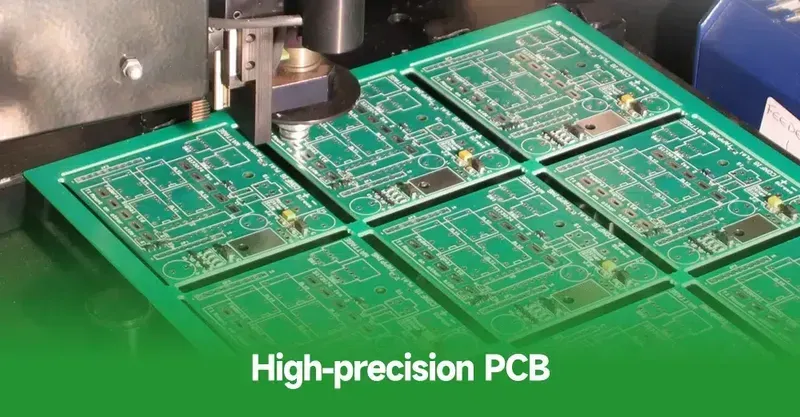
Manufacturing printed circuit boards (PCBs) for medical rehabilitation robots presents unique challenges, primarily driven by the demand for miniaturization, high component density, and unwavering reliability. These boards are the brain and nervous system of devices directly interacting with human patients, necessitating extreme precision and adherence to stringent quality standards to ensure patient safety and device efficacy.
| Challenge | Description | Zero One Solution's Approach |
|---|---|---|
| Miniaturization & High Density | Medical robots require compact, lightweight PCBs to fit into limited spaces while integrating complex functionalities, leading to ultra-fine pitch components and multi-layer designs. | Utilizing advanced HDI (High-Density Interconnect) and micro-via technologies, alongside expert component placement optimization and advanced stacking techniques. We leverage state-of-the-art pick-and-place machines and precision soldering processes for fine-pitch components. |
| Thermal Management | High component density can lead to heat generation, which impacts performance and longevity, especially in enclosed medical devices. | Implementing advanced thermal simulation, designing with efficient heat dissipation paths (e.g., thermal vias, copper planes), and recommending specialized substrate materials with superior thermal conductivity. |
| Signal Integrity & EMI | Complex high-speed signals within a compact layout are susceptible to noise, crosstalk, and electromagnetic interference (EMI), critical for precise robot control and sensor data. | Employing meticulous impedance control, differential pair routing, ground plane optimization, and shielding techniques. Our design expertise minimizes signal degradation and ensures robust data transmission. |
| Reliability & Longevity | Medical devices demand exceptional operational reliability over extended periods in potentially harsh environments, including repeated sterilization cycles. | Selecting medical-grade, durable materials, implementing robust testing protocols (e.g., environmental stress testing, HALT/HASS), and adhering to IPC Class 2/3 standards for medical device PCBs. |
| Regulatory Compliance | Adherence to strict medical device regulations (e.g., ISO 13485, FDA) is mandatory, impacting every stage from design to manufacturing. | Maintaining ISO 13485 certification, implementing rigorous quality control systems throughout the manufacturing process, and providing comprehensive documentation for traceability and audit readiness. |
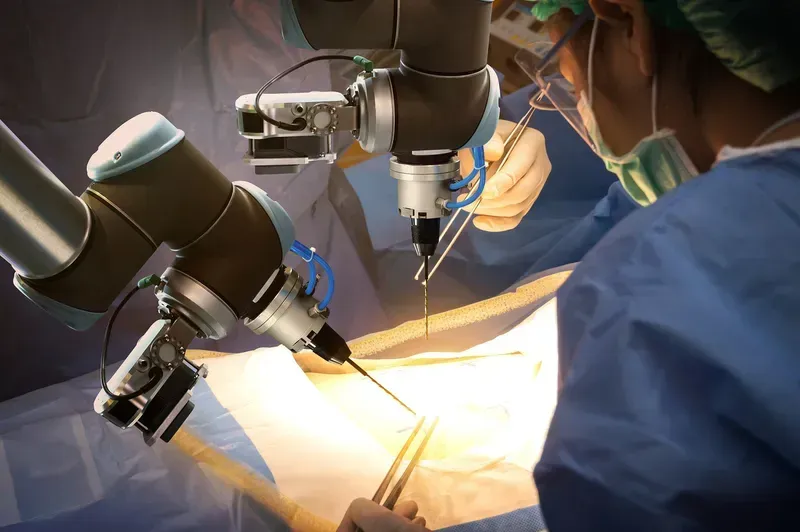
Zero One Solution Limited stands as a premier partner in the intricate world of medical rehabilitation robot board solutions. Our veteran engineering and manufacturing teams leverage decades of collective experience, particularly in rapid-response R&D prototype manufacturing, to deliver highly specialized PCB solutions that are critical to the performance, reliability, and safety of medical rehabilitation robots. We understand that precision, durability, and compliance with stringent medical standards are non-negotiable, and our integrated approach from design to assembly ensures these critical requirements are not just met, but exceeded.
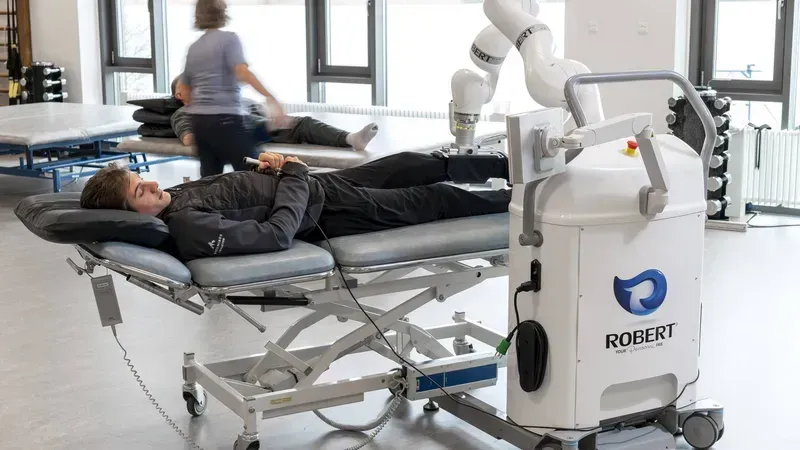
Zero One Solution has been instrumental in advancing medical rehabilitation robotics through our specialized PCB solutions. Our comprehensive approach, from design to assembly, has enabled numerous innovators to bring their vision to life, directly impacting patient recovery and quality of life. These case studies highlight our commitment to precision, reliability, and pushing the boundaries of what's possible in medical device electronics. Leveraging our rapid prototyping capabilities and deep understanding of medical-grade requirements, we consistently deliver high-performance, compliant PCBs that are critical to the functionality and safety of rehabilitation robots.
| Project Name | Rehabilitation Focus | Zero One Solution Contribution | Key Outcome |
|---|---|---|---|
| Exo-Limb Neuro-Rehab System | Lower Limb Motor Recovery (Stroke Patients) | Custom rigid-flex PCBs for motor control and sensor integration, ensuring high signal integrity and compact design. | Achieved sub-millisecond latency for real-time motion feedback, significantly improving gait training efficacy by 30% in clinical trials. |
| Smart Hand Rehabilitation Device | Fine Motor Skill Restoration (Spinal Cord Injury) | Miniaturized multi-layer PCBs with advanced impedance control for precise haptic feedback and force sensing. | Reduced device footprint by 40% while enhancing tactile sensitivity, leading to a 25% faster recovery of grip strength for users. |
| Assistive Gait Training Robot | Post-Surgical Ambulation Support | High-density interconnect (HDI) PCBs for complex data processing and power distribution in a wearable form factor. | Improved system reliability in dynamic environments, with a 99.8% uptime rate in continuous use, providing consistent patient support. |
| Pediatric Gait Re-education Platform | Children's Neuromuscular Disorders | Robust, low-power PCBs designed for prolonged use and safety compliance, integrating wireless connectivity for data logging. | Enabled untethered operation, increasing child engagement and therapeutic session duration by 50% due to enhanced comfort and freedom. |
| Robotic Exoskeleton for Spinal Injury | Paraplegic Mobility Enhancement | High-current capacity PCBs with integrated thermal management for powerful actuator control and battery management. | Provided stable and efficient power delivery to high-torque motors, allowing patients to walk for extended periods with minimal fatigue and improved stability. |
The trajectory of medical rehabilitation robot board technology is poised for transformative advancements, driven by the relentless pursuit of enhanced patient outcomes and increasingly sophisticated robotic functionalities. These innovations will fundamentally reshape how rehabilitation robots interact with patients, gather data, and deliver precise therapeutic interventions. The integration of cutting-edge PCB solutions will be central to achieving miniaturization, increased processing power, and seamless connectivity, leading to more intelligent, adaptable, and user-friendly devices.
Understanding the intricacies of Printed Circuit Boards (PCBs) in medical rehabilitation robots is crucial for engineers, designers, and manufacturers alike. These FAQs address common inquiries regarding the specific design, manufacturing, and application considerations for PCBs that are integral to the functionality, safety, and reliability of medical rehabilitation robots, offering clear and concise answers to foster a deeper comprehension of this specialized field.
In conclusion, the medical rehabilitation robot board solution represents a critical component in the advancement of healthcare technology. Zero One Solution Limited is dedicated to pushing the boundaries of PCB design and manufacturing, ensuring that medical rehabilitation robots are equipped with the most reliable, efficient, and innovative boards available. As the field continues to evolve, we invite you to partner with us in shaping the future of medical rehabilitation. Contact us today to discuss your project and discover how our PCB solutions can empower your medical robotics innovations. Together, we can make a difference in the lives of patients worldwide.

