Medical Temperature Control Equipment PCB Solution
2025.07.31
In the ever-evolving landscape of healthcare, precision and reliability are paramount, especially when it comes to medical temperature control equipment. From diagnostic instruments to patient care devices, maintaining exact temperatures is critical for efficacy and safety. This demanding environment calls for Printed Circuit Board (PCB) solutions that are not only robust and highly accurate but also capable of meeting stringent regulatory standards. Zero One Solution Limited, a leader in rapid-response PCB assembly, understands these unique challenges. This article will delve into how our specialized PCB solutions are empowering the next generation of medical temperature control devices, ensuring innovation can move from concept to market with unprecedented speed and confidence.
The Critical Role of PCBs in Medical Temperature Control
In the demanding landscape of medical technology, the Printed Circuit Board (PCB) serves as the unseen yet indispensable backbone of temperature control equipment. Its paramount role extends beyond mere functionality, directly impacting patient safety, diagnostic accuracy, and the overall efficacy of critical medical devices. Precise temperature regulation, often within fractions of a degree Celsius, is non-negotiable for applications ranging from diagnostic imaging and laboratory analysis to drug storage and surgical instruments. Any deviation can compromise sample integrity, lead to misdiagnoses, or even endanger lives, underscoring why highly reliable and precise PCBs are not just a component, but a foundational pillar of medical device performance.
Patient Safety PCBs in medical temperature control equipment ensure that devices like infant incubators, blood warmers, and cryogenic storage units maintain strict temperature ranges to prevent harm or preserve biological materials. A malfunction due to an unreliable PCB could have dire consequences, such as hypothermia or hyperthermia in patients, or degradation of sensitive vaccines.
Diagnostic Accuracy Many diagnostic tests, including PCR (Polymerase Chain Reaction) and immunoassay, are highly temperature-sensitive. The precision of the PCB in controlling thermal cycles directly influences the accuracy and reproducibility of test results. Errors can lead to false positives or negatives, delaying treatment or causing incorrect medical interventions.
Therapeutic Efficacy Medical devices used in therapy, such as therapeutic hypothermia systems or localized hyperthermia treatments for cancer, rely on exact temperature profiles. The PCB's ability to consistently execute these profiles is critical for the treatment's success, ensuring that tissues are either cooled or heated to the desired therapeutic levels without causing unintended damage.
Equipment Longevity and Reliability Beyond immediate operational impact, robust PCBs contribute to the long-term reliability and lifespan of medical equipment. Stable temperature control minimizes thermal stress on other components, reducing the likelihood of premature failure and ensuring consistent performance over the device's operational life, which is vital for healthcare institutions relying on continuous uptime.
Key Challenges in Medical Temperature Control PCB Design
The intricate design of Printed Circuit Boards (PCBs) for medical temperature control equipment faces formidable challenges, primarily stemming from the absolute imperative for unwavering precision, steadfast reliability, and uncompromised patient safety in critical healthcare applications. These challenges demand a sophisticated approach to material selection, layout, and manufacturing, ensuring that the PCB can consistently perform under demanding operational conditions while adhering to strict regulatory standards.
Thermal Management Precision The precise regulation of temperature in medical equipment, from diagnostic instruments to patient warming systems, critically relies on efficient PCB thermal management. Overheating can compromise sensor accuracy, degrade component lifespan, and introduce inaccuracies, making careful heat dissipation, component layout, and material selection paramount to prevent thermal runaway and ensure stable performance within narrow operating temperature windows.
Signal Integrity in Temperature-Sensitive Environments Maintaining robust signal integrity is crucial in medical temperature control PCBs, as even minute noise or degradation can skew sensitive sensor readings, leading to erroneous diagnoses or ineffective treatment. High-speed data transmission for real-time monitoring and control demands meticulous impedance matching, crosstalk mitigation, and power delivery network design to preserve signal fidelity across varying temperature conditions and minimize electromagnetic interference.
Electromagnetic Compatibility (EMC) and Interference Mitigation Medical devices operate in environments where electromagnetic interference (EMI) is a constant threat, and ensuring robust EMC is vital to prevent operational disruption and guarantee patient safety. PCB design must incorporate effective shielding, precise grounding techniques, and filtering to minimize emissions and enhance immunity, safeguarding the device's accuracy and preventing interference with other critical medical equipment, which is particularly challenging in high-density designs.
Miniaturization and High-Density Integration The relentless drive towards smaller, more portable medical devices necessitates highly miniaturized and densely packed PCBs. This trend introduces significant design complexities, including managing thermal dissipation in confined spaces, routing high-density interconnections without signal degradation, and ensuring manufacturability while adhering to stringent reliability requirements, all of which challenge traditional PCB design paradigms.
Zero One Solution's Expertise in Medical PCB Prototyping
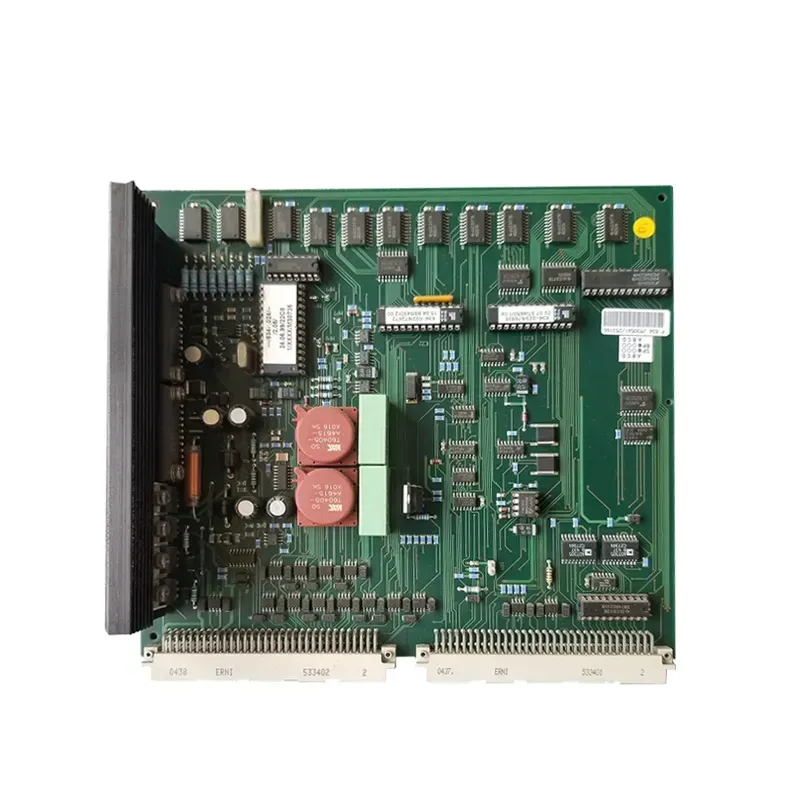
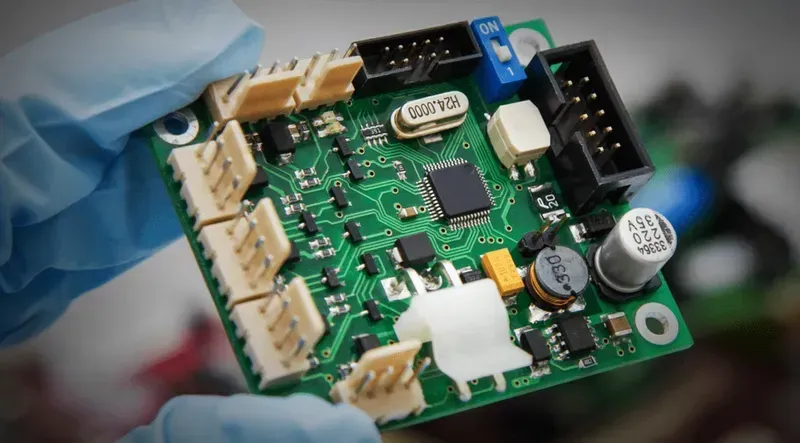
Medical PCB Prototype Board
Zero One Solution Limited stands at the forefront of medical PCB prototyping, offering unparalleled speed and precision vital for developing critical temperature control equipment. Our specialized capabilities in rapid prototyping and iterative development are specifically tailored to meet the demanding requirements of medical device innovation, enabling faster product cycles and stringent quality control. We understand that in the medical sector, every day counts, and our expertise ensures that your prototypes move from concept to functional reality with exceptional efficiency and accuracy, ultimately accelerating market entry for life-saving technologies.
Rapid Iterative Prototyping for Medical Devices We excel in quick-turn PCB prototyping, crucial for the iterative design cycles inherent in medical device development. This rapid iteration allows for immediate testing and refinement of designs, minimizing costly errors and significantly reducing the overall development timeline. Our processes are optimized to handle complex medical PCB layouts with speed without compromising precision or reliability, adhering to the highest industry standards for medical applications such as infusion pumps, diagnostic imaging systems, and patient monitoring devices where temperature stability is paramount.
Capability
Zero One Solution Advantage
Impact on Medical PCB Prototyping
Rapid Turnaround
Industry-leading lead times (as low as 24 hours for some prototypes)
Accelerates product development, enabling quicker design validation and market entry for temperature-critical medical devices
High-Precision Manufacturing
Advanced machinery for micro-trace routing, fine pitch components, and multi-layer PCBs
Ensures signal integrity and thermal performance, critical for accurate temperature control and reliable device operation
Material Versatility
Access to a wide range of medical-grade laminates (e.g., high-Tg, low-loss, ceramic-filled)
Optimizes thermal management and electrical performance, addressing specific temperature control needs and environmental conditions
Design for Manufacturability (DFM)
Proactive DFM analysis and recommendations during prototype phase
Minimizes potential manufacturing issues, streamlines mass production, and reduces overall project costs for complex medical PCBs
Strict Quality Control
Comprehensive inspection protocols (AOI, X-ray, flying probe testing) at every stage
Guarantees reliability and adherence to medical standards, ensuring the safety and efficacy of temperature control equipment
Advanced Materials and Technologies for Medical Temperature Control PCBs
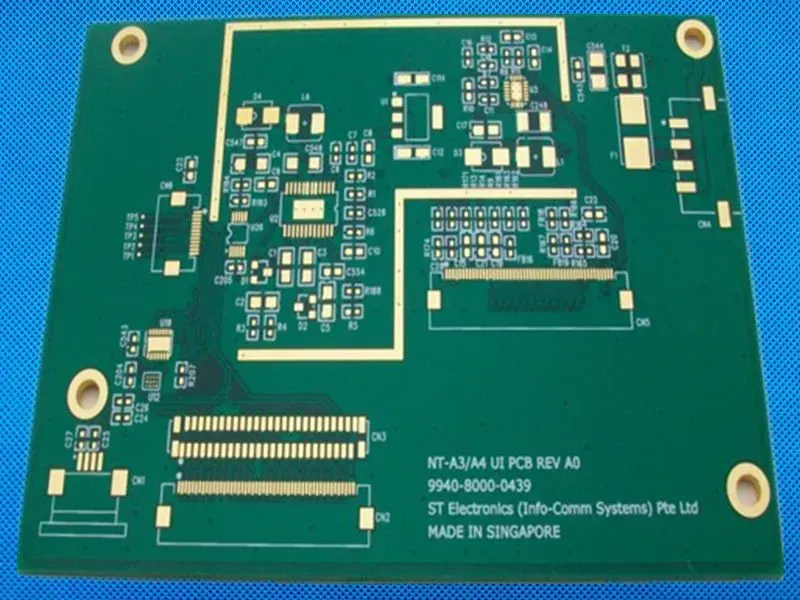
High-Tg Laminate PCB
Precision and reliability in medical temperature control equipment are fundamentally underpinned by the advanced materials and manufacturing technologies utilized in their Printed Circuit Boards (PCBs). These specialized PCBs are engineered to withstand rigorous operational demands, ensuring stable thermal performance and data integrity critical for patient safety and accurate diagnostics. Zero One Solution Limited leverages cutting-edge materials and innovative fabrication processes to deliver superior PCB solutions that meet and exceed the stringent requirements of medical applications.
High-Tg Laminates for Thermal Stability High glass transition temperature (Tg) laminates are paramount for medical PCBs, especially those operating under elevated temperatures or frequent thermal cycling. These materials exhibit superior dimensional stability and reduced thermal expansion, mitigating warpage and delamination risks. For example, a common high-Tg material like Isola 370HR or Panasonic Megtron 6 offers a Tg value exceeding 170
G°C, ensuring consistent performance in demanding medical environments where temperature fluctuations can compromise component reliability. This stability is crucial for devices like diagnostic analyzers and drug storage units that require consistent temperature regulation.
Rigid-Flex PCBs for Enhanced Connectivity and Space Efficiency Rigid-flex PCB technology combines the benefits of rigid boards with flexible circuits, offering unparalleled design freedom and reliability for compact medical devices. This integration reduces the need for connectors and cables, significantly enhancing signal integrity, minimizing potential points of failure, and enabling complex 3D interconnections within confined spaces. Applications range from wearable medical sensors to implantable devices, where spatial constraints and signal integrity are critical. Zero One Solution utilizes advanced rigid-flex stacking and bonding techniques to achieve optimal mechanical and electrical performance.
Microvias for Miniaturization and High-Density Interconnection (HDI) Microvias are indispensable for achieving high-density interconnection (HDI) in medical PCBs, facilitating miniaturization without compromising performance. These tiny drilled holes (typically < 150 µm in diameter) allow for more compact routing and increased component density, essential for next-generation portable and implantable medical devices. By enabling finer line widths and smaller clearances, microvias improve signal transmission quality and reduce electromagnetic interference (EMI), which is vital for sensitive medical instrumentation. Laser drilling technology is employed to create these precision microvias, ensuring superior accuracy and reliability.
Material/Technology
Key Benefit for Medical PCBs
Typical Application
High-Tg Laminates
Enhanced thermal stability, reduced expansion
Diagnostic equipment, incubators
Rigid-Flex PCBs
Space efficiency, improved signal integrity, high reliability
Miniaturization, increased component density, superior signal routing
Portable monitors, medical imaging systems
Low-Loss Dielectrics
Minimized signal attenuation, improved high-frequency performance
RF medical devices, high-speed data acquisition
Controlled Impedance Traces
Ensures signal integrity and minimizes reflections
Ultrasound, MRI, patient monitoring systems
Quality Assurance and Regulatory Compliance for Medical PCBs
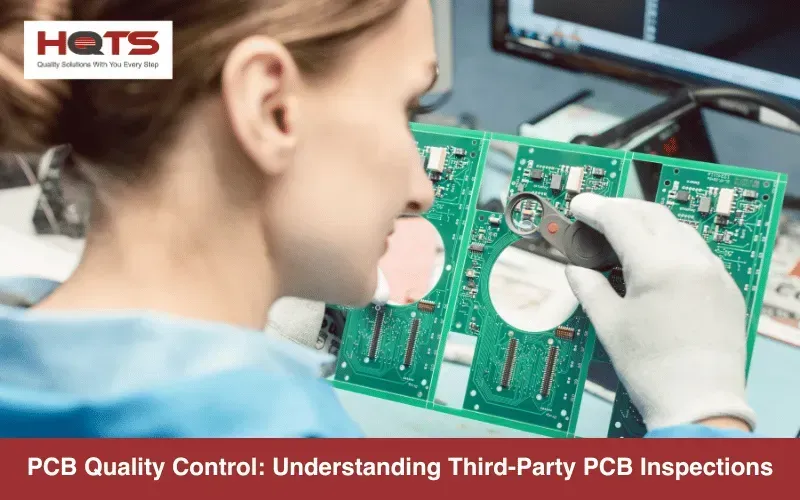
PCB Quality Inspection
In the realm of medical temperature control equipment, the reliability and safety of PCBs are paramount, directly impacting patient outcomes and diagnostic accuracy. Zero One Solution Limited's unwavering commitment to quality assurance and stringent regulatory compliance forms the bedrock of our PCB solutions, ensuring every board we produce meets the highest industry standards. Our comprehensive approach integrates meticulous quality control processes and adherence to critical certifications, guaranteeing that our PCBs perform flawlessly under the most demanding medical conditions. This dedication is not merely a formality but a fundamental operational principle that safeguards the integrity and functionality of life-critical devices.
ISO 13485 Certification As a cornerstone of medical device manufacturing, ISO 13485 specifies requirements for a comprehensive management system for the design and manufacture of medical devices. Zero One Solution is compliant with ISO 13485, affirming our robust quality management system dedicated to medical device PCBs. This certification ensures traceability, risk management, and continuous improvement throughout the entire product lifecycle, from initial design to final assembly, minimizing risks associated with product failure or non-compliance.
IPC Class 2/3 Standards Our manufacturing processes rigorously adhere to IPC Class 2 and IPC Class 3 standards for printed circuit boards. IPC Class 2 (Dedicated Service Electronic Products) ensures continued performance and extended life for products where uninterrupted service is desired but not critical. IPC Class 3 (High-Performance/Harsh Environment Electronic Products) is reserved for products where continued high performance or performance-on-demand is critical, and product downtime cannot be tolerated, such as life support systems. Zero One Solution primarily operates to IPC Class 3 for medical applications, guaranteeing superior reliability and longevity.
Traceability and Documentation Complete traceability is maintained for all components and manufacturing processes, ensuring that every PCB can be tracked from its raw materials to the final product. This includes detailed documentation of material suppliers, lot numbers, process parameters, and inspection records. This rigorous documentation system facilitates rapid root cause analysis in the unlikely event of a defect and provides comprehensive audit trails essential for regulatory submissions and compliance verification.
Automated Optical Inspection (AOI) and X-ray Inspection Our quality control protocols leverage advanced inspection technologies such as Automated Optical Inspection (AOI) and X-ray inspection. AOI systems detect surface defects, missing components, and solder joint issues, while X-ray inspection provides non-destructive analysis of hidden features like BGA connections and internal traces. These technologies ensure the highest level of manufacturing precision and defect detection, critical for the flawless performance of medical PCBs.
Environmental Compliance (RoHS, REACH) Beyond performance, we ensure all our PCBs comply with global environmental regulations such as RoHS (Restriction of Hazardous Substances) and REACH (Registration, Evaluation, Authorisation and Restriction of Chemicals). This commitment safeguards patient health by eliminating harmful substances and demonstrates our responsibility towards sustainable and ethical manufacturing practices, critical considerations for global market access of medical devices.
Integrated One-Stop Services: From Design to Assembly
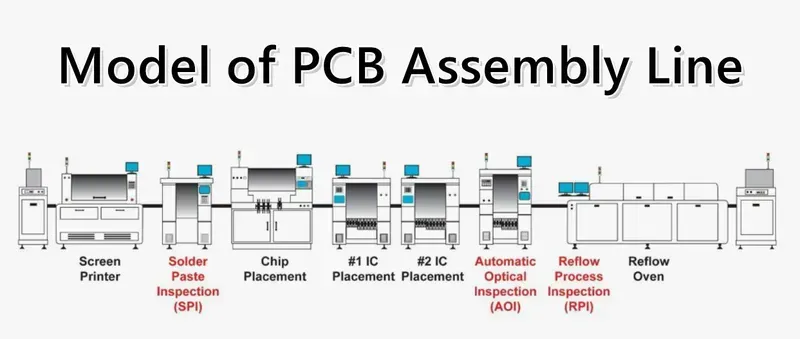
PCB Assembly Line
Zero One Solution Limited offers a comprehensive, integrated one-stop service for Medical Temperature Control Equipment PCBs, encompassing every stage from initial design to final assembly. This holistic approach dramatically streamlines the development cycle for medical device manufacturers, mitigating the complexities and potential delays associated with managing multiple vendors. By consolidating these critical phases under one roof, we ensure unparalleled consistency, accelerate time-to-market, and reduce overall project costs, allowing our clients to focus on innovation and patient care.
Optimized PCB Design for Medical Precision Our expert engineers collaborate closely with clients from the conceptual phase, leveraging advanced CAD tools and simulation software to create robust PCB designs specifically tailored for medical temperature control. We prioritize signal integrity, thermal management, and EMI/EMC compliance from the outset, crucial for the sensitive nature of medical devices. This upfront optimization minimizes design iterations and ensures adherence to stringent performance requirements like those for blood warmers or diagnostic analyzers.
High-Precision PCB Fabrication Zero One Solution's state-of-the-art fabrication facilities are equipped to produce medical-grade PCBs with exceptional precision. We utilize advanced materials, including high-Tg laminates and low-Dk/Df substrates, and employ manufacturing techniques such as HDI (High-Density Interconnect) and rigid-flex technology. This capability ensures the physical integrity and electrical performance required for applications demanding precise temperature regulation, such as PCR cyclers or cryogenic storage units. Our processes conform strictly to IPC Class 2/3 standards.
Service Aspect
Zero One Solution's Approach
Client Benefit
Design Phase
Collaborative DFM/DFA, Advanced Simulation
Reduced design iterations, Optimized performance
Fabrication Phase
Medical-Grade Materials, HDI/Rigid-Flex
Enhanced reliability, Superior thermal management
Assembly Phase
Automated SMT, IPC-A-610 Class 2/3
Consistent quality, Accelerated production
Quality Control
Rigorous Testing, Traceability
Guaranteed compliance, Minimized risk
Supply Chain
Global Network, Component Sourcing
Cost efficiency, Timely material access
Seamless PCB Assembly Following fabrication, our automated SMT (Surface Mount Technology) lines and skilled assembly teams take over, handling complex component placement and soldering with utmost accuracy. We maintain strict control over environmental conditions and employ comprehensive inspection techniques, including AOI (Automated Optical Inspection) and X-ray, to ensure every solder joint and component placement meets IPC-A-610 Class 2 or 3 standards. This meticulous approach is vital for medical devices where operational integrity is paramount, from infusion pumps to patient warming systems.
Case Studies: Enhancing Medical Devices with Superior PCB Solutions
Medical Device Internal PCB
Zero One Solution Limited's proven expertise in PCB solutions for medical temperature control equipment translates directly into tangible benefits for our clients, from accelerated development cycles to enhanced device reliability. Our commitment to precision engineering and stringent quality control has enabled numerous medical device manufacturers to overcome complex challenges and bring innovative products to market efficiently. Below are generalized case studies illustrating the impact of our superior PCB solutions.
Case Study 1: Precision Temperature Control for Diagnostic Equipment A client developing advanced diagnostic imaging equipment faced significant challenges with maintaining ultra-stable temperatures within their system, critical for accurate sample analysis. Traditional PCBs exhibited thermal inconsistencies, leading to drift in measurement. Zero One Solution collaborated closely with their R&D team, implementing rigid-flex PCB technology with integrated thermal management layers and specialized copper weighting. This innovative approach resulted in a 30% improvement in temperature stability across critical components, reducing diagnostic errors and improving throughput. The seamless integration of design and manufacturing by Zero One Solution accelerated the prototyping phase by 40%.
Case Study 2: Miniaturized PCB for Wearable Medical Devices A startup focusing on wearable patient monitoring devices required an ultra-compact and highly reliable PCB for their temperature sensing unit. The existing PCB design was too large and prone to electromagnetic interference (EMI) due to its proximity to other high-frequency components. Zero One Solution leveraged microvia technology and advanced HDI (High-Density Interconnect) layouts, drastically reducing the PCB footprint by 55% while significantly improving signal integrity. Our rigorous DFM (Design for Manufacturability) analysis and rapid prototyping capabilities allowed the client to iterate quickly, bringing their compact and reliable wearable device to market six months ahead of schedule, setting a new benchmark for miniaturization in medical temperature control.
Case Study 3: Enhanced Durability for Portable Medical Coolers A manufacturer of portable medical coolers for vaccine and specimen transport struggled with PCB failures due to repeated thermal cycling and mechanical stress during transit. Standard FR-4 materials were proving inadequate. Zero One Solution recommended and implemented high-Tg (Glass Transition Temperature) laminates and applied advanced surface finishes, alongside robust mechanical designs to mitigate stress points. The resulting PCBs demonstrated a 2x increase in lifespan under extreme temperature fluctuations and vibration tests. This enhancement in durability led to a significant reduction in warranty claims and enhanced the overall reputation of the client's medical transport equipment.
Partnering with Zero One Solution for Medical PCB Innovation
Collaborating with Zero One Solution Limited for your Medical Temperature Control Equipment PCB Solution signifies a strategic partnership designed to accelerate innovation, ensure reliability, and streamline your product development lifecycle. Our deep-rooted expertise, coupled with a robust global supply chain and unwavering technical support, positions us as an invaluable ally in navigating the complexities of medical device manufacturing. We are committed to translating your vision into cutting-edge medical temperature control equipment that meets the highest standards of safety, accuracy, and performance.
Accelerated Innovation Through Rapid Prototyping Zero One Solution's core strength lies in rapid prototyping, enabling medical device manufacturers to iterate designs quickly and efficiently. This significantly reduces time-to-market for critical temperature control equipment, allowing for faster product validation and deployment in a rapidly evolving healthcare landscape. Our agile approach means your innovations move from concept to tangible reality at an unprecedented pace, giving you a competitive edge.
Uncompromised Quality and Regulatory Adherence For medical temperature control equipment, quality and compliance are non-negotiable. Zero One Solution adheres to stringent industry standards like ISO 13485 and IPC Class 2/3. Our rigorous quality assurance protocols ensure every PCB is meticulously tested and validated, guaranteeing the precision, reliability, and long-term stability essential for patient safety and diagnostic accuracy. This commitment to excellence mitigates risks and ensures regulatory approval.
Strategic Global Supply Chain Advantage With headquarters in Shenzhen and a branch in Dubai, Zero One Solution leverages a strategically optimized global PCBA supply chain network. This provides unparalleled access to high-quality components, advanced materials, and manufacturing resources worldwide. Our extensive network ensures supply chain resilience, competitive pricing, and efficient logistics, ultimately contributing to cost-effectiveness and timely project completion for your medical PCB needs.
Comprehensive One-Stop Service and Technical Support We offer integrated one-stop services covering the entire PCB lifecycle, from initial design and material selection to fabrication, assembly, and testing. This holistic approach simplifies your procurement process, reduces coordination overheads, and ensures seamless project execution. Our dedicated team of veteran engineers provides expert technical support throughout every phase, offering invaluable insights and problem-solving capabilities that drive successful outcomes.
Frequently Asked Questions about Medical Temperature Control PCBs
Understanding the intricacies of Printed Circuit Board (PCB) solutions for medical temperature control equipment is crucial for ensuring device reliability, patient safety, and regulatory compliance. This section addresses common inquiries, providing expert insights into the design, manufacturing, and operational considerations of these critical components, helping stakeholders make informed decisions.
What are the primary considerations for PCB material selection in medical temperature control equipment? For medical temperature control equipment PCBs, material selection is paramount. Key considerations include thermal conductivity to dissipate heat effectively, ensuring stable operation; dielectric constant (Dk) and dissipation factor (Df) for signal integrity, especially in high-frequency circuits; and robust mechanical stability to withstand environmental stresses. High-Tg laminates, such as FR-4 variants with elevated glass transition temperatures, are often preferred for their enhanced thermal performance and dimensional stability. Biocompatibility and chemical resistance are also critical if the PCB is in direct contact with medical fluids or tissues, necessitating specialized materials or coatings like Parylene.
How does Zero One Solution ensure the precision and accuracy of PCBs for temperature control applications? Zero One Solution ensures precision and accuracy through a multi-faceted approach. This begins with rigorous DFM (Design for Manufacturability) analysis to optimize layouts for thermal performance and signal integrity. We utilize advanced manufacturing techniques like laser drilling for microvias and precise etching for fine line traces, crucial for high-density interconnects (HDIs). Our state-of-the-art automated optical inspection (AOI) and automated X-ray inspection (AXI) systems detect even the slightest defects. Furthermore, comprehensive electrical testing, including flying probe and in-circuit tests, verifies functionality and adherence to stringent performance specifications, ensuring the PCB delivers the required temperature control accuracy.
What regulatory standards must medical temperature control PCBs comply with? Medical temperature control PCBs must adhere to several critical regulatory standards to ensure patient safety and device efficacy. Foremost among these is ISO 13485, which specifies requirements for a comprehensive quality management system for medical devices. IPC Class 2 and Class 3 standards dictate the acceptability of electronic assemblies, with Class 3 being mandatory for life-support or critical medical devices due to its higher reliability requirements. Additionally, compliance with electromagnetic compatibility (EMC) standards like IEC 60601-1-2 is essential to prevent interference. Zero One Solution maintains strict adherence to these and other relevant regional regulations, such as FDA guidelines in the US and CE marking in Europe, through documented processes and traceability.
What are the common challenges in thermal management for medical temperature control PCBs? Thermal management in medical temperature control PCBs presents unique challenges due to the critical need for stable and precise temperature regulation. These challenges include localized hotspots from power components, requiring efficient heat dissipation strategies like thermal vias, copper pours, and heat sinks. Miniaturization demands denser component placement, intensifying heat generation within smaller footprints. The need for silent operation in medical environments often limits active cooling solutions (fans), necessitating reliance on passive thermal management. Zero One Solution addresses these by optimizing layer stack-ups, employing thermal simulation software, and integrating advanced thermal materials and designs to maintain optimal operating temperatures and prevent component degradation, thus ensuring long-term reliability and accuracy.
The future of medical temperature control equipment hinges on the precision, reliability, and speed with which its foundational electronics are developed and manufactured. Zero One Solution Limited stands at the forefront of this evolution, offering specialized PCB solutions that address the unique demands of the healthcare sector. Our commitment to rapid prototyping, stringent quality control, and comprehensive one-stop services from design to assembly ensures that your medical innovations can achieve optimal thermal management and performance. Partner with Zero One Solution to transform your visionary medical devices into market-ready realities. Visit our website or contact us today to discuss how our expert PCB solutions can accelerate your next groundbreaking project.