In the rapidly evolving landscape of space exploration, microsatellites, particularly CubeSats, have emerged as powerful tools for scientific research, Earth observation, and telecommunications. The heart of any successful CubeSat mission lies in its control board – the central nervous system that governs all onboard operations. At Zero One Solution Limited, we understand the critical importance of reliable and high-performance control board solutions for CubeSats. With our deep expertise in PCB design, manufacturing, and assembly, we empower researchers, universities, and aerospace companies to push the boundaries of what's possible in space. Our commitment to rapid prototyping enables our clients to accelerate their R&D cycles and bring innovative CubeSat technologies to market faster. This article delves into the intricacies of CubeSat control board solutions, highlighting the key features, design considerations, and the crucial role Zero One Solution plays in delivering cutting-edge PCB solutions for the aerospace industry.
The Critical Role of the CubeSat Control Board
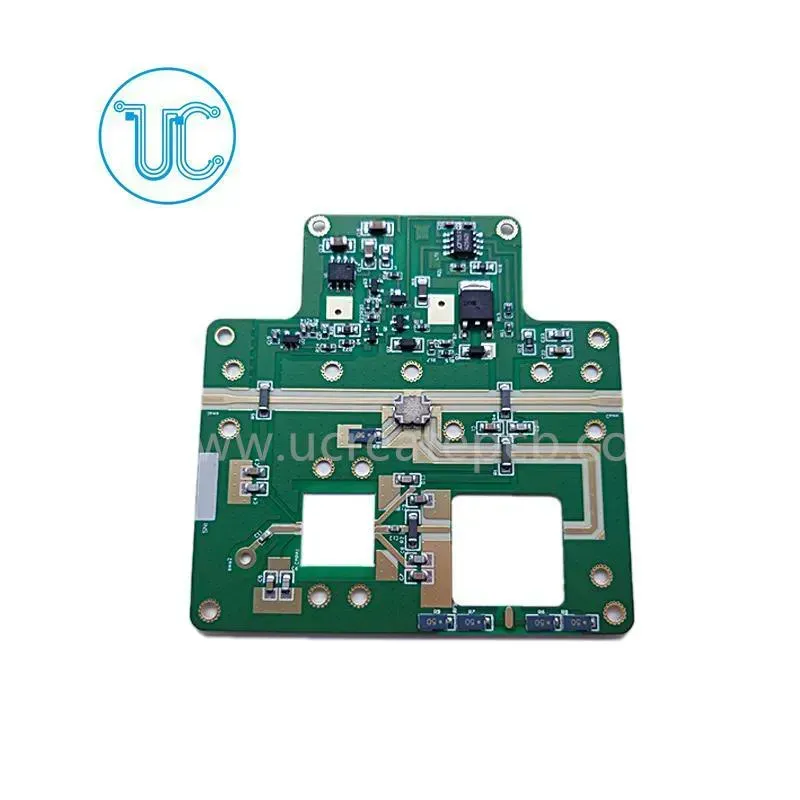
At the heart of every successful CubeSat mission lies its control board, functioning as the satellite's central nervous system. This highly integrated and robust electronic assembly is indispensable, orchestrating every critical operation from launch to deorbit. Its paramount role is to ensure the satellite's autonomous operation and successful execution of its mission objectives, necessitating an extremely high level of reliability and precision in its design and manufacturing. Without a meticulously engineered control board, even the most innovative CubeSat payload cannot function effectively in the unforgiving environment of space.
Power Distribution and Management The control board regulates and distributes power from solar panels and batteries to all satellite subsystems, ensuring stable voltage and current levels crucial for uninterrupted operation. Efficient power management is vital for maximizing mission longevity and optimizing payload performance.
Data Handling and Processing It acts as the central data hub, acquiring, processing, storing, and transmitting telemetry, command, and payload data. This includes managing sensor inputs, executing commands from ground stations, and preparing data for downlink, demanding high-speed processing and robust error correction capabilities.
Attitude Determination and Control System (ADCS) Responsible for maintaining the satellite's orientation in space, the ADCS relies on the control board to process data from various sensors (e.g., gyroscopes, magnetometers, sun sensors) and actuate control mechanisms (e.g., reaction wheels, magnetorquers) for precise pointing and stabilization. This is critical for communication links and scientific instrument operations.
Communication Management The control board manages all uplink and downlink communications with ground stations. It handles modulation, demodulation, encoding, and decoding of signals, ensuring reliable and secure data transfer. This includes managing different frequency bands and communication protocols, which are essential for command reception and data transmission.
Fault Detection, Isolation, and Recovery (FDIR) A key responsibility is to monitor the health of all subsystems, detect anomalies, isolate faulty components, and initiate recovery procedures. This autonomous capability is critical for mission survival, especially given the difficulty of remote repair in space. Robust FDIR protocols are designed into the control board to enhance mission resilience against unforeseen events.
The stringent demands of space necessitate that CubeSat control boards are not just functional, but also resilient against radiation, extreme temperatures, and vacuum conditions. This necessitates the use of space-grade components, redundant systems, and rigorous testing protocols to ensure mission success. Zero One Solution Limited specializes in providing the high-reliability PCB solutions that are foundational to such critical aerospace components, ensuring that every control board we facilitate is built to withstand the rigors of orbital operations.
Key Design Considerations for CubeSat Control Boards
Designing control boards for CubeSats presents unique and formidable challenges due to the unforgiving nature of the space environment. Unlike terrestrial electronics, CubeSat control boards must endure extreme conditions, including wide temperature fluctuations, vacuum, intense radiation, and severe mechanical stress during launch. These environmental factors necessitate a meticulous approach to every aspect of the design, from material selection and component ruggedness to the architectural layout, ensuring the board's operational integrity and mission success. Addressing these considerations from the outset is paramount for creating resilient, high-performance CubeSat systems capable of fulfilling their intended scientific, observational, or communication objectives.
Radiation Hardening Space is permeated by ionizing radiation (protons, electrons, heavy ions) that can cause single-event upsets (SEUs), latch-up, and total ionizing dose (TID) effects, leading to data corruption or permanent component damage. Designers must select radiation-tolerant or radiation-hardened components (RAD-hard) and implement fault-tolerant designs, such as error-correcting codes (ECC) for memory and triple modular redundancy (TMR) for critical logic, to mitigate these risks. Shielding, though adding mass, can also be employed in targeted areas to reduce radiation exposure to sensitive components. The goal is to ensure continuous, error-free operation despite cosmic ray bombardment, critical for mission-critical functions like attitude control and data downlink. For instance, a typical low-earth orbit (LEO) mission might experience TID levels ranging from 5 to 20 krad(Si) over a 1-5 year lifespan, requiring careful component evaluation based on their specific radiation susceptibility data from manufacturers or test reports from organizations like ESA (European Space Agency) or NASA (National Aeronautics and Space Administration).
Thermal Management The vacuum of space prevents convective heat transfer, leaving only radiation and conduction as viable heat dissipation mechanisms. CubeSat control boards experience drastic temperature swings, from scorching sunlight exposure to cryogenic cold in shadow. Effective thermal management involves selecting components with wide operating temperature ranges, strategically placing heat-generating components, utilizing thermal vias, heat pipes, and thermal interface materials, and designing appropriate thermal blankets or coatings. Simulation tools are crucial for predicting thermal profiles and ensuring that component junction temperatures remain within safe limits throughout orbital variations. For example, some COTS (Commercial Off-The-Shelf) components might be rated for -40
G to +85
G, but space-grade components often extend to -55
G to +125
G, emphasizing the need for meticulous thermal analysis to avoid failures due to overheating or excessive cooling.
Design Aspect
Key Challenge
Design Solution
Vibration and Shock
Launch environment mechanical stress (G-forces)
Robust mechanical design, secure component mounting (e.g., underfilling, staking), vibration-resistant connectors, careful board stiffening. Adherence to standards like ECSS-E-ST-10-03C for mechanical testing payloads (e.g., sinusoidal vibration up to 100 Hz, random vibration up to 2000 Hz).
Vacuum Compatibility
Outgassing of materials, potential for arcing
Selection of low-outgassing materials (IPC-A-610 Class 3, NASA EEE-INST-002 requirements), hermetically sealed components where necessary, avoidance of trapped air pockets. Testing for vacuum stability of materials and components is critical to prevent contamination of sensitive instruments or degradation of electrical performance (e.g., breakdown voltage reduction).
Signal Integrity (SI) and Power Integrity (PI)
Miniaturization, high-speed data rates, noise coupling
Careful impedance matching, proper trace routing, extensive grounding schemes, dedicated power planes, decoupling capacitors, and electromagnetic compatibility (EMC) design practices to minimize crosstalk and ensure stable power delivery. Simulation tools (e.g., SPICE, SI/PI analysis software) are indispensable for predicting and mitigating signal degradation and power fluctuations, especially for high-speed interfaces like LVDS, Gigabit Ethernet, or PCIe often found in advanced CubeSat payloads.
Essential Components of a High-Performance Control Board
Communication Module
The performance and reliability of a CubeSat control board are directly contingent upon the selection and integration of its core components. These individual elements act in concert to manage every aspect of the satellite’s operation, from precise attitude adjustments to robust data transmission and efficient power utilization. A deep understanding of these essential components is crucial for designing a control board that can withstand the rigors of space and successfully execute its mission objectives.
Microcontrollers (MCUs) Acting as the CubeSat's brain, MCUs process data, execute commands, and orchestrate all onboard systems. Key considerations include radiation tolerance, processing power, memory capacity, and integrated peripherals. Examples include ARM Cortex-M series and dedicated space-grade processors.
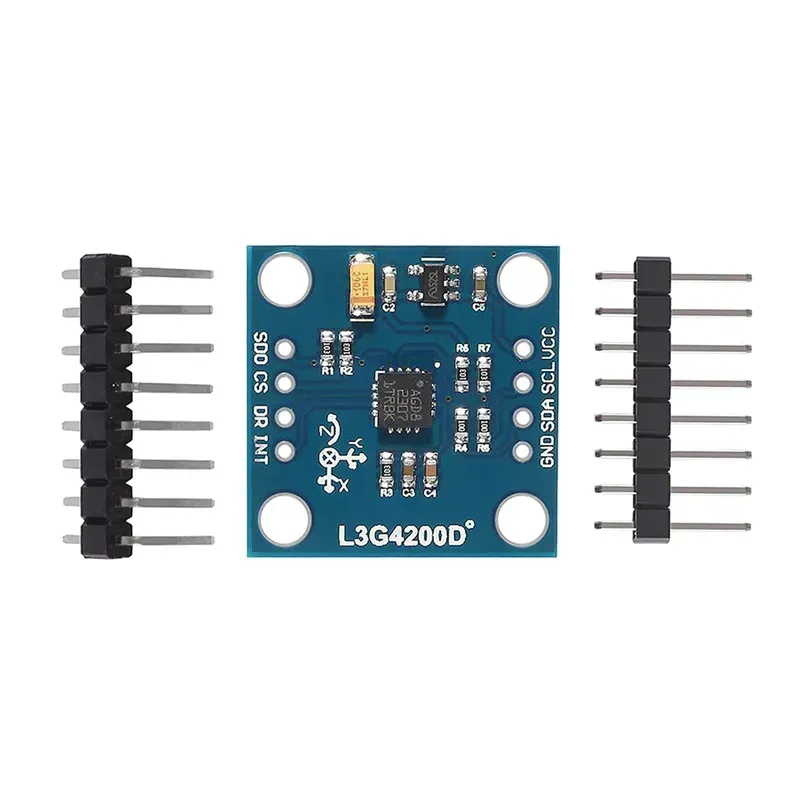
Sensors (Gyroscopes, Accelerometers, Magnetometers) These provide critical telemetry for attitude determination and control (ADCS). Gyroscopes measure angular velocity, accelerometers detect linear acceleration, and magnetometers sense the Earth's magnetic field. Redundancy and high precision are vital for stable operation.
Communication Modules Enabling data exchange with ground stations and other satellites, these modules include transceivers, antennas, and associated RF circuitry. They must support robust modulation schemes and error correction to ensure reliable links over long distances, often operating in UHF or S-band frequencies.
Power Management Integrated Circuits (PMICs) PMICs regulate power from solar panels and batteries, converting and distributing it efficiently to all subsystems. They incorporate features like Maximum Power Point Tracking (MPPT) for solar arrays, voltage regulators, overcurrent protection, and battery charge controllers, ensuring stable and consistent power delivery.
Memory Devices Both volatile (SRAM, DRAM) and non-volatile (NOR Flash, NAND Flash, EEPROM) memory are used for program storage, data logging, and temporary data handling. Space-grade memory must offer high radiation tolerance and error correction capabilities to prevent data corruption.
Bus Interfaces Standardized communication buses like I2C, SPI, UART, and CAN bus facilitate communication between different components on the control board. For higher data rates, protocols like SpaceWire or Ethernet are sometimes employed, ensuring efficient data flow across the system.
Component Type
Function
Space-Grade Requirement
Microcontroller (MCU)
System control, data processing, command execution
Radiation-hardened, high computational efficiency, low power
Attitude Sensors (IMU)
Provide orientation and motion data (gyros, accels, mags)
High precision, low noise, wide operating temperature range
Communication Transceiver
Uplink/downlink data to ground stations
Radiation-tolerant, high data rate, frequency stability
Power Management IC (PMIC)
Regulate and distribute power, battery charging
Radiation-resistant, high efficiency, over-voltage/current protection
Memory (Flash/SRAM)
Store program code and mission data
Radiation-tolerant, ECC (Error-Correcting Code) support, high reliability
Zero One Solution's Expertise in Aerospace PCB Solutions
Aerospace PCB Prototype
Zero One Solution Limited stands as a premier partner in the aerospace sector, particularly for microsatellite (CubeSat) control board solutions, due to our specialized focus on rapid prototyping and high-reliability manufacturing. Our two decades of experience, deeply rooted in the heart of electronic innovation in Shenzhen and with a strategic presence in Dubai, position us uniquely to navigate the complex demands of space-grade PCB design and assembly. We understand that in aerospace, precision, durability, and a swift development cycle are not just desirable but absolutely critical for mission success.
Rapid Prototyping for Accelerated Development We excel in rapid prototyping, enabling CubeSat developers to iterate and test their control board designs quickly. This agility significantly reduces time-to-market and allows for crucial design optimizations before full-scale production. Our streamlined processes ensure that even complex aerospace-grade PCBs are fabricated and assembled with unparalleled speed and accuracy, directly supporting the fast-paced nature of CubeSat development cycles, which typically range from 6 to 24 months, with rapid prototyping phases often completed within weeks. This compares favorably to traditional aerospace PCB development, which can span several months just for a single prototype iteration. Our commitment to rapid prototyping is underscored by our investment in cutting-edge automation and a highly skilled engineering team dedicated to minimizing lead times without compromising quality, especially vital for missions with tight launch windows and evolving technological requirements.
High-Reliability Manufacturing for Extreme Environments The space environment presents extreme challenges, from vacuum and thermal cycling to intense radiation. Zero One Solution's manufacturing processes are meticulously engineered to produce PCBs that withstand these harsh conditions. We employ advanced materials, rigorous process controls, and specialized assembly techniques to ensure every control board meets the stringent reliability standards required for space applications. Our capabilities extend to precise component placement with tolerances as fine as 01005 (0.4mm x 0.2mm) and multi-layer board fabrication up to 32 layers, essential for the compact and complex designs of CubeSat control boards. This dedication to high reliability is paramount, as the average mission duration for CubeSats can range from a few months to several years, demanding components that will perform flawlessly throughout their operational life. Our quality management system is certified to ISO 9001, providing a robust framework for consistent, high-quality output.
Key Service Area
Zero One Solution's Core Competency
Impact on CubeSat Projects
Design for Manufacturability (DFM)
Early-stage design review and optimization for enhanced yield and cost-efficiency.
Reduces costly rework, accelerates production, and improves overall board reliability from the outset.
Zero One Solution Limited's comprehensive expertise, from initial design consultation through to advanced manufacturing and stringent quality control, makes us an indispensable partner for any CubeSat mission aiming for success in the demanding frontier of space. Our ability to deliver high-quality, reliable, and rapidly prototyped PCB solutions directly contributes to the innovation and expansion of the microsatellite industry.
Our Comprehensive PCB Design and Layout Services
At Zero One Solution, our comprehensive PCB design and layout services are meticulously engineered to meet the unparalleled demands of microsatellite (CubeSat) control boards. We understand that precision, reliability, and performance are paramount in space-bound applications. Our expertise extends beyond basic layout, encompassing critical analyses and adherence to the most stringent industry standards to ensure every board functions flawlessly in the harsh orbital environment.
Signal Integrity (SI) Analysis High-speed data transmission is a cornerstone of CubeSat operations. Our SI analysis meticulously evaluates signal propagation, impedance matching, crosstalk, and reflections. This proactive approach prevents data corruption, ensures stable communication links, and maintains the integrity of critical sensor readings, which are vital for accurate attitude determination and control.
Thermal Simulation for Space Environments Temperature extremes are a constant challenge in space. Our advanced thermal simulation capabilities predict heat distribution and identify potential hotspots on the PCB. By optimizing component placement, trace routing, and incorporating thermal vias, we design boards that can reliably operate within their specified temperature ranges, preventing premature component failure due to thermal stress.
Design for Manufacturability (DFM) and Assembly (DFA) To ensure efficient and high-yield production, our design process integrates DFM and DFA principles from the outset. We optimize designs for automated assembly, minimize manufacturing defects, and reduce production costs without compromising performance. This includes considering component clearances, pad geometries, and solder mask design, leading to a robust and reproducible manufacturing process.
Rigorous Adherence to IPC Class 3 Standards For critical aerospace applications like CubeSats, IPC Class 3 standards are not just a recommendation; they are a necessity. Our design and layout processes strictly adhere to these criteria, which dictate the highest level of reliability and performance for electronic products where continuous operation or performance on demand is critical. This commitment ensures the longevity and fault tolerance required for successful space missions.
Optimized Component Placement and Routing Strategic component placement and intelligent routing are crucial for minimizing noise, optimizing power distribution, and ensuring signal integrity. Our engineers meticulously plan every trace and component, considering electromagnetic compatibility (EMC), minimizing loop areas, and isolating sensitive signals from noisy ones, all within the strict size and weight constraints of CubeSats.
Design Aspect
Zero One Solution Approach
Benefit for CubeSat Control Boards
Signal Integrity
Pre-layout and post-layout SI simulation
Ensures reliable high-speed data transfer and sensor accuracy
Thermal Management
Advanced CFD-based thermal simulation
Prevents overheating, extends component lifespan in vacuum
Manufacturability
Integrated DFM/DFA checks throughout design
Reduces production costs, improves yield, faster time-to-market
Reliability Standards
Strict adherence to IPC Class 3
Guarantees highest reliability for mission-critical applications
EMC/EMI Reduction
Optimized stack-up, grounding, and shielding techniques
Minimizes interference, ensures stable system operation
Advanced Manufacturing and Assembly Capabilities
SMT Assembly Process
At Zero One Solution, our advanced manufacturing and assembly capabilities are the bedrock of producing high-reliability PCB solutions critical for CubeSat control boards. We understand that the integrity of these components directly impacts mission success, which is why we employ state-of-the-art equipment, stringent process controls, and skilled technicians to ensure every board meets the exacting standards required for space applications. From high-precision automated SMT to robust through-hole assembly and protective conformal coating, our processes are meticulously designed to deliver unparalleled quality and durability, laying the foundation for flawless orbital performance.
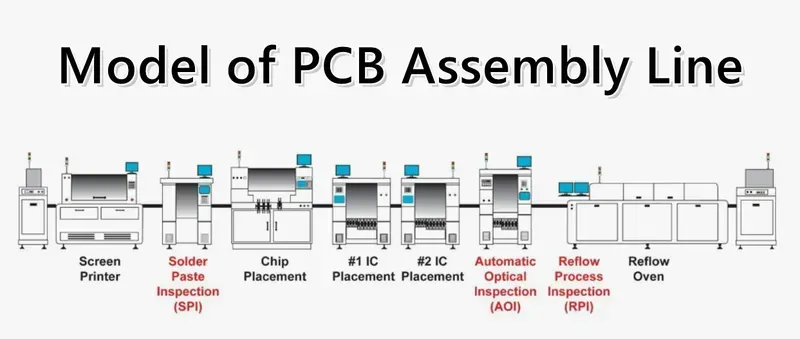
Automated SMT Assembly for Precision Our surface-mount technology (SMT) lines are fully automated, leveraging pick-and-place machines with exceptional accuracy to handle even the smallest and most complex components. This automation minimizes human error, increases throughput, and ensures consistent component placement, which is vital for the dense packing requirements of CubeSat control boards. We utilize advanced vision systems for precise alignment and real-time quality checks, critical for aerospace-grade PCBs where reliability is paramount. Our capabilities support a wide range of component packages, including fine-pitch BGAs and QFNs, ensuring compatibility with the latest microcontrollers and ICs for demanding space applications. This precision is validated through automated optical inspection (AOI) to detect any assembly defects early in the process, adhering to IPC-A-610 Class 3 standards for electronic assemblies of high reliability electronic products.
Robust Through-Hole Technology (THT) Assembly While SMT dominates, through-hole components remain crucial for certain high-stress or high-power applications within CubeSat control boards, providing superior mechanical strength and thermal dissipation. Our THT assembly process is meticulously controlled, from automated component insertion to precise wave soldering or selective soldering techniques. We ensure optimal solder joint integrity, which is essential for components subjected to significant vibration during launch and thermal cycling in orbit. Our experienced technicians meticulously inspect each solder joint to guarantee adherence to IPC J-STD-001 Class 3 requirements, ensuring long-term reliability in the harsh space environment. This dual capability allows us to integrate diverse component types seamlessly, optimizing board performance and resilience.
Protective Conformal Coating Application Conformal coating is a vital protective layer for CubeSat control boards, safeguarding them against environmental threats such as moisture, dust, chemical contaminants, and, importantly, electrical shorts and arcing in vacuum conditions. We apply various types of conformal coatings, including acrylic, polyurethane, silicone, and epoxy, chosen based on the specific operational environment and performance requirements. Our automated coating processes ensure uniform thickness and complete coverage, maximizing protection without compromising thermal dissipation or functionality. This critical step significantly enhances the longevity and reliability of the PCB in the extreme conditions of space, preventing failures due to environmental degradation and maintaining insulation integrity.
Rigorous Testing and Quality Assurance for CubeSat Control Boards
PCB Environmental Testing
Ensuring the unwavering reliability of CubeSat control boards is paramount for mission success, as even minor malfunctions can lead to catastrophic failures in the unforgiving space environment. At Zero One Solution Limited, our commitment to quality assurance is embedded throughout every stage of the PCB lifecycle, culminating in a rigorous testing regimen designed to validate the board's performance under extreme conditions. This meticulous approach guarantees that each control board leaving our facility meets the highest standards of durability and functionality, ready to withstand the rigors of spaceflight.
Why is rigorous testing critical for CubeSat control boards? Rigorous testing is crucial because CubeSat control boards operate in an extremely hostile environment characterized by vacuum, extreme temperature fluctuations, radiation, and vibrations during launch. Any component failure due to these conditions can lead to mission failure. Comprehensive testing validates the design, identifies potential weaknesses, and ensures the board can reliably perform its critical functions throughout its operational lifespan in space.
What types of functional tests are performed on CubeSat control boards? Functional testing verifies that all electronic components and subsystems on the control board operate as intended. This includes power integrity testing, signal integrity analysis, verification of communication protocols (e.g., I2C, SPI, UART), processor function validation, memory read/write operations, and checks of all input/output (I/O) interfaces. Specialized test fixtures are often employed to simulate real-world operational scenarios.
How do you conduct environmental testing for CubeSat control boards? Environmental testing simulates the harsh conditions encountered in space. Thermal cycling subjects the board to extreme hot and cold temperatures to identify solder joint integrity issues, component fatigue, and material expansion/contraction problems. Vibration testing, often using shaker tables, simulates launch stresses to ensure mechanical resilience. Vacuum chamber tests can also be performed to verify performance in a low-pressure environment, crucial for outgassing and thermal dissipation.
Is radiation testing necessary for CubeSat control boards? Yes, radiation testing is absolutely necessary. Space is permeated by ionizing radiation (protons, electrons, heavy ions) that can cause single event effects (SEEs), total ionizing dose (TID) degradation, and displacement damage in electronic components. Radiation testing, often performed at specialized facilities, assesses the board's susceptibility to these effects and helps select radiation-hardened or radiation-tolerant components to mitigate risks and ensure long-term reliability in orbit.
What quality standards does Zero One Solution adhere to for CubeSat control board testing? Zero One Solution adheres to stringent industry quality standards, particularly IPC Class 3/A for aerospace and military applications, which specifies the highest level of reliability. Our testing protocols also align with relevant NASA, ESA, and other space agency guidelines, ensuring compliance with mission-critical requirements. We maintain detailed documentation for all test procedures and results, providing full traceability and accountability for every control board produced.
Case Studies: Successful CubeSat Missions Powered by Zero One Solution
Zero One Solution Limited has been a pivotal partner in numerous successful CubeSat missions, providing the critical PCB infrastructure that underpins their operational integrity and mission success. Our expertise in rapid prototyping, high-reliability manufacturing, and rigorous quality assurance directly addresses the unique challenges of aerospace-grade electronics, enabling innovative CubeSat projects to transition from concept to orbit with confidence.
Mission Name
Primary Challenge
Zero One Solution's Contribution
Outcome
Project StarSight-1
Miniaturized high-resolution imaging payload integration requiring extreme signal integrity and thermal management.
Designed and manufactured a multi-layer control board with impedance-controlled traces and integrated thermal vias, ensuring optimal signal fidelity and heat dissipation for the imaging sensor.
Achieved unprecedented image clarity for a 2U CubeSat, validating advanced remote sensing capabilities.
Aurora-Comms Sat
Development of a robust communication board capable of handling high-speed data transmission in a radiation-prone LEO environment.
Provided a radiation-hardened PCB solution utilizing specialized materials and component placement strategies, coupled with advanced electromagnetic compatibility (EMC) design to minimize interference.
Successfully established stable high-bandwidth communication links, significantly exceeding data throughput targets and extending mission lifespan.
Navi-Pathfinder
Precision attitude determination and control system (ADCS) requiring ultra-low noise sensor integration and real-time processing capability.
Fabricated a compact, multi-board solution with isolated analog and digital sections to reduce noise, and performed extensive functional testing to validate sensor accuracy and processor performance under simulated space conditions.
Demonstrated superior pointing accuracy, enabling precise navigation experiments and validating next-generation ADCS algorithms.
The Future of CubeSat Technology and Zero One Solution's Role
The burgeoning landscape of CubeSat technology is characterized by relentless innovation, pushing the boundaries of miniaturization, enhancing functional capabilities, and enabling complex constellation deployments. These advancements are democratizing space access and driving new applications from Earth observation to in-orbit services. Zero One Solution Limited, as a leading PCB solution provider, is strategically positioned to be at the forefront of these developments, offering the specialized engineering and manufacturing expertise crucial for future CubeSat missions.
What are the primary trends shaping the future of CubeSat technology? The future of CubeSat technology is being driven by three key trends: extreme miniaturization, allowing for even smaller and more efficient satellite designs; increased functionality, enabling CubeSats to perform more complex tasks traditionally reserved for larger satellites; and the rise of constellation deployments, where multiple CubeSats work cooperatively to achieve broader coverage or specific mission objectives, such as global internet connectivity or continuous environmental monitoring.
How does Zero One Solution support the miniaturization trend in CubeSats? Zero One Solution supports miniaturization through advanced high-density interconnect (HDI) PCB designs, fine-pitch component assembly capabilities, and expertise in integrating multiple functionalities into compact board layouts. Our rapid prototyping allows for iterative design and optimization, crucial for achieving extreme size and weight reductions while maintaining performance and reliability essential for space applications.
What role does Zero One Solution play in enhancing CubeSat functionality? We enable enhanced CubeSat functionality by providing robust PCB solutions for integrating sophisticated processors, advanced communication modules, and high-precision sensors. Our DFM (Design for Manufacturability) and signal integrity analysis ensure that complex digital and RF circuits operate flawlessly within the demanding space environment, supporting everything from advanced propulsion systems to high-resolution imaging payloads.
How does Zero One Solution contribute to the success of CubeSat constellation deployments? For CubeSat constellation deployments, Zero One Solution provides scalable and highly reliable PCB manufacturing and assembly services. Consistency in quality and performance across large batches of control boards is paramount for constellation success. Our automated production lines, rigorous quality control, and adherence to aerospace standards ensure that each CubeSat in a constellation operates uniformly and dependably, minimizing mission risks and maximizing operational lifespan.
What emerging technologies is Zero One Solution preparing for in the CubeSat sector? Zero One Solution is actively preparing for emerging technologies such as on-orbit servicing, inter-satellite communication networks, and the integration of artificial intelligence and machine learning at the edge for autonomous operations. This involves continuous investment in advanced material research, novel interconnect technologies, and specialized manufacturing processes that can support ultra-low power consumption, enhanced radiation hardness, and unprecedented levels of integration for future CubeSat capabilities.
In summary, the CubeSat control board is a linchpin for mission success, demanding robust design, reliable manufacturing, and rigorous testing. Zero One Solution Limited is dedicated to providing advanced PCB solutions that meet the stringent requirements of the aerospace industry. Our expertise in rapid prototyping, coupled with our global PCBA supply chain network, positions us as the ideal partner for organizations looking to innovate in the CubeSat arena. We invite you to explore our comprehensive PCB solutions and discover how we can help you accelerate your R&D and bring your CubeSat mission to life. Contact us today to discuss your project requirements and let us be your trusted partner in space exploration.