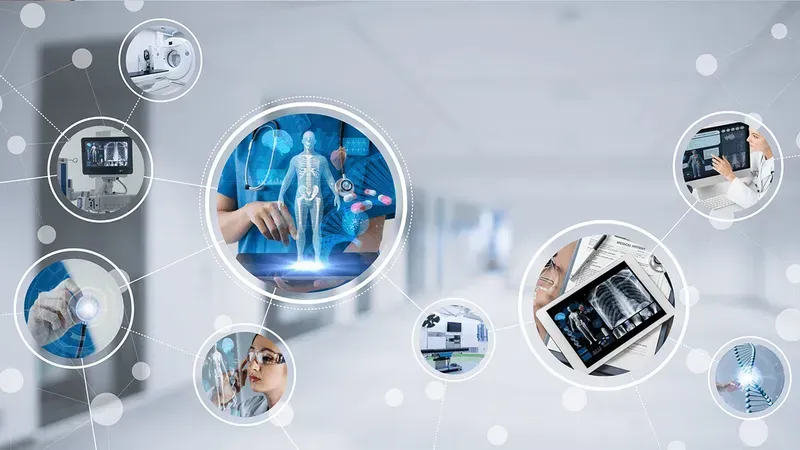
Mobile Internet Hospital Software and Hardware Solution Development
2025.07.17
In today's rapidly evolving healthcare landscape, the convergence of mobile technology and advanced medical services is transforming patient care. The concept of the 'Mobile Internet Hospital' is no longer a futuristic vision but a tangible reality, offering unparalleled access to healthcare from anywhere, anytime. At Zero One Solution Limited, we recognize this paradigm shift and are at the forefront of enabling this revolution. As a veteran engineer deeply rooted in Silicon Valley's innovation culture and with Zero One Solution Limited's decade-long expertise in PCB solutions, we understand that building robust, reliable, and scalable mobile internet hospital platforms requires seamless integration of sophisticated software and high-performance hardware. But how do we bridge the gap between groundbreaking medical concepts and their tangible, operational reality?
The Evolution of Healthcare: Why Mobile Internet Hospitals?
The transition to mobile internet hospitals signifies a pivotal shift in healthcare, driven by the imperative to enhance patient care through improved convenience and broader accessibility. This evolution is underpinned by the fundamental need for scalable healthcare infrastructures that can adapt to the increasing demands of a digitally-driven populace. Digital transformation in medicine is no longer a futuristic concept, but a present-day reality, fueled by the escalating demand for integrated solutions that break free from the confines of traditional clinics. This shift underscores the critical need for robust underlying technology, where secure data transmission, seamless connectivity, and reliable device integration are paramount.
The advantages of this evolution are multi-faceted, including:
Enhanced Patient Convenience: Mobile platforms enable patients to access healthcare services anytime, anywhere, eliminating geographical barriers and reducing the need for physical visits.
Improved Accessibility: Telemedicine and remote monitoring tools extend healthcare services to underserved populations, including those in rural areas or with mobility limitations.
Scalable Healthcare Infrastructure: Mobile solutions allow healthcare providers to manage a larger patient load more efficiently, leading to cost savings and improved resource allocation.
Data-Driven Decision Making: Integration of electronic health records (EHR) and advanced analytics provides healthcare professionals with comprehensive patient data, enabling more informed diagnoses and personalized treatment plans.
Proactive Health Management: Wearable sensors and remote monitoring devices empower patients to proactively manage their health, leading to earlier detection of potential health issues and improved health outcomes.
This transformation necessitates a technological ecosystem that is both sophisticated and reliable. Mobile internet hospitals leverage advanced technologies like cloud computing, data encryption, and secure communication protocols. The core of these solutions lies in the synergy of software and hardware, where the software provides the interface and data management capabilities, and the hardware provides the tools and sensors for real-time patient monitoring and diagnostics. As a PCB solution provider, Zero One Solution Limited is committed to facilitating this healthcare revolution by offering rapid prototyping and one-stop PCB solutions, which are essential for developing cutting-edge medical devices.
Essential Components of a Mobile Internet Hospital Solution
A mobile internet hospital solution's foundation lies in its interconnected components, each designed to streamline healthcare delivery. From patient engagement to data management, these elements work in concert to provide accessible, efficient, and comprehensive care. Understanding these core components is crucial for both developers and healthcare providers aiming to implement effective mobile health solutions.
Patient-Facing Mobile Applications These apps are the primary interface for patients. They offer features such as appointment scheduling, virtual consultations (telemedicine), access to medical records, medication reminders, and health monitoring tools. A user-friendly design and secure access are paramount.
Telemedicine Platforms Telemedicine platforms provide the infrastructure for remote consultations. This includes video conferencing tools, secure messaging, and the ability to share medical images and data. Robust encryption and HIPAA compliance are essential to protect patient privacy.
Remote Monitoring Devices Wearable sensors and medical IoT devices collect patient data in real-time. These devices monitor vital signs, track activity levels, and provide valuable insights into a patient's health. Accurate and reliable data transmission is crucial, as is the device's PCB design, something Zero One Solution Limited excels at.
Electronic Health Records (EHR) Integration Seamless integration with existing EHR systems is critical for data consistency and interoperability. This allows healthcare providers to access patient information from anywhere and ensures accurate record-keeping. Compliance with standards like HL7 and FHIR is essential.
Secure Data Communication Infrastructure A secure and reliable network is the backbone of a mobile internet hospital. This includes secure data transmission protocols, encryption, and robust cybersecurity measures to protect patient data. The design and manufacturing of PCBs used in these systems must adhere to strict medical-grade standards to ensure data integrity and patient safety.
The interplay of these components creates a comprehensive healthcare ecosystem. Patient-facing applications drive engagement, telemedicine platforms enable remote consultations, remote monitoring devices provide real-time health data, EHR integration ensures data accuracy, and a secure infrastructure protects sensitive information. This integrated approach empowers both patients and providers, transforming the delivery of healthcare.
Software Development for Digital Healthcare Platforms: Building the Backbone of Mobile Internet Hospitals
The digital transformation in healthcare hinges on robust software platforms. These platforms are the central nervous system of mobile internet hospitals, facilitating everything from patient interactions to complex data management. Designing and developing these systems demands a specialized understanding of user needs, regulatory requirements, and cutting-edge technologies. This section delves into the critical aspects of software development, ensuring a solid foundation for secure, efficient, and user-friendly digital healthcare solutions.
User Experience (UX) Design for Medical Apps A user-centered design approach is crucial. Medical apps must be intuitive, accessible, and easy to navigate for both patients and healthcare providers. This includes clear information architecture, streamlined workflows, and consideration of different user groups (e.g., elderly patients, specialists). Usability testing and iterative design are essential to ensure optimal user satisfaction and clinical efficiency.
Backend Architecture for Scalability and Data Management The backend architecture needs to handle large volumes of patient data securely and efficiently. This involves choosing the right database technologies, designing scalable APIs, and implementing robust data backup and recovery systems. Cloud-based solutions often provide the necessary scalability and flexibility for managing the demands of a growing patient base. Considerations include data governance, data lifecycle management, and data integration across various systems.
Cybersecurity Protocols and HIPAA Compliance Protecting patient data is paramount. Software development must incorporate stringent security measures, including encryption, access controls, and regular security audits. Compliance with regulations such as HIPAA (Health Insurance Portability and Accountability Act) in the United States is non-negotiable. This involves secure data storage, transmission, and access controls to prevent unauthorized use or disclosure of protected health information.
AI/ML Integration for Diagnostics and Personalized Care Artificial intelligence (AI) and machine learning (ML) can enhance diagnostic accuracy and personalize patient care. This includes integrating AI algorithms for image analysis (e.g., radiology), predictive analytics for disease management, and chatbots for patient support. The integration of these technologies requires careful consideration of data quality, algorithm validation, and ethical implications.
Interoperability Standards (HL7, FHIR) Interoperability is key for seamless data exchange between different healthcare systems. Adhering to standards like HL7 (Health Level Seven) and FHIR (Fast Healthcare Interoperability Resources) facilitates the exchange of patient data between electronic health records (EHRs), mobile apps, and other healthcare IT systems. This enables a more integrated and coordinated approach to patient care.
Hardware Innovation: Powering Mobile Health Devices
Medical IoT Device Close-up
The evolution of mobile internet hospitals hinges on advanced hardware, creating a need for innovative solutions to support remote patient monitoring, telemedicine consultations, and portable diagnostics. Success in this arena demands the seamless integration of cutting-edge components, all underpinned by reliable and efficient PCB solutions. This section delves into the critical aspects of hardware design, manufacturing, and the pivotal role Zero One Solution Limited plays in enabling these advancements.
Key hardware considerations include:
Miniaturization and Portability Designing compact medical devices that are easily carried and used by patients. This often involves selecting components that are small, lightweight, and energy-efficient without compromising functionality or performance.
Power Management Ensuring extended battery life for devices used in remote monitoring and diagnostics is critical. This includes implementing low-power consumption designs and efficient battery charging systems. Proper power management also involves selecting appropriate power regulators and ensuring thermal management to prevent overheating.
Connectivity Integrating reliable communication protocols, such as 5G, Bluetooth, and Wi-Fi, to enable real-time data transfer and seamless communication between devices and healthcare providers. This includes selecting appropriate antennas, ensuring robust signal integrity, and adhering to industry standards for secure data transmission.
Sensor Integration Incorporating various sensors for monitoring vital signs, collecting patient data, and enabling remote diagnostics. This demands precision in sensor selection, calibration, and integration, along with robust signal processing capabilities to ensure accurate and reliable data.
Durability and Reliability Designing devices that withstand the rigors of daily use in various environments. This involves using durable materials, robust mechanical designs, and rigorous testing to ensure long-term reliability.
Zero One Solution Limited excels in addressing these challenges, offering one-stop PCB solutions that are critical for the mobile healthcare revolution. Our expertise in rapid prototyping and manufacturing allows us to provide custom PCB designs optimized for size, power, and connectivity, ensuring faster time-to-market for our clients. We prioritize the integration of medical-grade components and compliance with industry standards, creating hardware solutions for the demands of this rapidly changing sector.
In essence, the advancement of mobile health technologies relies heavily on well-designed and dependable hardware, something that Zero One Solution Limited is dedicated to providing. By prioritizing innovation and precision in the manufacturing and assembly of PCBs, we ensure that our clients have the tools they need to lead the way in the future of digital healthcare.
The Indispensable Role of PCB Solutions in Modern Mobile Internet Healthcare
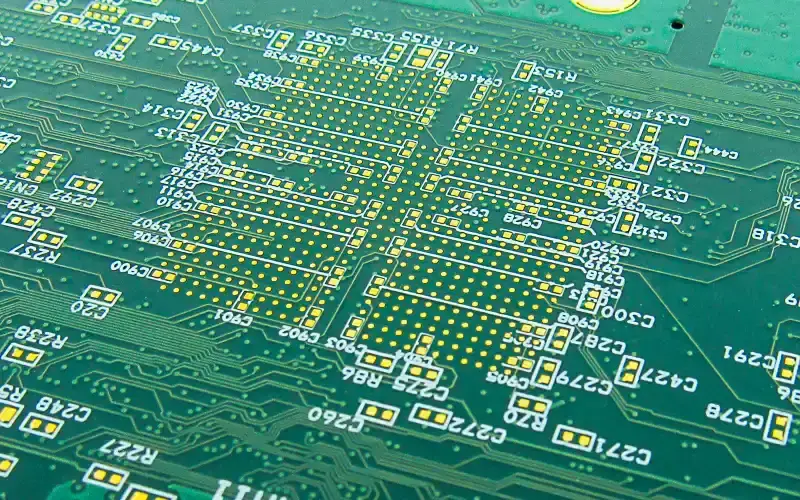
Medical Grade PCB Board
In the dynamic landscape of mobile internet healthcare, the often-unseen hero is the printed circuit board (PCB). These intricate components are the lifeblood of mobile medical devices, wearable sensors, and telemedicine platforms. High-quality PCB design, manufacturing, and assembly are not merely supporting elements; they are fundamental to the functionality, reliability, and success of mobile internet healthcare solutions. This section delves into the crucial role PCBs play, with a focus on how Zero One Solution Limited provides the essential expertise and services to propel innovation in this critical sector.
PCBs are the foundational building blocks of all electronic devices. In mobile internet healthcare, they must meet stringent requirements to ensure patient safety and device performance. The integration of complex components, miniaturization, and the need for robust connectivity, all depend on the precision and reliability of the PCB. Zero One Solution Limited's expertise in rapid prototyping and one-stop PCB solutions becomes invaluable in this context.
PCB Solution Attributes
Importance in Mobile Internet Healthcare
Rapid Prototyping
Accelerates development cycles, allowing for quick iterations and faster time-to-market for new medical devices.
High-Quality Manufacturing
Ensures device reliability, reduces failure rates, and maintains patient safety.
Miniaturization and Component Integration
Enables the creation of compact and wearable devices, essential for telemedicine and remote patient monitoring.
Medical-Grade Standards Compliance
Adherence to standards like ISO 13485 and FDA regulations, guaranteeing the safety and efficacy of medical devices.
One-Stop Service
Streamlines the development process, from design to assembly, simplifying project management and reducing complexities.
Zero One Solution Limited’s commitment to quality and rapid prototyping allows healthcare innovators to focus on the core functionality of their devices, knowing that the underlying PCB solutions are in expert hands. Our services are designed to support the evolving needs of the mobile internet healthcare sector, including advanced features like 5G connectivity, sophisticated sensor integration, and the processing of vast amounts of patient data. Compliance with medical-grade standards and regulations is paramount, and Zero One Solution Limited ensures that all PCB solutions meet the highest industry benchmarks.
What regulatory standards are crucial for PCBs used in medical devices? Medical devices must comply with stringent standards such as ISO 13485 and relevant FDA regulations to ensure safety and efficacy. These standards cover various aspects of PCB design, manufacturing, and testing.
How does rapid prototyping benefit the development of mobile medical devices? Rapid prototyping drastically reduces development cycles, allowing for faster iterations and quicker time-to-market for new devices. This is crucial in the fast-paced mobile healthcare sector.
What are the key considerations for PCB design in wearable medical devices? Key considerations include miniaturization, low power consumption, high reliability, and robust connectivity. Zero One Solution Limited specializes in optimizing PCBs for these requirements.
How does Zero One Solution Limited ensure the reliability of PCB solutions? We implement rigorous testing, quality control procedures, and utilize high-quality materials. Our focus on manufacturing excellence ensures that PCBs meet the demanding requirements of medical applications.
What role does PCB assembly play in the functionality of mobile internet healthcare devices? PCB assembly ensures the accurate and reliable integration of all components onto the board. Proper assembly is crucial for the device's overall functionality, performance, and longevity.
Navigating the Future: Challenges and Opportunities in Mobile Internet Hospital Development
The evolution of mobile internet hospitals presents a transformative shift in healthcare, yet it is fraught with complexities. Understanding the challenges and seizing the opportunities is crucial for stakeholders, including technology providers, healthcare professionals, and patients. This section delves into the significant hurdles that must be overcome and highlights the vast potential for innovation and market expansion within this dynamic sector.
Regulatory Compliance and Standards Meeting the stringent regulations governing medical devices and data privacy is paramount. Compliance with standards such as FDA (in the US) and CE marking (in Europe) for hardware, and HIPAA (in the US) and GDPR (in Europe) for data protection are essential. Furthermore, adhering to industry-specific guidelines ensures the safety and efficacy of mobile health solutions.
Data Security and Privacy Protecting sensitive patient data from cyber threats is a top priority. Implementing robust security measures, including encryption, access controls, and regular security audits, is critical. Building trust through transparency and adherence to privacy regulations is fundamental to user adoption and acceptance of mobile internet hospital solutions.
Interoperability Issues Ensuring seamless data exchange between different systems and devices is essential for efficient healthcare delivery. The ability of medical devices and software to communicate with each other and with existing EHR systems requires the implementation of interoperability standards such as HL7 and FHIR. Addressing these issues enables a more integrated and connected healthcare ecosystem.
Technological Obsolescence and Integration The rapid pace of technological advancements means that solutions can quickly become outdated. The ability to integrate new technologies, like AI and advanced sensors, while ensuring backwards compatibility is vital. Developing flexible and scalable solutions helps future-proof investments and allows for continuous improvements.
Cost and Scalability Developing and deploying mobile internet hospital solutions can be expensive. Considerations of cost-effectiveness, scalability, and the ability to adapt to growing user bases and data volumes are necessary to enable wider adoption and impact.
Despite these challenges, the mobile internet hospital landscape offers numerous opportunities:
Market Growth and Expansion The global market for mobile health solutions is experiencing exponential growth. The increasing adoption of smartphones and wearable devices, coupled with the rising demand for remote healthcare, creates substantial opportunities for businesses to expand their market share. According to a report by Grand View Research, the global mHealth market was valued at USD 61.3 billion in 2020 and is expected to expand at a compound annual growth rate (CAGR) of 20.3% from 2021 to 2028, highlighting the immense potential for growth and investment.
Improved Patient Outcomes Mobile health technologies enable proactive monitoring, timely interventions, and personalized care, leading to better patient outcomes. The use of remote patient monitoring, telemedicine, and AI-powered diagnostics can improve chronic disease management and improve the efficiency of medical interventions.
Enhanced Healthcare Accessibility Mobile internet hospitals improve access to healthcare services, especially in underserved areas. Telemedicine and remote patient monitoring help overcome geographical barriers, enabling access to specialist care and providing equal opportunities for all.
Innovation and Technological Advancements The mobile health sector is driving innovation in various areas, including wearable sensors, AI-driven diagnostics, and advanced data analytics. These advancements have the potential to transform how healthcare is delivered, providing insights that enable precision medicine and proactive health management.
Zero One Solution Limited is strategically positioned to help overcome these challenges. Our expertise in rapid prototyping, PCB design, manufacturing, and assembly enables us to deliver high-quality, reliable, and compliant solutions that meet the specific needs of mobile internet hospital developers. Our one-stop service streamlines the development process, reduces time-to-market, and ensures that our clients can focus on innovation while we manage the complexities of hardware development. Strategic partnerships and agile development methodologies are key to adapting to changing market needs and fostering continuous improvement, making Zero One Solution Limited a vital partner in the evolving healthcare landscape.
The journey toward a fully integrated Mobile Internet Hospital is complex, yet immensely rewarding. It demands a holistic approach, combining cutting-edge software with robust, reliable hardware. Zero One Solution Limited stands as your ideal partner in this endeavor, offering unparalleled expertise in PCB design, manufacturing, and assembly. Our rapid-response R&D prototype manufacturing capabilities, coupled with our strategic global presence in Shenzhen and Dubai, ensure that your innovative healthcare solutions move swiftly from concept to market. We are committed to empowering our clients to accelerate product development and deliver impactful digital health solutions that enhance patient care and operational efficiency. Partner with Zero One Solution Limited to transform your vision for the future of healthcare into a tangible, high-performance reality. Contact us today to discuss your next breakthrough in mobile internet hospital development.