In our increasingly electronic world, capacitors are the unsung heroes of circuit design. Among them, the MPP capacitor, or Metallized Polypropylene Capacitor, stands out for its unique properties and wide range of applications. From the hum of industrial machinery to the smooth operation of your home appliances, MPP capacitors play a critical role. This article will delve into the intricacies of MPP capacitors, exploring their construction, performance characteristics, and why they are so valuable in diverse electronic applications.
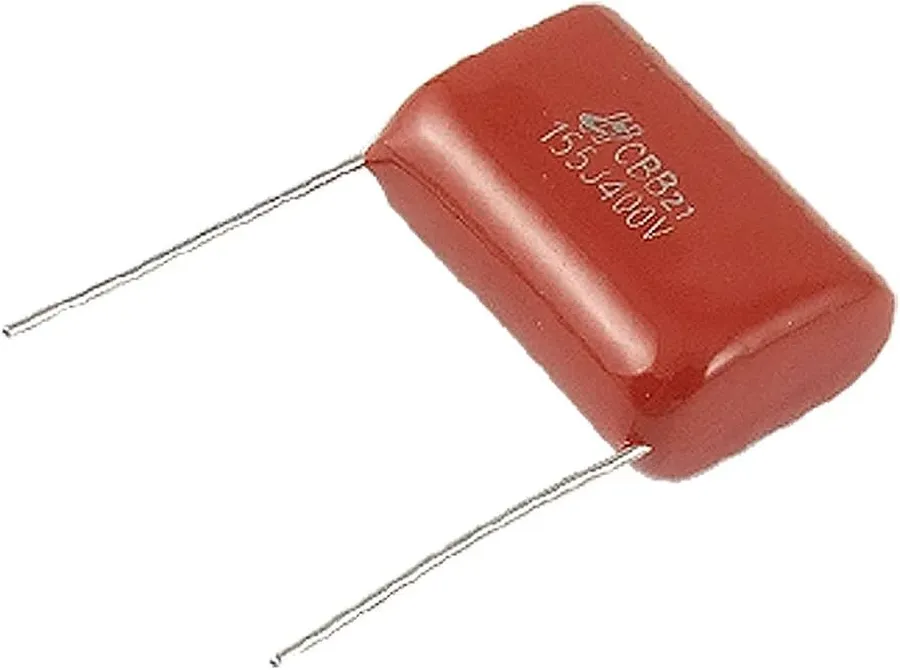
An MPP (Metallized Polypropylene) capacitor is a type of film capacitor distinguished by its use of a thin polypropylene film as the dielectric material, which is subsequently coated with a thin metallic layer, typically aluminum or zinc, to form the electrodes. This design imparts excellent electrical characteristics, including low losses and high insulation resistance, and it also enables self-healing properties.
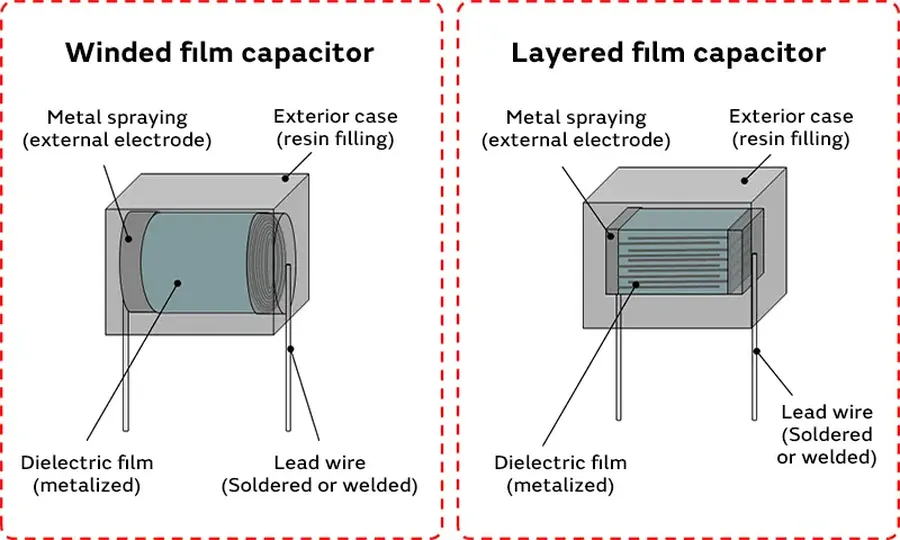
MPP capacitors, at their core, leverage a metallized polypropylene film to achieve their unique electrical characteristics. The construction process involves depositing a thin metal layer directly onto a polypropylene dielectric film, a technique that critically influences their performance and durability.
The primary materials and their respective roles are as follows:
The metallization process is meticulously controlled to ensure uniformity and desired thickness of the metal layer. This directly influences the electrical performance of the capacitor, and any irregularities can result in hot spots and capacitor failures. Furthermore, the way these layers are wound or stacked to form the final capacitor also affects its overall properties, including its ability to withstand high currents and temperatures. The quality of the materials and the accuracy of the manufacturing processes contribute to the capacitor's longevity and reliability.
MPP capacitors are distinguished by a suite of exceptional electrical characteristics that make them suitable for demanding applications. These characteristics stem from their unique metallized polypropylene film construction and include high voltage ratings, low dissipation factors, excellent insulation resistance, and high current handling capabilities.
| Characteristic | Description | Typical Values | Significance |
|---|---|---|---|
| Voltage Rating | The maximum voltage the capacitor can withstand without damage or failure. | From a few hundred volts to several kilovolts | Enables use in high-voltage applications, providing reliable performance and preventing dielectric breakdown. |
| Dissipation Factor (DF) | A measure of the energy lost as heat in the capacitor, expressed as a tangent of the loss angle. | Typically very low, below 0.1% at 1 kHz | Indicates high energy efficiency and low power loss, reducing heat generation and increasing capacitor lifespan. |
| Insulation Resistance (IR) | The measure of the capacitor’s ability to resist current leakage between its terminals when a voltage is applied. | High values, typically >10,000 MΩ (Megohms) | Ensures minimal current leakage, maintaining the charge effectively, and enhancing reliability. |
| Capacitance Stability | The degree to which the capacitance value remains consistent over temperature and time. | Generally very stable over a broad temperature range | Provides consistent performance across various operating conditions, crucial for precision applications. |
| Current Handling Capability | The maximum current the capacitor can handle without overheating or damage. | High, suitable for pulsed current applications | Ensures robust operation in circuits with high current demands, reducing the risk of failures. |
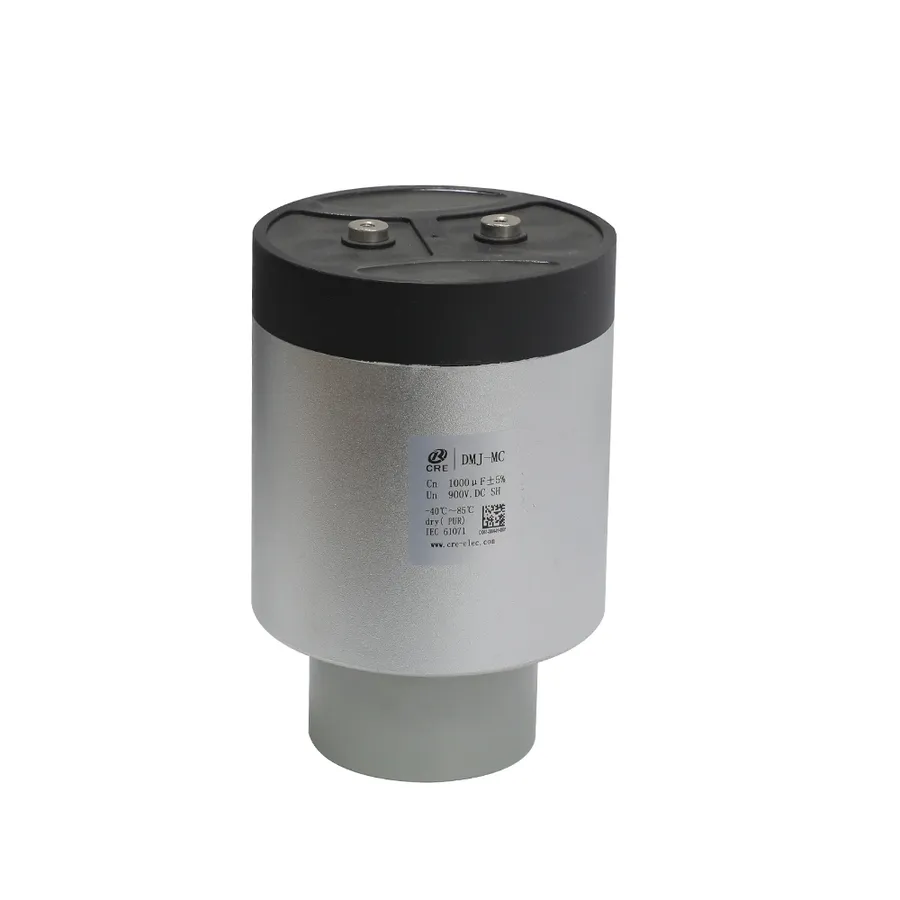
A defining characteristic of Metallized Polypropylene (MPP) capacitors is their self-healing capability, a property that significantly enhances their reliability and lifespan. This inherent ability allows these capacitors to recover from minor dielectric breakdowns, preventing catastrophic failure and maintaining functionality in demanding applications.
The self-healing mechanism in MPP capacitors is rooted in their metallized layer. When a localized dielectric breakdown occurs due to overvoltage or other stress factors, the high current density at the fault point generates intense heat. This heat causes the thin metallized coating around the breakdown to vaporize, effectively isolating the fault area. The dielectric material, polypropylene, remains largely unaffected during this process, thus maintaining the capacitor's functionality. This process is instantaneous and localized, ensuring the rest of the capacitor is not compromised.
This self-healing action is not indefinite; each event reduces the effective metallized area. However, the capacitor can withstand numerous such minor breakdowns, significantly extending its operational life compared to capacitors without this capability. This is particularly important in applications where reliability and longevity are critical, such as in power electronics, industrial equipment, and high-voltage circuits. The ability to withstand these minor faults and continue functioning without significant degradation makes MPP capacitors a durable and dependable choice in a variety of demanding applications.
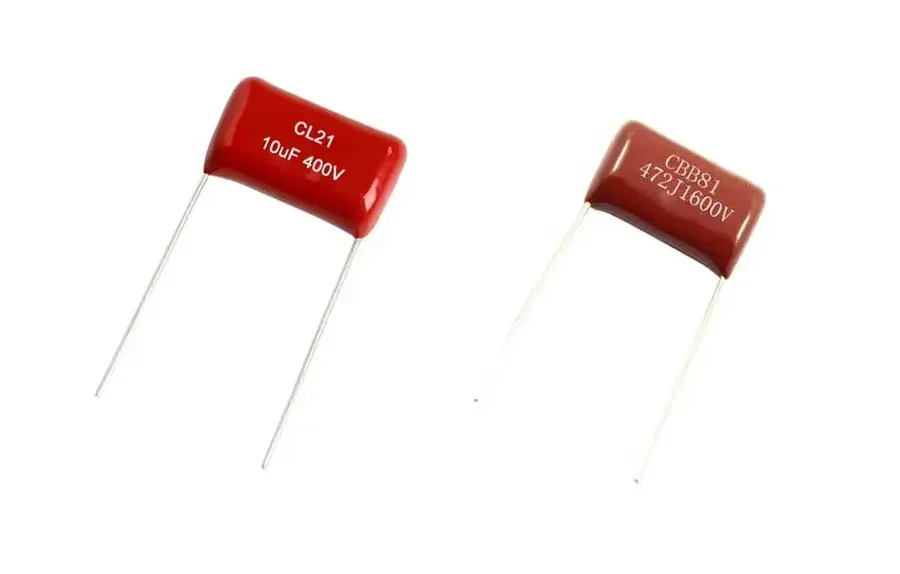
While both MPP (Metallized Polypropylene) and CBB (Polypropylene Film) capacitors utilize polypropylene film as their dielectric, their construction and resulting characteristics differ significantly, leading to distinct application profiles. MPP capacitors feature a metallized layer directly on the polypropylene film, whereas CBB capacitors employ metal foil electrodes separated by a polypropylene film. This difference in structure impacts their self-healing capabilities, current handling, and overall performance.
| Feature | MPP Capacitor | CBB Capacitor |
|---|---|---|
| Electrode Material | Metallized layer (typically aluminum or zinc) | Metal foil (typically aluminum) |
| Self-Healing Capability | Excellent, due to the thin metallized layer vaporizing around a breakdown | Limited, because the foil electrodes do not self-heal |
| Current Handling | Moderate, limited by the thin metallized layer | High, due to the larger surface area of the foil electrodes |
| ESR (Equivalent Series Resistance) | Higher compared to CBB capacitors | Lower compared to MPP capacitors |
| Size for same capacitance | Generally smaller | Generally larger |
| Cost | Generally lower | Generally higher |
| Typical Applications | Power factor correction, motor start/run, lighting ballasts | High-frequency applications, resonant circuits, snubber circuits, audio equipment |
| Voltage Rating | High, but typically lower than high-end CBB | Higher voltage options available for specific designs |
| Temperature Stability | Good, suitable for a wide temperature range | Excellent, with minimal changes in capacitance over temperature |
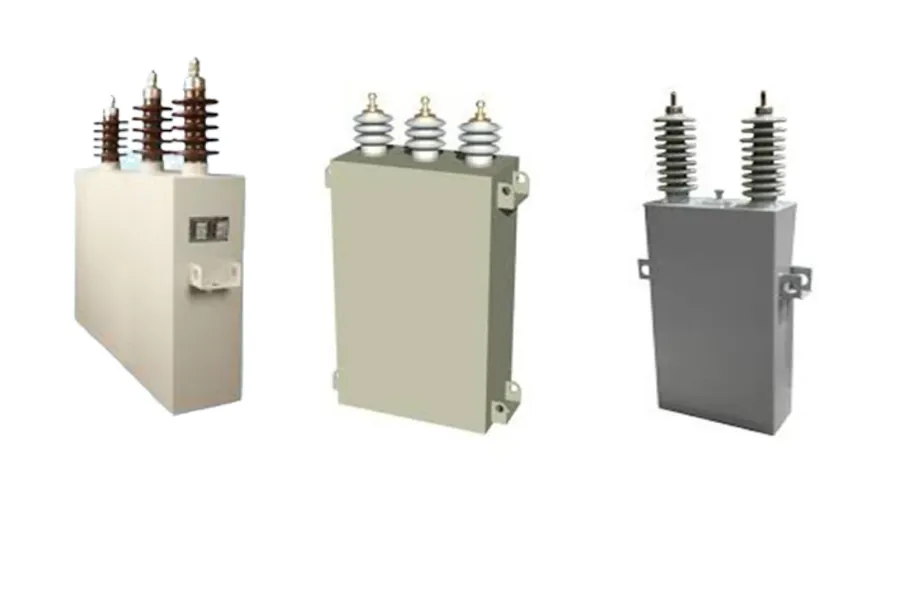
MPP capacitors, characterized by their metallized polypropylene film construction, exhibit exceptional electrical properties that make them indispensable across a wide range of applications. Their high voltage tolerance, low loss characteristics, and self-healing capabilities enable their use in demanding environments, spanning power systems, motor control, and high-frequency electronics.
Selecting the correct MPP capacitor is crucial for optimal circuit performance and reliability. This guide provides actionable advice, focusing on key parameters such as voltage, capacitance, physical dimensions, and operating environment. A well-chosen capacitor ensures the intended functionality and longevity of electronic devices.
| Parameter | Description | Importance |
|---|---|---|
| Voltage Rating | The maximum voltage the capacitor can safely withstand. It is crucial to select a capacitor with a voltage rating higher than the maximum expected voltage in the circuit. | Critical for preventing dielectric breakdown and ensuring safe operation. |
| Capacitance | The amount of electrical charge a capacitor can store. The value is measured in Farads (F), but is often expressed in microfarads (µF) or nanofarads (nF) for practical applications. | Essential for proper circuit functionality, such as filtering or energy storage, and must match the design requirements. |
| Capacitance Tolerance | The acceptable deviation of the actual capacitance value from the specified nominal value. Expressed as a percentage. | Important for precision circuits, it affects the accuracy of timing and filtering applications. |
| Physical Size | The physical dimensions of the capacitor. It is critical to select a capacitor that fits the available space within the device. | Important for proper installation and integration into the circuit without physical interference. |
| Operating Temperature | The range of temperatures within which the capacitor can operate reliably and within its specified characteristics. | Critical for ensuring capacitor stability and performance under varying environmental conditions. |
| Environmental Factors | Environmental conditions like humidity, vibration, and altitude that affect capacitor performance and reliability. | Impacts capacitor's lifespan and functionality; proper material selection ensures capacitor resistance to these conditions. |
When selecting an MPP capacitor, it is advisable to prioritize components from reputable manufacturers that provide detailed datasheets. These datasheets typically outline the electrical characteristics, mechanical dimensions, and reliability information. This will ensure that the component is appropriate for your application.
This section addresses common queries regarding MPP (Metallized Polypropylene) capacitors, providing clear and concise answers to enhance understanding and practical application.
The field of MPP capacitor technology is continually evolving, driven by the demand for enhanced performance, miniaturization, and greater reliability. Emerging trends focus on advanced materials, innovative manufacturing techniques, and integration with smart technologies, promising significant improvements in performance and broadening the application landscape.
These developments aim to create capacitors that are not only smaller and more efficient but also more durable and adaptable to a wider range of operating conditions.
MPP capacitors, with their robust design and exceptional electrical characteristics, are integral components in countless electronic applications. Their self-healing capabilities and ability to handle high voltages make them a reliable choice for demanding environments. As technology advances, the role of the metallized polypropylene capacitor will only expand, continuing to enable innovations across various sectors. Understanding their construction and applications is key for any electronics enthusiast or professional.

