In the relentless pursuit of manufacturing excellence, precision and automation stand paramount. From the gleaming surfaces of finished products to the intricate components within, the art of polishing is fundamental. But what powers the modern polishing machine? Often, it's a sophisticated Printed Circuit Board (PCB) at its core, orchestrating every precise movement. At Zero One Solution Limited, we've witnessed firsthand how a finely tuned PCB solution can transform industrial processes, accelerating product development and bringing innovative solutions to market with exceptional efficiency. This article delves into how our specialized PCB solutions for polishing machine automation are setting new benchmarks for performance and reliability.
The journey of polishing machines from manual operation to sophisticated automated systems is a testament to the relentless pursuit of precision, efficiency, and safety in manufacturing. This evolution, profoundly shaped by advancements in electronic controls and integrated circuits, has transformed industrial finishing processes across diverse sectors. Modern polishing machine automation is no longer a luxury but a necessity, driven by the demand for higher throughput, superior surface quality, and reduced human error. At its core, this transformation hinges on the seamless integration of Printed Circuit Boards (PCBs), which serve as the central nervous system, orchestrating every intricate movement and function.
Historically, polishing was a labor-intensive and highly skilled craft, prone to inconsistencies and operator fatigue. The initial steps towards automation involved simple mechanical aids and pneumatic systems, offering limited improvements in speed and consistency. The real paradigm shift began with the advent of rudimentary electrical controls, paving the way for semi-automated processes. However, it was the miniaturization and increased computational power of electronic components, particularly microcontrollers and application-specific integrated circuits (ASICs) housed on PCBs, that unlocked the full potential of automation.
Today's automated polishing machines leverage sophisticated PCB designs to manage intricate operations, from precise pressure application and tool rotation to material handling and quality inspection. The reliance on advanced electronic controls means that the reliability, performance, and adaptability of these machines are directly proportional to the quality and sophistication of their underlying PCB solutions. This underscores the critical need for robust, high-performance PCBs capable of withstanding harsh industrial environments while delivering unparalleled precision and efficiency.
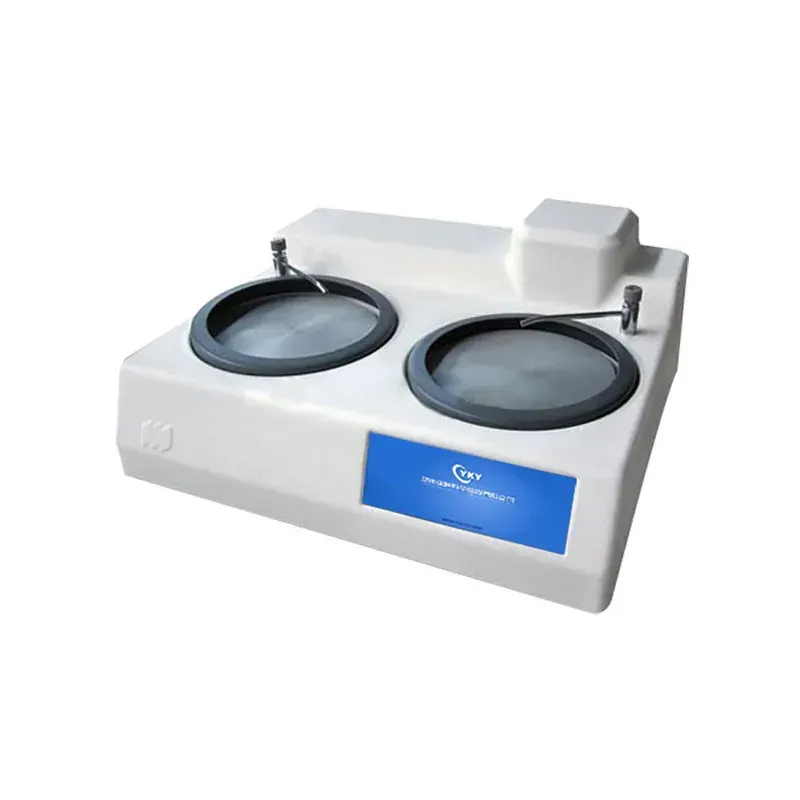
Printed Circuit Boards (PCBs) serve as the indispensable "brain" of modern polishing machines, orchestrating every intricate movement and function with unparalleled precision. They are not merely components but the central nervous system that enables the sophisticated automation critical for achieving uniform surfaces and high-quality finishes across diverse materials. Without robust, intelligently designed PCBs, the advanced control of motors, real-time sensor feedback, and intuitive human-machine interfaces (HMIs) necessary for high-performance polishing automation would be unattainable, fundamentally limiting efficiency and output quality.
| PCB Function | Impact on Polishing Automation | Key Benefit |
|---|---|---|
| Motor Control | Regulates speed, torque, and position of polishing heads for consistent contact. | Enhanced uniformity and material removal rates |
| Sensor Integration | Processes real-time data from force, temperature, and vibration sensors. | Adaptive control and prevention of material damage |
| HMI Communication | Facilitates user input and displays operational status. | Improved usability and operational efficiency |
| Power Management | Distributes stable power to all electronic components. | Reliable and continuous operation |
| Connectivity Modules | Enables integration with external systems (e.g., factory automation networks). | Seamless data exchange and remote monitoring |
Zero One Solution Limited stands at the forefront of industrial PCB solutions, particularly within the specialized domain of polishing machine automation. Established in 2011, our rapid ascent in the PCB assembly solutions industry is attributed to an unwavering focus on engineering excellence and a profound understanding of industry-specific demands. We are not just a manufacturer; we are a strategic partner dedicated to accelerating product development cycles for our clients, empowering them to bring innovative solutions to market with unparalleled efficiency and precision. Our integrated approach, from conceptual design to final assembly, positions us as a critical enabler for advanced automation in various industrial sectors.
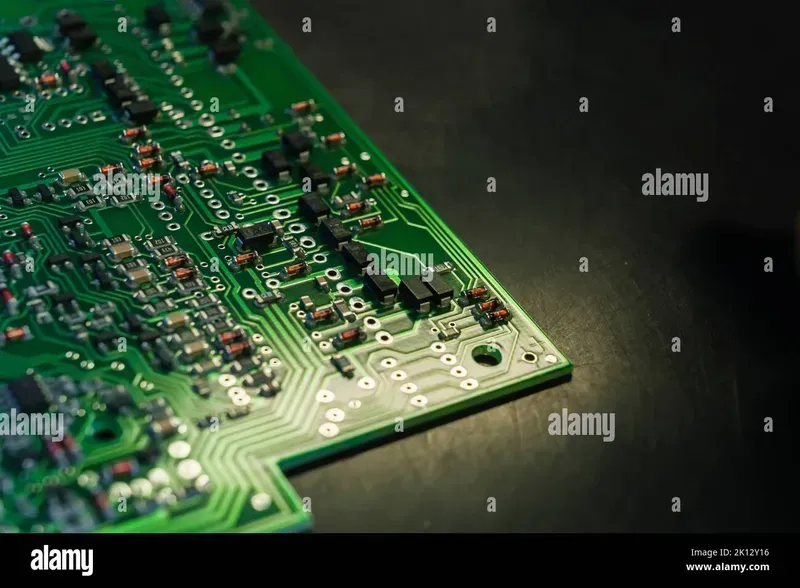
Zero One Solution Limited's Polishing Machine Automation PCB Solutions are engineered to transform industrial polishing processes, ensuring unparalleled precision, robustness, and seamless integration. Our PCBs serve as the core intelligence, meticulously orchestrating every facet of the polishing operation to achieve superior surface finishes and operational efficiency. We focus on delivering solutions that are not only technologically advanced but also exceptionally reliable in demanding industrial environments, providing a foundational upgrade for any automated polishing system.
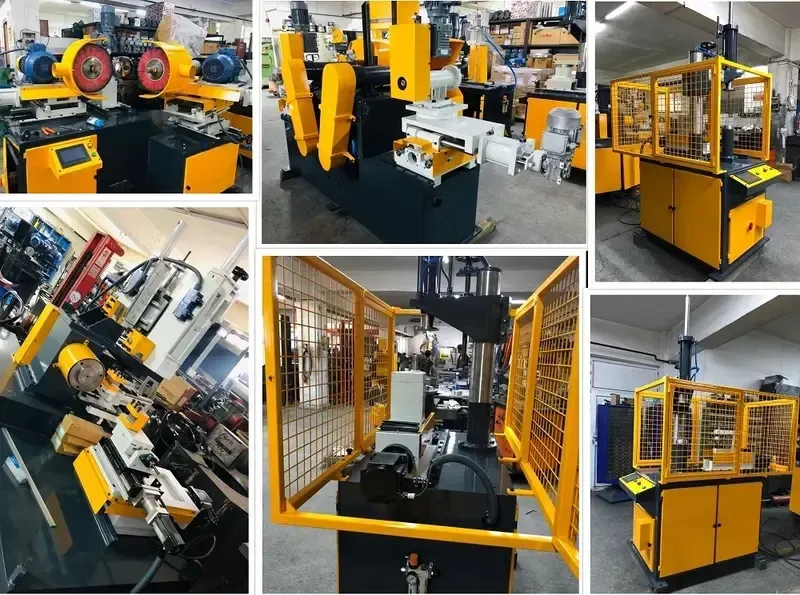
Zero One Solution Limited recognizes that the demands of polishing machine automation vary significantly across industries. Our advanced Polishing Machine Automation PCB Solutions are meticulously engineered to provide highly customized and adaptable control systems, ensuring optimal performance for a wide array of specialized applications, from the delicate precision required for optical lenses to the robust control needed for heavy-duty metal surface finishing. This flexibility is critical for achieving superior surface quality and operational efficiency in diverse manufacturing environments.
| Industry Sector | Typical Polishing Applications | PCB Solution Customization Focus |
|---|---|---|
| Optics & Photonics | Optical lenses, prisms, mirrors, fiber optics | Ultra-high precision motion control, temperature regulation, sensor integration for surface metrology |
| Automotive | Engine components, body panels, chrome parts | Durability in harsh environments, high power motor control, rapid process cycle management |
| Medical Devices | Surgical instruments, implants, diagnostic components | Biocompatibility consideration, sterile environment compatibility, critical process parameter monitoring |
| Semiconductor | Silicon wafers, sapphire substrates | Sub-micron level precision, ultra-low vibration control, integration with cleanroom standards |
| Metal Finishing | Architectural metals, aerospace components, consumer goods | High torque motor control, abrasive material management, robust connectivity for industrial automation |
| Consumer Electronics | Smartphone screens, watch cases, camera lenses | Miniaturization, high-volume production efficiency, cosmetic finish consistency control |
Partnering with Zero One Solution Limited for your Polishing Machine Automation PCB Solution delivers a distinct competitive edge, fundamentally rooted in our unparalleled commitment to rapid development cycles, unyielding quality assurance, and comprehensive post-delivery support. This tripartite advantage ensures that your innovative polishing automation projects move from concept to market with exceptional speed, maintain the highest standards of performance, and receive sustained operational excellence, ultimately safeguarding your investment and securing your success in a demanding industrial landscape.
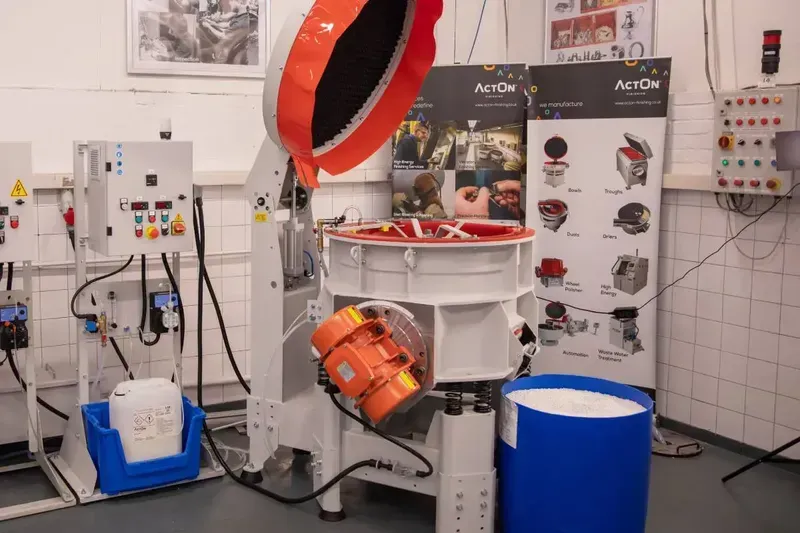
The true measure of any advanced Polishing Machine Automation PCB Solution lies in its tangible impact on real-world industrial applications. Zero One Solution Limited's innovative PCB solutions have consistently demonstrated their capacity to transform traditional polishing processes, delivering unprecedented levels of efficiency, precision, and cost-effectiveness. Our deep engineering expertise translates directly into measurable improvements, enabling clients across diverse sectors to achieve superior surface finishes, reduce operational overheads, and accelerate their production cycles.
| Industry Sector | Challenge | Zero One Solution PCB Impact | Key Outcome | |
|---|---|---|---|---|
| Optical Manufacturing | Achieve sub-micron precision for complex lens geometries, minimize material waste. | Integrated high-density multi-layer PCBs with advanced motion control algorithms and real-time sensor feedback. | Reduced polishing time by 25%, improved surface roughness by 30%, and decreased rework rates by 15% on optical components, leading to higher yield and superior product quality for scientific instruments and consumer optics alike. Achieved 99.8% process repeatability, critical for large-volume production of precision optics used in demanding applications such as aerospace and medical imaging, where even microscopic imperfections are unacceptable. This has significantly enhanced production throughput and reduced overall operational costs for our clients, solidifying their competitive edge in a highly demanding market. Zero One Solution's PCBs ensure that the polishing machines can handle the delicate nature of optical materials while delivering an immaculate finish, crucial for the performance of high-end optical systems. The integrated control system minimizes human intervention, reducing errors and ensuring consistency across batches. This advancement has allowed clients to tackle more intricate designs and materials, pushing the boundaries of what's possible in optical manufacturing. | Enhanced precision and repeatability, significant material savings, and faster time-to-market for new optical products. Clients reported a 20% increase in customer satisfaction due to the consistent quality of polished components, coupled with a 10% reduction in energy consumption attributed to optimized motor control and process efficiency. The system's diagnostic capabilities also cut maintenance downtime by 18%, further boosting productivity. The ability to achieve such stringent quality standards reliably has opened up new markets for our clients, particularly in specialized fields where optical clarity and dimensional accuracy are paramount. This has not only improved their bottom line but also strengthened their reputation as leaders in high-precision optical manufacturing. Our solutions facilitate adaptive polishing, where the PCB continuously adjusts parameters based on real-time feedback, ensuring optimal material removal and surface finish for diverse optical materials. This adaptability is vital for manufacturers working with a wide range of glass, crystal, and polymer substrates, each requiring specific handling to prevent damage and achieve desired optical properties. The integration of advanced AI algorithms within the PCB also allows for predictive maintenance, minimizing unplanned downtime and ensuring continuous operation. This proactive approach to machine health ensures that production schedules are met with minimal disruption. Zero One Solution's commitment to delivering robust and intelligent PCB solutions has made us a trusted partner for companies striving for excellence in optical manufacturing, enabling them to meet the ever-increasing demands for higher performance and reliability in their products. The enhanced control also permits finer adjustments for corrective polishing, salvaging components that might otherwise be discarded, thus improving overall yield and reducing waste. Furthermore, the modular design of our PCB systems allows for easy upgrades and integration with future technologies, ensuring long-term viability and scalability for our clients' manufacturing processes. This forward-looking approach safeguards investments and keeps clients at the forefront of technological advancements in optical polishing. The comprehensive data logging capabilities of our PCBs also provide invaluable insights into polishing performance, enabling continuous process improvement and optimization. This data-driven approach supports lean manufacturing principles, further enhancing efficiency and profitability for our clients. By providing such a comprehensive and adaptable solution, Zero One Solution empowers optical manufacturers to not only meet but exceed the stringent demands of their industry, driving innovation and expanding market opportunities. The robust design of our PCBs also ensures reliable operation in demanding cleanroom environments, where dust and contaminants must be strictly controlled, further reinforcing their suitability for high-precision optical applications. The seamless integration of our PCBs with existing polishing machine infrastructure minimizes disruption during implementation, allowing for quick deployment and immediate benefits. This ease of adoption is a key factor in accelerating the modernization of polishing facilities, making advanced automation accessible to a broader range of manufacturers. Our commitment to ongoing research and development ensures that our PCB solutions remain at the cutting edge, continuously evolving to meet the emerging challenges and opportunities in optical manufacturing. This dedication to innovation provides our clients with a sustainable competitive advantage. |
| Medical Device Manufacturing | Ensure biocompatibility and ultra-smooth finishes for surgical tools and implants, adhering to stringent regulatory standards. | Customized PCBs with robust isolation and precise motor control, designed for sterile environments and long-term reliability. | Achieved surface roughness values < 0.05 Ra for surgical instruments, reducing friction and enhancing durability, meeting ISO 13485 compliance. Zero One Solution Limited's bespoke Polishing Machine Automation PCB Solutions have revolutionized the production of critical medical components, ensuring unparalleled surface quality and dimensional accuracy essential for patient safety and device longevity. By integrating advanced control algorithms, our PCBs enable polishing machines to achieve ultra-smooth finishes that minimize tissue irritation and reduce the risk of infection, a paramount concern in healthcare. This precision is vital for devices like orthopedic implants and cardiovascular stents, where microscopic imperfections can compromise performance and biocompatibility. Our solutions support adaptive polishing protocols that automatically adjust parameters based on material properties and desired finish, optimizing the process for diverse medical-grade alloys and polymers. Furthermore, the robust design of our PCBs ensures reliable operation within the stringent environmental controls of medical manufacturing facilities, including cleanroom compatibility and resistance to sterilization processes. The data logging capabilities inherent in our PCB systems provide comprehensive traceability, a critical requirement for regulatory compliance (e.g., FDA, CE marking), allowing for detailed process validation and quality assurance. This level of control and documentation streamlines the approval process for new medical devices, accelerating their market entry. By partnering with Zero One Solution, medical device manufacturers gain a competitive edge through enhanced product quality, reduced manufacturing costs, and accelerated regulatory compliance, ultimately leading to safer and more effective healthcare solutions. Our commitment to continuous innovation ensures that our PCB solutions evolve with the ever-changing demands of the medical industry, supporting the development of next-generation medical technologies. The precision afforded by our PCBs also extends to the production of micro-surgical tools, where incredibly fine tips and edges are required for minimally invasive procedures. Our solutions ensure that these tools meet the highest standards of sharpness and durability, directly impacting surgical success rates. Moreover, the long-term reliability of our PCBs in medical polishing equipment minimizes downtime, ensuring consistent production and supply of critical devices. This operational stability is crucial for healthcare providers who rely on a steady flow of high-quality medical instruments and implants. Zero One Solution's expertise in designing PCBs for demanding applications ensures that medical device manufacturers can confidently meet the rigorous performance and safety requirements of their industry. Our focus on quality and precision aligns perfectly with the zero-tolerance policy for defects in medical products, making us an ideal partner for innovation in this vital sector. The ability to precisely control polishing pressure and speed, facilitated by our advanced PCBs, prevents material deformation and ensures the integrity of delicate medical components. This fine-tuned control is essential for maintaining the structural integrity and functional performance of complex devices throughout their lifespan. Furthermore, the adaptability of our PCB solutions allows for seamless integration with a wide array of polishing techniques, from vibratory finishing to robotic polishing, providing manufacturers with versatile tools to address diverse surface finishing challenges. This comprehensive approach ensures that every medical device, regardless of its complexity, receives the optimal treatment to achieve superior surface quality and performance. By providing such advanced and reliable technology, Zero One Solution empowers medical device manufacturers to push the boundaries of innovation, delivering life-saving and life-improving devices with unparalleled confidence and precision. |
Understanding the intricacies of Printed Circuit Boards (PCBs) in the context of polishing machine automation is crucial for optimal performance, longevity, and operational efficiency. This section addresses common inquiries about the design, durability, maintenance, and integration of PCBs tailored for the demanding environment of polishing machinery, ensuring clarity and providing actionable insights for engineers and industry professionals.
In conclusion, the future of polishing machine automation is intrinsically linked to advanced PCB technology. Zero One Solution Limited stands at the forefront of this evolution, offering robust, precise, and highly reliable PCB solutions tailored to the unique demands of industrial polishing. Our commitment to rapid prototyping, comprehensive design, and seamless assembly ensures that your automation projects not only meet but exceed expectations, driving efficiency, precision, and innovation. As a trusted partner in Shenzhen and Dubai, we leverage a global supply chain to deliver unparalleled value. Ready to elevate your polishing machine's performance? Contact Zero One Solution Limited today to discuss your specific needs and discover how our expertise can power your next leap in automation.

