In our increasingly mobile and power-dependent world, devices like the Jaycar inverter are indispensable. From powering your laptop during a road trip to running essential appliances during a power outage, these devices bridge the gap between DC and AC power. This article delves into the intricacies of Jaycar inverters, exploring their types, applications, and the key factors to consider when choosing one to meet your unique power needs. Let's unpack how these clever devices work and how you can harness them to power your life.
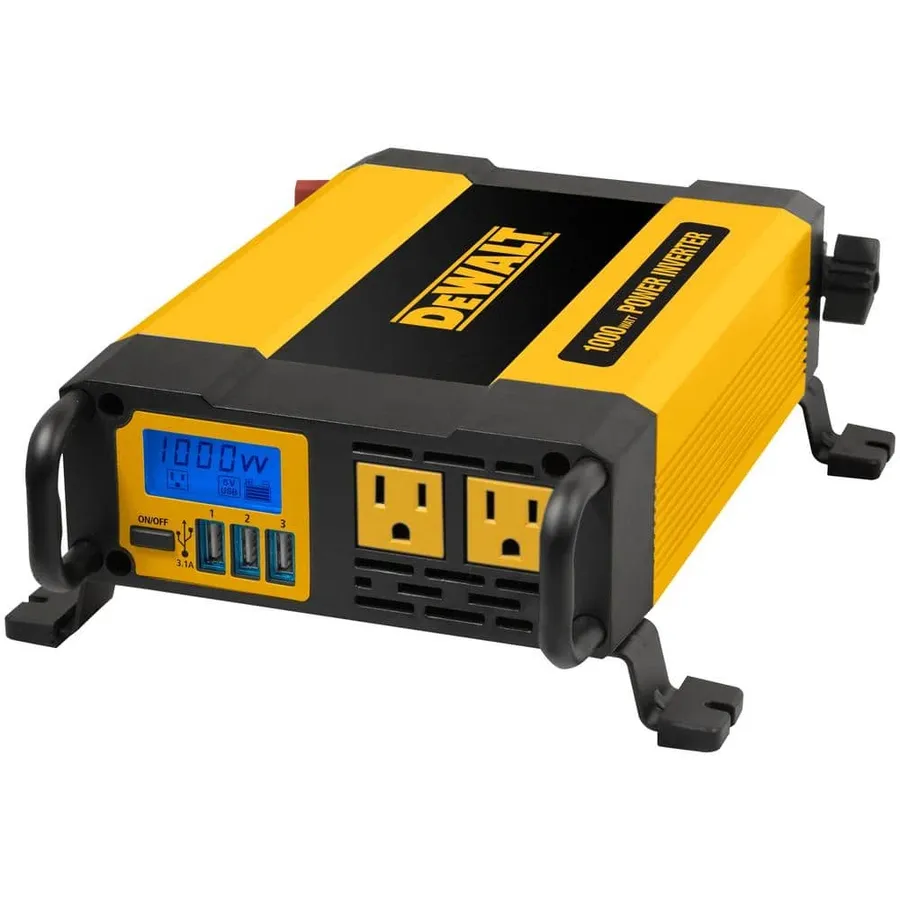
Inverters are essential electronic devices that transform direct current (DC) power, commonly found in batteries, into alternating current (AC) power, which is the standard for powering most household appliances and electronics. This conversion is crucial for utilizing battery power to operate devices designed for AC power grids, making inverters a cornerstone of mobile power solutions and off-grid systems.
| Characteristic | Direct Current (DC) | Alternating Current (AC) |
|---|---|---|
| Direction of Current Flow | Unidirectional (constant) | Bidirectional (changes periodically) |
| Voltage | Typically constant | Varies sinusoidally |
| Source | Batteries, solar panels | Power grids, generators |
| Usage | Low voltage electronics, charging | Household appliances, motors |
The core function of an inverter involves sophisticated electronic circuitry to modulate the DC input into a simulated AC waveform. Different types of inverters achieve this conversion with varying degrees of precision and can thus impact performance and compatibility with specific devices, which is why understanding the distinction between Modified Sine Wave and Pure Sine Wave inverters becomes essential when choosing the best solution for your needs.
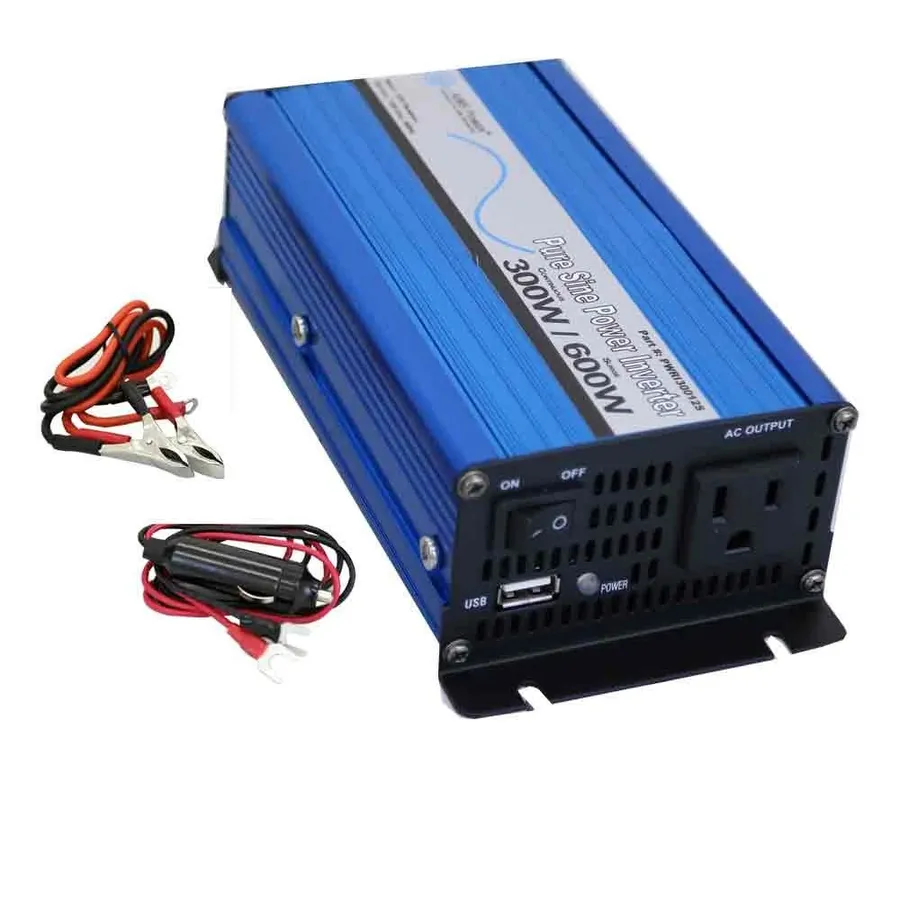
Inverters are categorized by their output waveform, with the two primary types being modified sine wave and pure sine wave. The waveform type directly impacts the compatibility and performance of connected appliances, making it a critical consideration when selecting an inverter. Understanding the nuances of each type is essential for optimal and safe usage.
| Feature | Modified Sine Wave Inverter | Pure Sine Wave Inverter |
|---|---|---|
| Waveform Output | Approximates a sine wave with a stepped, square-like pattern. | Produces a smooth, clean sine wave that is nearly identical to the power from the electrical grid. |
| Suitability for Appliances | Suitable for simple devices like lights, heaters, and some power tools. | Ideal for sensitive electronics like laptops, TVs, medical equipment, and appliances with motors or transformers. |
| Efficiency | Generally less efficient, may cause some devices to run hotter. | Higher efficiency, less waste heat, and optimized device performance. |
| Cost | Generally more affordable. | Typically more expensive due to more complex circuitry. |
| Harmonic Distortion | Higher harmonic distortion, which can cause interference or damage to sensitive electronics. | Significantly less harmonic distortion, ensuring stable and reliable operation. |
| Noise | May produce a buzzing or humming sound, especially under load. | Much quieter operation. |
Choosing between a modified sine wave and pure sine wave inverter depends heavily on the types of appliances you intend to power. While modified sine wave inverters are more budget-friendly and can operate many basic devices, sensitive electronics typically require the stable and clean power provided by a pure sine wave inverter to prevent potential damage or malfunction. It's imperative to consider this compatibility aspect carefully.
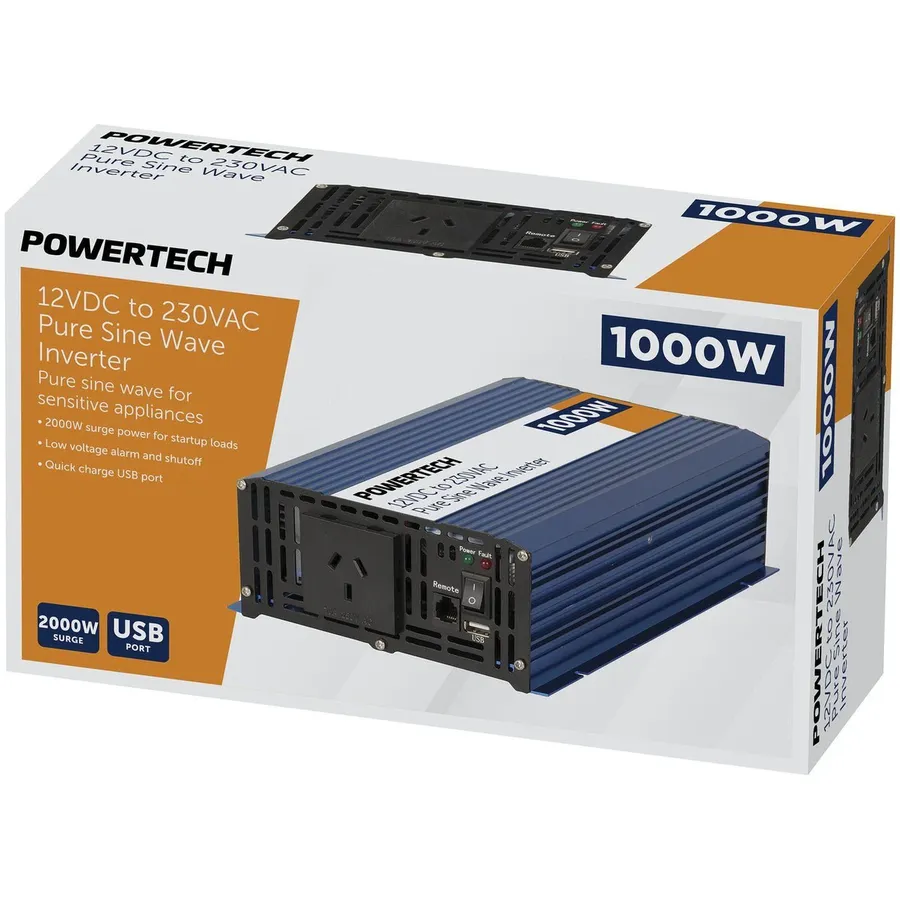
Jaycar offers a diverse range of inverters catering to various power needs, from small portable electronics to larger appliances. This section provides an in-depth exploration of their product line, focusing on available wattages, voltage options, and key features of each model, with a particular emphasis on the popular pure sine wave inverters.
| Model Category | Wattage Range | Voltage Options | Waveform Type | Typical Applications |
|---|---|---|---|---|
| Portable Inverters | 300W - 500W | 12V DC | Modified Sine Wave / Pure Sine Wave | Charging laptops, phones, small electronic devices |
| Mid-Range Inverters | 1000W - 1500W | 12V DC / 24V DC | Modified Sine Wave / Pure Sine Wave | Powering small appliances, TVs, power tools |
| High-Power Inverters | 2000W - 3000W | 12V DC / 24V DC | Modified Sine Wave / Pure Sine Wave | Running larger appliances, refrigerators, air conditioners |
| Pure Sine Wave Inverters | 300W - 3000W | 12V DC / 24V DC | Pure Sine Wave | Sensitive electronics, audio equipment, medical devices |
Key features across the Jaycar inverter range include overload protection, short circuit protection, and low battery voltage alarm. Pure sine wave models are particularly noteworthy for delivering cleaner, more stable AC power, making them suitable for sensitive electronics and devices with AC motors, thus minimizing the risk of damage or operational issues. Models are available in both 12VDC and 24VDC options, depending on the target use case.
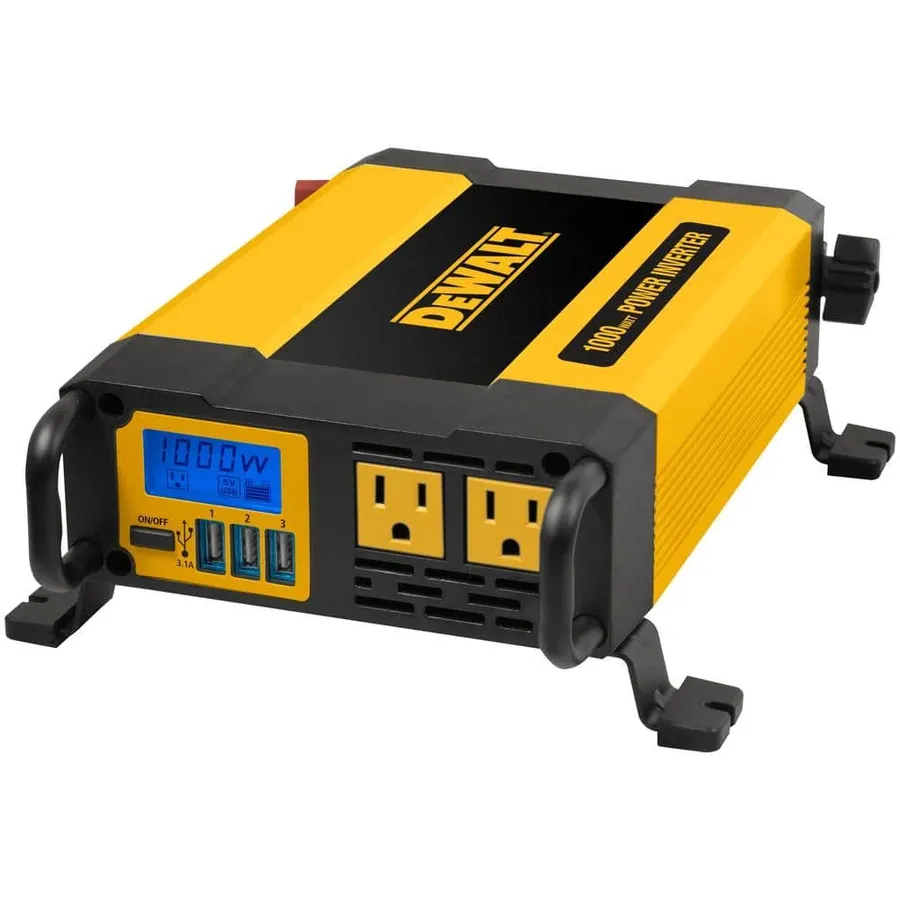
Selecting the correct Jaycar inverter requires a careful evaluation of your power needs to ensure optimal performance and safety. This involves accurately calculating the power consumption of the devices you intend to operate and matching that with an inverter that can handle both the continuous and surge power demands. Overlooking this crucial step can lead to damaged equipment and inefficient energy conversion.
To effectively choose the right Jaycar inverter, consider the following factors:
Understanding these key parameters will enable you to choose the appropriate Jaycar inverter that provides reliable and safe power to your devices without causing damage.
| Factor | Description | Action |
|---|---|---|
| Continuous Power (Watts) | The amount of power your devices use under normal operation. | Sum the watts of all devices you plan to run concurrently. Select an inverter that exceeds this total. |
| Surge Power (Watts) | The power a device requires upon starting, usually higher than its continuous power draw. | Refer to manufacturer specifications to determine surge watts. Ensure the inverter's surge rating is greater than the highest surge demand. |
| Battery Voltage | The voltage of your power source (typically 12V or 24V). | Match the inverter's input voltage to your battery's voltage to ensure compatibility. |
| Inverter Type | Modified sine wave for basic applications or pure sine wave for sensitive electronics. | Choose pure sine wave for sensitive electronics or high-quality audio/video equipment; modified sine wave is suitable for less sensitive devices. |
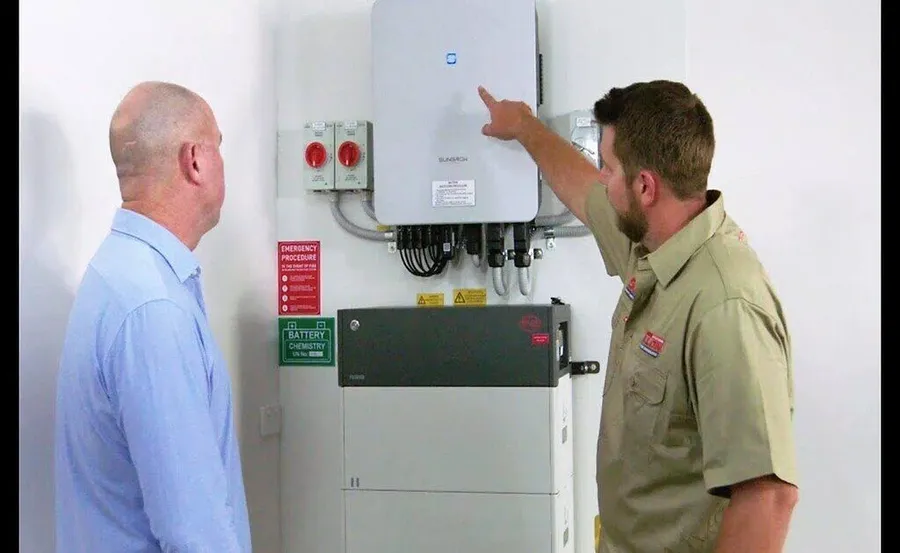
Proper installation and adherence to safety protocols are crucial when using Jaycar inverters to ensure both optimal performance and user safety. This section outlines essential guidelines for the safe and effective setup of your Jaycar inverter, covering wiring, fuse protection, ventilation, and general safety precautions.
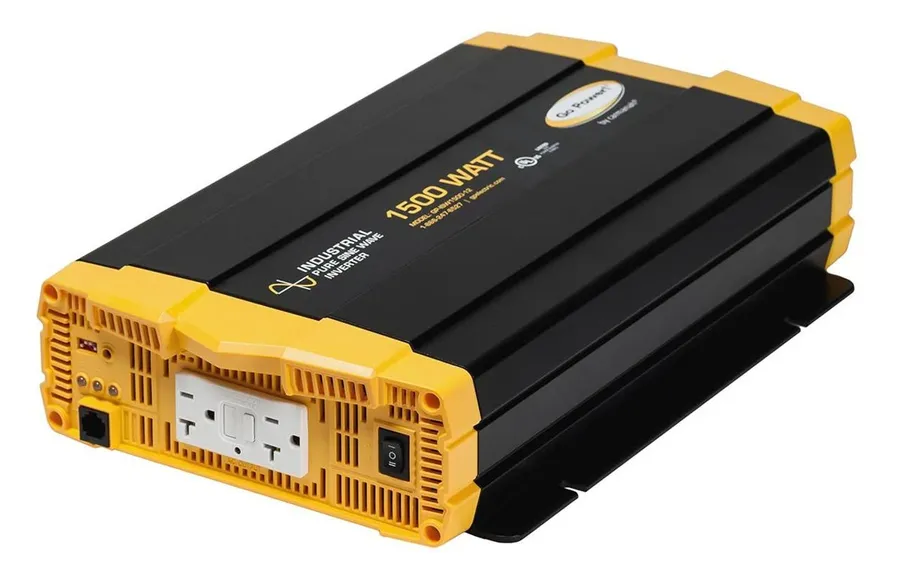
Jaycar inverters are versatile tools for converting DC power from a battery source to AC power, allowing various appliances and devices to function in locations without direct mains power. This section explores practical applications, providing examples of common devices and the considerations needed when using different types of inverters.
Powering appliances with a Jaycar inverter requires a solid understanding of power consumption. Each appliance has a specific wattage, which needs to be lower than the inverter's rated power output. Additionally, appliances that use motors, such as power tools, or have heating elements, often require surge power greater than their running wattage. The inverter must be capable of delivering this surge power to start the appliance.
| Appliance | Typical Wattage | Inverter Type | Considerations |
|---|---|---|---|
| Microwave Oven | 600-1500W | Pure Sine Wave Recommended | Requires high surge power, modified sine wave may not work reliably for all models. |
| Power Tools (Drill, Sander) | 500-1000W | Pure Sine Wave Recommended | High start-up surge requirements, modified sine wave may cause overheating or damage |
| Television | 50-200W | Modified Sine Wave Compatible / Pure Sine Wave | Some LCD/LED TV may be sensitive to modified sine wave, generally pure sine wave is safer for all TVs. |
| Laptop/Charger | 60-120W | Modified Sine Wave Compatible / Pure Sine Wave | Both inverters work well, pure sine wave provides cleaner power for sensitive electronics |
| Mobile Phone Charger | 5-15W | Modified Sine Wave Compatible / Pure Sine Wave | Both work well, negligible performance difference |
| Refrigerator | 200-800W | Pure Sine Wave Recommended | Requires a high surge capacity, a modified sine wave inverter may cause damage. Start-up load is high, consider sizing the inverter to 2x the rated wattage. |
| Lights (LED) | 5-50W | Modified Sine Wave Compatible / Pure Sine Wave | Both inverters suitable for LED lights, with negligable performance difference. |
When powering sensitive electronics, such as laptops, modern televisions, and medical equipment, pure sine wave inverters are highly recommended due to their stable and clean power output. Modified sine wave inverters, while suitable for some devices, can cause overheating or damage to sensitive electronics with their stepped approximation of the sine wave. Always check the device's power requirements and specifications before using an inverter and refer to the Jaycar inverter manual for detailed guidance.
This section addresses common questions users have regarding Jaycar inverters, offering practical insights into their usage, specifications, and troubleshooting. Understanding these FAQs can greatly enhance your experience and ensure safe, efficient operation of your inverter.
Jaycar inverter manuals are crucial resources that provide essential information for the safe and effective use of your device. These manuals are not merely optional reading; they are fundamental for proper installation, operation, and troubleshooting, ensuring both user safety and the longevity of the inverter. They serve as the primary guide to understanding the specific features, limitations, and best practices associated with each Jaycar inverter model.
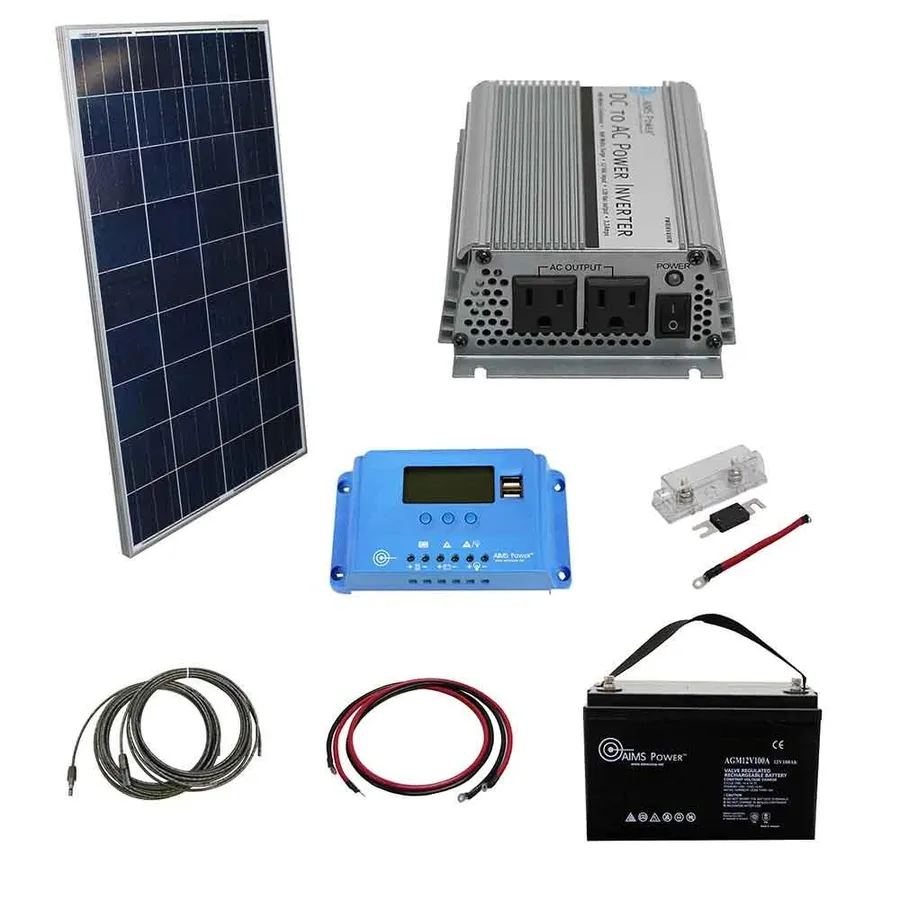
Beyond basic applications, Jaycar inverters can be integrated into more complex systems, enabling off-grid living, portable power solutions, and contributing to sustainable energy practices. This section explores these advanced applications and their associated considerations.
Utilizing inverters in conjunction with solar power and batteries enables energy independence in remote locations or during grid outages. Additionally, portable power stations, incorporating an inverter as a crucial component, provide flexible and on-demand AC power for various applications.
| Application | Key Components | Considerations |
|---|---|---|
| Off-Grid Solar | Solar Panels, Battery Bank, Jaycar Inverter | System Sizing, Battery Capacity, Inverter Type |
| Portable Power | Battery, Jaycar Inverter, Charger | Battery Run Time, Inverter Wattage, Durability |
| Sustainable Use | Renewable Energy, Efficient Appliances | Energy Consumption, Component Disposal |
Jaycar inverters are versatile tools for powering our technology-driven lives, whether it's for outdoor adventures, remote work, or emergency power backup. Choosing the right inverter, be it a modified or pure sine wave model, understanding its power capabilities, and adhering to safety guidelines are crucial for optimal performance and longevity. By carefully evaluating your needs and making informed decisions, you can efficiently harness the power of a Jaycar inverter to seamlessly power your life, anywhere, anytime. From small appliances to complex devices, these inverters bridge the gap and empower you to take control of your power needs.

