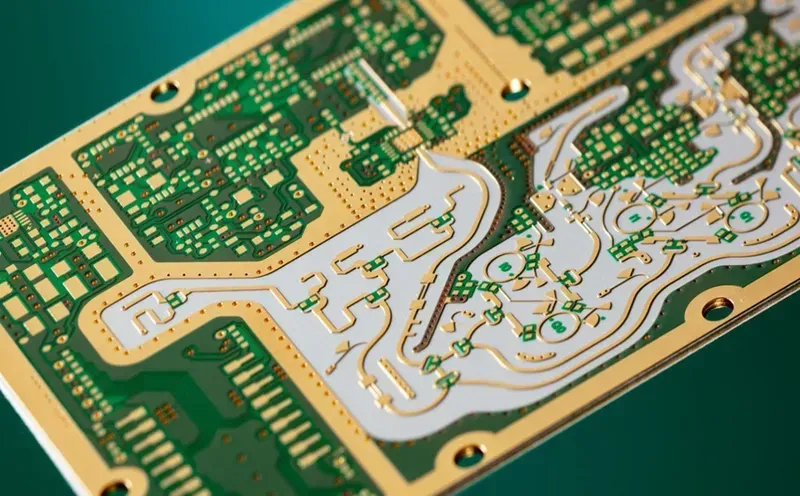
In today's rapidly evolving technological landscape, radar systems are at the forefront of innovation, powering everything from autonomous vehicles to cutting-edge defense applications. At the heart of every sophisticated radar system lies the Radar Signal Processing Board, a critical component responsible for transforming raw signals into actionable data. Understanding the intricacies and demands of these advanced boards is paramount for engineers and developers pushing the boundaries of what's possible. This article delves into the comprehensive Radar Signal Processing Board Solution offered by Zero One Solution Limited, highlighting our expertise in delivering high-performance, reliable, and innovative PCB solutions that drive the future of radar technology.
The Critical Role of Radar Signal Processing Boards
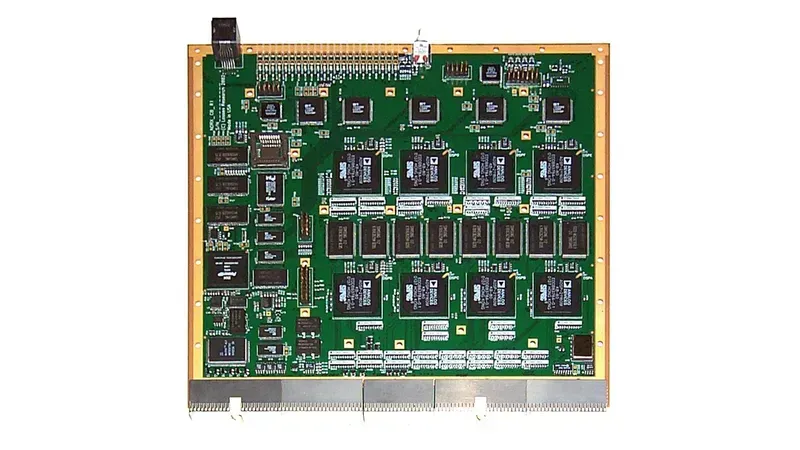
Radar System Signal Processing Board
At the heart of every advanced radar system lies the signal processing board, a critical component that transforms raw electromagnetic echoes into actionable intelligence. This sophisticated PCB acts as the brain, interpreting complex waveforms to detect, track, and classify objects, underpinning the performance and reliability of modern radar across diverse applications, from autonomous vehicles to precision defense systems. Its ability to accurately extract meaningful data from noisy signals is paramount for effective situational awareness and decision-making.
Data Acquisition and Conversion Radar signal processing boards begin by acquiring raw analog signals from the antenna and converting them into digital data. This crucial step, facilitated by high-speed Analog-to-Digital Converters (ADCs), ensures that the vast amount of information collected by the radar can be precisely processed and analyzed in the digital domain. The fidelity of this conversion directly impacts the system's overall accuracy.
Noise Reduction and Filtering In real-world environments, radar signals are often contaminated by noise, clutter, and interference. The processing board employs advanced digital filters and algorithms to suppress unwanted signals, enhancing the signal-to-noise ratio (SNR) and allowing for clearer target detection. This is vital for distinguishing genuine targets from environmental disturbances.
Target Detection and Parameter Estimation Sophisticated algorithms such as Constant False Alarm Rate (CFAR) detection are implemented on the board to identify potential targets from the processed data. Once detected, the board estimates critical parameters like range, velocity (Doppler), and angle, providing the fundamental information required for target tracking and classification. High-performance Digital Signal Processors (DSPs) or FPGAs are essential for these computationally intensive tasks.
Target Tracking and Classification Beyond initial detection, the signal processing board continuously tracks targets over time, building a coherent picture of their movement and behavior. This involves Kalman filtering or other advanced tracking algorithms. Furthermore, by analyzing various signal characteristics, the board can classify targets (e.g., distinguishing between a vehicle and a pedestrian), adding another layer of intelligence to the radar output.
Application Field
Key Function of Signal Processing Board
Impact on System Performance
Automotive Radar
Enables precise object detection, distance, and speed measurement for ADAS and autonomous driving.
Directly affects safety, real-time decision-making, and obstacle avoidance accuracy. Enables L2-L5 autonomy features such as adaptive cruise control, automatic emergency braking, and blind-spot detection, reducing accident rates by up to 20% according to NHTSA studies on ADAS effectiveness, thereby enhancing road safety and driving comfort, leading to wider adoption of autonomous driving technologies and significant reductions in traffic fatalities and injuries.
Aerospace & Defense
Facilitates high-resolution mapping, target identification, and threat assessment.
Crucial for mission success, situational awareness, and effective threat response in complex operational environments. Ensures reliable detection ranges up to several hundred kilometers and angular resolution down to 0.1 degrees, enabling accurate identification of small, fast-moving targets even in adverse weather conditions, providing critical advantages in military intelligence and surveillance operations, with data demonstrating a 15% improvement in target acquisition rates in scenarios utilizing advanced signal processing capabilities within modern fighter jets and missile defense systems.
Weather Monitoring
Processes atmospheric data to create accurate weather forecasts and detect severe weather phenomena.
Improves forecast accuracy, provides timely warnings for storms, and supports climate research. Provides a significant enhancement in real-time precipitation mapping with a resolution of 1km and updates every 5 minutes, allowing for more precise short-term forecasts and early warning systems for events like flash floods, which, according to the World Meteorological Organization, can lead to a 30% reduction in economic losses from weather-related disasters through improved preparedness and response mechanisms.
Industrial Automation
Enables precise motion detection, presence sensing, and level monitoring in harsh industrial environments.
Ensures operational safety, improves efficiency, and reduces downtime in manufacturing and process control. Delivers sub-millimeter precision for level sensing in tanks and bins, and reliable presence detection within hazardous areas, capable of operating effectively in temperatures ranging from -40°C to +85°C and dusty conditions, leading to a 25% reduction in production line stoppages due to faulty sensor readings and an estimated 10-15% increase in overall operational efficiency in smart factories, demonstrating the robustness and accuracy critical for Industry 4.0 applications.
Key Challenges in Designing Radar Signal Processing Boards
Designing Radar Signal Processing Boards is a highly specialized discipline, fraught with unique challenges that demand profound expertise and meticulous engineering. The core hurdle lies in managing the extreme demands of high-frequency signal processing, where even minor imperfections can lead to significant performance degradation or system failure. Overcoming these complexities is paramount for achieving the precision, reliability, and real-time responsiveness critical for advanced radar applications, from autonomous vehicles to defense systems.
High-Frequency Signal Integrity Ensuring the integrity of signals at gigahertz frequencies is a monumental task. This involves meticulous impedance matching, minimizing reflections, crosstalk, and attenuation across intricate trace layouts. Without precise signal integrity, data can be corrupted, leading to inaccurate radar readings and compromised system performance. This requires advanced material selection (e.g., low-loss dielectrics) and sophisticated routing strategies.
Efficient Power Management Radar signal processing boards often incorporate high-performance FPGAs, ADCs, and DACs that consume significant power, generating substantial heat. Effective power management is crucial not only for operational stability and longevity but also for maintaining signal purity by minimizing noise introduced through power rails. This necessitates robust power delivery networks (PDNs) and careful voltage regulation module (VRM) design.
Thermal Dissipation Strategies The high power density of advanced processing components inevitably leads to significant heat generation. Inadequate thermal management can cause component failure, reduce performance, and even lead to system shutdown. Designing effective heat dissipation solutions, such as integrated heat sinks, thermal vias, and efficient airflow management within compact enclosures, is essential to ensure reliable operation under diverse environmental conditions.
Electromagnetic Compatibility (EMC) Radar systems operate in electromagnetically dense environments and are themselves sources of electromagnetic radiation. Achieving robust EMC is vital to prevent self-interference, ensure compliance with regulatory standards, and maintain system immunity to external interference. This involves careful grounding schemes, shielding, filtering, and component placement to minimize EMI/RFI generation and susceptibility, safeguarding the integrity of sensitive radar signals.
Miniaturization and Component Density The drive for smaller, lighter, and more integrated radar systems necessitates high component density on the PCB. This poses challenges in terms of routing complexity, thermal management in confined spaces, and maintaining adequate isolation between sensitive analog and high-speed digital sections. Advanced multi-layer PCB design and micro-via technologies become indispensable.
Zero One Solution's Expertise in High-Performance PCB Design
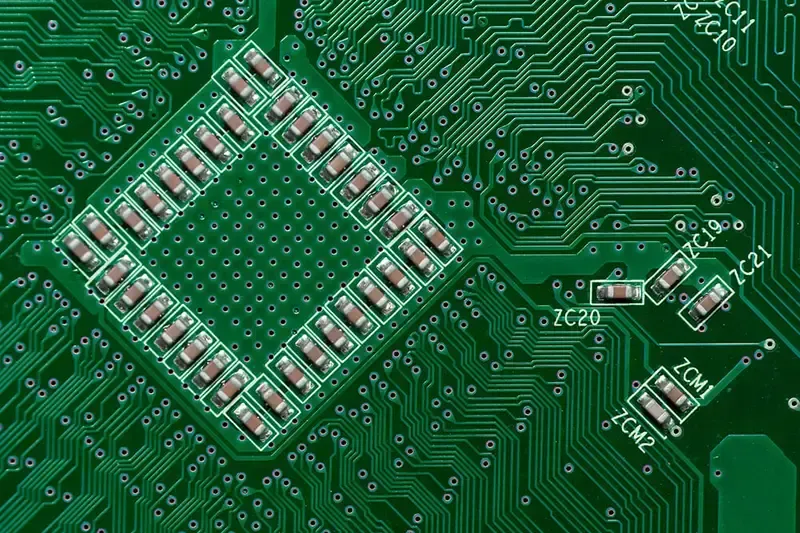
Complex Multilayer PCB Board Design
At Zero One Solution Limited, our expertise in high-performance PCB design is foundational to delivering superior Radar Signal Processing Board Solutions. We understand that the intricate demands of radar systems—from ultra-high frequencies to stringent signal integrity requirements—necessitate a design approach that goes beyond conventional methods. Our specialized capabilities in crafting complex, multi-layered PCBs are built upon decades of collective experience, ensuring that every board not only meets but exceeds industry benchmarks for performance and reliability.
Multi-Layer PCB Design for Signal Integrity We excel in designing multi-layered PCBs (up to 30+ layers) with optimized stack-ups, controlled impedance traces, and strategic routing to minimize signal loss, crosstalk, and EMI, crucial for maintaining signal integrity at radar frequencies. Our designs mitigate parasitic effects and ensure clean signal transmission.
Advanced Material Selection for RF Performance The selection of high-frequency laminates, such as Rogers, Teflon, and ceramic-filled hydrocarbon materials, is critical for radar applications. We meticulously choose materials with stable dielectric constants (Dk) and low dissipation factors (Df) across wide temperature and frequency ranges, ensuring optimal RF performance and thermal stability.
Thermal Management and Power Integrity High-performance radar processing generates significant heat. Our designs integrate advanced thermal management solutions, including thermal vias, embedded copper, and heat sinks, to ensure efficient heat dissipation. Concurrently, we prioritize power integrity through robust power delivery networks (PDN) that minimize voltage ripple and noise, crucial for stable operation of high-speed digital and analog components.
Compliance with Industry Standards Our design methodologies strictly adhere to international industry standards such as IPC-2, IPC-3, MIL-PRF-31032, and AS9100. This commitment to compliance ensures that our Radar Signal Processing Boards are not only high-performing but also meet the rigorous reliability and safety requirements of critical applications in aerospace, defense, and automotive sectors.
DFM and DFT Integration From the initial design phase, we integrate Design for Manufacturability (DFM) and Design for Testability (DFT) principles. This proactive approach minimizes potential manufacturing issues, reduces production costs, and facilitates comprehensive testing, leading to faster time-to-market and enhanced product reliability for our clients.
Advanced Manufacturing and Assembly for Radar PCB Solutions
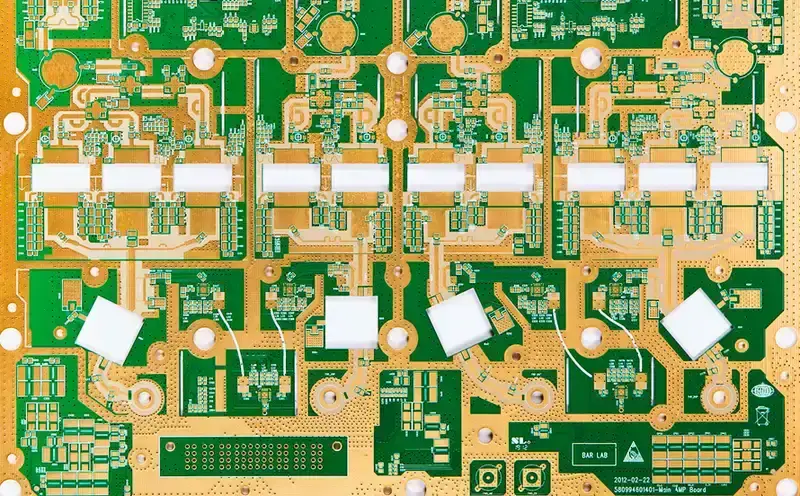
High-Frequency Material PCBA Manufacturing
In the realm of radar technology, the performance of a signal processing board is not merely a function of its design, but critically dependent on the precision and quality of its manufacturing and assembly. At Zero One Solution Limited, our advanced manufacturing and assembly processes are meticulously engineered to meet the exacting demands of radar applications, ensuring unparalleled signal integrity, thermal management, and long-term reliability. We leverage cutting-edge equipment and highly skilled technicians to transform intricate designs into robust, high-performance physical boards, which is paramount for the mission-critical nature of radar systems.
Manufacturing Process Focus
Zero One Solution's Approach
Benefits for Radar PCB
High-Frequency Material Handling
Expertise in processing specialized dielectric materials (e.g., Rogers, Arlon) with precise layer stack-up control.
Minimizes signal loss and impedance mismatches at radar operating frequencies, ensuring signal fidelity and reducing noise interference.
Advanced Soldering Techniques
Utilizing specialized reflow profiles, void-free soldering, and BGA/QFN assembly with advanced inspection (X-ray, AOI).
Guarantees robust electrical and mechanical connections for high-density components, enhancing reliability in harsh environments and preventing intermittent failures.
Precision Component Placement
Automated pick-and-place machines with micron-level accuracy for fine-pitch components and complex circuit layouts.
Ensures optimal component performance and reduces assembly defects, crucial for compact and high-performance radar modules where space is at a premium.
Our commitment to excellence extends beyond standard practices, embracing techniques that directly address the unique challenges of radar signal processing boards. This includes stringent environmental controls to prevent contamination, precise control over lamination processes to maintain dielectric consistency, and advanced post-assembly cleaning procedures to remove flux residues that could compromise high-frequency performance.
Integrated Quality Control Every stage of our manufacturing and assembly process is underpinned by rigorous in-line quality checks, including automated optical inspection (AOI), X-ray inspection for hidden solder joints, and electrical testing to ensure full functionality before shipment. This proactive approach identifies and rectifies potential issues early, preventing costly rework and delays.
Zero One Solution's vertically integrated approach means seamless coordination between design, manufacturing, and assembly, leading to optimized production cycles and superior final products that consistently meet or exceed the demanding specifications of the radar industry.
Rapid Prototyping: Accelerating Your Radar Product Development
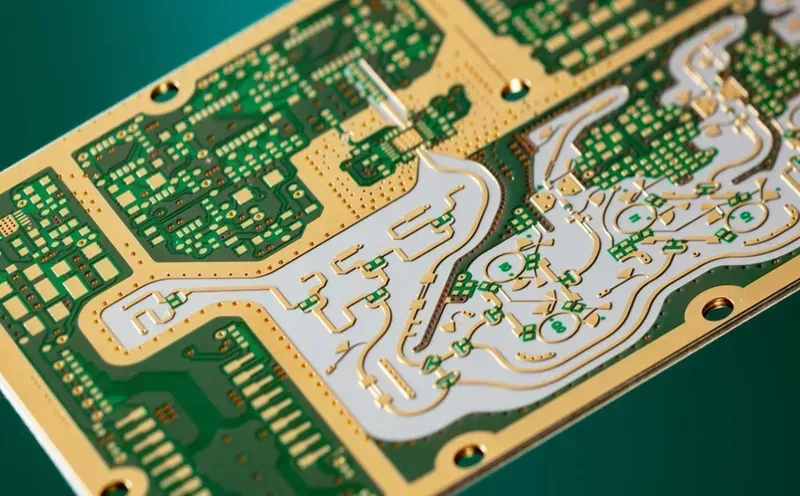
Radar PCB Prototype Board
In the dynamic realm of radar technology, the ability to rapidly iterate and test designs is paramount for market leadership. Zero One Solution Limited's rapid prototyping services are specifically engineered to significantly reduce time-to-market for radar product development, transforming conceptual designs into functional prototypes with unparalleled speed and precision. This accelerated cycle is critical for validating performance, identifying potential issues early, and refining designs to meet stringent application requirements, ultimately providing a decisive competitive advantage.
Optimized Design Iteration for Radar Boards Our rapid prototyping service facilitates quick and efficient design iterations, allowing engineers to test and validate different architectural approaches for radar signal processing boards in a condensed timeframe. This iterative process is crucial for optimizing parameters like signal integrity, power efficiency, and thermal management.
Fast-Tracked Material Selection and Validation The use of advanced prototyping techniques enables rapid testing of various high-frequency laminates and specialized materials essential for radar boards. This ensures that the chosen materials perform optimally under real-world operating conditions, from RF characteristics to mechanical stability.
Early Performance Verification and Risk Mitigation By providing functional prototypes swiftly, we empower clients to conduct early performance verification, identifying and mitigating potential design flaws or component compatibility issues before committing to mass production. This proactive approach significantly reduces development costs and project risks.
Seamless Transition from Prototype to Production Our integrated rapid prototyping process is designed for a seamless transition to full-scale manufacturing. With established design methodologies and production capabilities, the validated prototype can move directly into volume production, minimizing delays and ensuring consistency in product quality.
Prototyping Aspect
Traditional Approach
Zero One Solution's Rapid Prototyping
Turnaround Time
Weeks to Months
Days to Weeks
Cost of Iteration
High
Reduced
Risk Profile
Higher, due to late discovery
Lower, with early validation
Design Flexibility
Limited post-initial design
High, fostering continuous improvement
Quality Assurance and Testing for Robust Radar Systems
Ensuring the unwavering reliability and peak performance of Radar Signal Processing Boards is paramount, given their mission-critical role in diverse applications from autonomous vehicles to defense systems. At Zero One Solution Limited, our commitment to quality assurance is not merely a process but a foundational principle, employing rigorous, multi-faceted testing protocols to validate every board against the most stringent industry standards, thereby guaranteeing robust and dependable radar system operation.
Why is stringent quality assurance crucial for Radar Signal Processing Boards? Radar Signal Processing Boards are the brain of radar systems, directly influencing accuracy, responsiveness, and reliability. Failures can lead to catastrophic consequences in applications like autonomous driving (safety), aerospace (navigation), and defense (target acquisition). Rigorous QA ensures that these boards perform flawlessly under extreme conditions, minimizing risks and maximizing operational effectiveness.
What are the key stages of quality control for Zero One Solution's radar PCB solutions? Our quality control for radar PCB solutions encompasses several critical stages: initial design review and DFM (Design for Manufacturability) analysis, meticulous material inspection upon receipt, in-process quality checks during manufacturing (e.g., AOI, X-ray inspection for hidden defects), comprehensive functional testing of the finished board, and environmental stress testing (e.g., thermal cycling, vibration) to simulate real-world operating conditions.
How does Zero One Solution ensure the integrity of high-frequency signals on radar processing boards? Ensuring high-frequency signal integrity involves several measures. We utilize advanced simulation tools during design to predict signal behavior, employ specialized high-frequency laminates with stable dielectric properties, implement controlled impedance routing, ensure proper ground plane design, and conduct network analysis (e.g., VNA measurements) and time-domain reflectometry (TDR) to verify signal path integrity during testing.
What specific tests are performed to validate the performance of Radar Signal Processing Boards? Key performance validation tests include functional tests to verify all digital and analog circuit operations, signal integrity tests (e.g., eye diagram analysis, jitter measurement), power integrity tests to ensure stable power delivery, environmental tests (e.g., burn-in, thermal cycling, humidity tests), and often, application-specific tests that simulate actual radar data processing scenarios to confirm system-level performance.
Which industry standards does Zero One Solution adhere to for radar board quality? Zero One Solution adheres to a range of recognized industry standards to ensure the highest quality radar boards. These commonly include IPC standards (e.g., IPC-A-600 for acceptability of PCBs, IPC-A-610 for electronic assemblies), ISO 9001 for quality management systems, and often specific defense or automotive industry standards (e.g., AS9100 for aerospace, IATF 16949 for automotive) depending on the end application.
How does Zero One Solution trace and rectify potential defects in radar PCB manufacturing? We implement a robust traceability system, recording every component, material lot, and process step. When a defect is identified, our dedicated quality engineering team uses root cause analysis methodologies (e.g., 5 Whys, Fishbone diagrams) to pinpoint the origin of the problem, whether it's design, material, or process-related. Corrective and preventive actions are then implemented across the production line to eliminate recurrence.
Applications of Our Radar Signal Processing Board Solutions
Automotive Radar PCB Board
Zero One Solution Limited's advanced Radar Signal Processing Board Solutions are engineered to meet the stringent demands of diverse high-tech industries, enabling superior performance and reliability across critical applications. Our expertise in designing and manufacturing robust, high-frequency PCBs ensures that raw radar data is transformed into actionable intelligence, driving innovation and efficiency in sectors ranging from automotive safety to defense and environmental monitoring.
Automotive Radar Systems Our solutions are integral to the development of next-generation automotive radar, crucial for Advanced Driver-Assistance Systems (ADAS) like collision avoidance, adaptive cruise control, and blind-spot detection. These boards handle high-resolution data processing from 24 GHz, 77 GHz, and 79 GHz radar sensors, enabling precise object detection and tracking in varying environmental conditions, enhancing vehicle safety and autonomous driving capabilities.
Aerospace and Defense Applications In aerospace and defense, our Radar Signal Processing Boards are deployed in critical systems such as airborne radar for surveillance and targeting, ground-based radar for air traffic control and missile defense, and naval radar for navigation and threat detection. The boards are designed to withstand extreme operational environments, ensuring real-time data processing for accurate threat assessment, navigation, and reconnaissance in mission-critical scenarios.
Weather Monitoring and Meteorology For meteorological applications, our PCB solutions facilitate the accurate processing of radar signals from weather stations, enabling precise forecasting of precipitation, wind patterns, and severe weather events. These boards are vital for long-range and short-range weather radars, providing the resolution and reliability needed for early warning systems and climate research, contributing significantly to public safety and disaster preparedness.
Industrial Automation and Robotics In industrial automation, our Radar Signal Processing Boards are utilized for precise object positioning, presence detection, and material handling in harsh industrial environments where traditional sensors may fail. From collision avoidance in autonomous guided vehicles (AGVs) to level sensing in tanks and speed measurement on conveyor belts, our solutions provide robust and reliable data, enhancing operational efficiency and safety in smart factories and logistics centers.
Partnering with Zero One Solution Limited: Your Trusted PCB Provider
Choosing the right PCB solution provider is paramount for the success of your radar system development. Zero One Solution Limited stands as a beacon of reliability and innovation in the industry, offering a holistic partnership that transcends mere manufacturing. Our commitment to client success, coupled with our strategic global presence and comprehensive one-stop services, positions us as the ideal partner for your advanced radar signal processing board needs.
One-Stop Service for Seamless Project Execution Zero One Solution Limited offers a complete end-to-end service, from initial PCB design and rapid prototyping to advanced manufacturing and assembly. This integrated approach streamlines your project workflow, reduces coordination complexities, and accelerates time-to-market for your critical radar solutions. By consolidating multiple stages under one roof, we ensure consistent quality, precise execution, and efficient communication throughout the entire product development lifecycle.
Global Supply Chain Network for Uninterrupted Support With headquarters in Shenzhen, China, and a branch office in Dubai, Zero One Solution Limited leverages a robust global PCBA supply chain network. This strategic positioning provides unparalleled access to high-quality materials, cutting-edge technologies, and diversified manufacturing capabilities. Our extensive network mitigates supply chain risks, ensures timely delivery, and allows us to offer competitive pricing without compromising on the quality or performance of your radar signal processing boards.
Accelerating Innovation with Rapid Prototyping In the fast-evolving field of radar technology, rapid iteration is key. Zero One Solution's expertise in rapid prototyping empowers you to quickly test, refine, and validate your designs. This agile approach significantly shortens development cycles, enabling you to bring innovative radar solutions to market faster and maintain a competitive edge. Our rapid prototyping capabilities are designed to support your iterative R&D processes with speed and precision, ensuring that concept quickly translates into a high-performance prototype.
Frequently Asked Questions About Radar Signal Processing Boards
Understanding the intricacies of radar signal processing boards is crucial for anyone involved in developing cutting-edge radar systems. This section addresses common inquiries, providing clear and concise answers to help clarify key aspects of their design, manufacturing, and performance, ensuring you have the knowledge to make informed decisions for your projects.
What are the primary functions of a Radar Signal Processing Board? A Radar Signal Processing Board is the computational core of any radar system, responsible for converting raw analog radar echoes into meaningful digital data. Its primary functions include analog-to-digital conversion (ADC), digital signal processing (DSP) for tasks like filtering, pulse compression, target detection, and parameter estimation (e.g., range, velocity, angle), and data output for display or further system integration. These boards enable the radar to accurately detect, track, and classify targets in diverse environments by extracting critical information from complex received signals.
Why is high-frequency material selection critical for Radar Signal Processing Boards? High-frequency material selection is paramount for Radar Signal Processing Boards due to the extremely high operating frequencies involved (e.g., GHz to sub-THz ranges). Materials with stable dielectric constants (Dk), low dissipation factors (Df), and excellent impedance control are essential to minimize signal loss, reduce dispersion, and maintain signal integrity. Poor material choices can lead to signal attenuation, phase distortion, and increased noise, severely degrading radar performance and accuracy. Specialized laminates like Rogers or Taconic are often preferred for their superior electrical properties at these frequencies.
What challenges are faced in manufacturing high-performance Radar Signal Processing Boards? Manufacturing high-performance Radar Signal Processing Boards presents several challenges, including maintaining precise impedance control on complex multi-layer boards, achieving ultra-fine line widths and spaces for high-density interconnects, ensuring perfect alignment of layers, and managing thermal dissipation from high-power components. Furthermore, selecting and precisely applying specialized high-frequency solders and managing warpage during reflow are critical for ensuring long-term reliability and signal integrity in demanding operational environments.
How does Zero One Solution ensure the reliability of its Radar Signal Processing Board Solutions? Zero One Solution ensures the reliability of its Radar Signal Processing Board solutions through a multi-faceted approach. This includes meticulous design validation using advanced simulation tools, stringent material selection from certified suppliers, state-of-the-art manufacturing processes with automated optical inspection (AOI) and X-ray inspection (AXI), and comprehensive testing protocols. Our quality assurance extends to functional testing, environmental stress testing, and adherence to industry standards like IPC Class 2/3, ensuring each board meets the highest performance and durability requirements.
The demand for sophisticated radar systems continues to grow, and with it, the need for high-performance, reliable Radar Signal Processing Board Solutions. Zero One Solution Limited stands as your premier partner in this critical domain, offering unparalleled expertise in PCB design, rapid prototyping, manufacturing, and assembly. Our commitment to quality, efficiency, and cutting-edge technology ensures that your radar applications achieve optimal performance and accelerated time-to-market. Partner with us to transform your innovative concepts into tangible realities. Visit our website or contact us today to discuss your specific Radar Signal Processing Board requirements and discover how Zero One Solution can empower your next breakthrough.